

Best Office Layouts for Creative Teams in Boston
When building or expanding a creative team in Boston, the office layout is a core element influencing productivity and team dynamics. Founders often face decisions about how to arrange space so collaboration thrives without compromising focus. The right layout blends areas for open teamwork with zones designed for quiet concentration.
Understanding how your creative team works in practice informs the layout choice more than just square footage or rent cost. Whether your team brainstorms together in real-time, produces individual creative content, or hosts frequent client sessions, an effective design accommodates these workflows with suitable spaces.
Tandem offers tools that help founders navigate these tradeoffs and timing. By reducing friction in the fragmented Boston office market, Tandem can support your search for layouts that fit your team size and working style.Below are Boston office space options catering to small creative teams, reflecting flexible and thoughtful layouts suitable for these needs.
Downtown Boston Office with Great Views
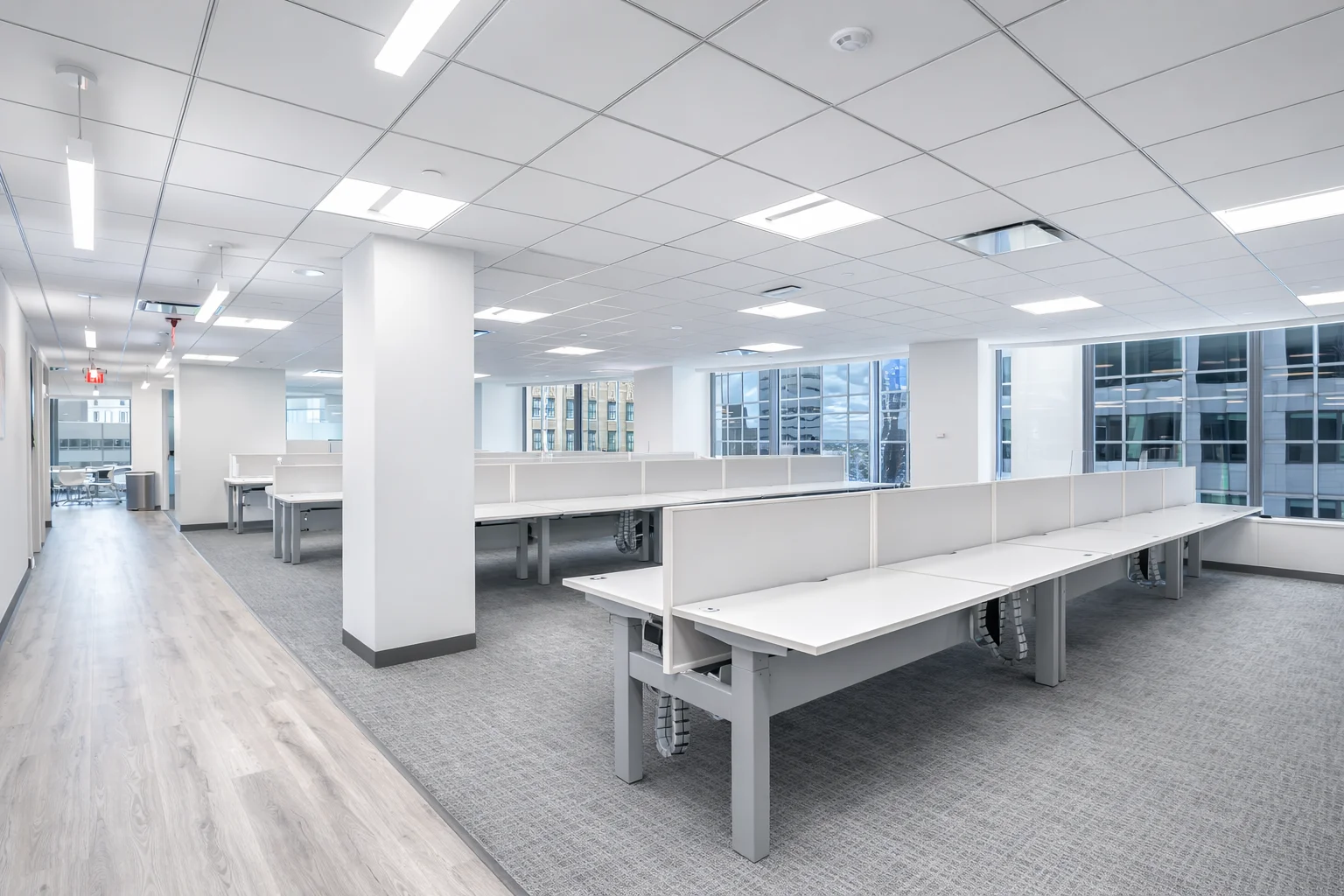
Address: 99 High St
Space Type: Private office suite
Price: ~$40,400/mo
Bright Downtown Boston Office with Waterfront Views
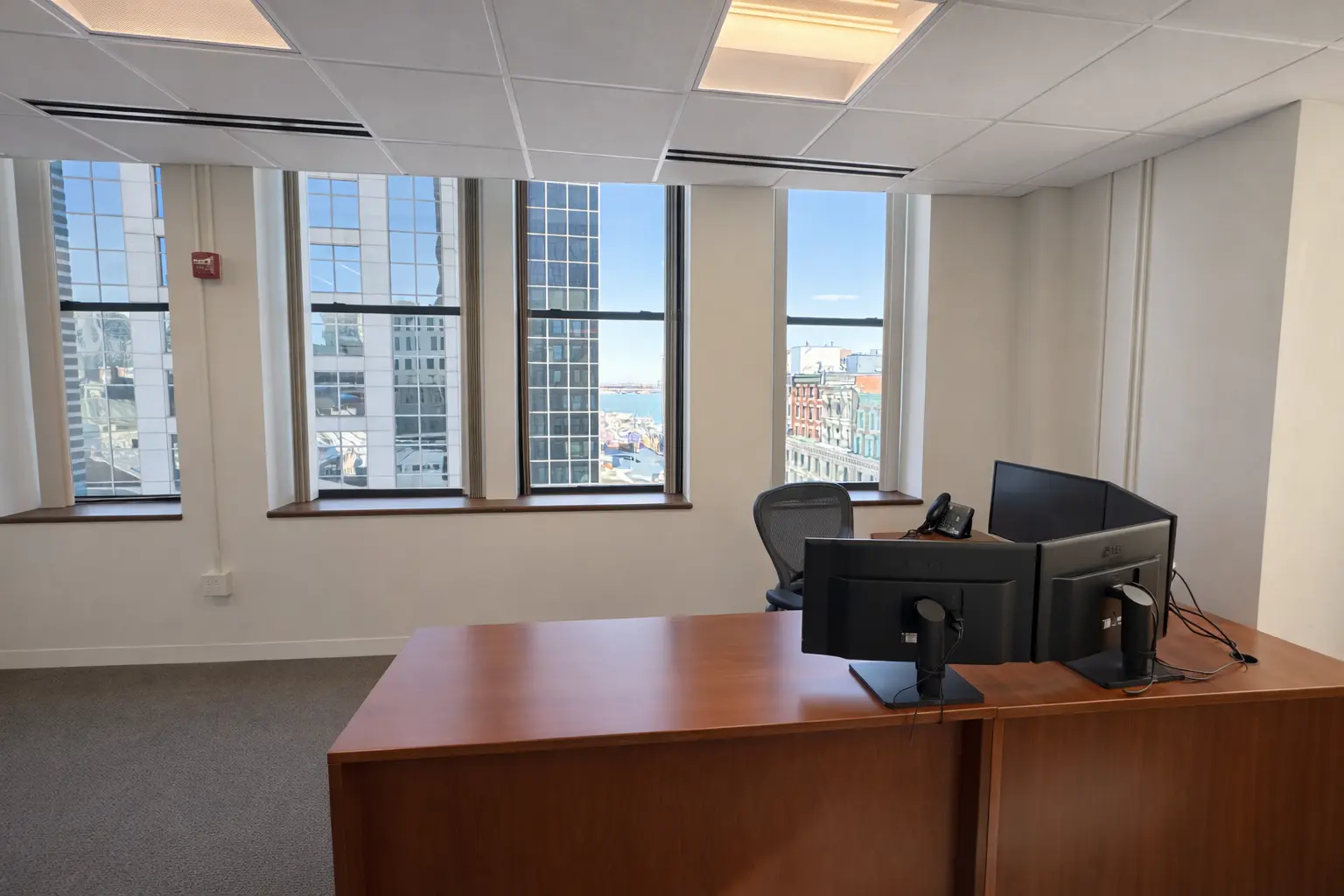
Address: 160 State St
Space Type: Private office
Price: ~$10,849/mo
Bright Open Office Space in West End
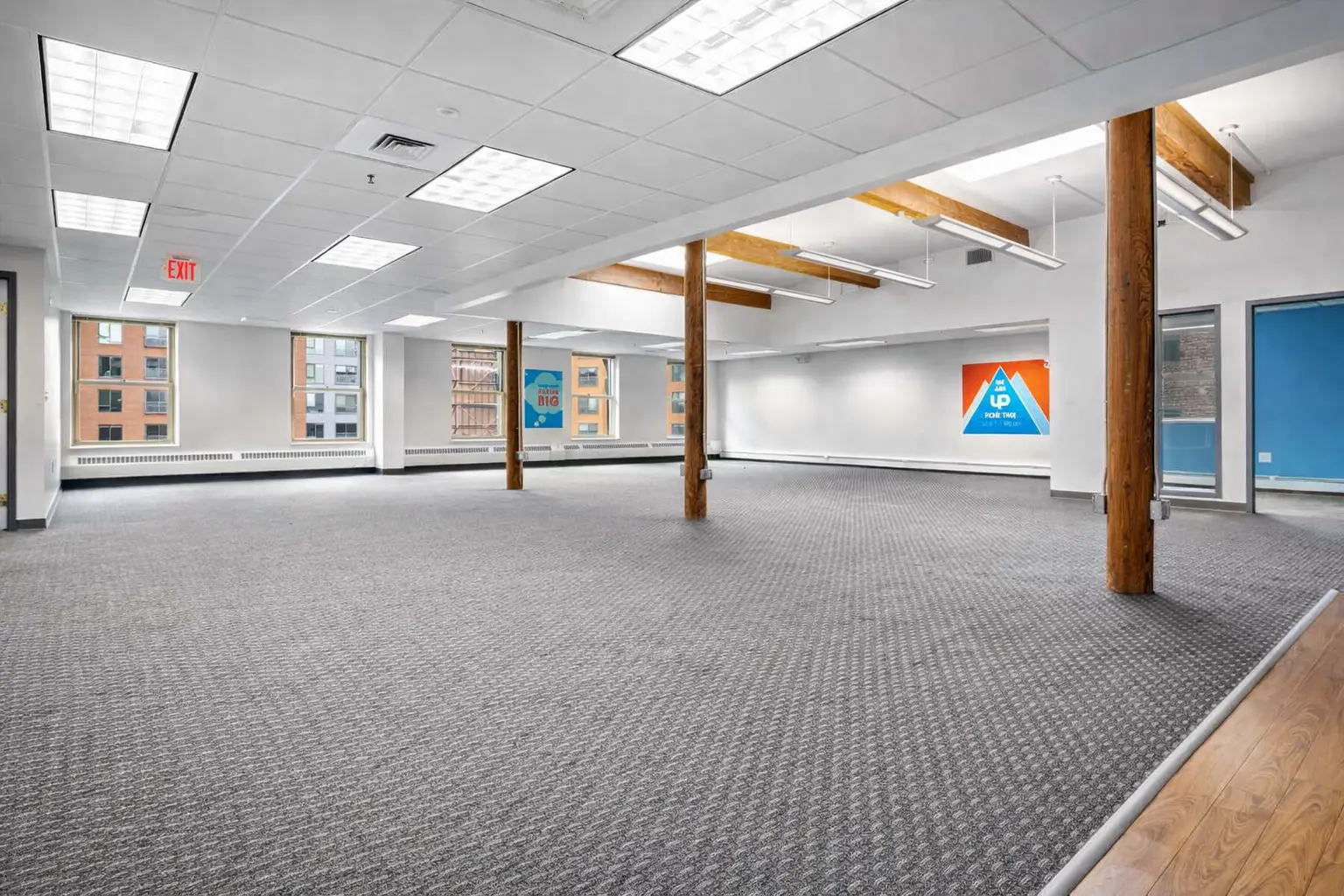
Address: 423 W Broadway
Space Type: Private office
Price: ~$5,750/mo
Important considerations include:
- The nature of creative work: Does the team work in group brainstorming sessions, individual content creation, or client presentations?
- Balancing open and enclosed spaces: Focus on managing noise levels without creating a sense of isolation.
- Adaptability: Ensure flexibility as teams grow or as hybrid work schedules shift daily attendance patterns.
- Environmental Quality: Prioritize access to natural light and acoustic management to enhance comfort and concentration.
- Zoning by team size: Smaller teams (under 10) often thrive in hybrid studio layouts with versatile tables and movable furniture.
- Neighborhood Layouts: Larger teams require defined neighborhoods like design pods, ideation rooms, and client-facing suites.
- Location Influence: Submarkets like the Seaport offer wide open floor plates for studios, while Back Bay often requires creative partitioning within character buildings.
Best Office Layout Options for Creative Teams in Boston
Here are distinct office layout types effective for creative teams, particularly in Boston. Each supports specific workflows and team sizes.
1. Hybrid Studio Layout
This layout blends flexible communal tables with movable seating to encourage spontaneous collaboration. It includes multi-use zones that can quickly convert between solo work and team sessions.
- Benefits: Encourages real-time creative exchange and supports small teams with dynamic work modes.
- Suitability: Ideal for startups focusing on design, writing, or video production. It works particularly well in the Seaport's open floor plates.
2. Zoned Neighborhoods
Larger creative teams (20-30+) benefit from design neighborhoods separating functions. This layout features dedicated rooms for client presentations, quiet ideation, editing suites, and conference areas.
- Benefits: Clear separation reduces noise fatigue and creates branded zones for client hospitality.
- Suitability: Best for creative agencies or media firms with stable revenue in the Back Bay or Financial District.
3. Open Collaboration Plus Focus Pods
Rather than fully open plans, this combines open areas for group brainstorming with acoustically isolated phone booths and quiet rooms.
- Benefits: Balances the need for creativity and concentration by reducing distractions.
- Suitability: Essential for firms in Boston buildings where acoustically managed pods can mitigate ambient noise.
4. Modular Expansion Layouts
Planning for growth means choosing layouts with movable walls and flexible collaboration zones. This setup avoids costly reconfigurations by allowing incremental expansion or contraction.
- Benefits: Protects capital by reducing buildout costs and supports hybrid occupancy without wasted space.
- Suitability: Growing creative teams in Boston’s competitive market looking to scale within 18 months to 3 years.
Tips for Choosing the Right Layout for Your Creative Team
Selecting an office layout involves balancing workflow, team size, and future planning. Practical tips include:
- Map how work actually happens day-to-day to guide space types.
- Avoid over-prioritizing aesthetics at the expense of acoustics and light.
- Include client-facing zones if presentations or meetings are frequent.
- Factor hybrid work impact on desk density—design for about two-thirds occupancy.
- Favor layouts that allow modular changes to reduce disruption.
- Choose spaces that maximize natural light and provide quiet recharge areas to support retention.
Pro tip: Reviewing sample layouts from Boston offices can help identify which design elements resonate with your team style.
Summary and Recommendations
Effective office layouts for Boston-based creative teams prioritize the mix of open, collaborative spaces and quiet, acoustically protected areas. Hybrid studio setups suit small teams, while larger groups need clear functional zones. Hybrid work trends call for flexible, scalable layouts to accommodate varying occupancy levels.
With Boston’s diverse neighborhoods—from Seaport’s modern open plates to Back Bay’s character buildings—founders should align layouts with both team workflows and building characteristics. The local market is currently poised for strategic adaptation, providing opportunities for tenants to secure high-quality, amenity-rich spaces.
Tandem can assist founders understanding these dynamics and filtering spaces that align with their creative team’s needs in Boston’s fragmented office market. Prioritize workflow functionality, plan for growth, and balance collaboration and focus to achieve the environment your team can thrive within.

.webp&w=750&q=75)