Browse Verified Spring Hill Offices
Leasing Office Space in Spring Hill, Somerville
Spring Hill is a distinct node within the Boston and Cambridge office market, shaped by its building mix, street-level energy, and proximity to major employment corridors. Teams often choose it when they want a location that supports day-to-day convenience and a clear identity that employees recognize. Office options can range from modern, amenitized buildings to older stock with character, and the best fit depends on how you balance image, budget, and space efficiency. In practice, the neighborhood performs best when your commute map aligns with nearby transit access and surrounding blocks offer dependable food, coffee, and services. It is often evaluated on how well it supports recruiting, retention, and an easy in-office routine.
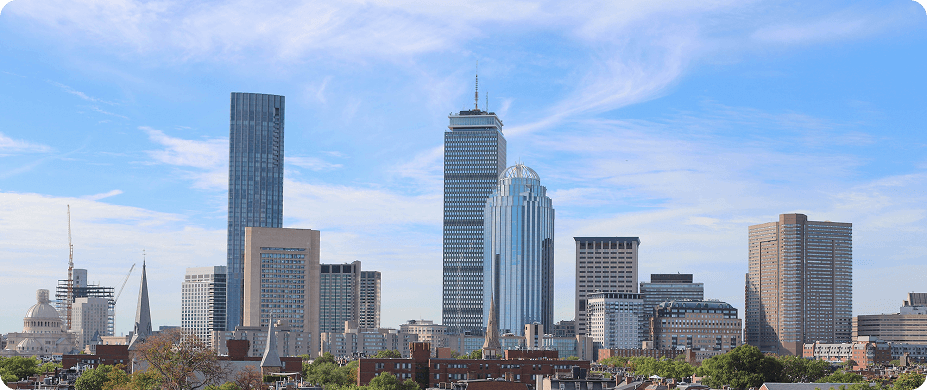
Spring Hill Overview
Cost of Office Space in Spring Hill
Cost of office space in Spring Hill is driven by building class, move-in readiness, and proximity to the strongest transit and amenity corridors. Newer Class A product and highly built-out suites tend to command the highest rents, especially when they include modern systems, strong natural light, and shared amenities. Second-generation space and older buildings can provide better value, with more room to negotiate on term length, concessions, and build-out support. Teams that stay flexible on micro-location often find the best pricing without sacrificing overall access. Landlords may offer free rent, improvement dollars, or flexible structures depending on demand. Plug-and-play suites can carry a premium but reduce move-in time and upfront spend.

Amenities & Restaurants in Spring Hill
Amenities and restaurants in Spring Hill are a major part of its office appeal because employees can handle lunch, coffee, and quick errands without losing time. Most teams prioritize a short walking radius that includes reliable cafés, fast-casual options, sit-down restaurants for client meals, and at least one fitness option. The strongest amenity pockets usually cluster near busier corridors, while quieter blocks can still work if they remain close to a commercial spine. For office culture, the combination of casual meeting spots and predictable lunch choices often matters more than a few destination restaurants. Having predictable lunch options and coffee nearby makes office days easier to plan. Hotel lobbies, cafés, and lounges can double as casual meeting space for visitors.

Commuting in Spring Hill
Commuting in Spring Hill depends on access to MBTA rail and buses, with strong bike commuting in core nodes and the efficiency of last-mile connections from stations and stops. Where relevant, driving is possible but parking costs and congestion vary by district influence drive times and how viable parking is for commuters or client visits. Teams usually get the best outcomes by choosing an address near the lines employees already use, minimizing transfers and long walks. Bike and micromobility can be a strong supplement, particularly where high adoption in Cambridge and downtown nodes connects directly to the office cluster. Last-mile conditions, including hills, crossings, and station exits, matter as much as the main line.

Walkability in Spring Hill
Walkability in Spring Hill is shaped by the street grid, sidewalk quality, and how close offices are to commercial corridors. In denser pockets, employees can typically walk to transit, meals, and services quickly, which increases the practicality of in-office schedules. Some micro-areas can feel quieter or more transitional, so walking comfort can vary from block to block. Selecting a location near active streets often improves safety perception and makes it easier to run meetings, errands, and lunch without planning ahead. A comfortable walking environment supports quick breaks and informal one-on-ones outside the office. Street lighting, sidewalk width, and activity levels can change quickly within the same neighborhood.

Office Density & Business Presence in Spring Hill
Office density and business presence in Spring Hill depend on the depth of commercial inventory and how concentrated the local employer base is. Deeper districts often include full-floor options, smaller suites, and flexible workspace providers, which increases choice for different team sizes. A stronger business cluster also tends to improve building services, property management quality, and weekday street activity. When inventory is limited, the neighborhood can still be attractive, but expansion options and availability may be tighter than in major core submarkets. Higher density often brings better building services, more vendor support, and coworking coverage. A deeper inventory also makes it easier to upgrade or expand without leaving the area.

%25201.png&w=3840&q=75)