%25201.png&w=3840&q=75)
North Beach
$29,500/mo
15-30 people
What defines office space in San Francisco’s West of Twin Peaks today? Sparse commercial supply within a broad residential landscape. Inventory consists primarily of small suites and retail-adjacent properties. Companies evaluating office space in West of Twin Peaks, San Francisco, must operate within contained square footage. Expansion flexibility is minimal.
How much does West of Twin Peaks office space cost? Availability is limited and highly location-specific. Pricing reflects residential desirability rather than downtown office trends. Office space in San Francisco’s West of Twin Peaks is typically selected for local presence.

What does the workday feel like around West of Twin Peaks office space? Retail corridors provide essential services. Activity remains neighborhood-oriented and steady. The environment is residentially integrated.
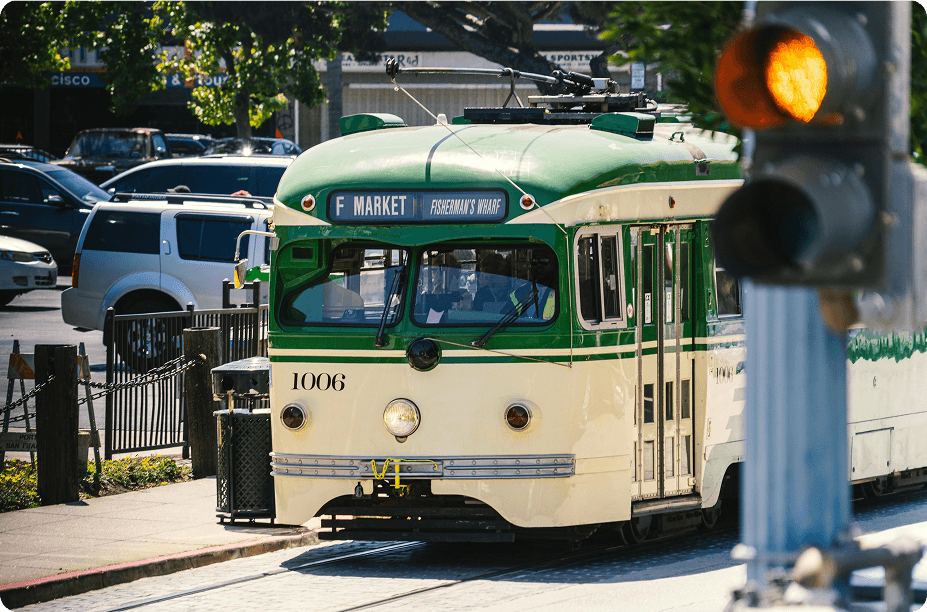
Is office space in San Francisco’s West of Twin Peaks easy to access? Transit relies primarily on Muni lines. Regional rail requires travel to central stations. Commute times may be longer for distributed teams.
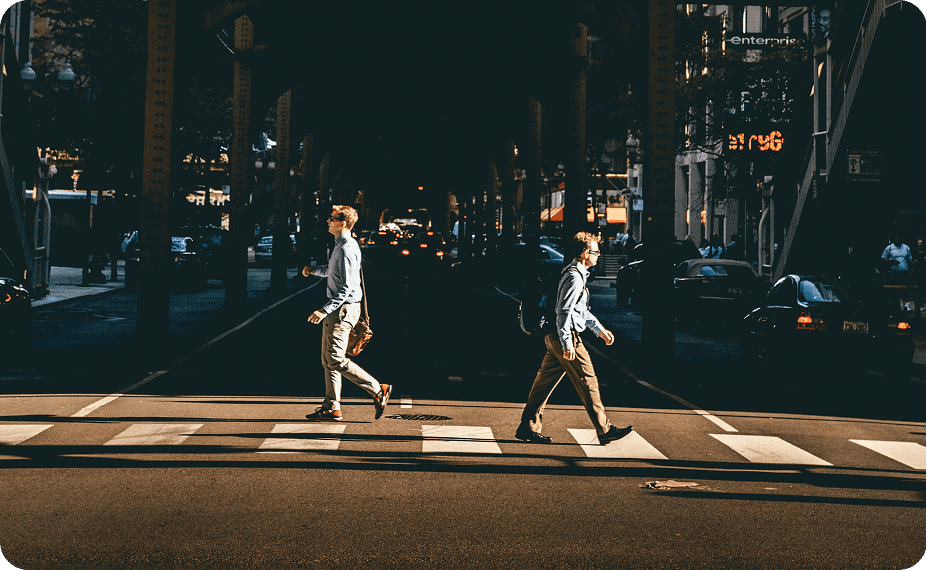
How walkable is West of Twin Peaks office space? Walkable within small commercial strips. Residential blocks dominate outside retail areas.
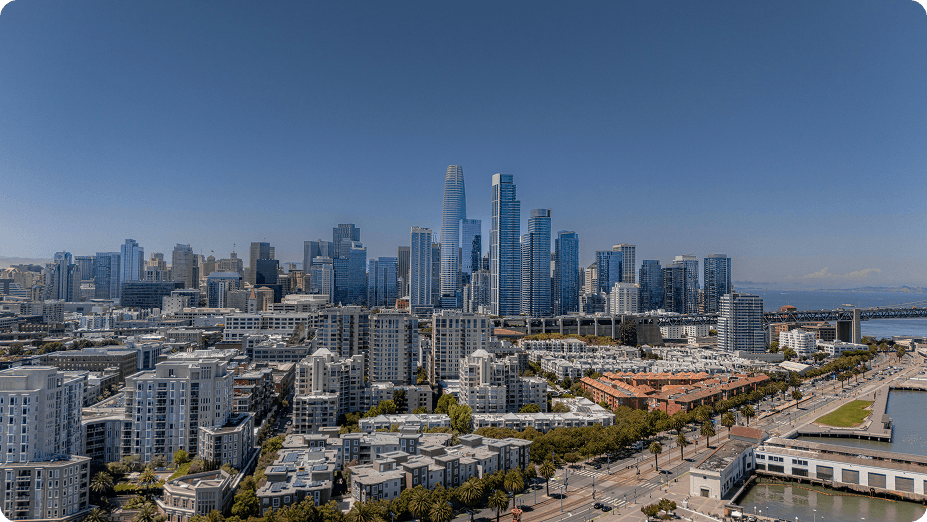
Why choose office space in San Francisco’s West of Twin Peaks? Because certain local-facing businesses may benefit from residential proximity. Corporate presence remains limited. West of Twin Peaks office space favors small-scale operations.
How much does office space in Central Los Angeles cost right now? Asking rents vary significantly by asset class and micro-location. Trophy towers along Figueroa and Flower command premium positioning, particularly those with updated amenity decks and renovated lobbies. Older high-rises and adaptive reuse properties in the Historic Core often offer more flexible economics, especially where vacancy remains elevated. Concessions are part of the conversation in many buildings. Tenant improvement allowances and free rent periods frequently influence effective rates more than headline numbers. Office space in Los Angeles’ Central LA district rewards tenants willing to compare buildings block by block. The base rent matters less than the full structure of the deal.
What does the workday feel like around Central Los Angeles office space? Dense during business hours, variable after. South Park and Bunker Hill maintain steady daytime activity, supported by dining clusters and hospitality infrastructure. Grand Avenue and 7th Street offer consistent lunch options within walking distance of most towers. However, local sentiment often notes that activity can shift quickly after traditional office hours depending on the block. Companies choosing Central Los Angeles office space tend to evaluate micro-location carefully, especially when considering client-facing operations. The amenity base exists. The experience depends on placement.
Is office space in Central Los Angeles easy for distributed teams to access? By LA standards, yes. Union Station anchors regional rail connectivity. The Metro B and D Lines connect through Downtown. Multiple bus lines converge in the core. For employees commuting from different parts of Los Angeles County, freeway access via the 110, 101, and 10 creates multiple entry points. That said, LA remains car-centric. Parking ratios and garage access matter materially. Office space in Los Angeles’ Central LA works best for companies with teams spread across the county who require geographic centrality rather than neighborhood loyalty. Transit exists. Driving remains dominant.
How walkable is Central Los Angeles office space? Highly walkable within defined pockets. Bunker Hill, South Park, and the Financial District core allow employees to move between meetings, lunch, and transit without driving. The grid supports foot traffic during business hours. Yet walkability shifts quickly beyond core corridors. Certain edges feel quieter or more transitional. Companies evaluating Central Los Angeles office space typically assess specific intersections rather than relying on district-wide assumptions. In this submarket, precision matters.
Why does Central Los Angeles remain structurally important despite elevated vacancy? Because no other LA submarket offers the same vertical concentration. Financial institutions, law firms, government offices, media companies, and technology tenants remain clustered here. Large floor plates support headquarters-level occupancy that decentralized submarkets cannot easily replicate. Office space in Central Los Angeles signals institutional presence. Even amid recalibration, the skyline still carries weight. Scale remains its defining trait.
How much does office space in Westside Cities cost? Premium relative to most other LA submarkets. Trophy towers in Century City and newer creative campuses in Culver City command strong positioning, especially where amenities and buildout quality align with media and tech tenant expectations. Santa Monica’s inventory reflects both ocean adjacency and limited land availability, supporting higher rates despite recent availability shifts. Concessions exist, but leverage is narrower than in Downtown LA. Office space in Los Angeles’ Westside rewards early, strategic negotiation rather than last-minute opportunism. You are often paying for geography as much as square footage.
What does the workday feel like around Westside Cities office space? Active and polished. Century City offers structured retail and dining integrated into commercial towers. Culver City’s downtown corridor blends production studios with walkable restaurants. Santa Monica pairs office buildings with pedestrian-friendly retail grids near Third Street and Montana. Unlike purely corporate districts, Westside office space integrates lifestyle density into the workday. That integration influences recruiting conversations. The energy remains steady beyond traditional office hours, particularly near entertainment corridors.
Is office space in Westside Cities easy to access? For Westside residents, yes. For cross-county commuters, often not. The 405 corridor shapes the conversation. Traffic patterns materially affect attendance expectations. Metro’s E Line has strengthened connectivity between Downtown and Santa Monica, yet much of the Westside remains car-dependent. Companies choosing office space in Los Angeles’ Westside typically do so knowing commute geometry may limit hiring pools east of the 405. Proximity to talent clusters outweighs freeway congestion for many firms.
How walkable is Westside Cities office space? Highly walkable in defined pockets such as Downtown Santa Monica and Culver City’s core. Century City remains more campus-like but pedestrian-accessible within its footprint. Outside those nodes, walkability varies. Unlike Downtown LA, vertical stacking is less dominant. Movement feels distributed rather than compressed. Micro-location defines daily rhythm.
Why does office space in Westside Cities remain structurally competitive? Because industry clustering reinforces itself. Entertainment studios, production companies, venture capital firms, and technology tenants continue to anchor this geography. Century City maintains legal and financial presence at scale. Culver City has absorbed significant creative tenancy. Westside office space signals alignment with media, tech, and capital networks. In Los Angeles, proximity often equals influence.
How much does San Fernando Valley office space cost? Typically below Westside and often below prime Downtown towers. Class A assets in Burbank or Warner Center command competitive rates, particularly those with updated amenities. Older garden-style campuses and mid-rise buildings offer more negotiable positioning. Concessions remain part of the landscape. Office space in Los Angeles’ San Fernando Valley frequently presents value relative to coastal submarkets. The economics favor stability over prestige.
What does the workday feel like around San Fernando Valley office space? Retail corridors like Ventura Boulevard provide steady dining and service options. Warner Center integrates shopping centers and structured retail. However, density is lower and more dispersed than in Downtown or Santa Monica. Teams often drive to lunch rather than walk. The rhythm is practical. San Fernando Valley office space supports routine rather than spectacle.
Is office space in the San Fernando Valley easy to access? For Valley residents, yes. For Westside or Downtown commuters, freeway bottlenecks can complicate arrival. The 101 and 405 define patterns. Metro access exists in limited corridors, but car dependence dominates. Companies selecting office space in Los Angeles’ San Fernando Valley often do so because their workforce already lives nearby. Commute alignment is the core advantage.
How walkable is San Fernando Valley office space? Generally low to moderate. Campus layouts and arterial roads prioritize vehicles. Certain retail corridors support pedestrian activity, but most office clusters assume driving. Daily movement feels spread out rather than compact.
Why choose office space in the San Fernando Valley? Because corporate operations that require space, parking, and moderate costs find alignment here. Media production in Burbank reinforces clustering. Professional services firms and healthcare-related tenants maintain presence. San Fernando Valley office space communicates operational practicality. It is rarely chosen for skyline signaling.
How much does San Gabriel Valley office space cost? Generally moderate relative to coastal submarkets. Pasadena’s Class A buildings command higher positioning, particularly near the Metro A Line. Business parks in City of Industry and surrounding areas offer competitive economics tied to logistics infrastructure. Office space in Los Angeles’ San Gabriel Valley frequently appeals to firms seeking cost efficiency with regional access. The tradeoff is reduced central visibility.
What does the workday feel like around San Gabriel Valley office space? Pasadena provides walkable dining clusters and civic amenities. In more industrial-adjacent areas, retail density is thinner and more auto-oriented. The daily rhythm varies significantly by city. San Gabriel Valley office space ranges from pedestrian-friendly in Pasadena to car-centric elsewhere. Micro-location determines experience.
Is office space in the San Gabriel Valley easy to access? Freeway proximity to the 210, 605, and 10 supports regional travel. Metro rail connectivity exists primarily in Pasadena. For East County residents, commute simplicity is a major advantage. Companies choosing office space in Los Angeles’ San Gabriel Valley often do so to align with workforce geography rather than regional prestige. Commute geometry outweighs skyline identity.
How walkable is San Gabriel Valley office space? Highly walkable in Pasadena’s core. Limited in industrial corridors and business parks. Daily errands frequently require driving outside downtown nodes. Pedestrian experience is inconsistent across the submarket.
Why choose office space in the San Gabriel Valley? Because integration with industrial, manufacturing, and suburban residential markets may support operational models that do not require coastal adjacency. Professional services, logistics management, and regional offices often cluster here. San Gabriel Valley office space signals practicality over prominence.
How much does South Bay office space cost? Generally below Westside premiums but above some inland submarkets, depending on building quality and proximity to the coast. Modernized campuses and newer creative conversions in El Segundo can command competitive positioning. Industrial-flex hybrids near port corridors often price according to use case. Office space in Los Angeles’ South Bay reflects sector alignment as much as submarket averages. The economics favor firms tied to aerospace, logistics, or coastal tech clusters.
What does the workday feel like around South Bay office space? El Segundo offers a defined downtown corridor with steady dining. Manhattan Beach and Hermosa provide coastal retail density. Torrance integrates shopping centers and structured retail. However, many corporate campuses remain internally focused. South Bay office space blends neighborhood retail with campus-style operations. The rhythm feels stable rather than compressed.
Is office space in the South Bay easy to access? Proximity to LAX is a structural advantage. Freeways including the 405 and 110 anchor regional connectivity. Commute patterns favor South Bay and Long Beach residents. East County or Valley commutes can be lengthy. Companies selecting office space in Los Angeles’ South Bay often prioritize airport access and port adjacency over centrality. Drive times define attendance patterns.
How walkable is South Bay office space? Varies by city. El Segundo’s downtown supports pedestrian movement. Corporate campuses and industrial corridors are more car-oriented. Coastal cities offer higher walkability within retail strips. The pedestrian experience depends on exact placement.
Why choose office space in the South Bay? Because clustering around aerospace, defense, hardware technology, and port logistics creates sector alignment. El Segundo’s tenant mix increasingly includes media-tech firms seeking space outside Santa Monica pricing pressure. South Bay office space communicates operational capacity and coastal adjacency. It is rarely chosen for skyline symbolism.