%25201.png&w=3840&q=75)
North Beach
$29,500/mo
15-30 people
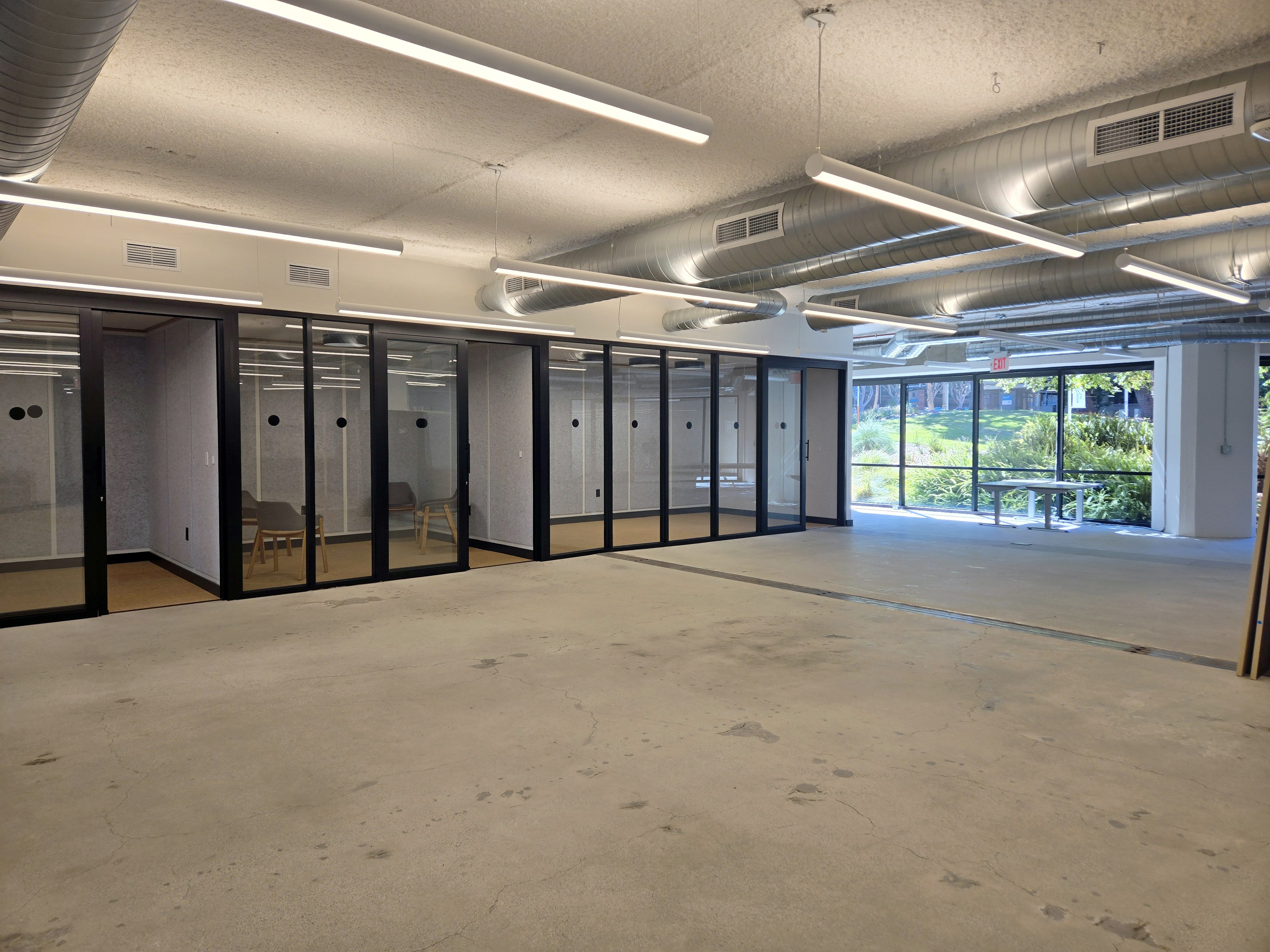
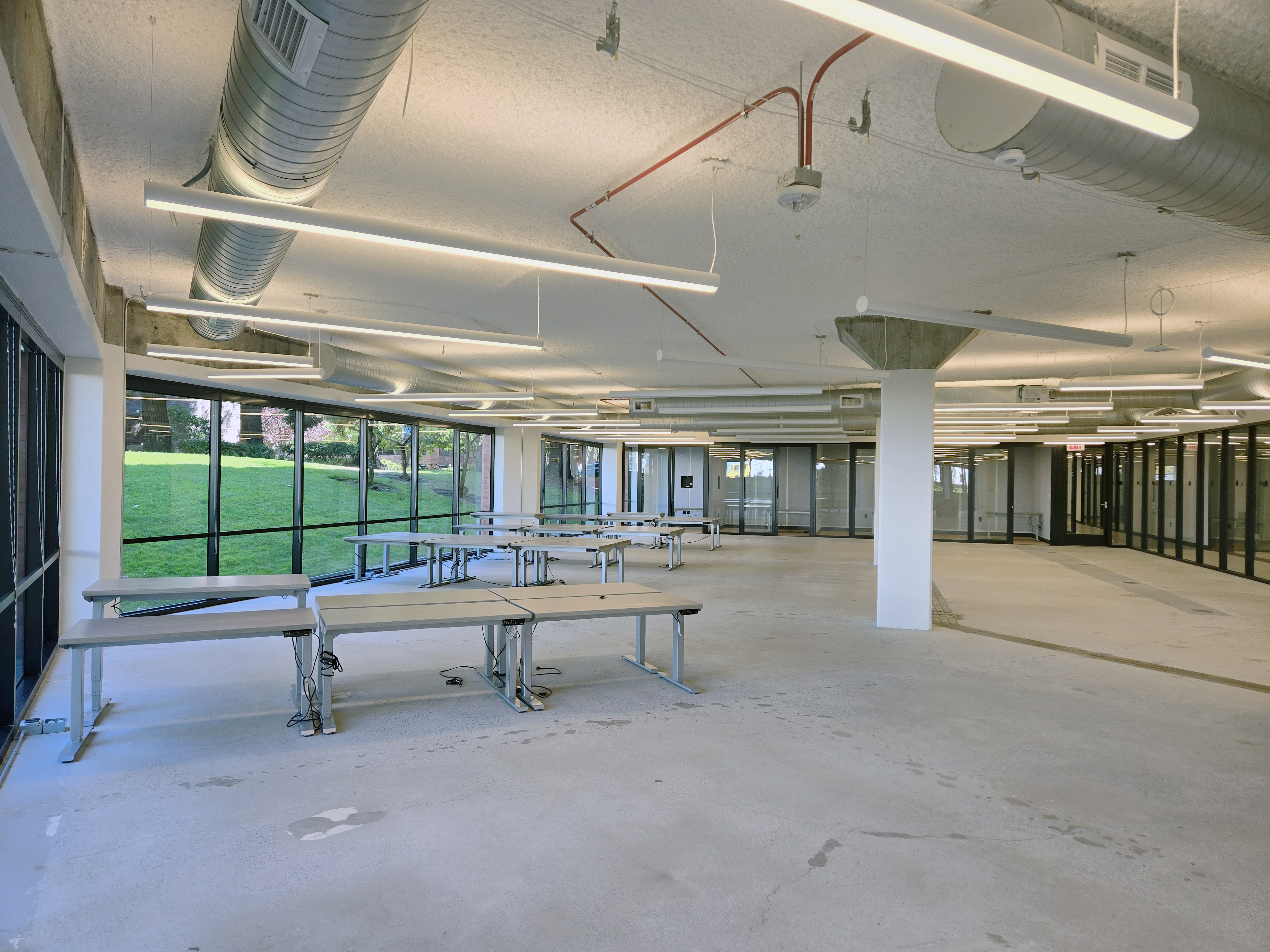
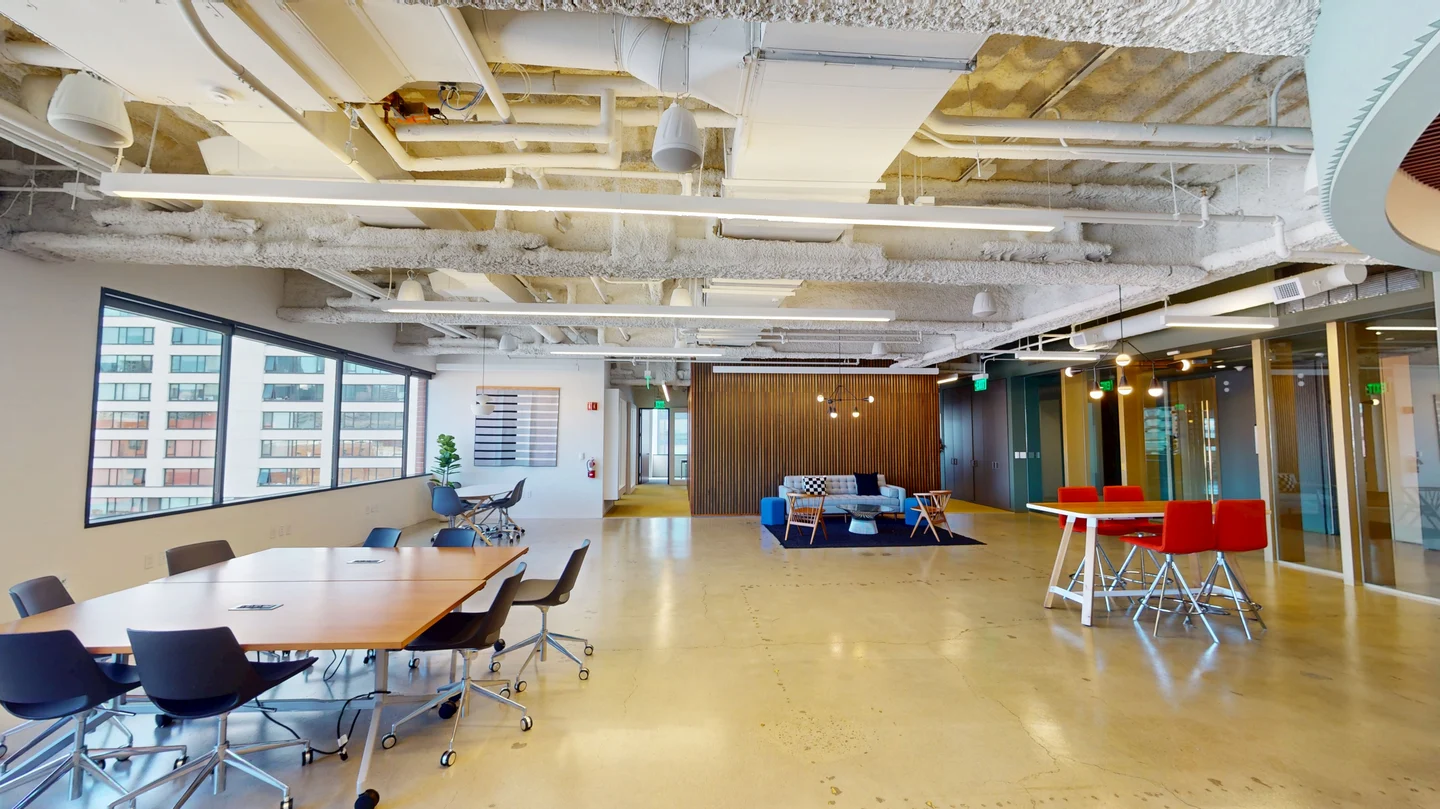
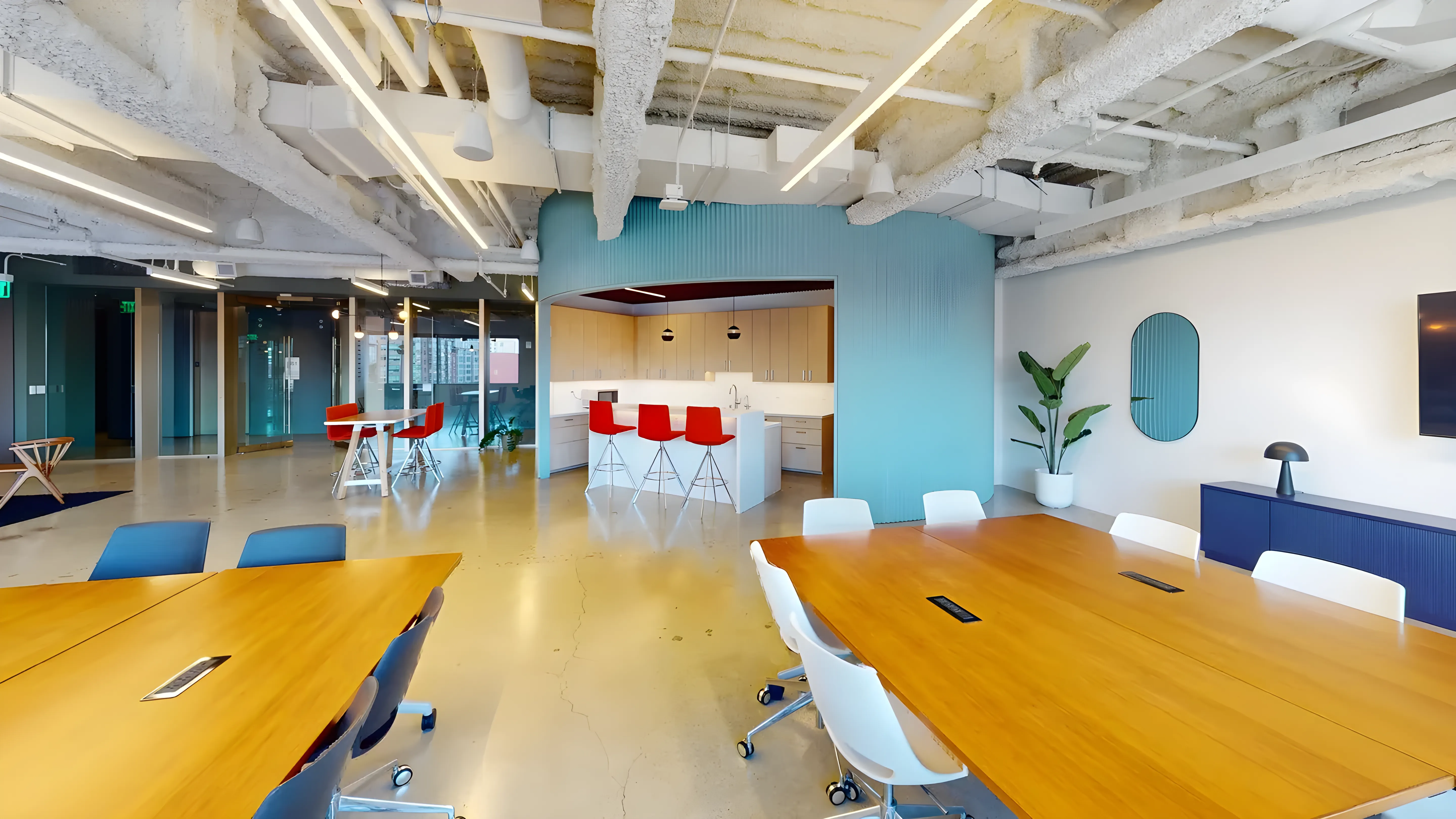
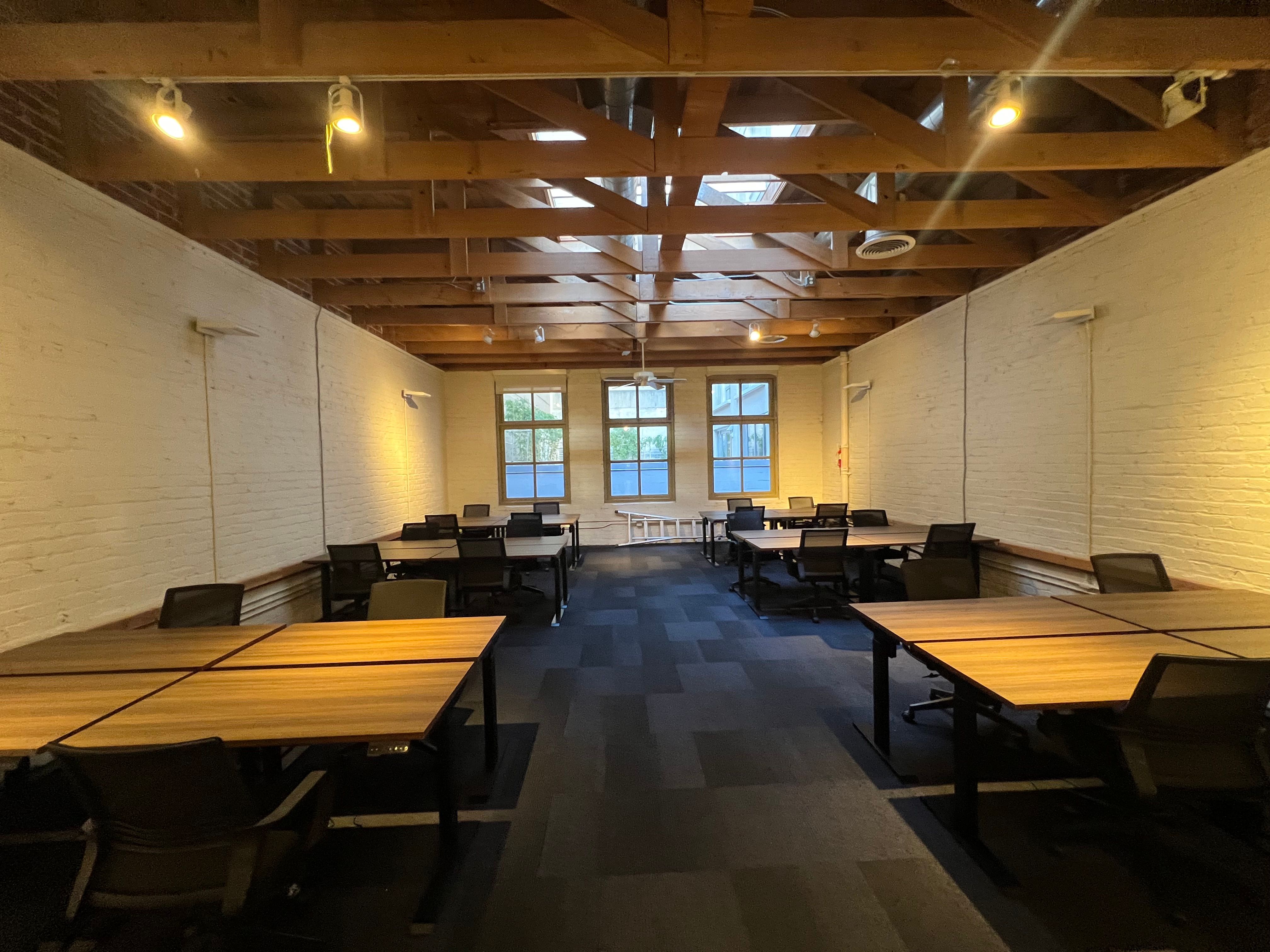
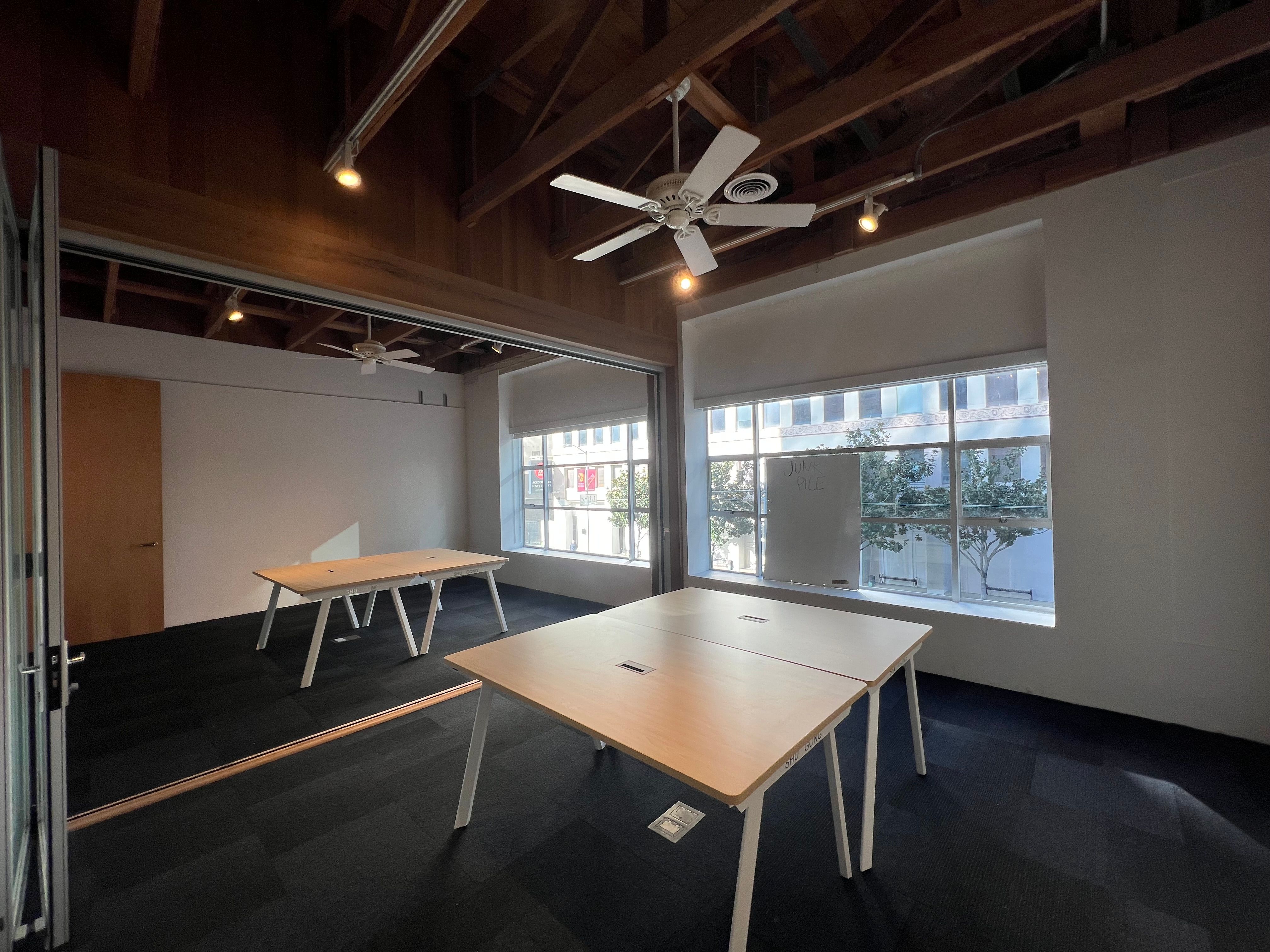
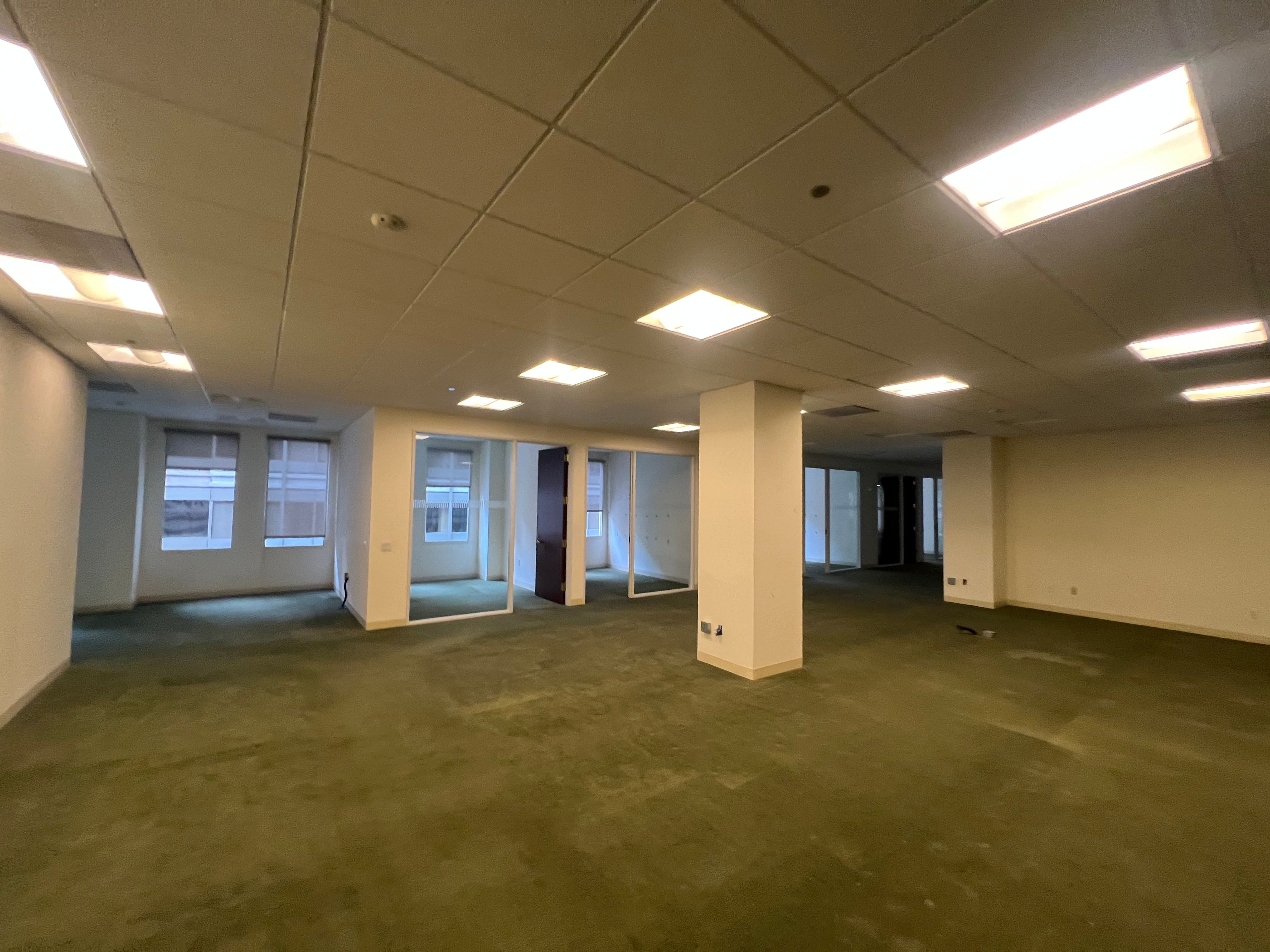
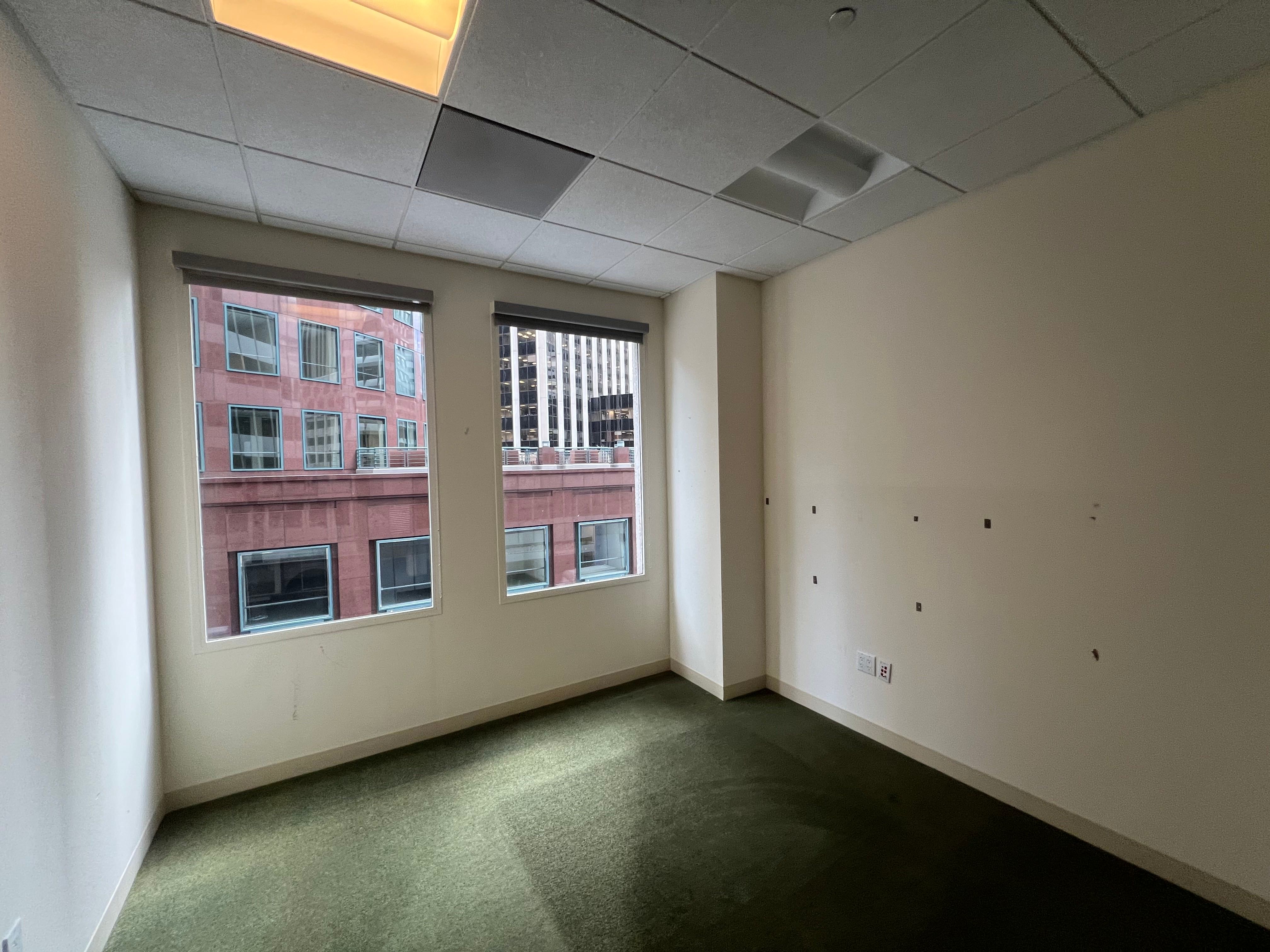
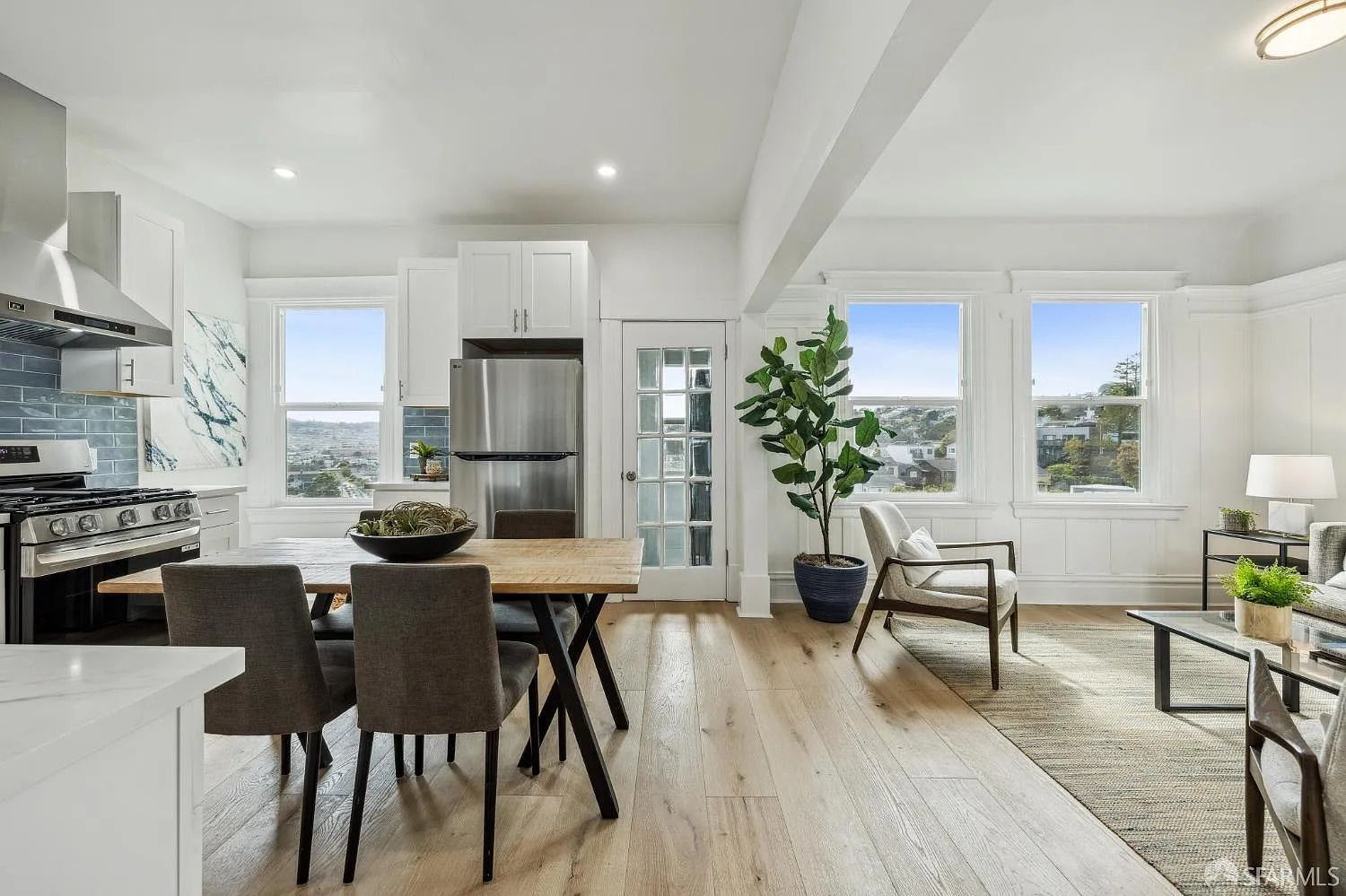
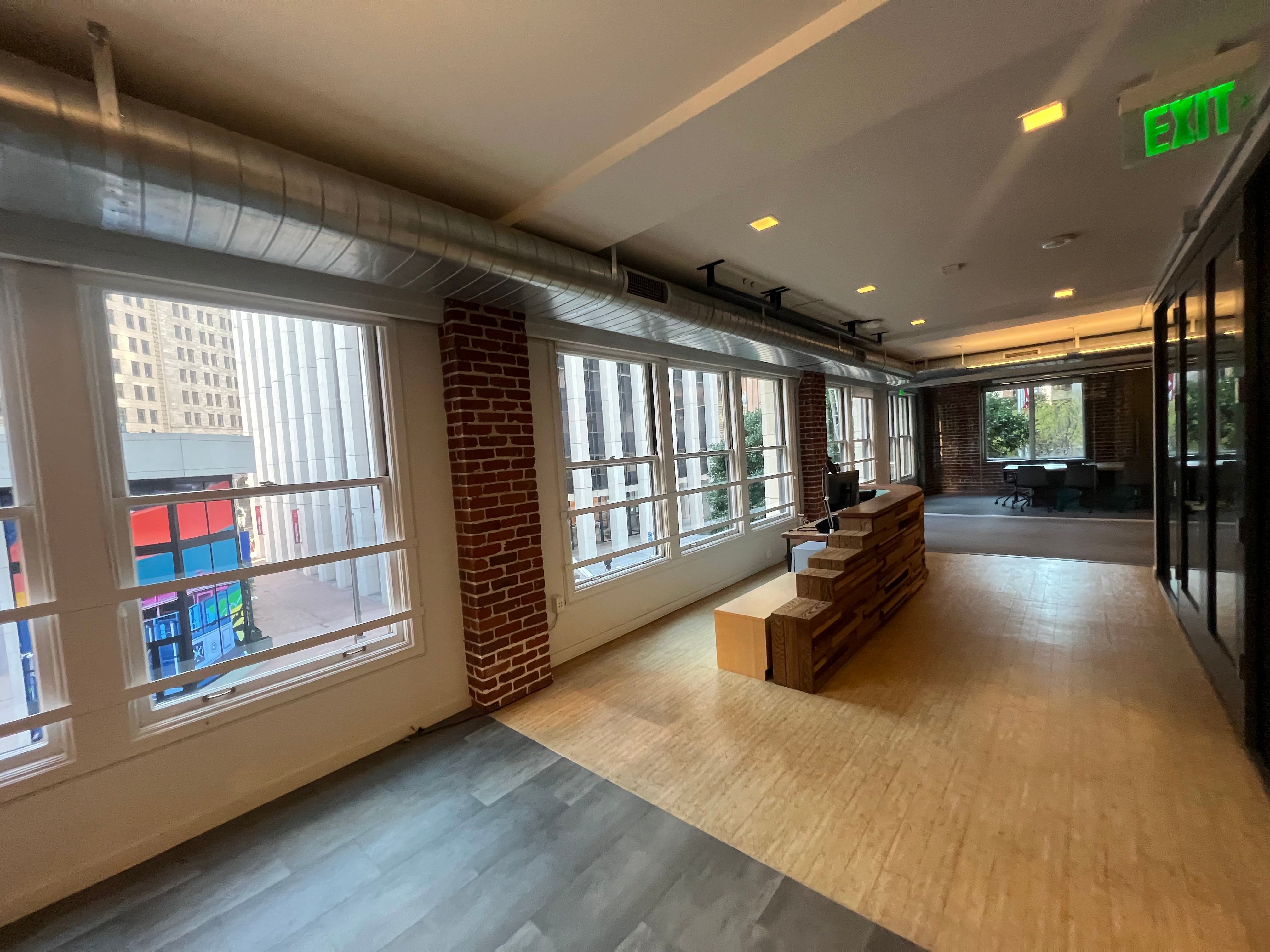
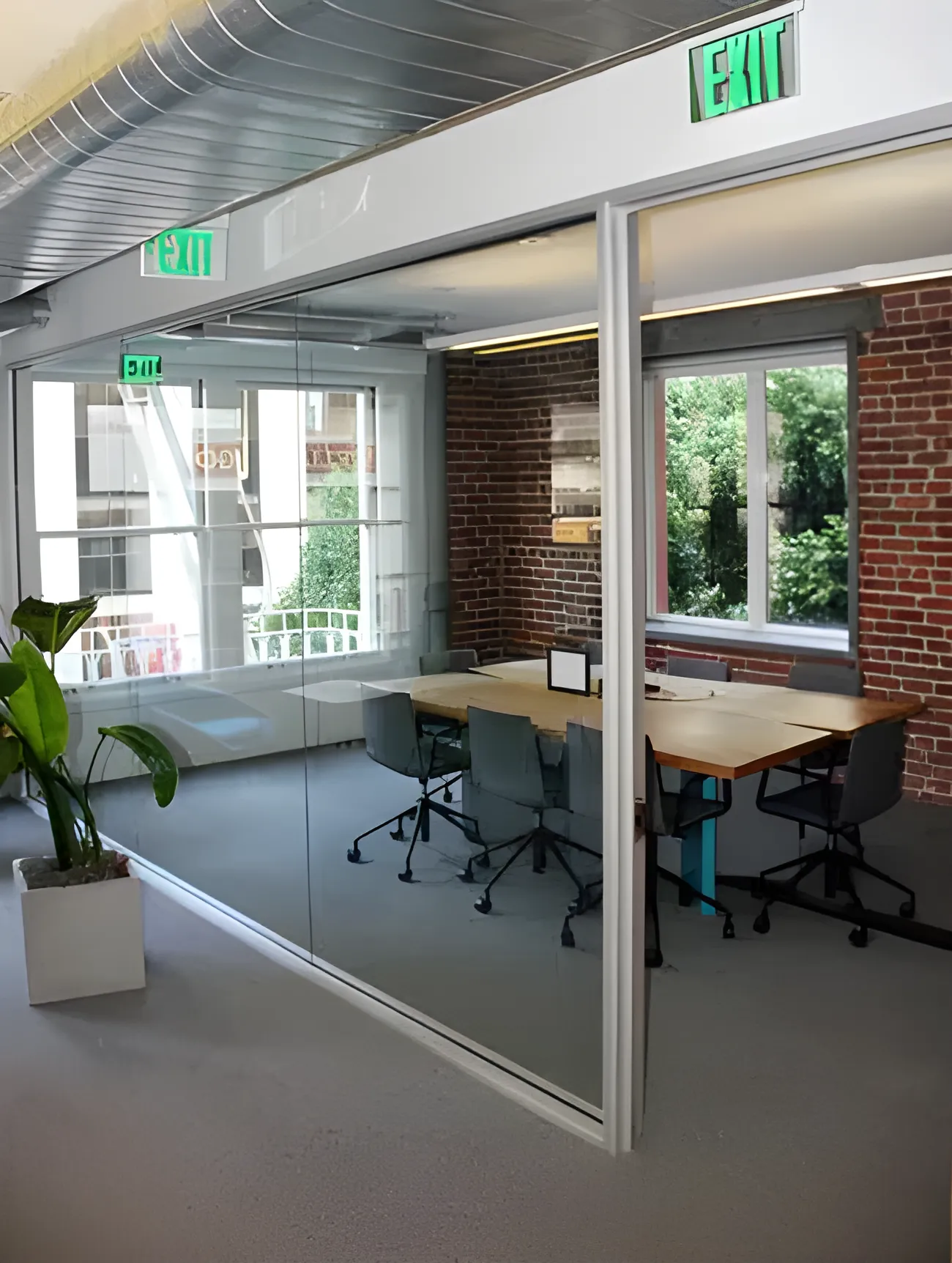
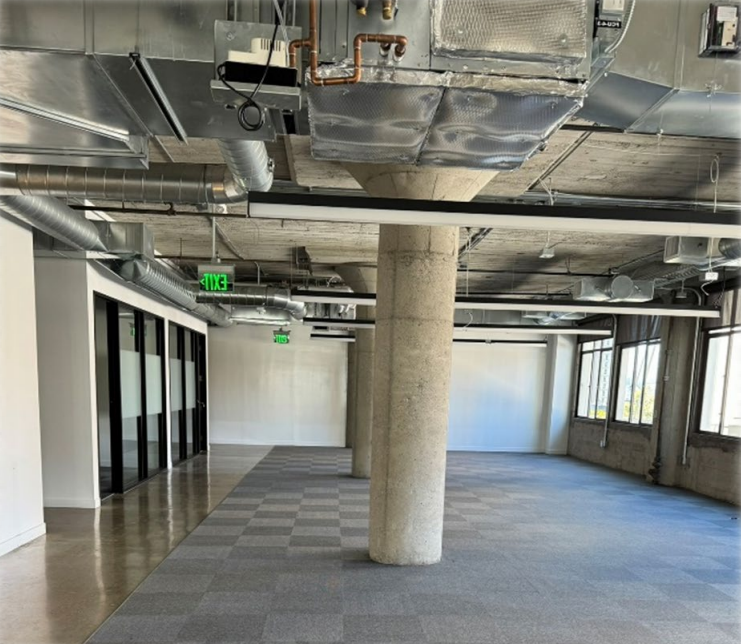
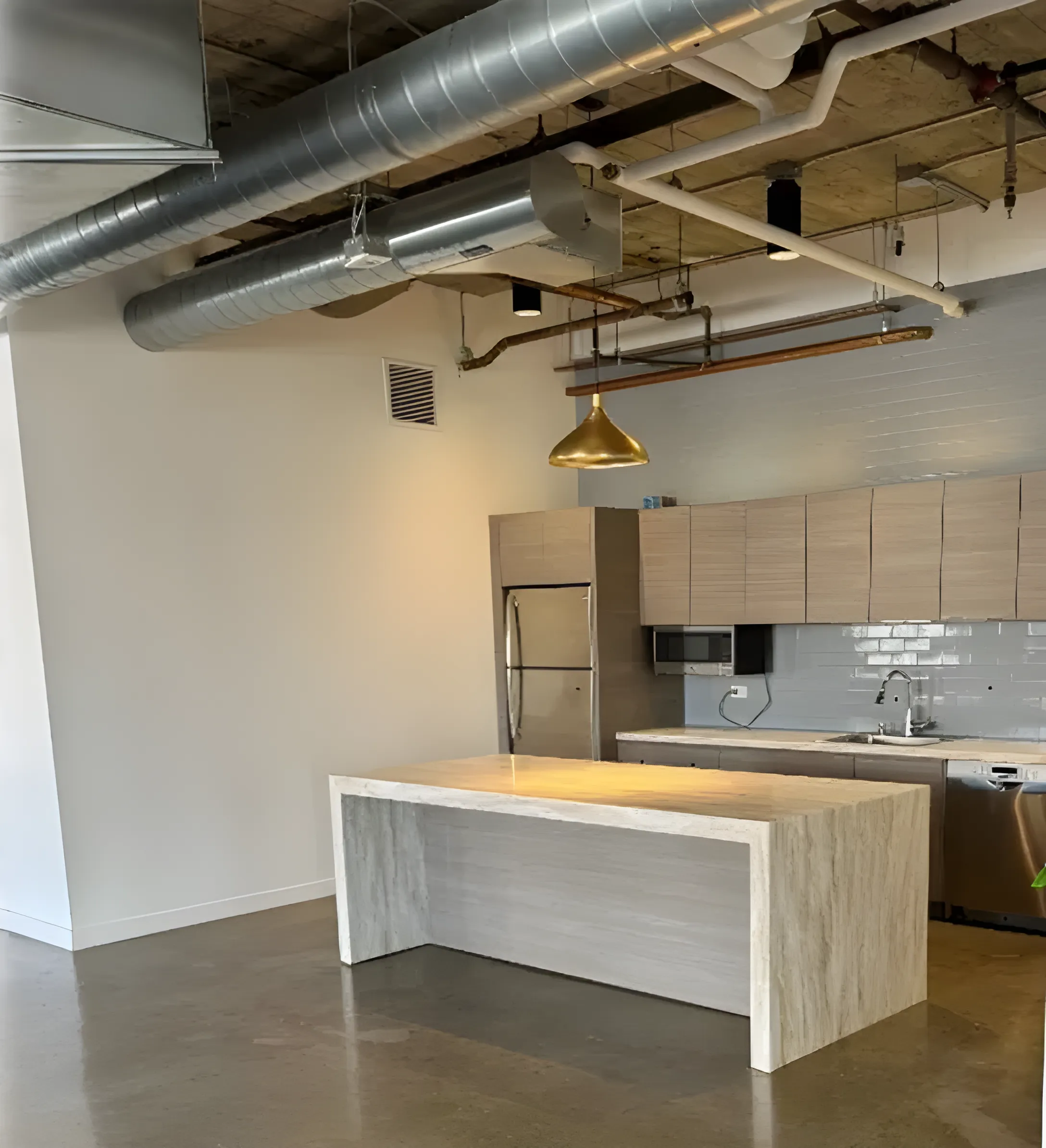
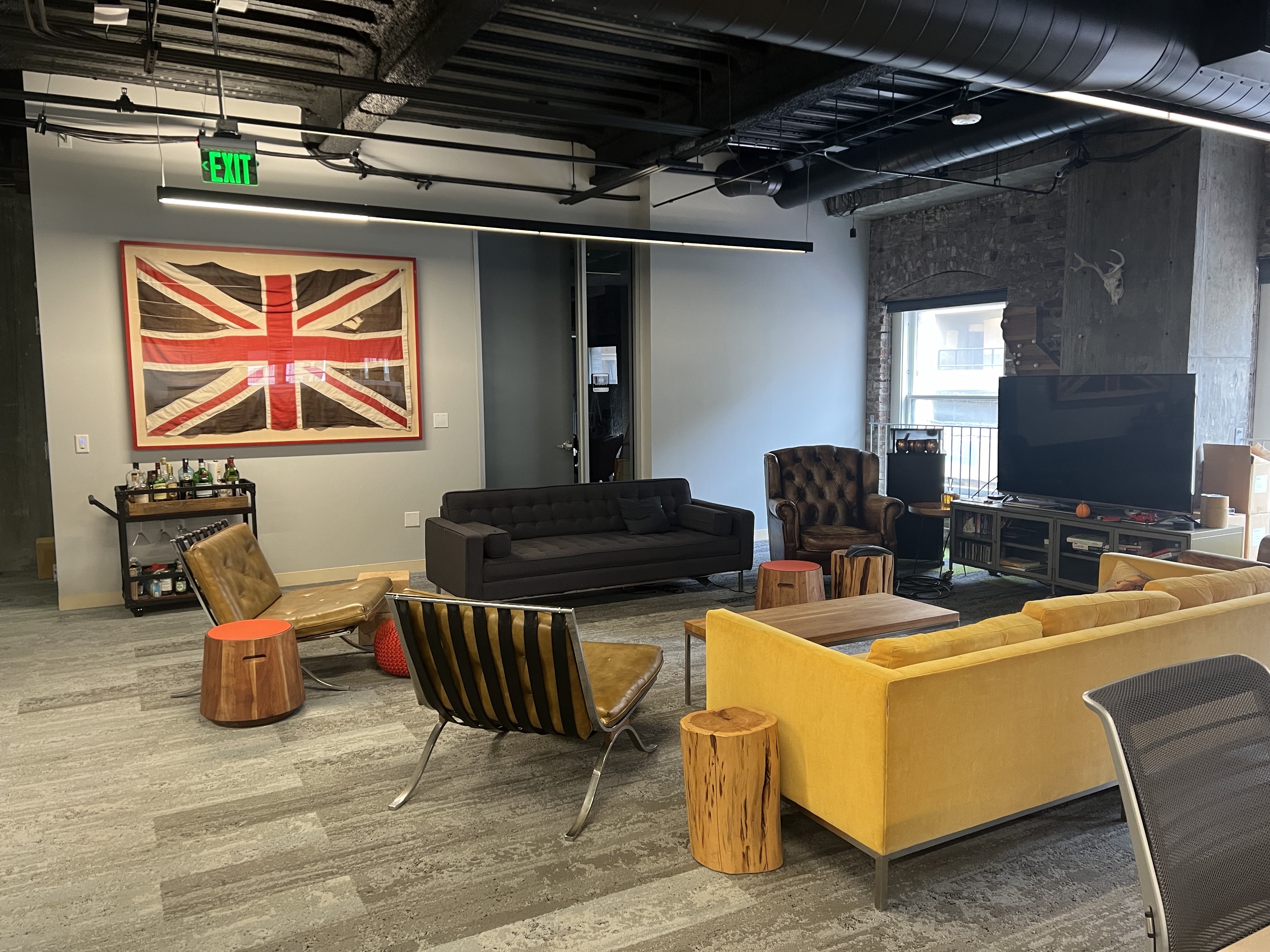
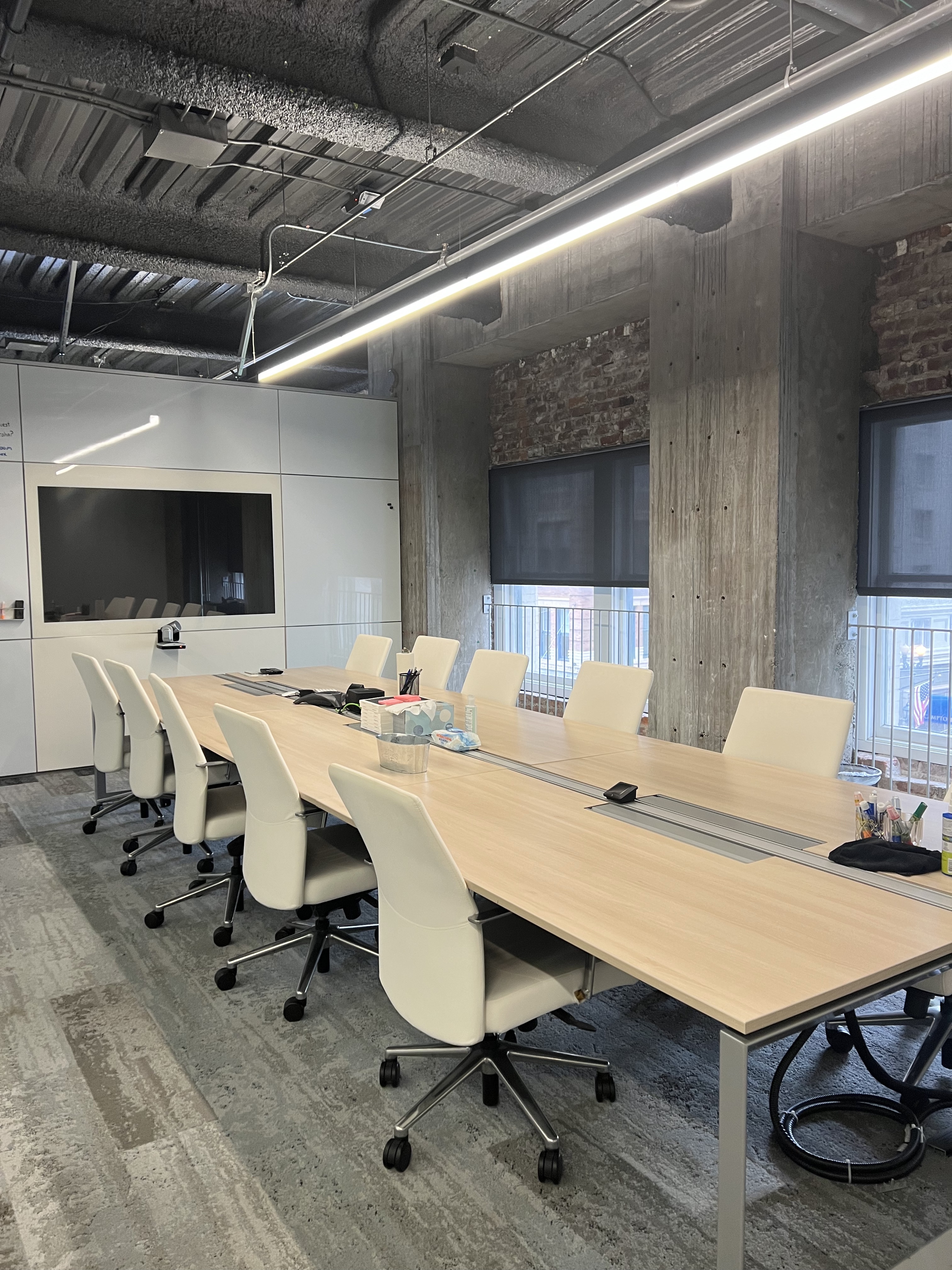
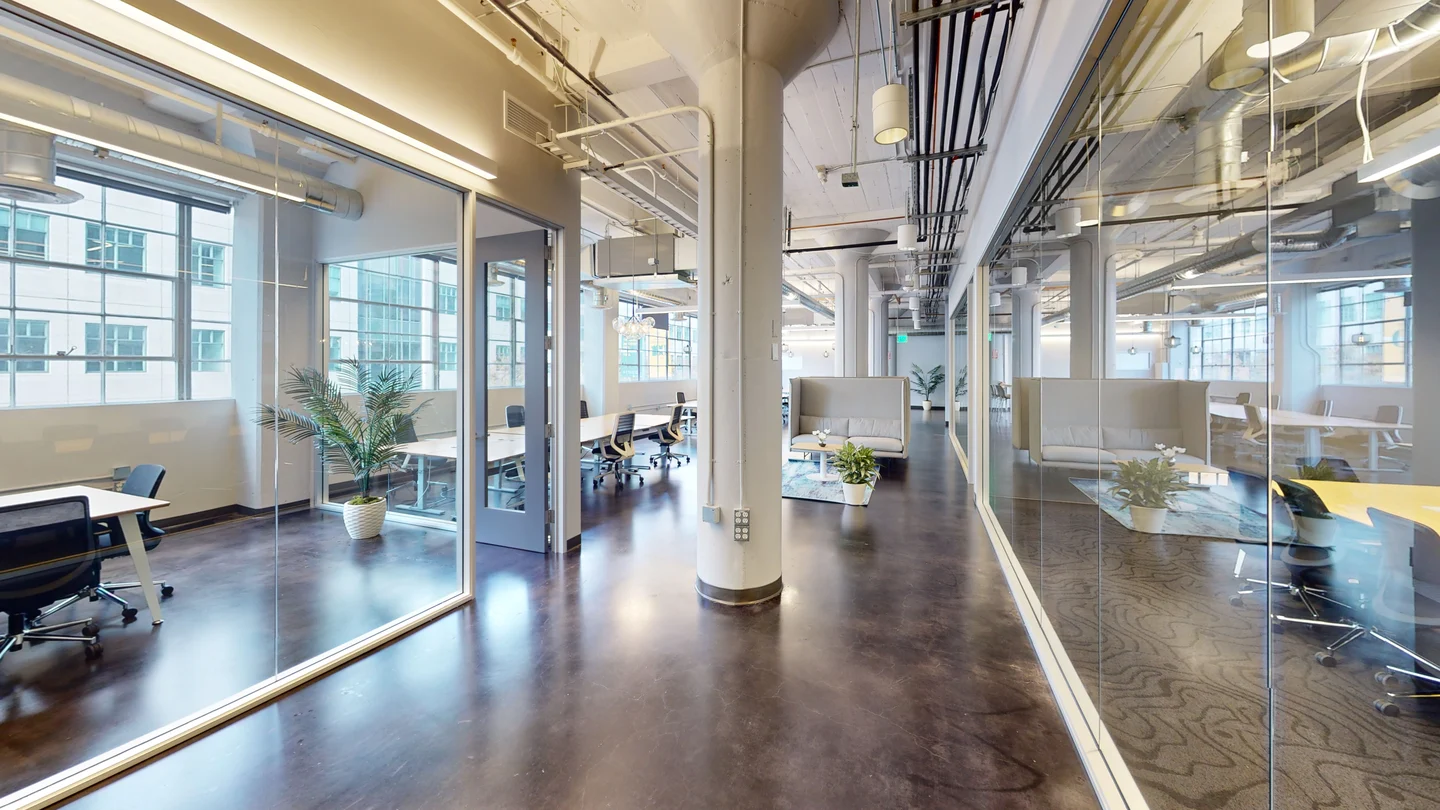
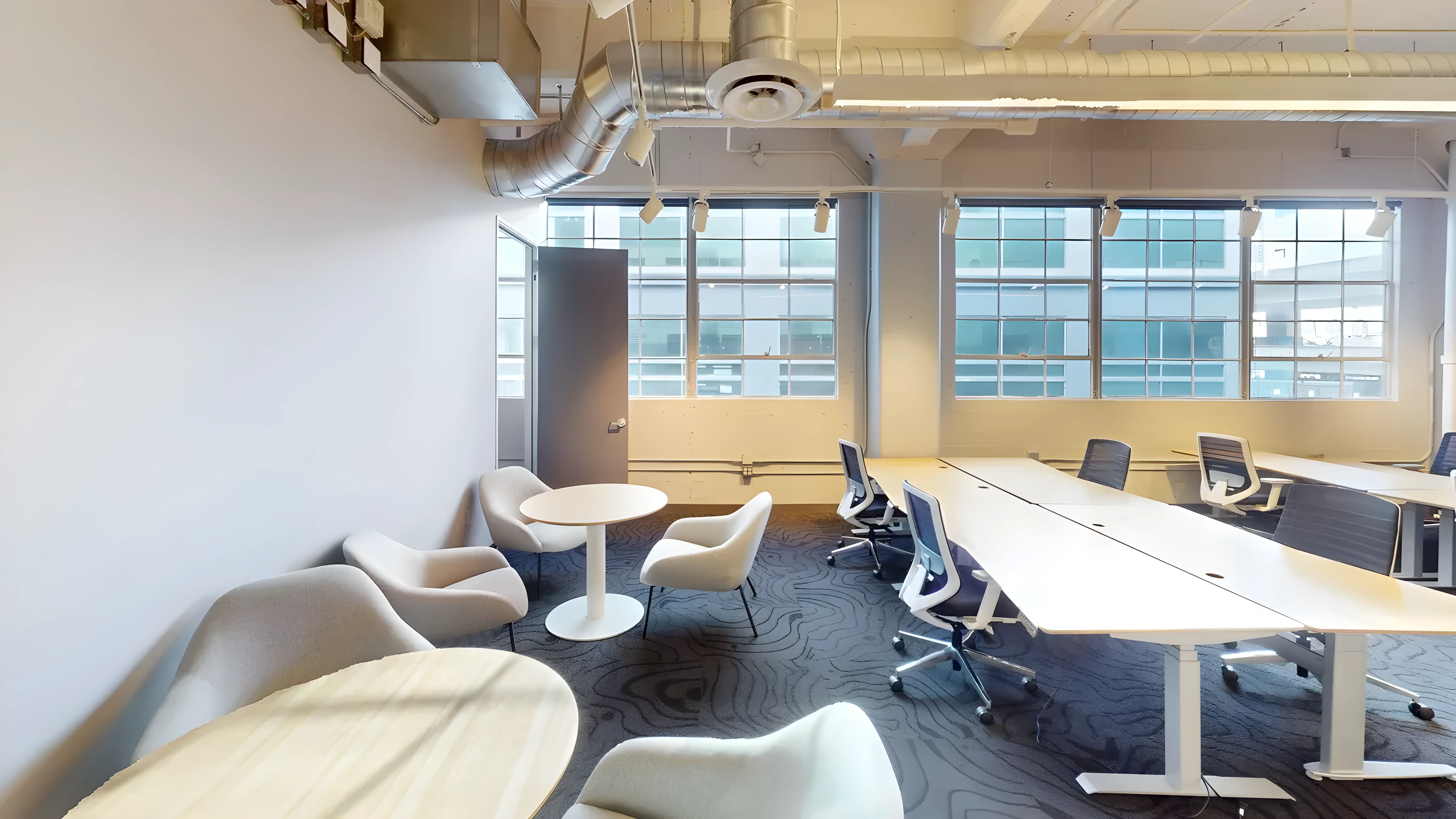
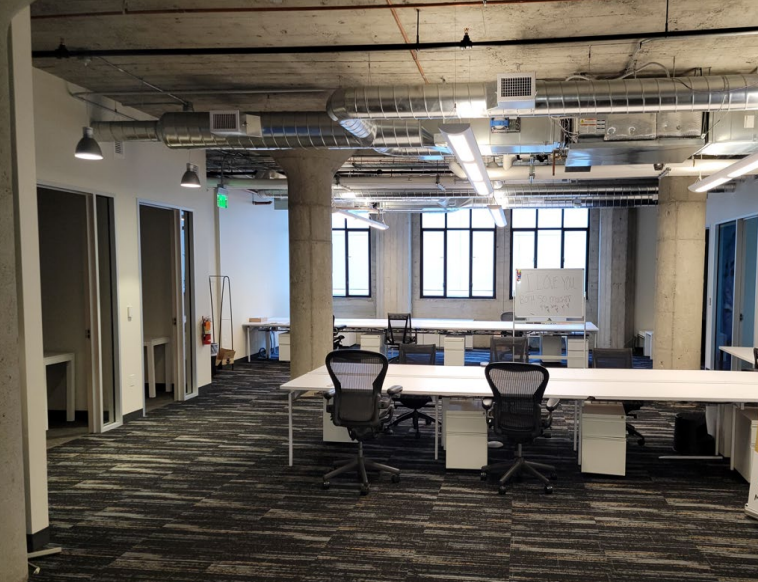
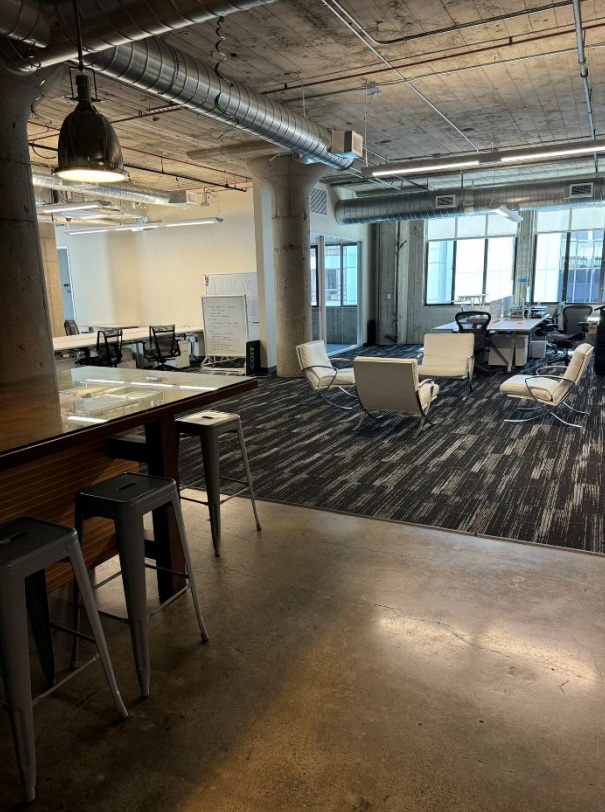
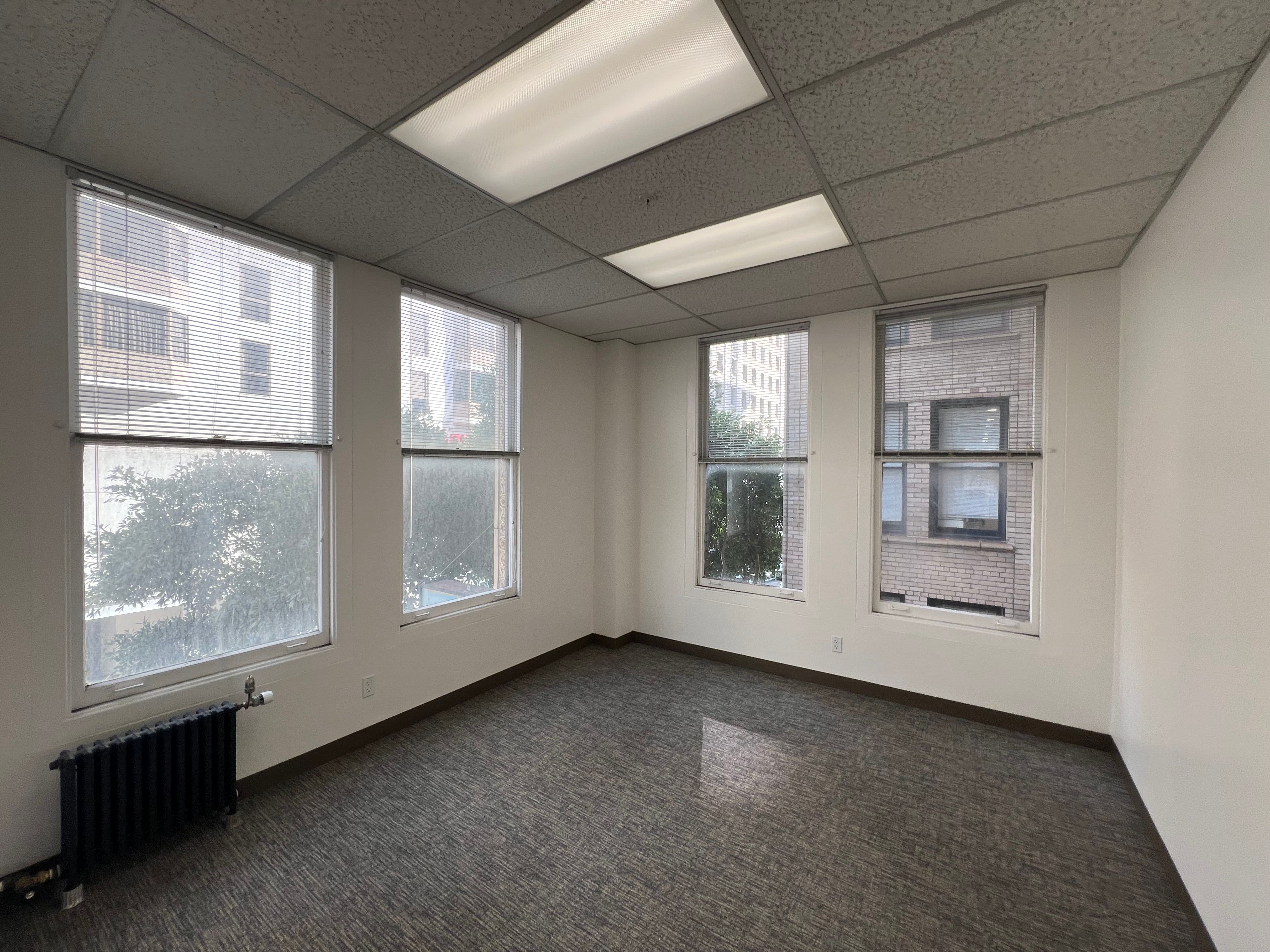
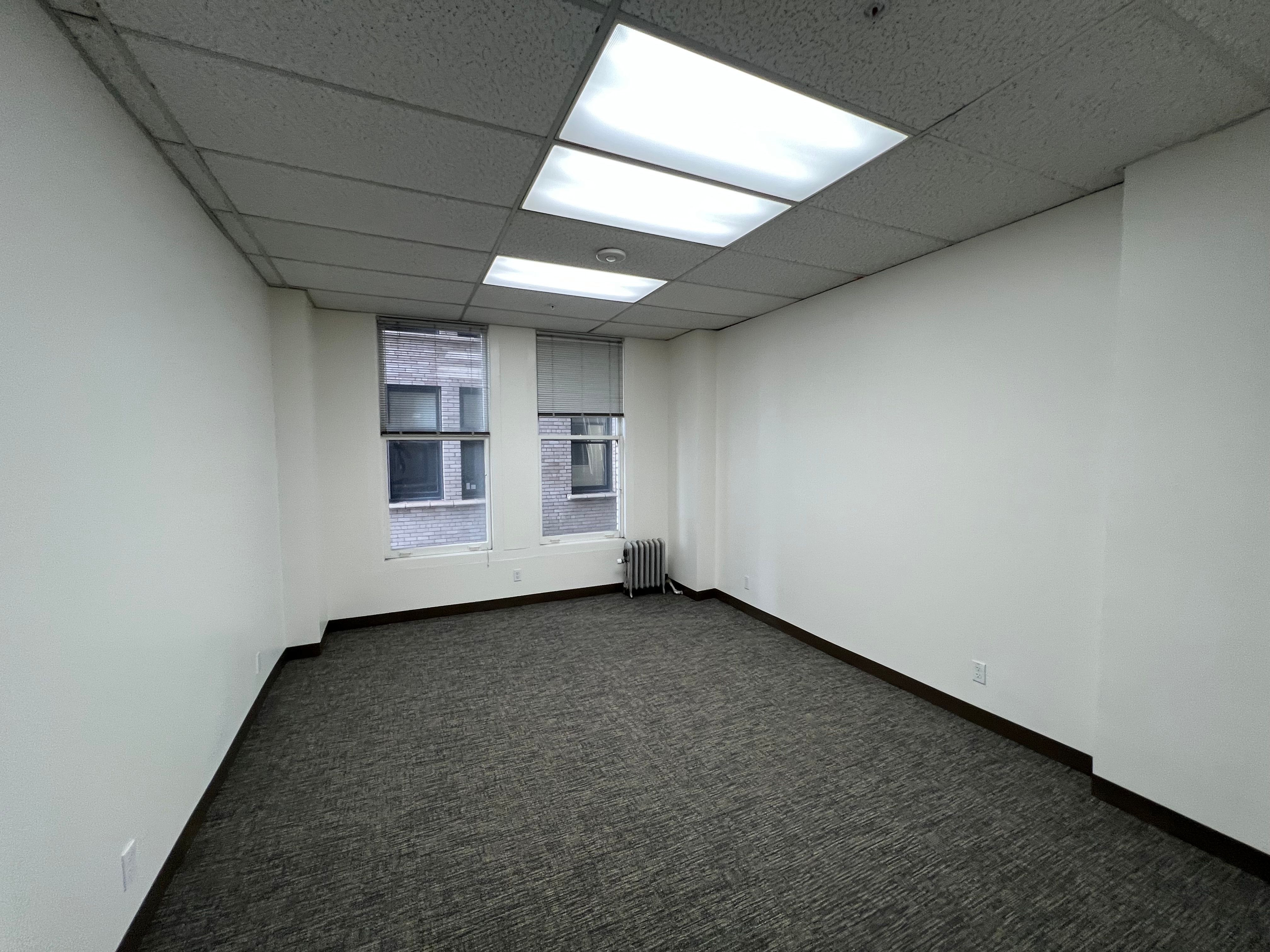
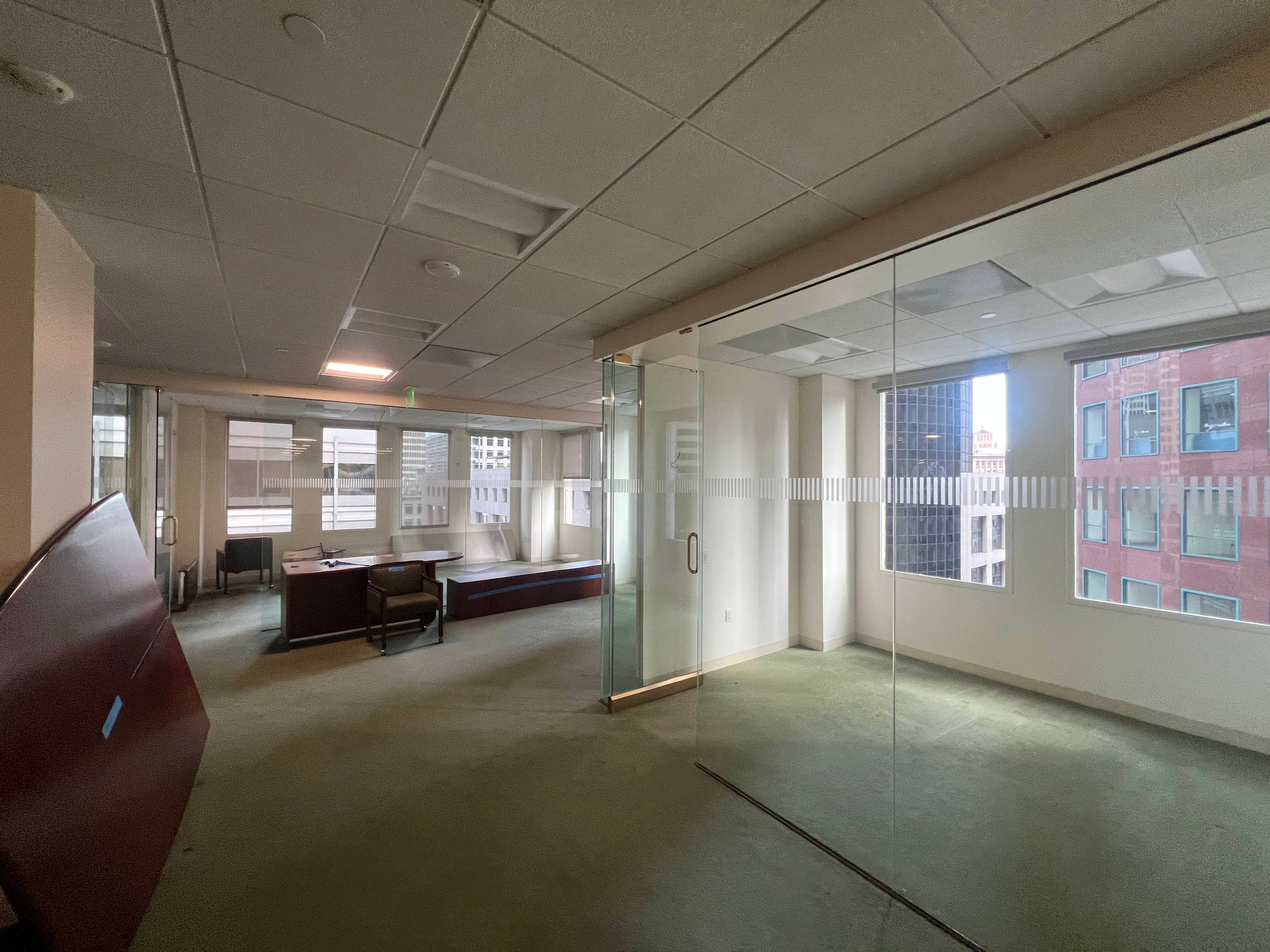
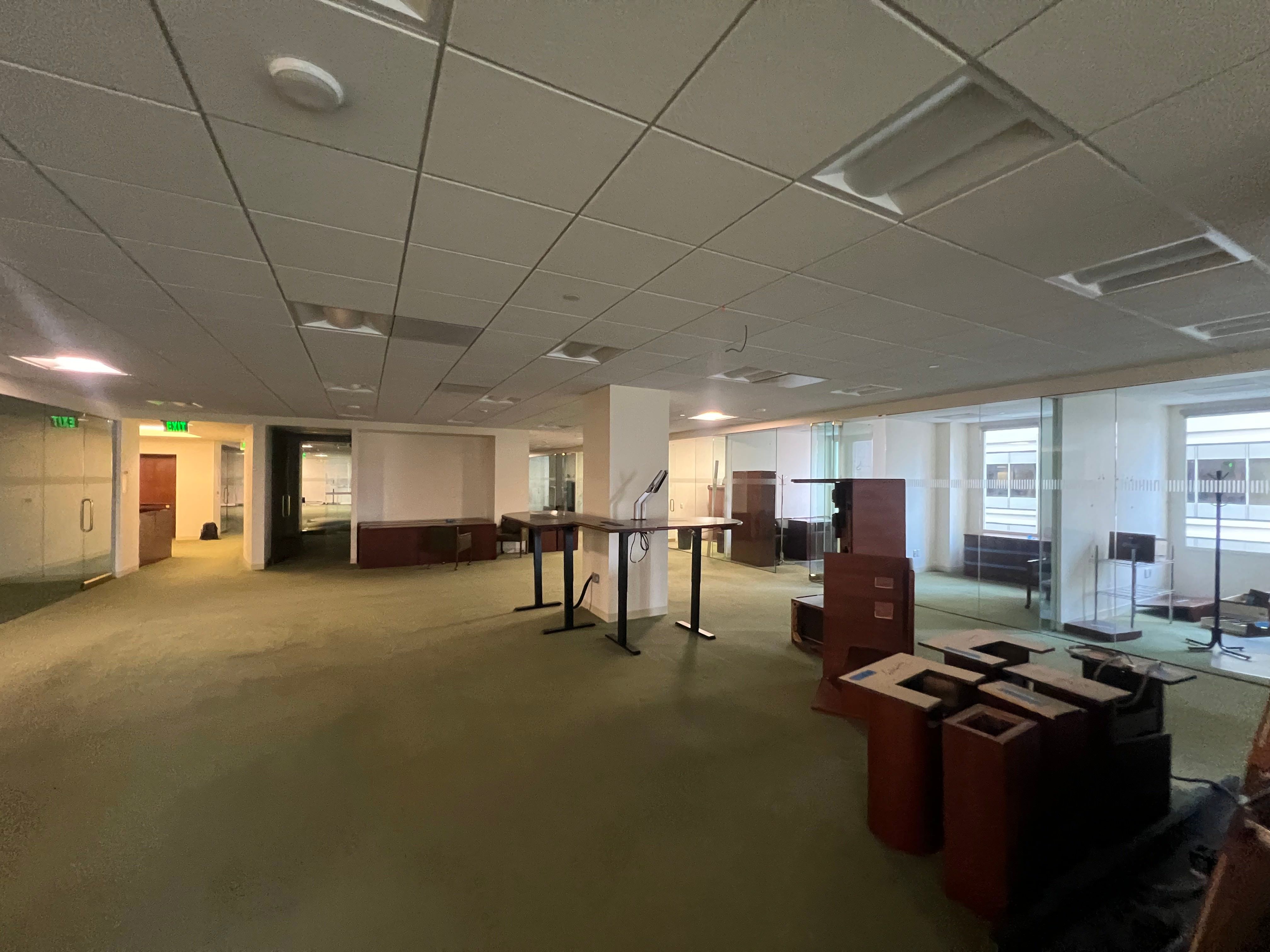
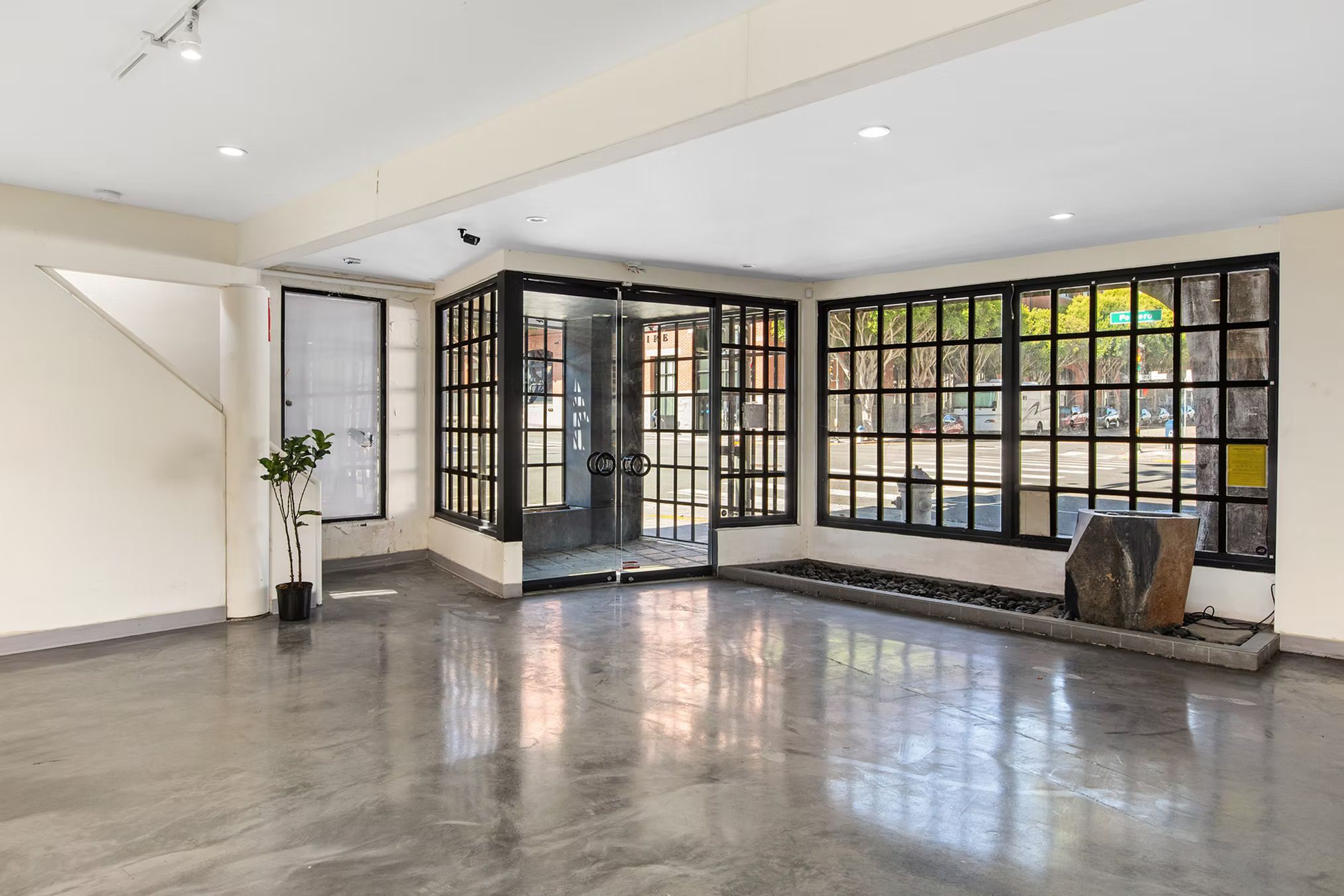
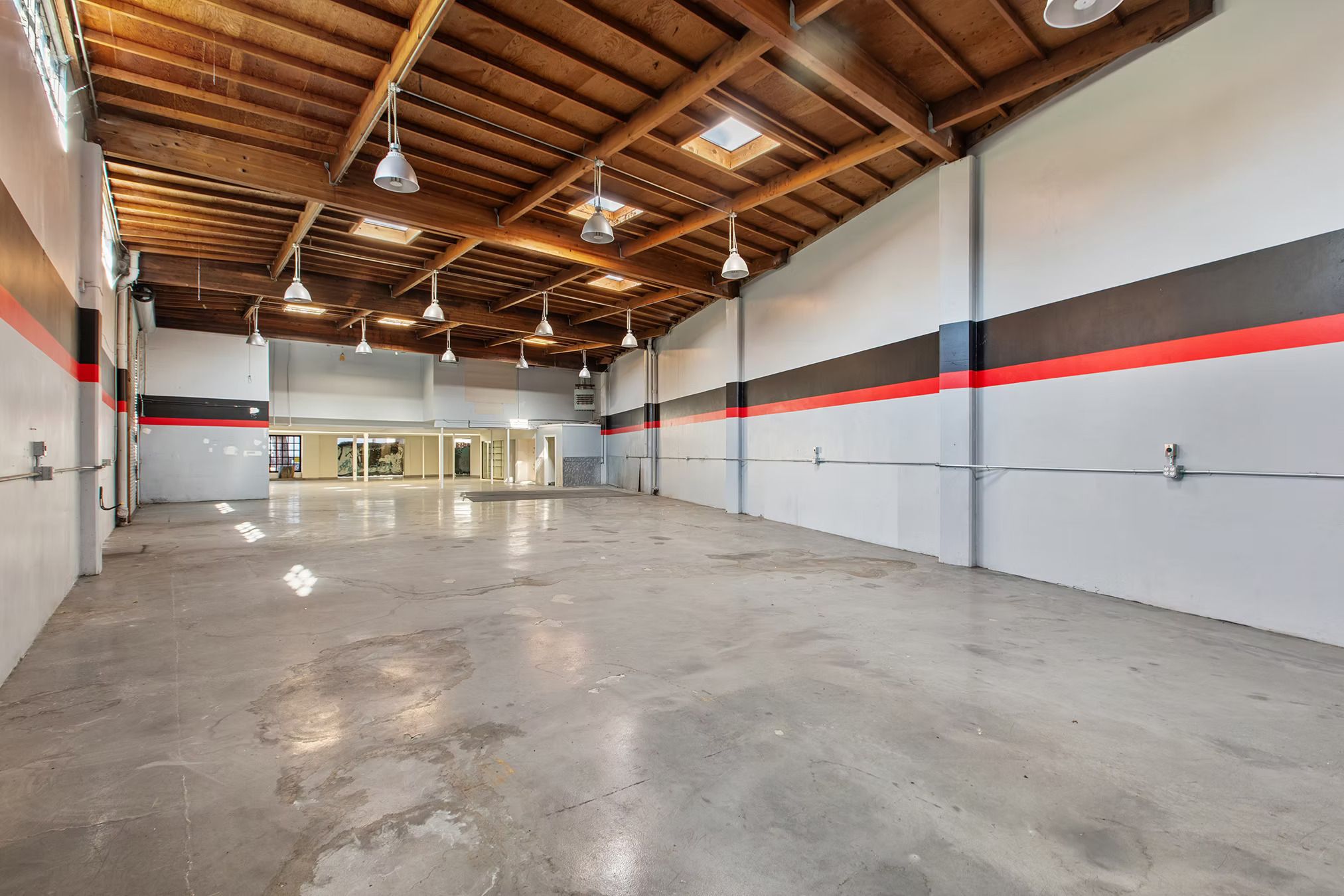
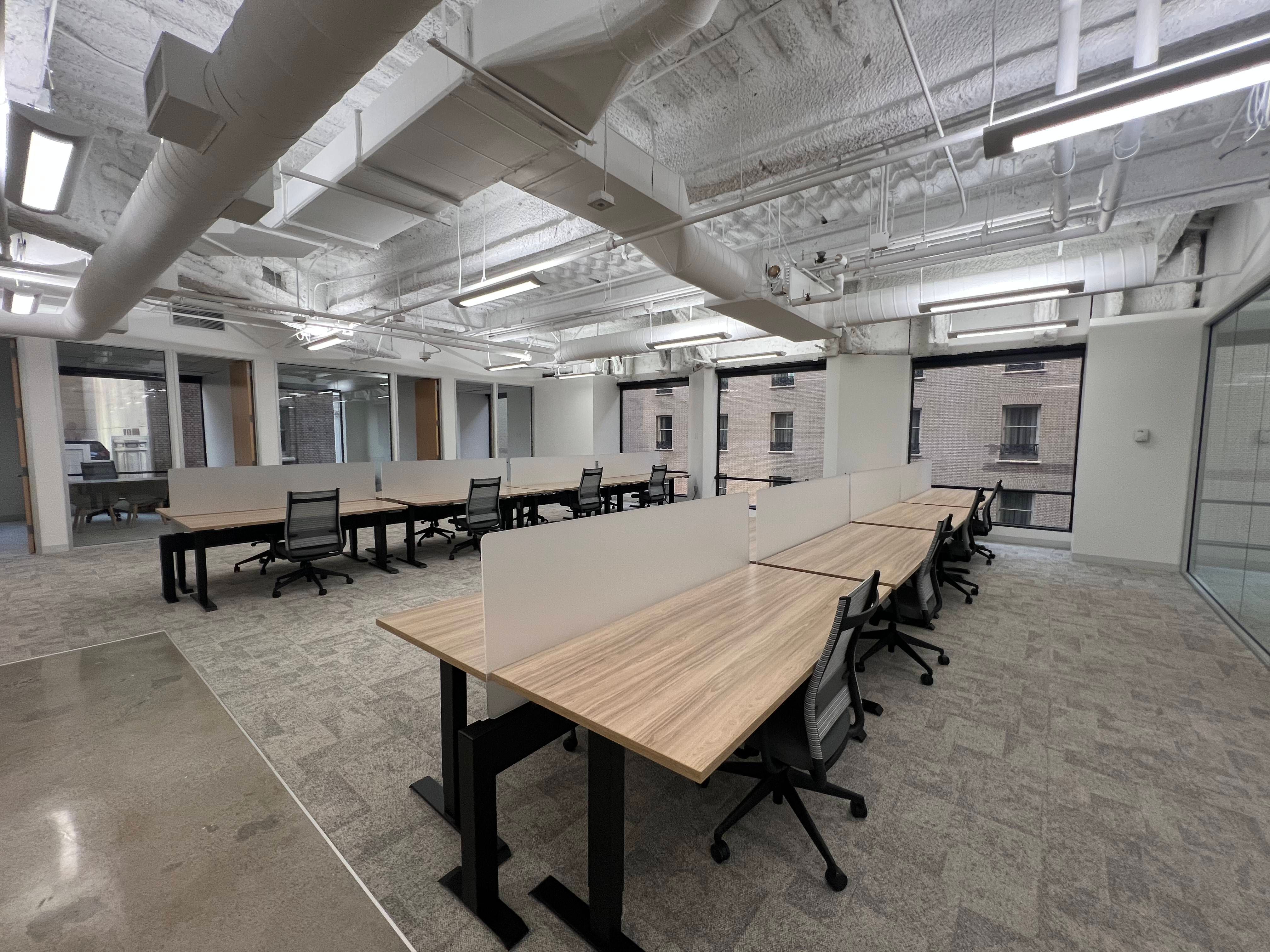
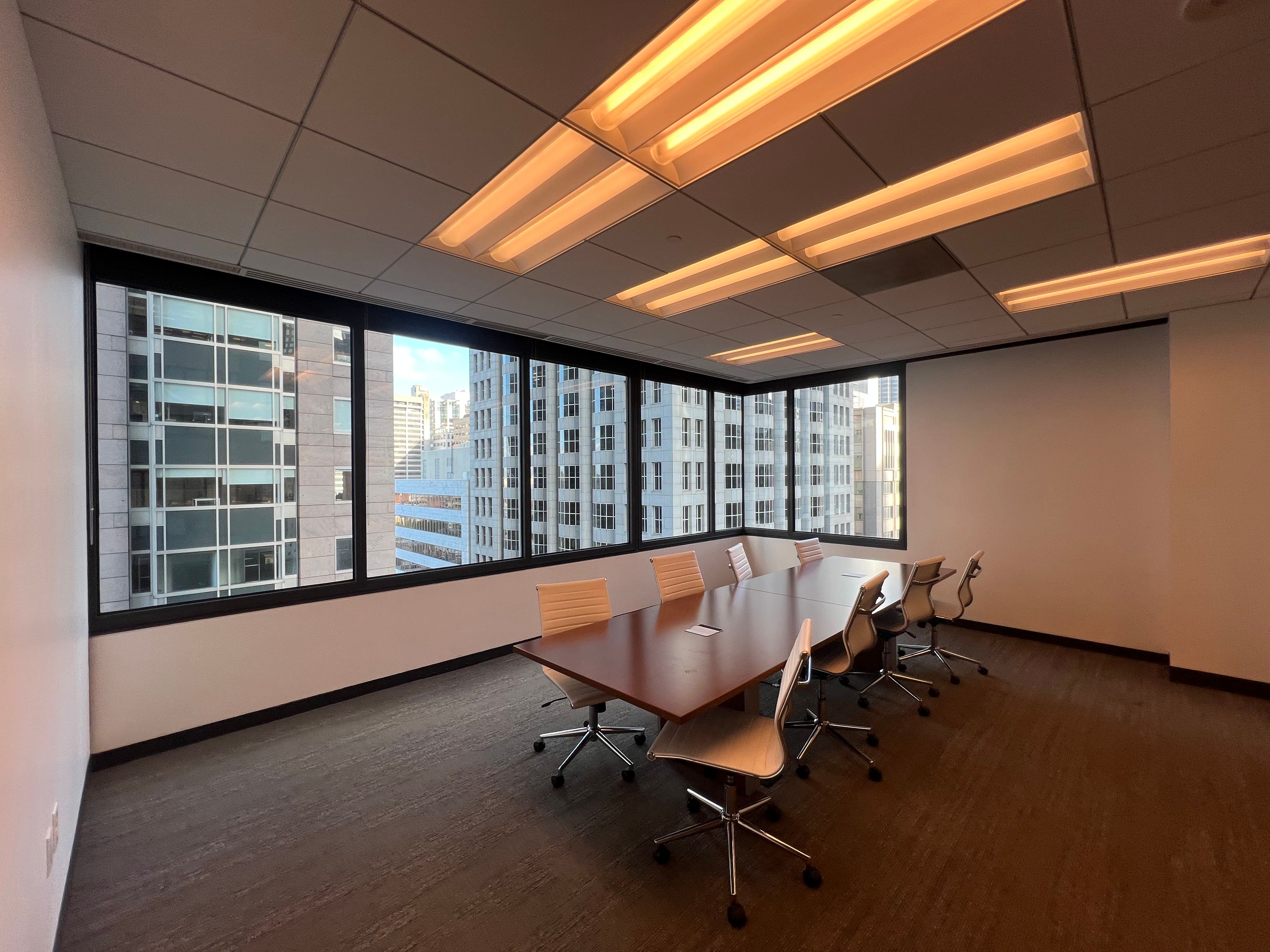
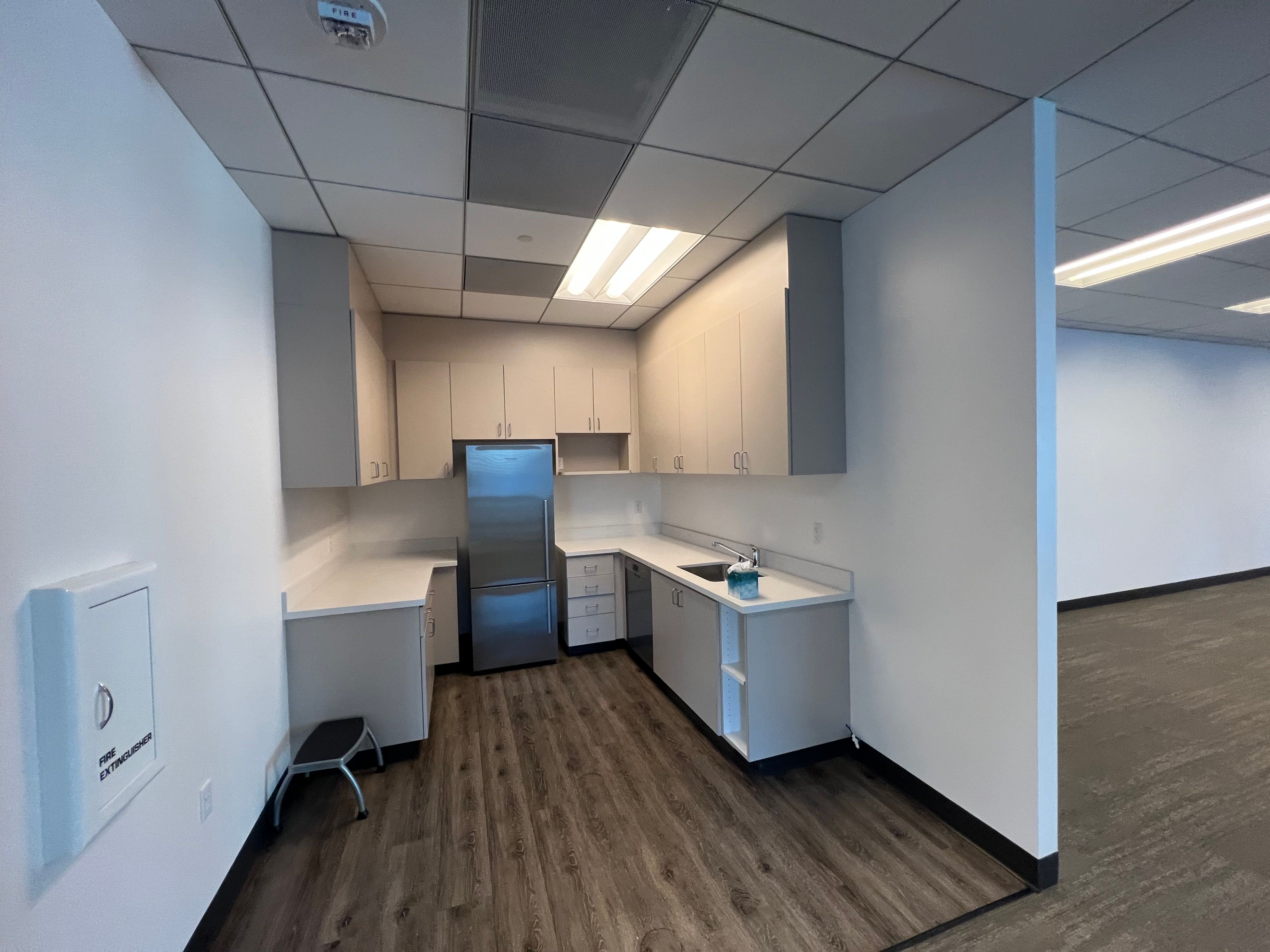
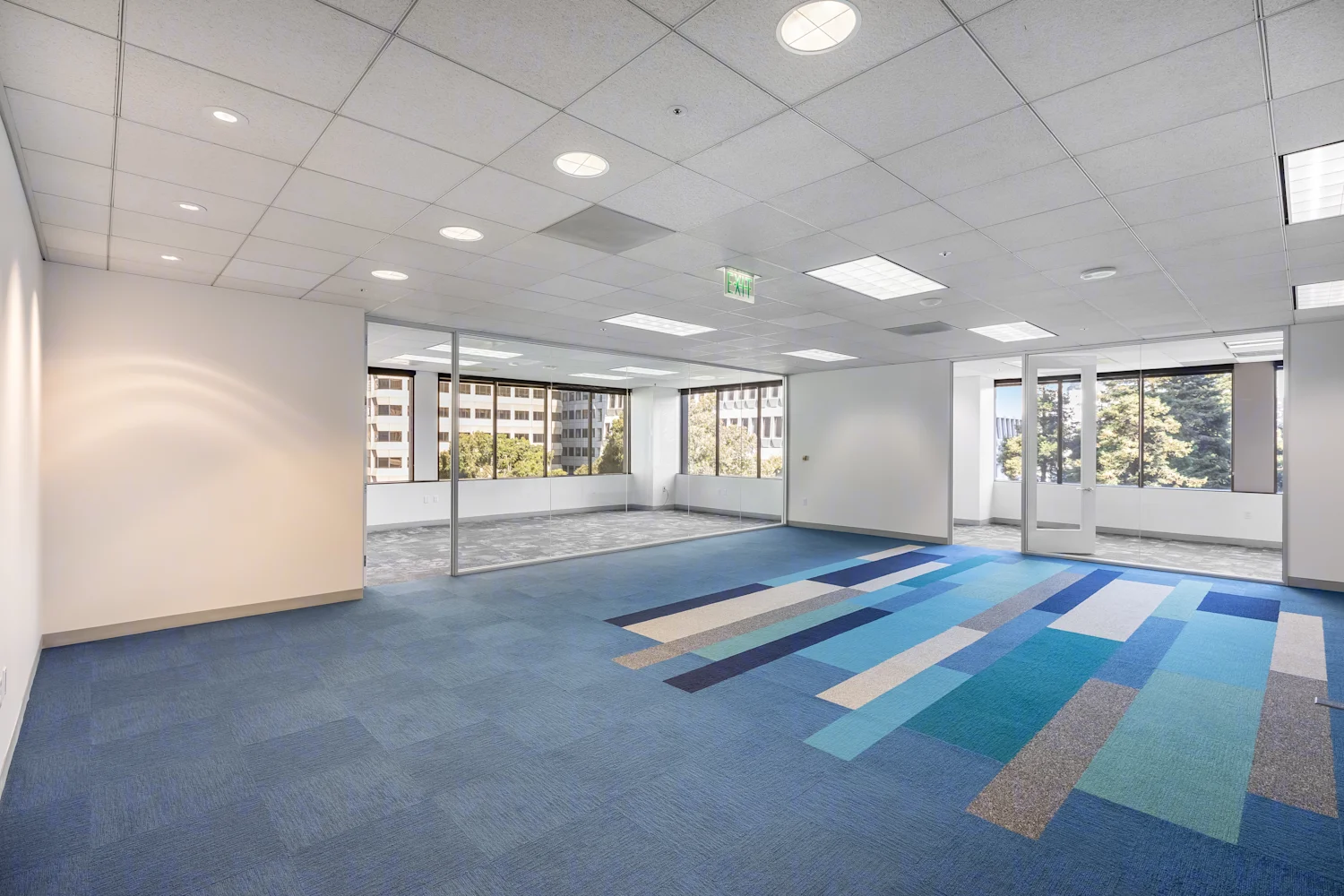
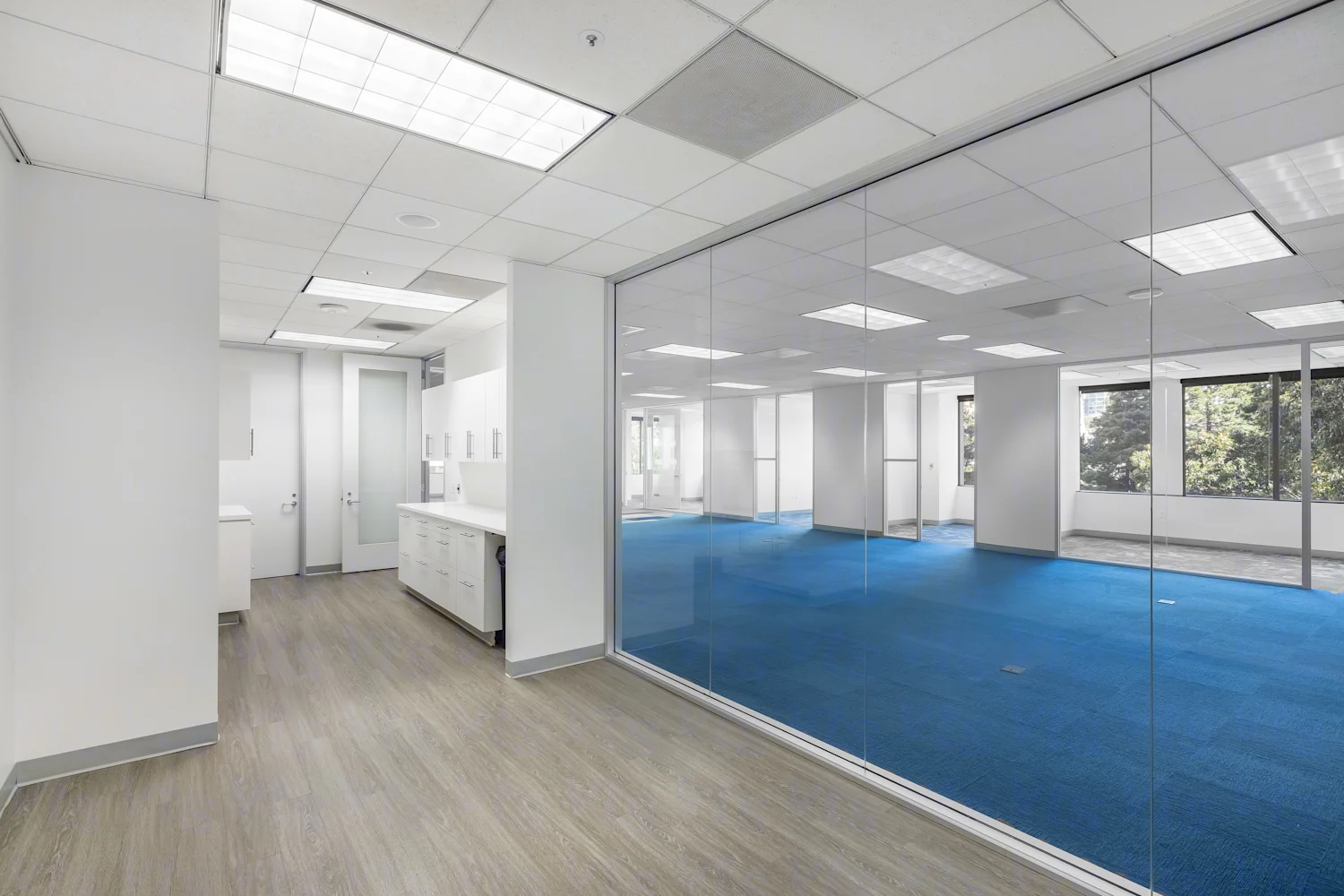
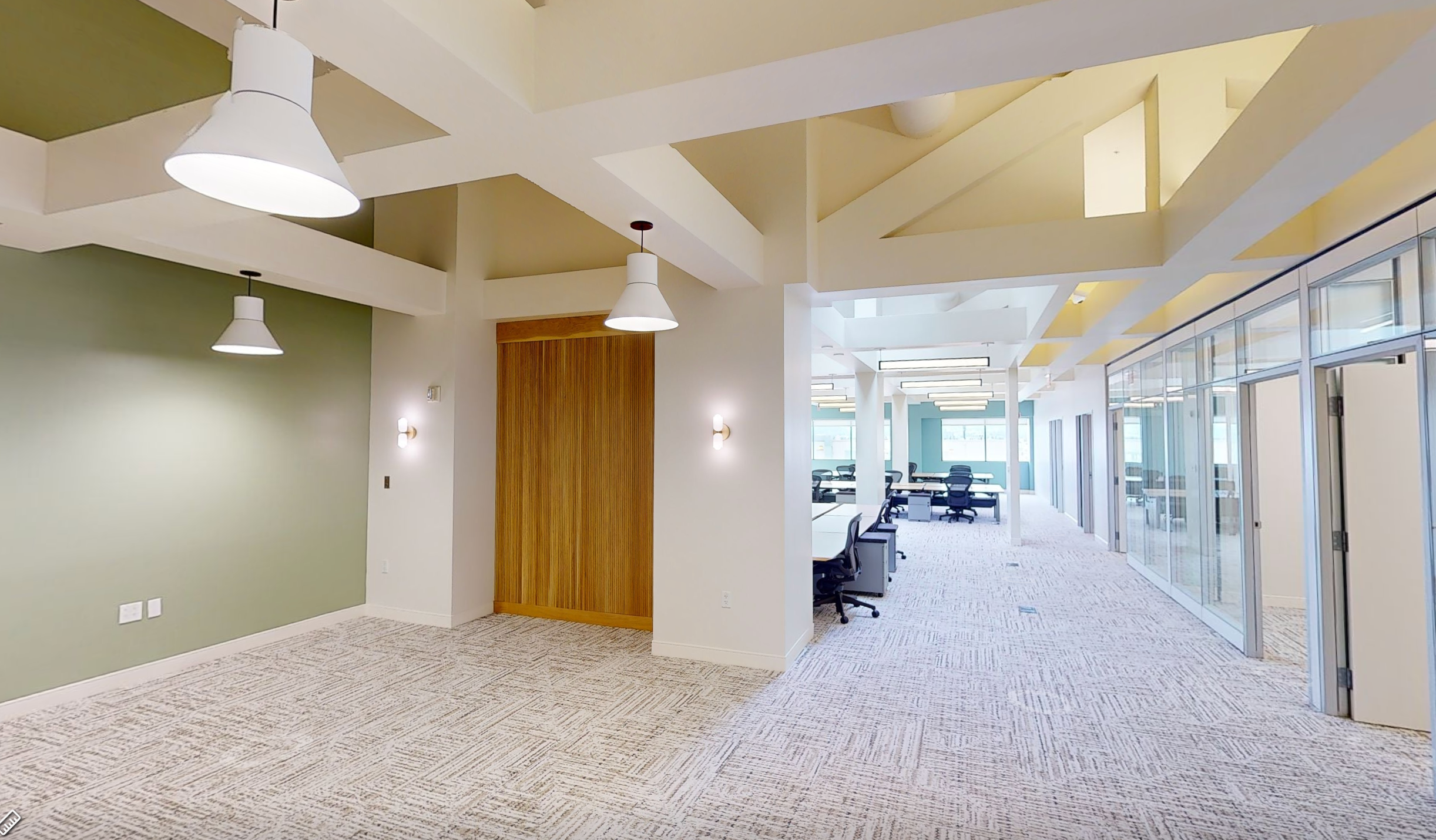
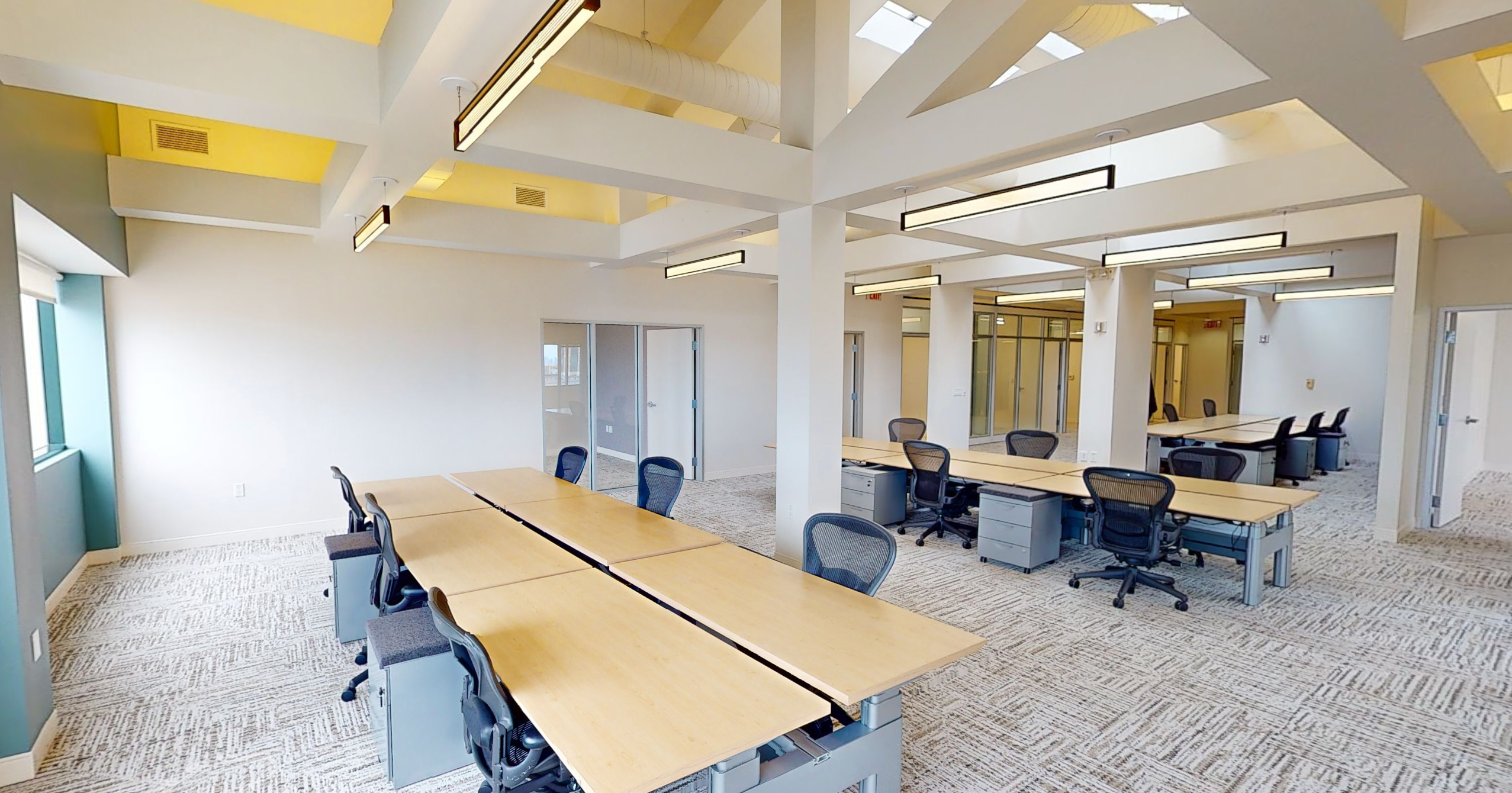
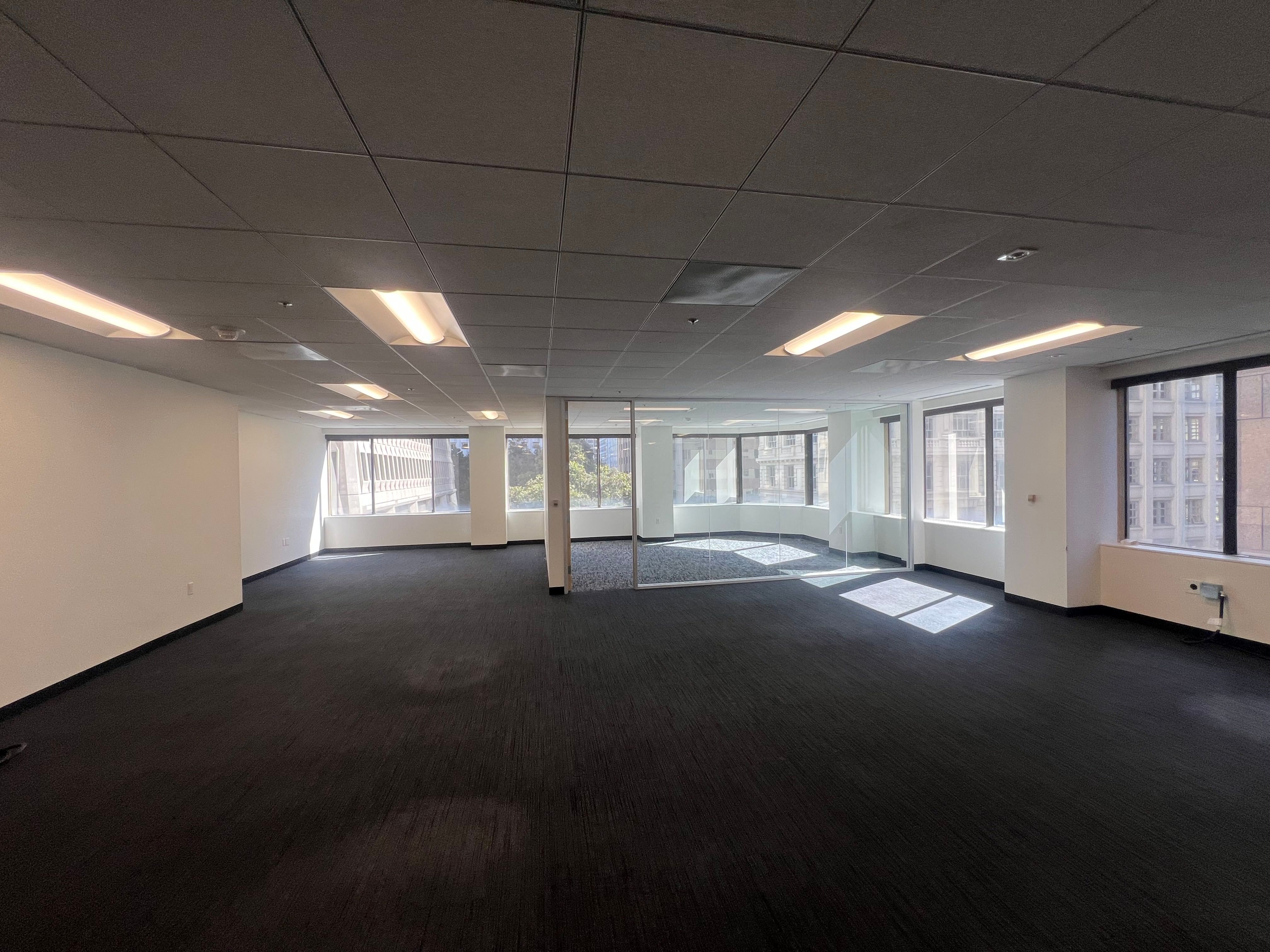
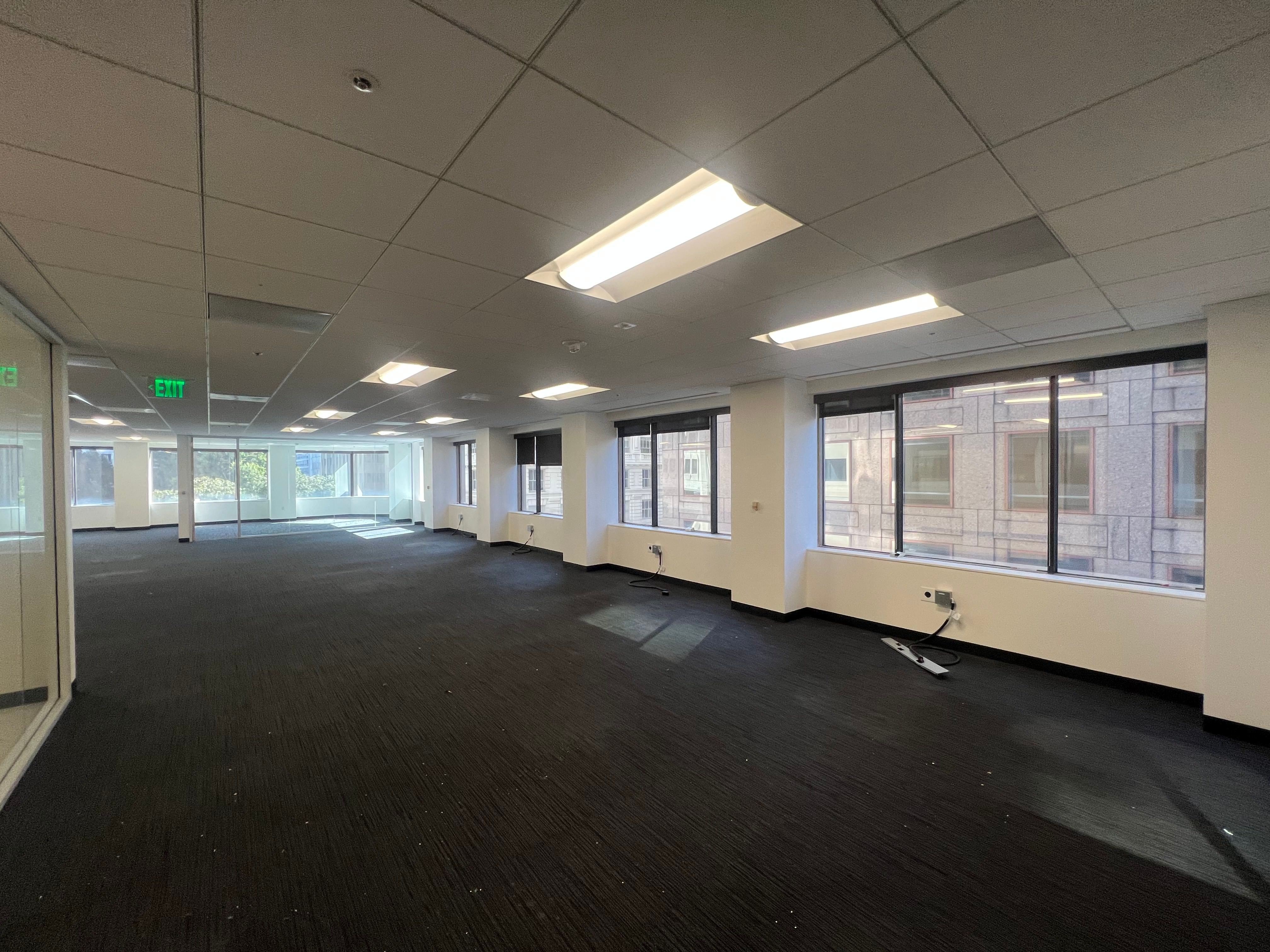
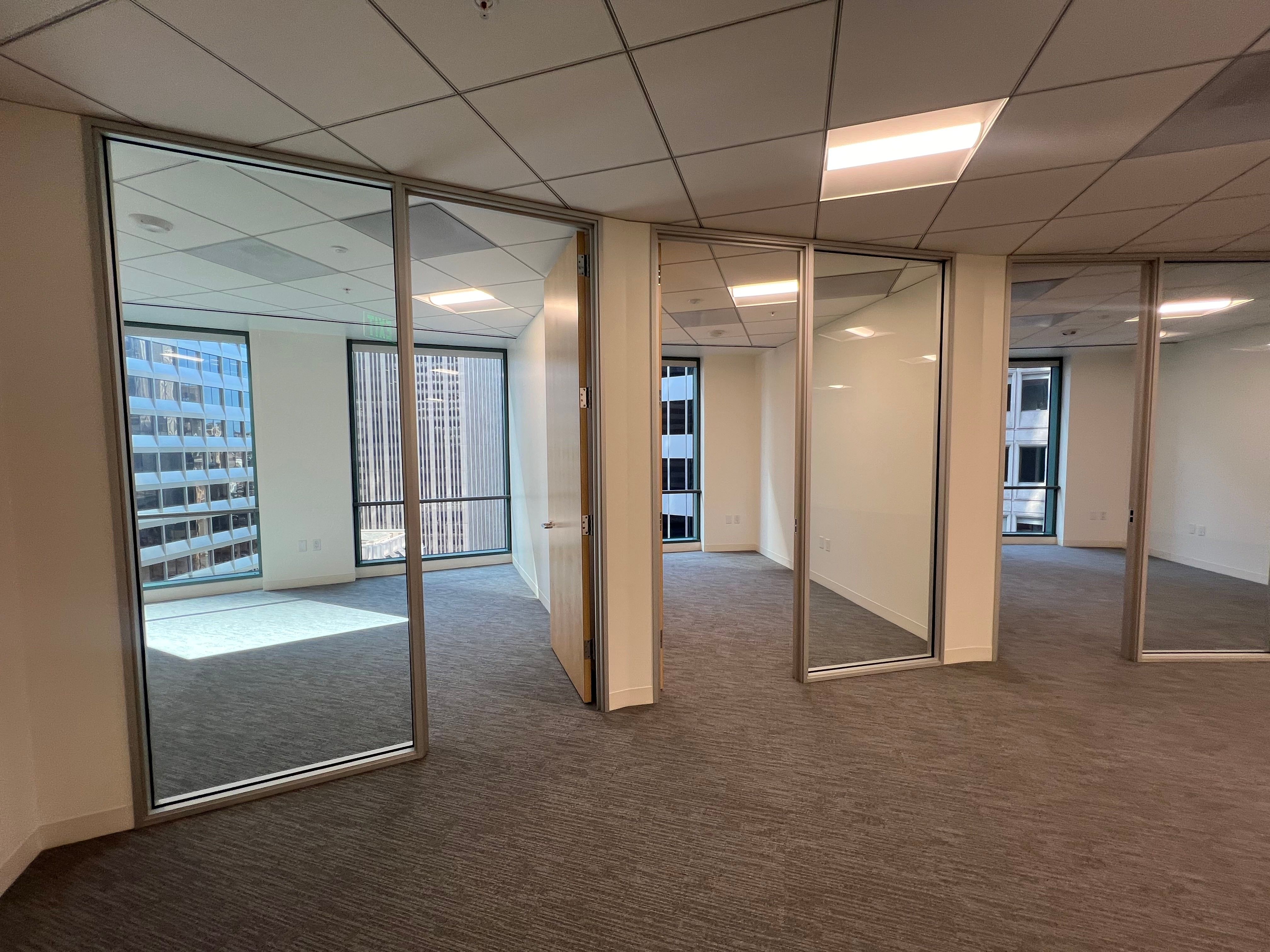
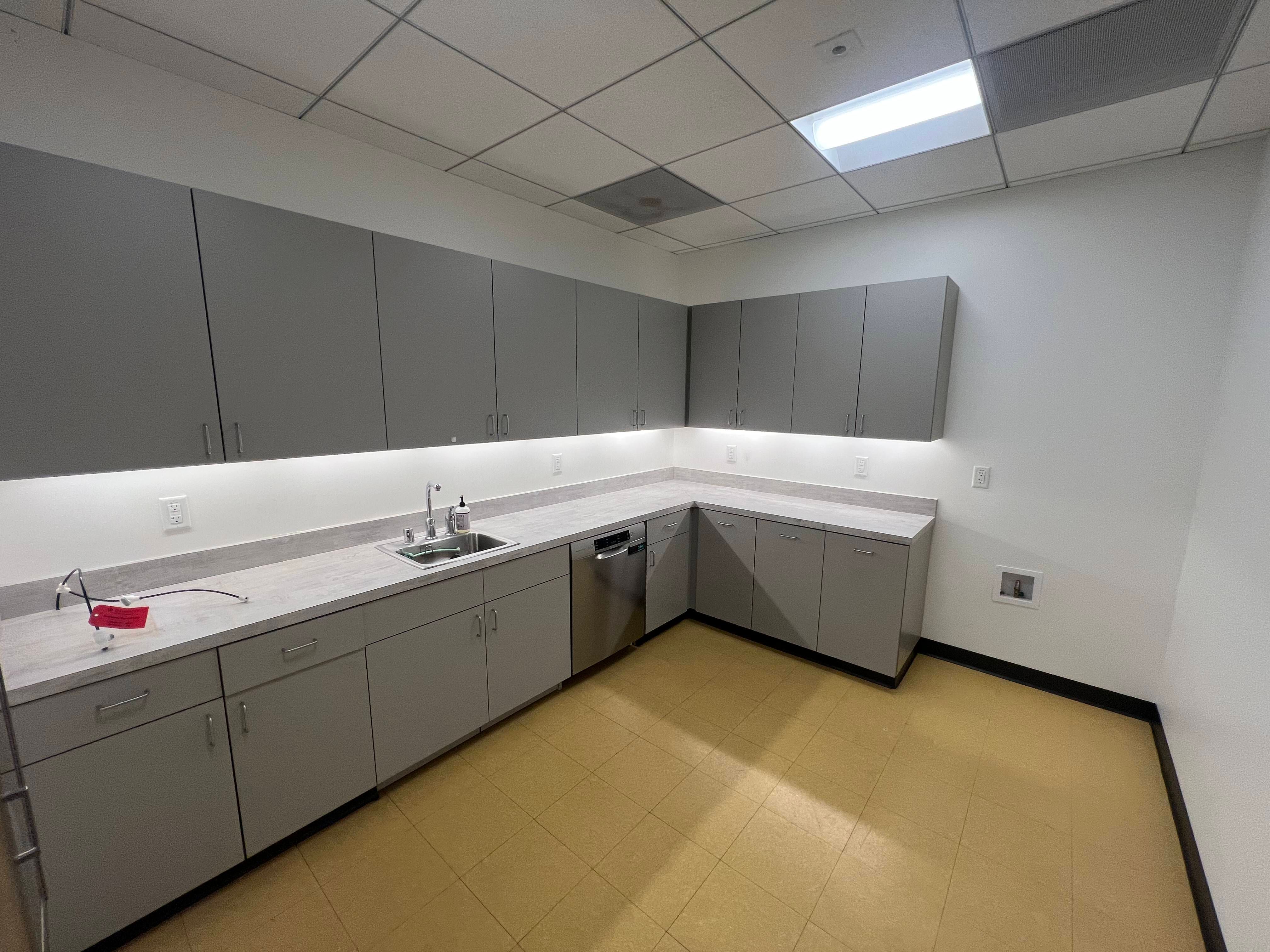
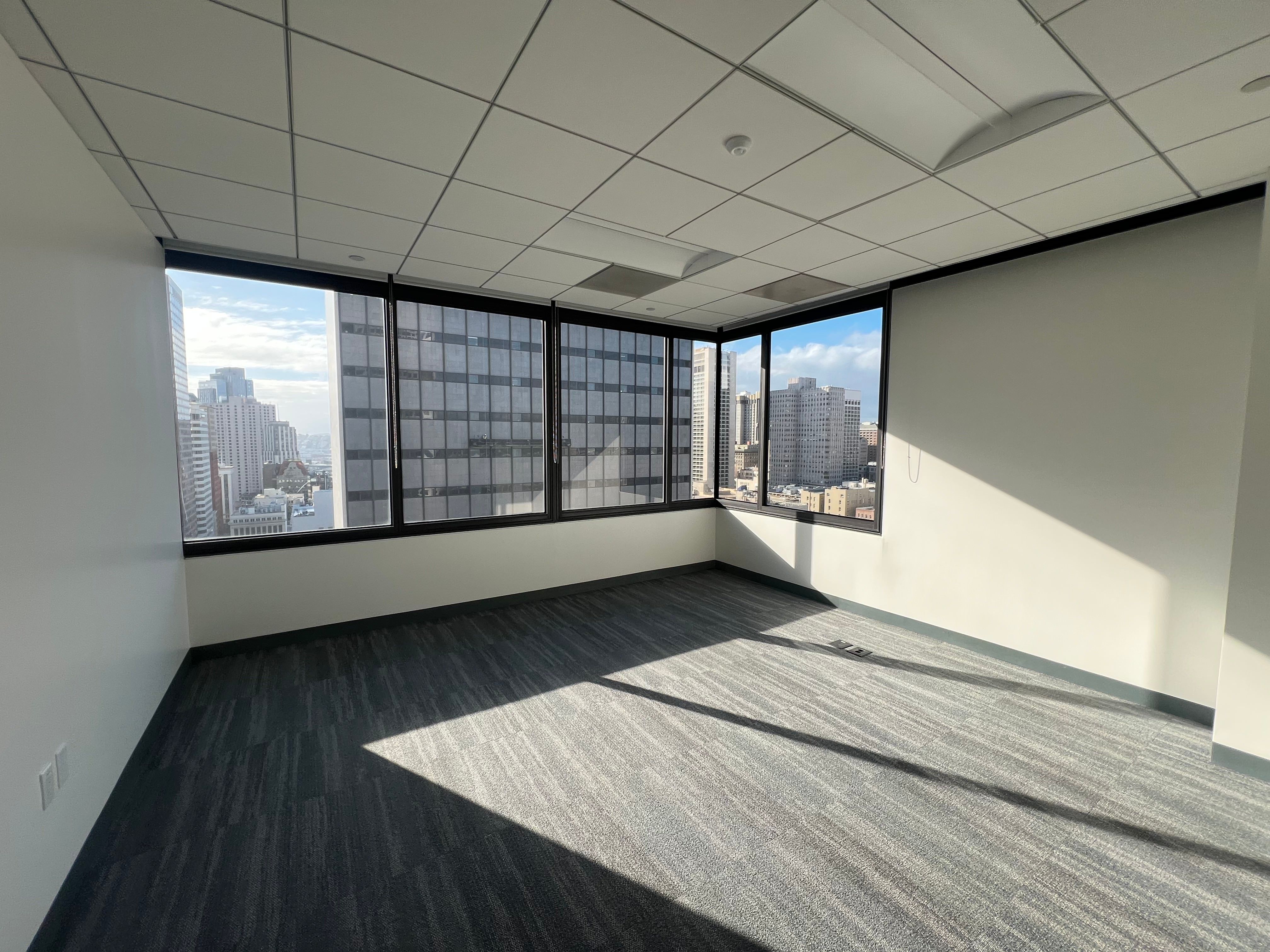
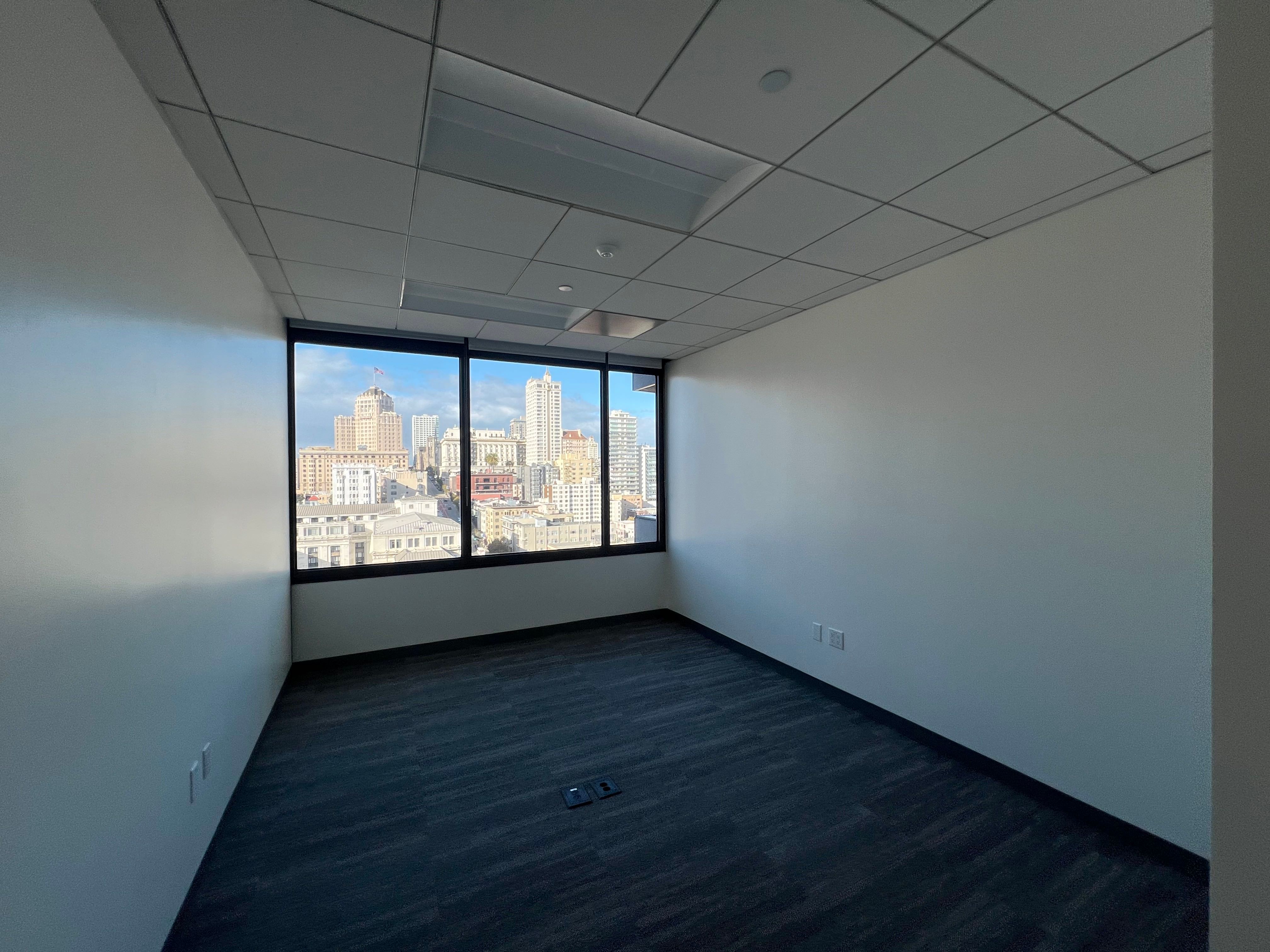
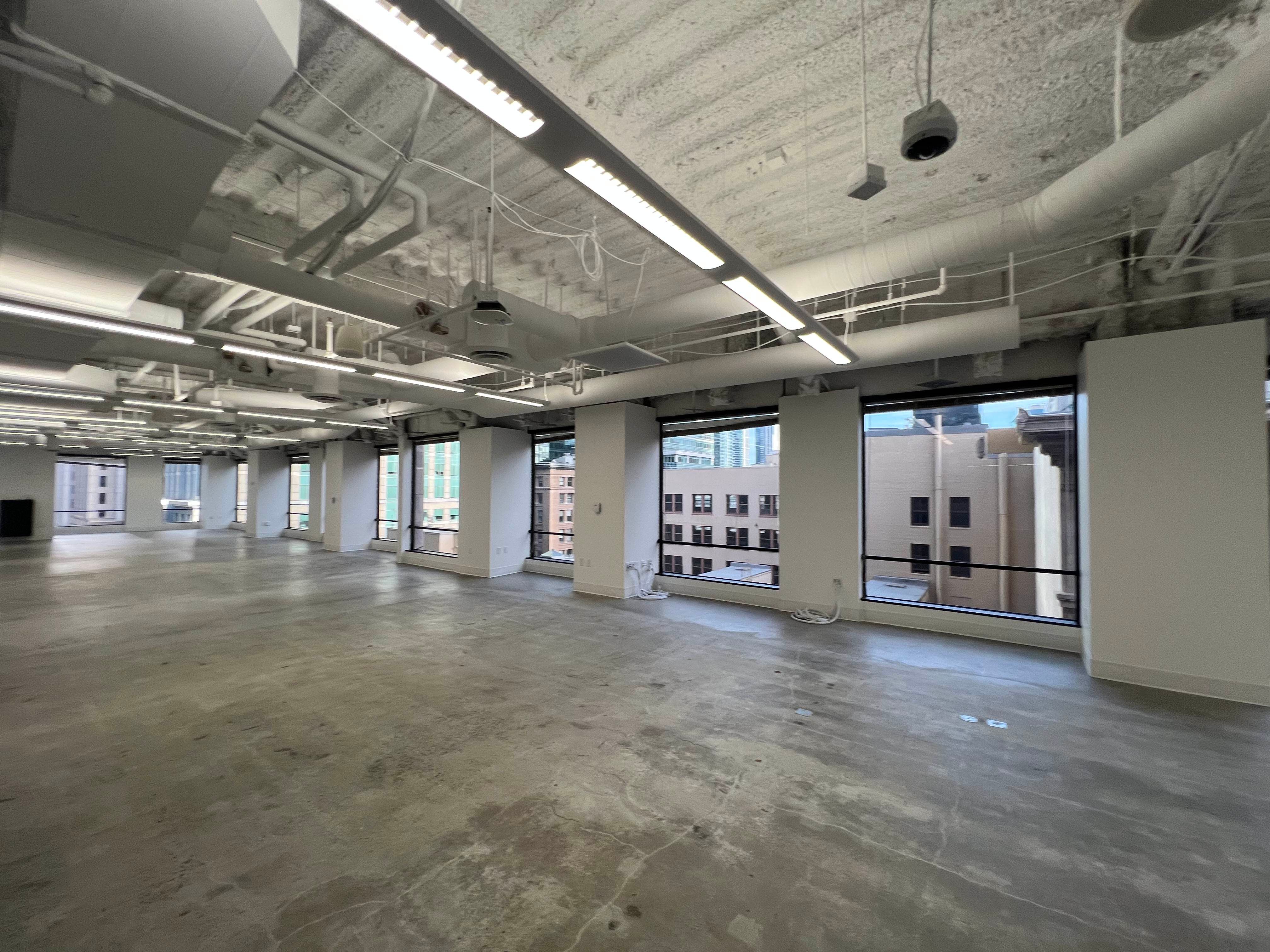
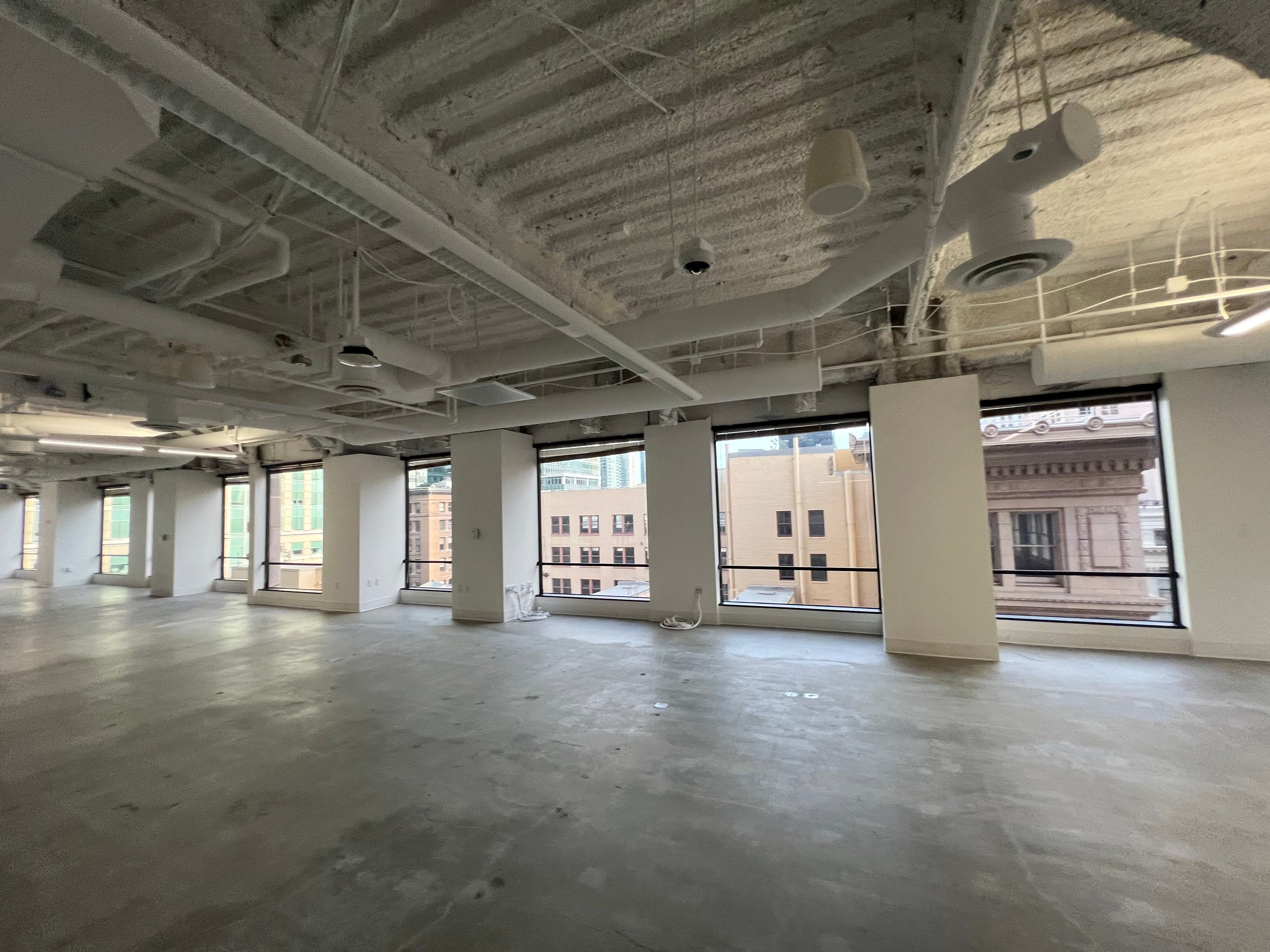
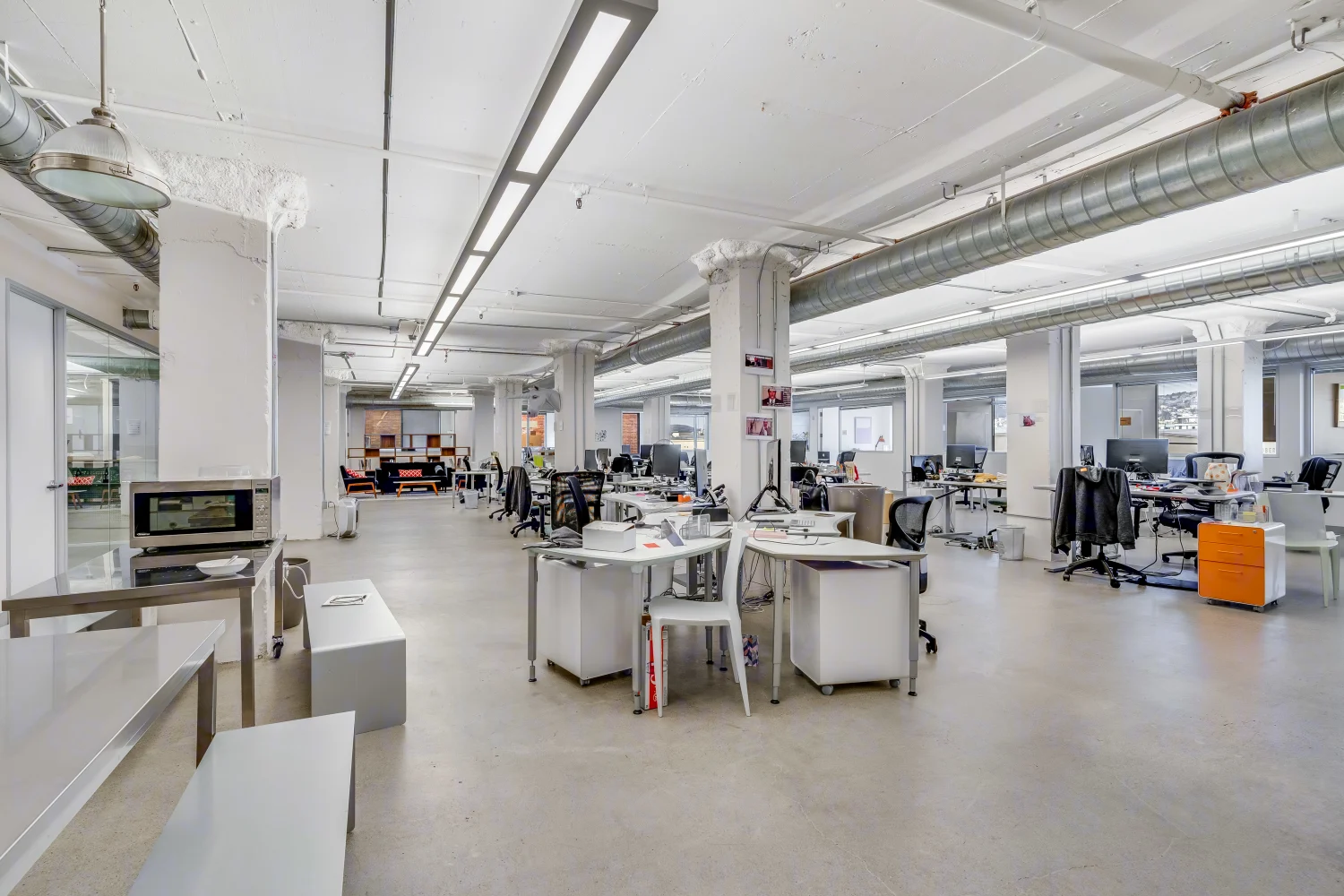
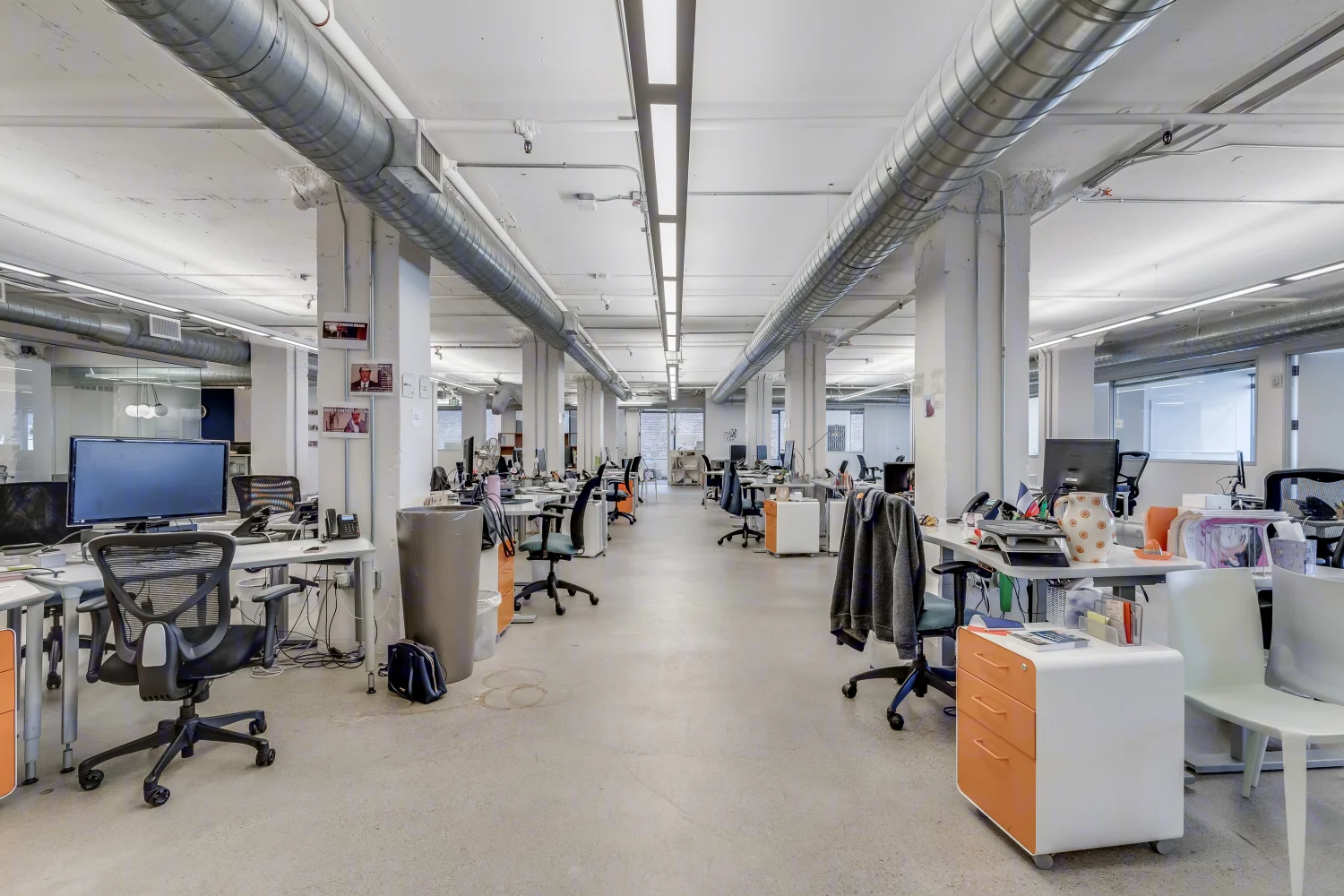
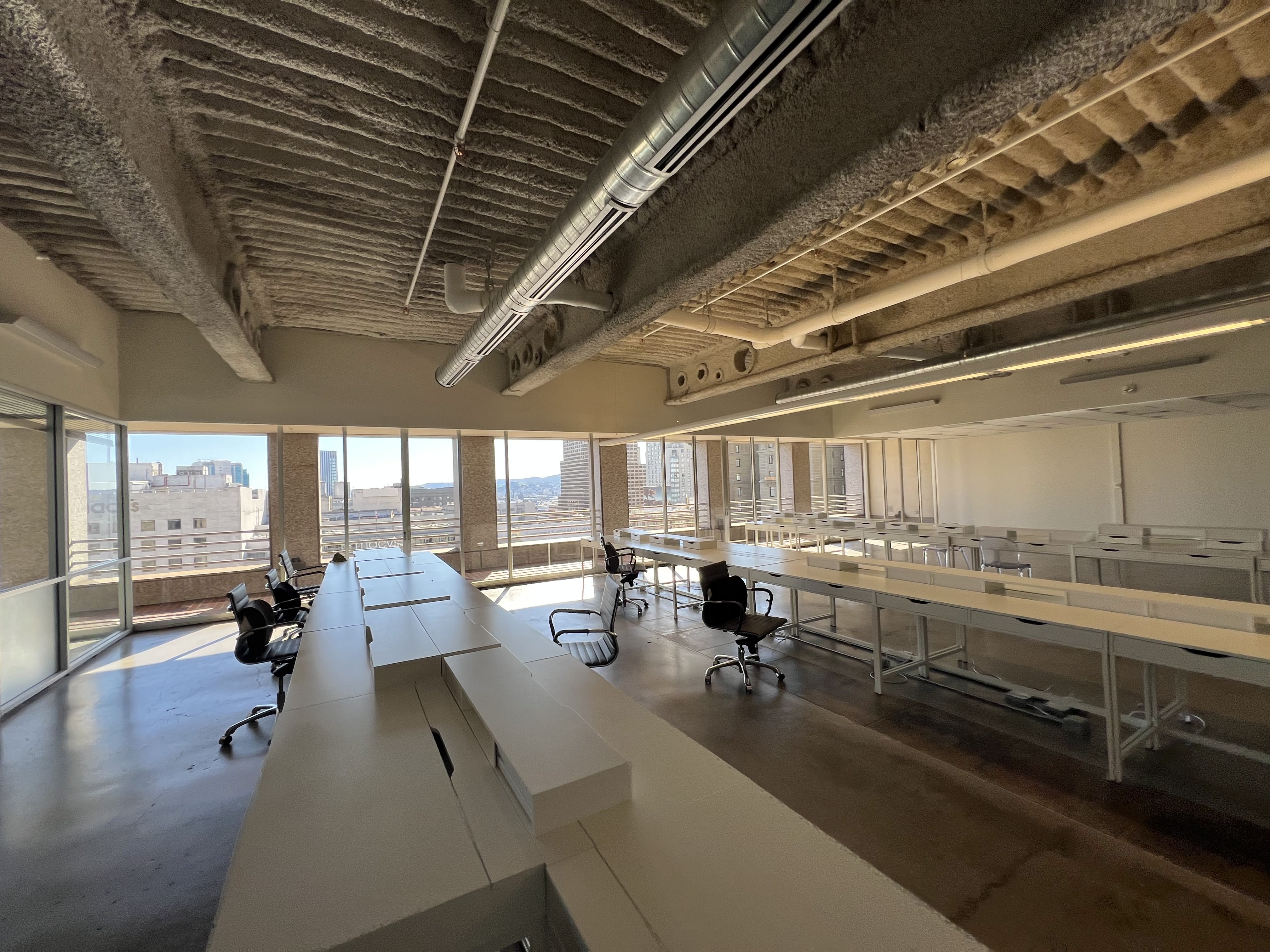
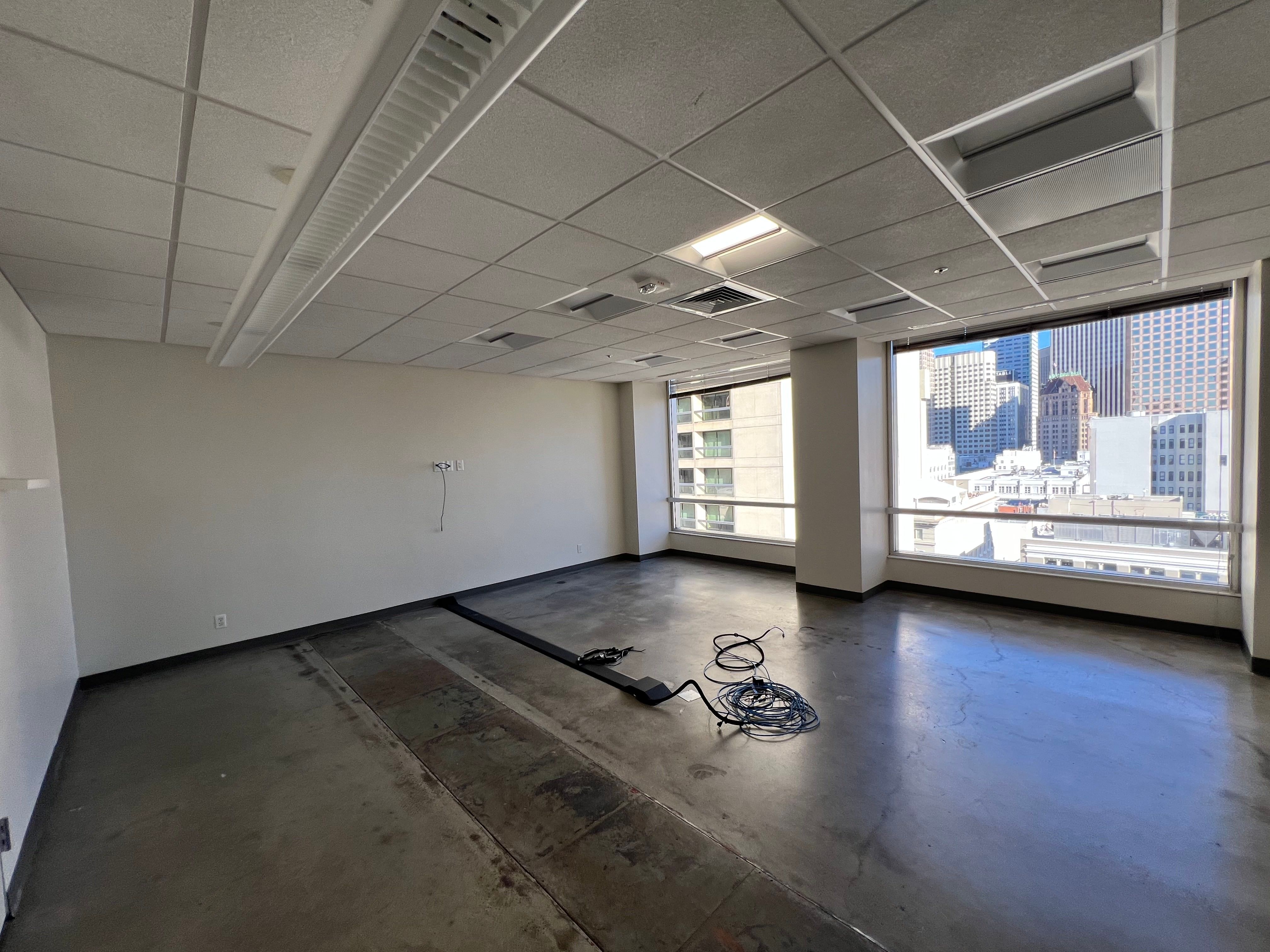
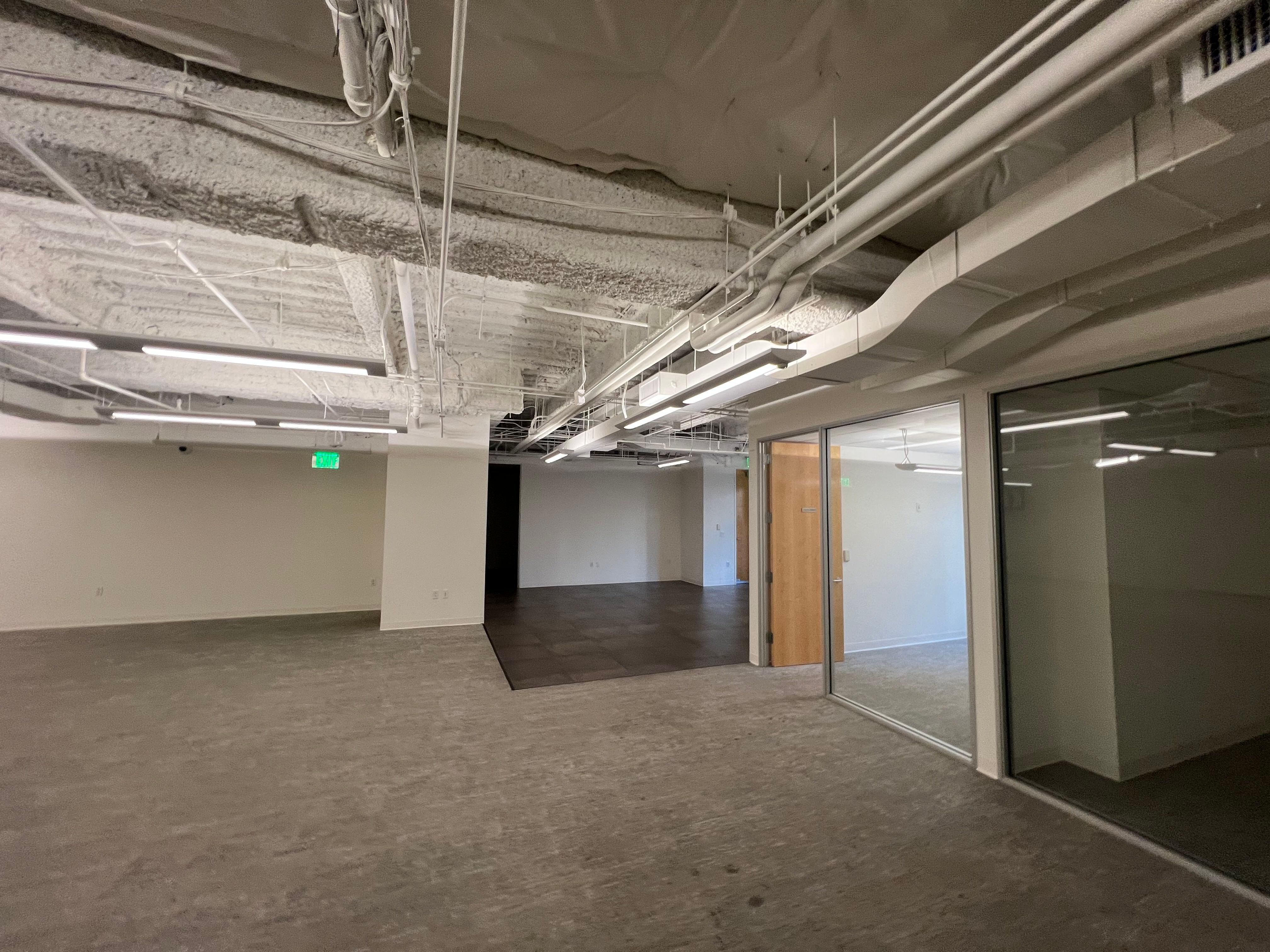
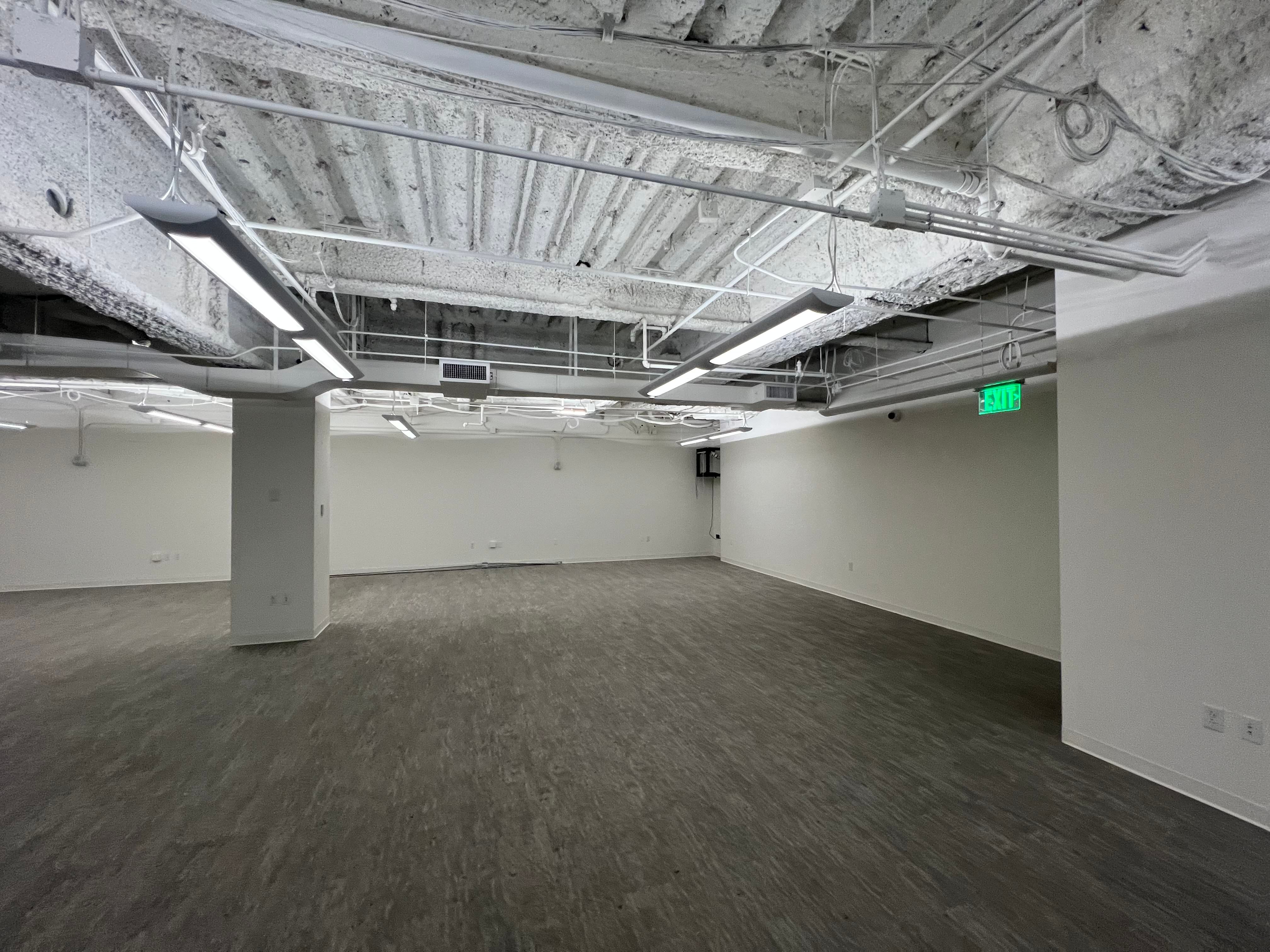
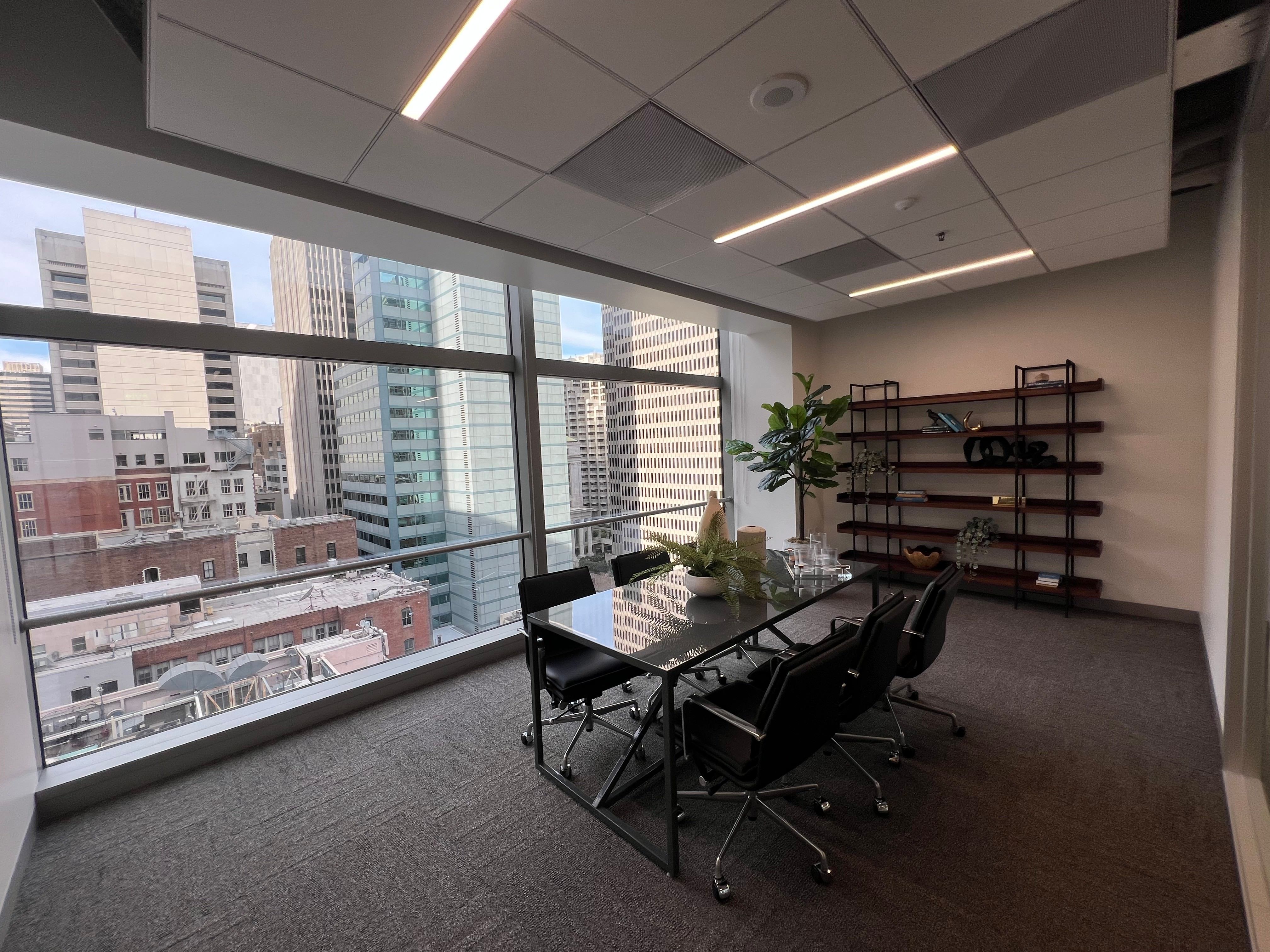
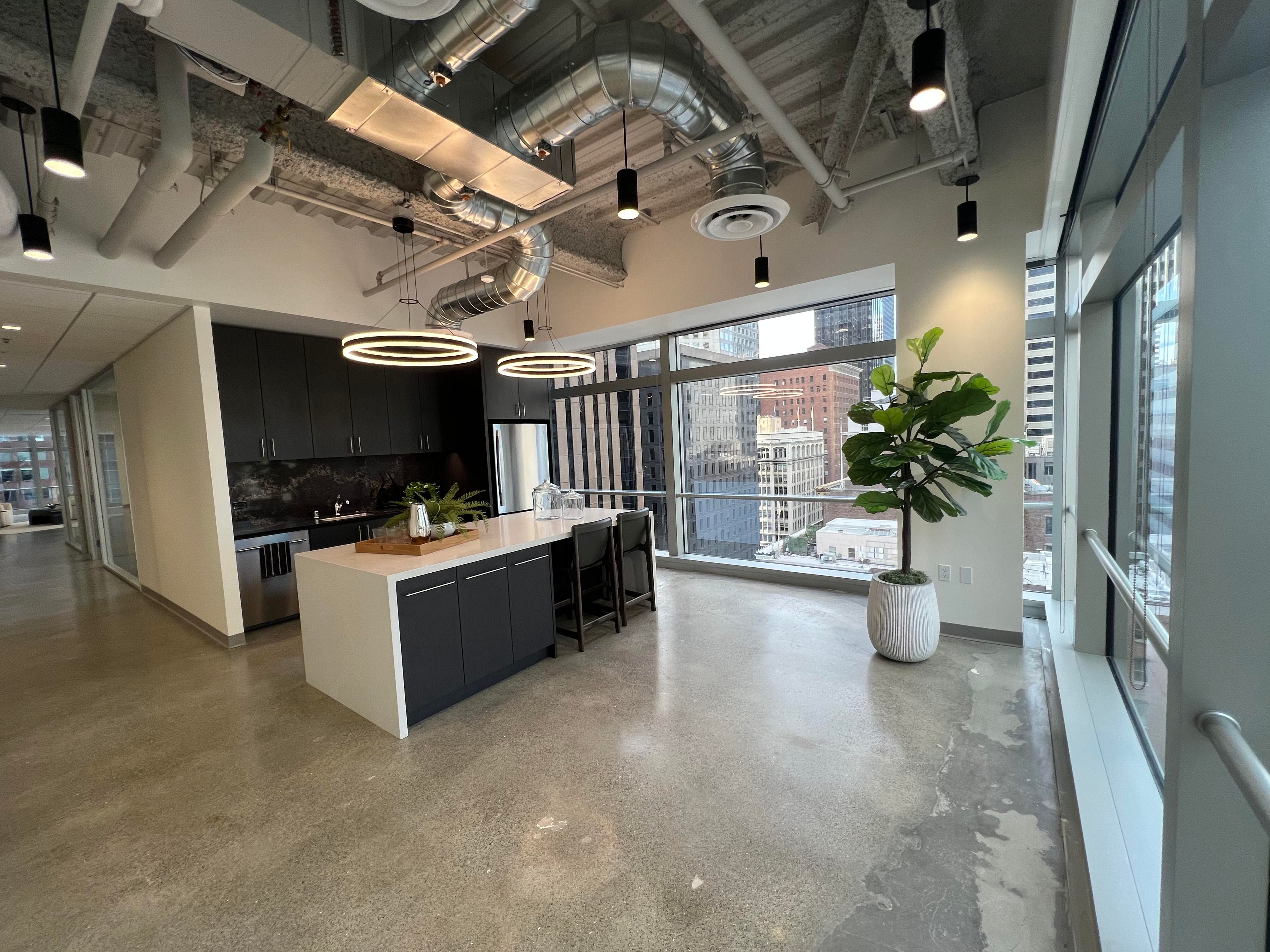
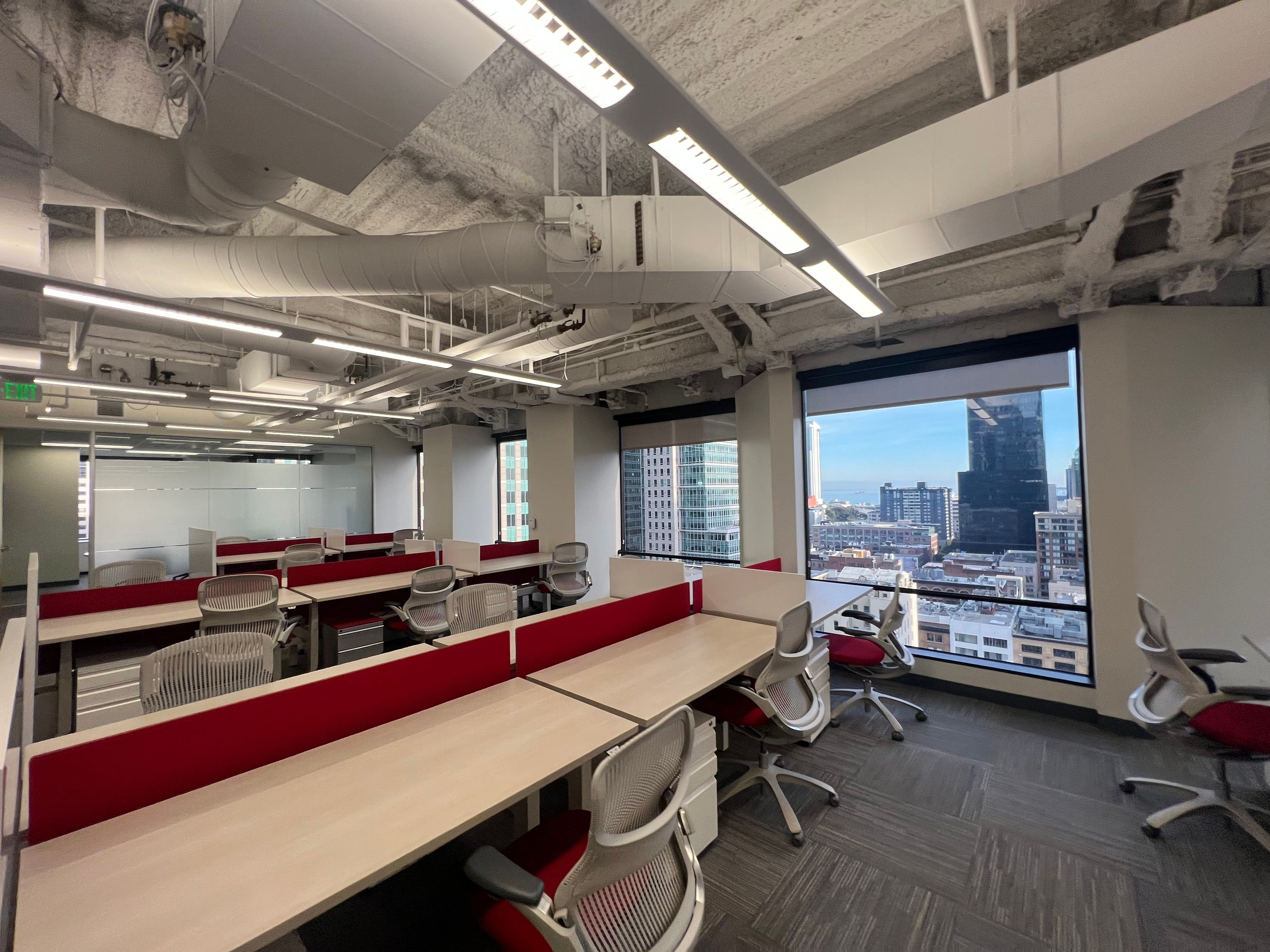
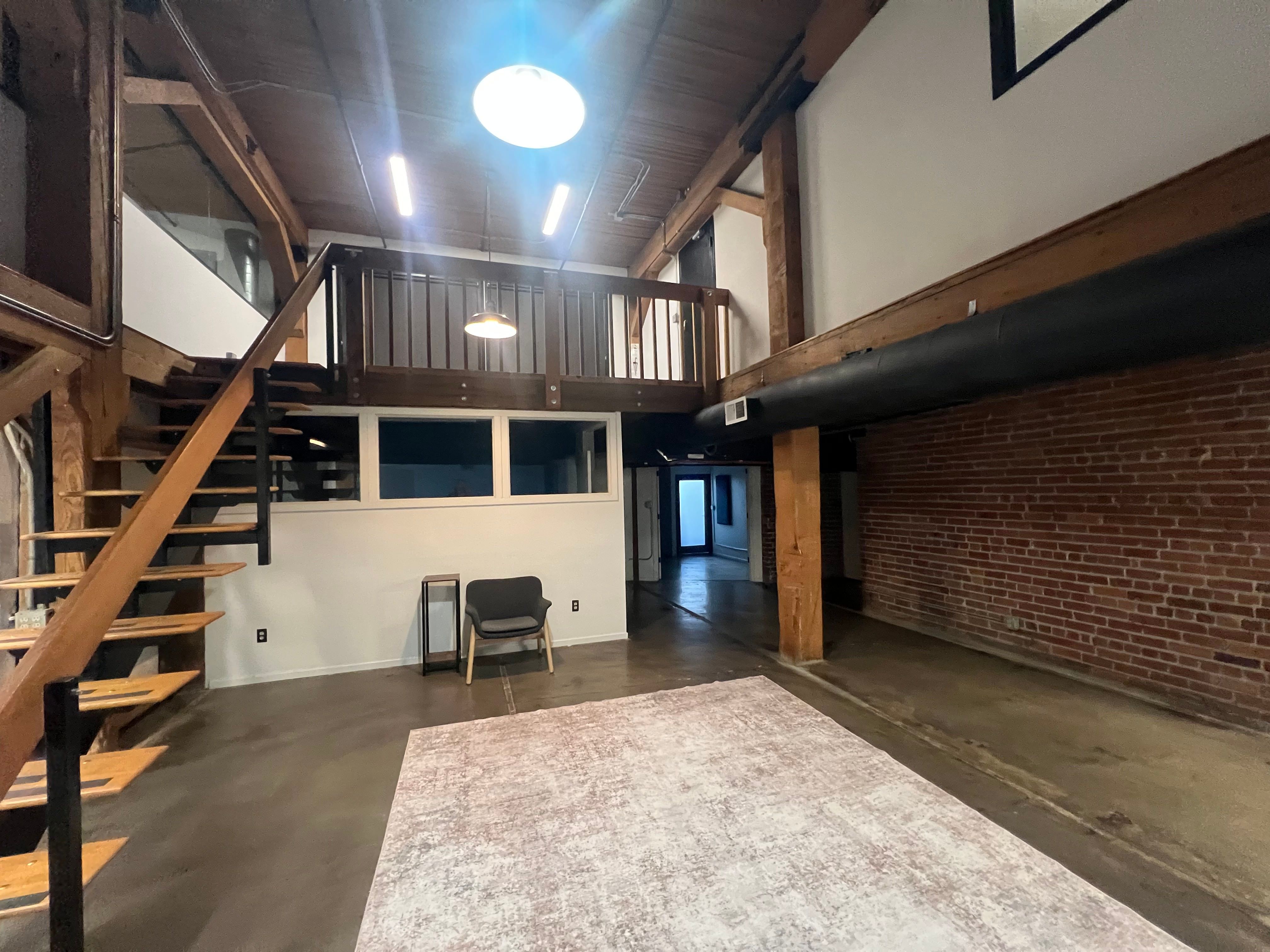
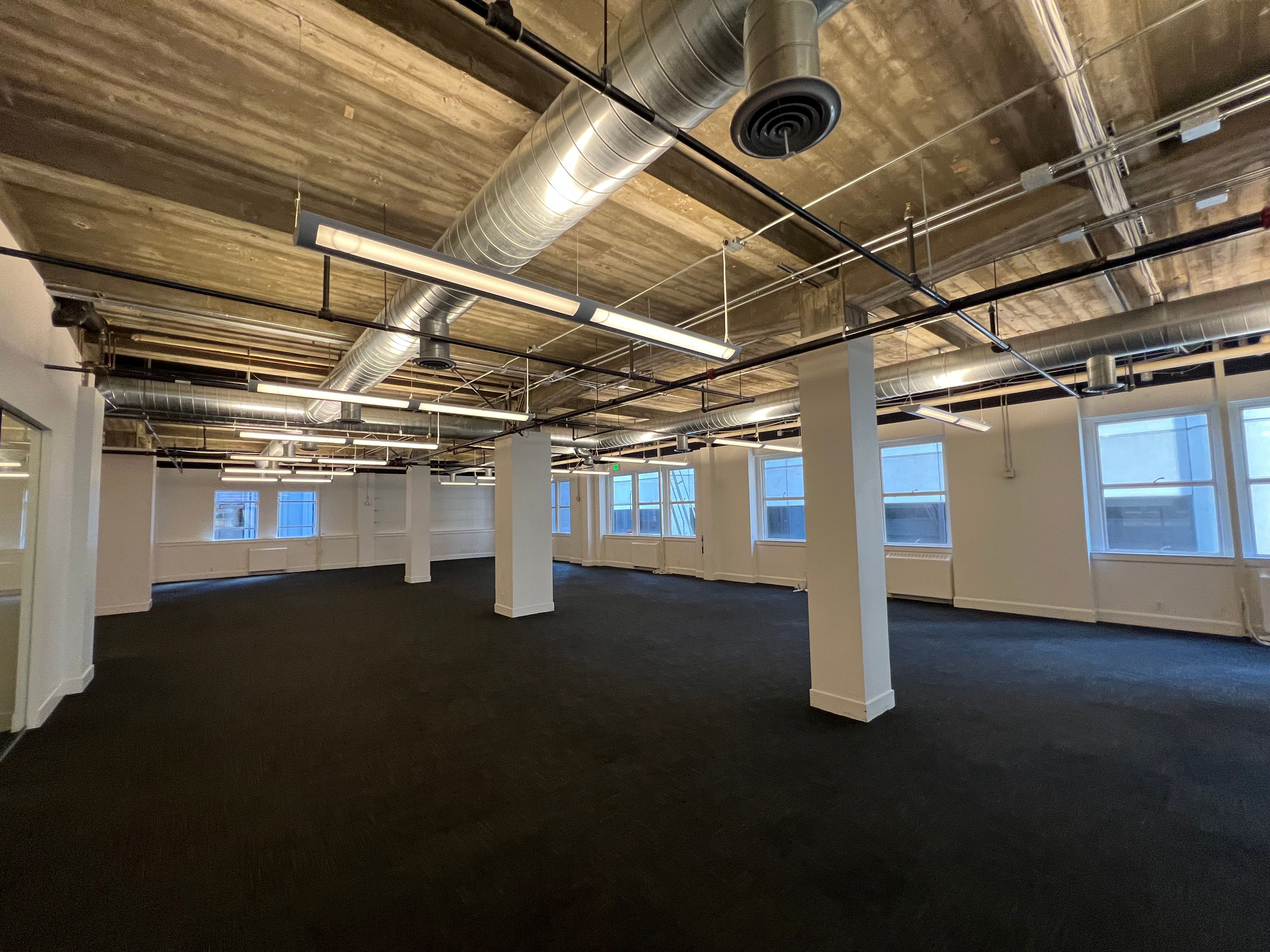
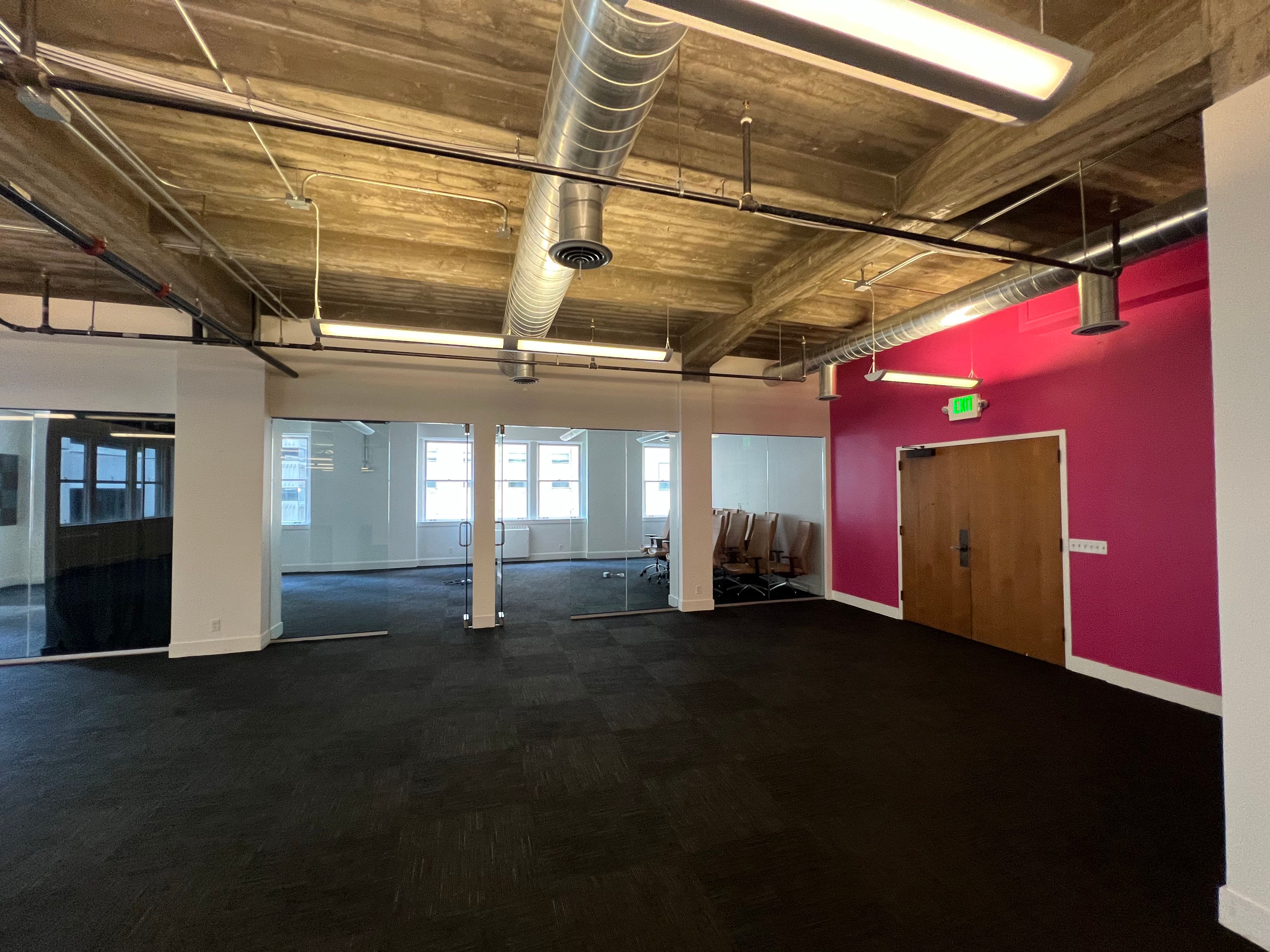
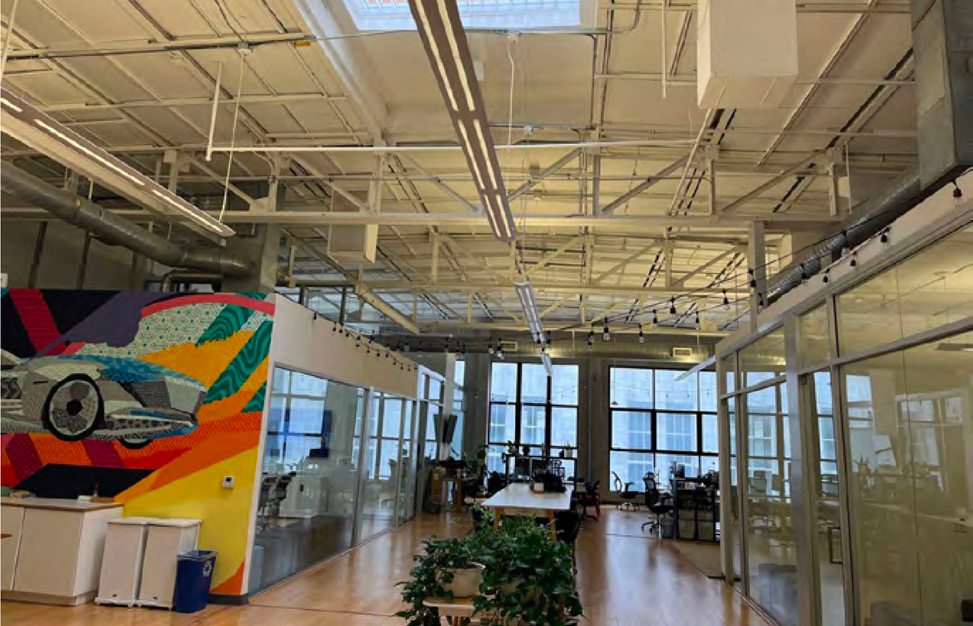
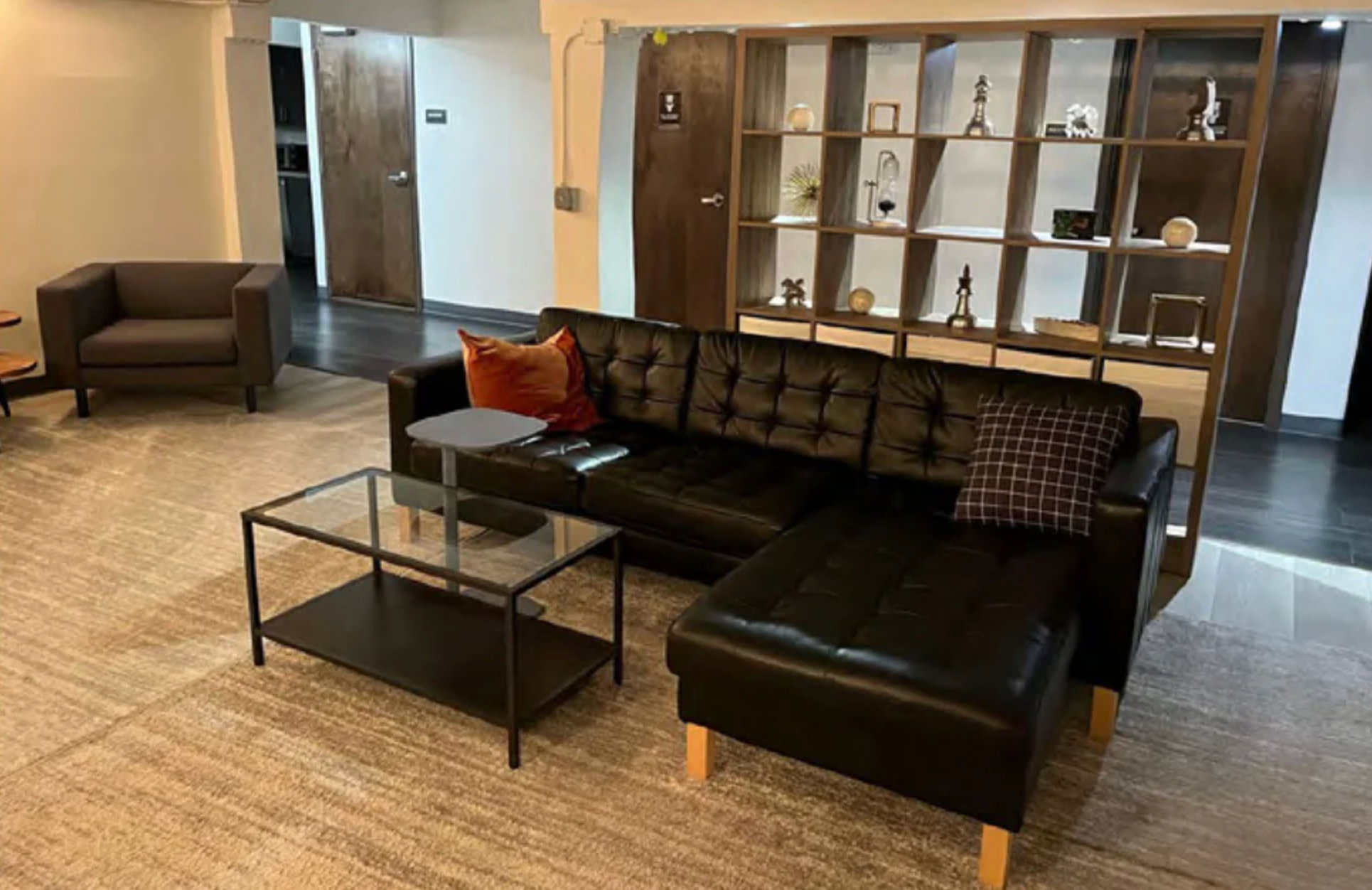
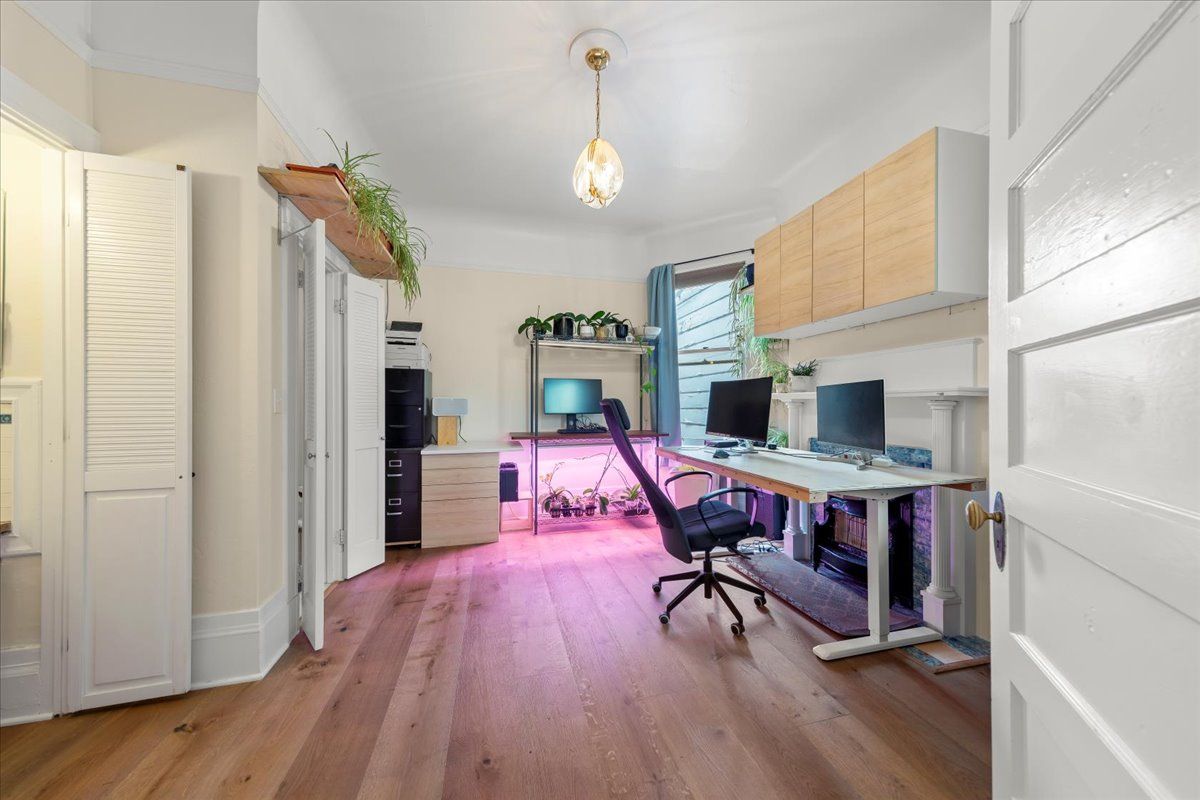
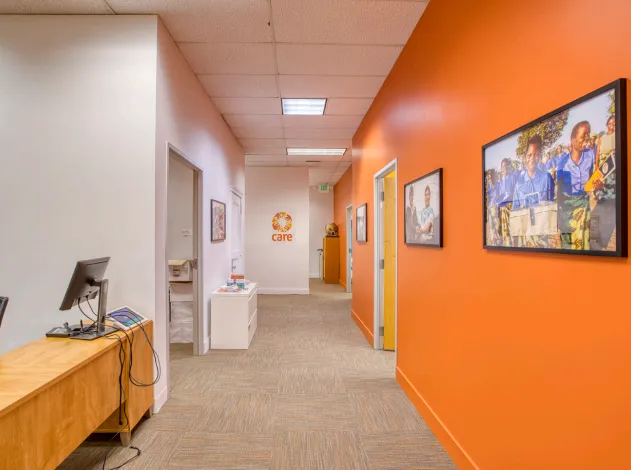
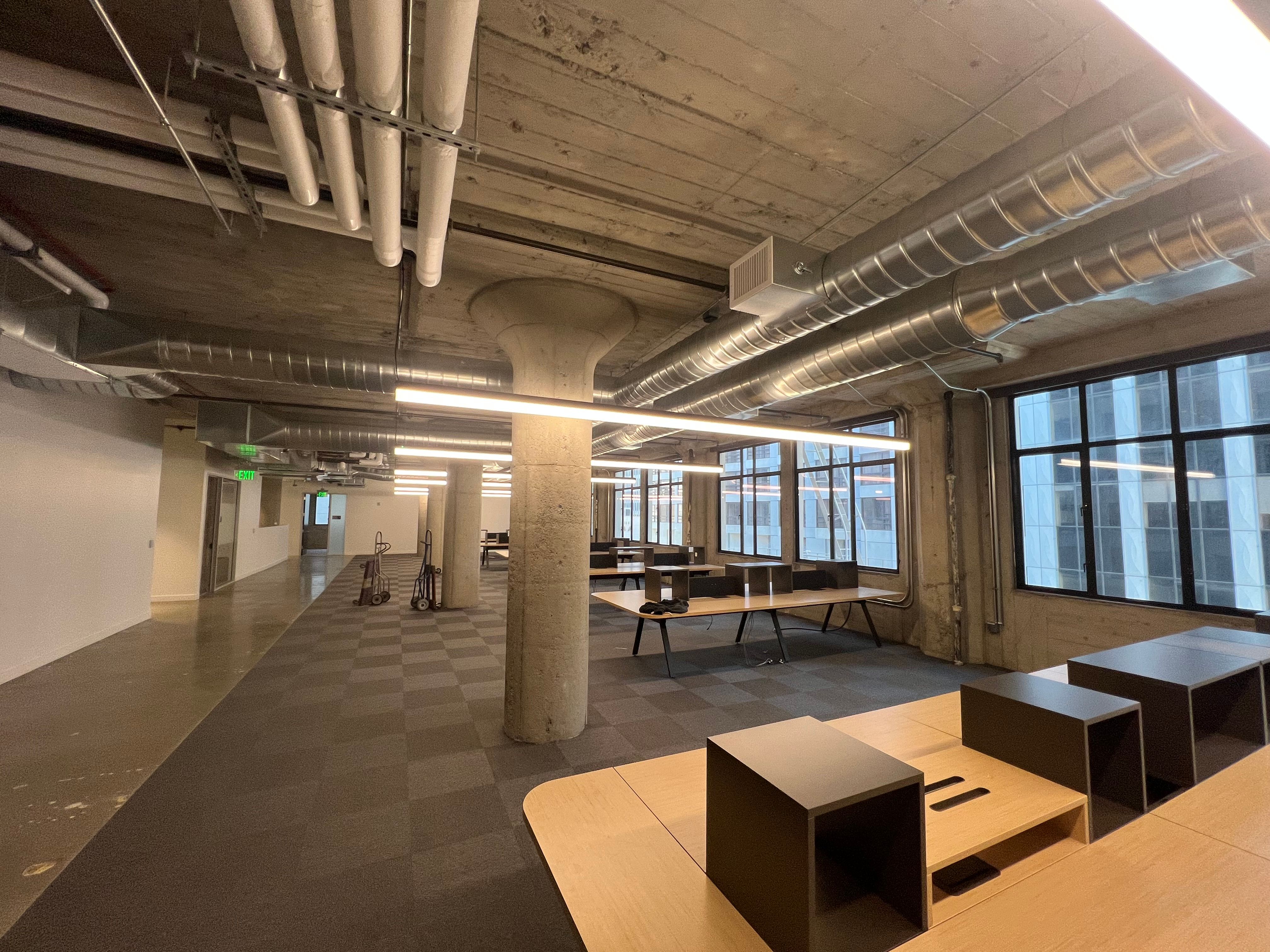
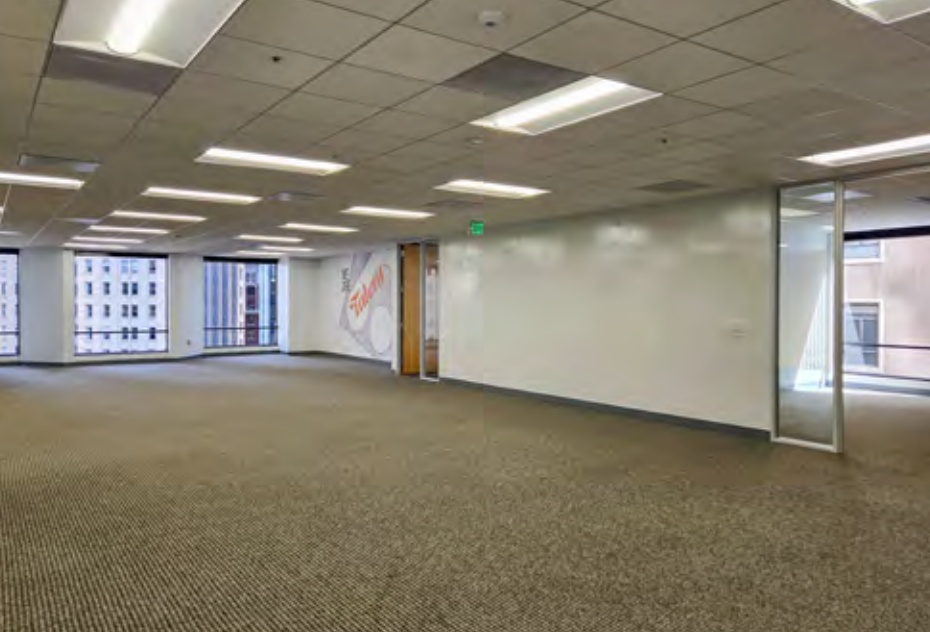
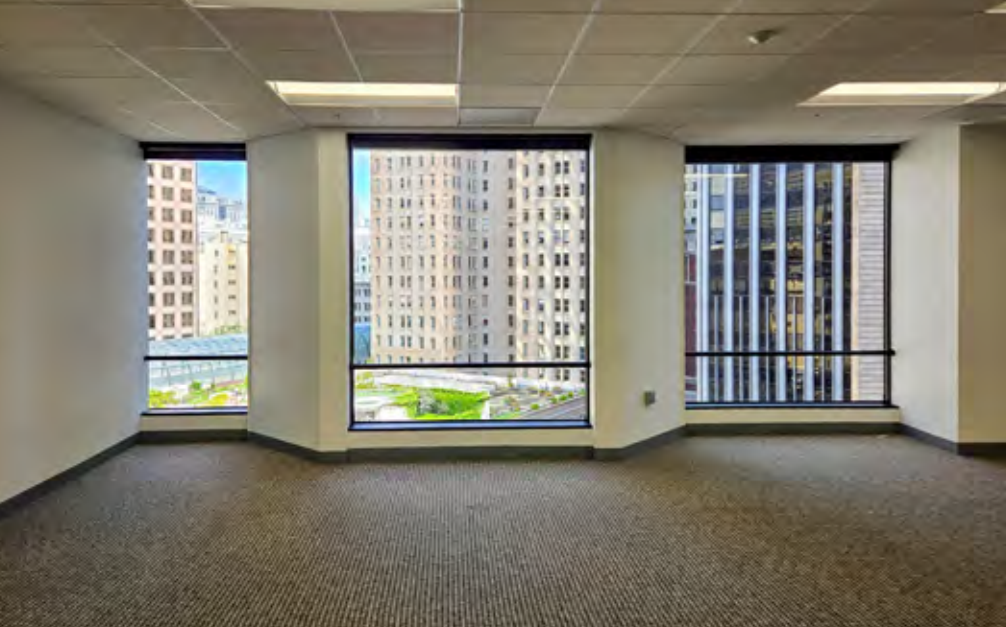
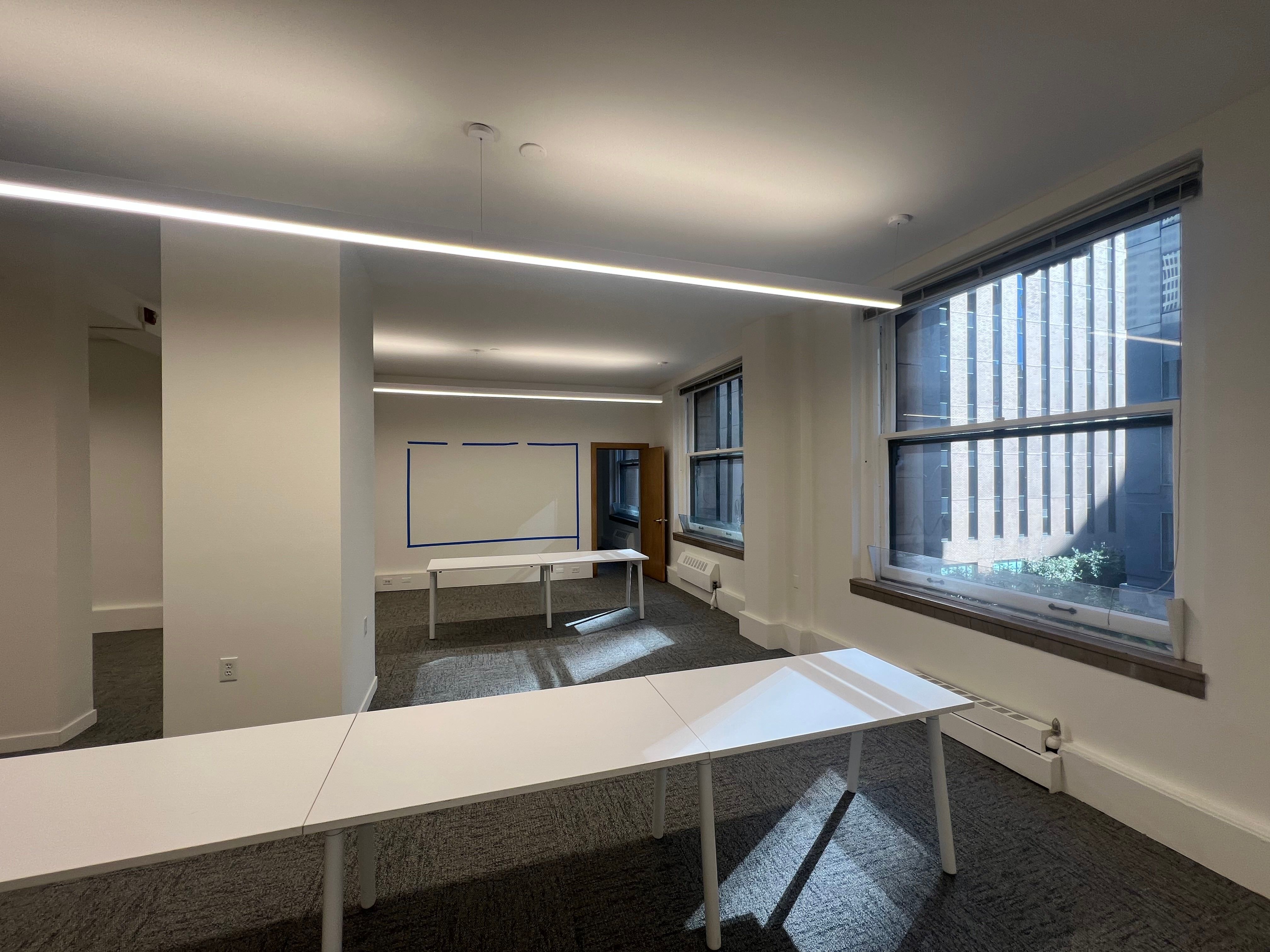
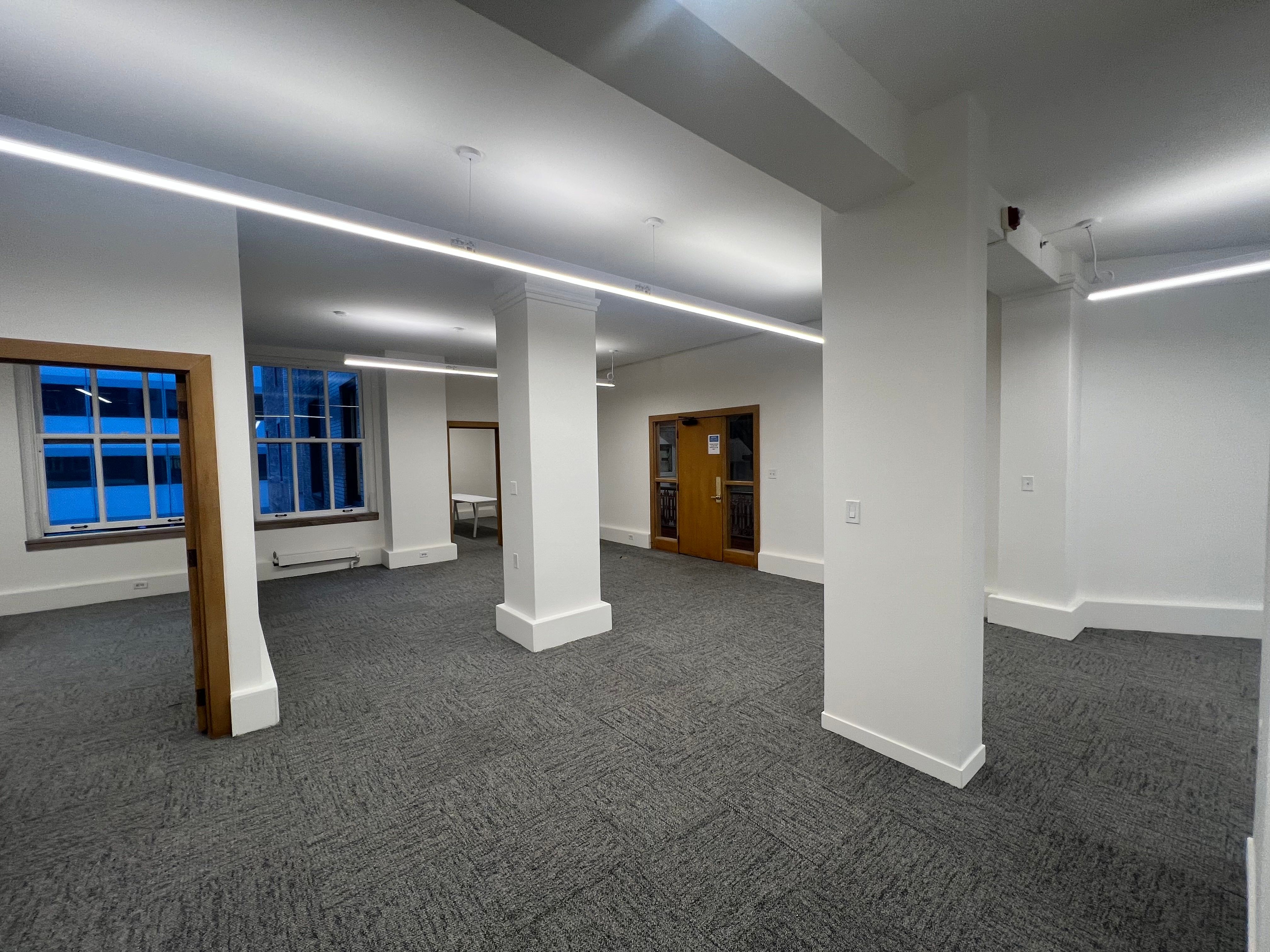
What defines office space in San Francisco’s SOMA today? Infrastructure under recalibration. SOMA absorbed a significant portion of the previous tech expansion cycle. Following contraction, vacancy across San Francisco remains elevated compared to pre-2020 conditions, and SOMA carries a meaningful share of that availability. Yet leasing activity in newer, transit-oriented assets shows early stabilization, particularly among AI-focused firms and companies seeking high-quality space at more negotiable economics. Office space in SOMA performs best for companies that anticipate structural flexibility. Large contiguous blocks remain available. Second-generation improvements reduce buildout timelines. Transit geometry continues to anchor hiring strategy. This is not a district built for nostalgia. It is built for operational adjustment.
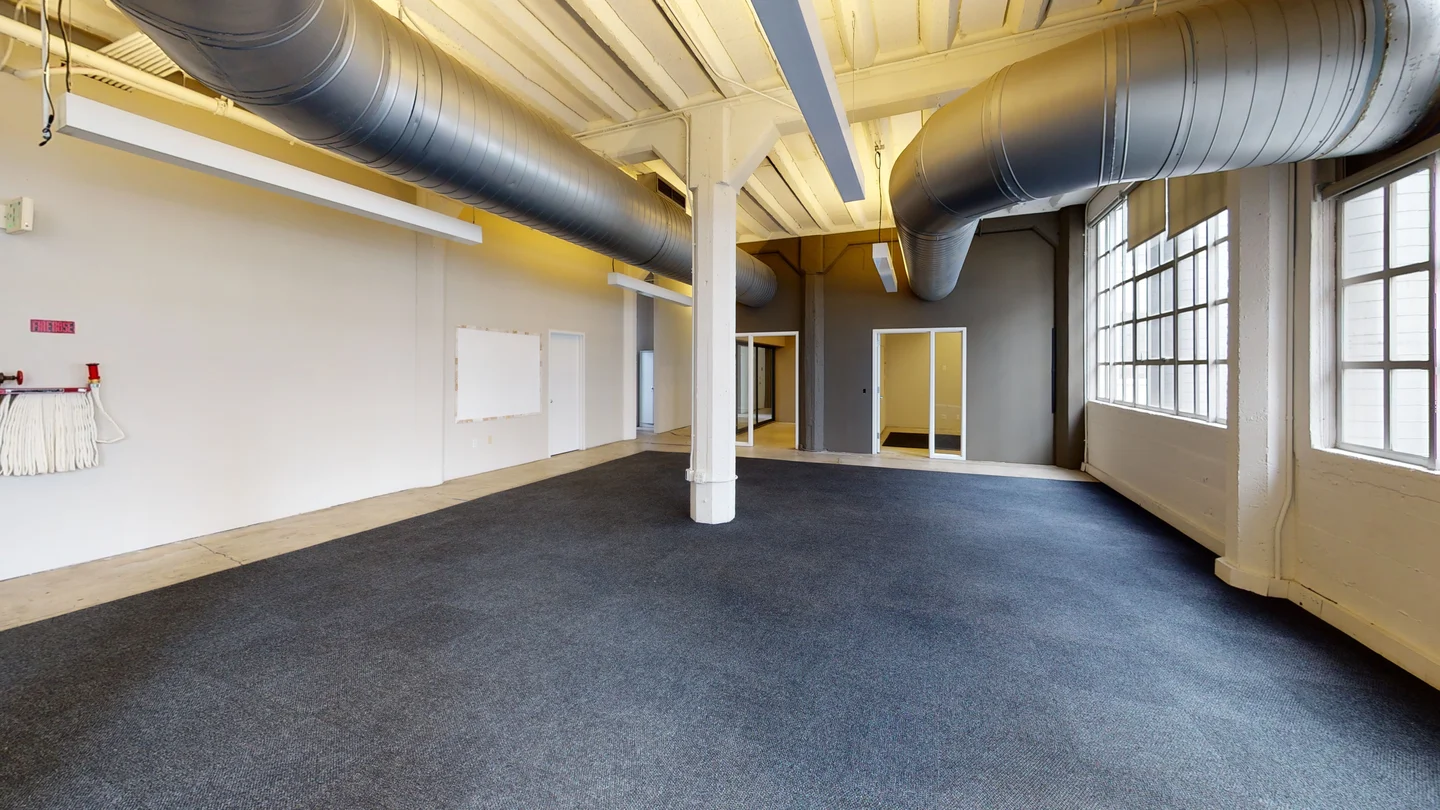
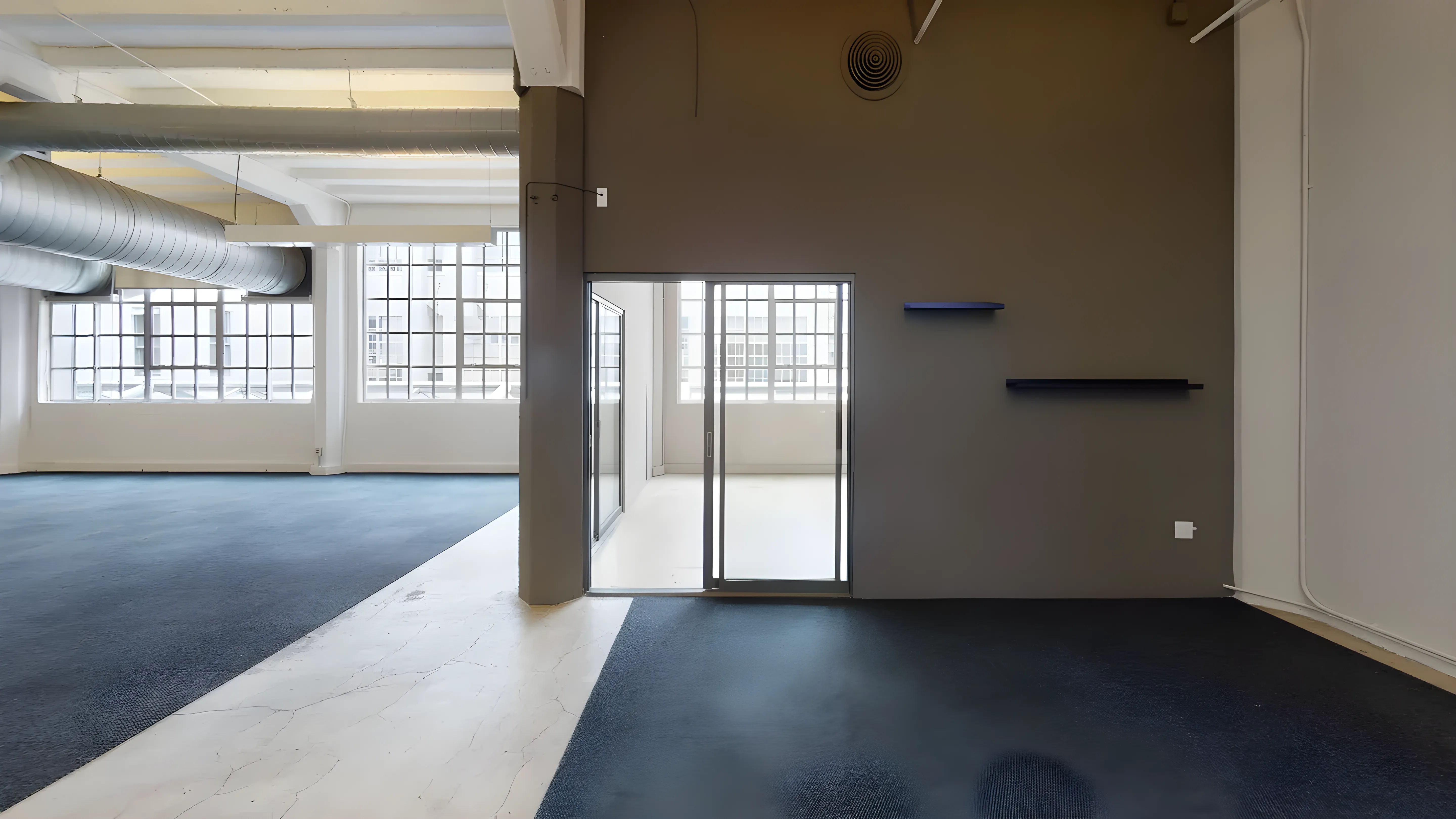
How much does office space in San Francisco’s SOMA cost? SOMA office space typically ranges from $30–$75 per square foot annually, influenced by building tier and transit adjacency. Converted industrial properties price differently than repositioned Class A towers, creating meaningful variation block by block. For companies evaluating office space in SOMA, San Francisco, the strategic opportunity lies in comparison. Within a ten-block radius, building quality, landlord posture, and lease structures can shift meaningfully. The base rate rarely tells the full story. The total package defines value.

What does the workday feel like around SOMA office space? Near Market Street and the Transbay corridor, daily routines feel structured. Salesforce Park provides programmed green space. Yerba Buena Gardens anchors midday movement. Coffee, lunch, and transit remain tightly clustered. Further west, storefront density thins. Evening pedestrian traffic softens. Some describe parts of SOMA as quieter after business hours. Others value that predictability. Office space in San Francisco’s SOMA prioritizes access and functionality over neighborhood intimacy. For many teams, that clarity is an asset.
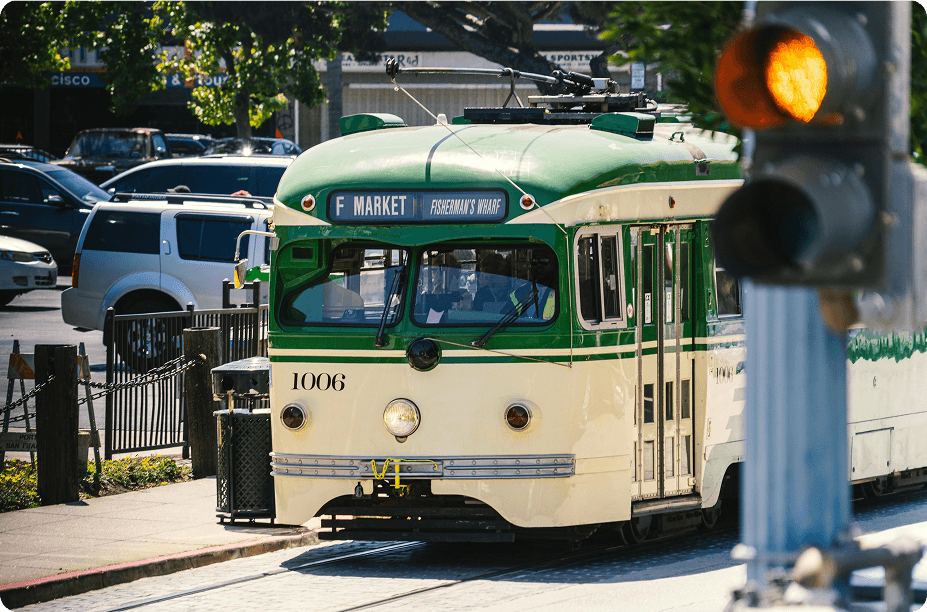
Is office space in San Francisco’s SOMA easy for distributed teams to access? Yes. BART and Muni lines converge along Market Street. Caltrain at Fourth and King strengthens Peninsula and South Bay connectivity. Direct freeway access supports East Bay and Marin commuters. When hiring pools span the Bay Area, transit alignment matters. SOMA solves for that alignment.
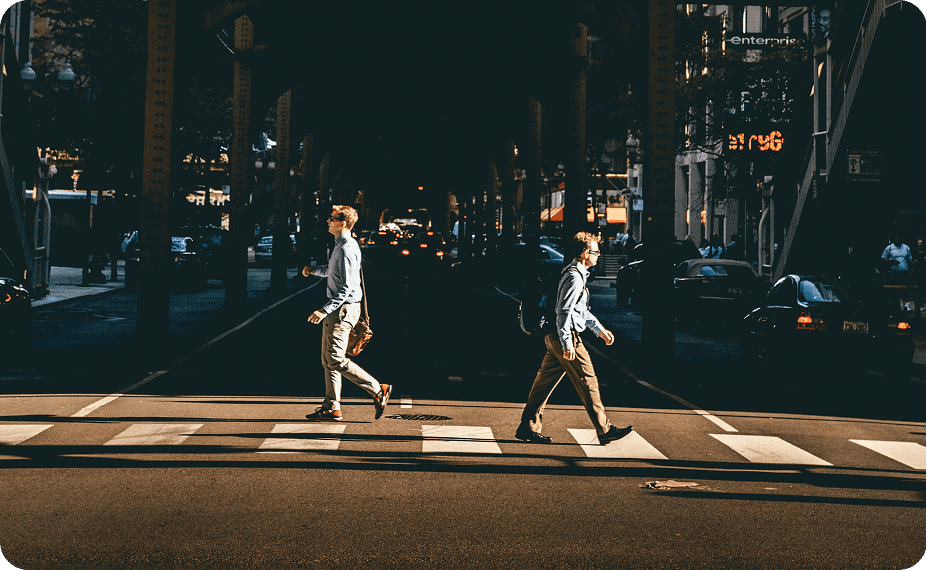
How walkable is SOMA office space? Highly walkable in core corridors near 2nd, 3rd, and Market Streets. Amenities cluster tightly in these zones. Further west, blocks widen and pedestrian volume decreases. Companies considering office space in SOMA often evaluate block-level placement carefully. Micro-location can materially affect daily rhythm.
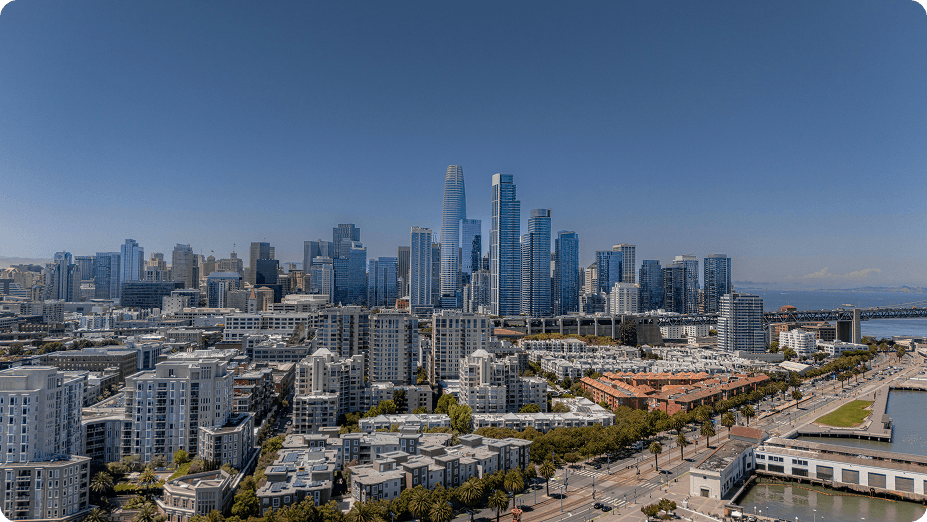
Why does office space in San Francisco’s SOMA continue to anchor such a significant share of city inventory? Because it was engineered to absorb cycles. Modern high-rises, adaptive reuse properties, and campus-style layouts provide expansion pathways not easily replicated elsewhere. Although vacancy remains part of the narrative, infrastructure depth remains intact. When one company contracts, another expands within the same geography. That elasticity defines SOMA.