Browse Verified FIDI Offices
Leasing Office Space in FIDI, New York
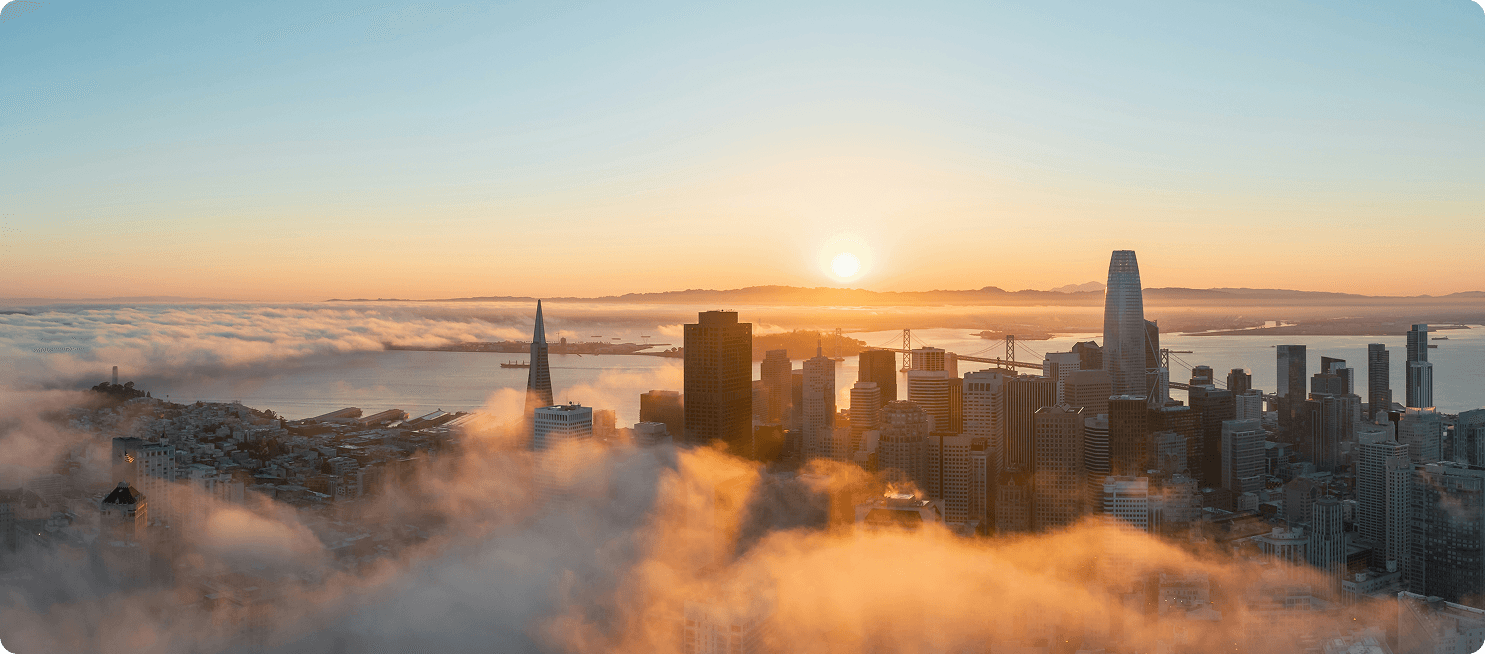
FiDi office space represents the commercial backbone of the city. This is the part of San Francisco engineered for scale, designed for movement, and constructed to signal permanence. If your company values accessibility, credibility, and operational ease, office space in San Francisco’s Financial District is not a compromise. It is a strategic decision. Unlike neighborhoods that lean on personality or nightlife, the district offers infrastructure. It offers transit convergence. It offers recognizable addresses that investors, clients, and candidates instantly understand. When a meeting takes place in a high-rise overlooking the Bay, the setting carries its own authority. Yet beyond the skyline, the experience is surprisingly practical. Everything here is within reach. Meetings stack easily. Lunch requires no planning. Commutes simplify themselves. FiDi does not ask you to fall in love with it. It asks you to use it well.
FIDI Overview
%25201-1.png&w=3840&q=75)
Cost of Office Space
How much does Financial District office space cost today? Financial District office space typically ranges from $35–$110 per square foot annually, depending on tower positioning and renovation level. Premium high-rise inventory commands stronger rates, while older assets may provide relative pricing flexibility within the same grid. The current market is layered in a way that rewards informed tenants, especially those comparing multiple buildings in the same tight radius. At the top, trophy towers rise above the city with sweeping water views and polished marble lobbies. These buildings deliver presence, chosen by companies that want their address to communicate scale and confidence before a word is spoken. A few blocks away, equally functional buildings offer value in a quieter register. Well-maintained Class A and B properties provide flexible layouts, practical floor plates, and a range of pricing options that simply did not exist during peak cycles. The advantage for companies exploring office space in San Francisco’s FiDi lies in choice. There is inventory depth that allows tenants to compare not just rent, but experience, with some suites arriving fully built while others invite customization. What matters most is alignment. A ten-person team can find an efficient partial floor with natural light and short elevator waits. A scaling company can secure a full-floor identity with room to grow. In the Financial District, scale and flexibility coexist.

Amenities and Restaurants
What do you actually get around the office if you choose this neighborhood? With office space in San Francisco’s Financial District, the answer is less about spectacle and more about consistency. Office neighborhoods reveal themselves at lunch. In the Financial District, lunchtime unfolds with quiet choreography. Coffee shops hum, salad counters move briskly, and sit-down restaurants host conversations that blend strategy with sunlight. For teams evaluating FiDi office space, this rhythm matters. You can step out for ten minutes and return with exactly what you need. You can host a client without overthinking the setting. A short walk toward the Embarcadero shifts the pace of the afternoon. The Ferry Building anchors the waterfront with light and energy, and the Bay softens the skyline. The amenity base here is not theatrical. It is refined and dependable. Over the course of a year, that reliability becomes a meaningful advantage
Commuting in SF - FiDi
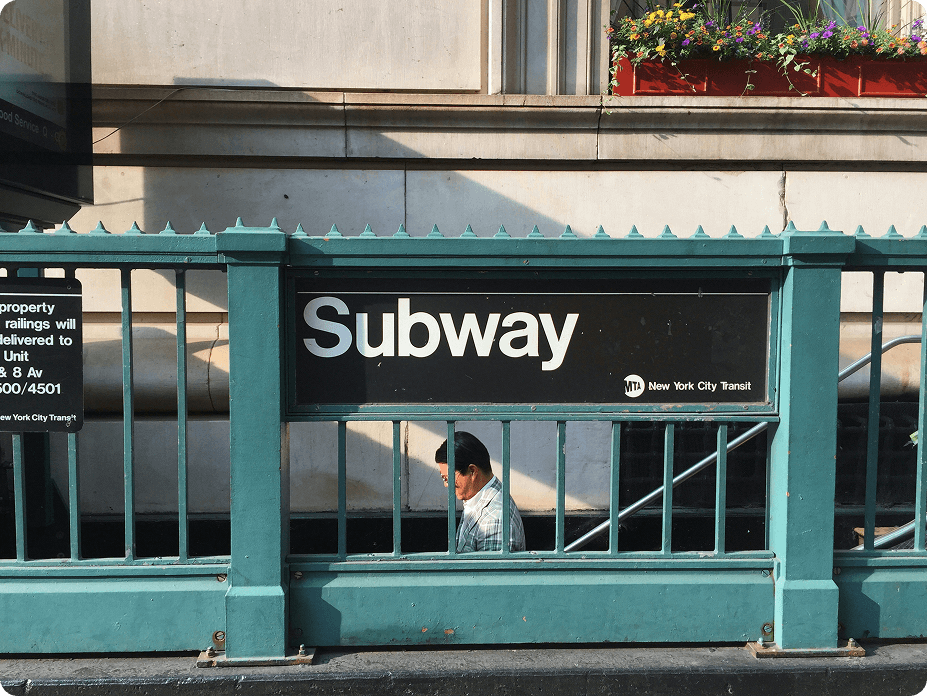
Is it easy for a team to get here consistently? One of the biggest strengths of Financial District office space is that transit lines converge in the same few blocks. Montgomery and Embarcadero stations act as gateways, pulling employees in from the East Bay, the Peninsula, Marin, and neighborhoods across San Francisco. The walk from train to office is often direct and efficient, and that simplicity translates into consistency. Beyond rail, ferry commuters step into the city along the waterfront, while cyclists benefit from improving infrastructure along major corridors. The variety of entry points strengthens the district’s position as one of the most accessible office locations in San Francisco. A neighborhood that is easy to reach becomes a neighborhood people actually use.

Walkability
How walkable is this part of downtown day to day? Office space in San Francisco’s FiDi sits inside a compact grid where meetings, lunch, and errands stay within a few blocks. The Financial District was designed on a human scale, even beneath its vertical architecture. Blocks are compact. Sidewalks are generous. Corners feel purposeful. You can walk from meeting to meeting without friction. You can step outside between calls and feel connected to the city without distraction. As the afternoon light shifts, the pace softens. The skyline glows. The Embarcadero draws a different cadence of pedestrian traffic. The neighborhood transitions from structured intensity to calm presence. Walkability here is not about novelty. It is about ease. And ease, over time, becomes part of company culture.
%25201-2.png&w=3840&q=75)
Office Density & Business Presence
Why do companies stay clustered here even as trends shift elsewhere? With office space in San Francisco’s Financial District, density creates options, and options reduce operational friction. There is power in concentration. The Financial District remains the largest cluster of office buildings in San Francisco, and that scale gives companies room to expand, right-size, or reposition without losing continuity. The surrounding tenant mix includes technology firms, financial institutions, professional services, and established enterprises. The environment feels serious without feeling rigid, and for growing companies that context can reinforce ambition. An address in the Financial District does not rely on trend cycles. It signals longevity.
%25201.png&w=3840&q=75)