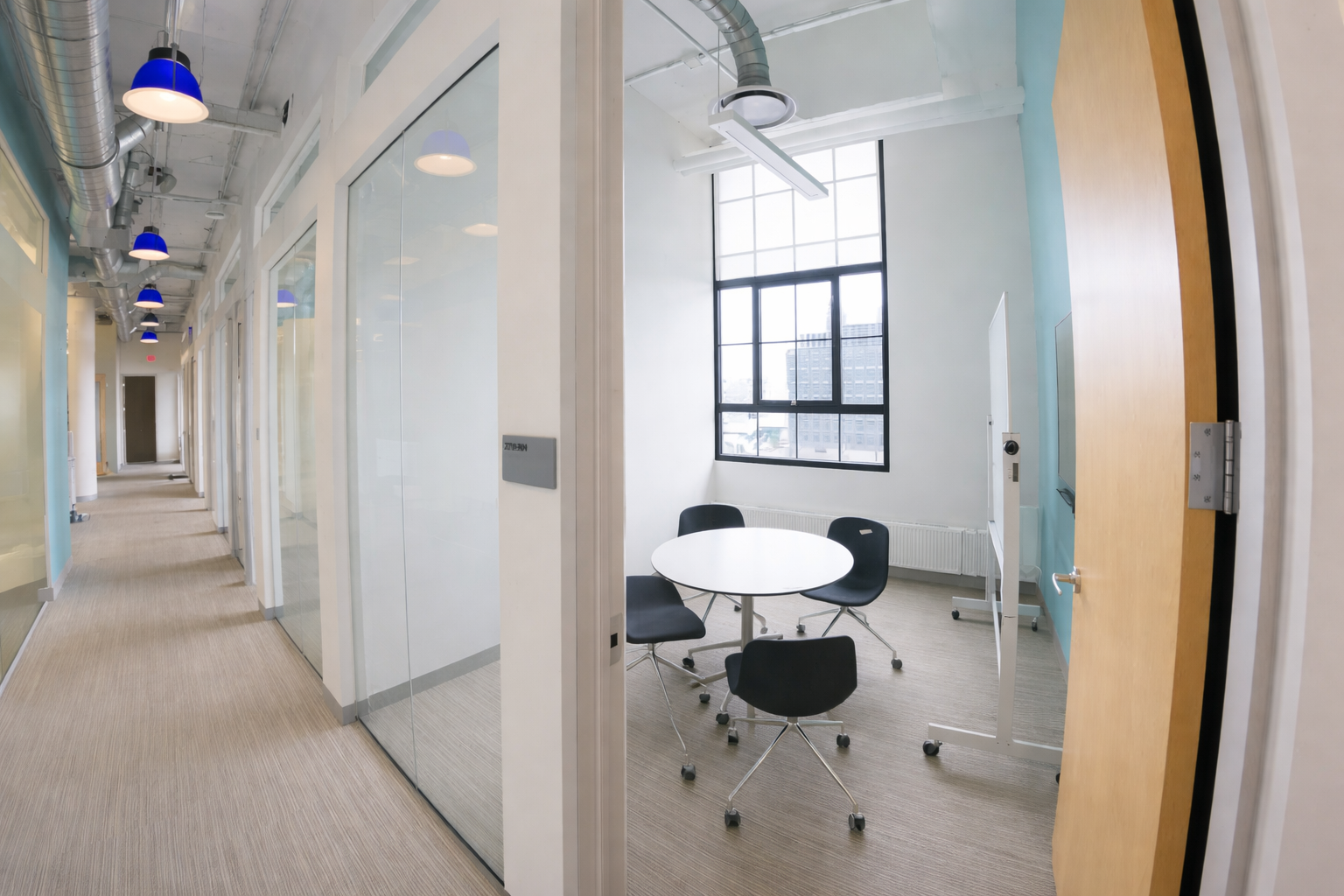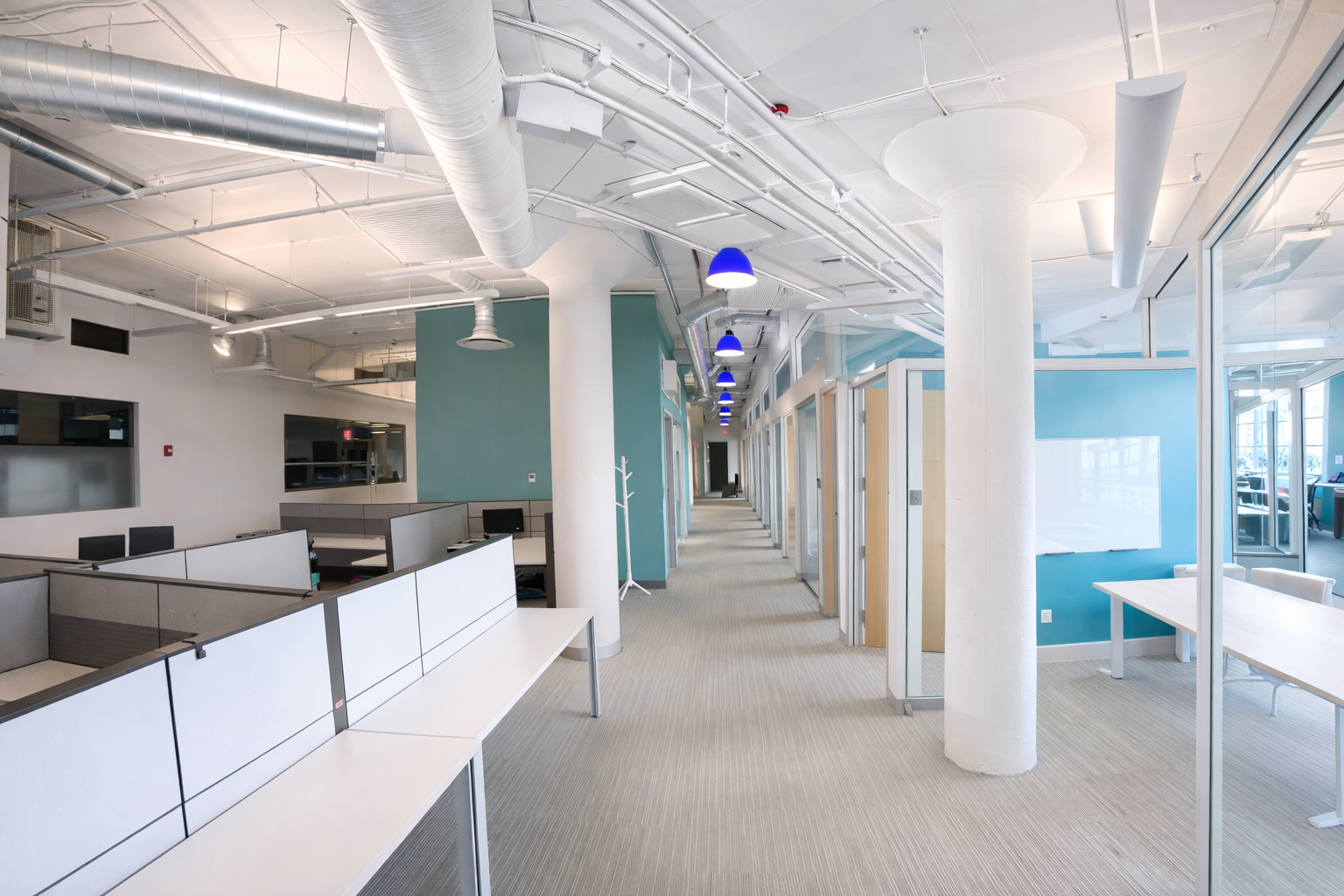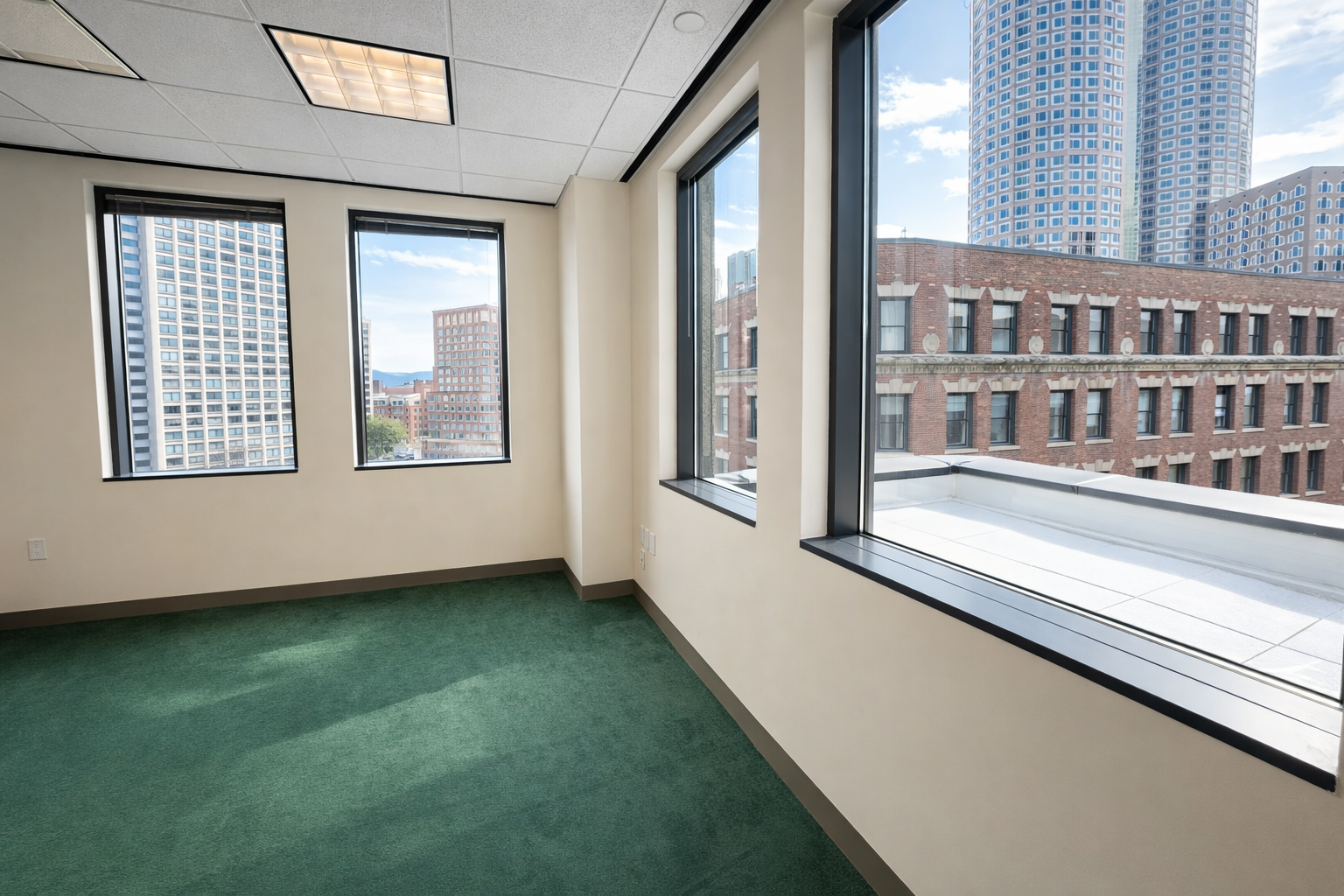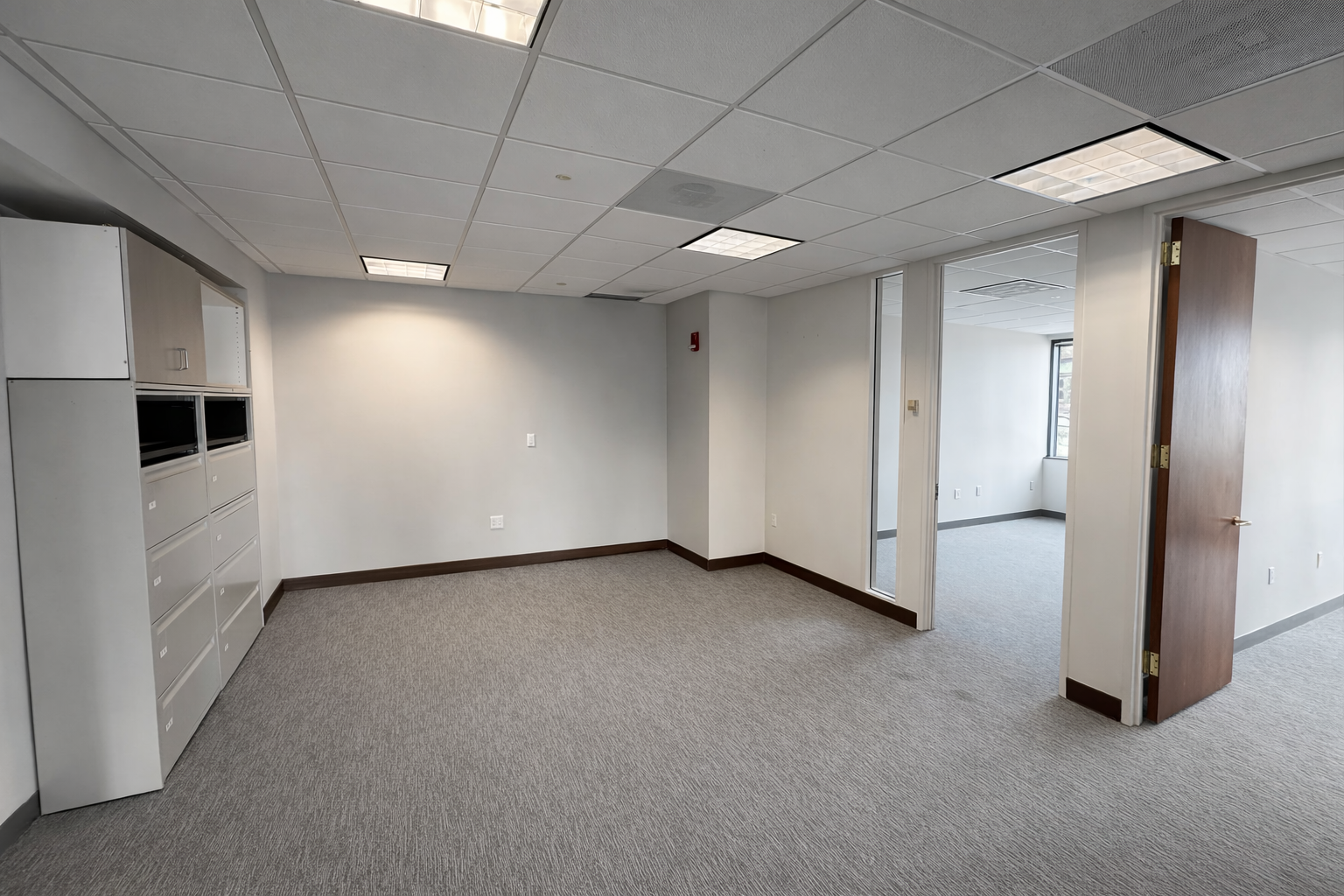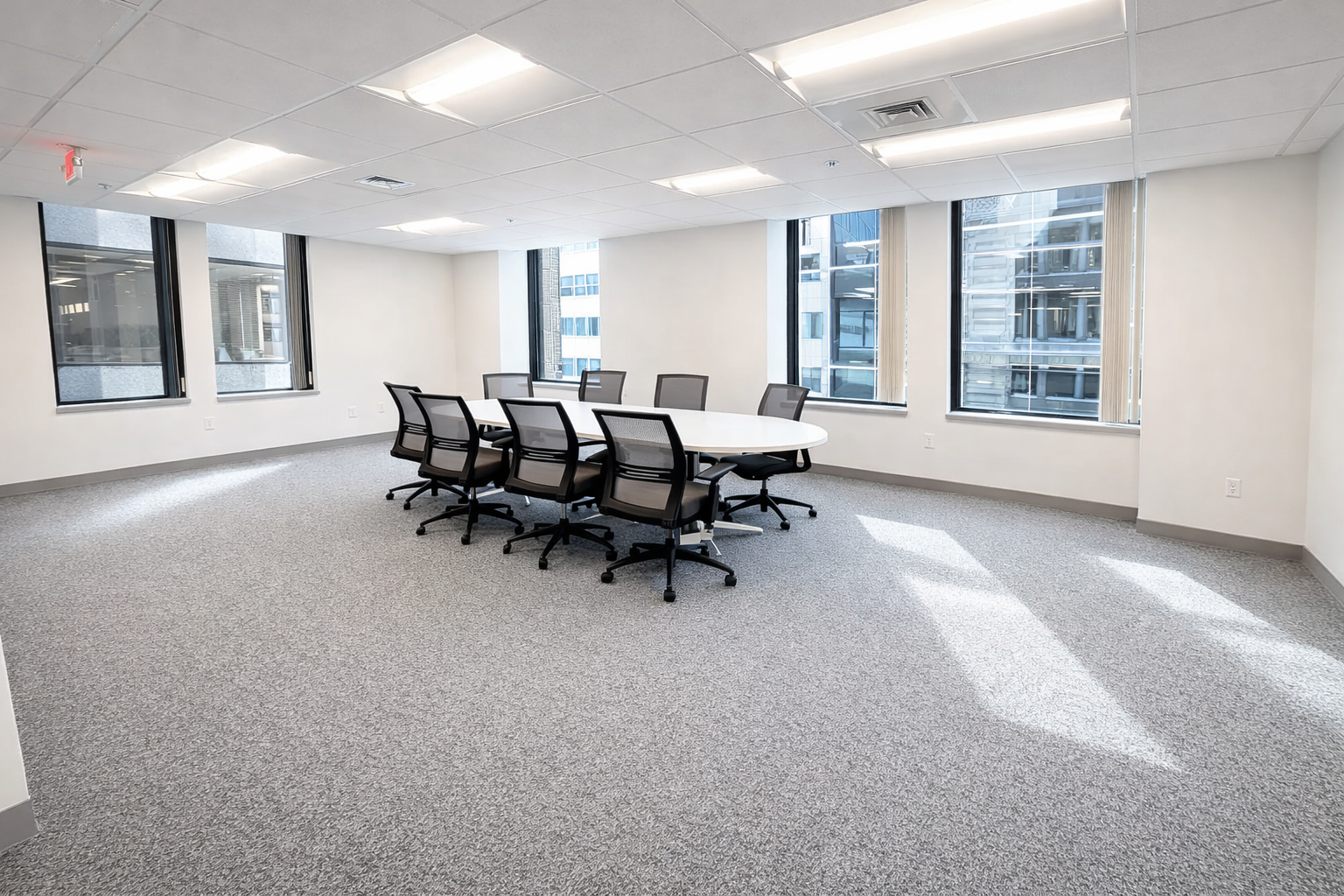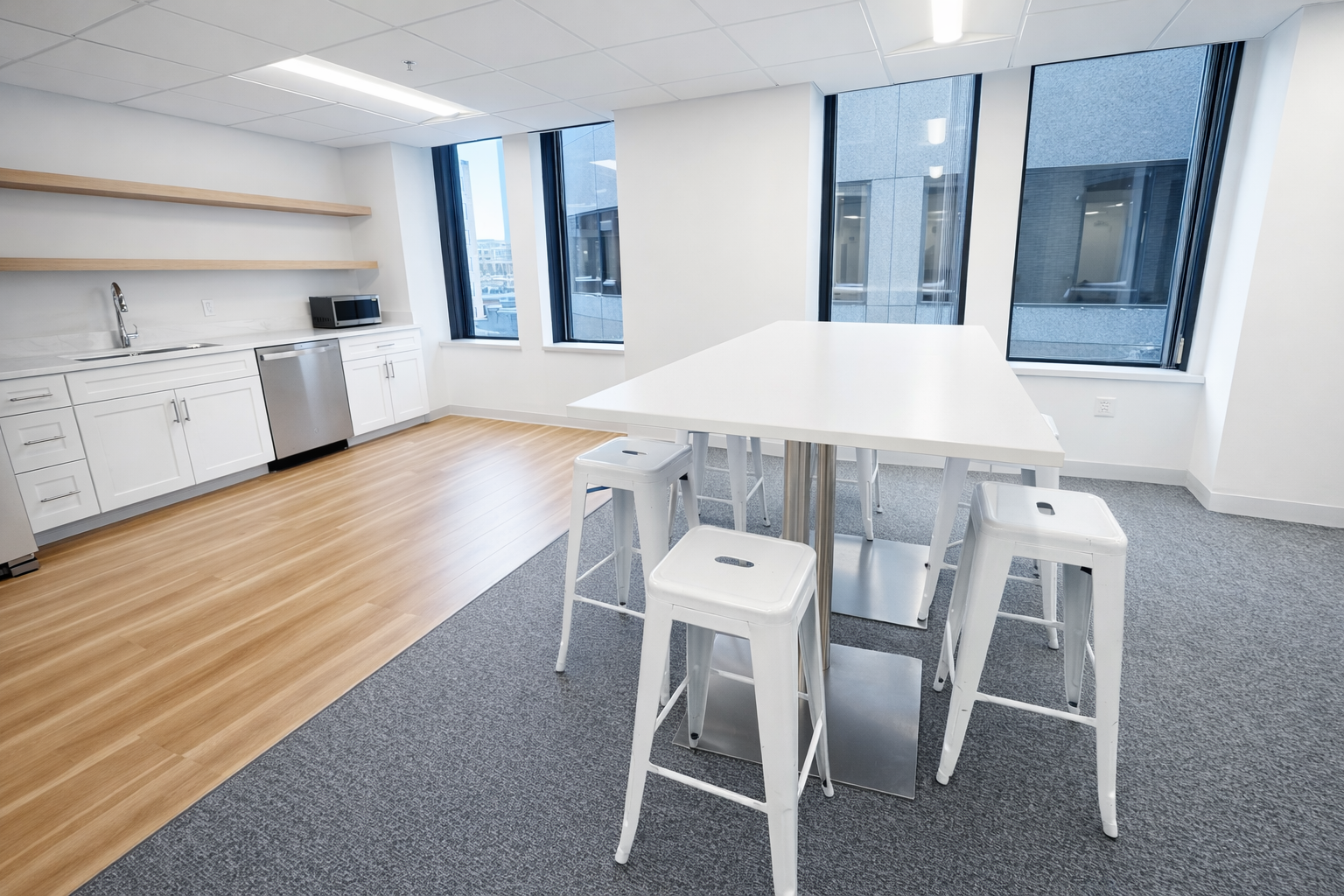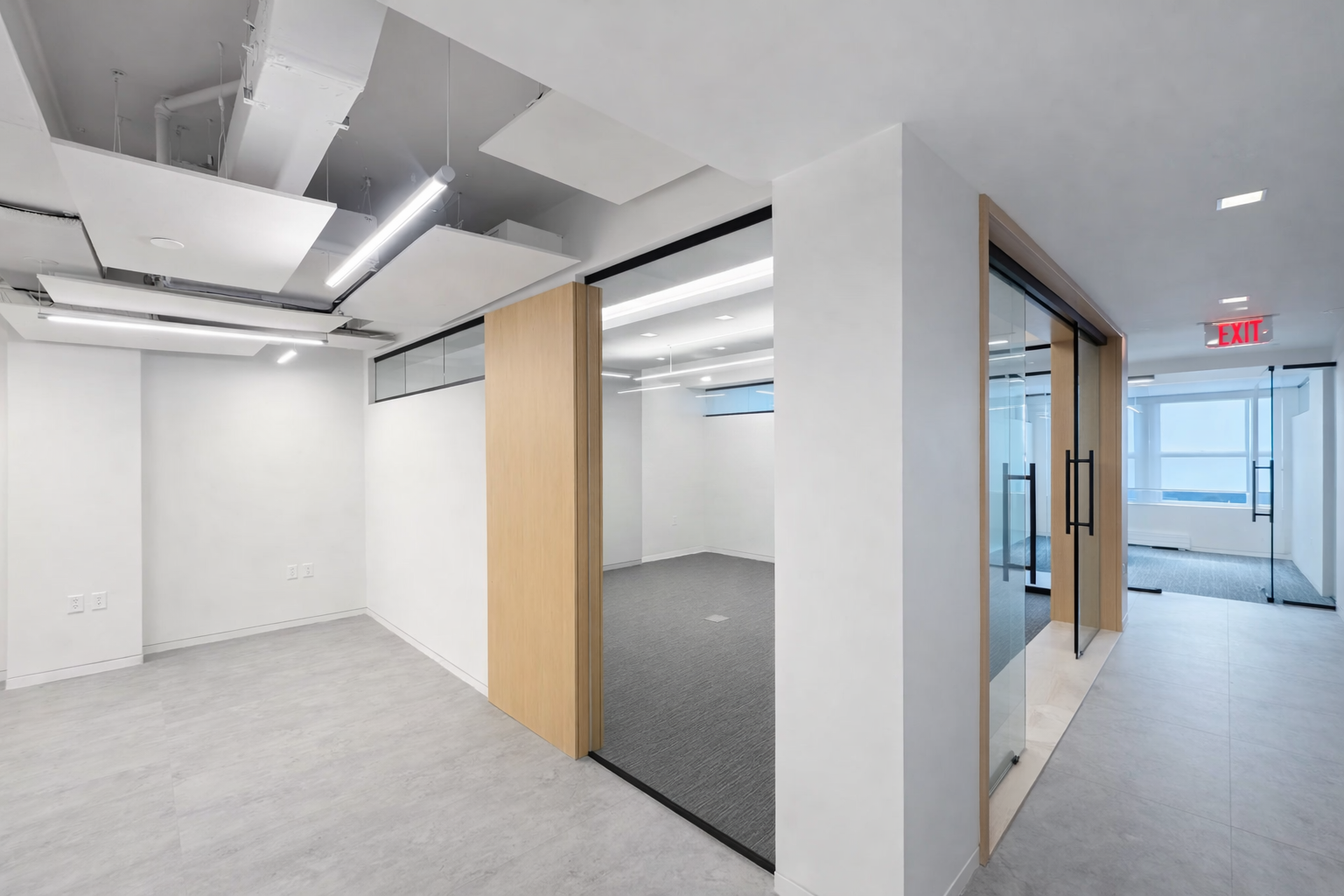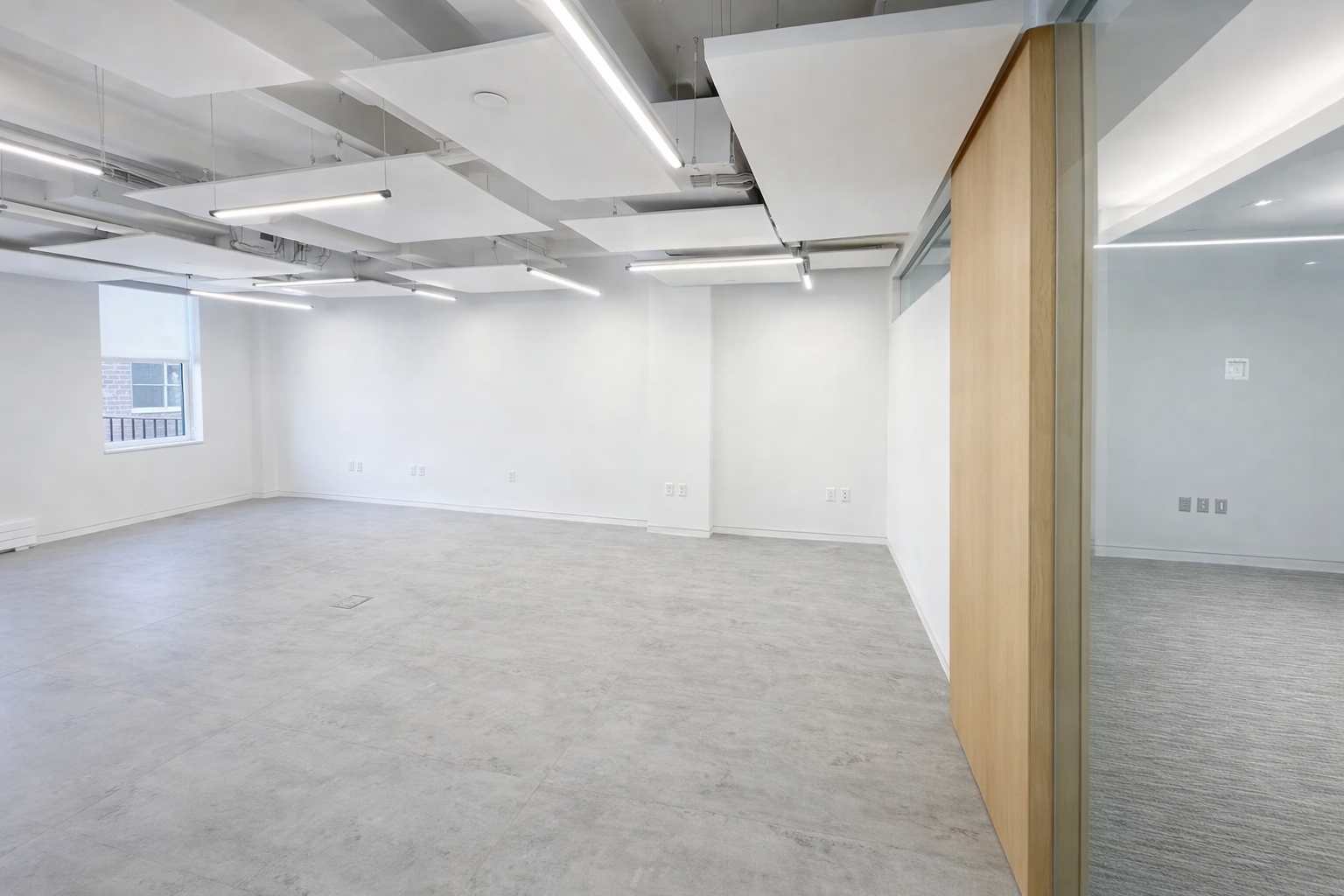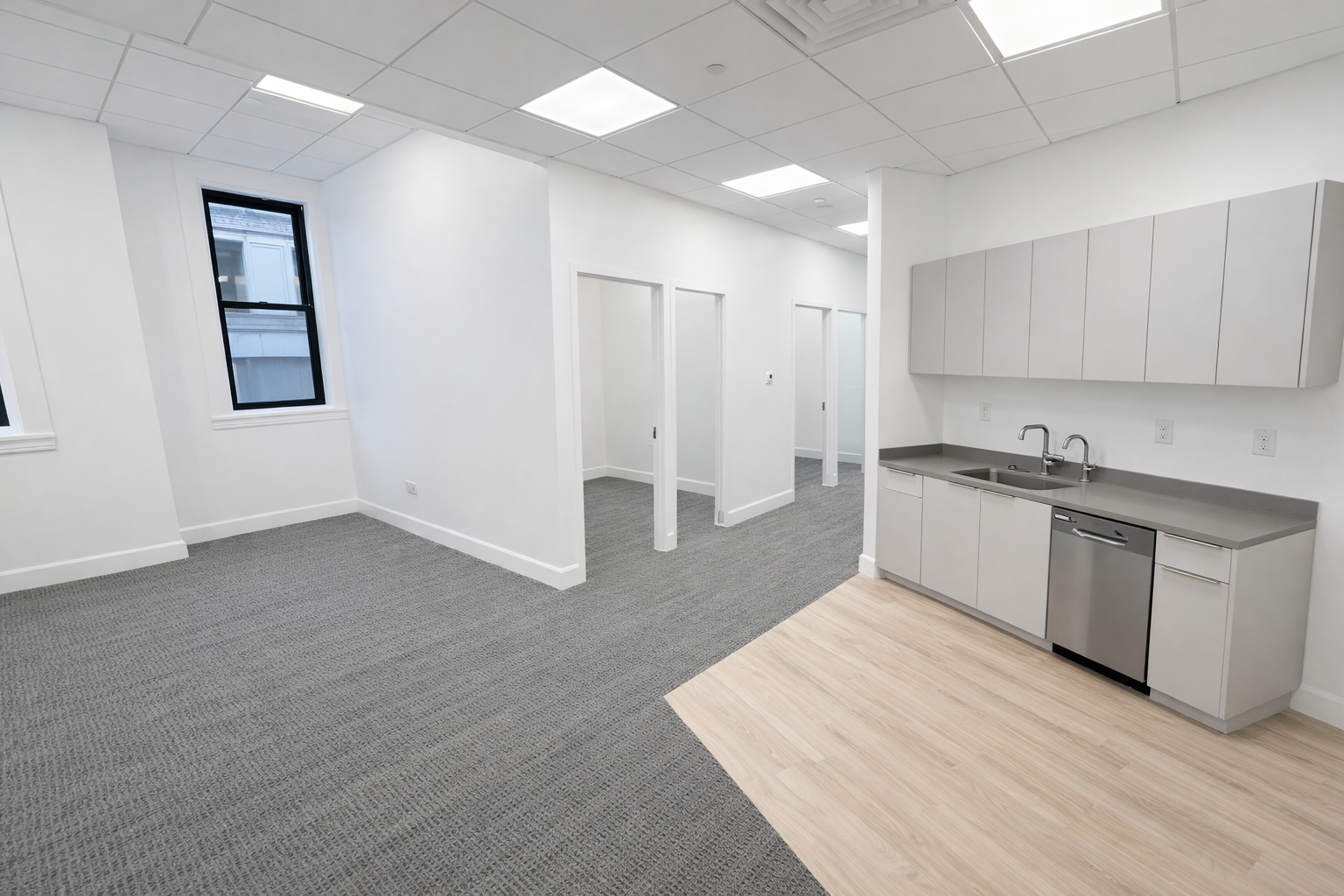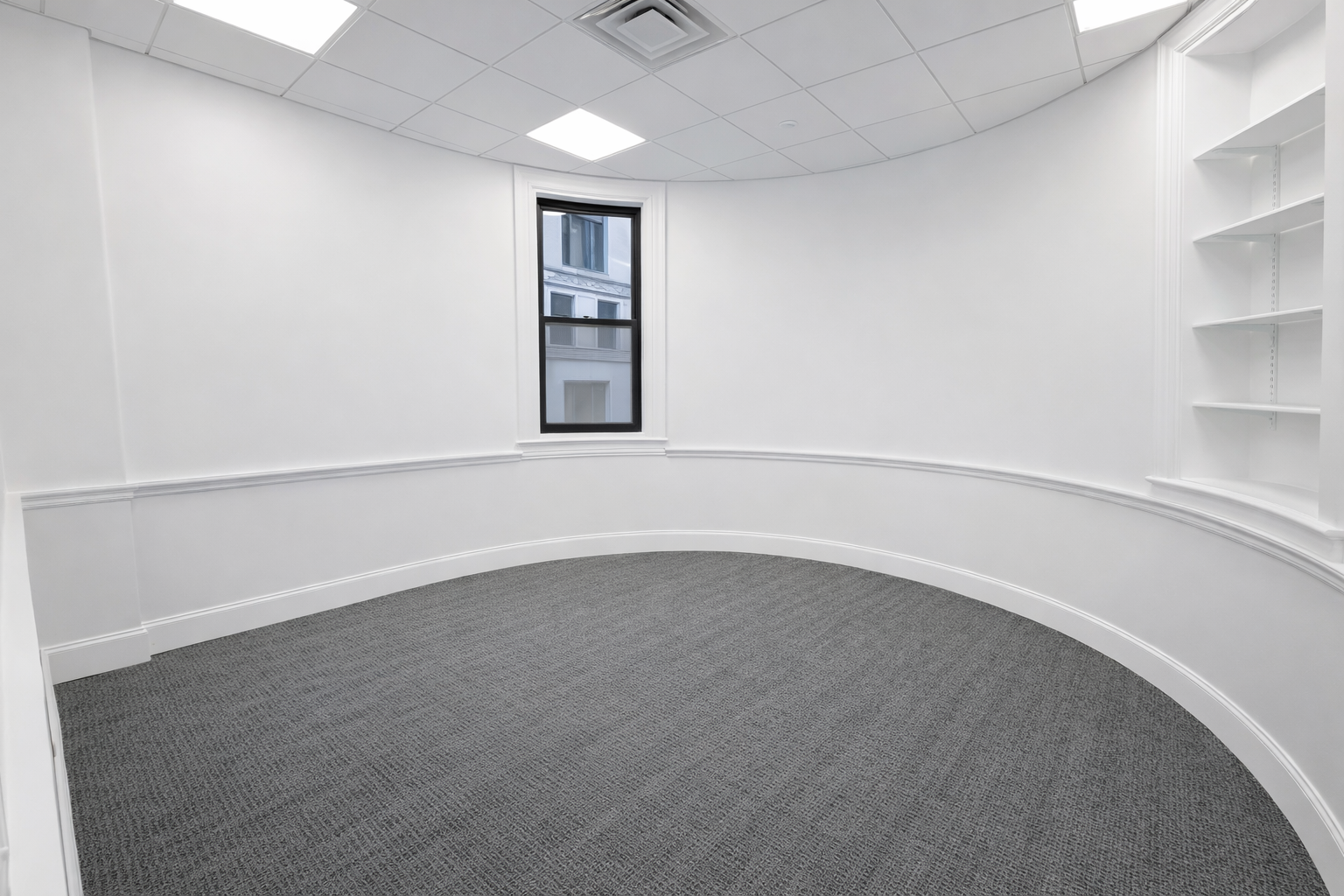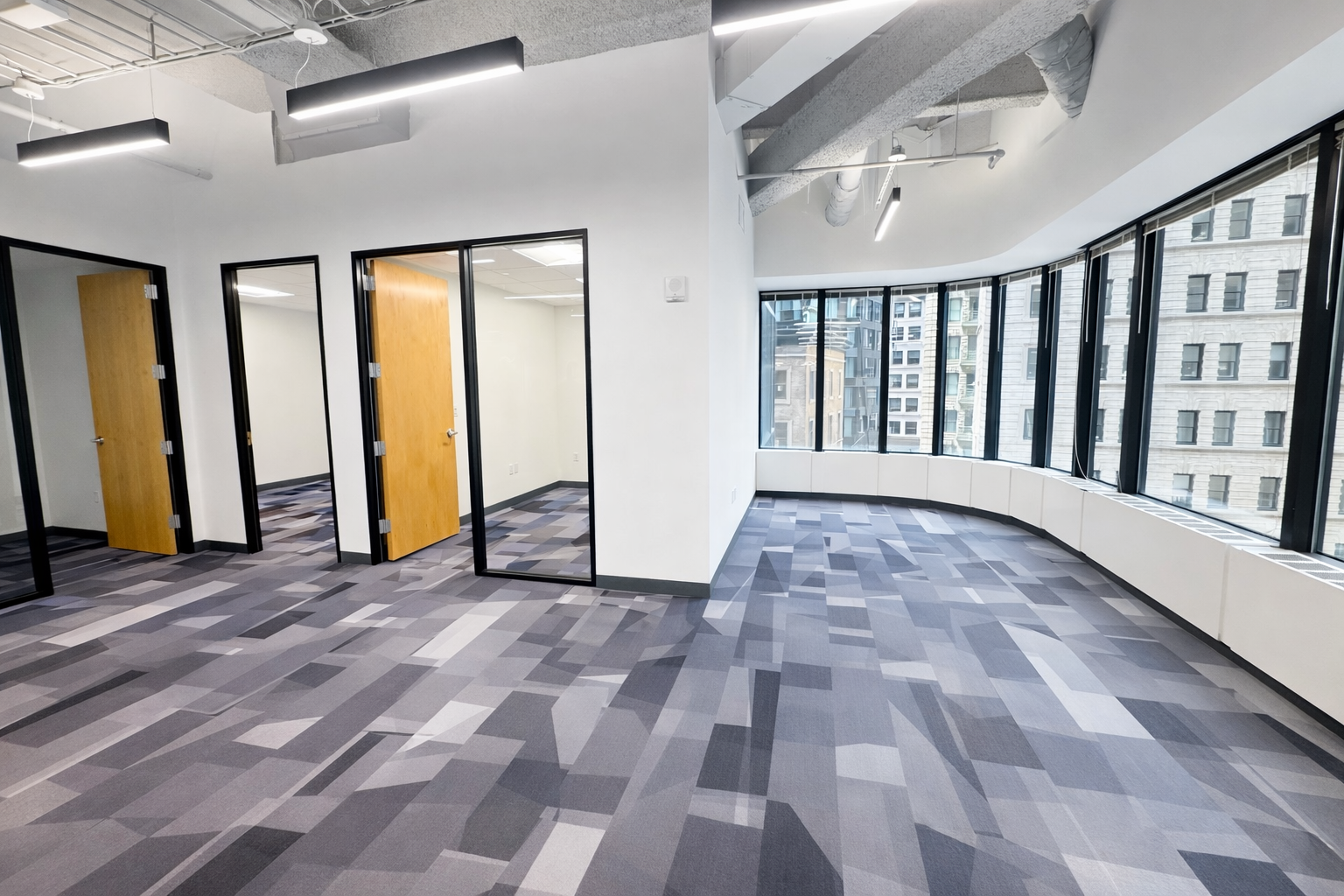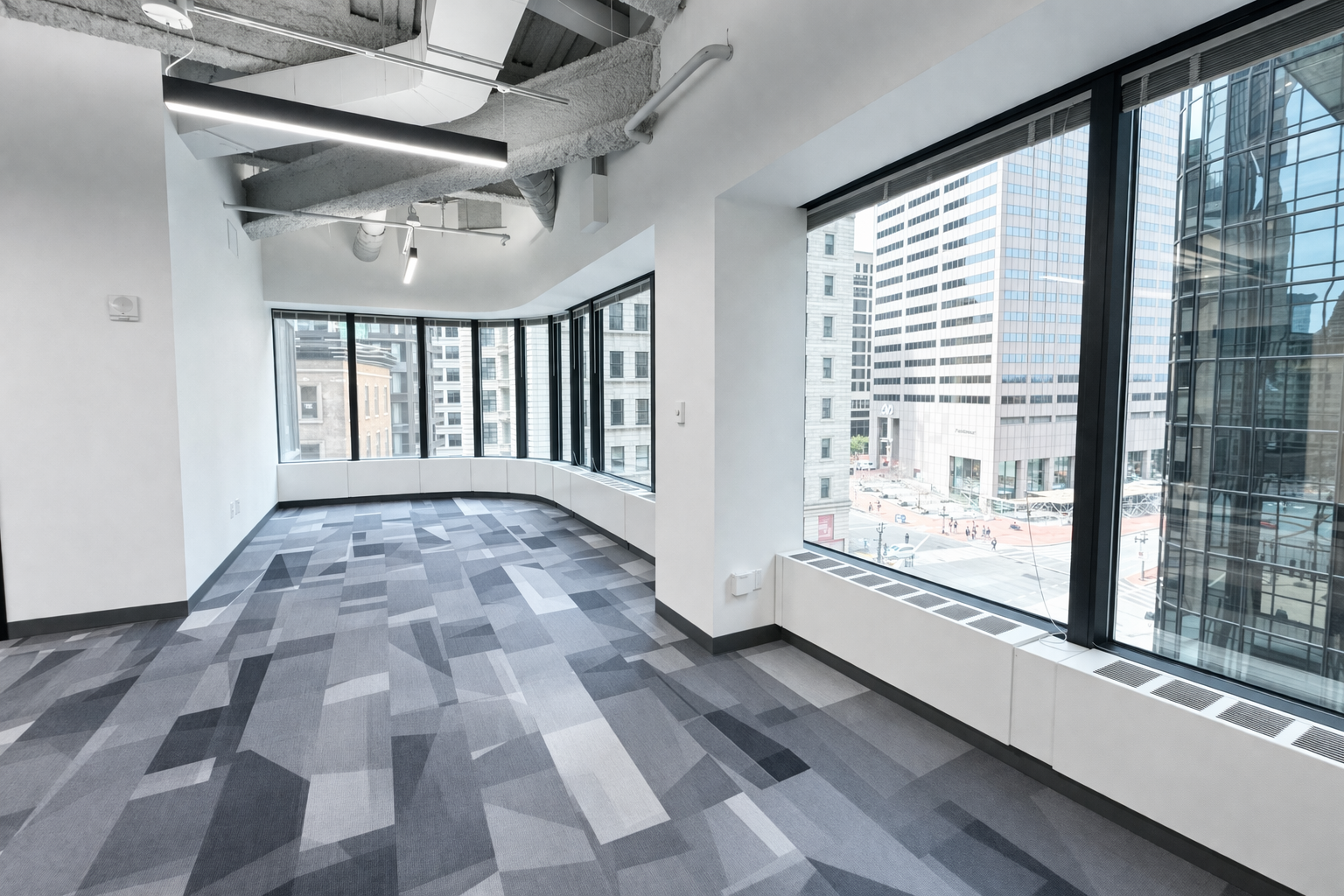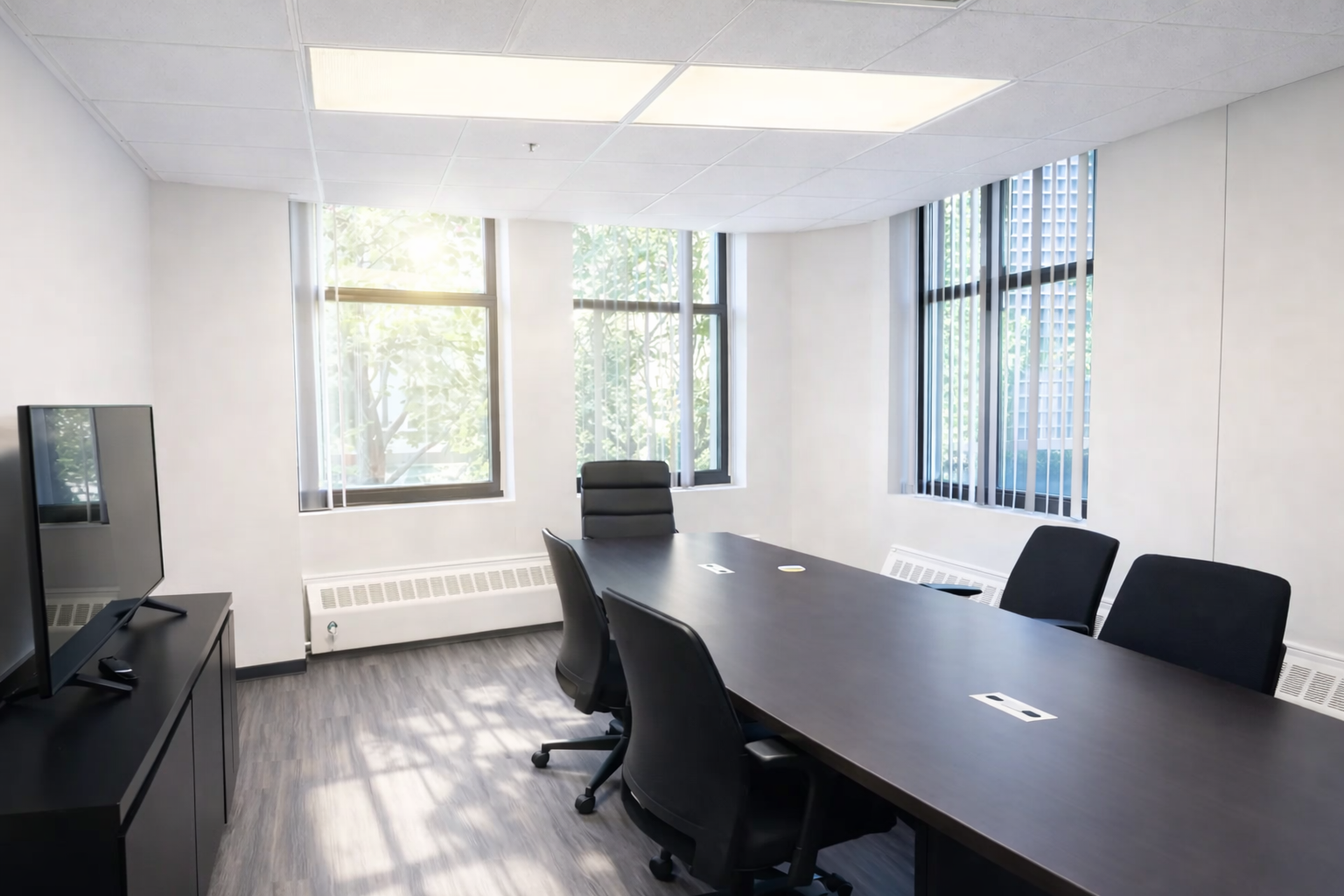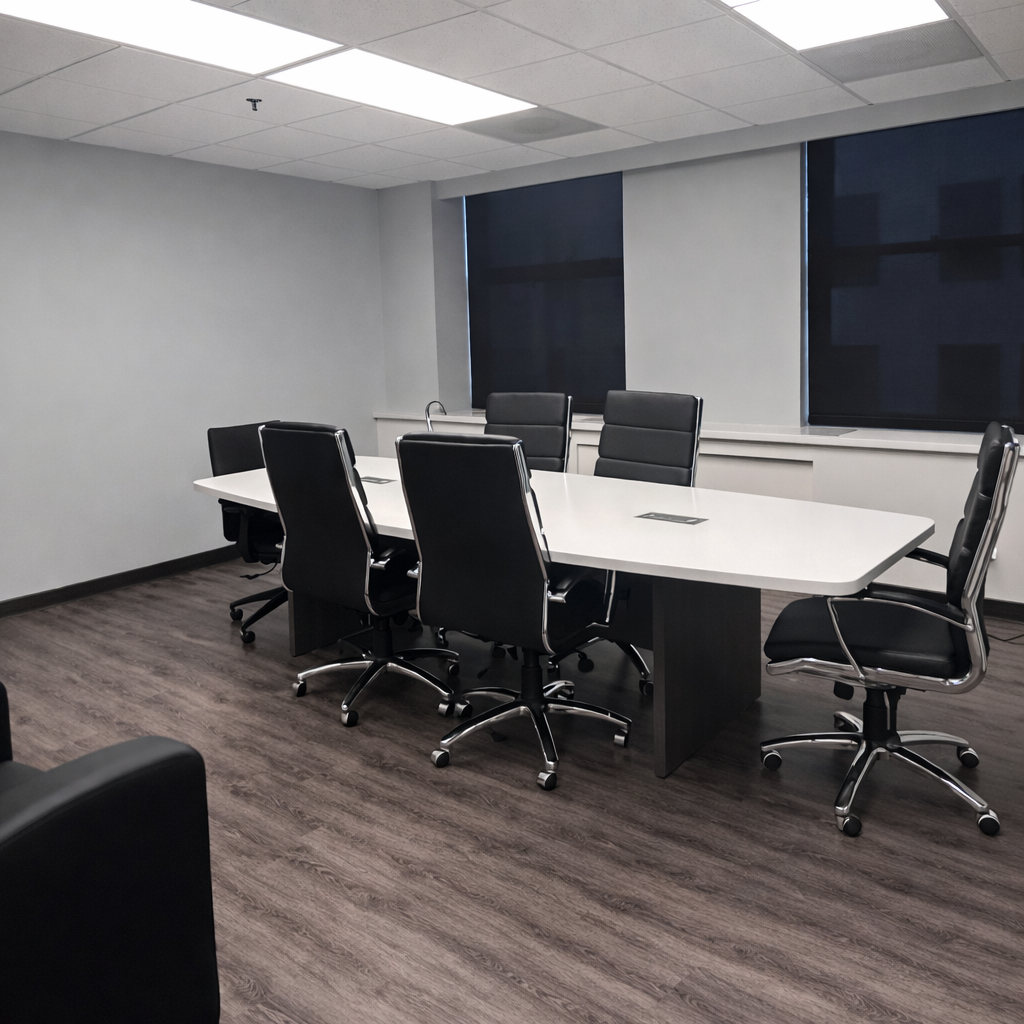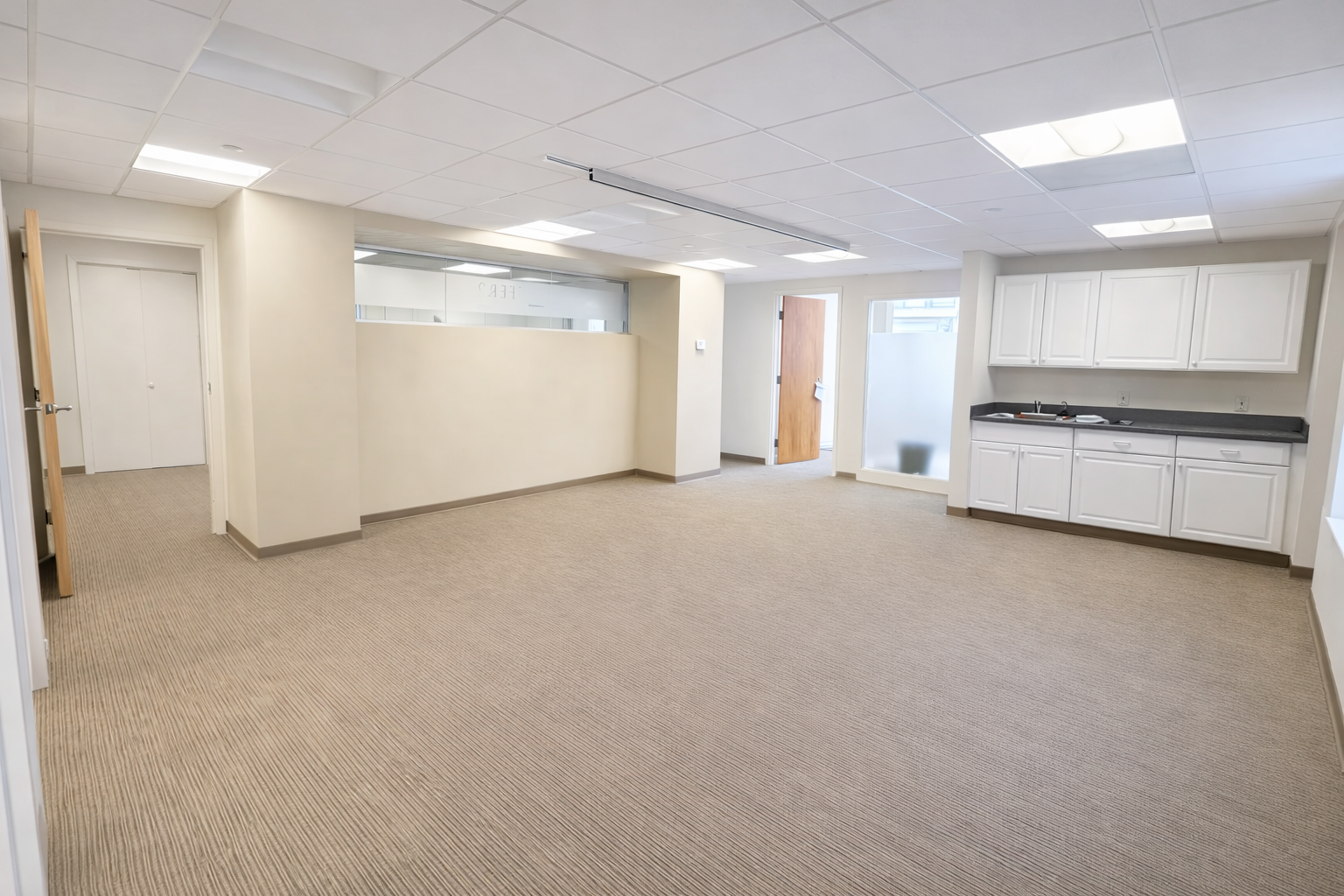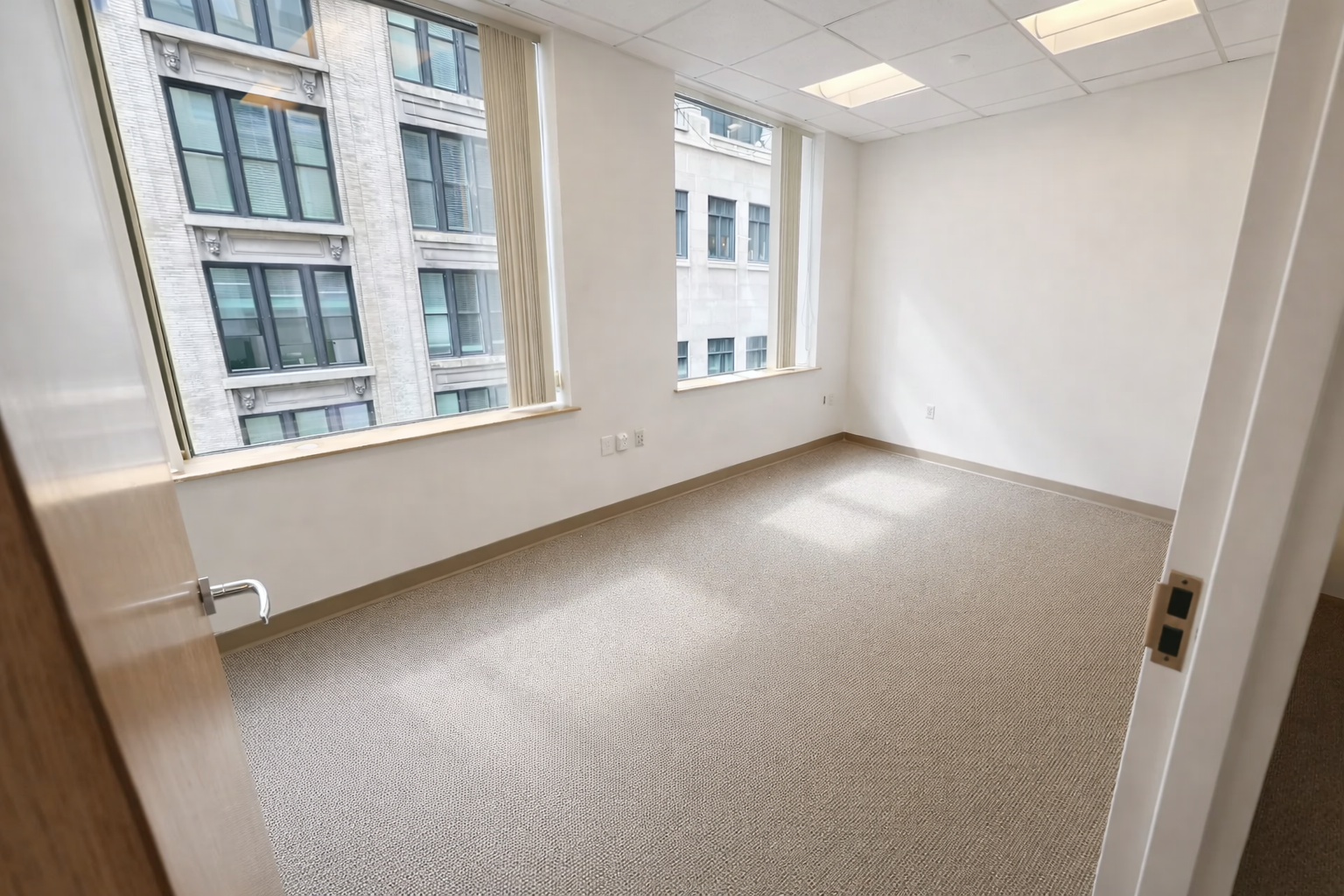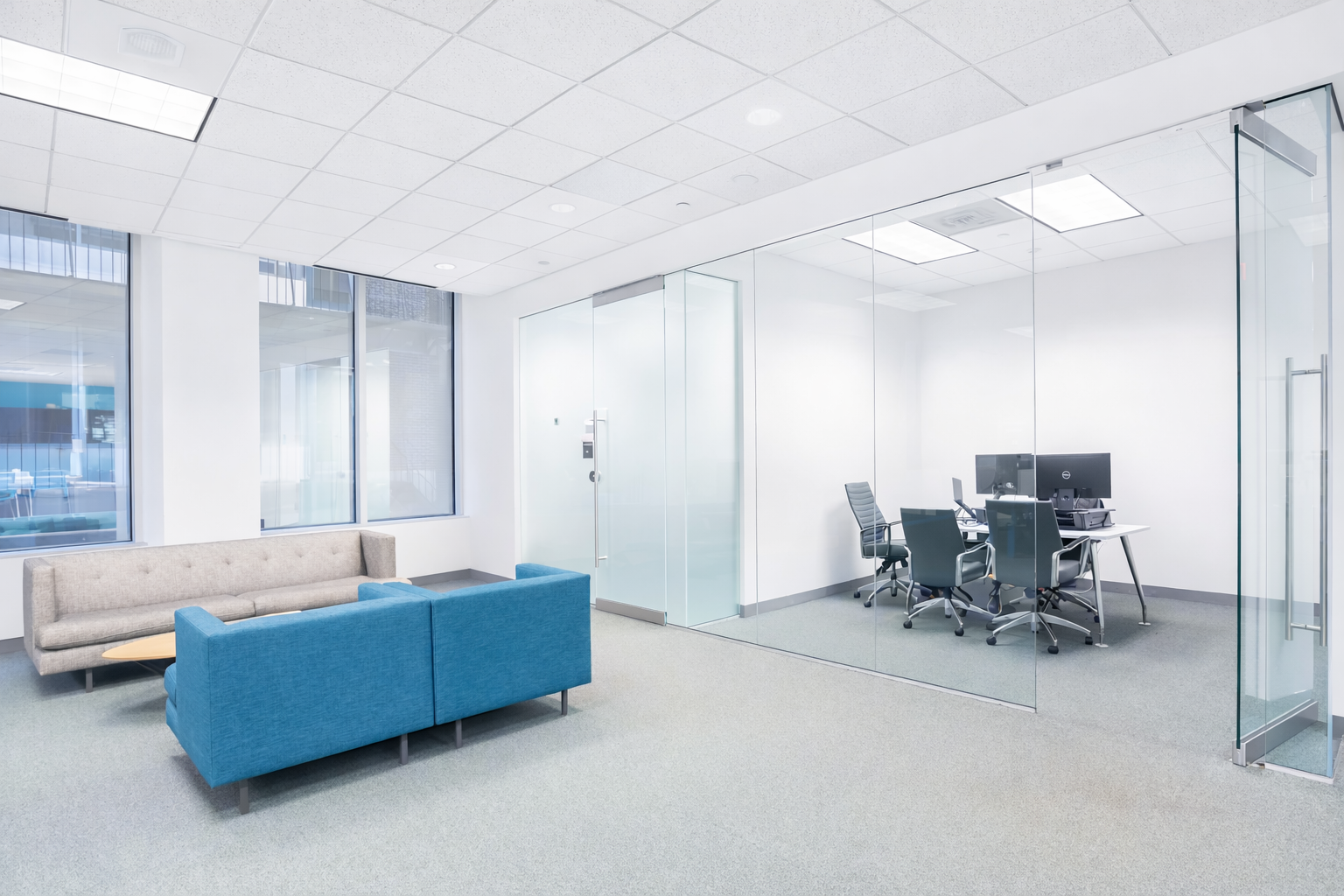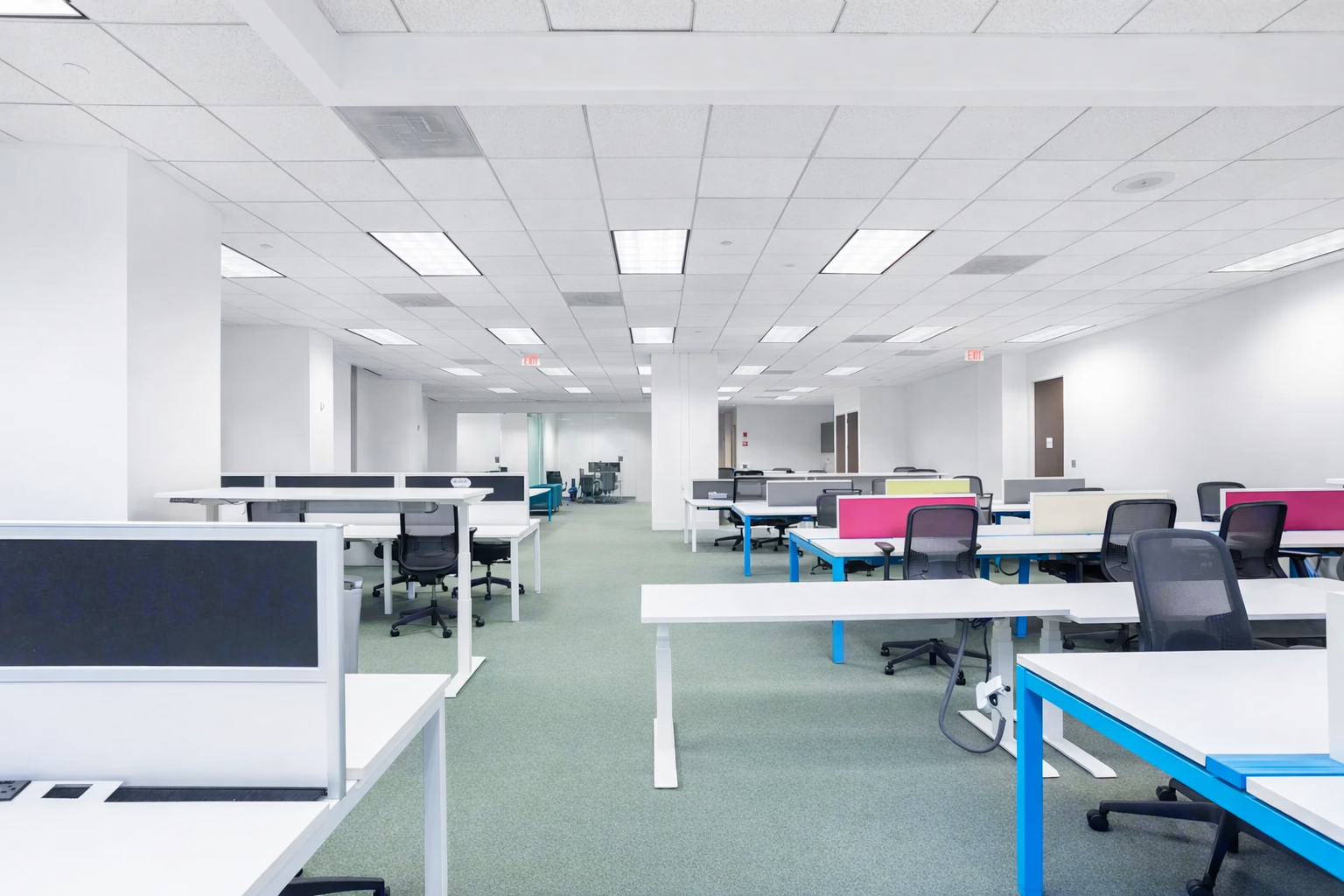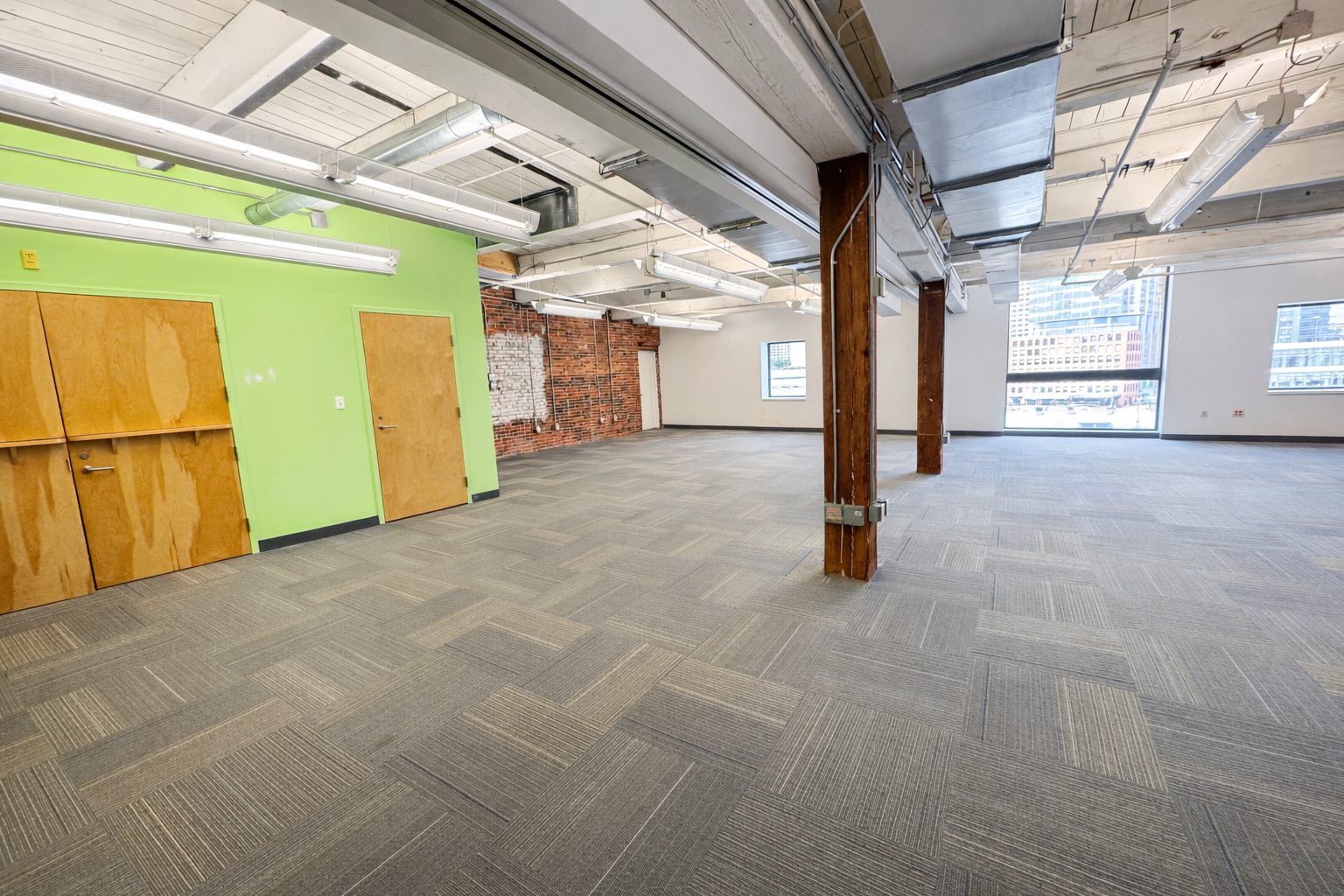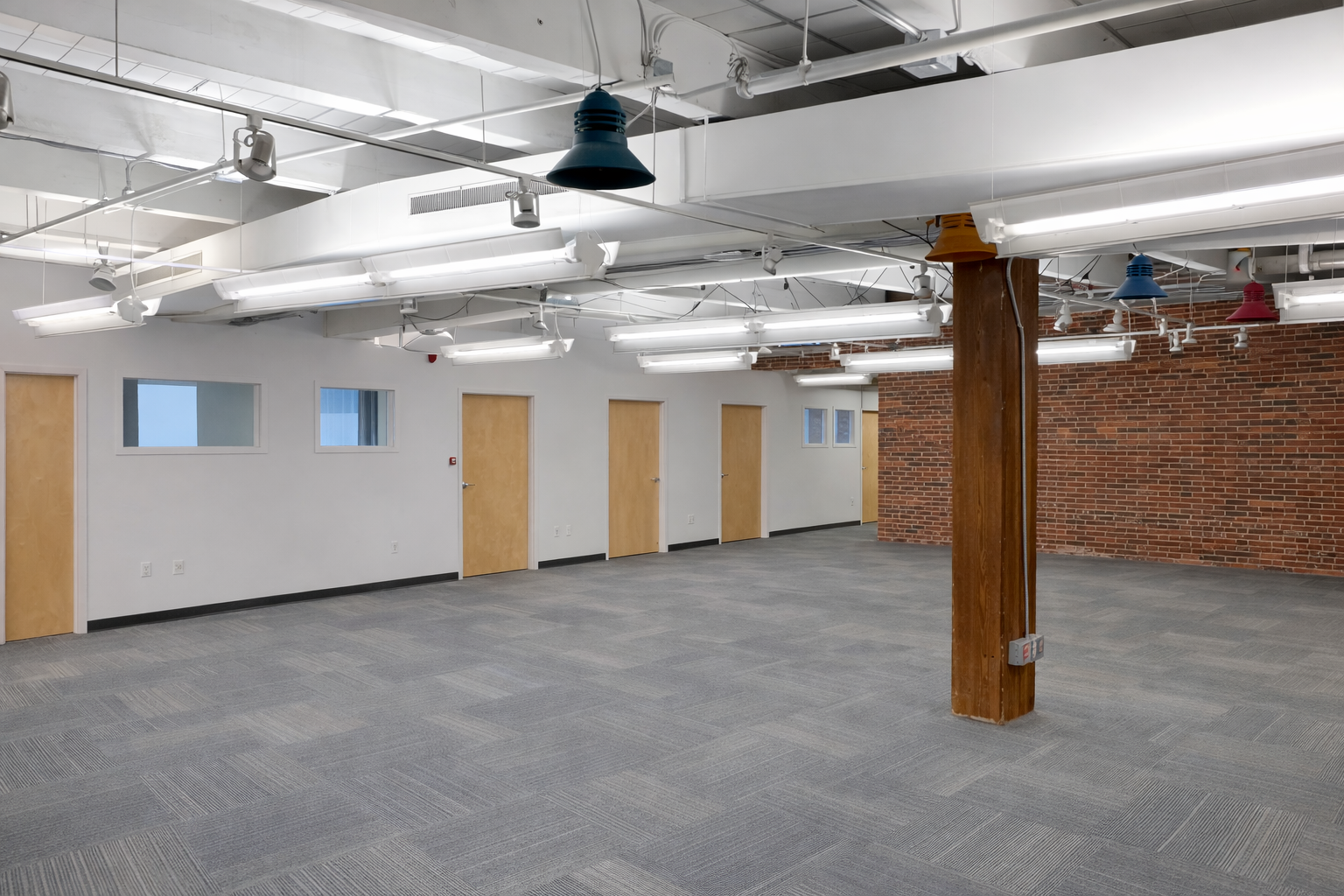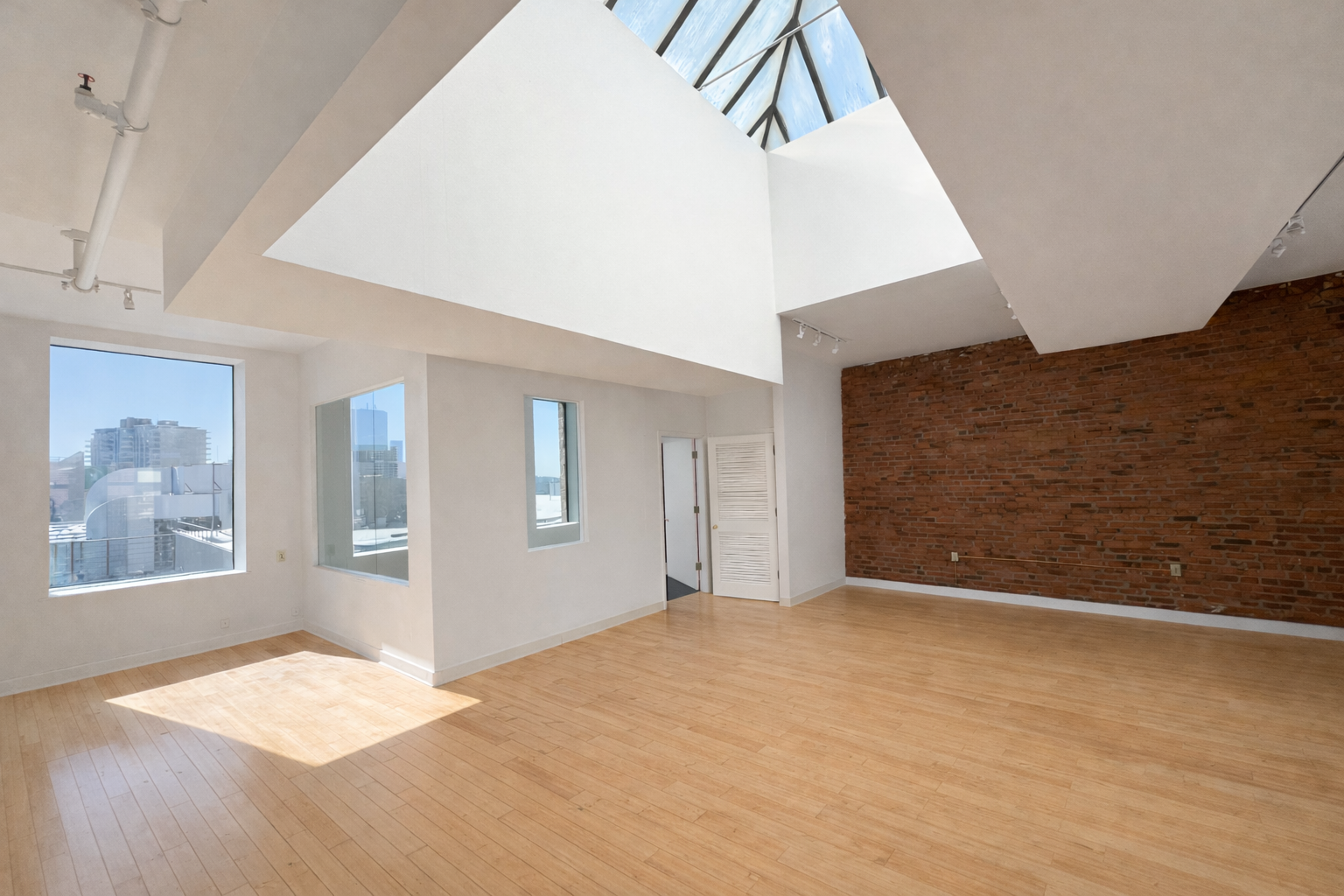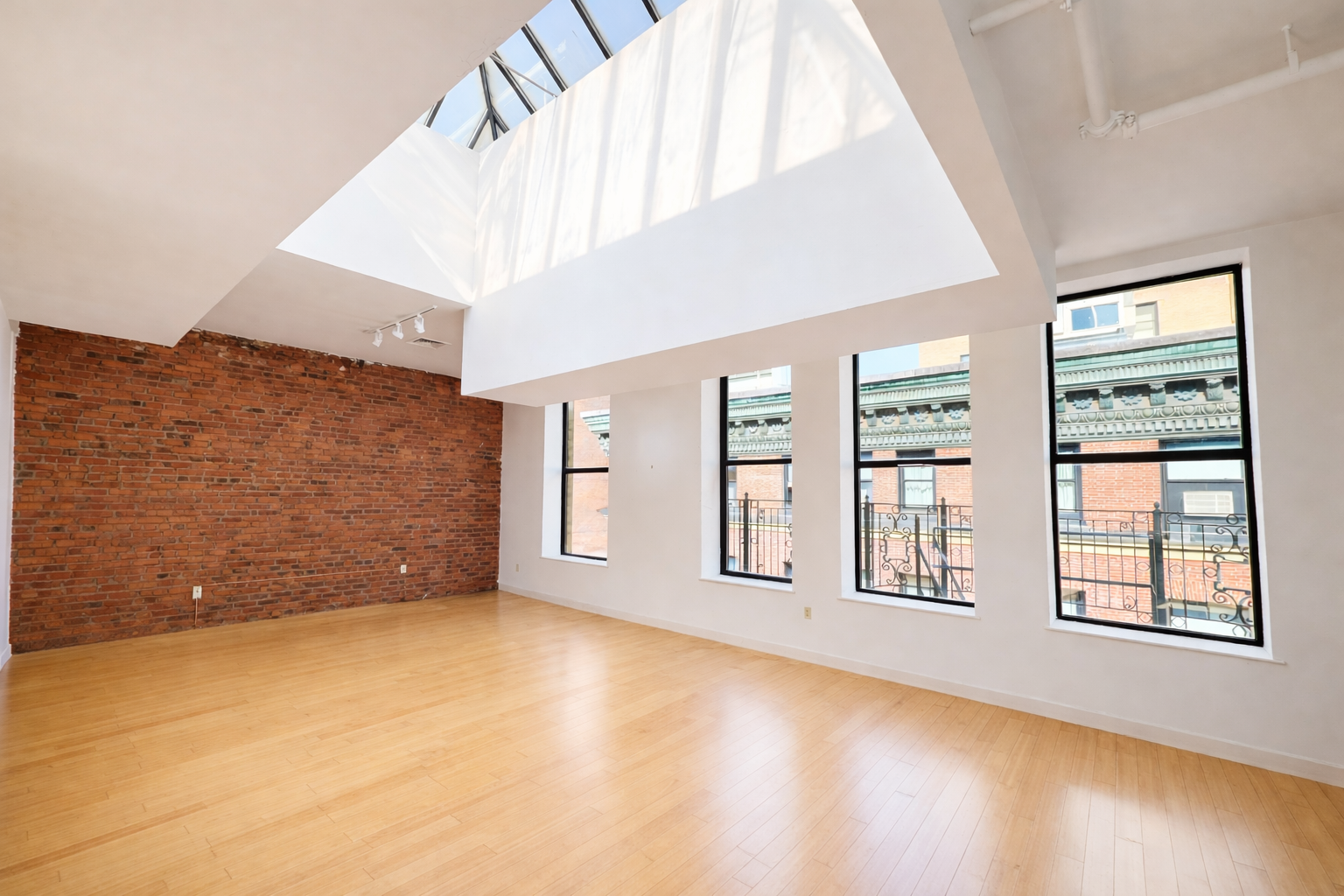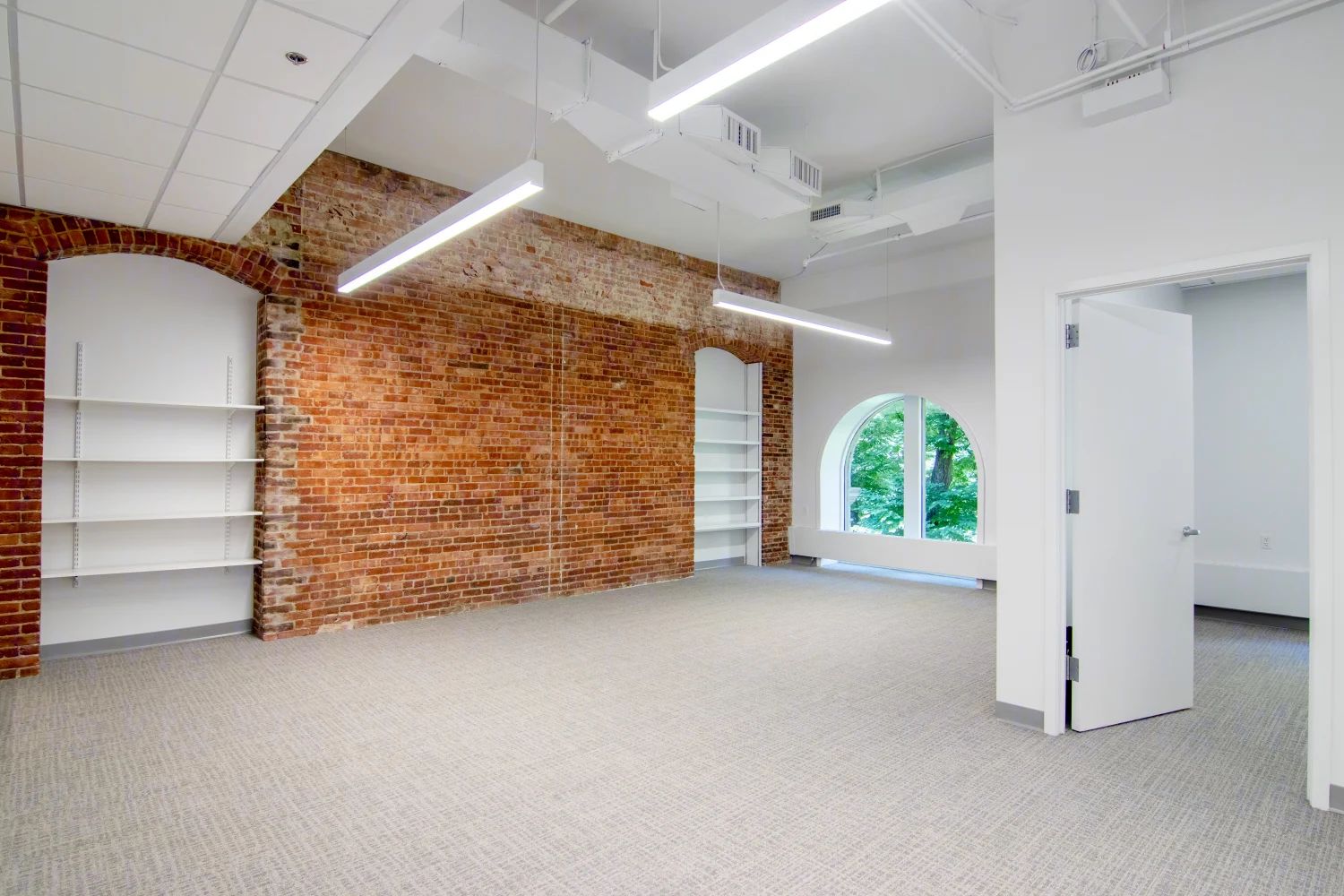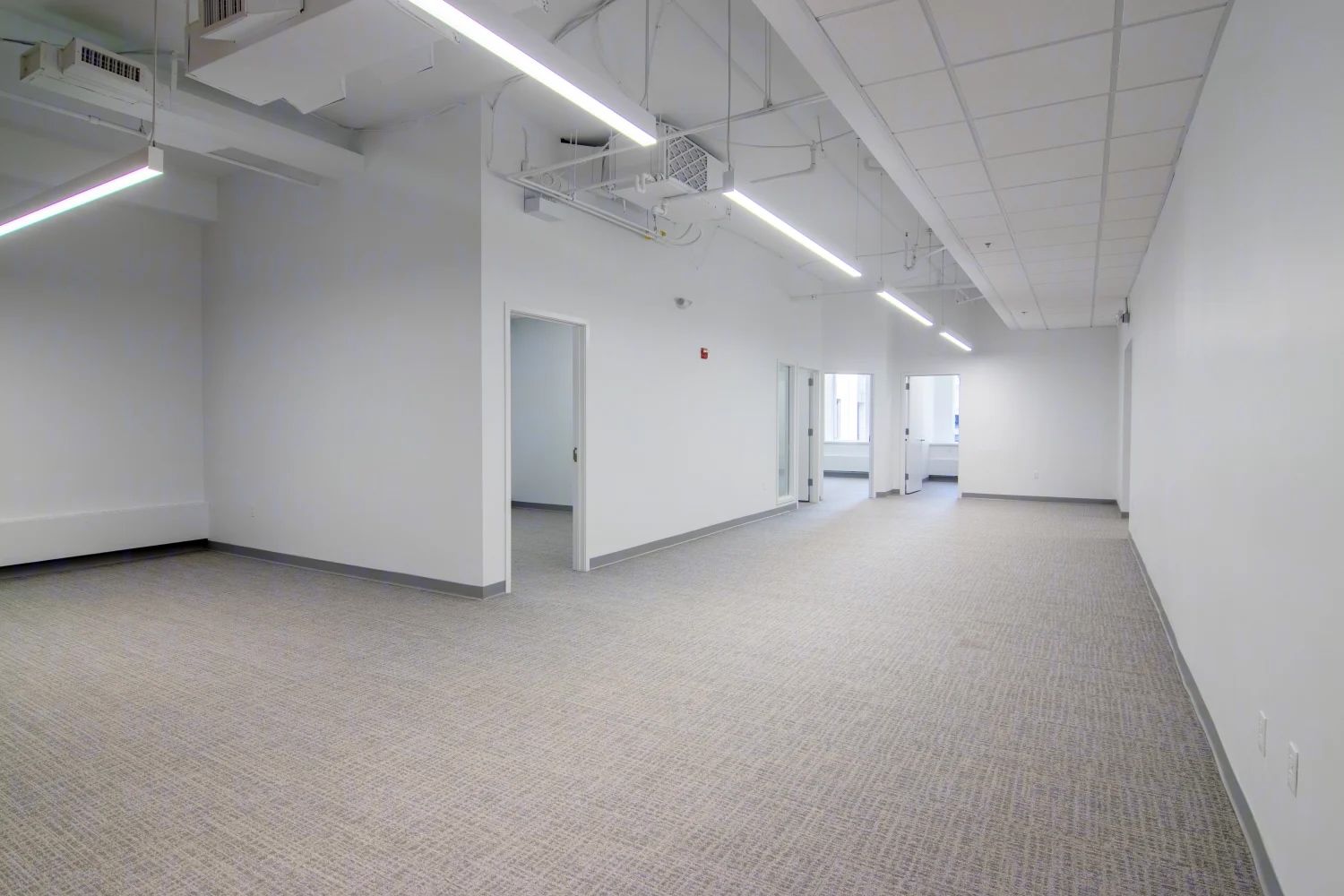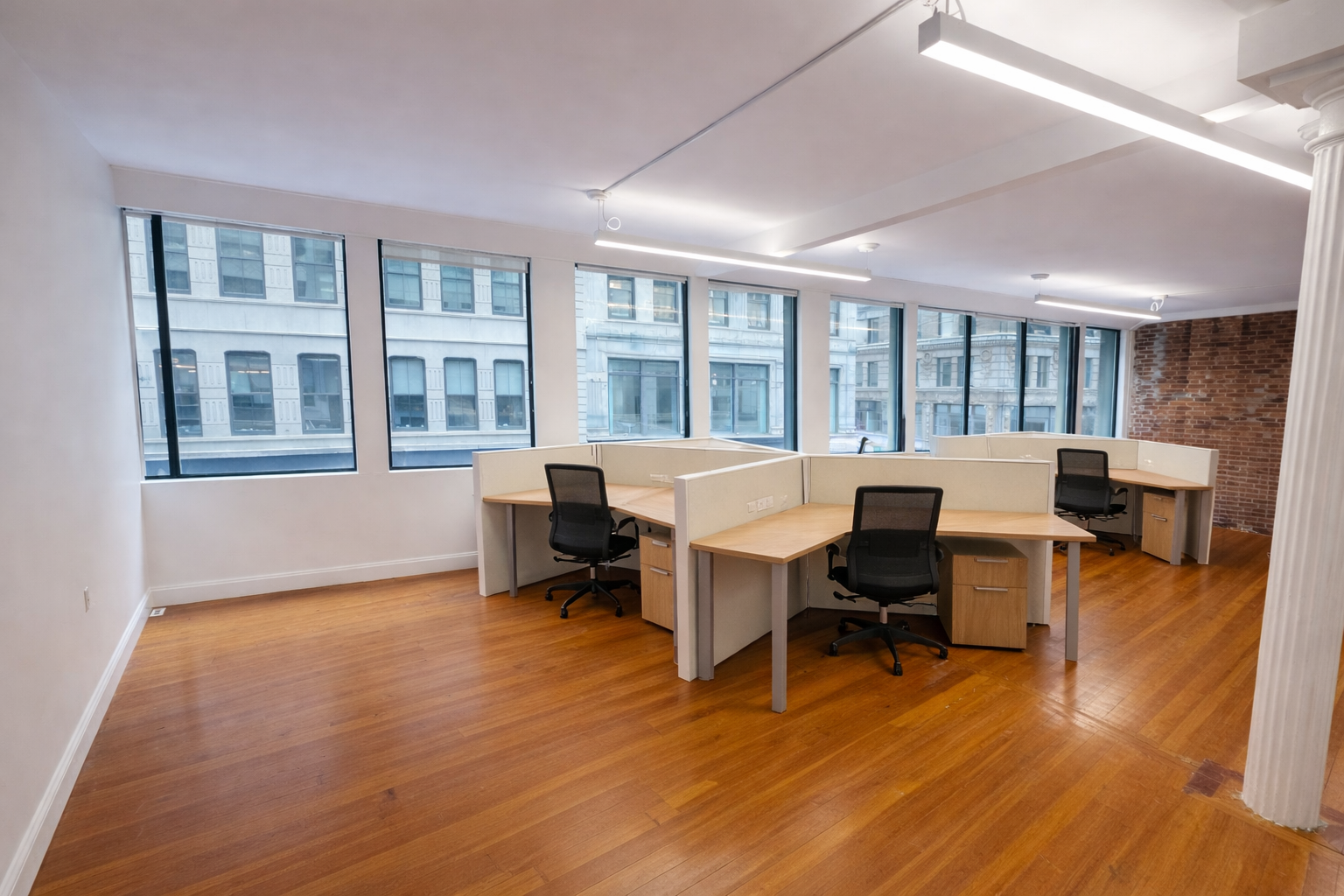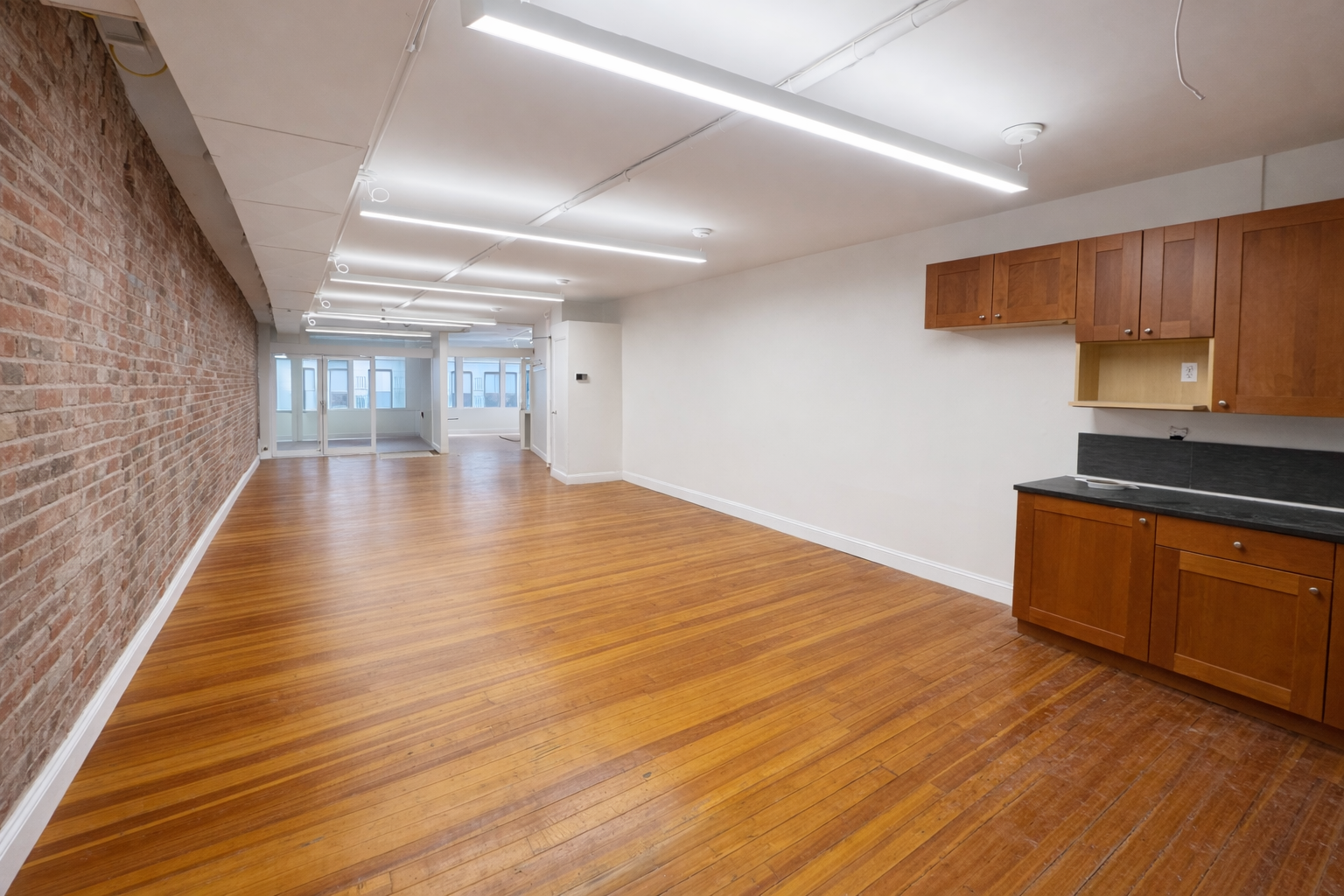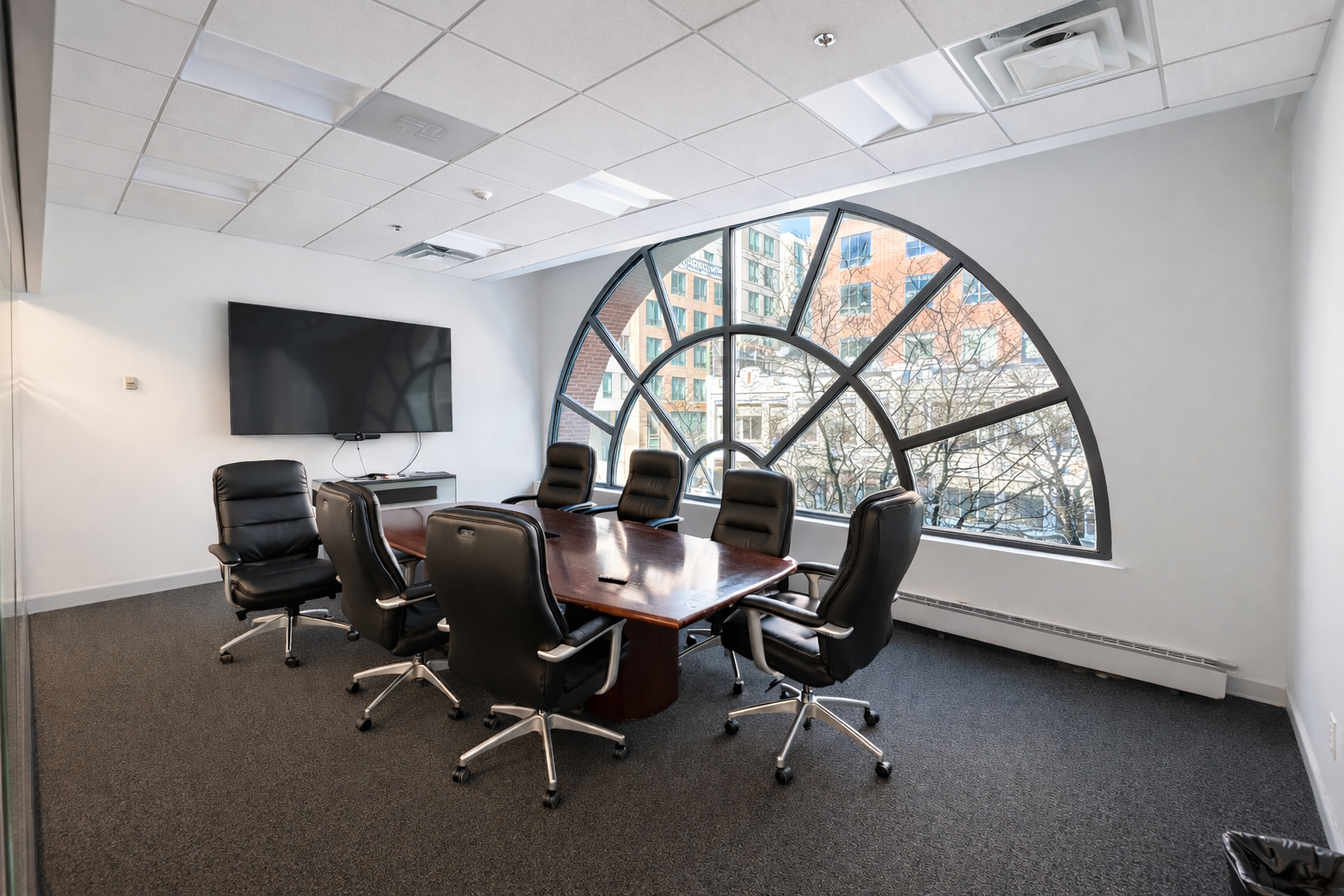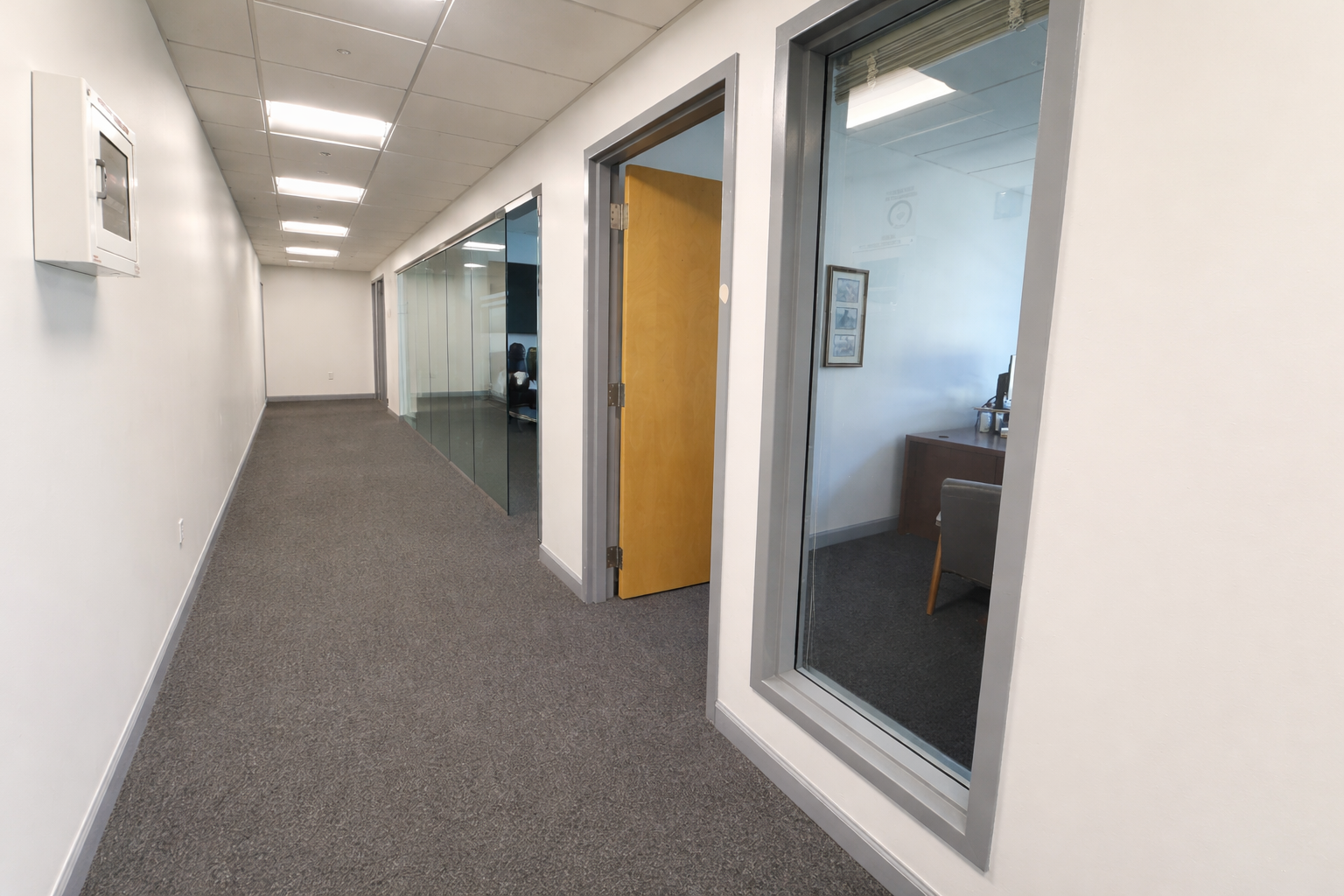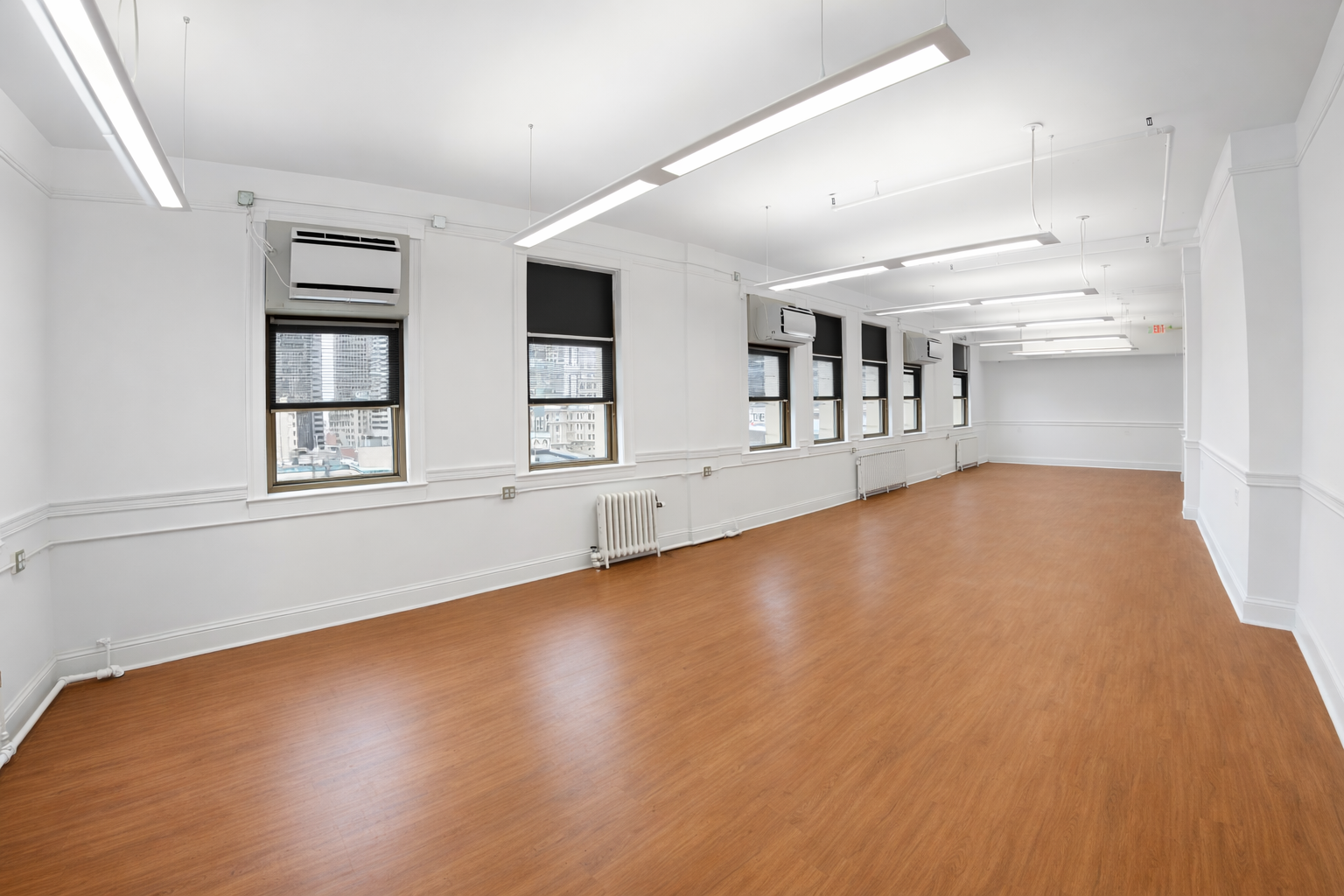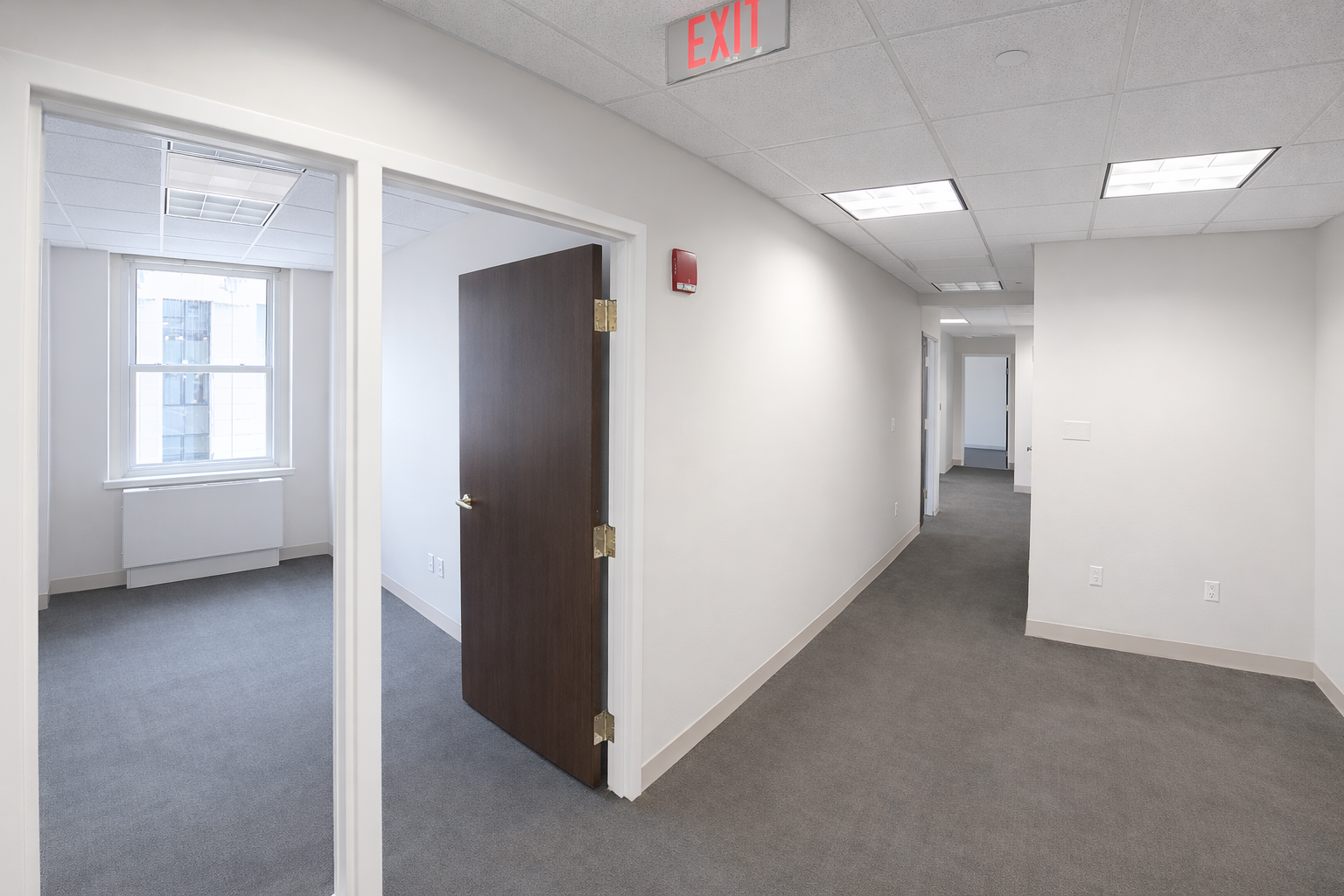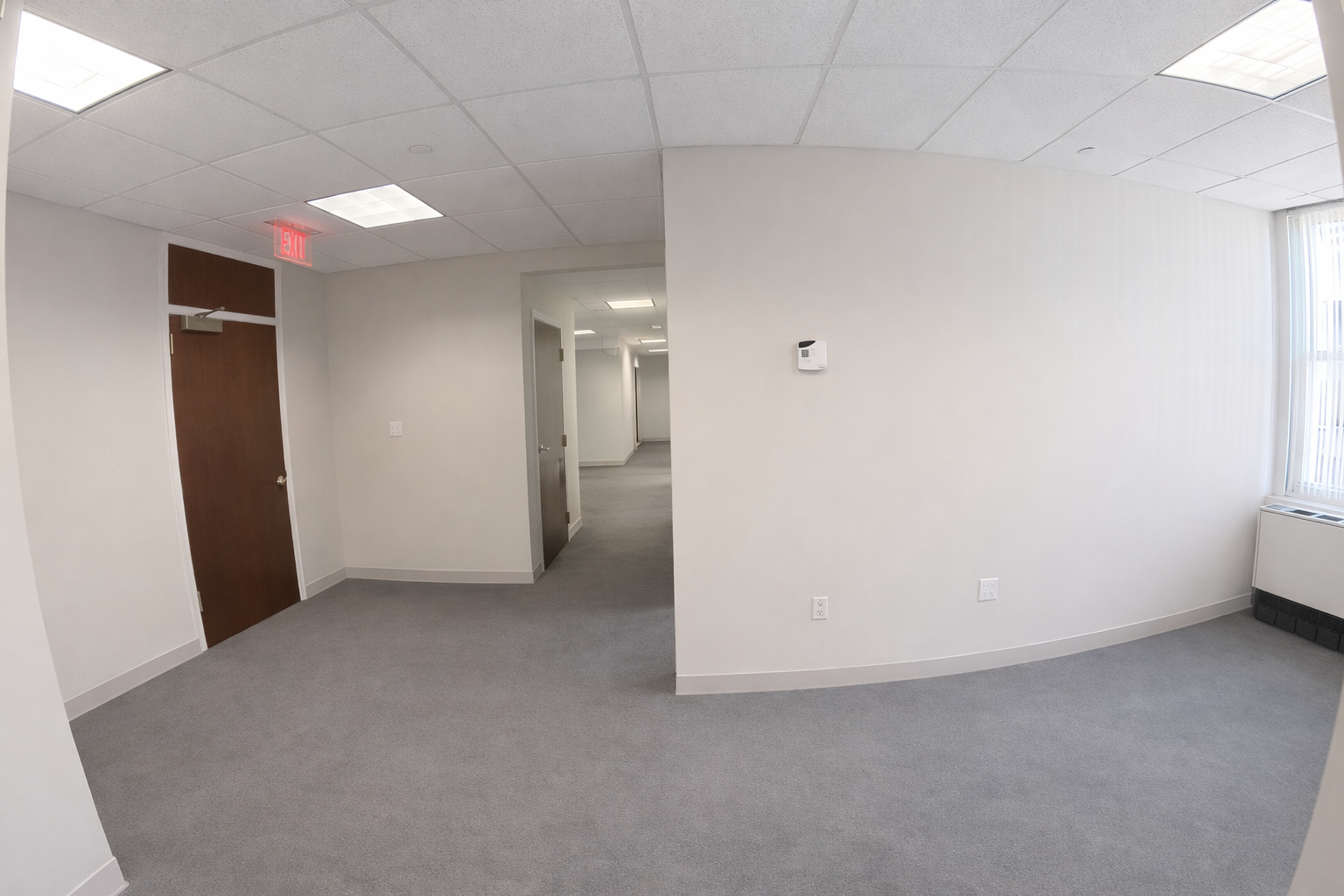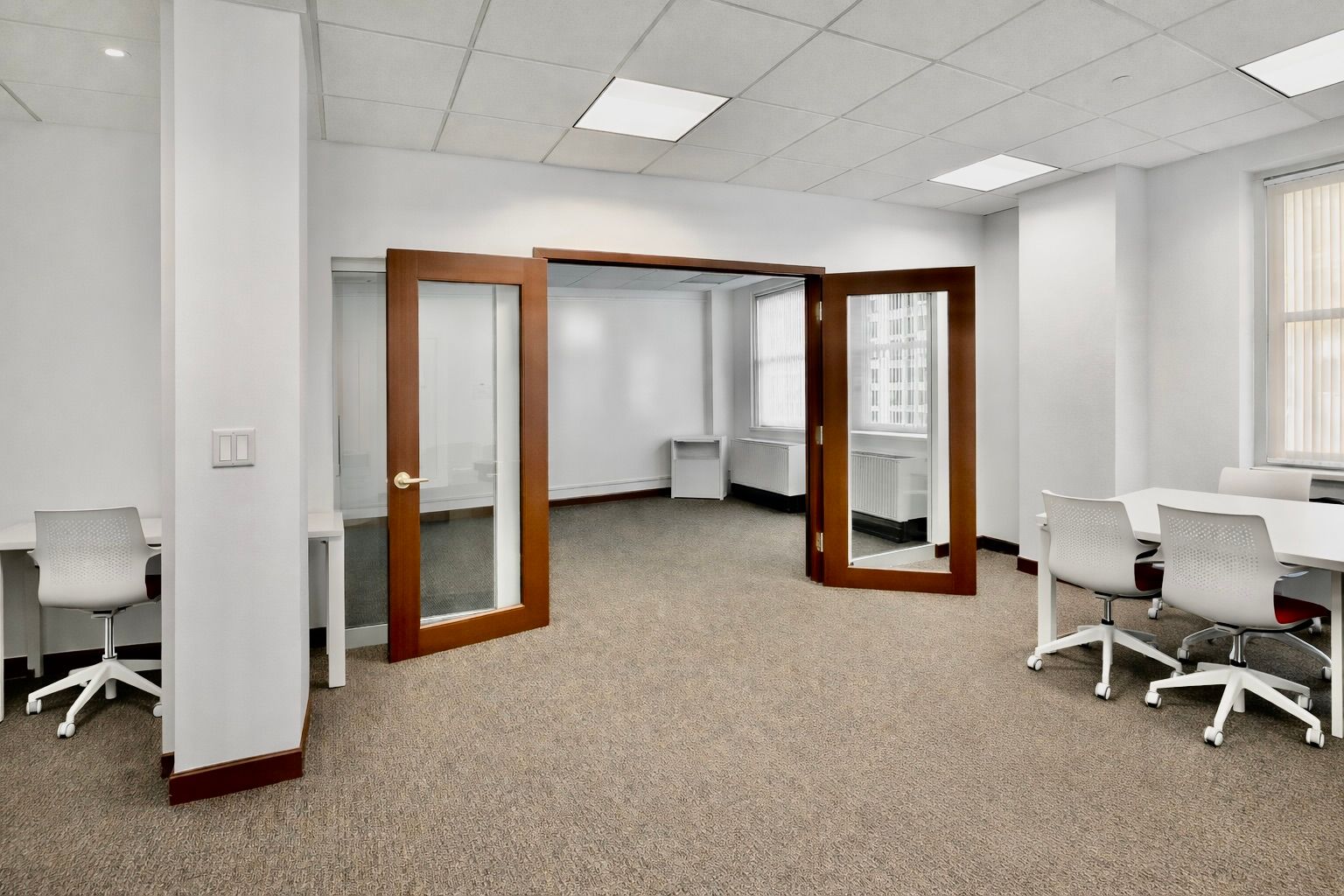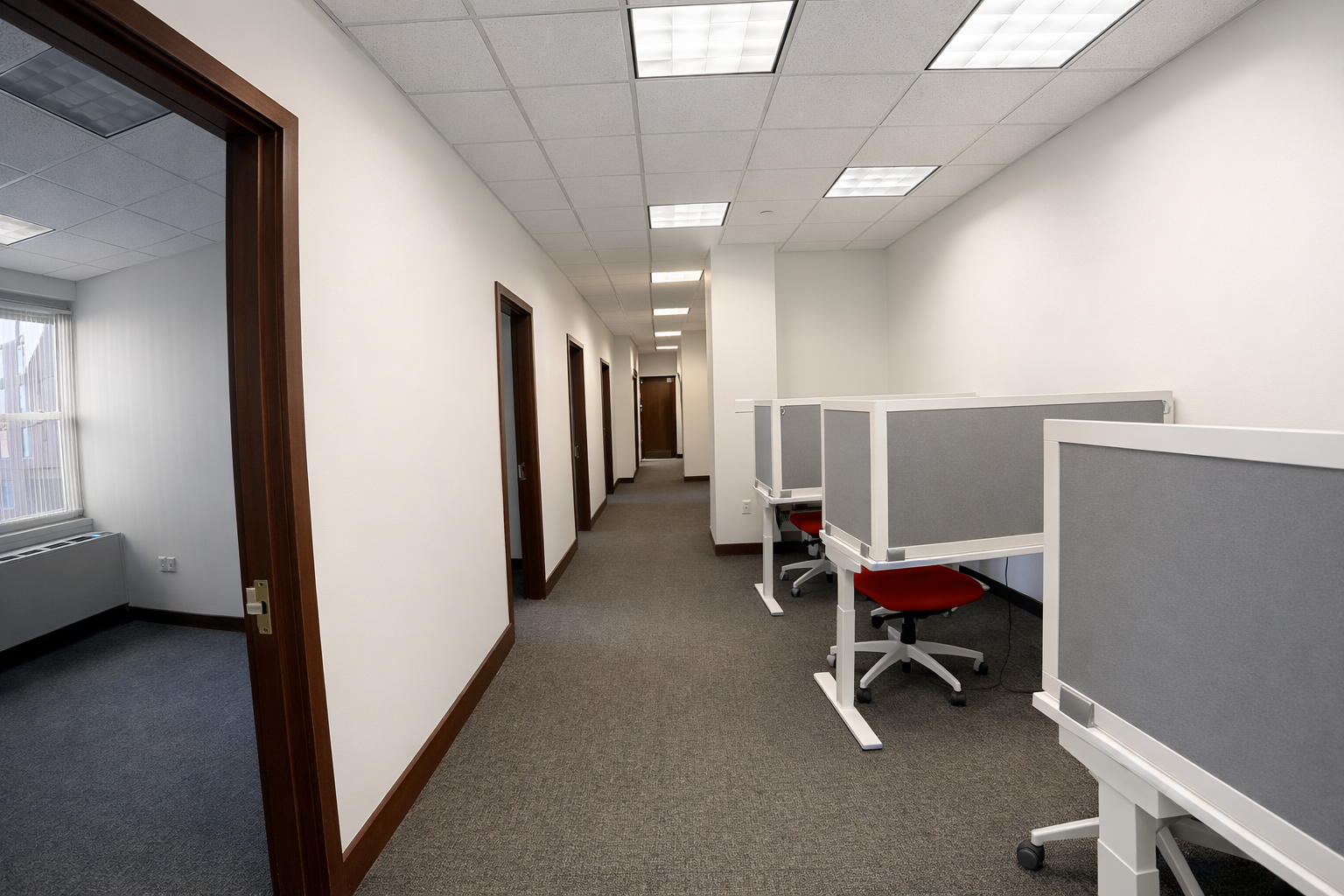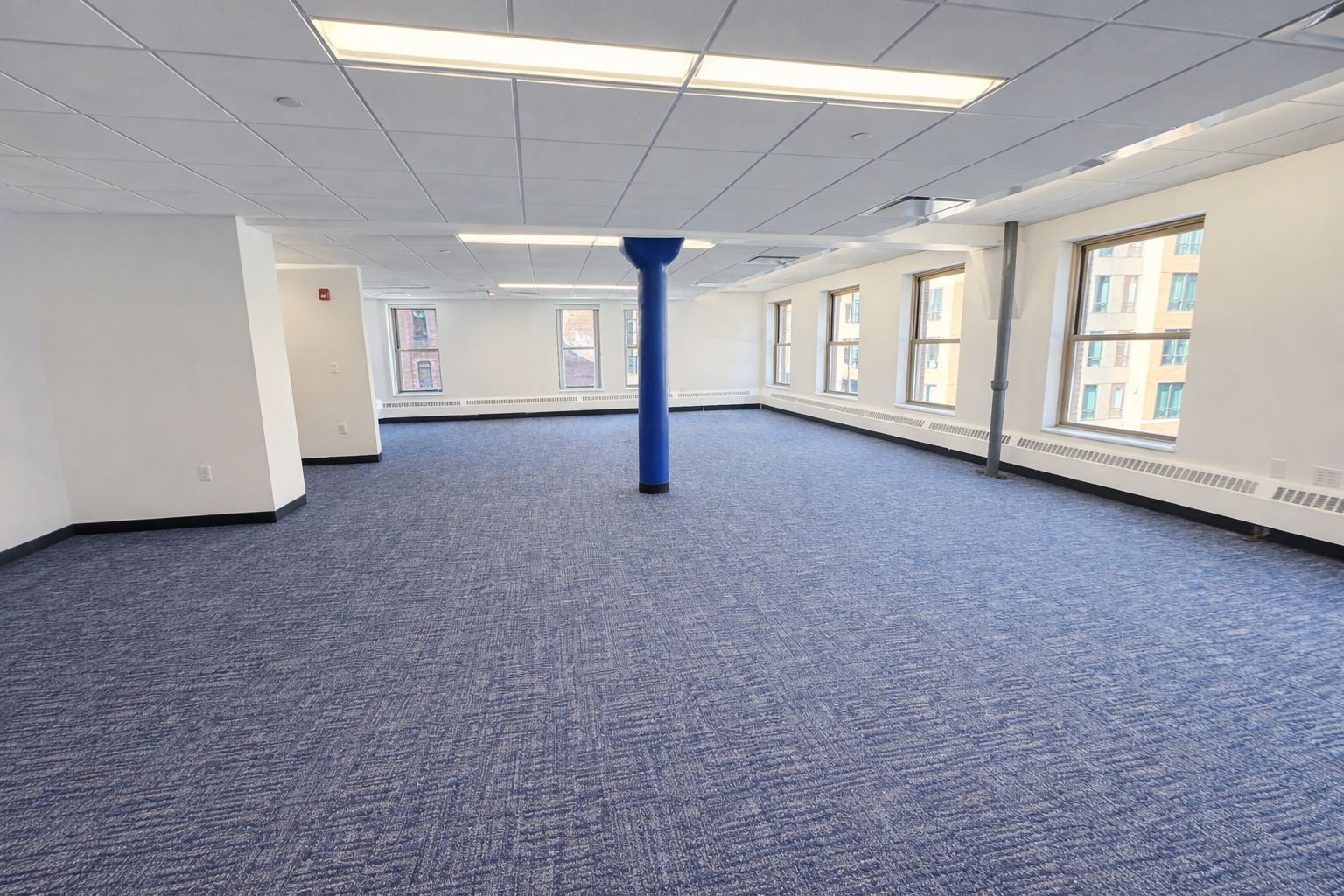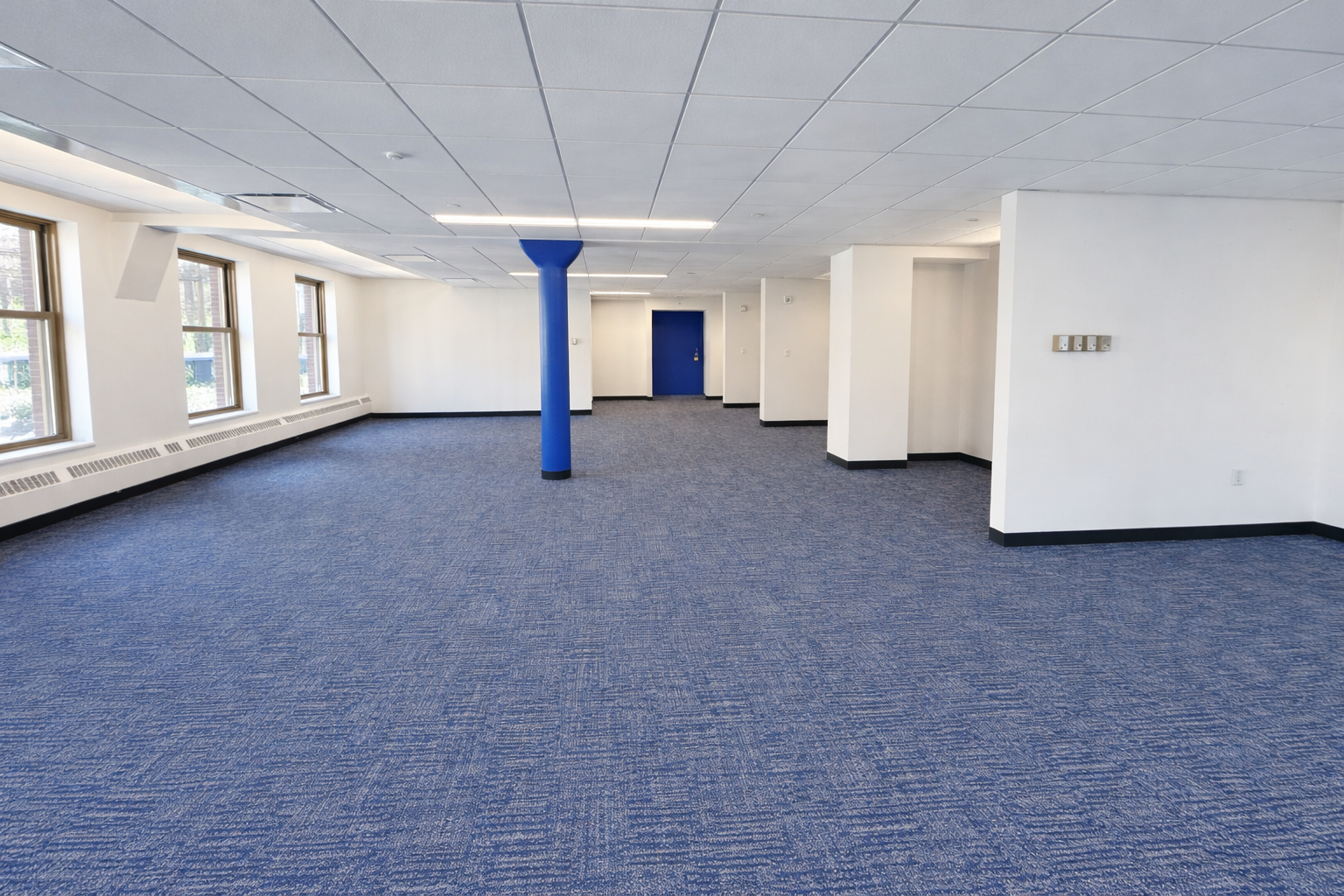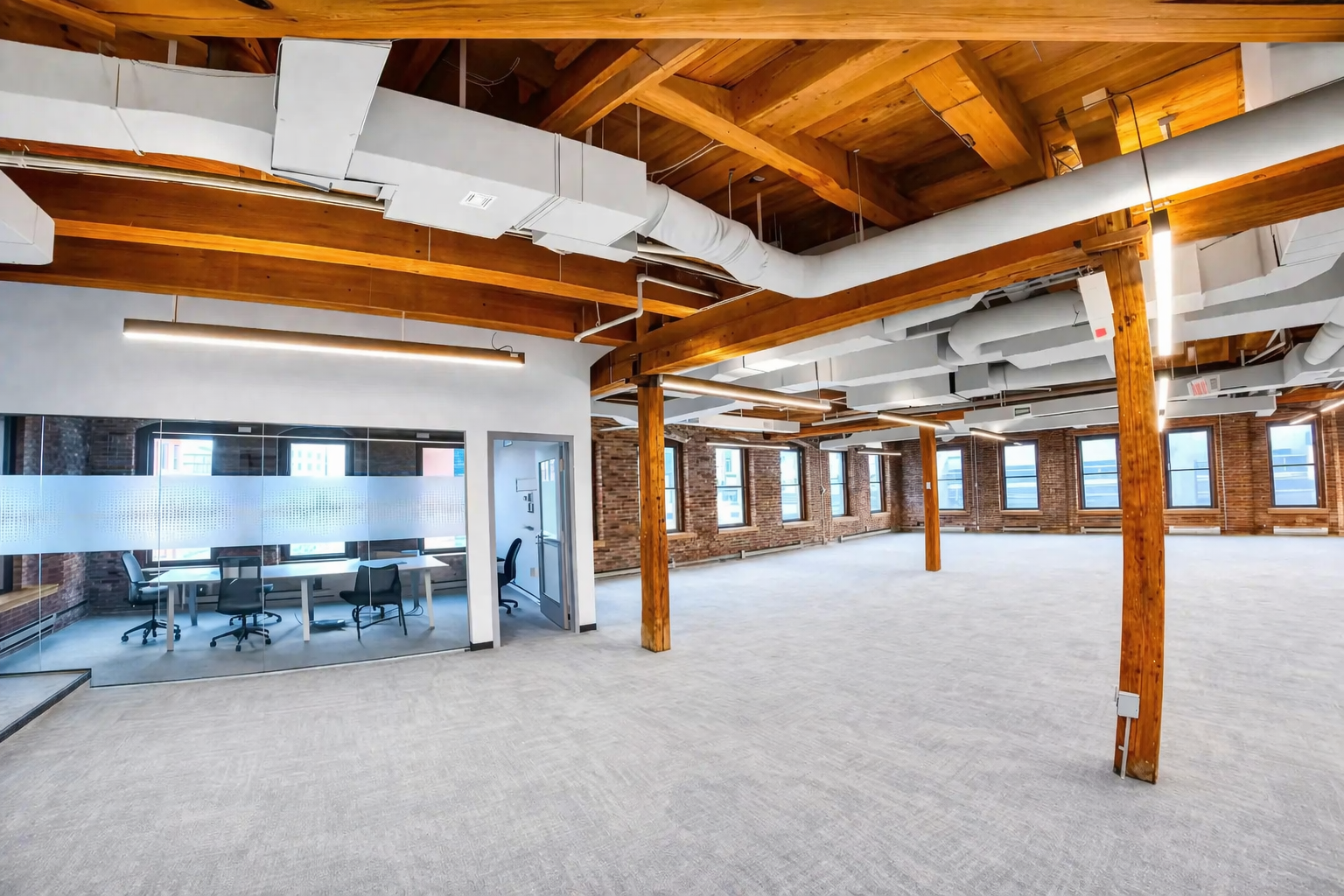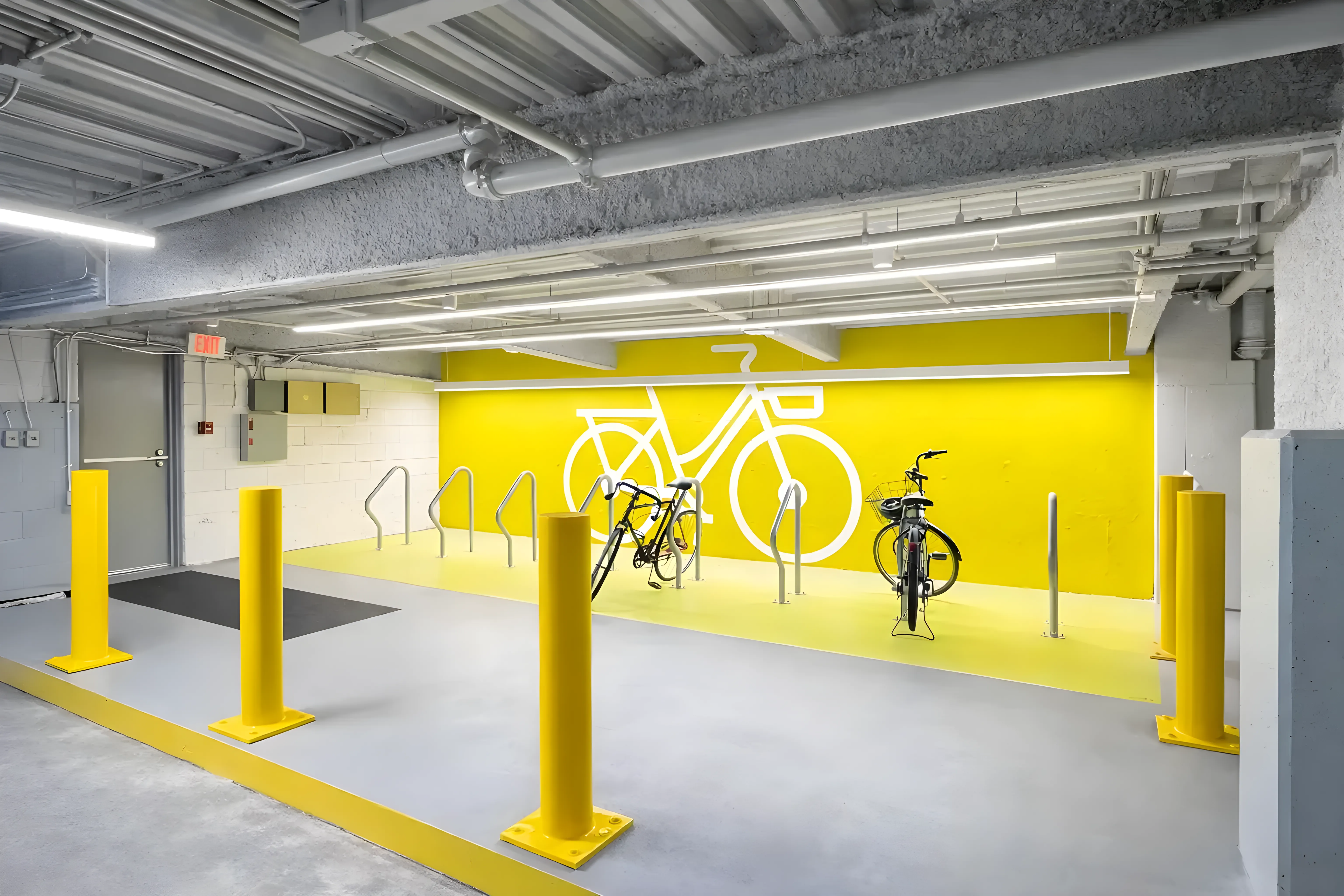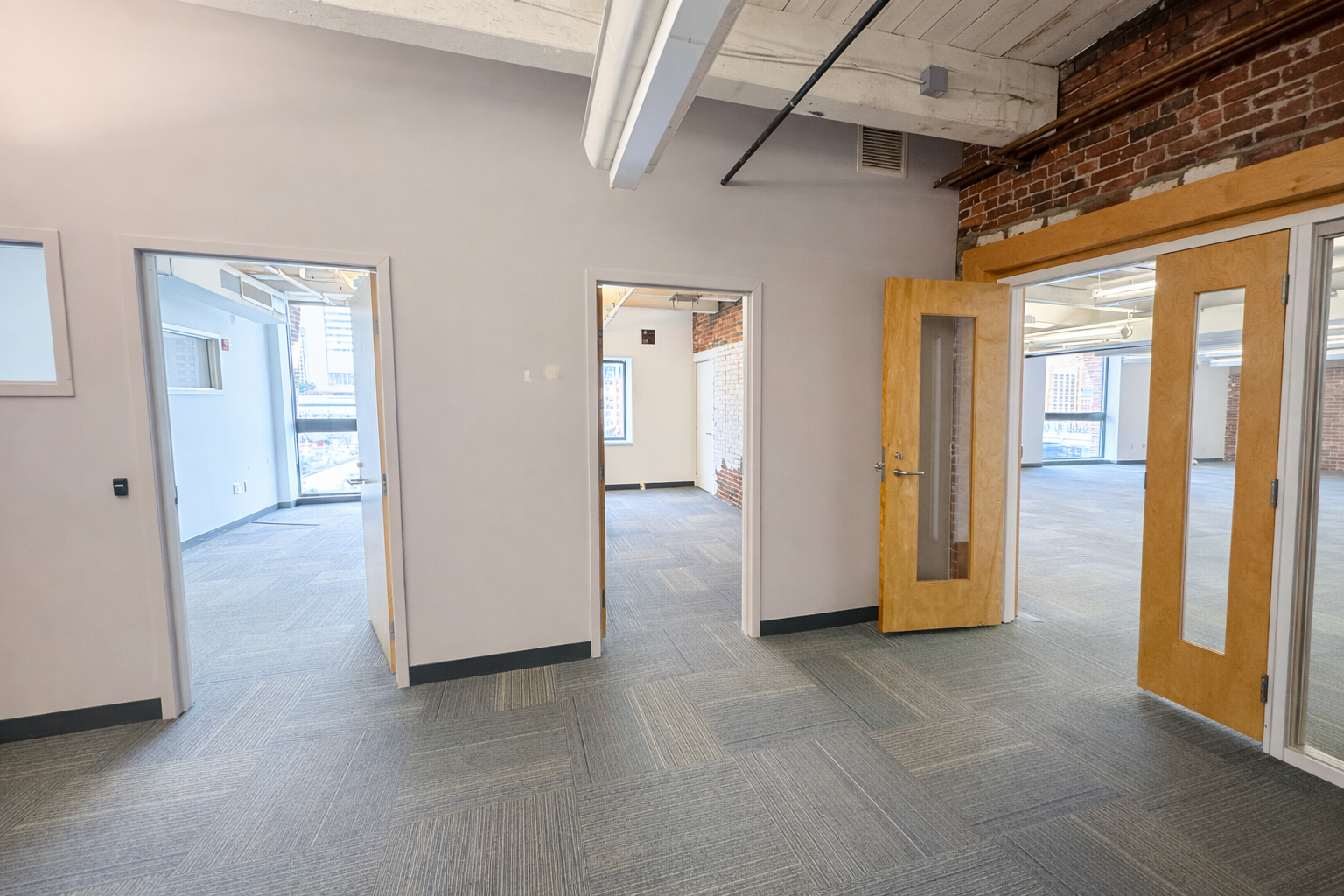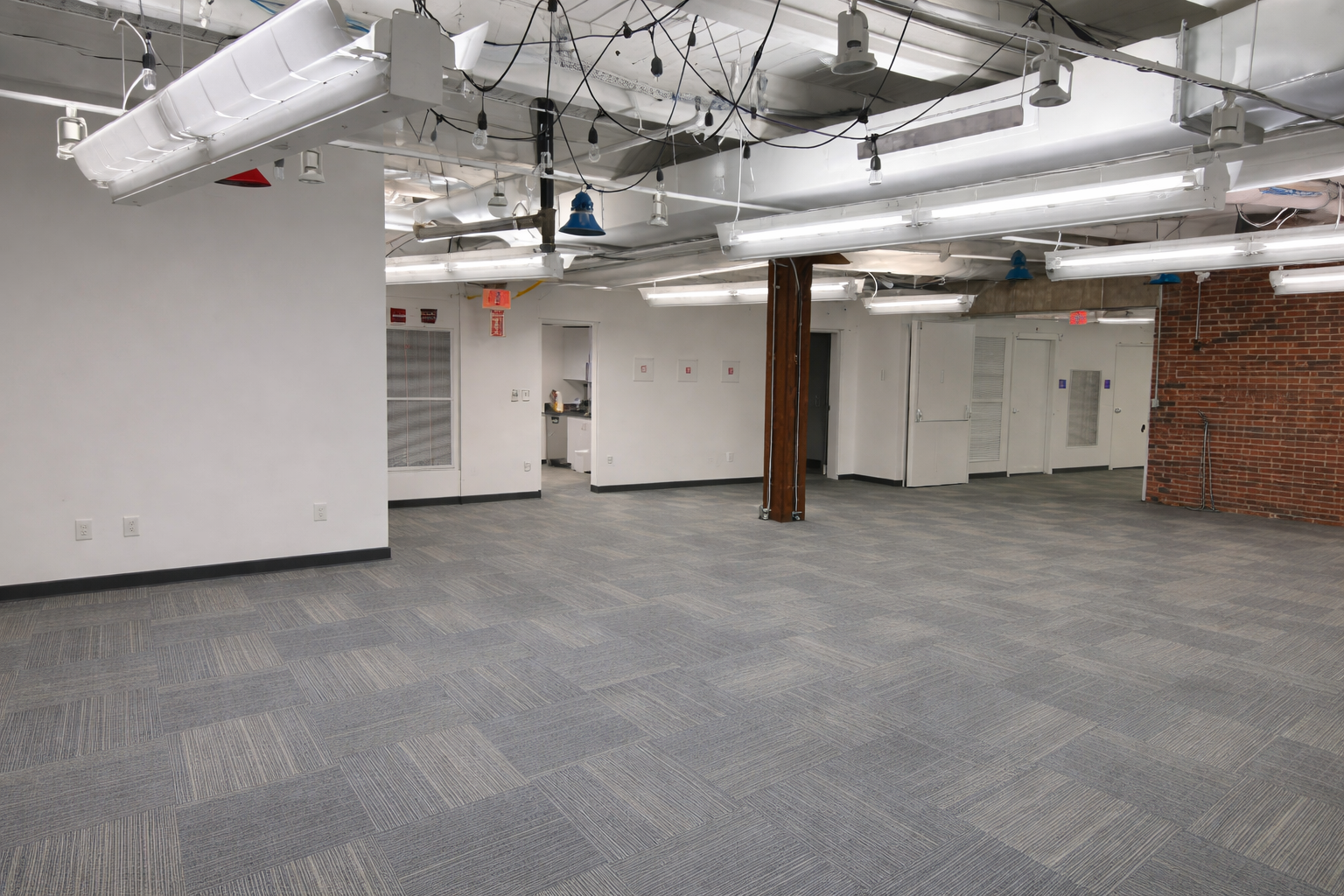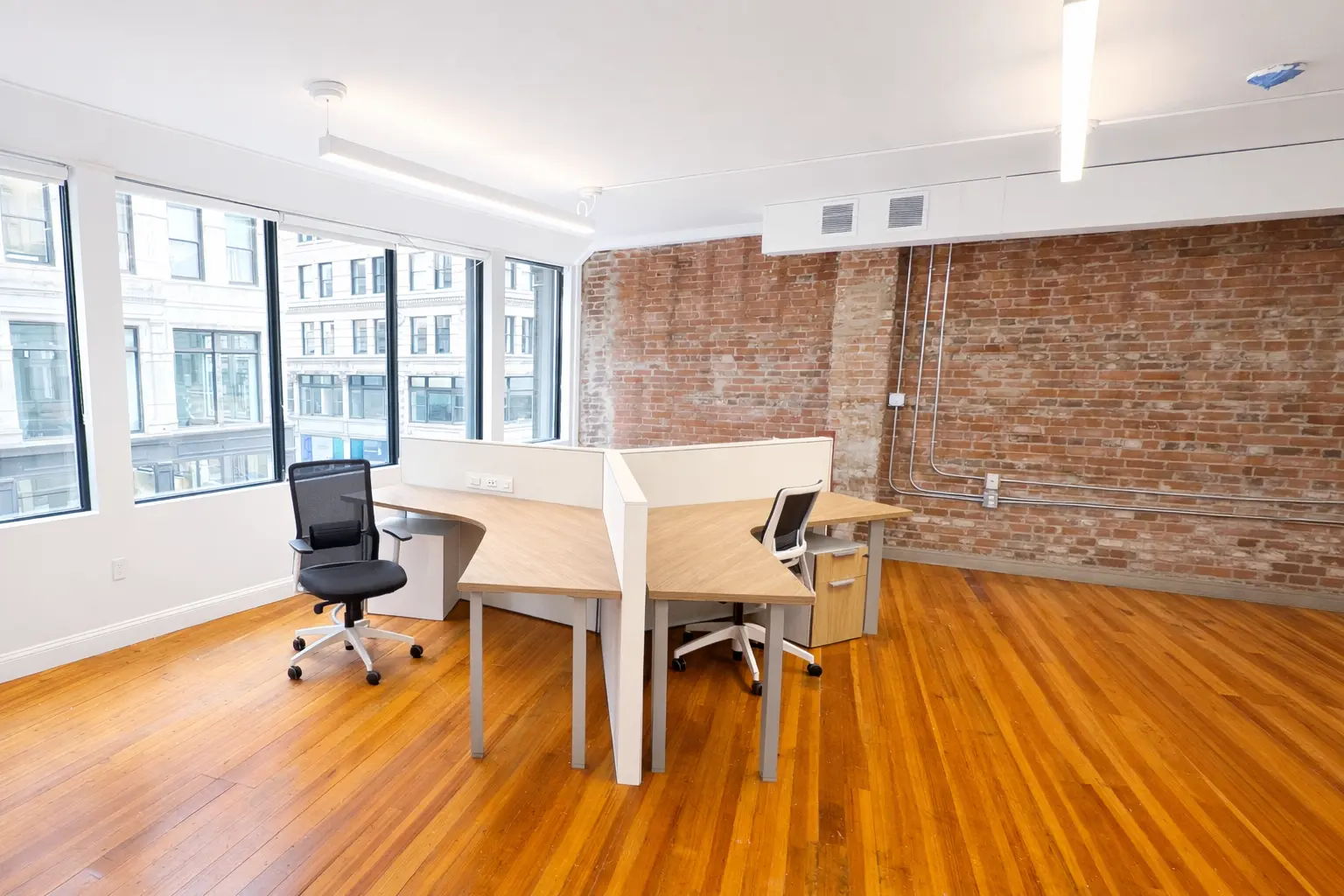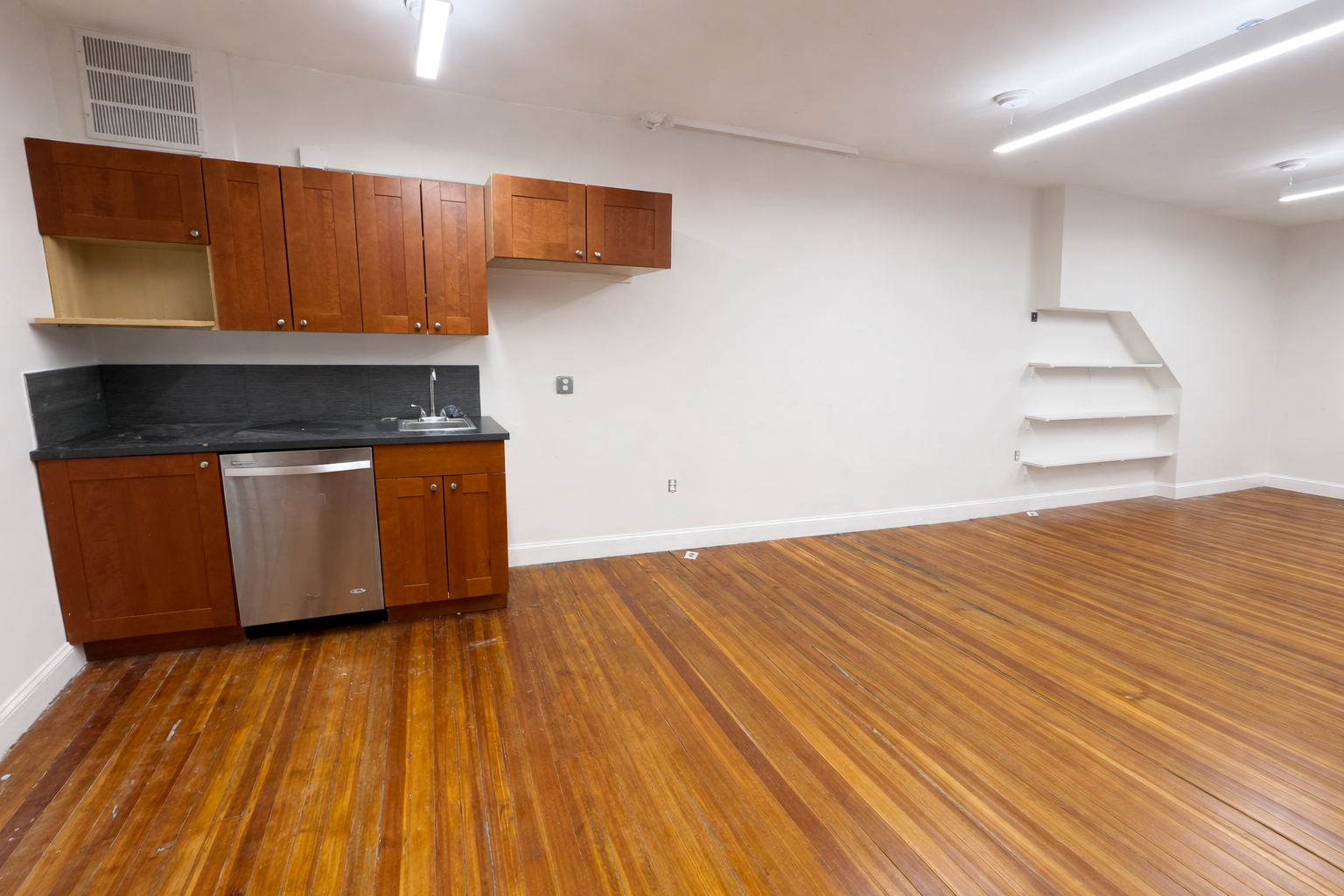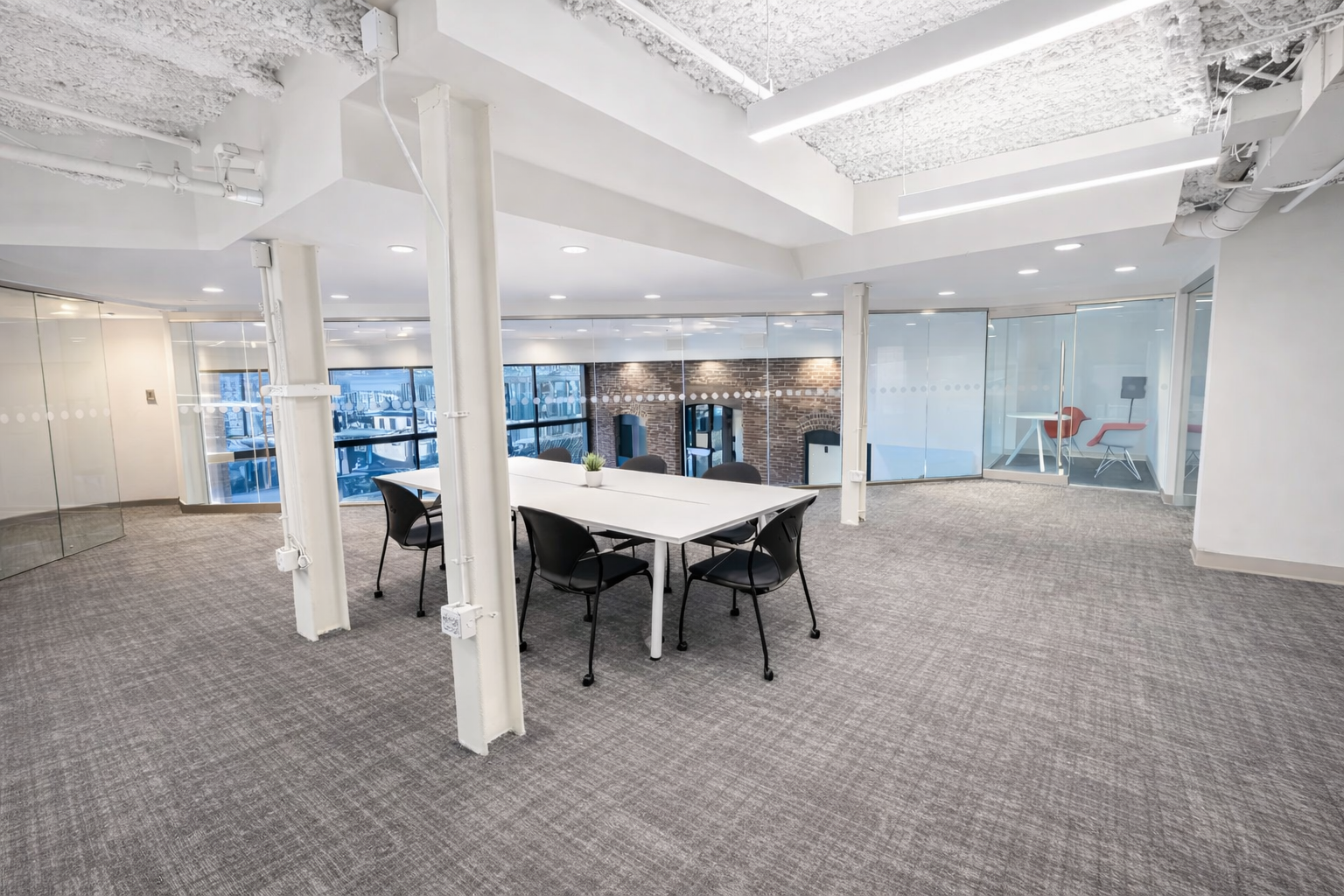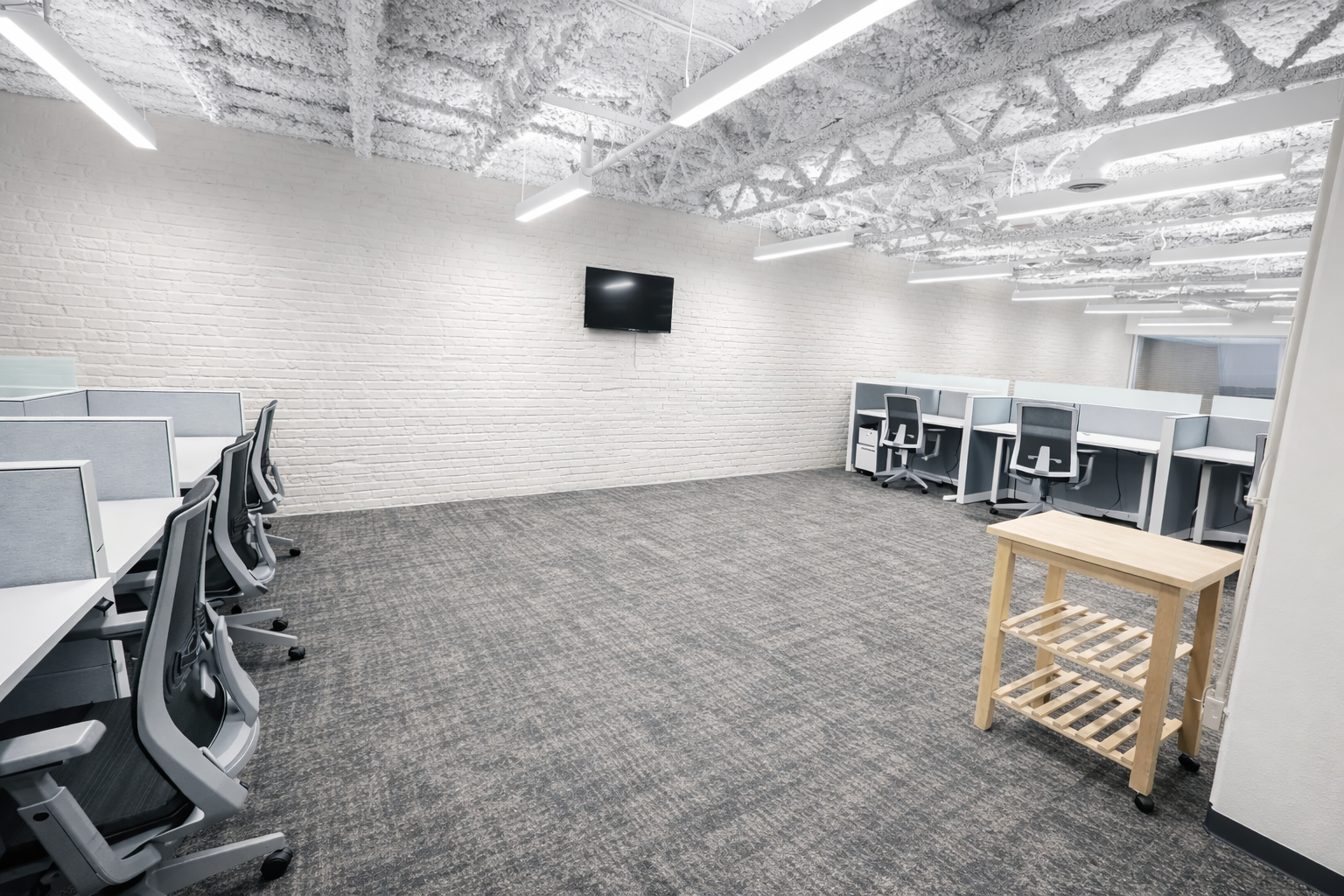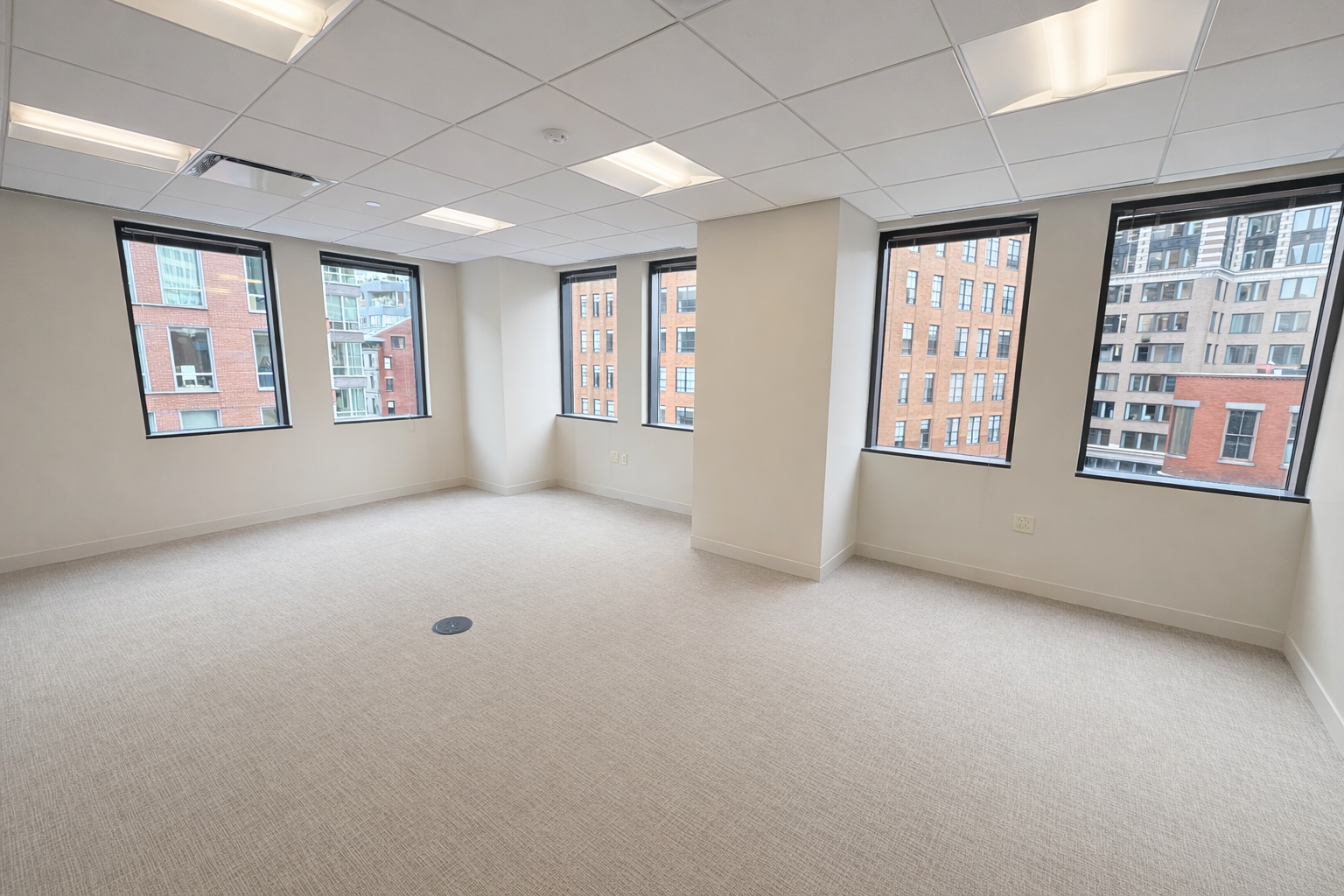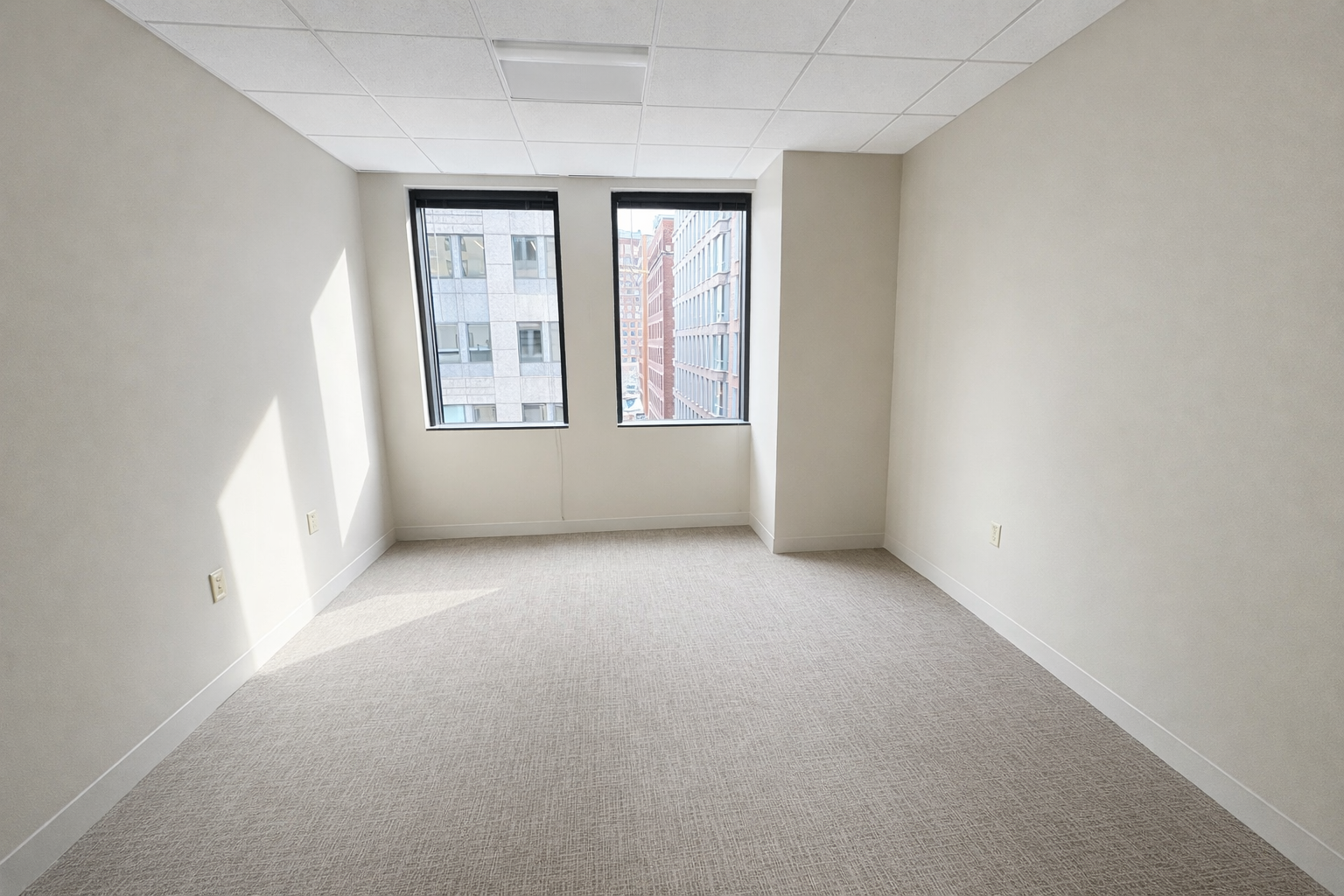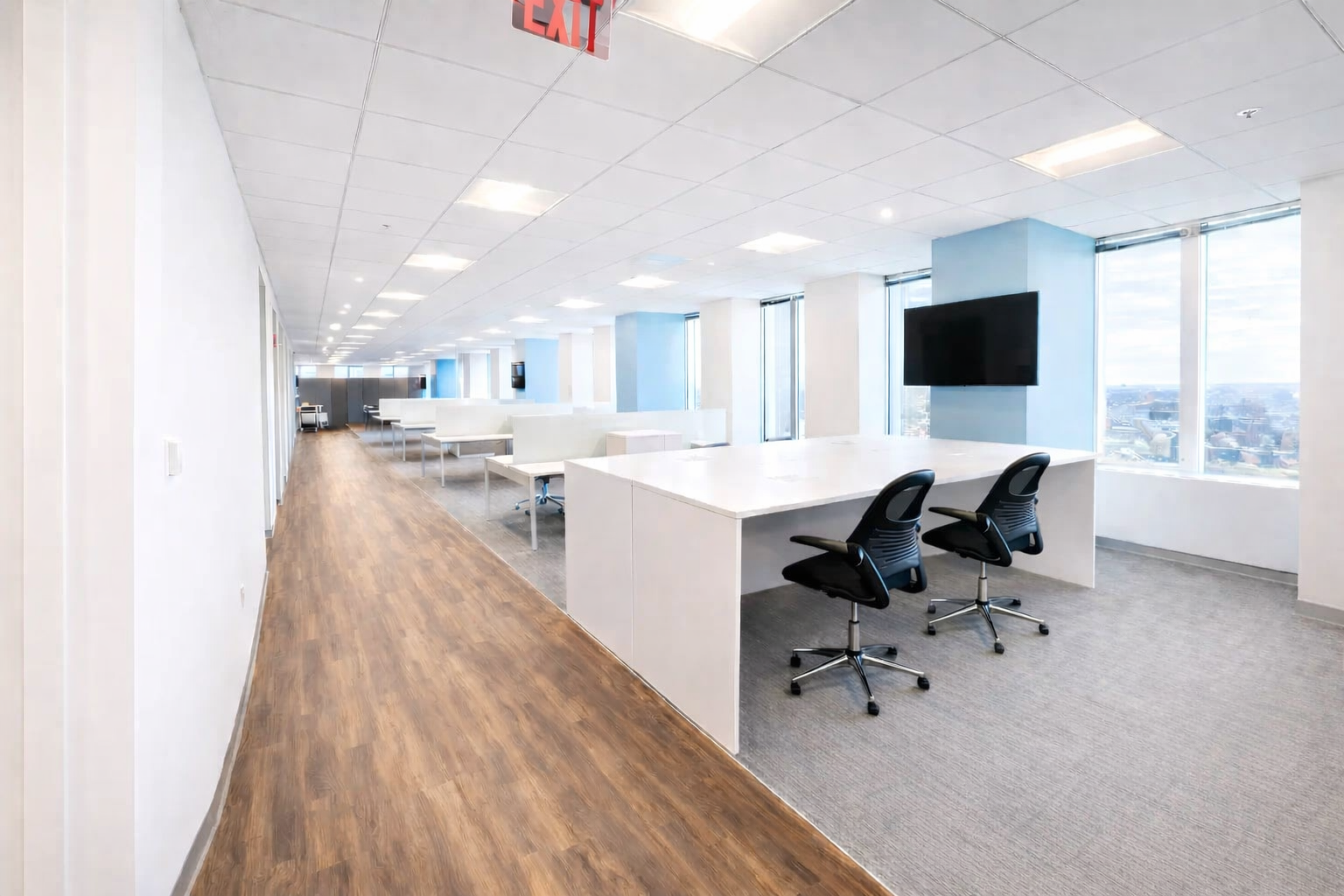

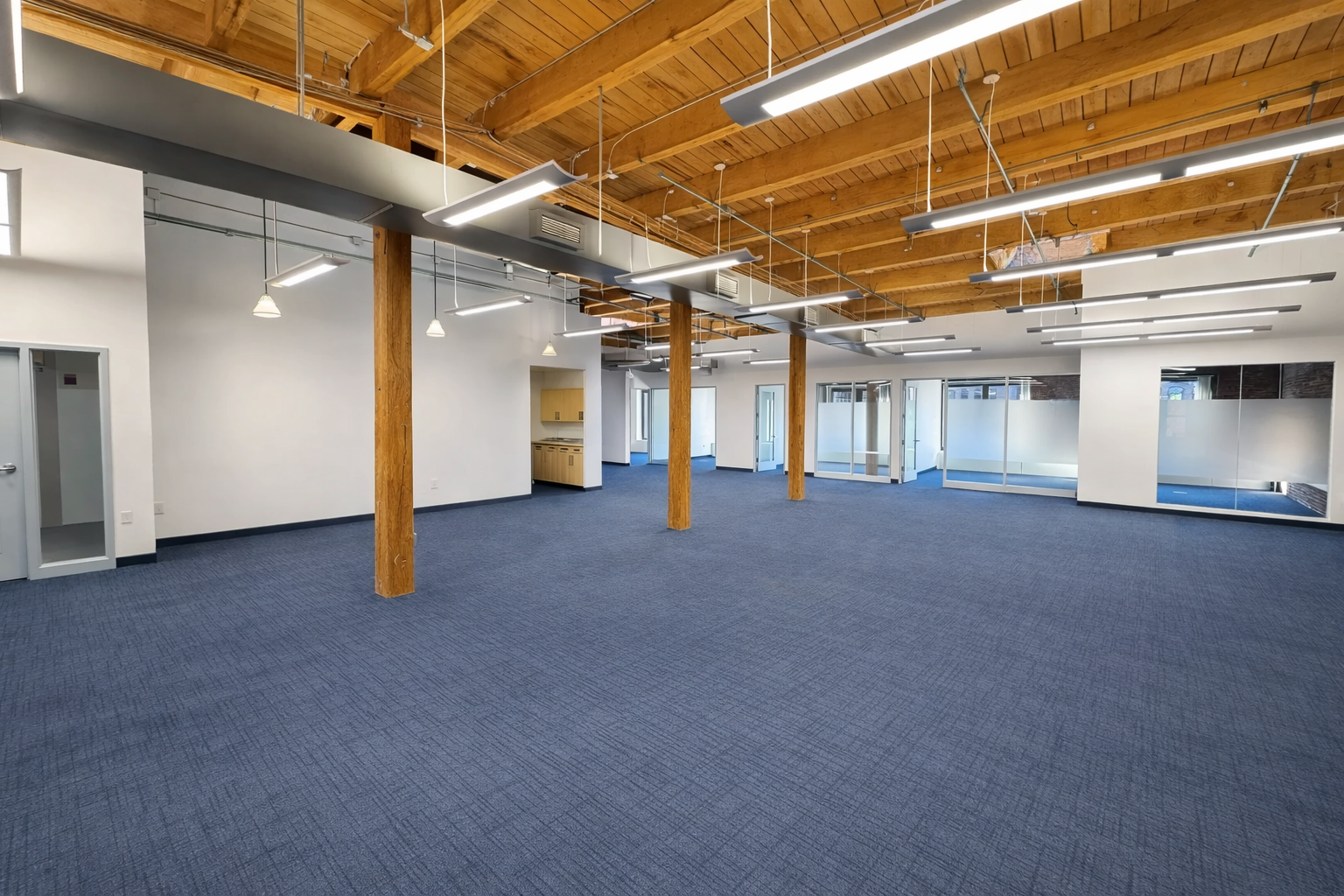
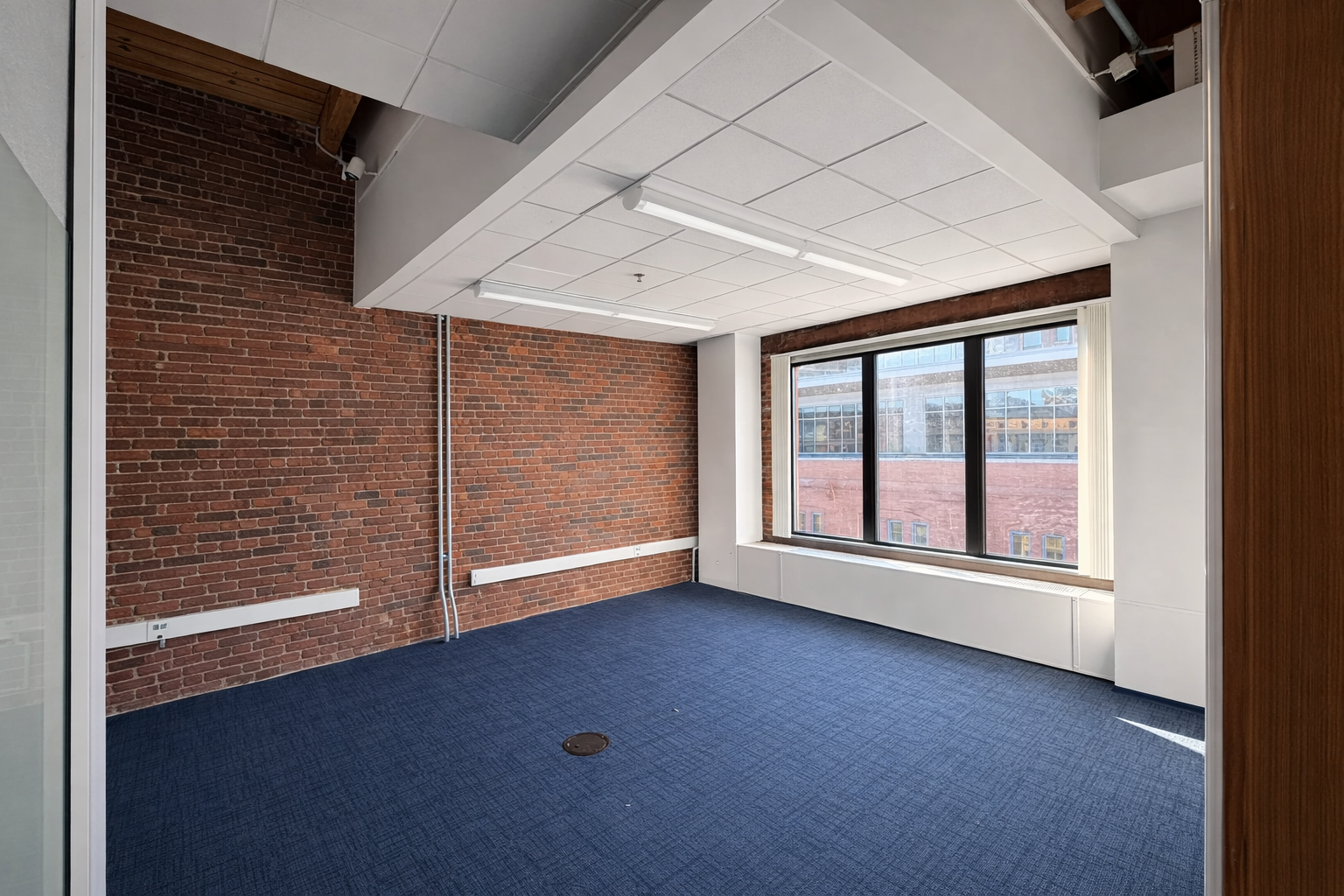
Seaport
$23,660/mo
25-49 people
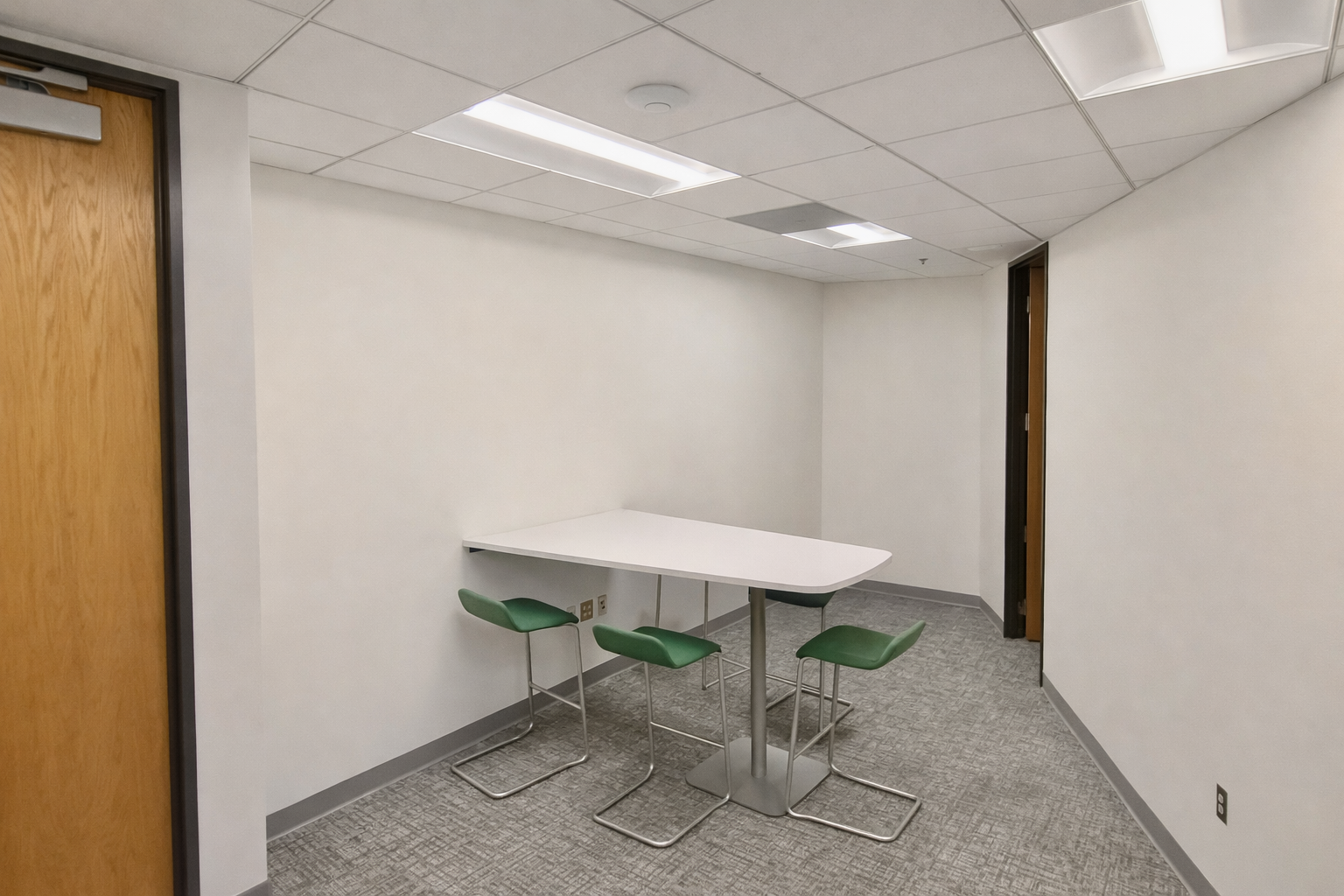
4 Meeting Rooms
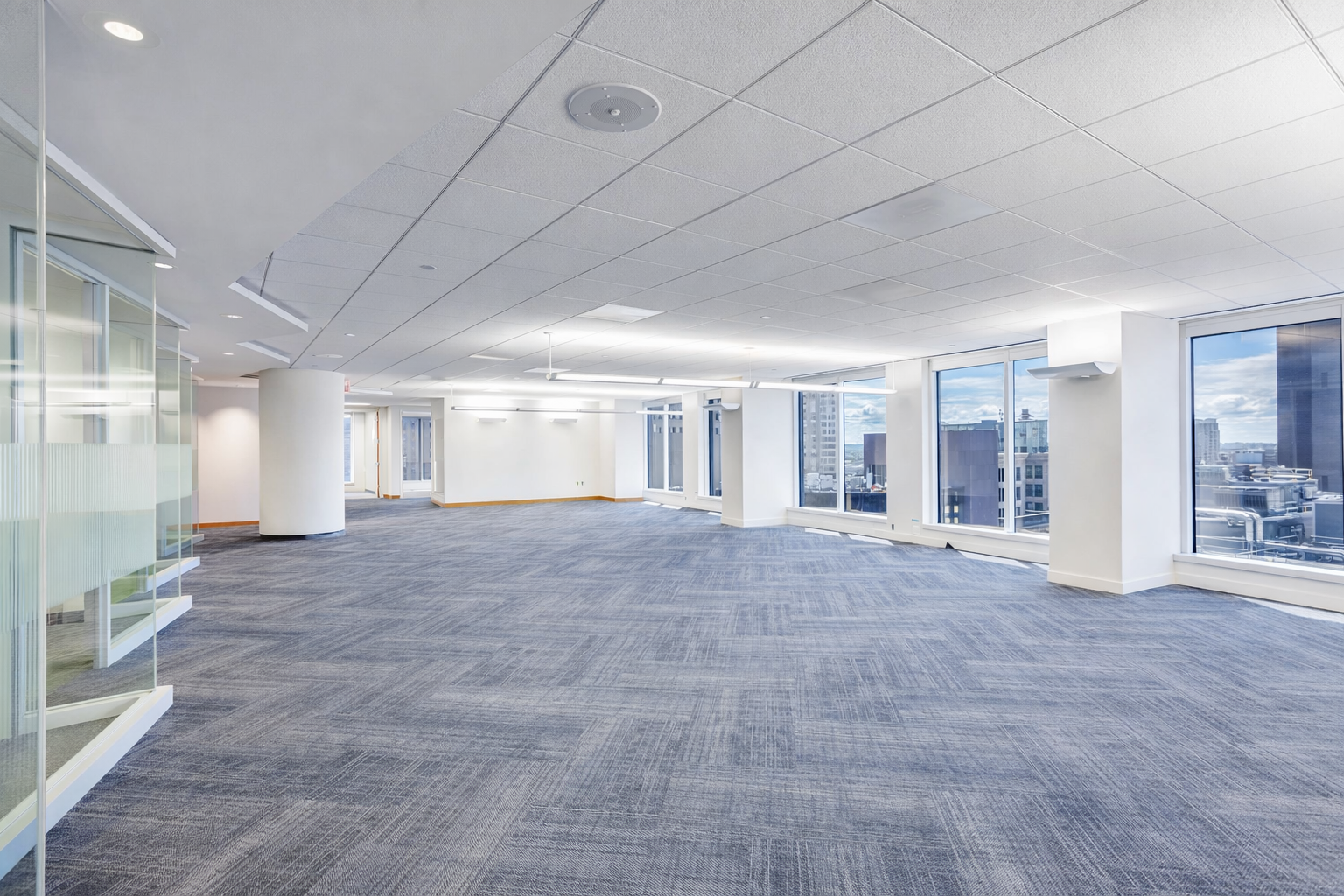
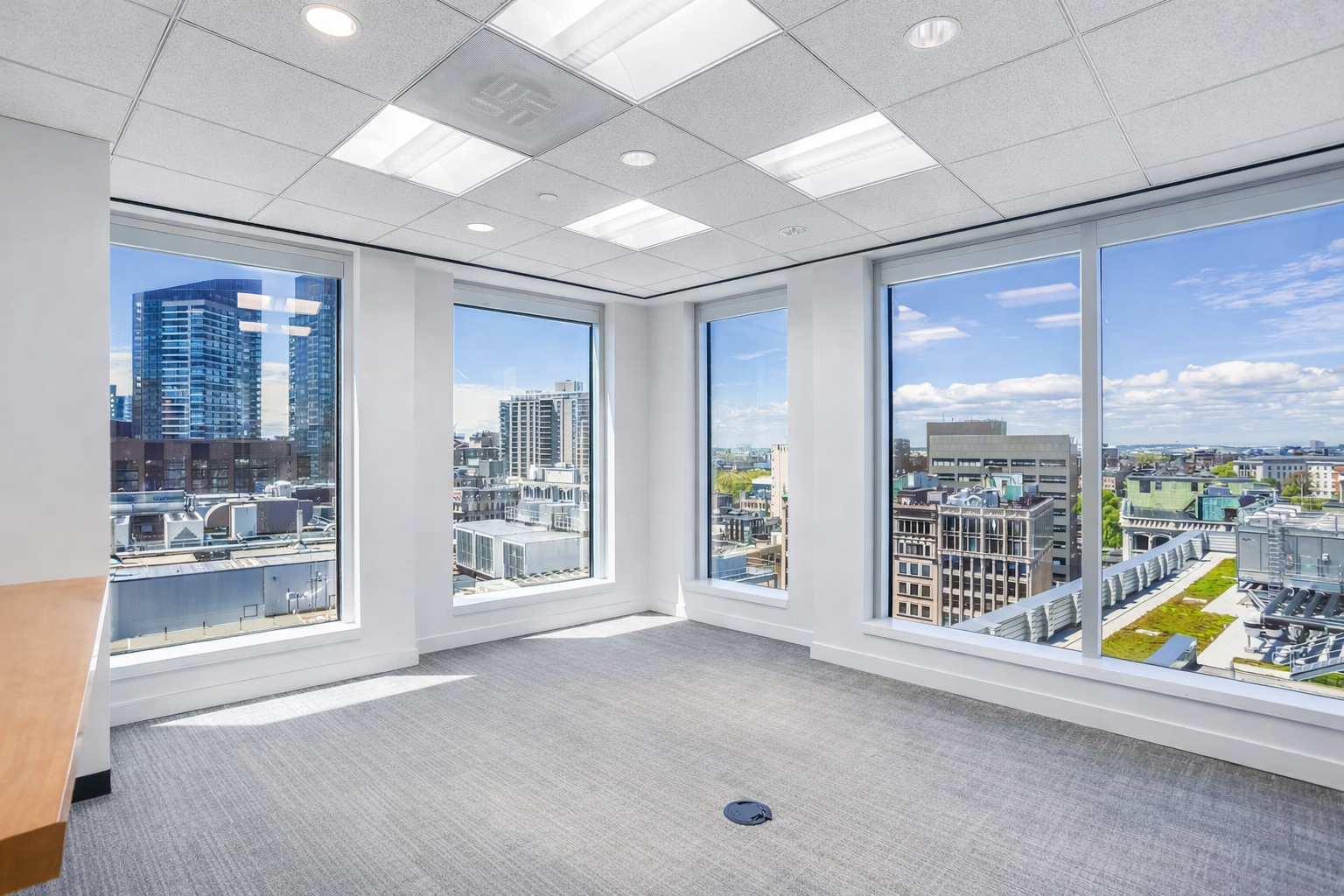
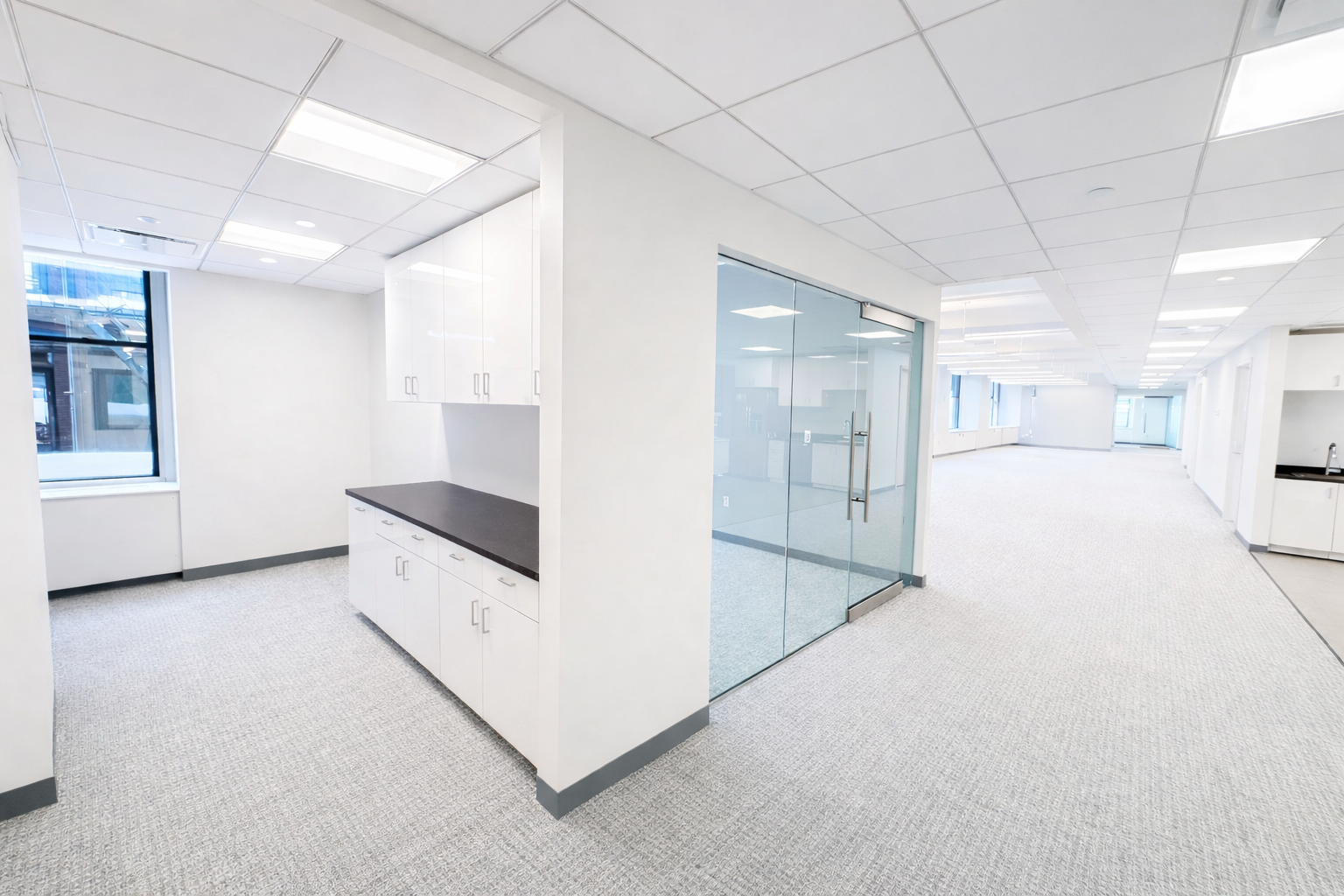
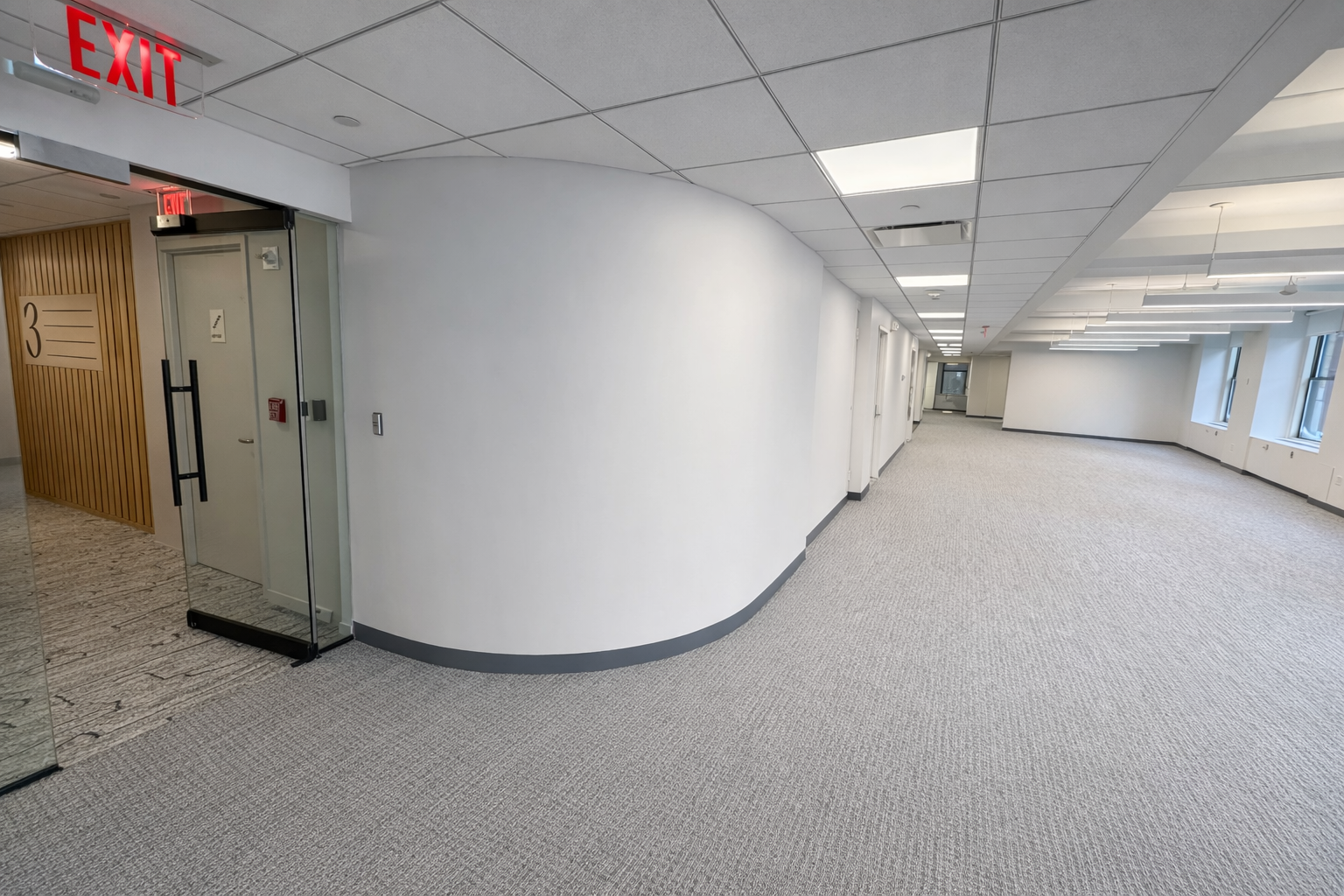
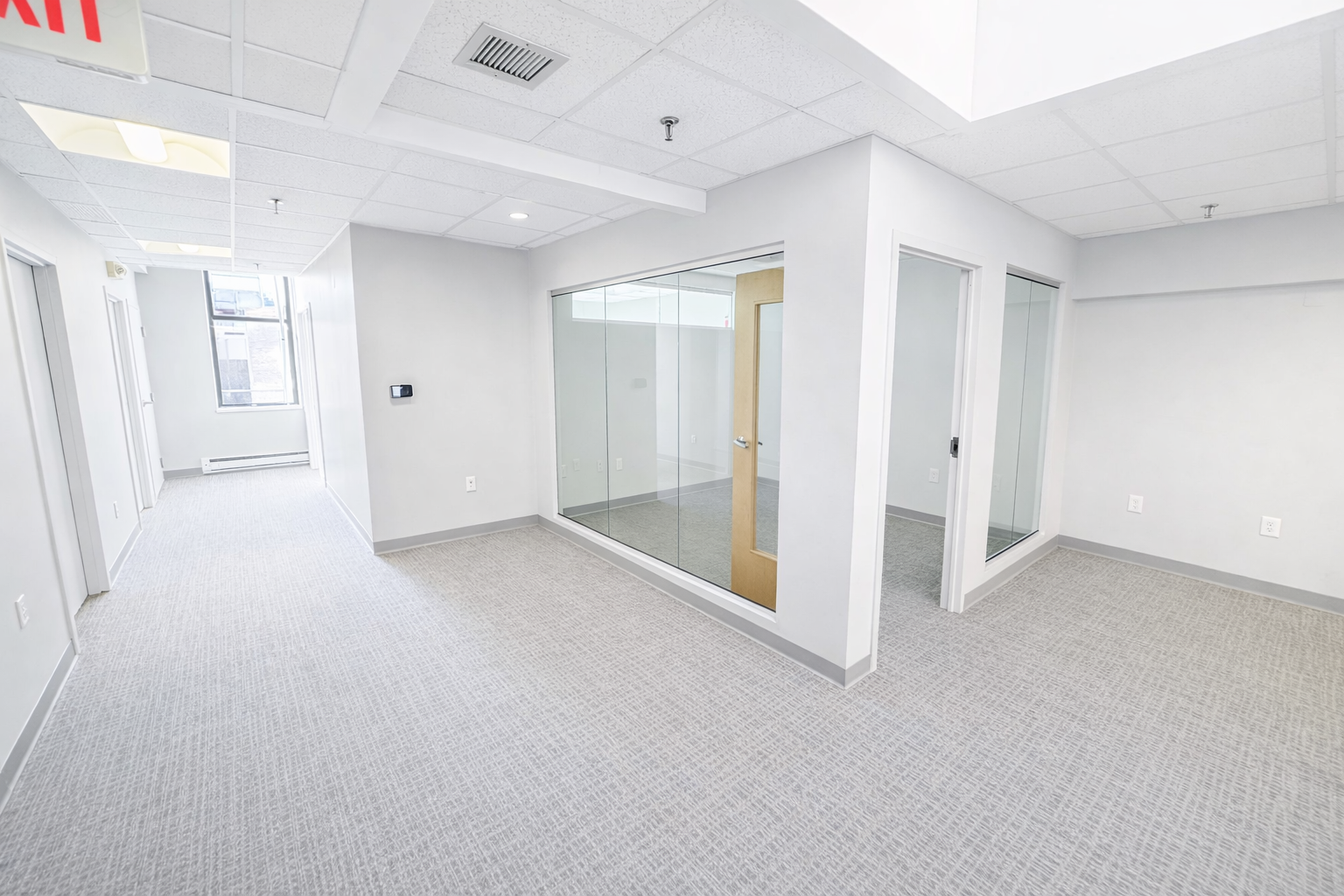
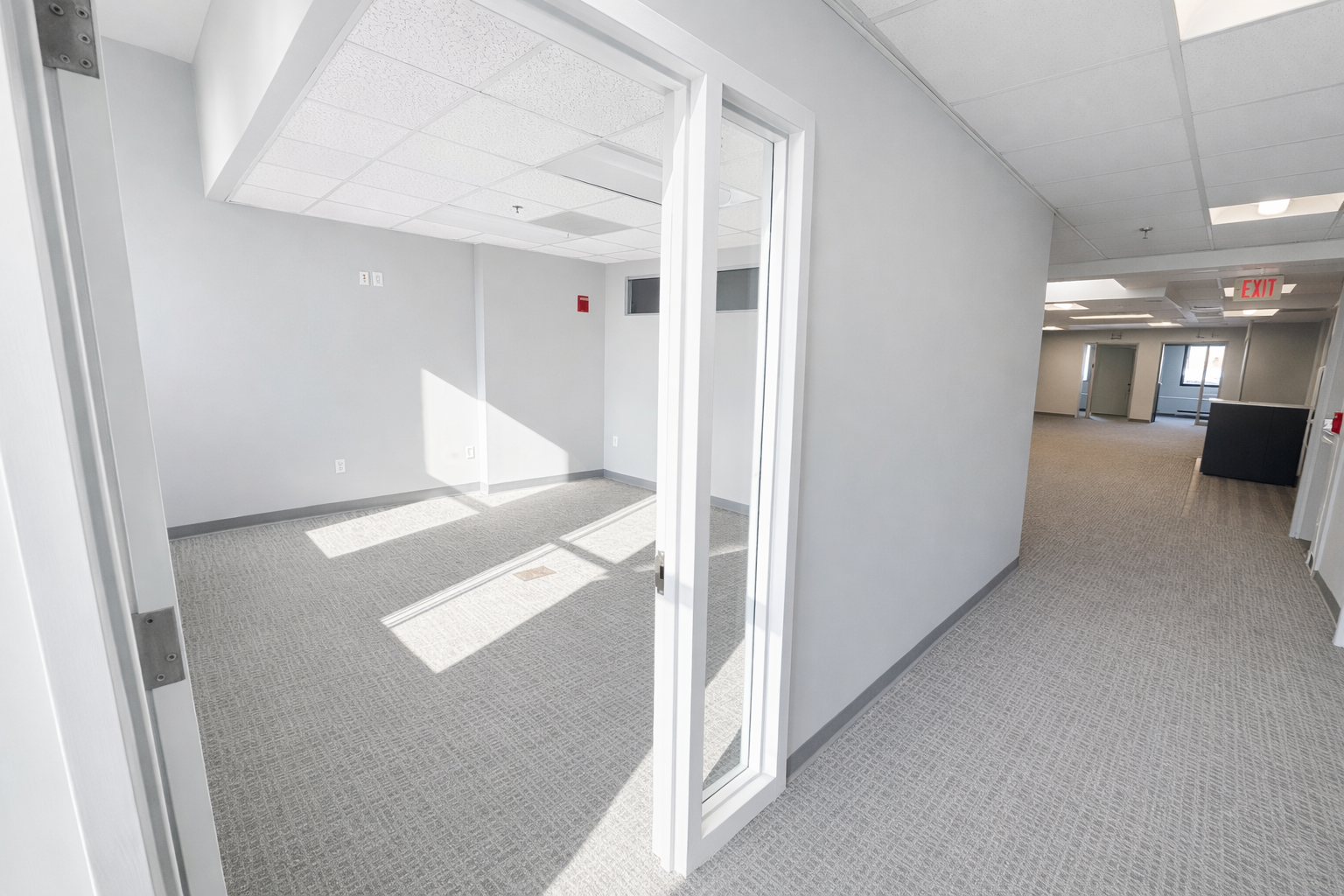
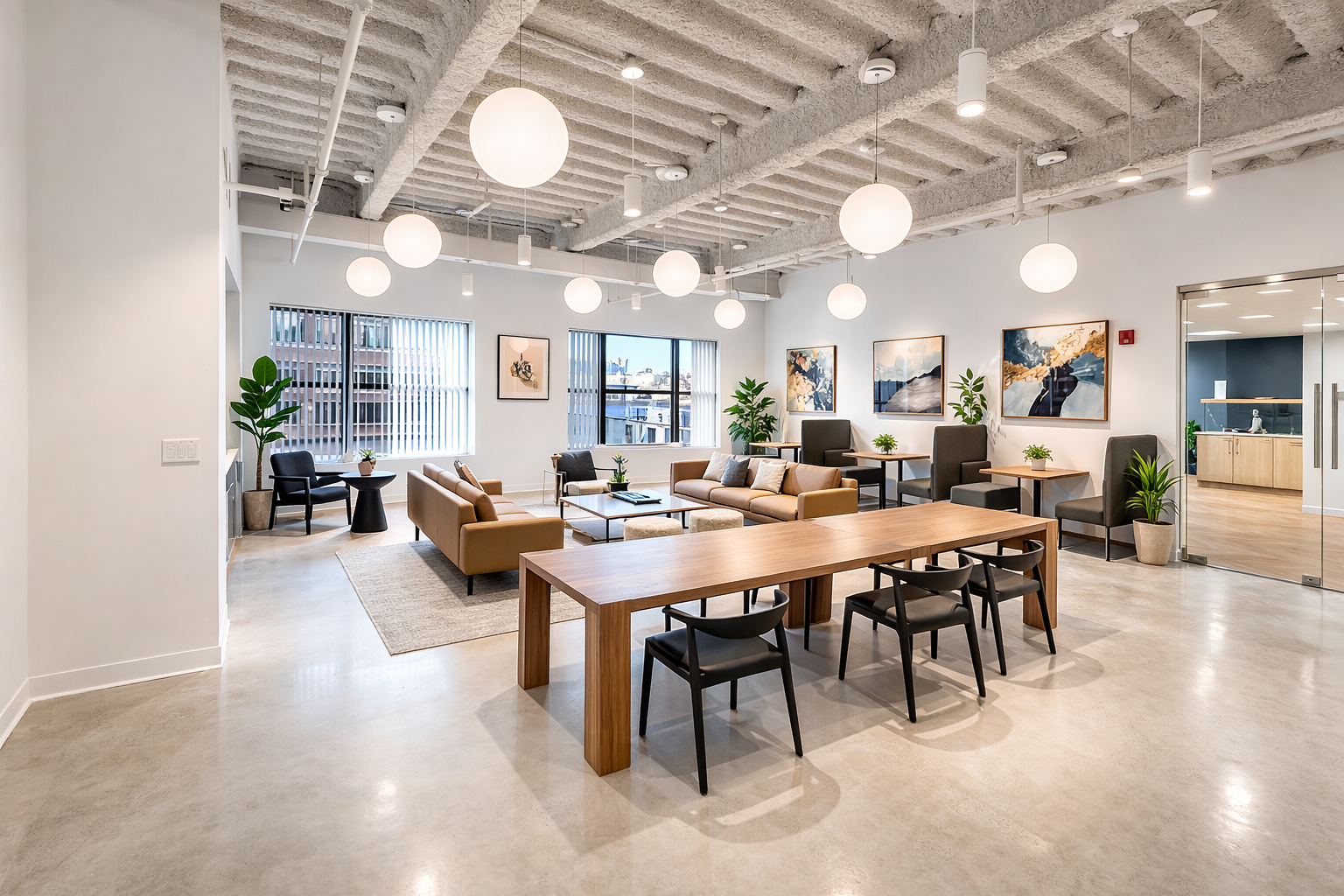
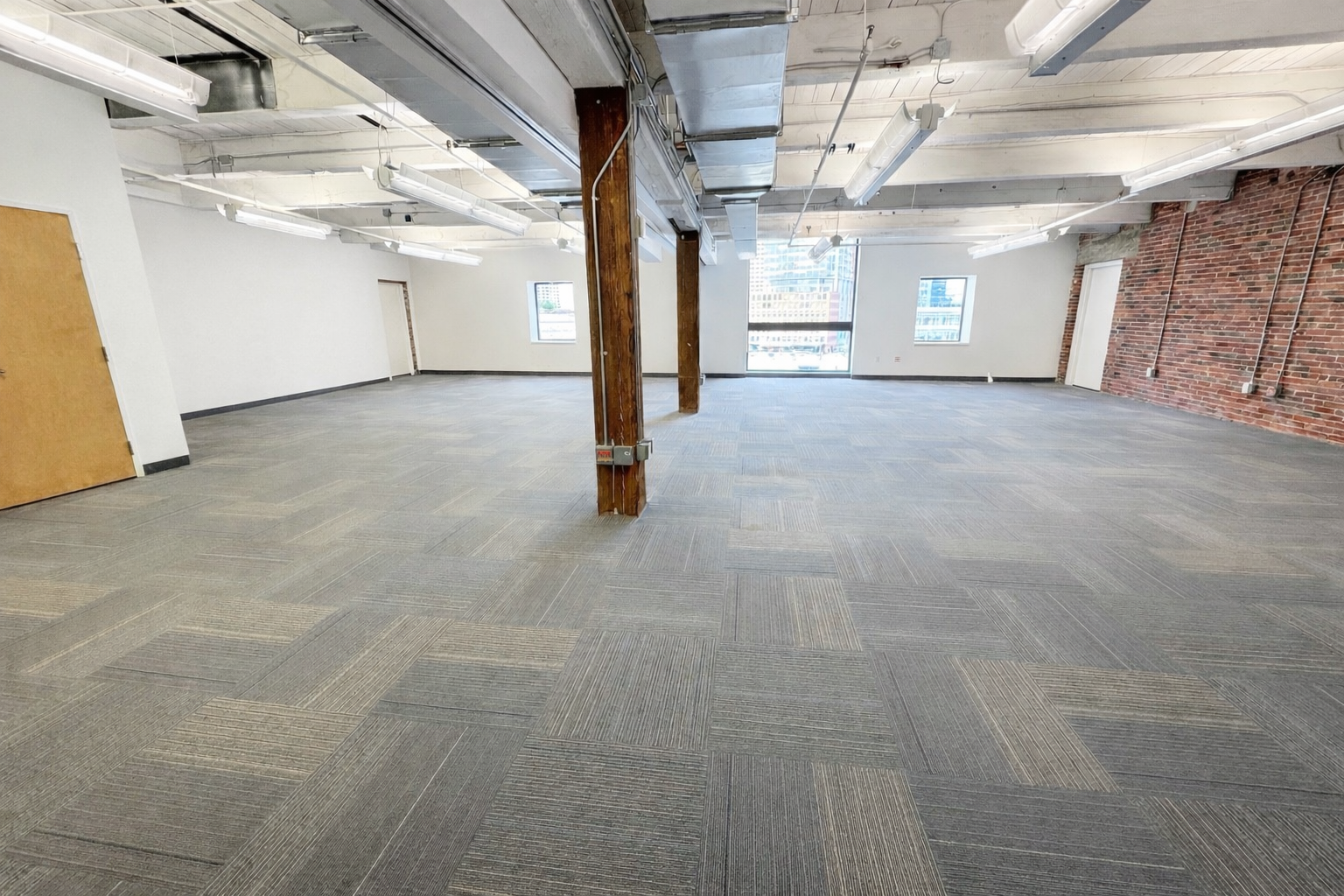
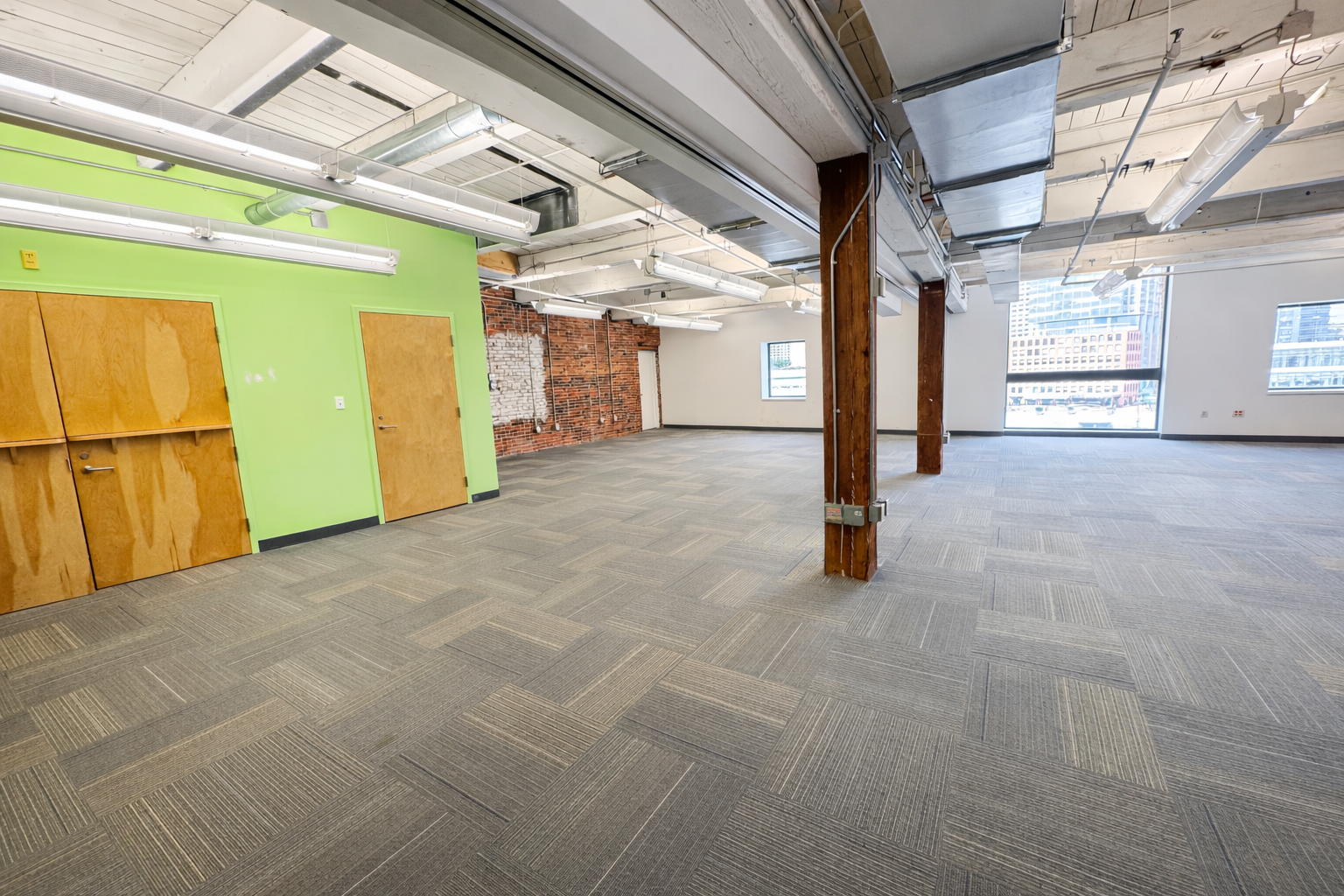
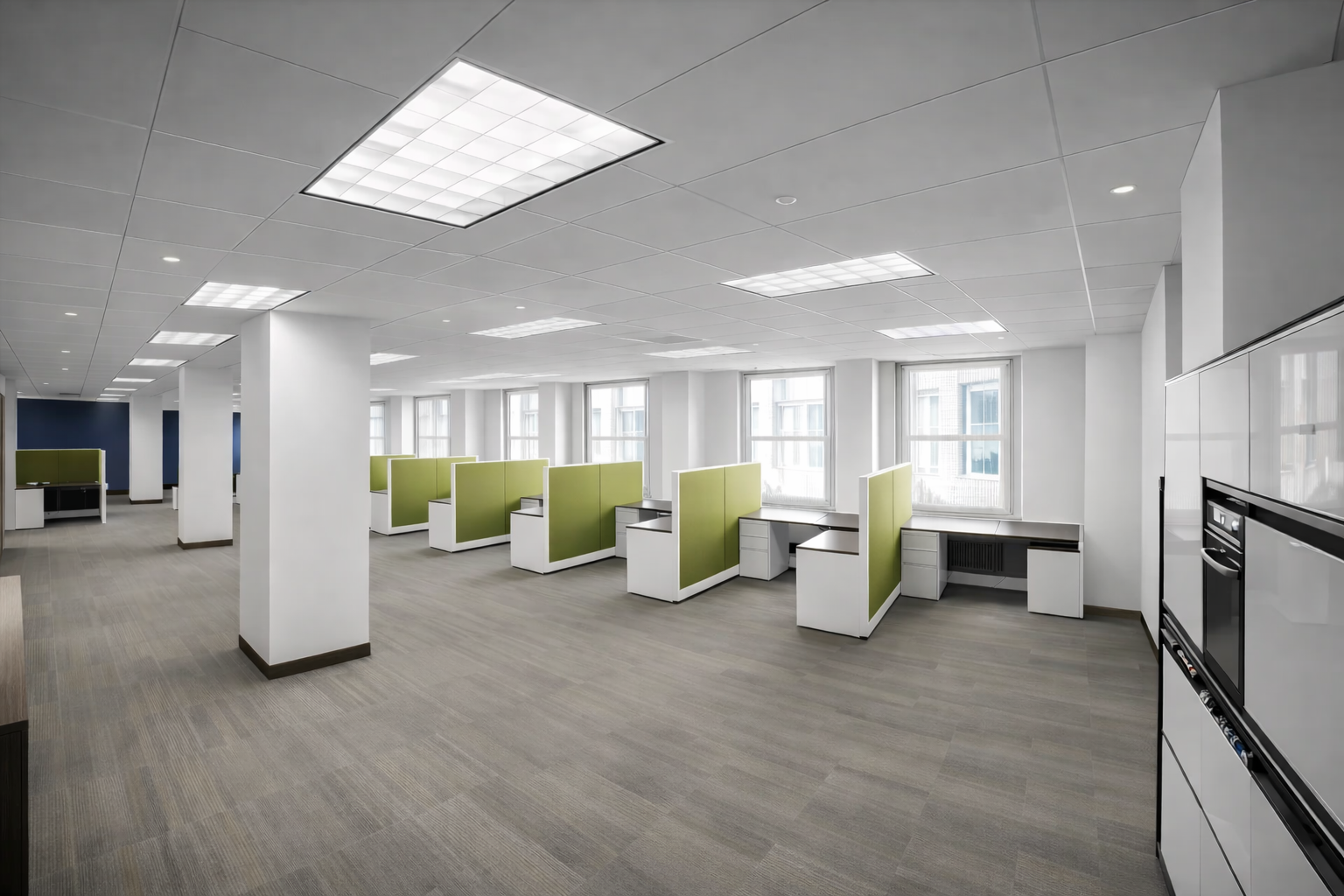
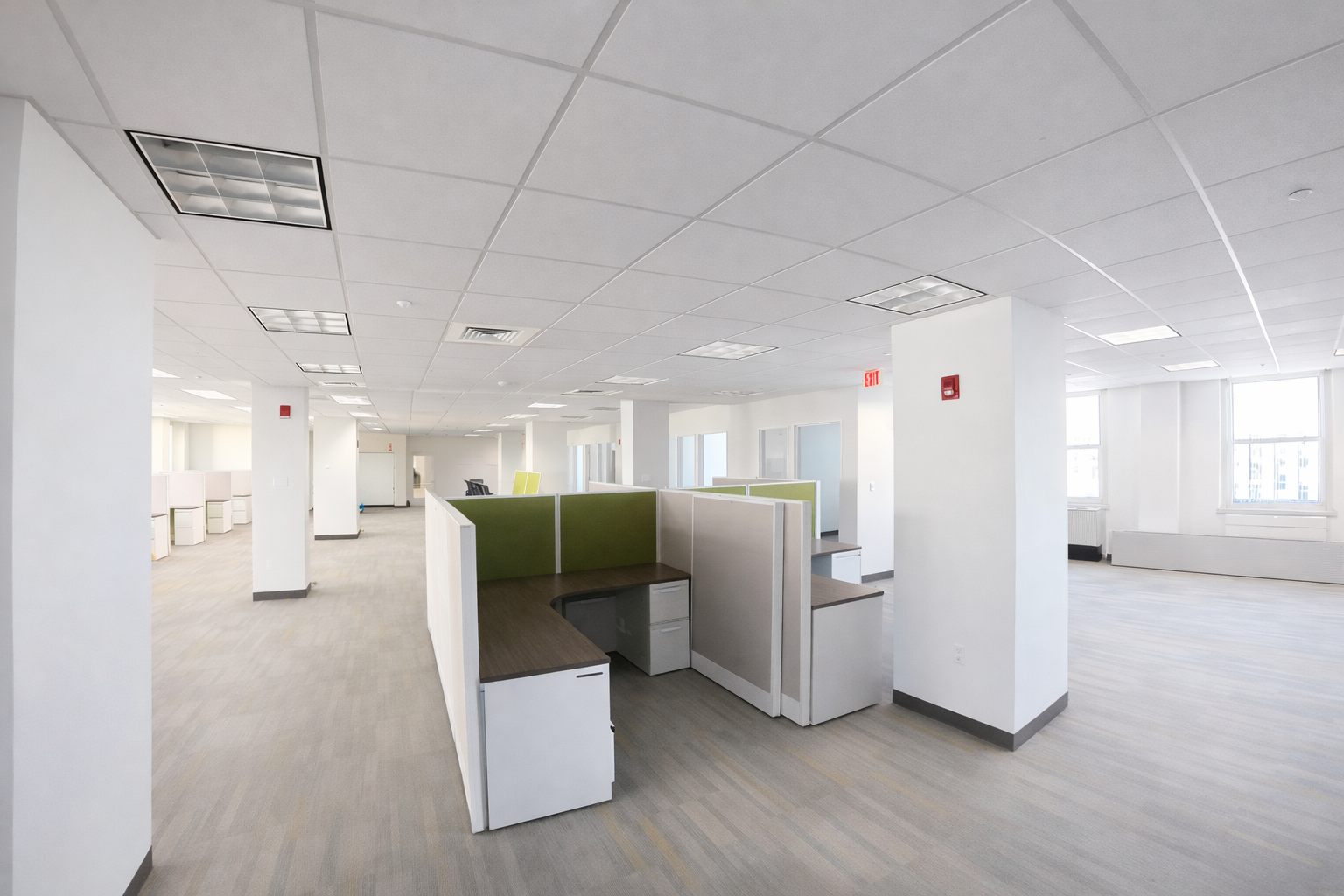
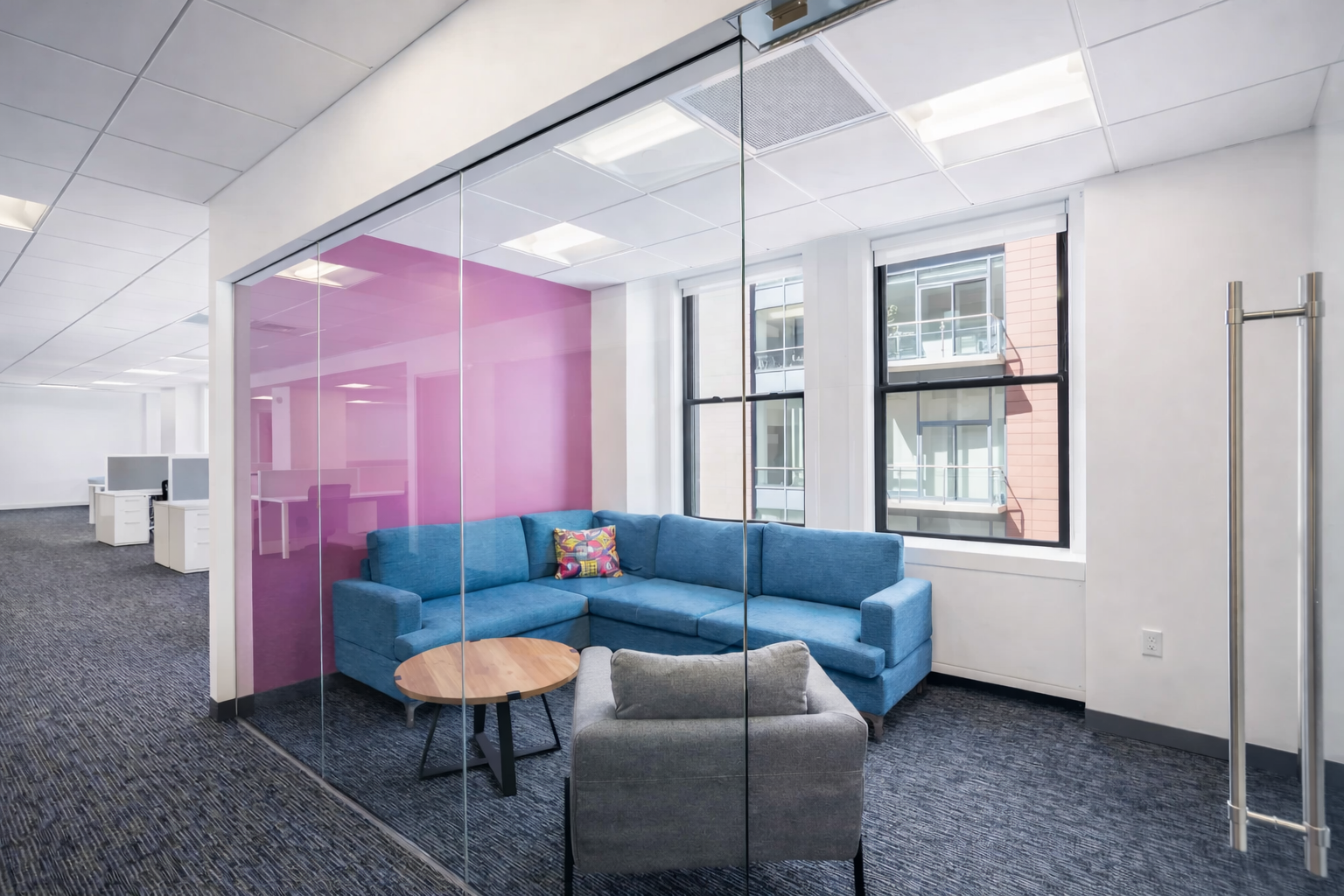
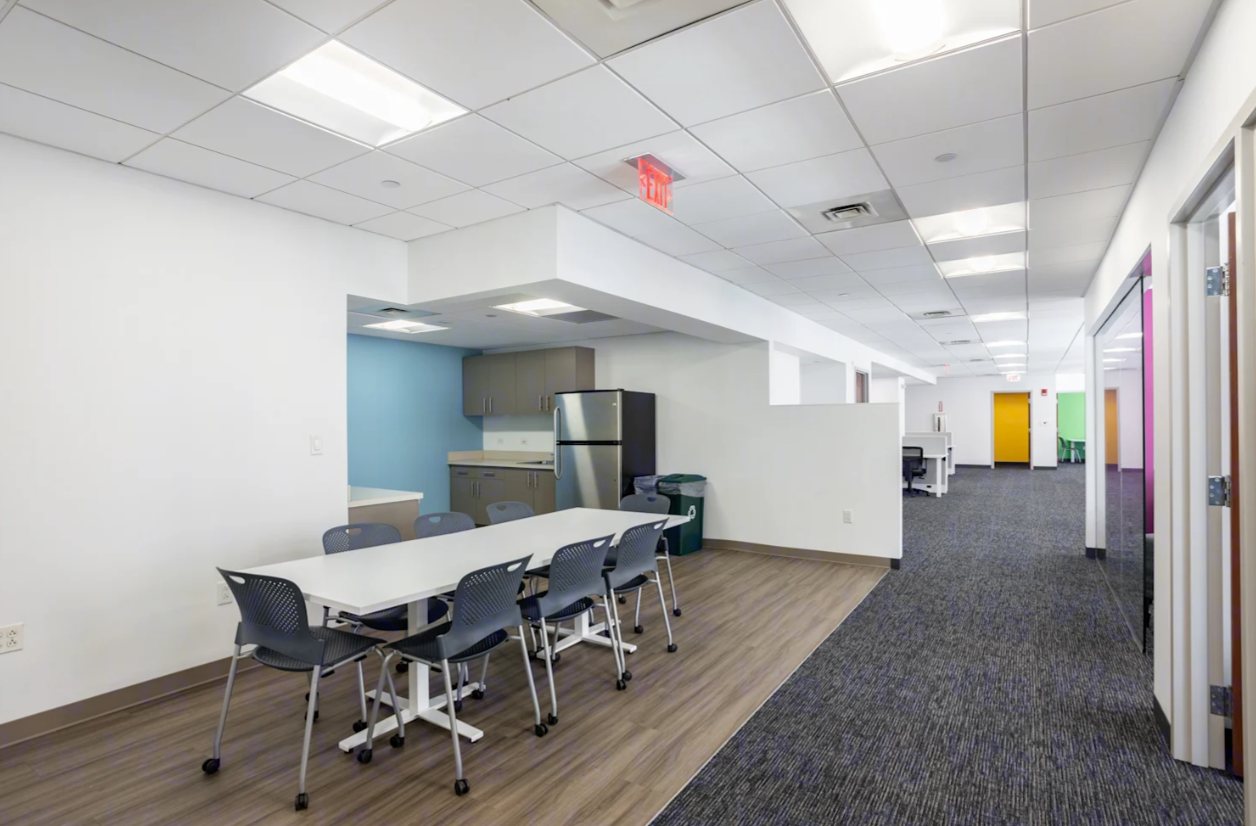
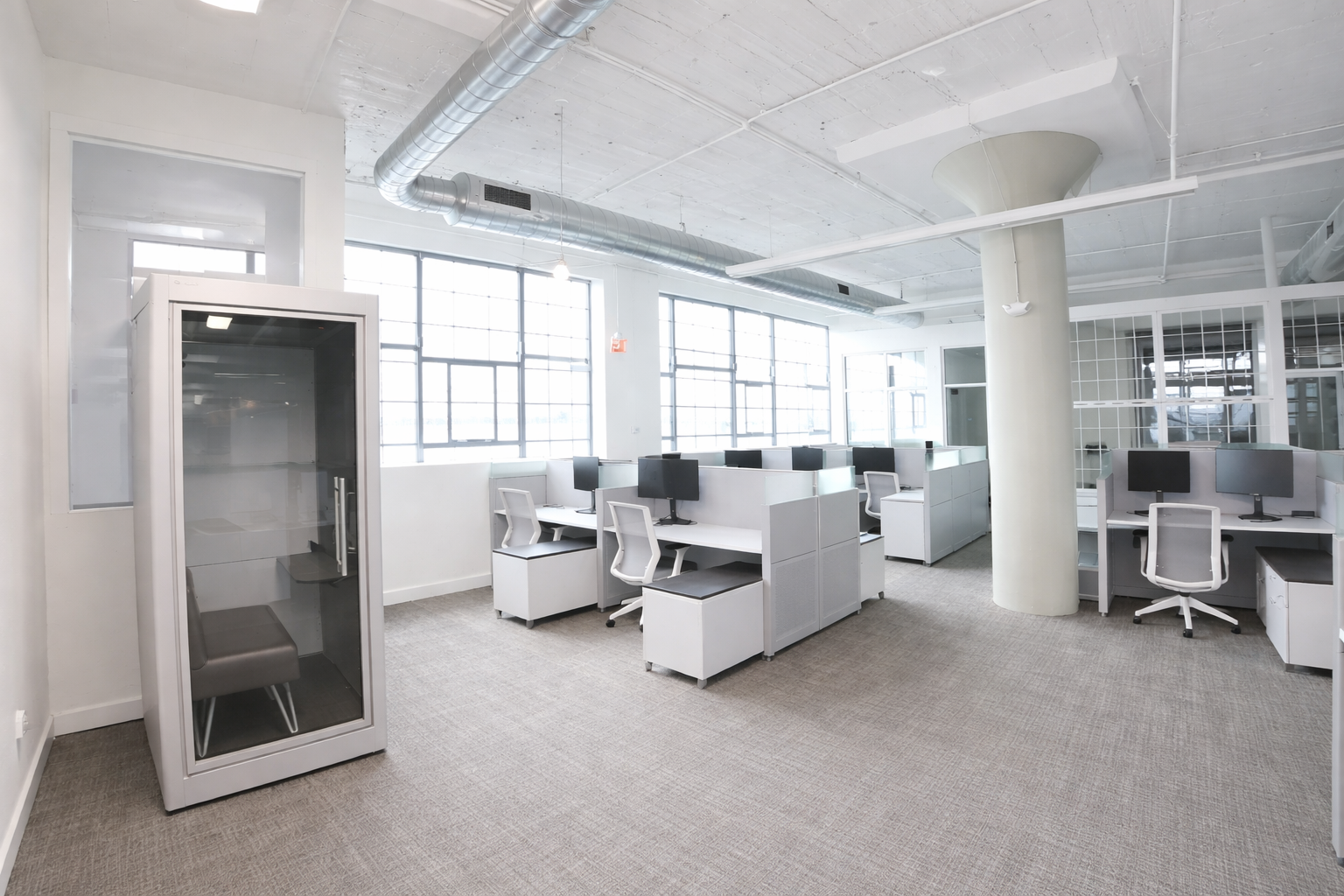
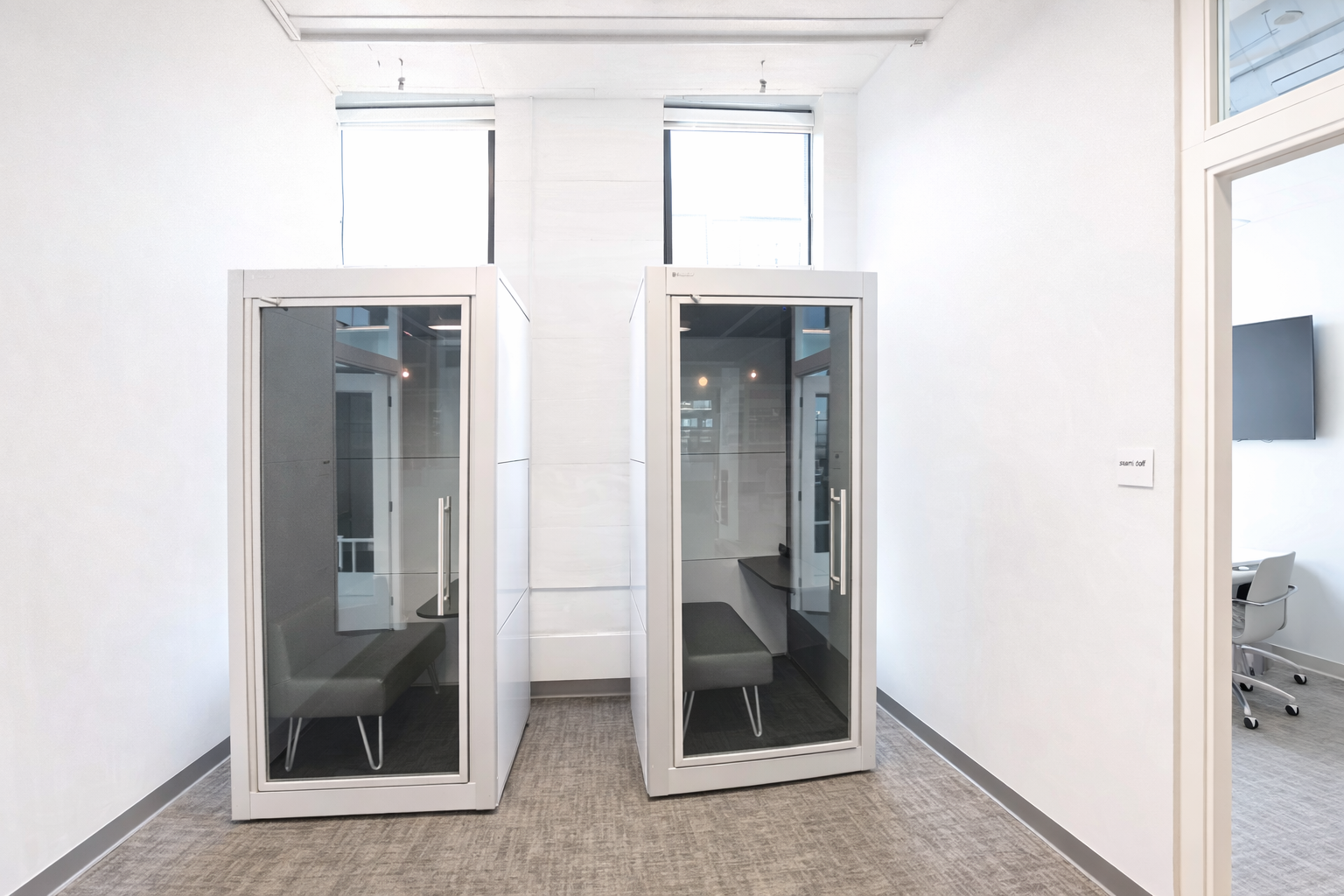
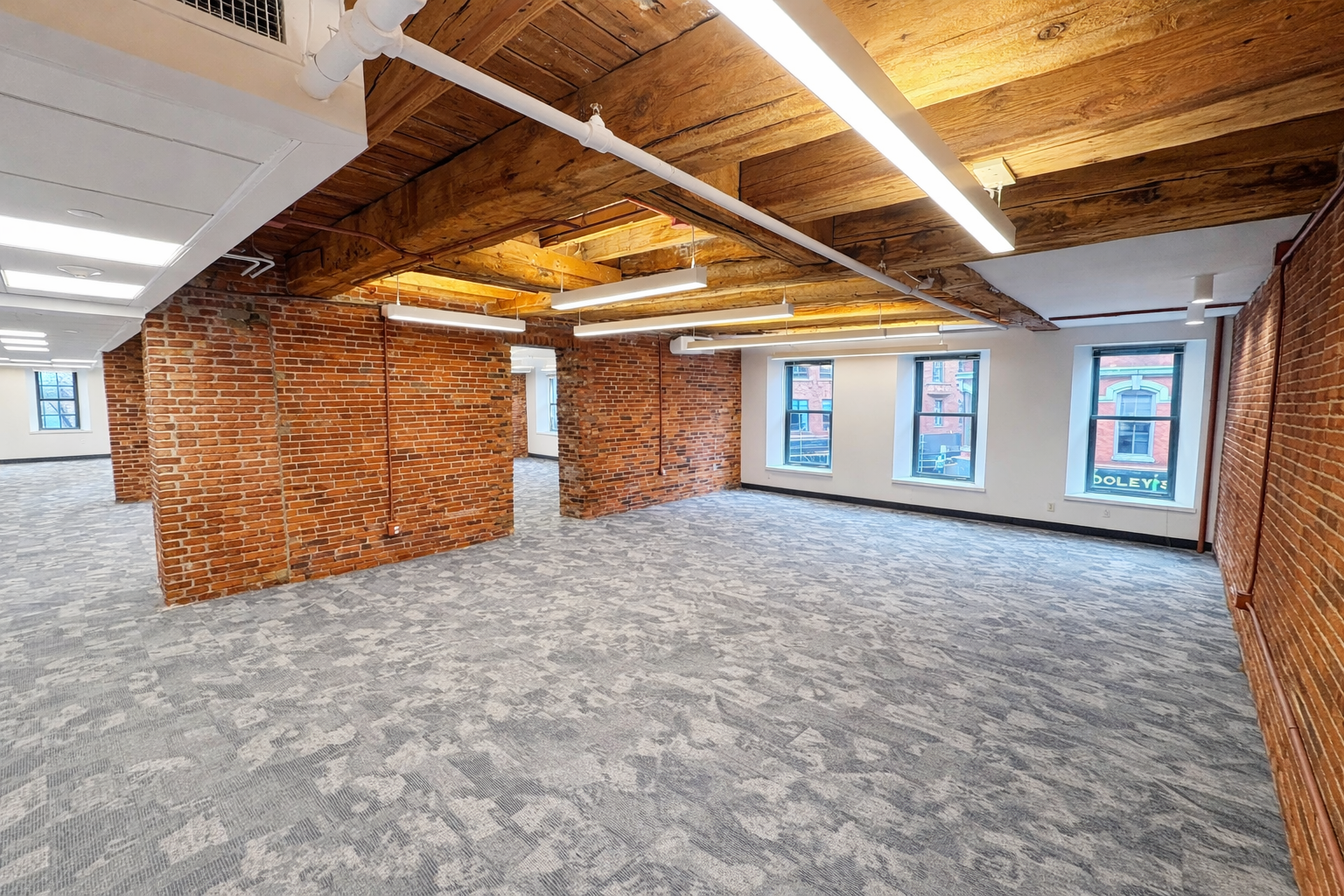
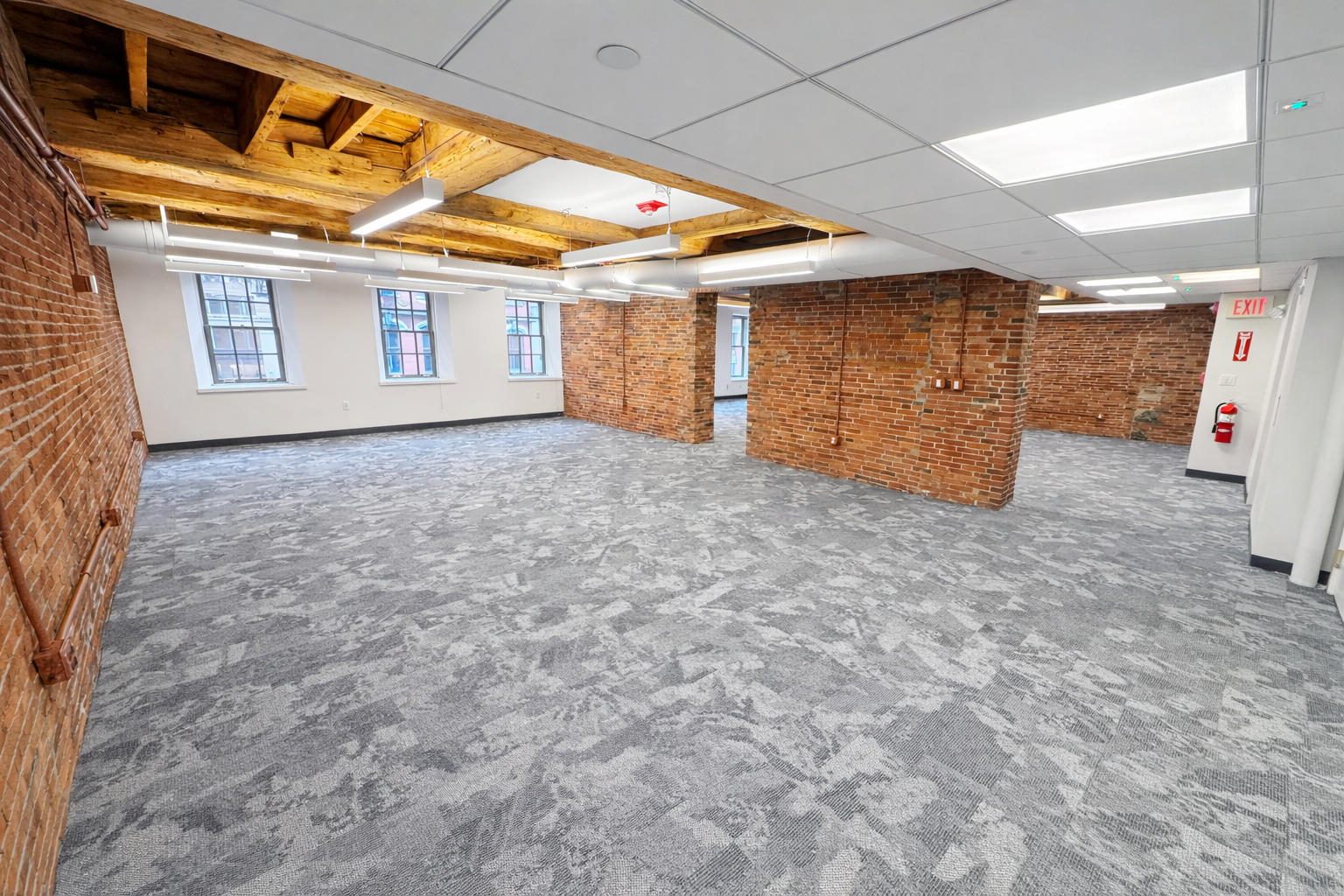
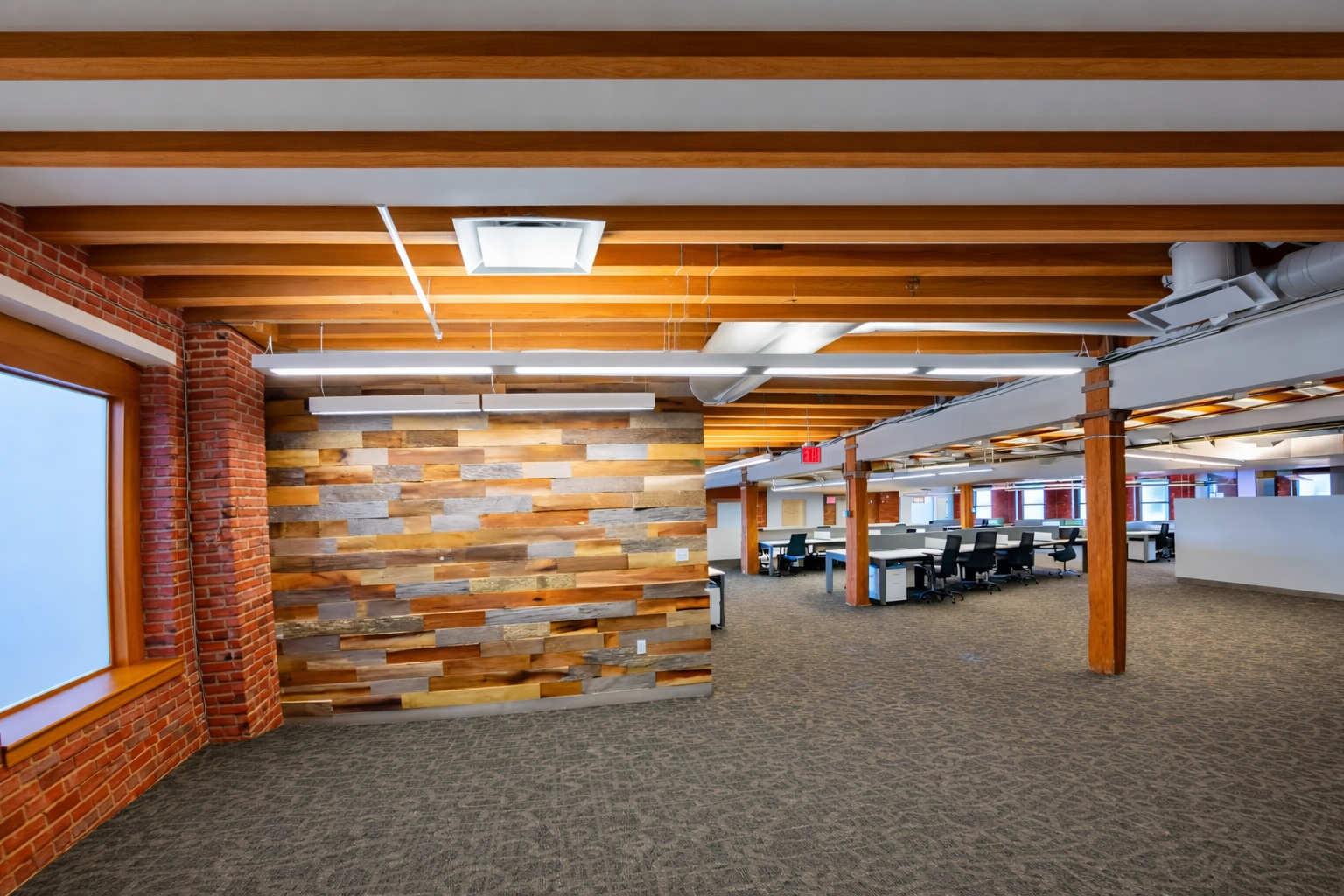
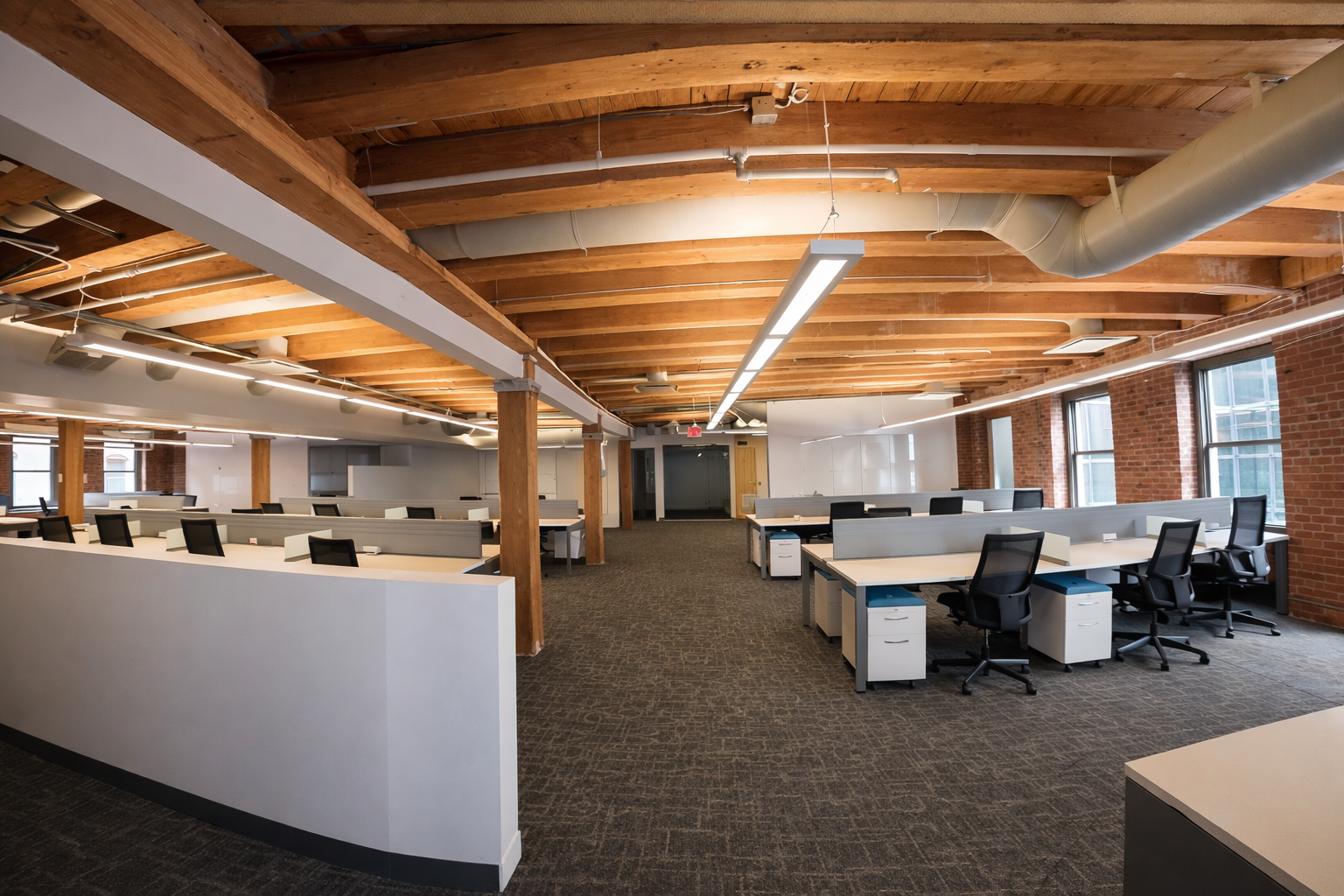
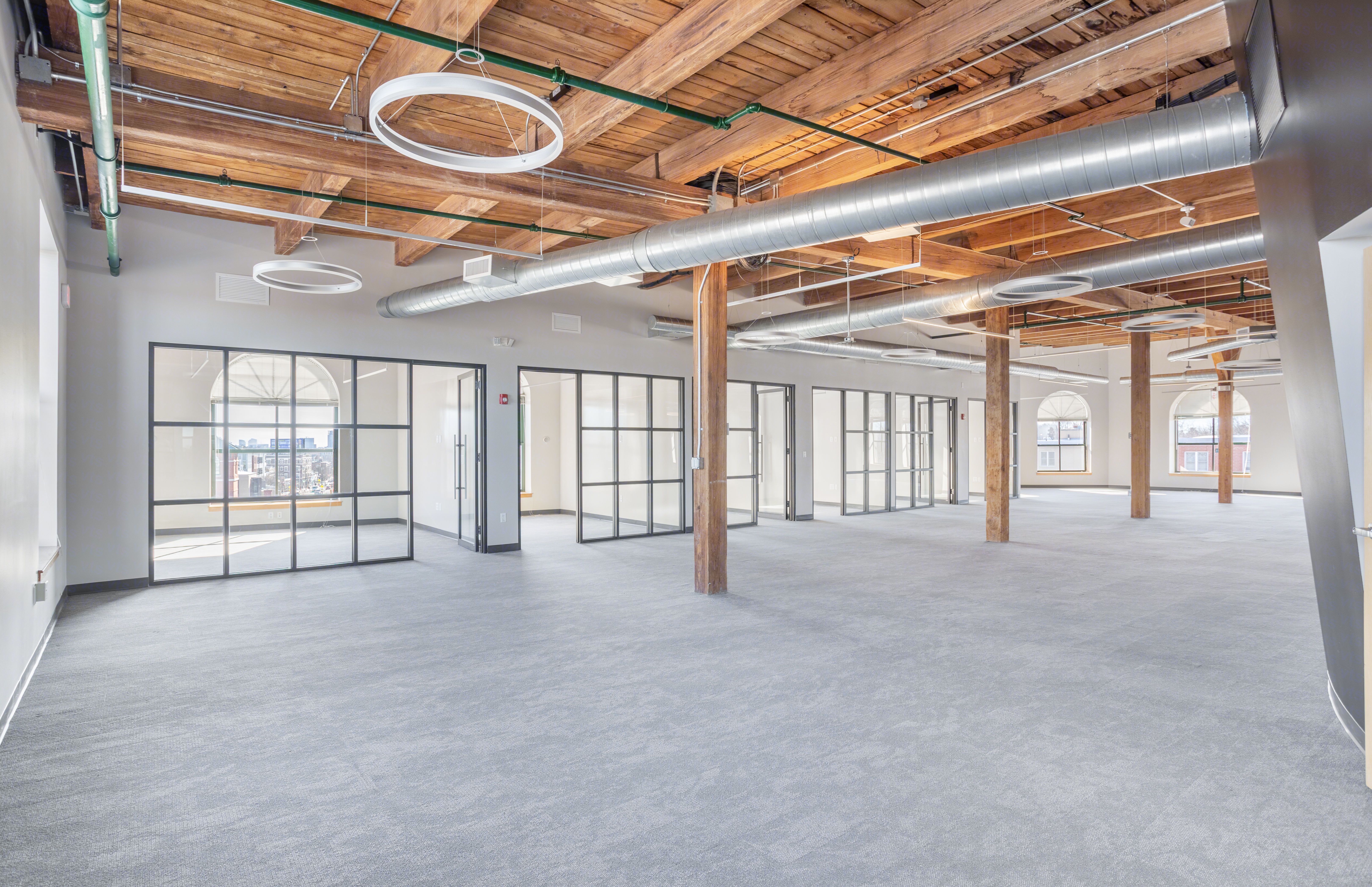
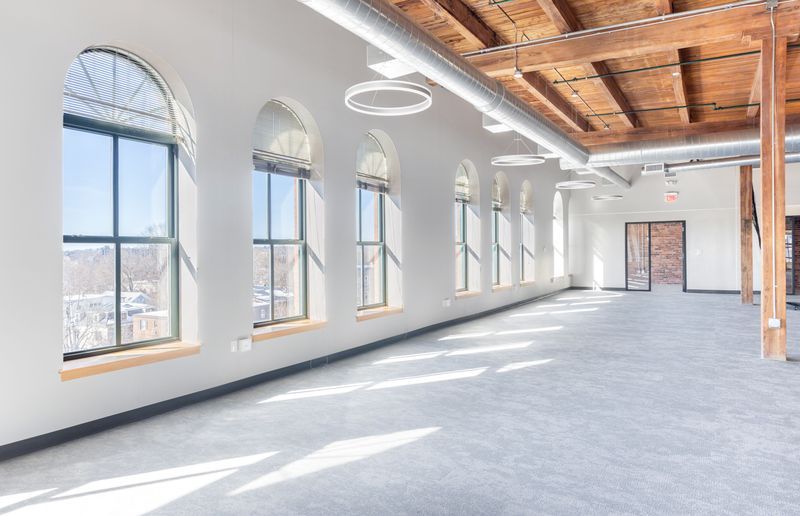
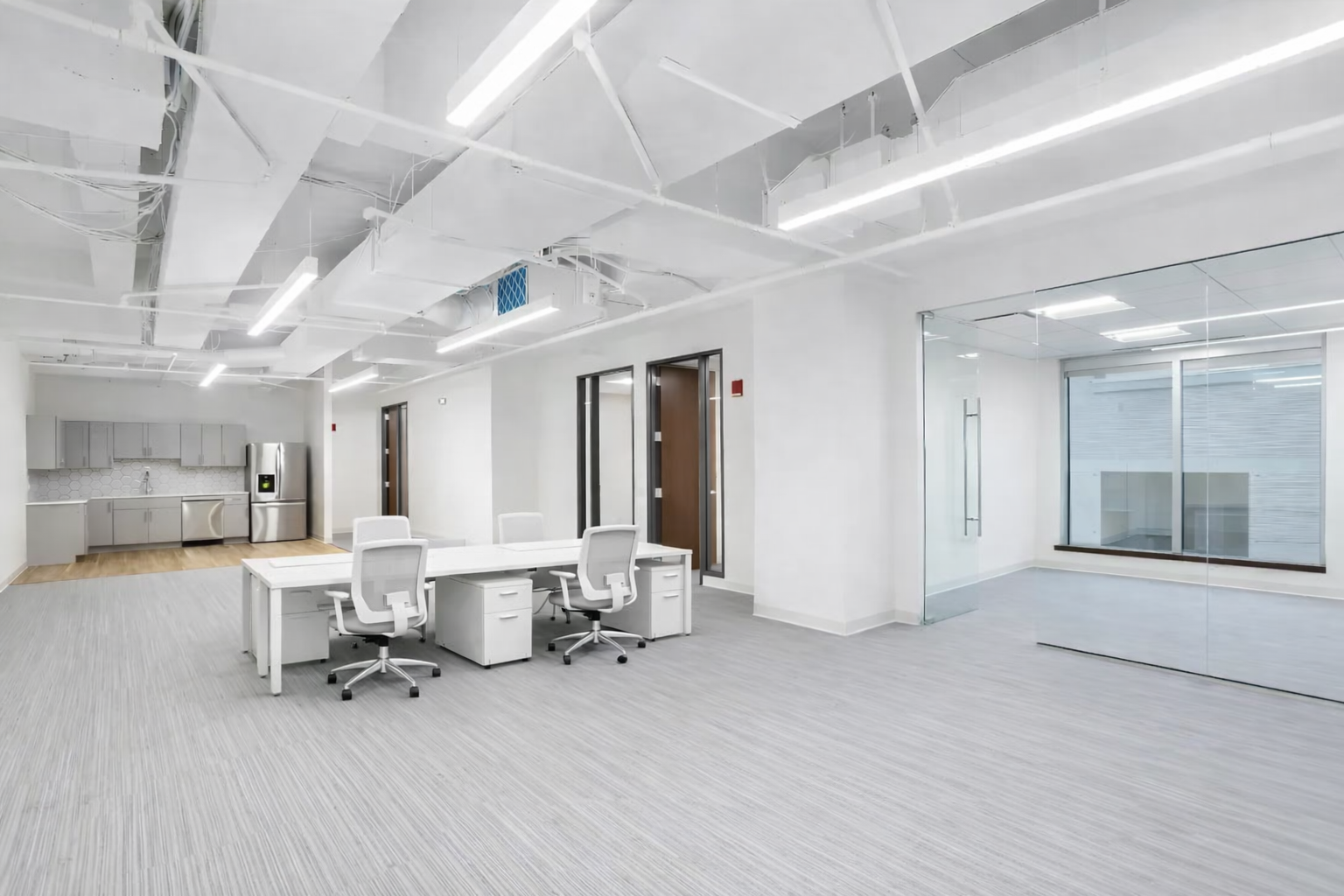
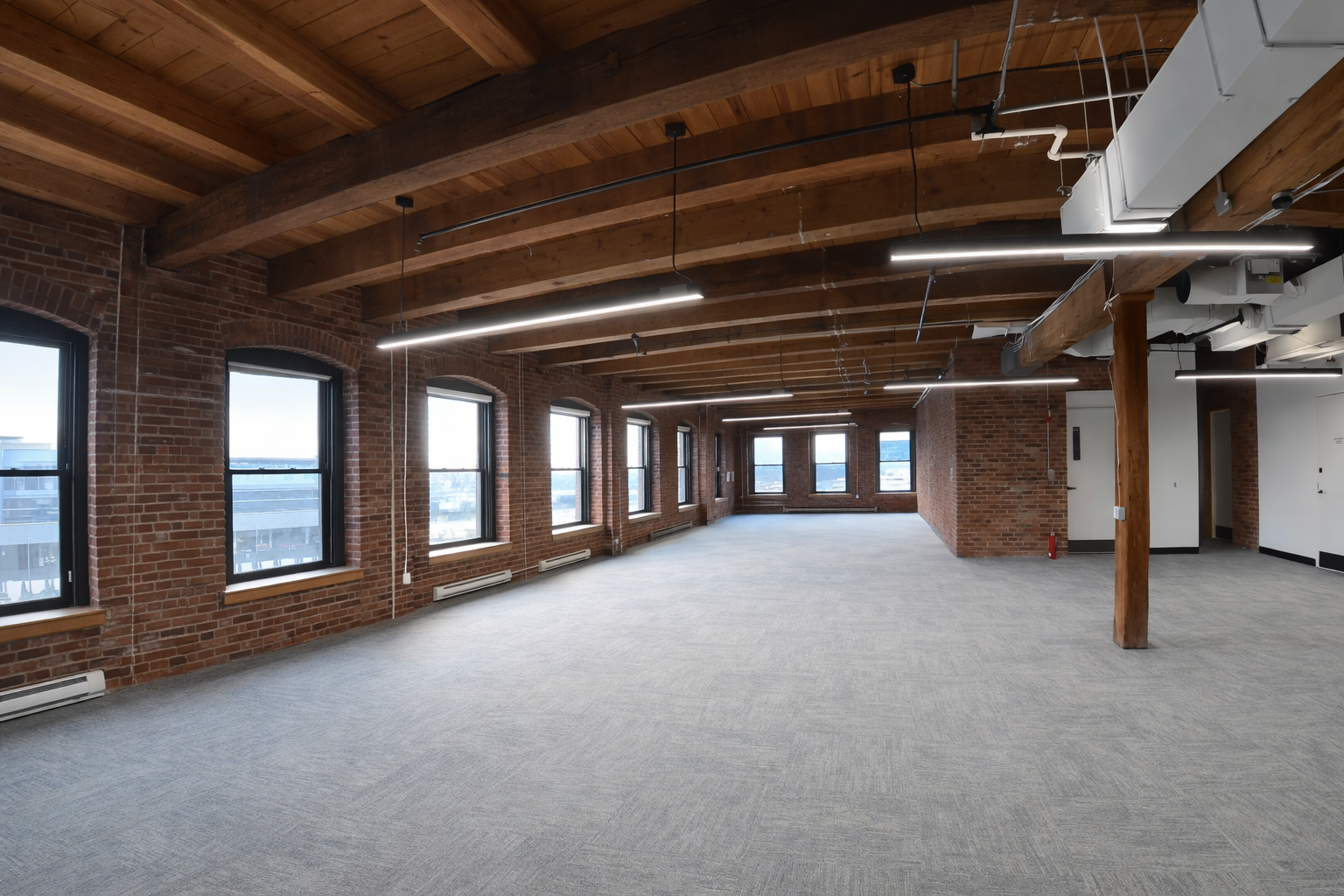
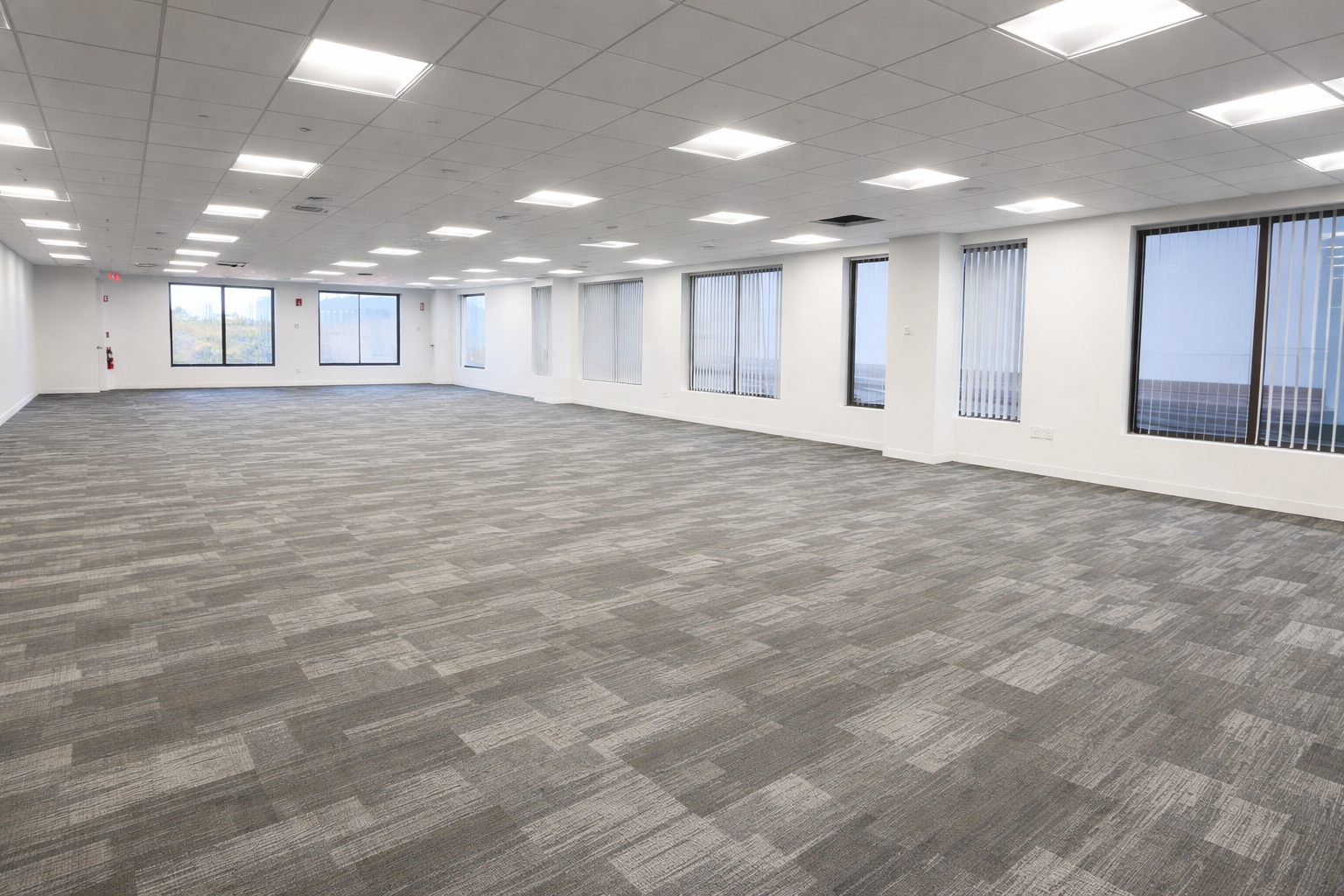
What defines office space in Boston’s Seaport today? Modern inventory facing sector recalibration. The district experienced rapid expansion tied to technology and life sciences growth. As market conditions shifted, vacancy rose in certain assets, creating negotiation flexibility not previously available. Office space in the Seaport offers infrastructure-forward buildings with newer mechanical systems and larger floor plates than Back Bay or Downtown. Scale is not the constraint here. Stabilization is the narrative.

How much does Seaport office space cost? Seaport office space typically ranges from $55–$85 per square foot annually, reflecting newer construction and waterfront positioning. Effective economics often depends on concession structures and fit-out allowances. Newer Class A towers command stronger positioning, but landlords are often pragmatic given broader market conditions. Fit-out allowances can materially shift total occupancy cost. Office space in Boston’s Seaport trades age advantage for economic variability. The building quality is consistent. The terms vary.

What does the workday feel like around Seaport office space? Curated and concentrated. Retail and dining density remain high. Waterfront paths offer midday relief. The district maintains stronger evening activation than Downtown. Some tenants note that Seaport can feel corporate or polished. Others value the clarity of its layout. The environment is deliberate.

Is office space in the Seaport easy to access? Transit exists, though less convergent than Downtown. Silver Line connections link to South Station. Highway access supports regional drivers. Walkability from South Station remains feasible but longer than direct subway adjacency. Seaport works best for teams less dependent on multi-line subway intersections.

How walkable is Seaport office space? Highly walkable within a flat, modern grid. Blocks are longer than Back Bay’s but sidewalks are wide. Movement feels open rather than compressed. The district was built for pedestrian flow.

Why choose office space in Boston’s Seaport? Because sector clustering remains visible. Technology firms, life sciences tenants, and venture-backed companies continue to maintain presence here. The architecture reinforces brand signaling for companies seeking contemporary positioning. Seaport office space communicates forward orientation.
How much does South Boston office space cost? Building-specific and influenced by proximity to the Seaport. Properties closer to waterfront corridors may command stronger positioning. Interior neighborhood assets often reflect more modest economics. Office space in South Boston rewards micro-location awareness. Terms depend heavily on building type.
What does the workday feel like around South Boston office space? Local and consistent. Independent restaurants and retail create steady activity. The environment feels lived-in rather than corporate. South Boston blends residential rhythm with commercial utility.
Is office space in South Boston easy to access? Transit coverage varies by exact location. Broadway Station provides Red Line access. Bus routes supplement coverage. Highway access supports regional commuters. Commute simplicity depends on proximity to key transit nodes.
How walkable is South Boston office space? Highly walkable within neighborhood corridors. Daily needs remain close. Blocks feel human-scaled. Movement is steady but not dense.
Why choose office space in South Boston? Because neighborhood integration may reinforce culture for certain teams. Tenant presence skews toward smaller firms, creative operators, and companies comfortable outside traditional towers. South Boston office space favors contained operations.
How much does Kendall Square office space cost? Kendall Square office space typically ranges from $70–$110 per square foot annually, influenced by lab buildout and asset class. Specialized infrastructure supports the upper end of pricing. Pricing reflects proximity to MIT, infrastructure requirements, and limited land availability. Even as broader life sciences markets recalibrate, well-located assets in Kendall maintain structural demand. Office space in Kendall Square trades on ecosystem access more than arbitrage. The premium reflects adjacency to innovation density.
What does the workday feel like around Kendall Square office space? Compact and purposeful. Retail and dining cluster tightly near Main Street and Broadway. The environment is active during business hours and moderate in the evening. Compared to the Seaport, the district feels denser and more utilitarian. Amenities serve workflow.
Is office space in Kendall Square easy to access? Yes, particularly via the Red Line. Direct subway access to Downtown Boston, Central Square, and Harvard Square anchors connectivity. Bus routes supplement regional travel. For teams split between Cambridge and Boston, Kendall office space simplifies transit.
How walkable is Kendall Square office space? Highly walkable within a compact grid. Buildings sit close together. Meetings rarely require long travel. The district was built for proximity. Movement feels efficient.
Why do companies cluster in Kendall Square? Because adjacency to research institutions and peer firms reduces friction. Biotech, venture capital, robotics, and advanced technology companies anchor the tenant mix. Office space in Kendall Square signals integration into a specific ecosystem. It is a clustering decision, not just a real estate one.
How much does North Cambridge office space cost? Generally more moderate than Kendall Square, reflecting smaller building stock and reduced sector intensity. Pricing varies by proximity to Porter Square transit and by building renovation depth. Office space in North Cambridge rewards micro-location evaluation. The district trades scale for relative flexibility.
What does the workday feel like around North Cambridge office space? Neighborhood-oriented and steady. Porter Square provides retail density and daily essentials. Dining clusters are practical rather than concentrated. The environment feels local rather than corporate.
Is office space in North Cambridge easy to access? Yes, particularly near Porter Square. The Red Line at Porter anchors transit access. Commuter rail connections strengthen suburban reach. Bus routes extend coverage. Transit geometry improves materially near station nodes.
How walkable is North Cambridge office space? Highly walkable within commercial corridors. Blocks are structured and human-scaled. Residential streets dominate beyond retail strips. Movement feels calm.
Why choose office space in North Cambridge? Because it provides Cambridge proximity without Kendall compression. Tenant presence skews toward smaller professional firms, service-based businesses, and organizations seeking Red Line access without lab pricing. North Cambridge office space favors contained operations.