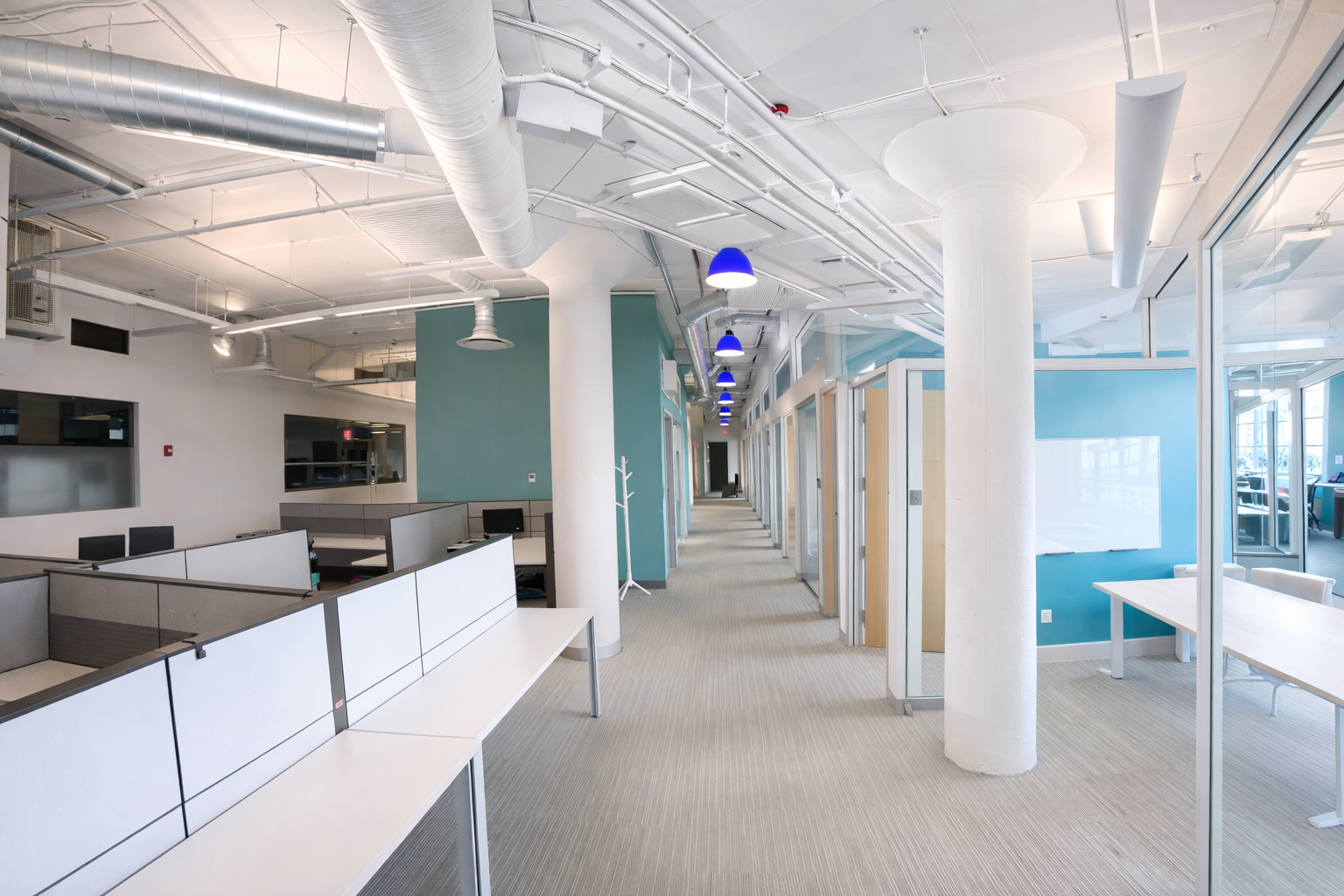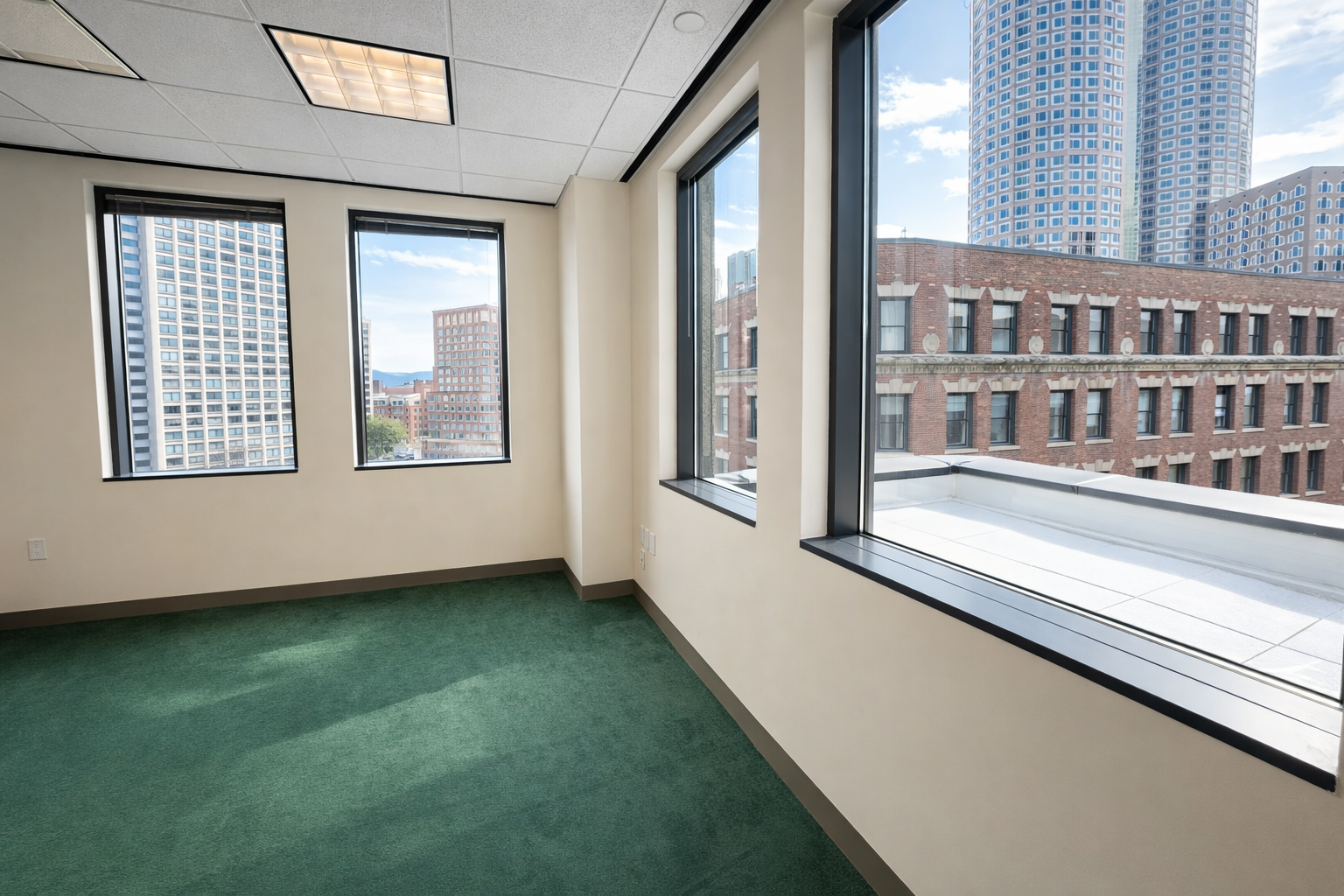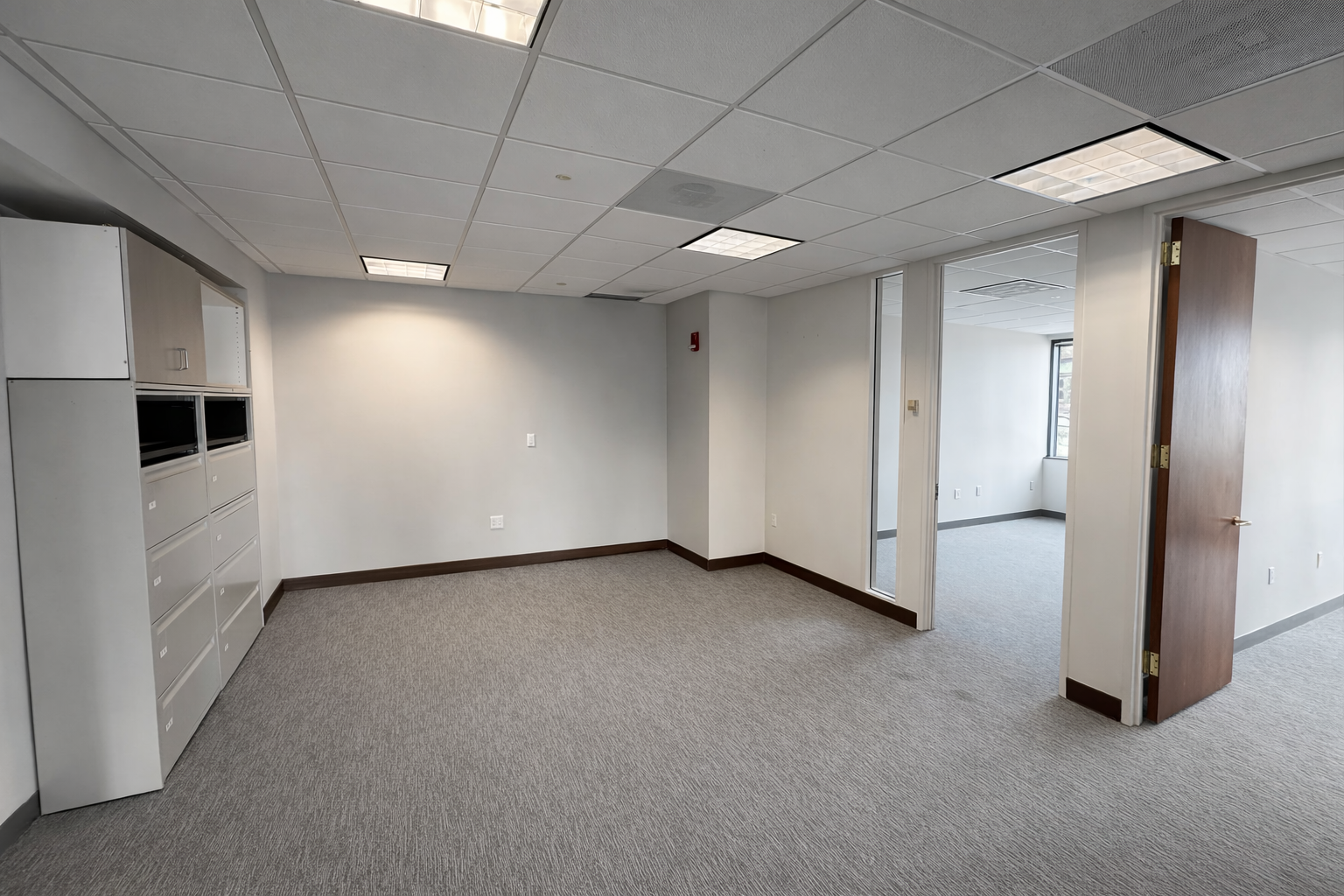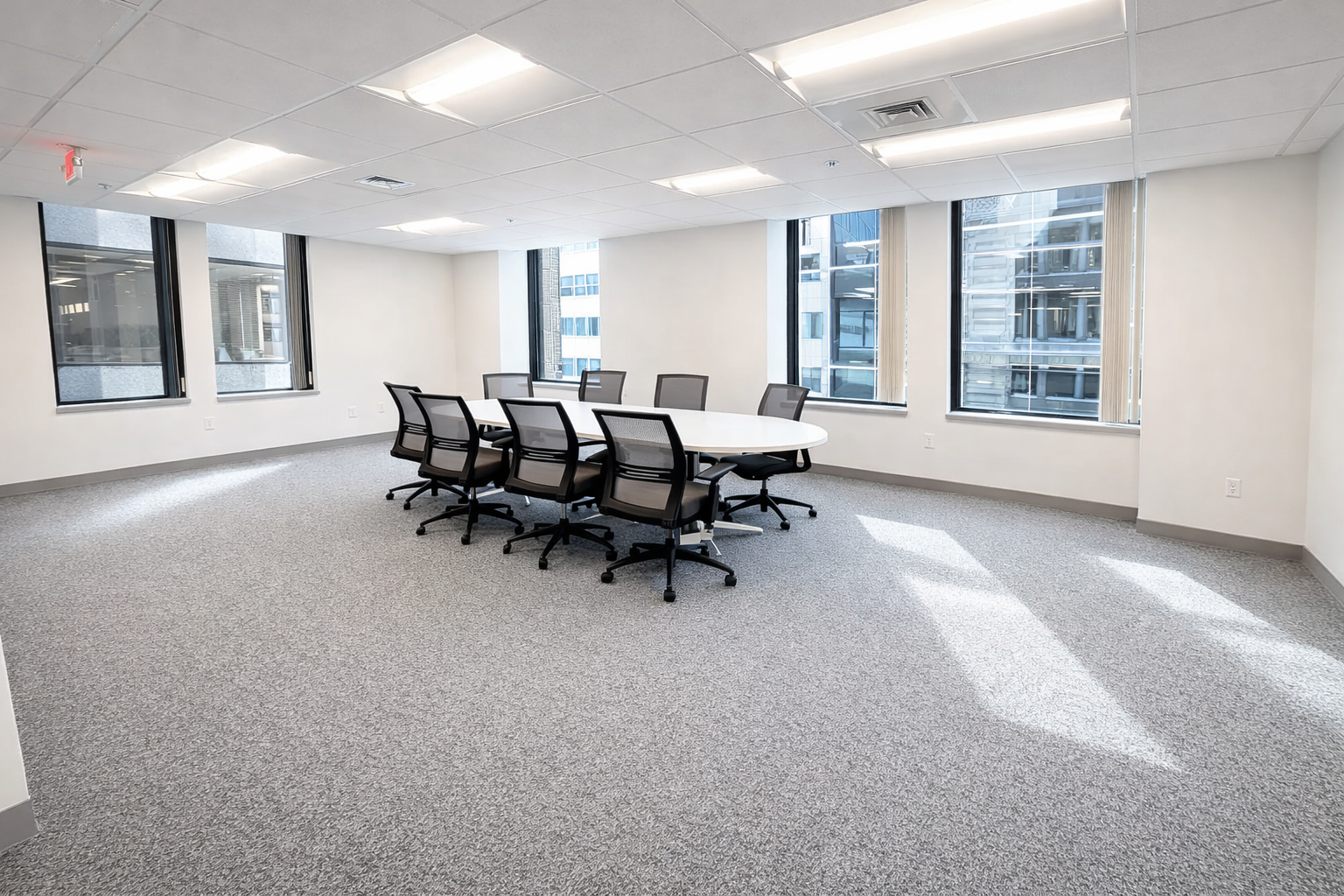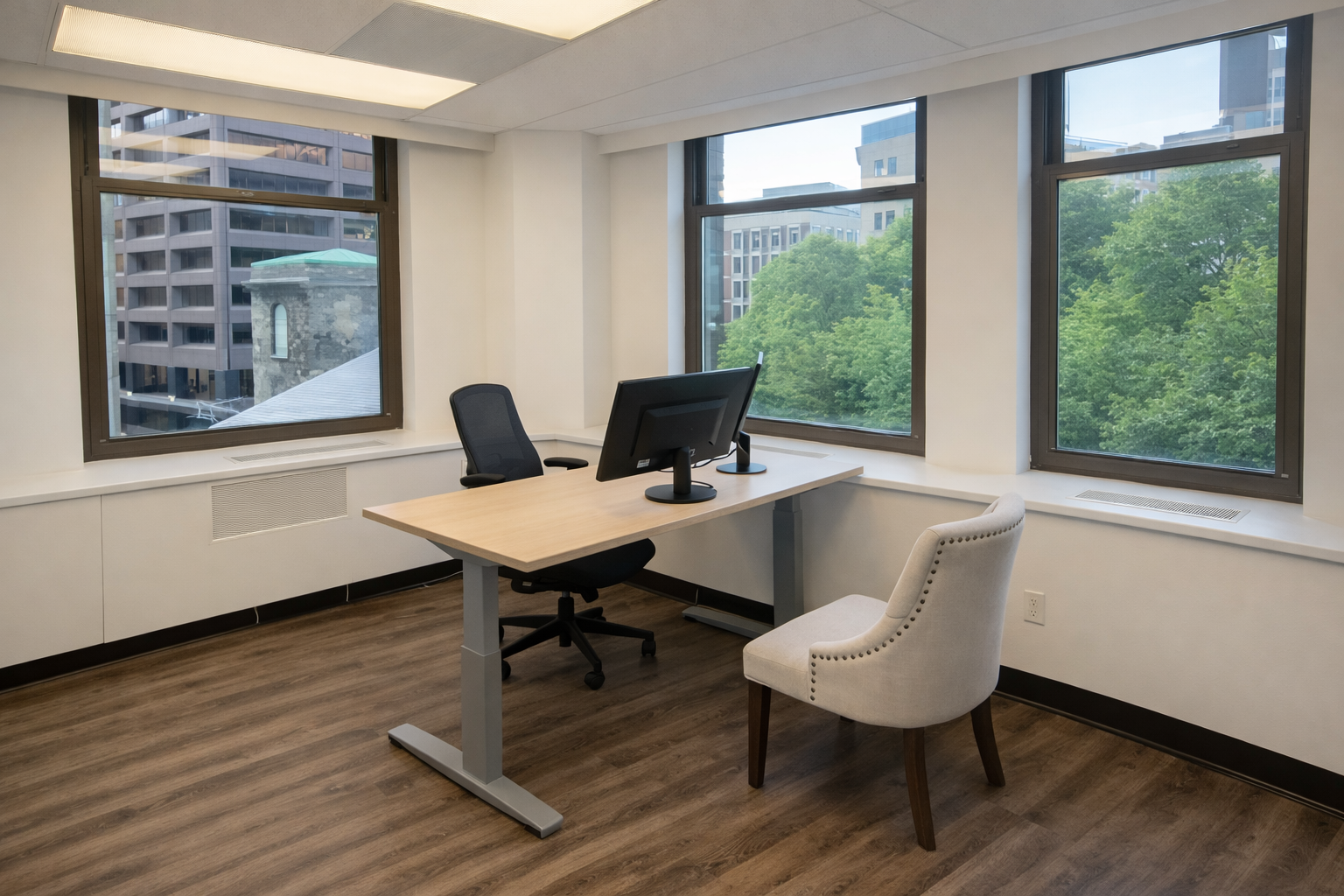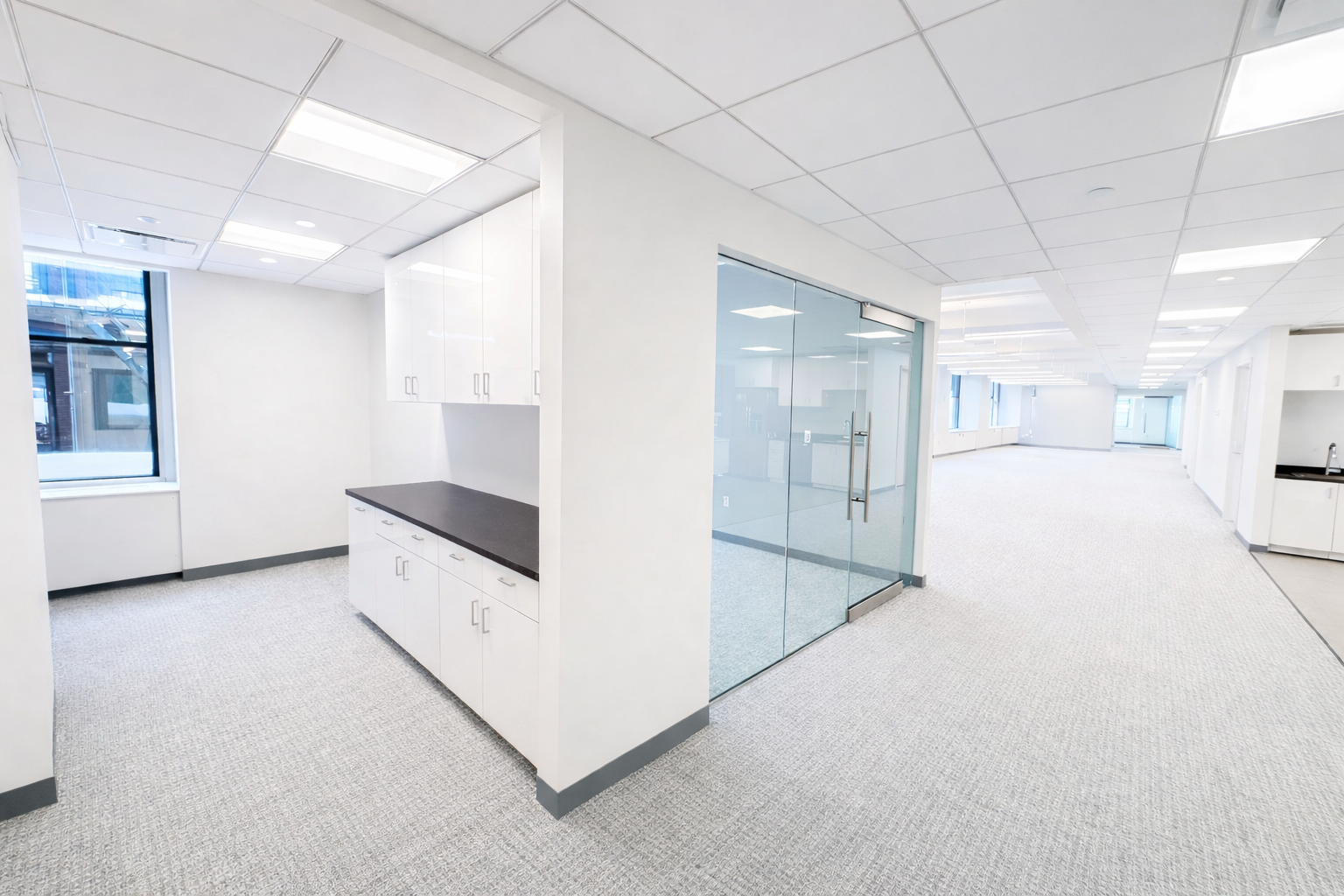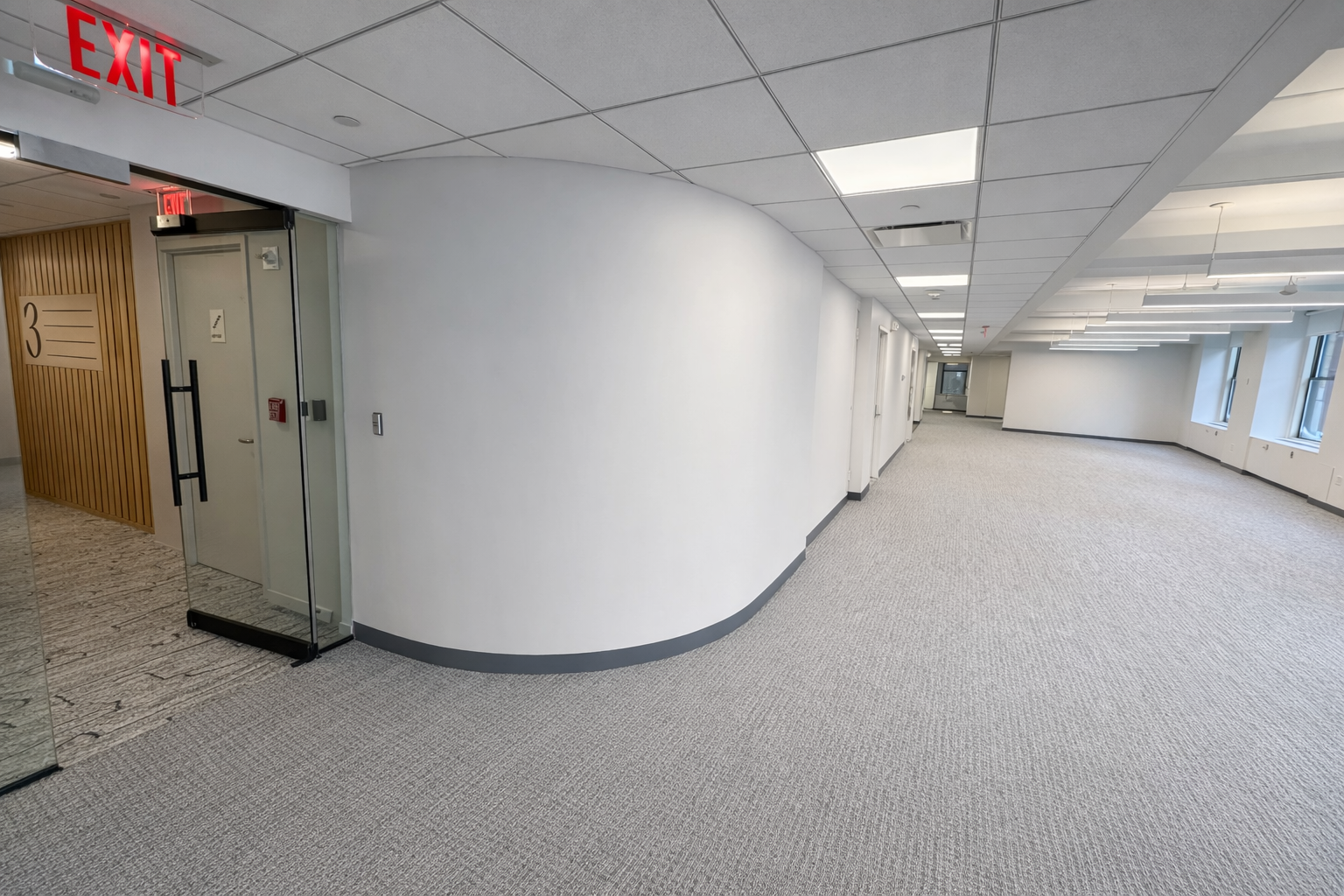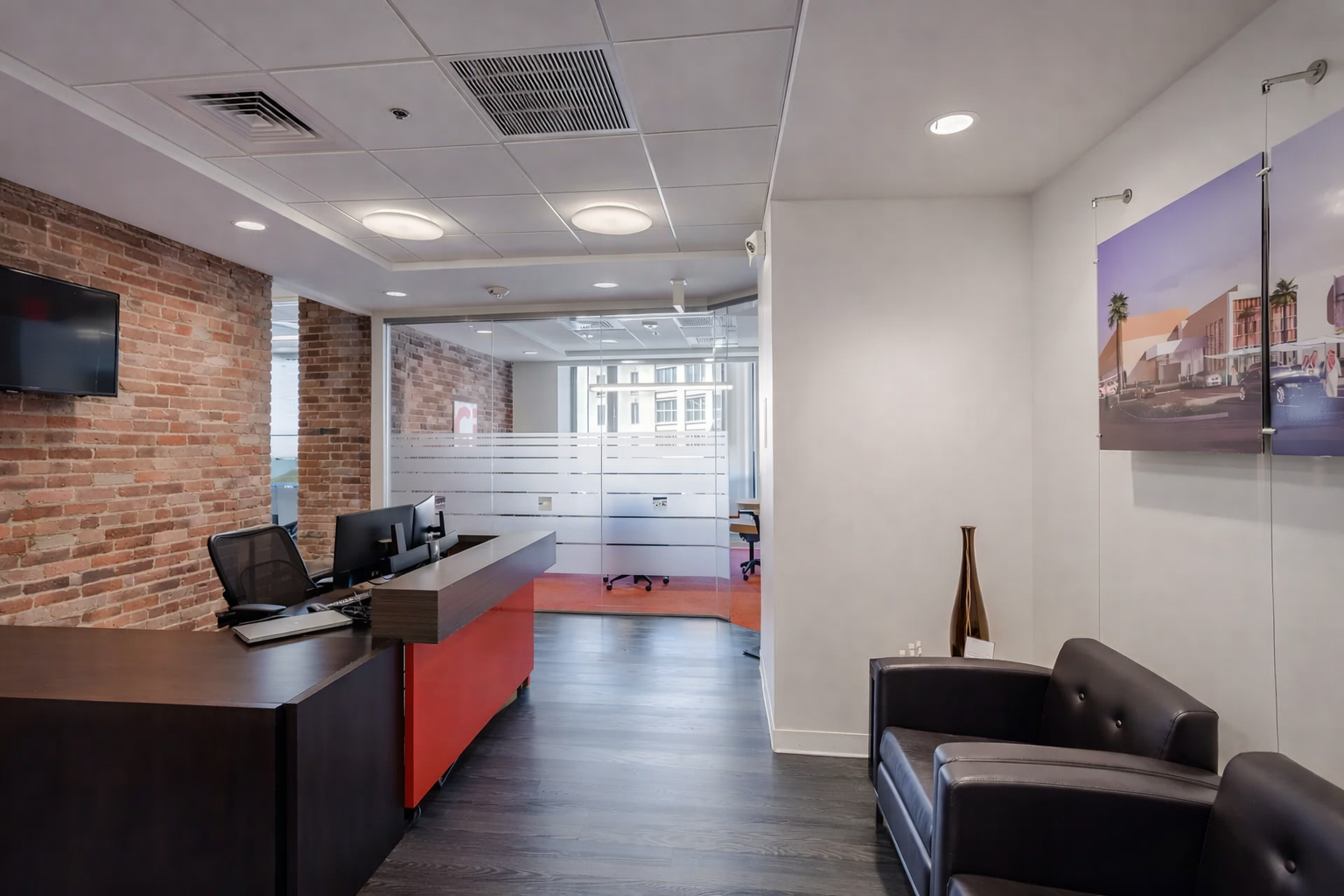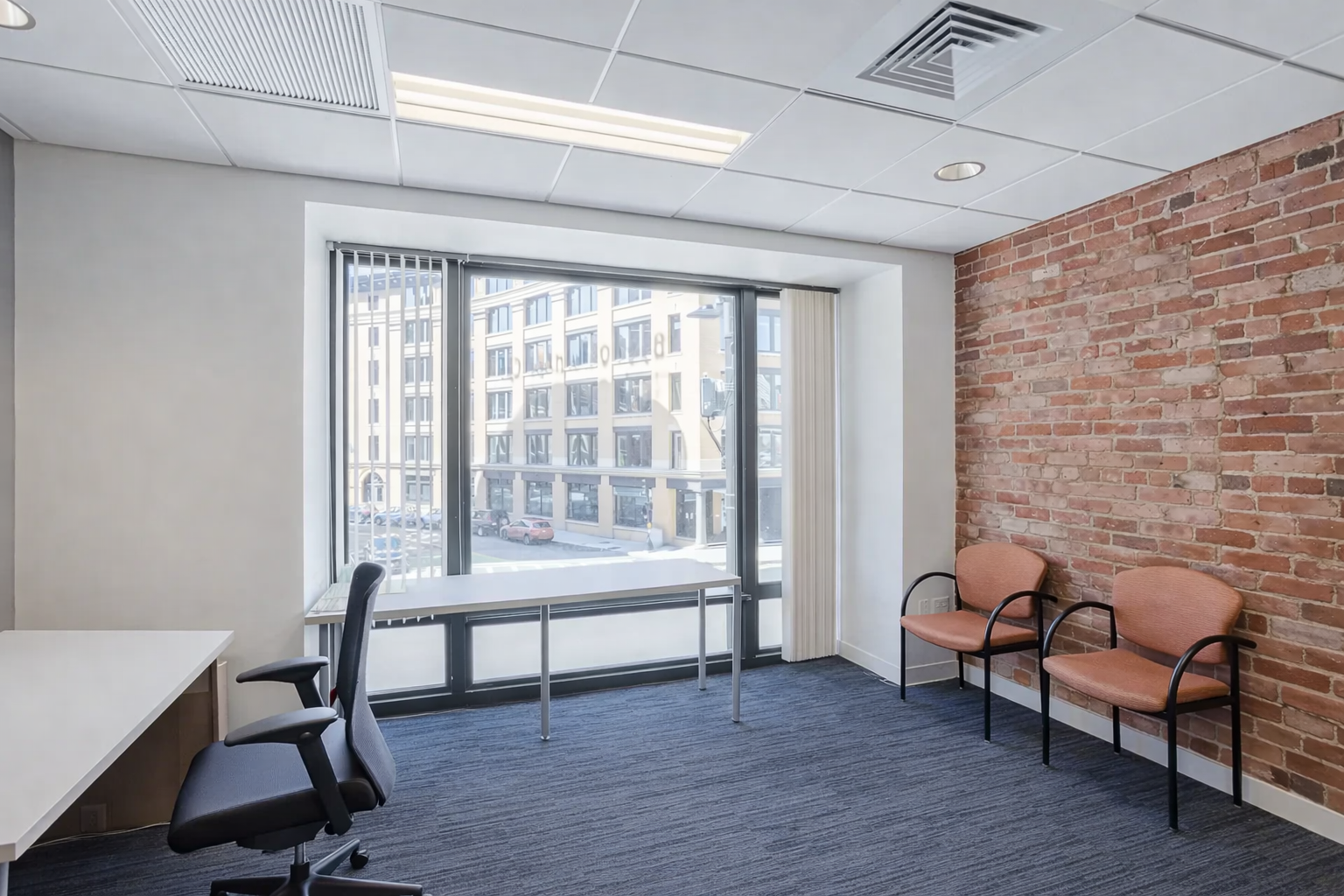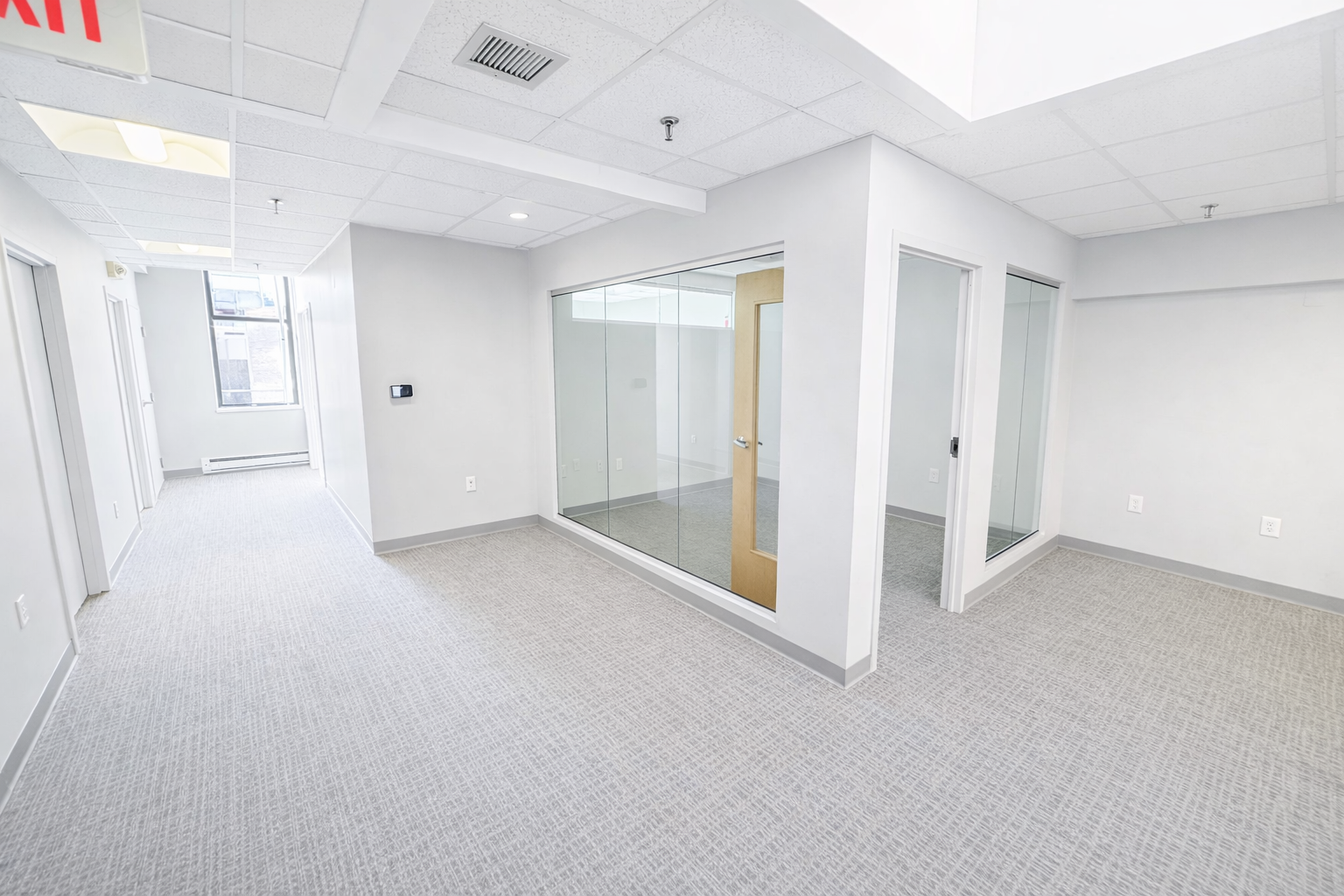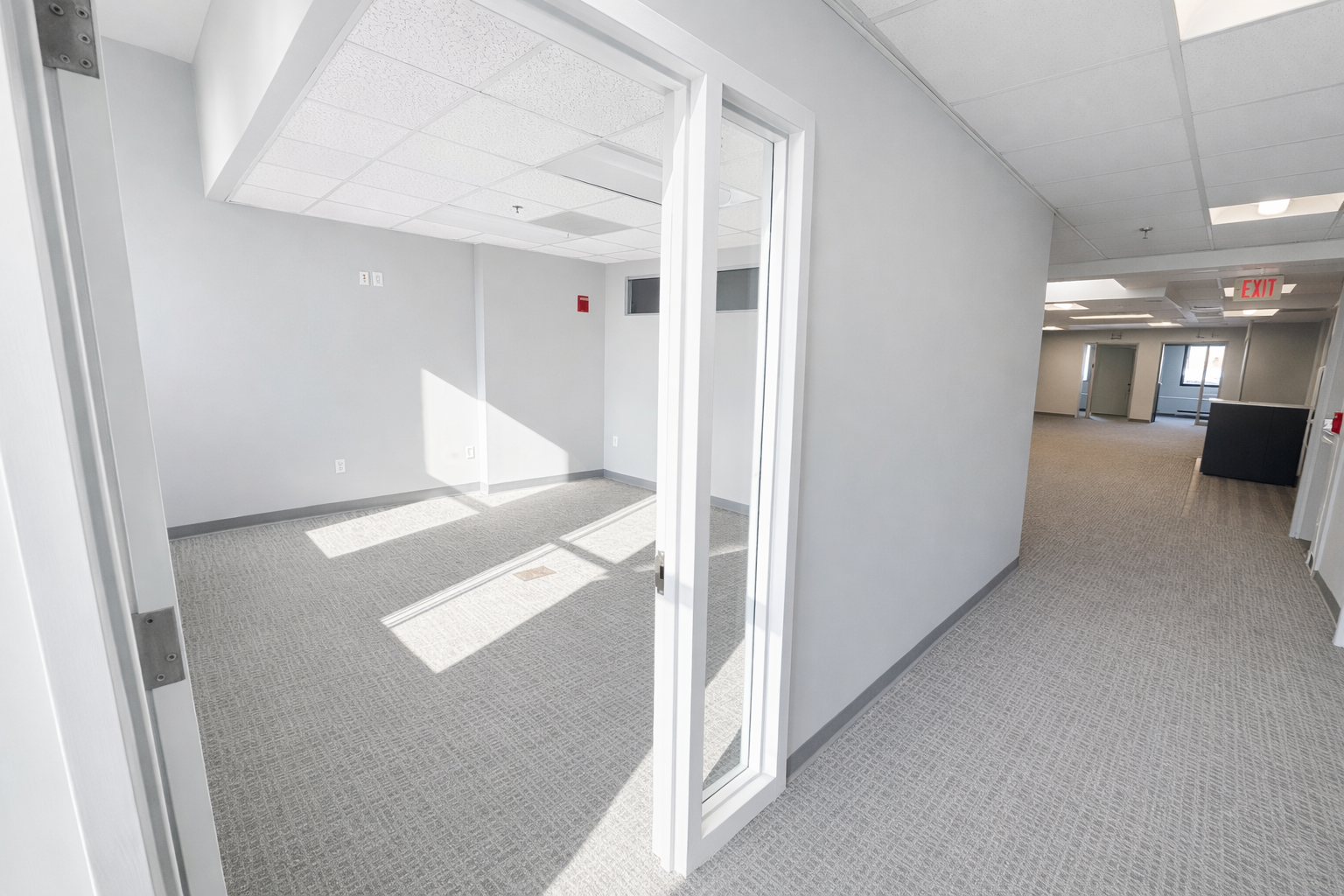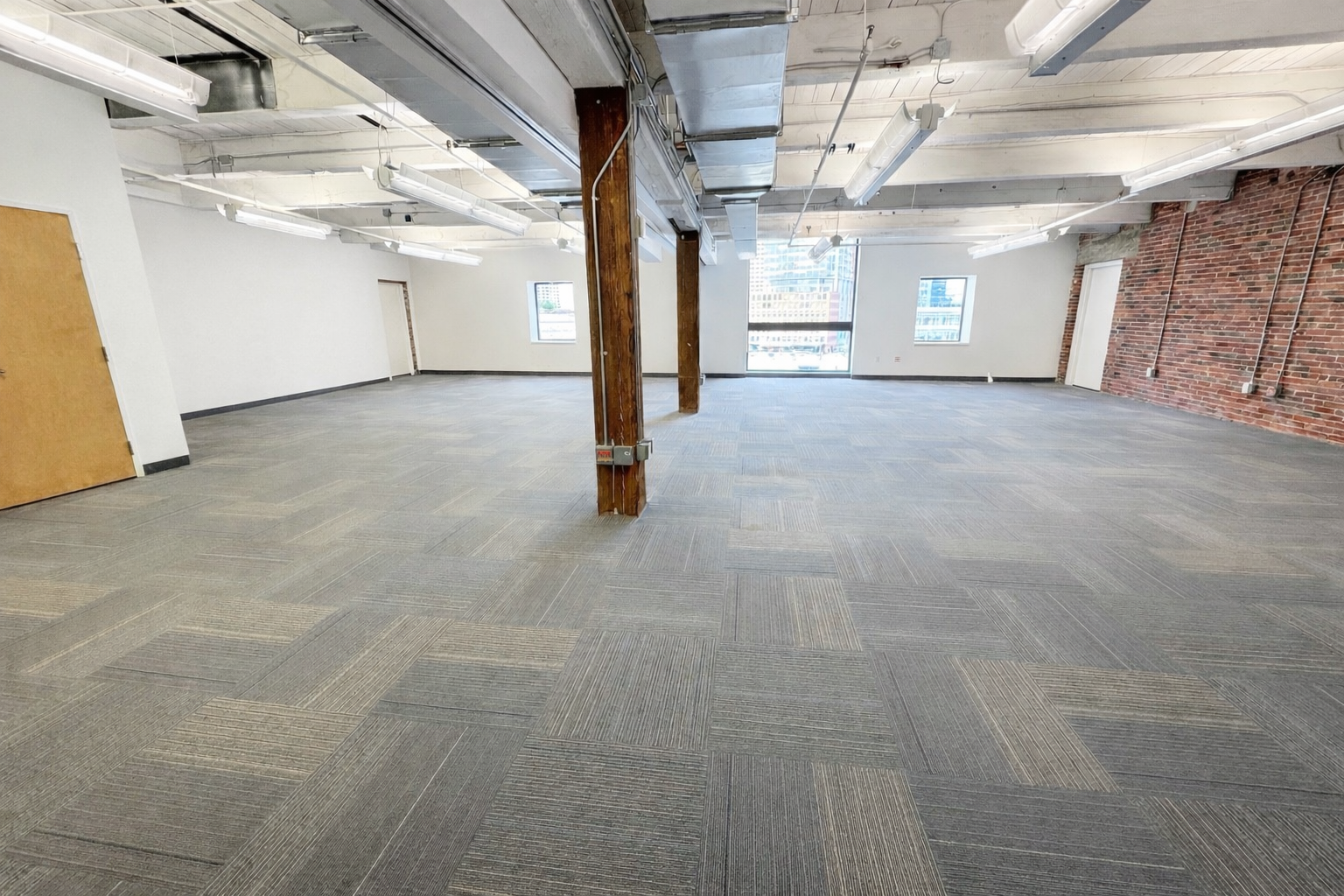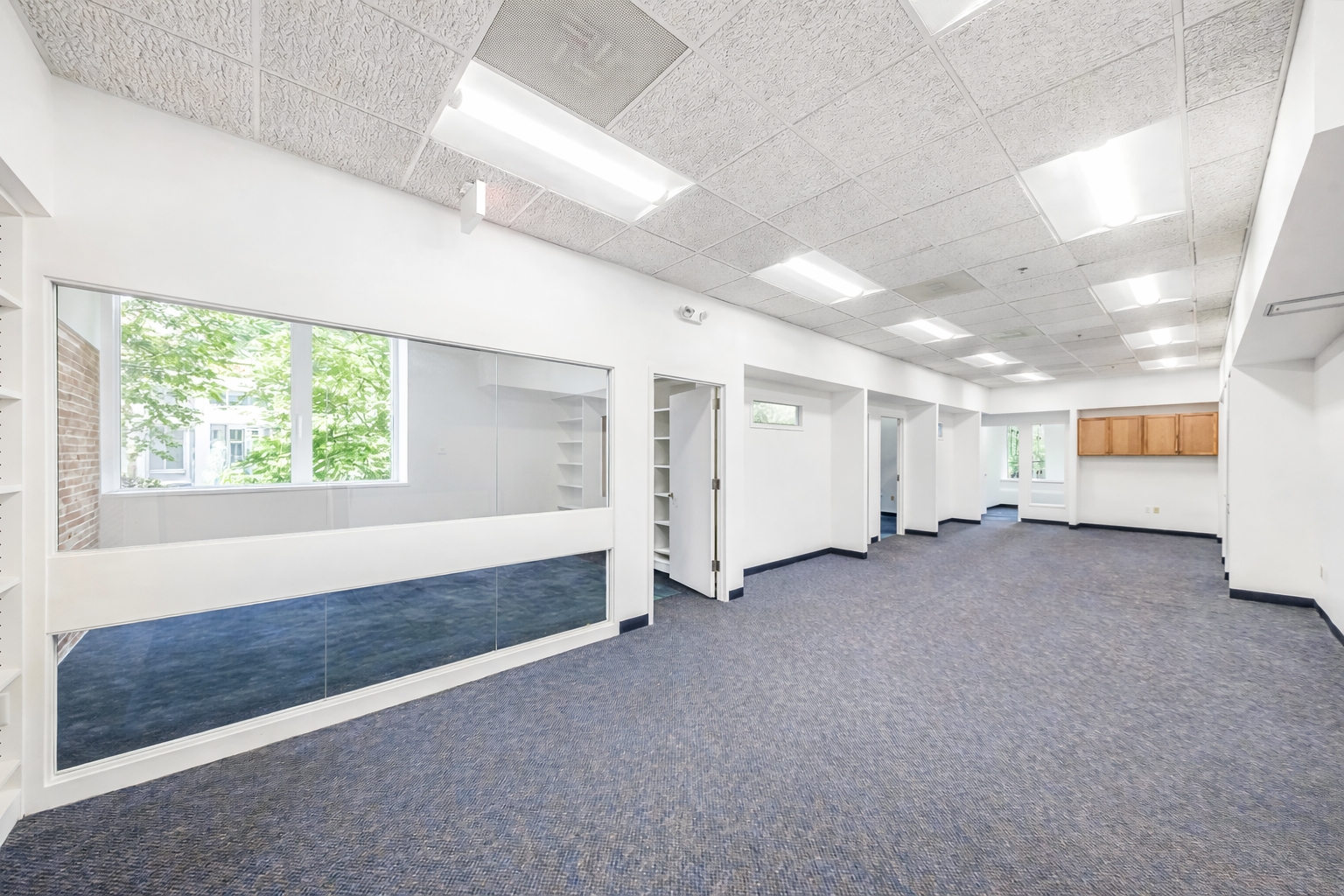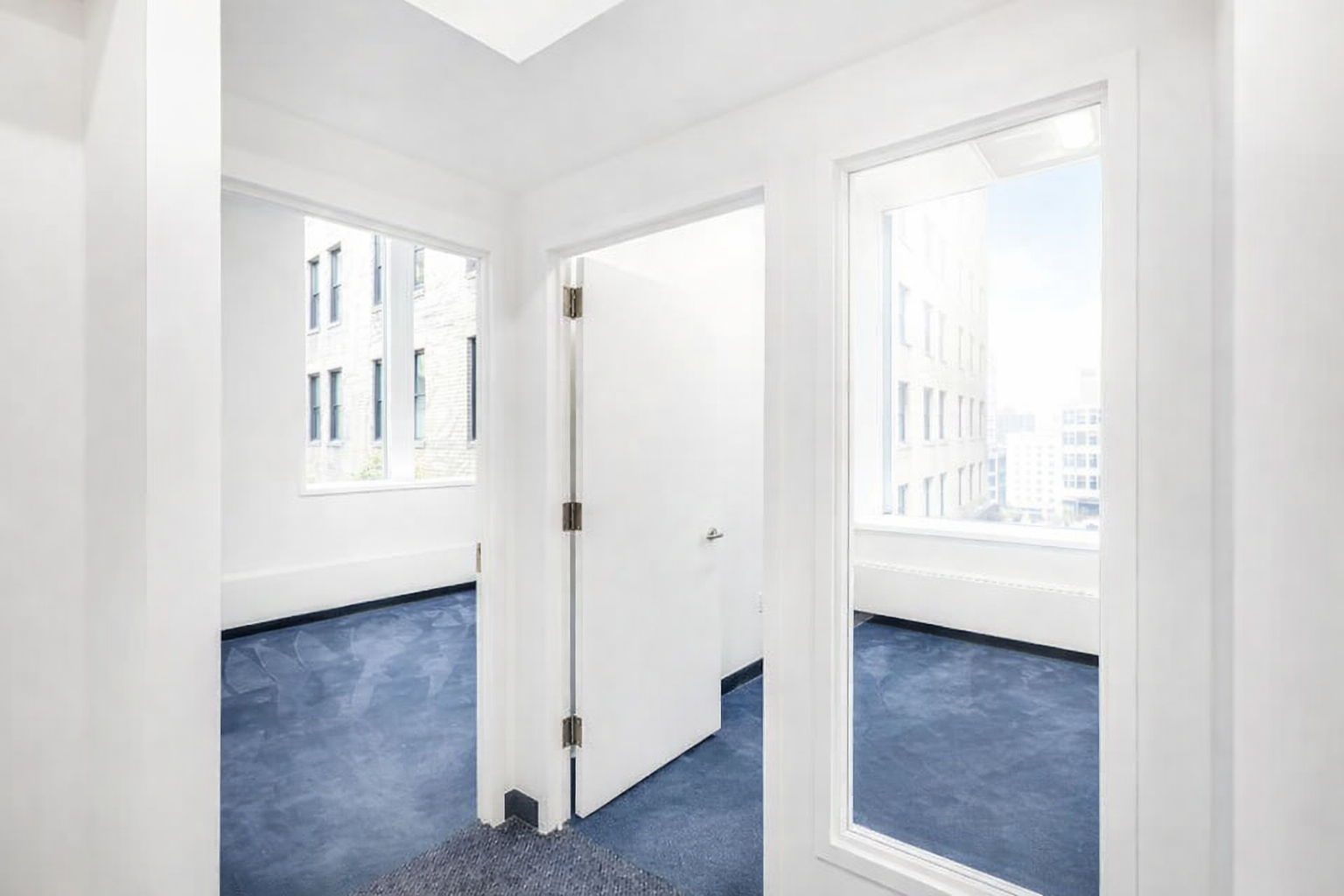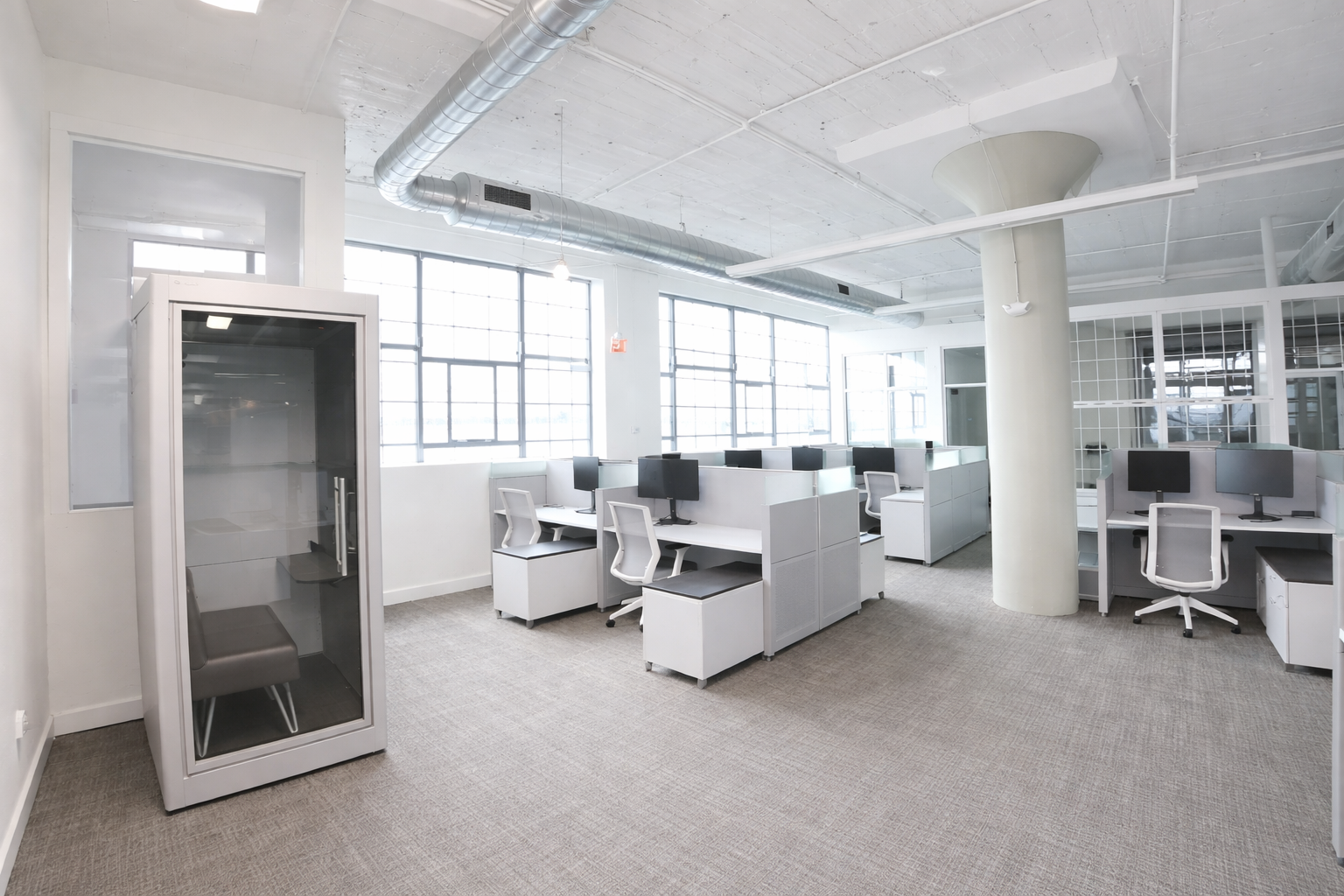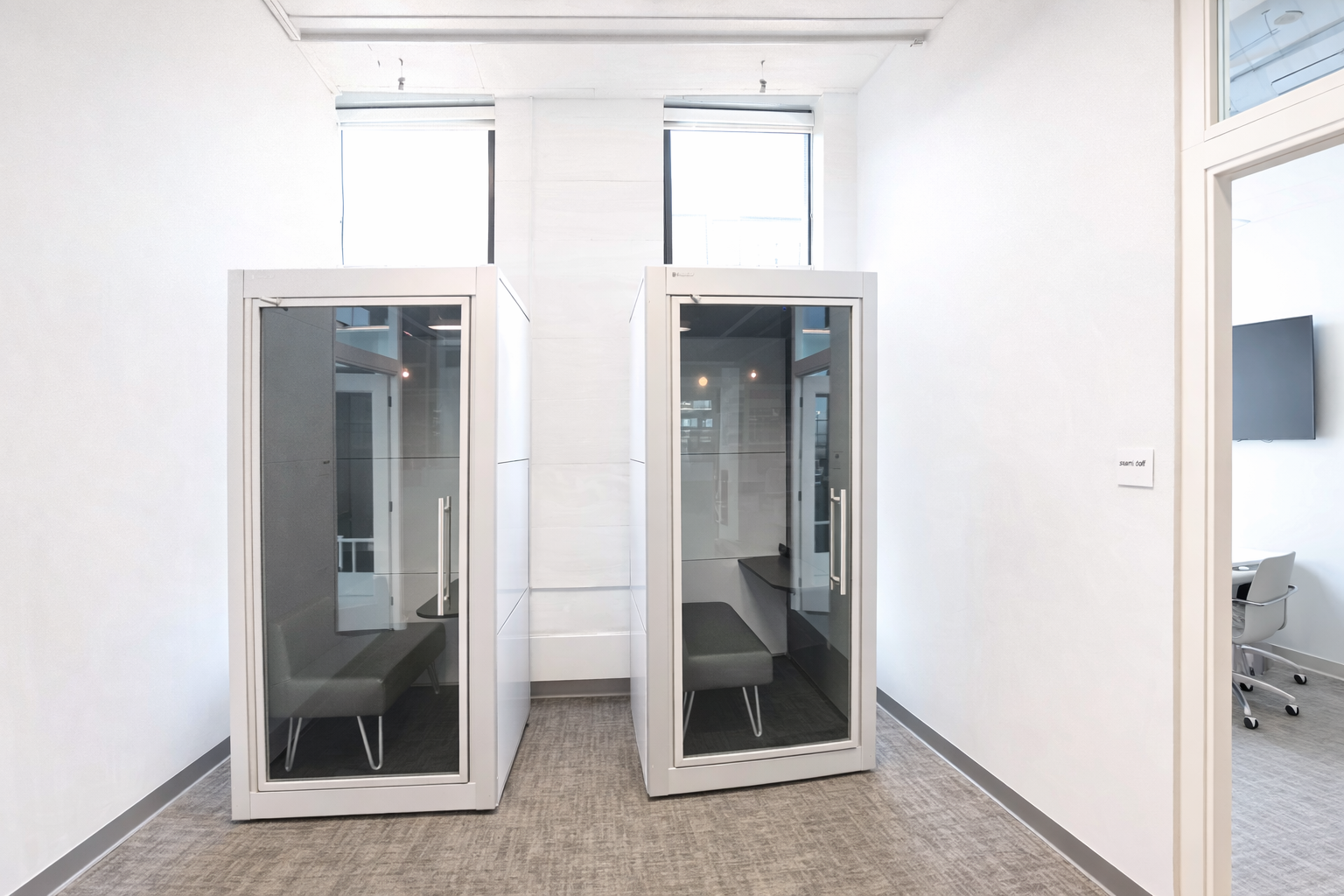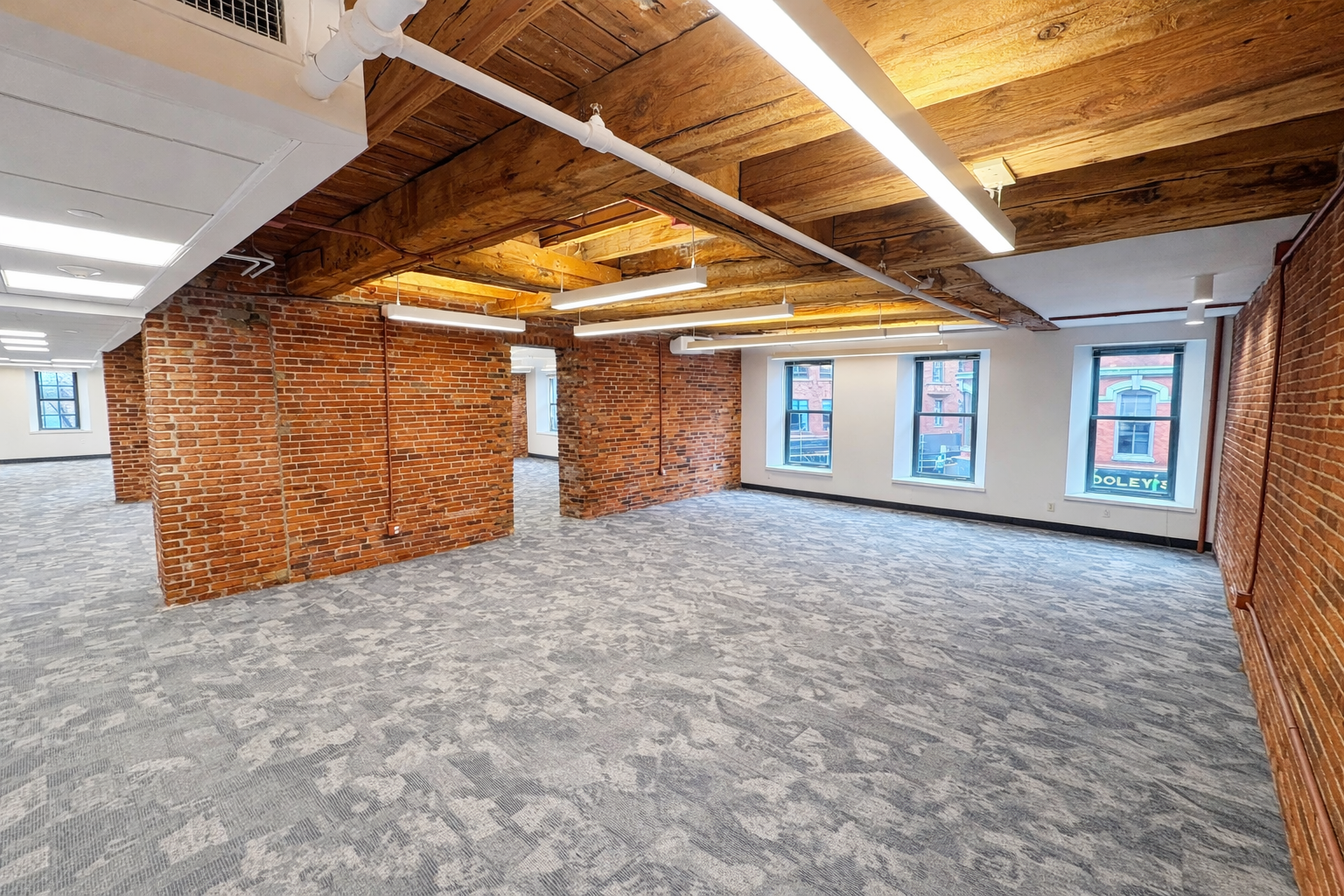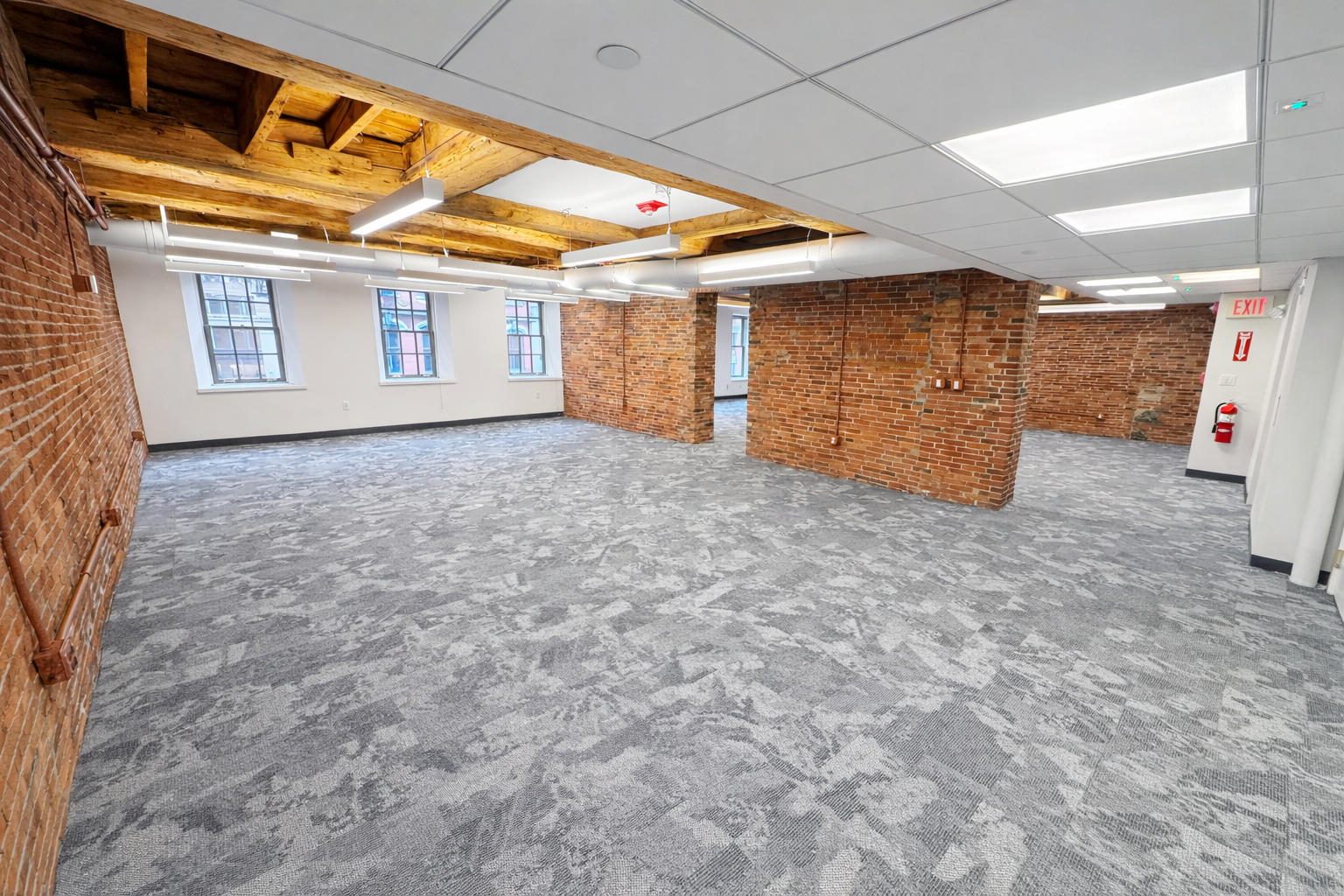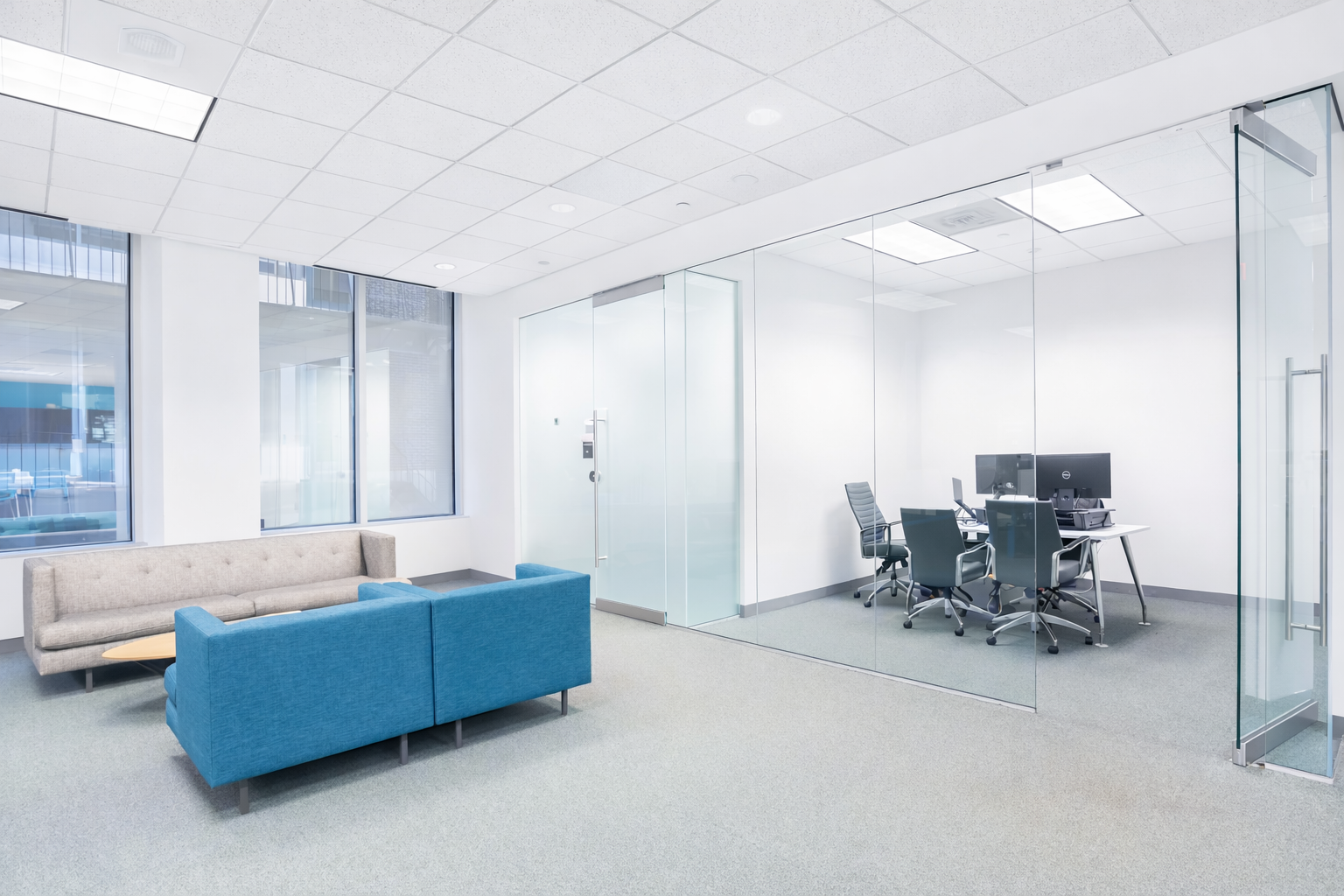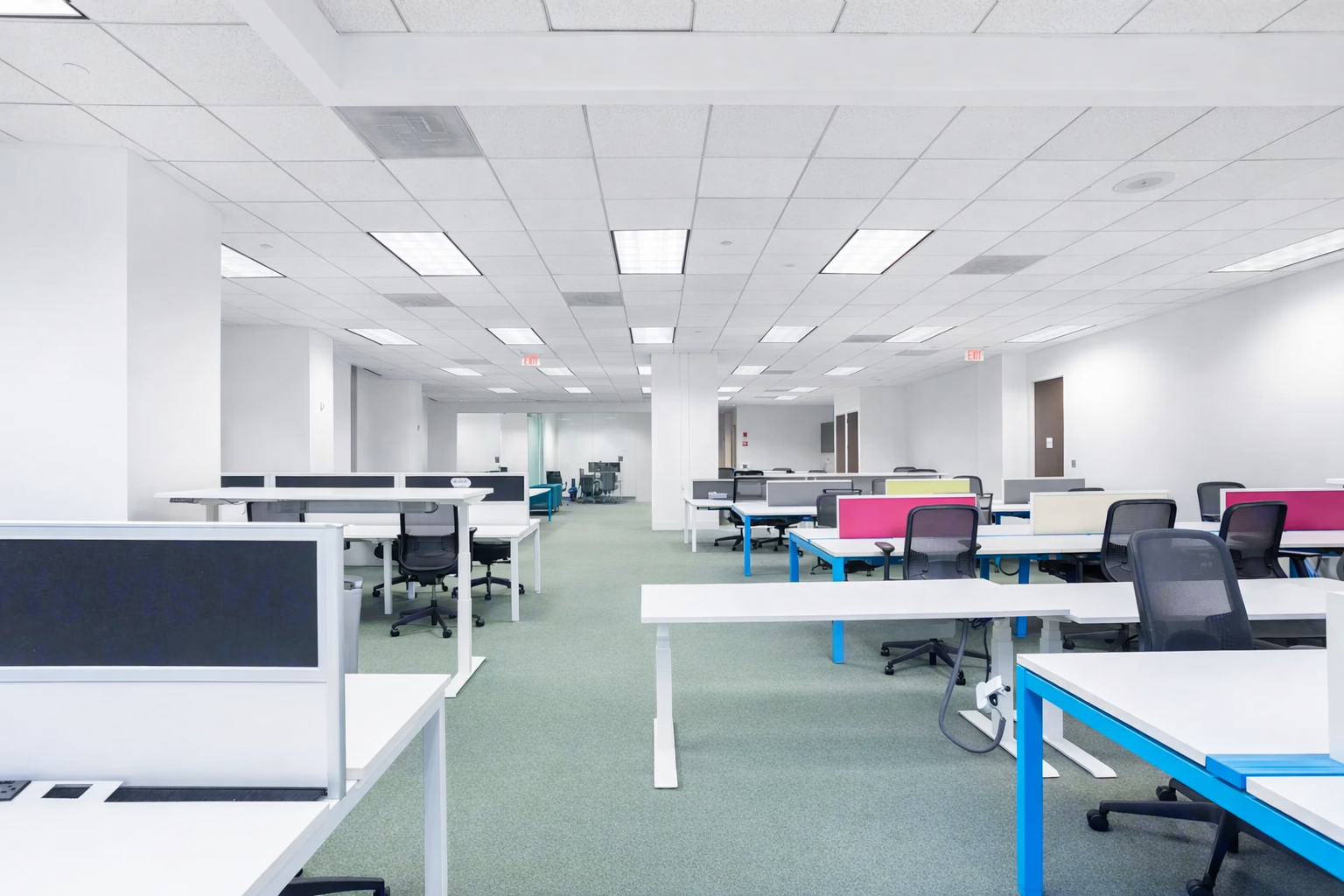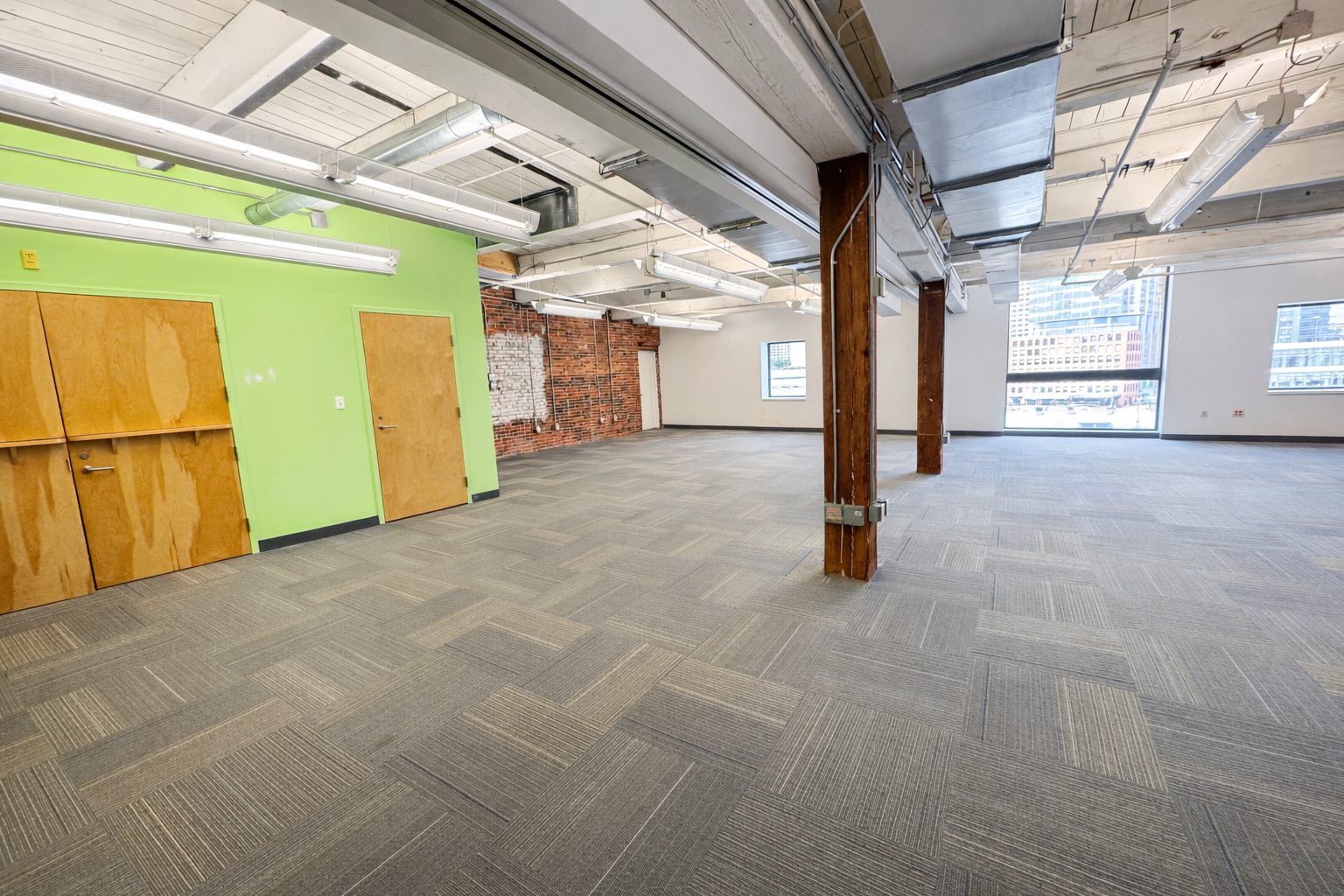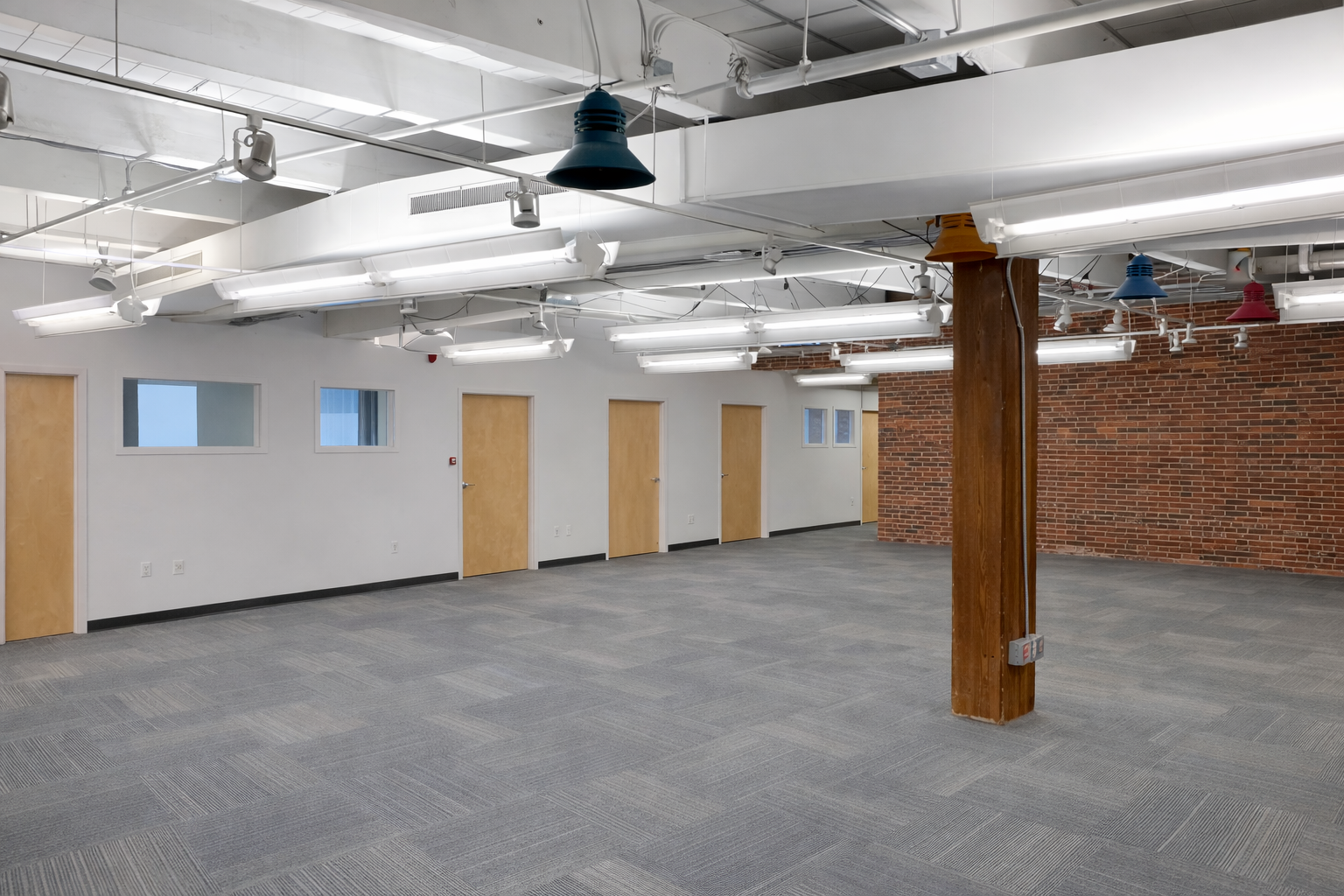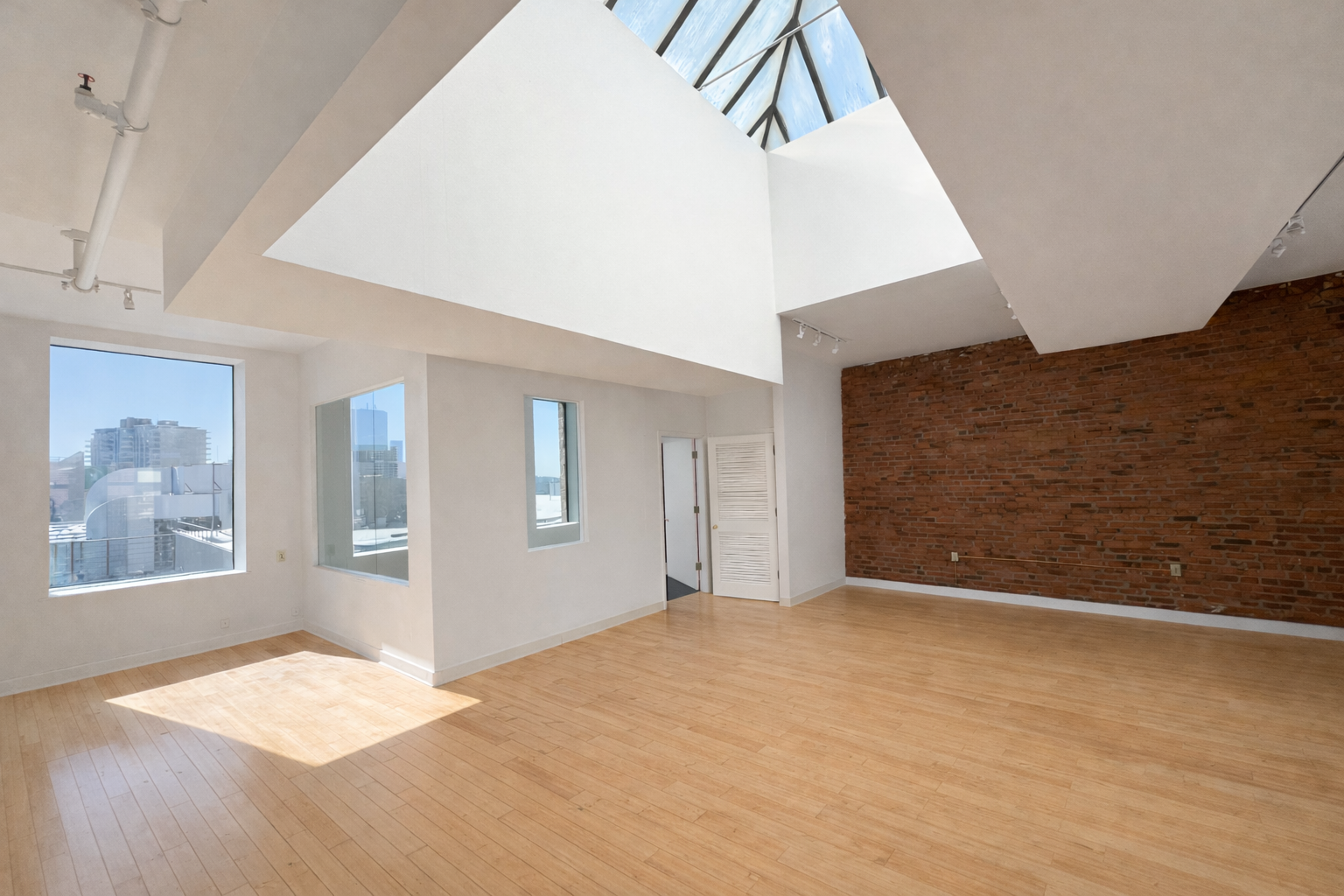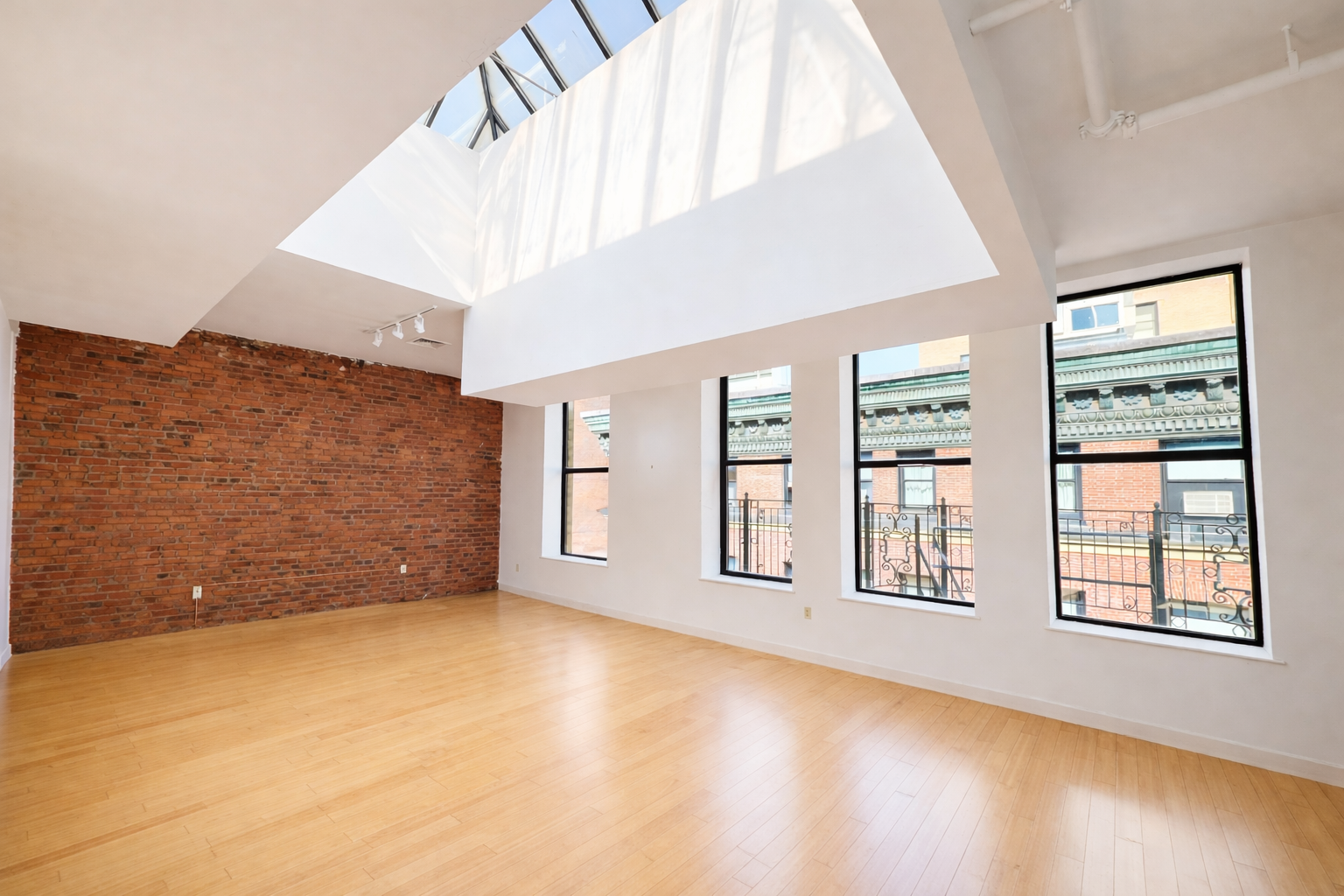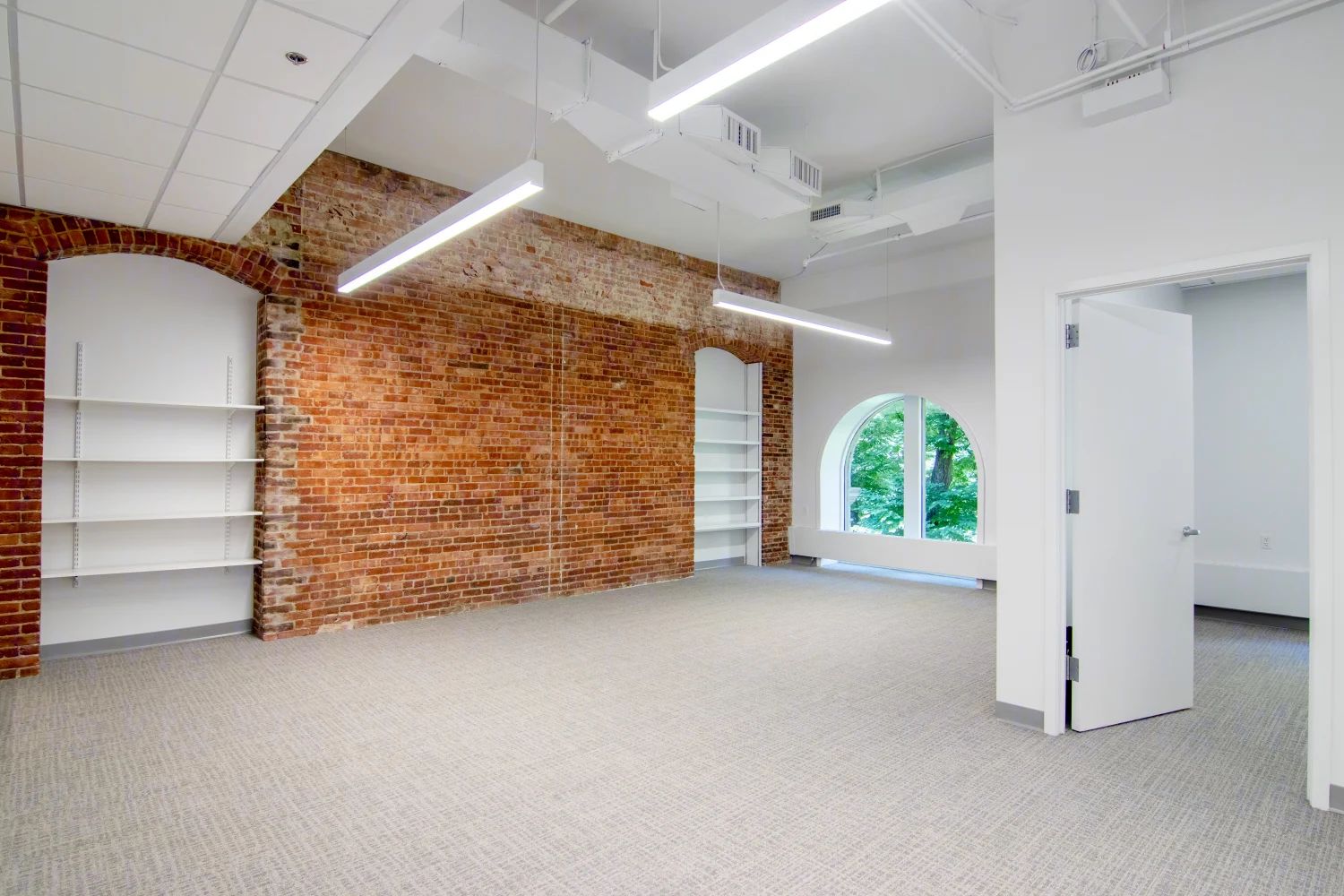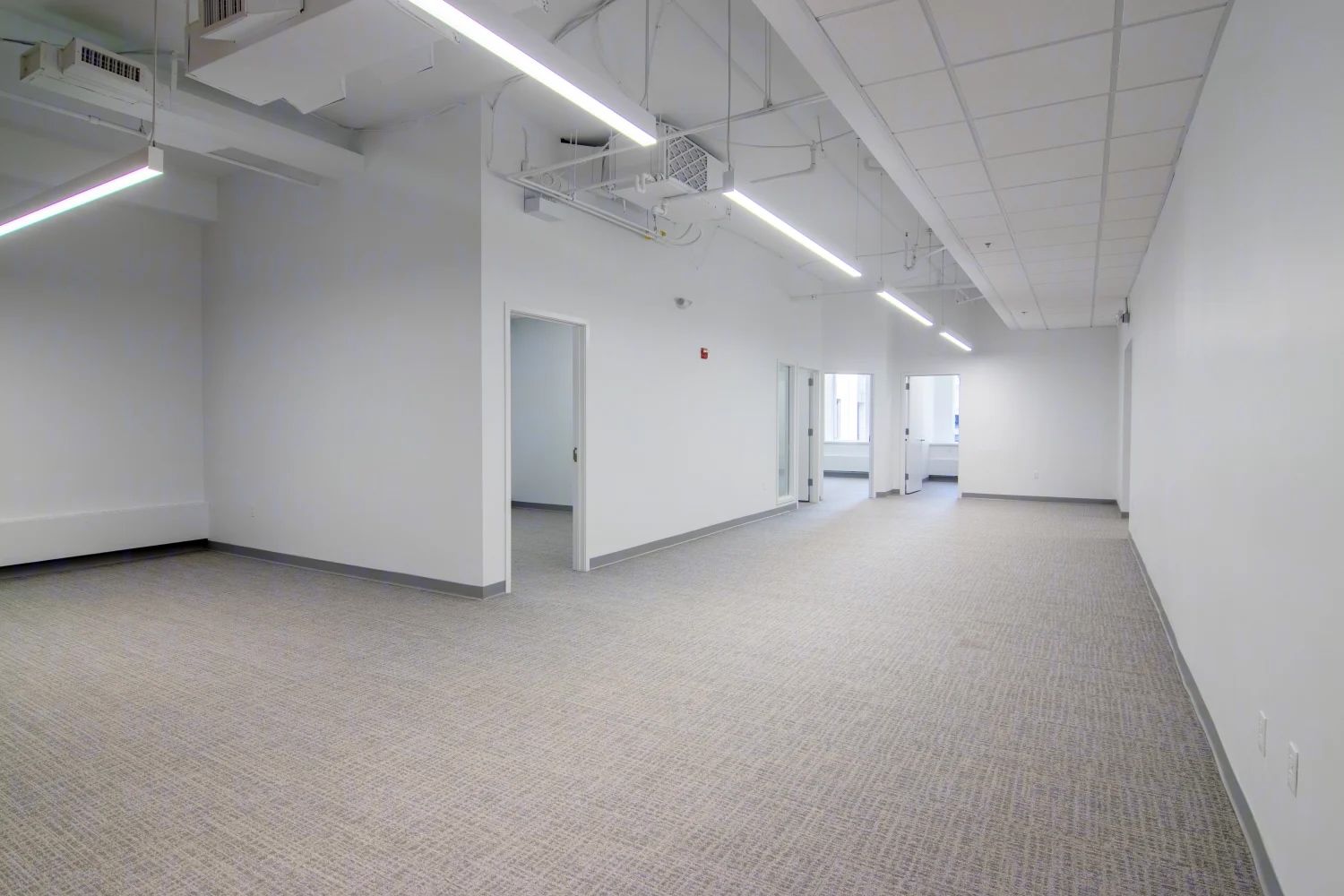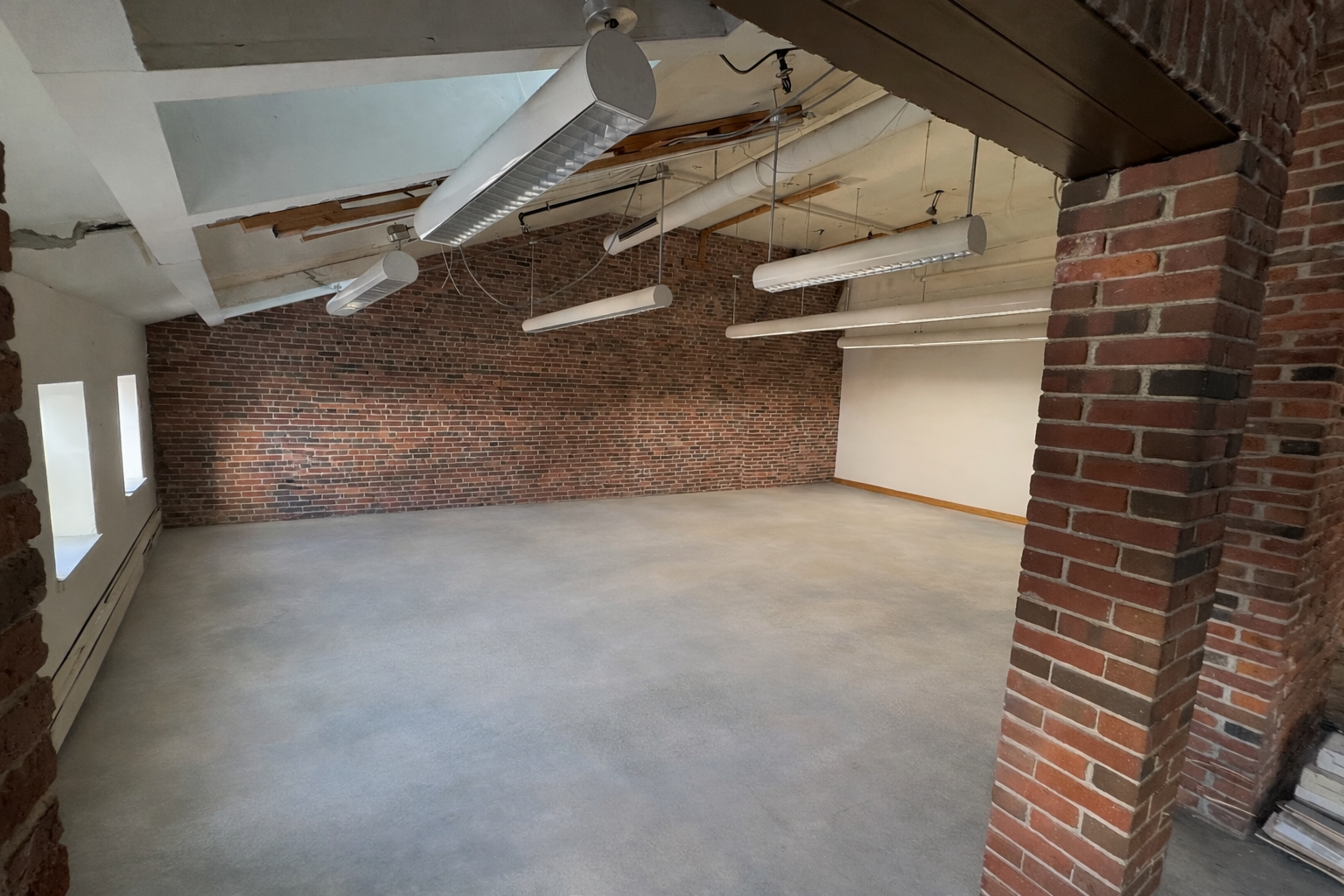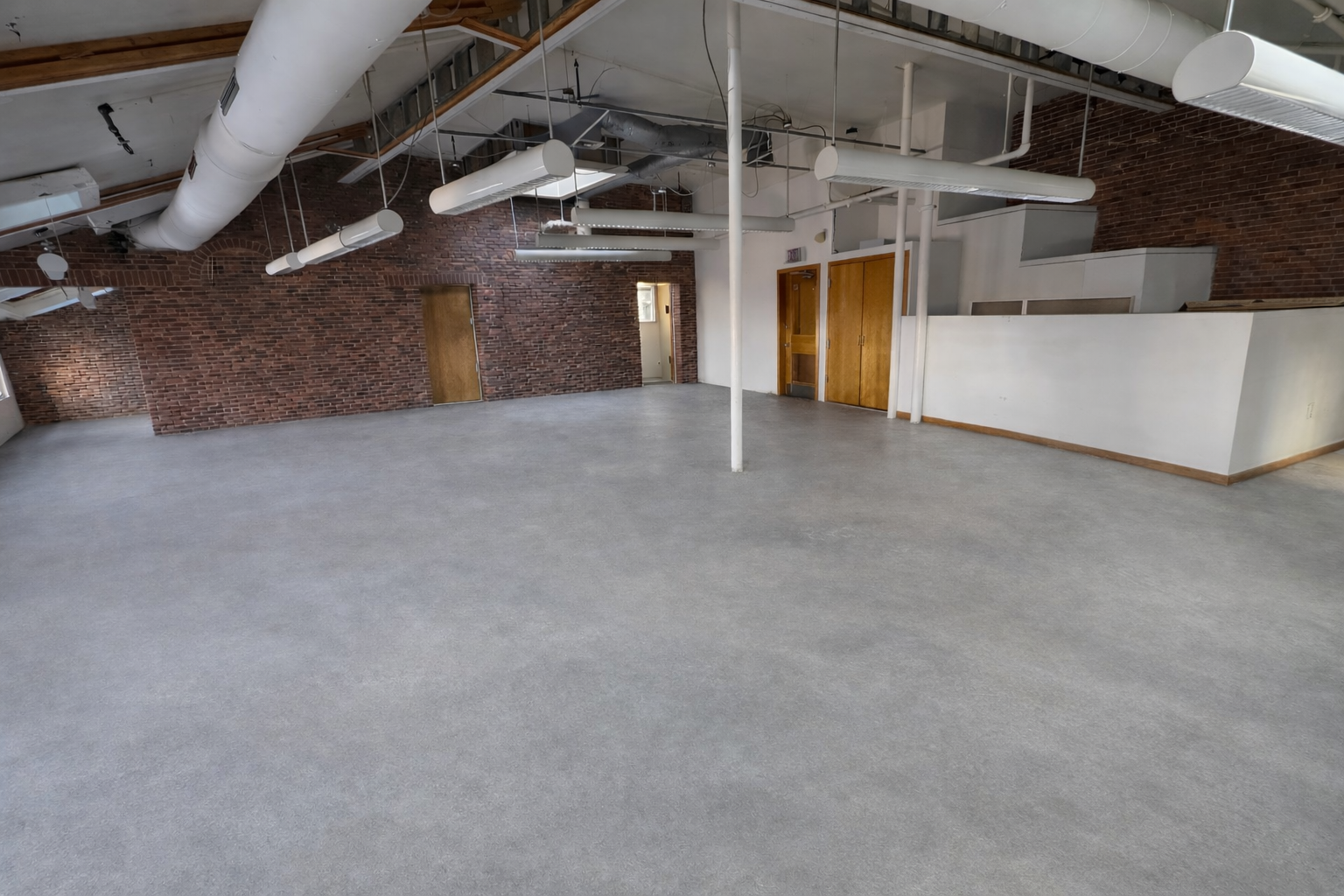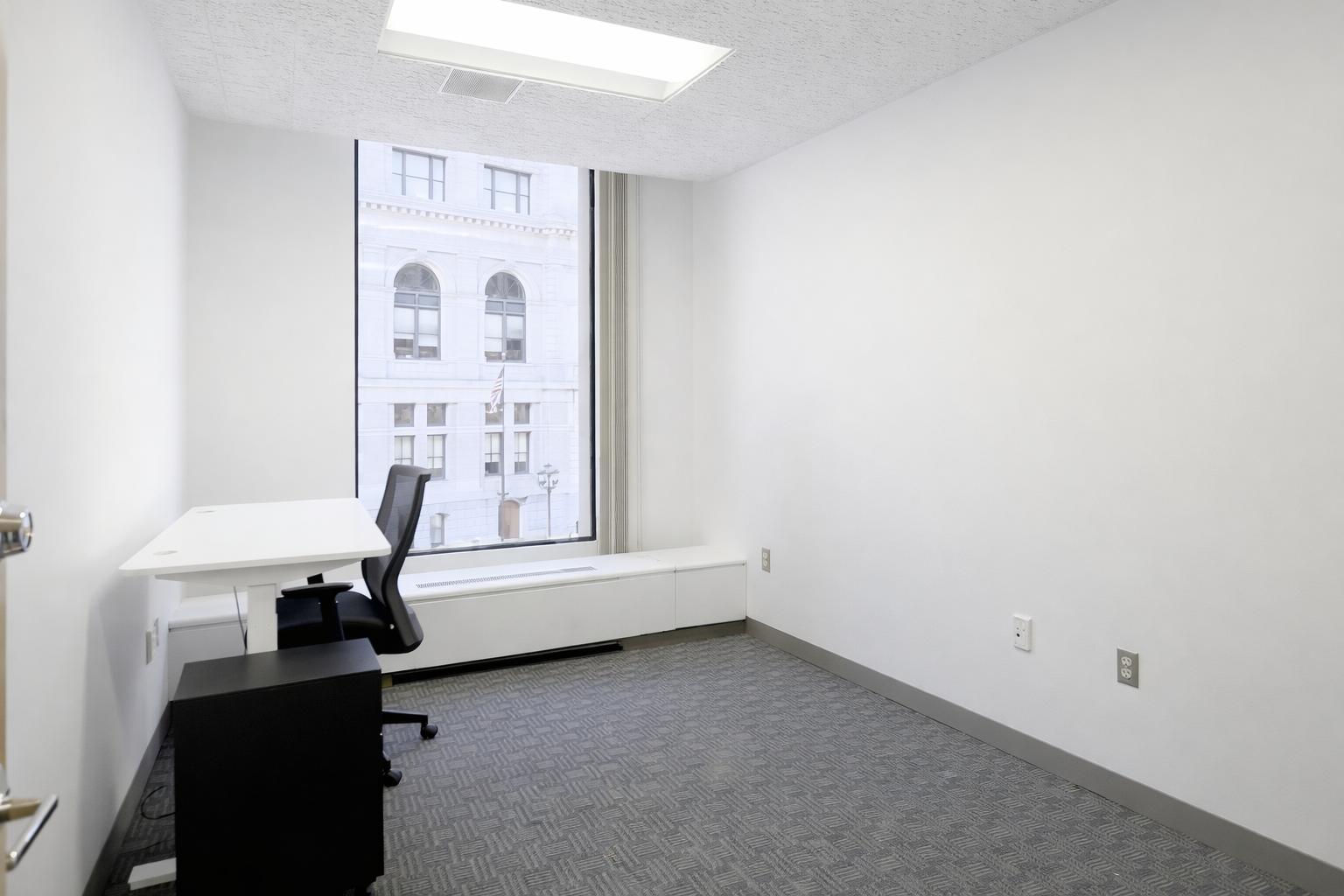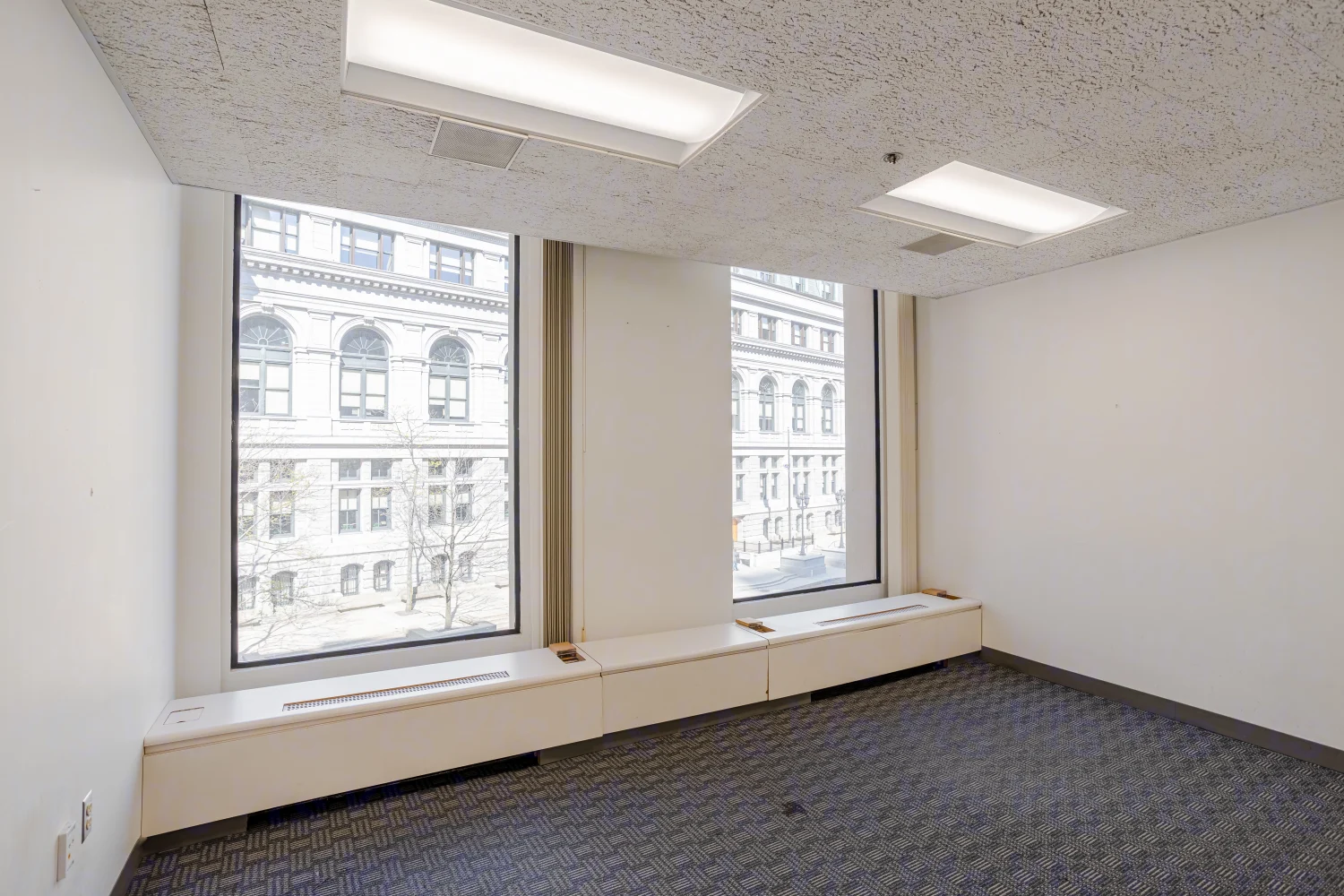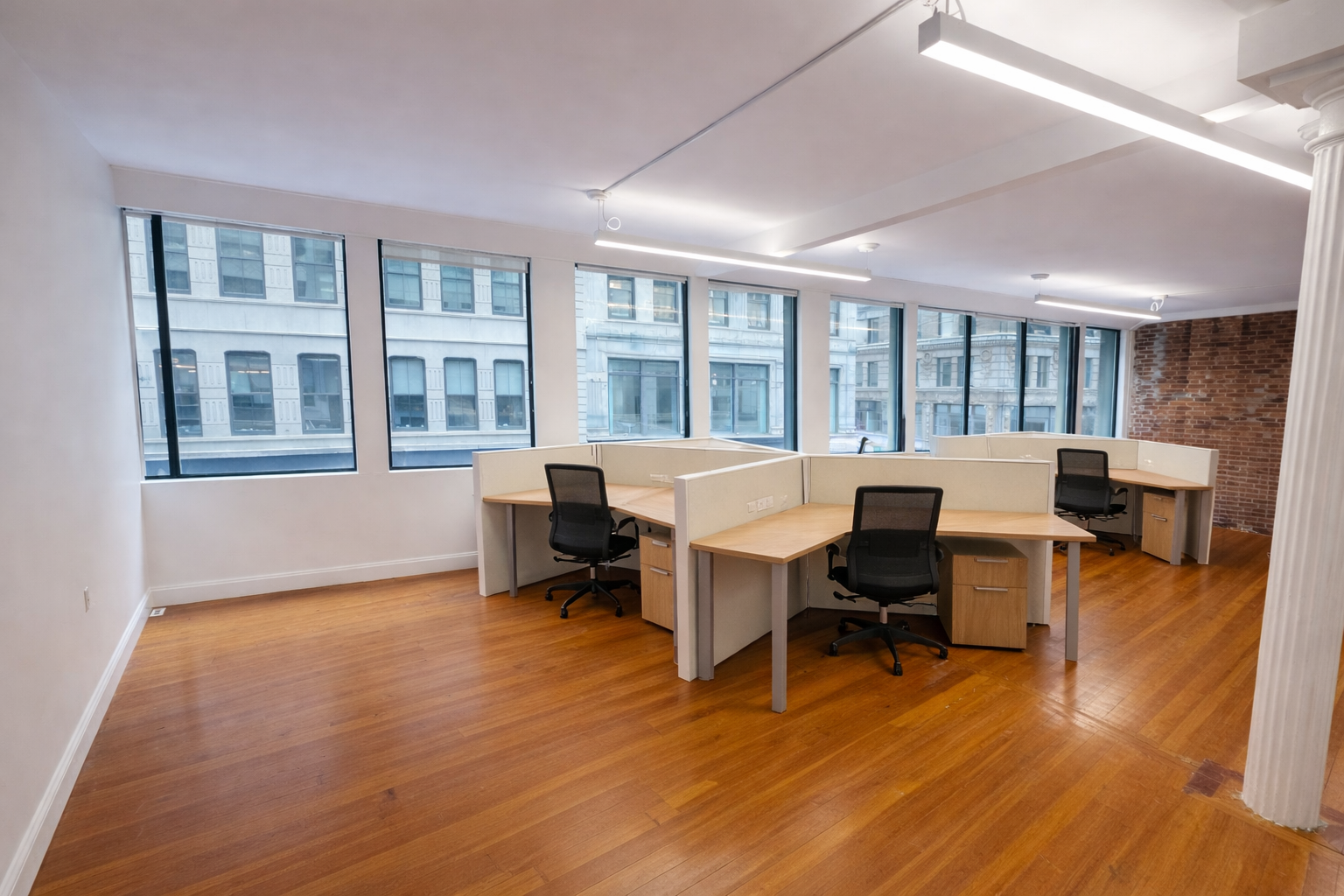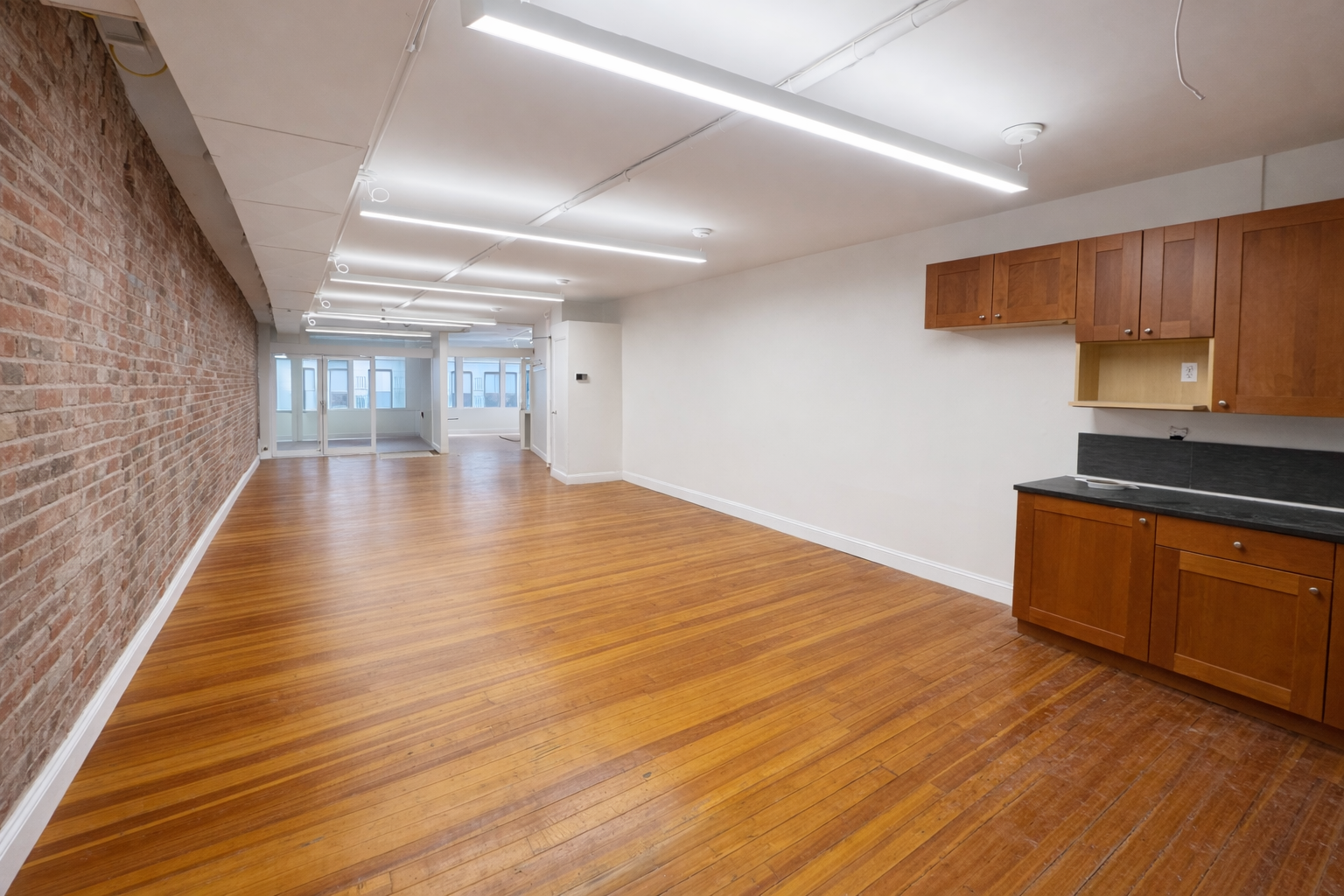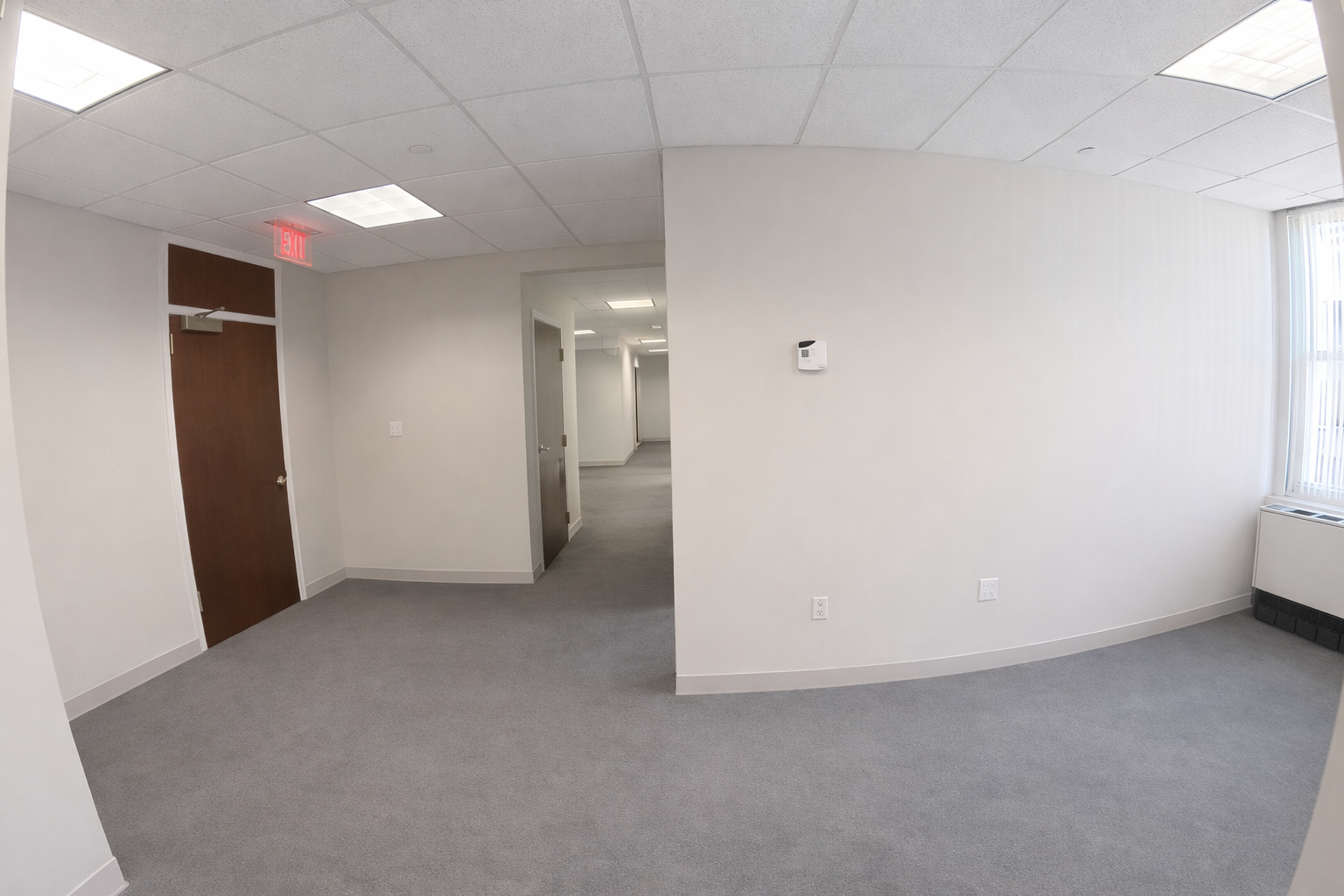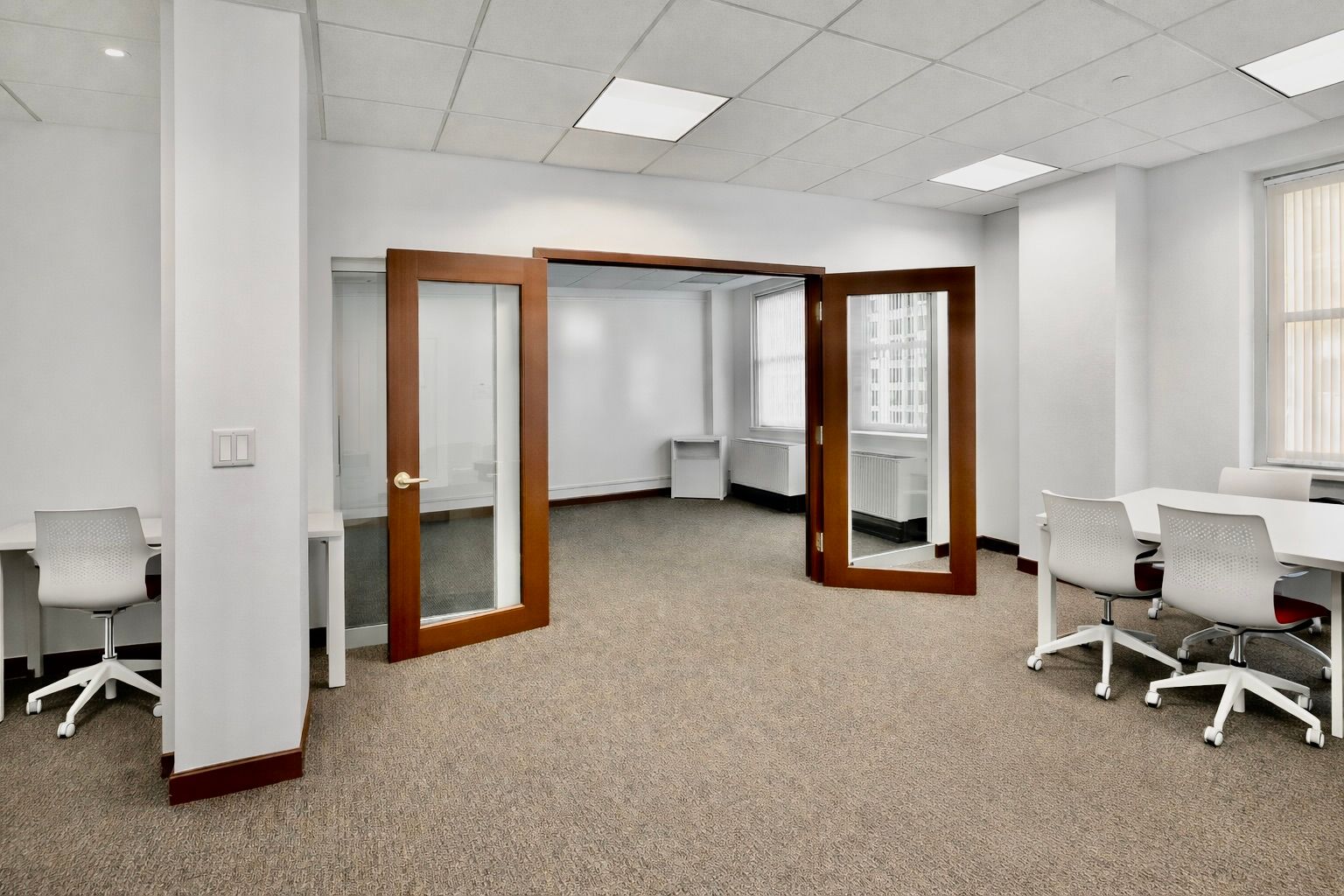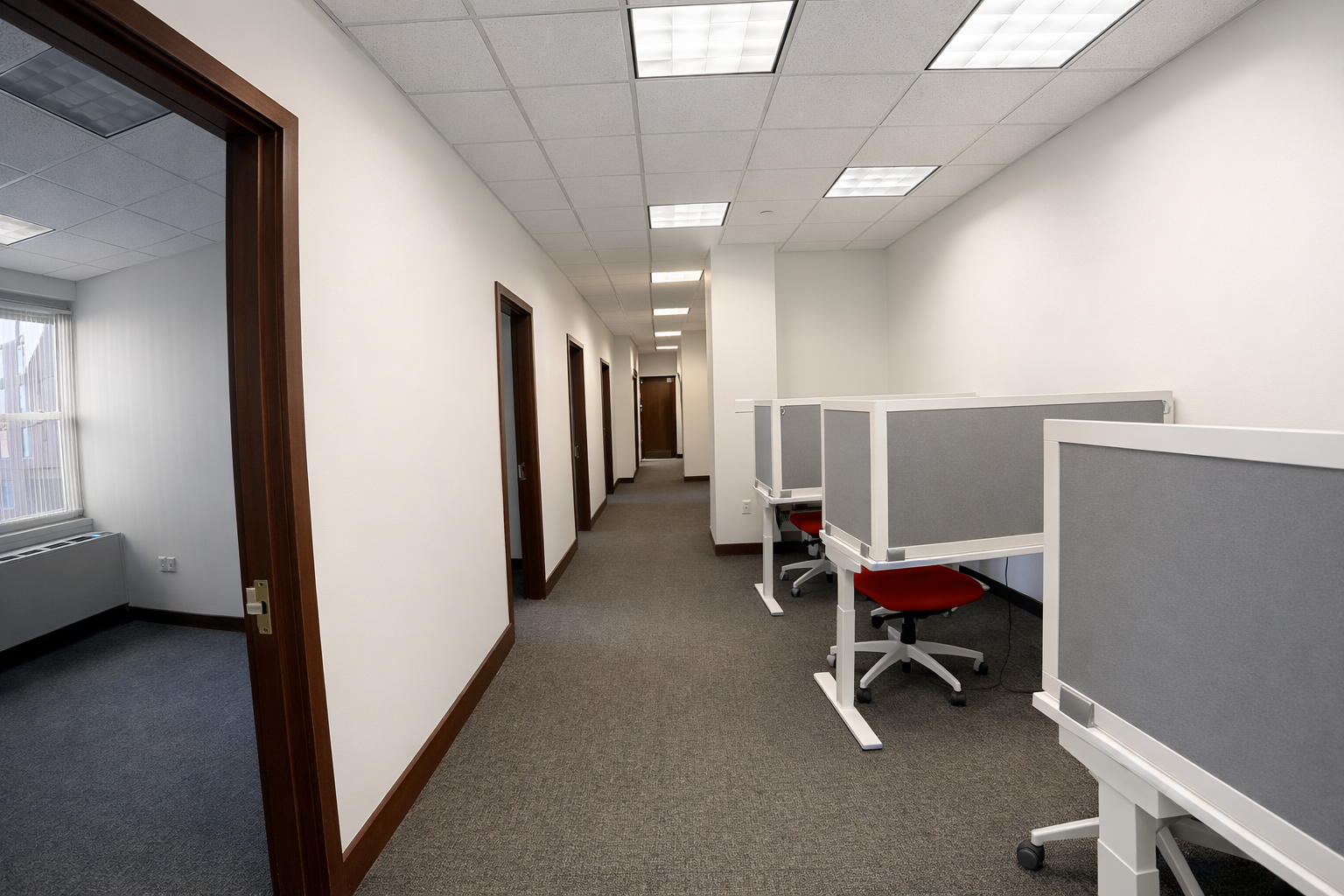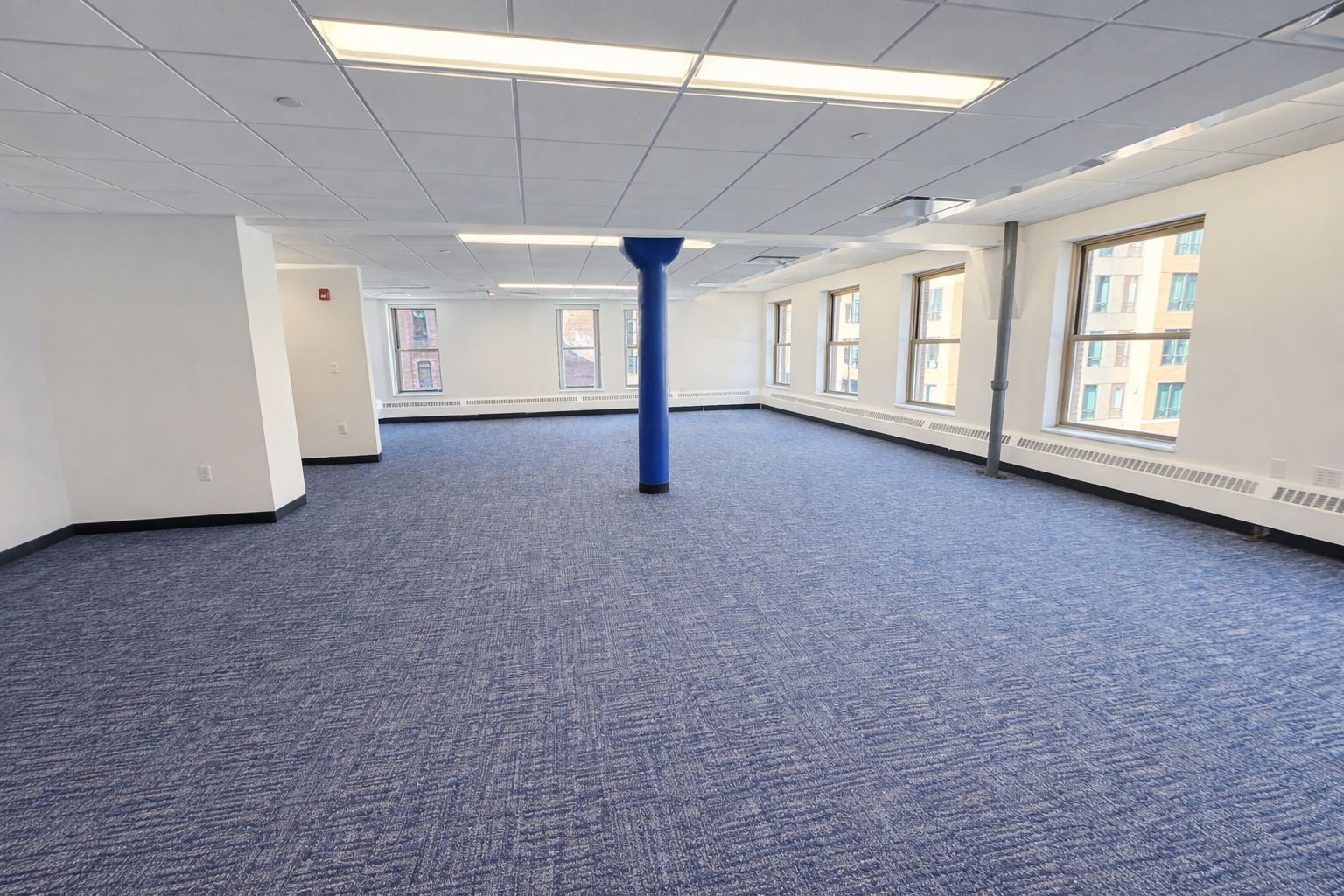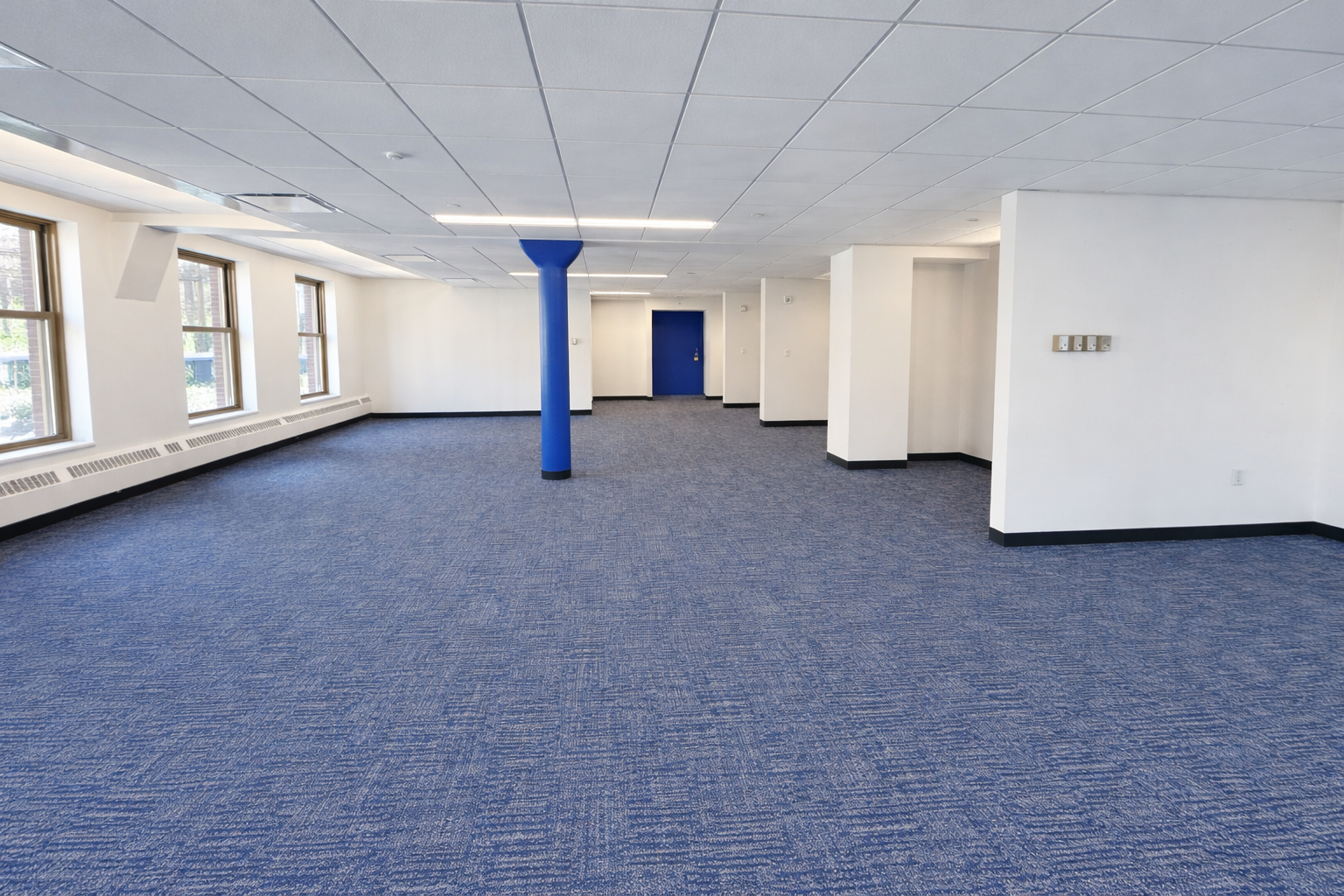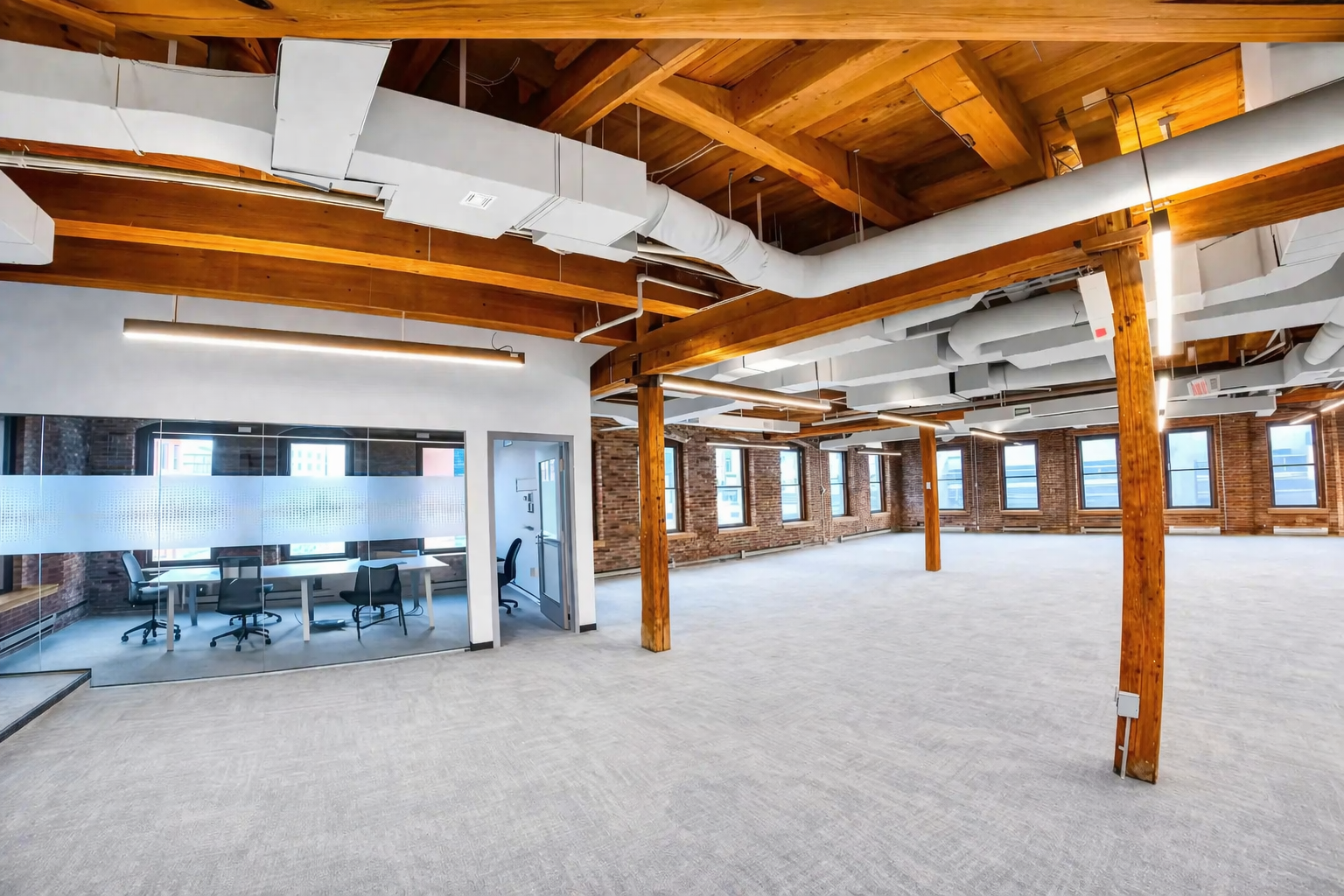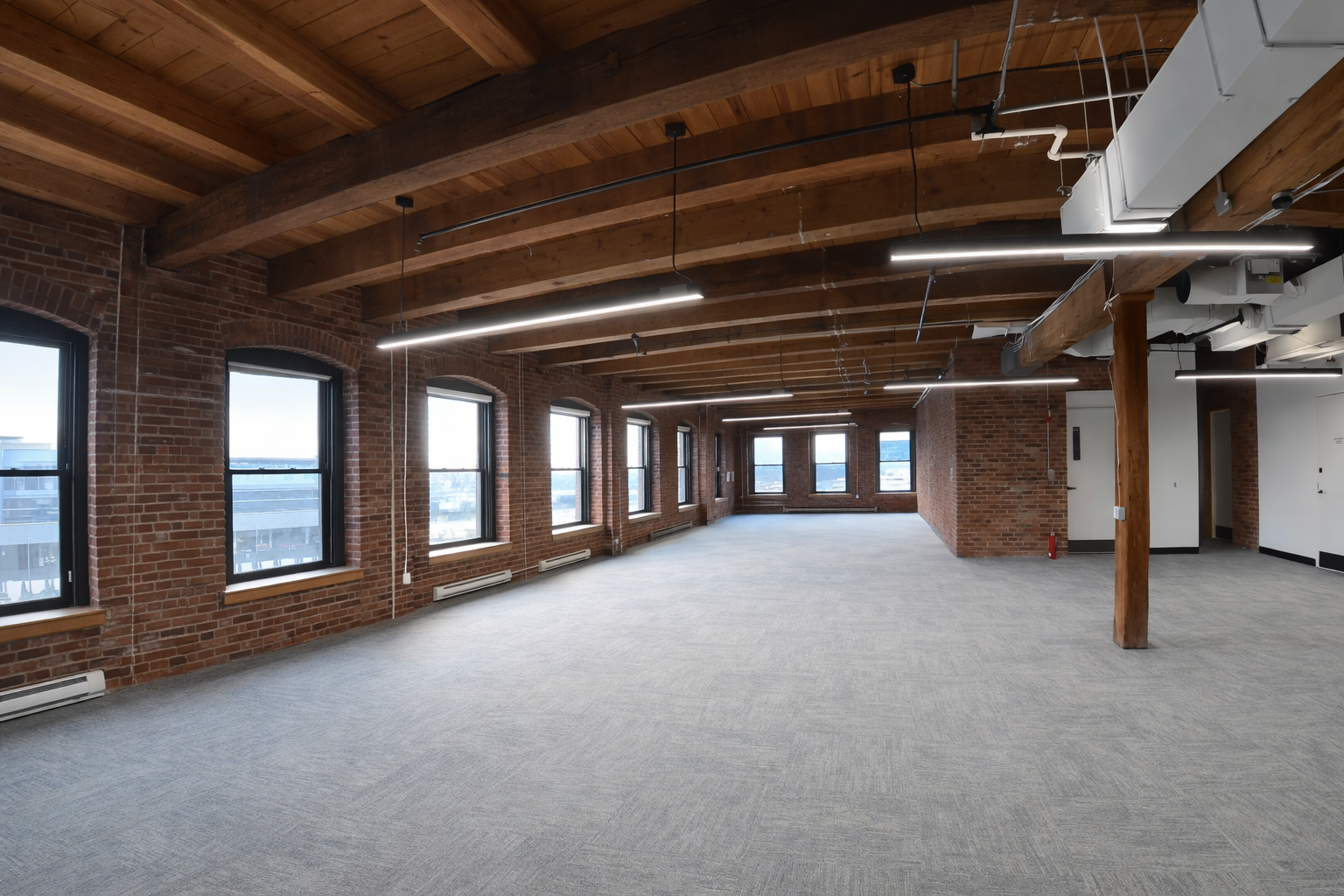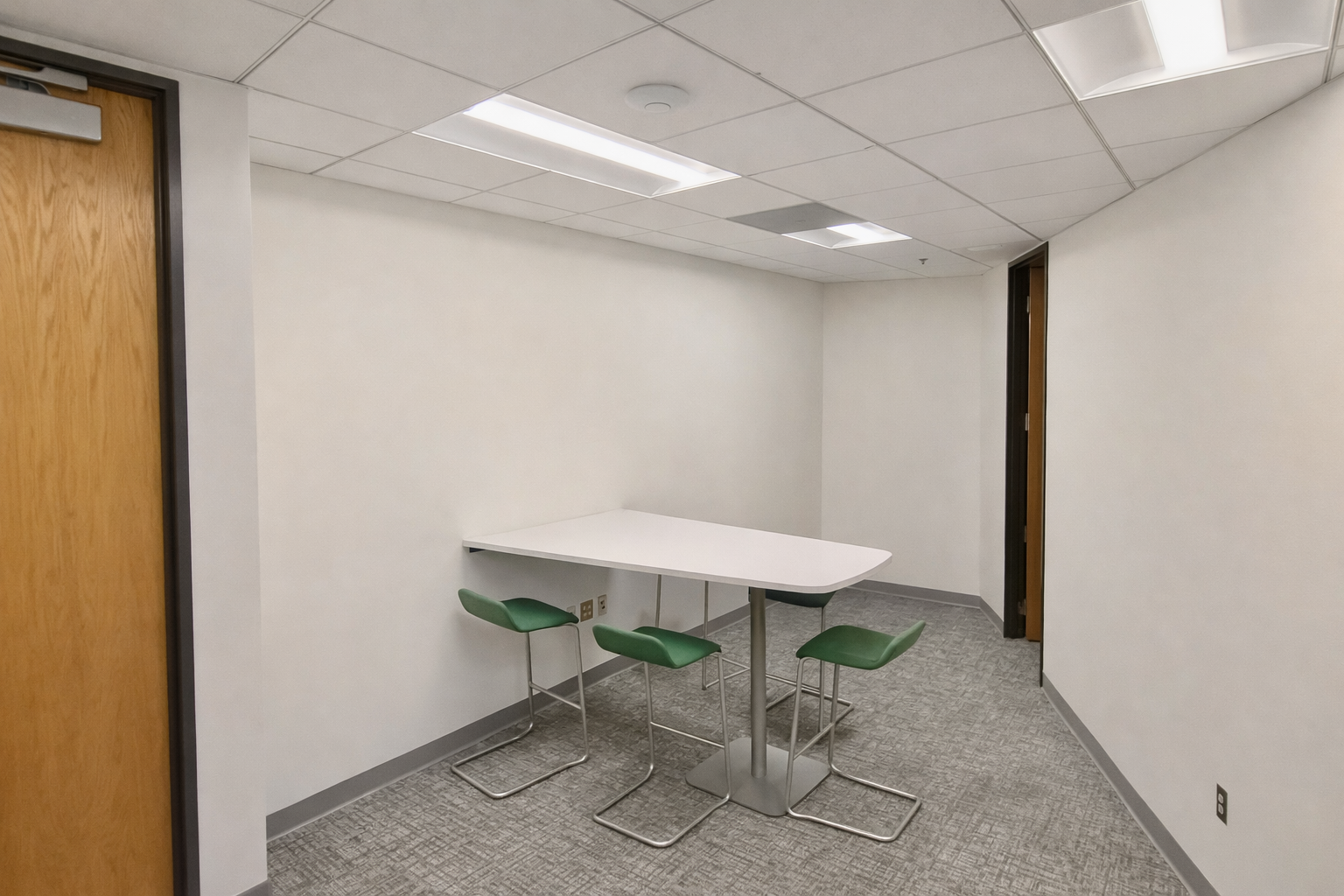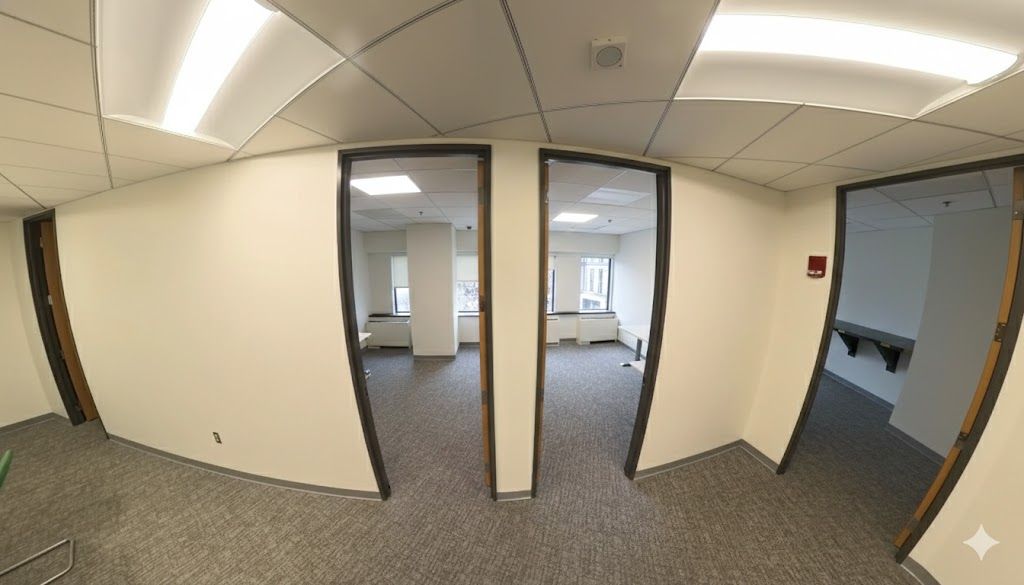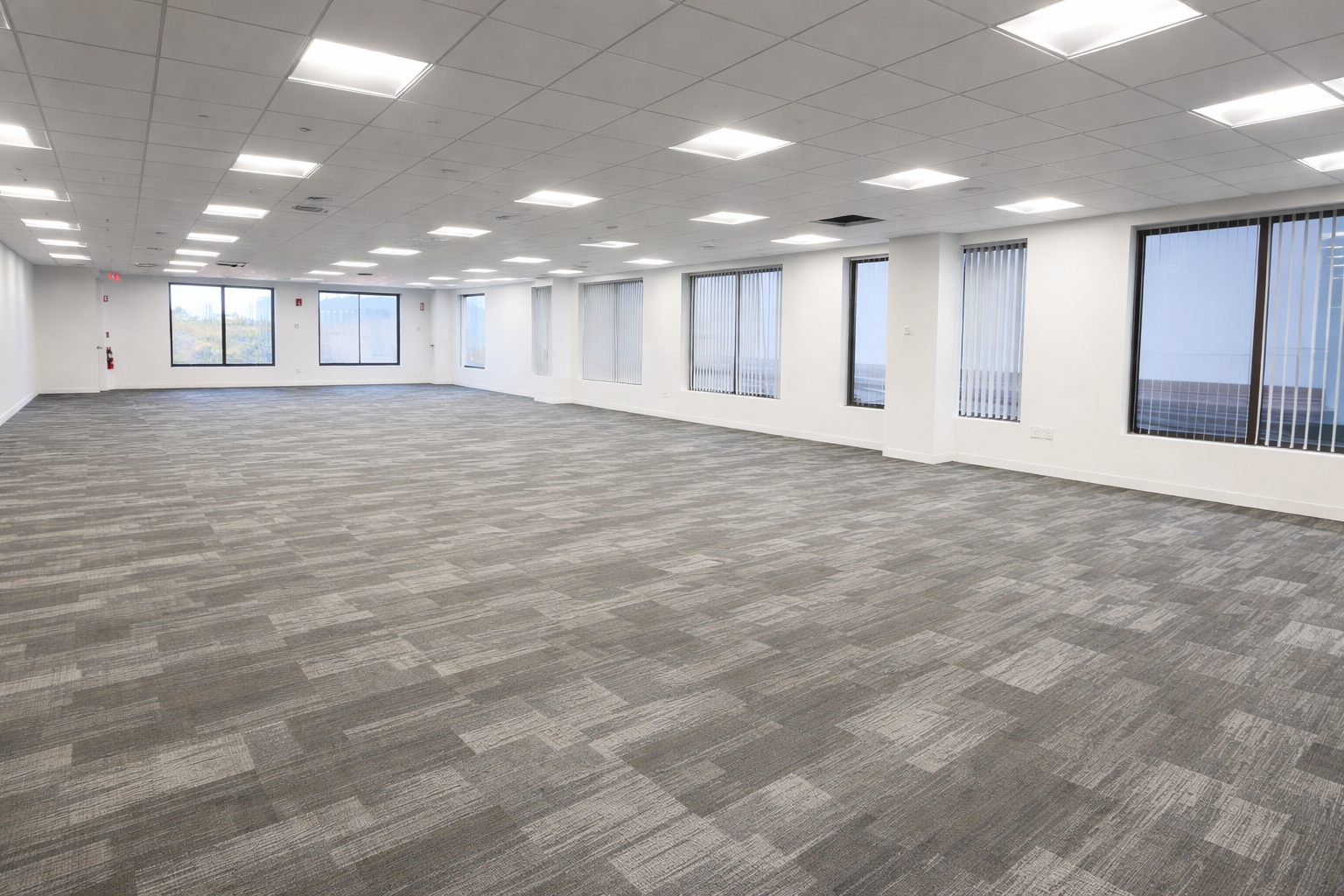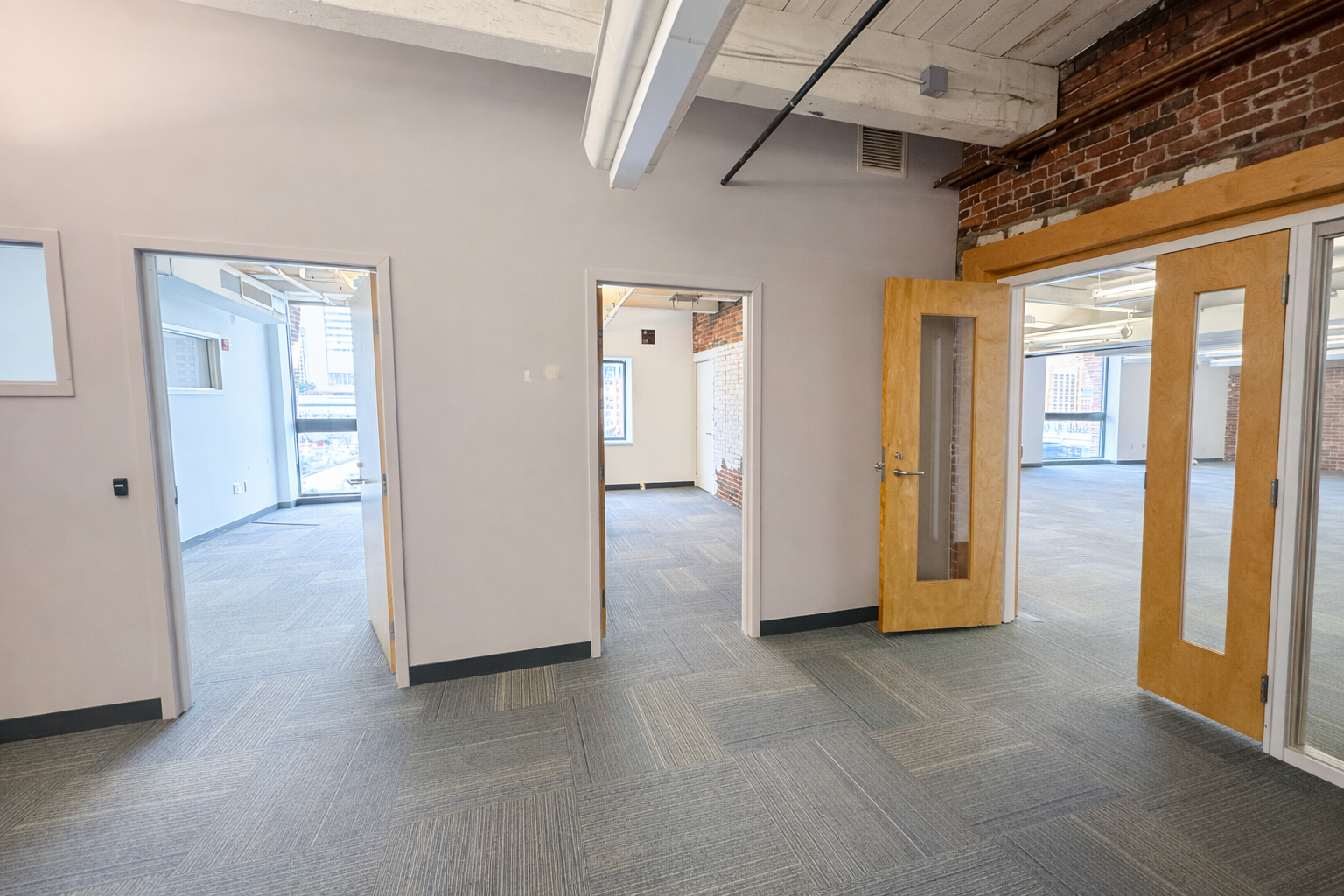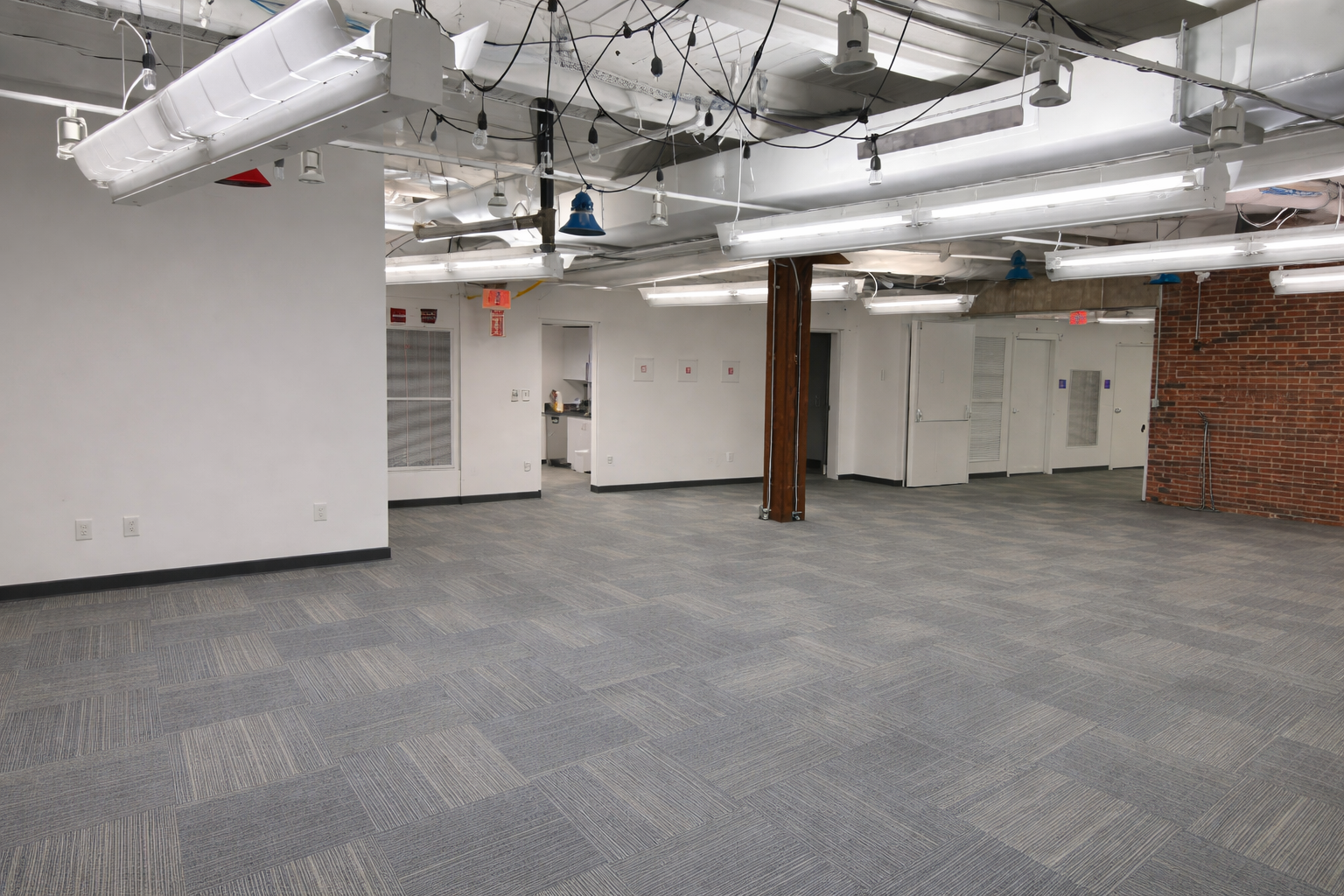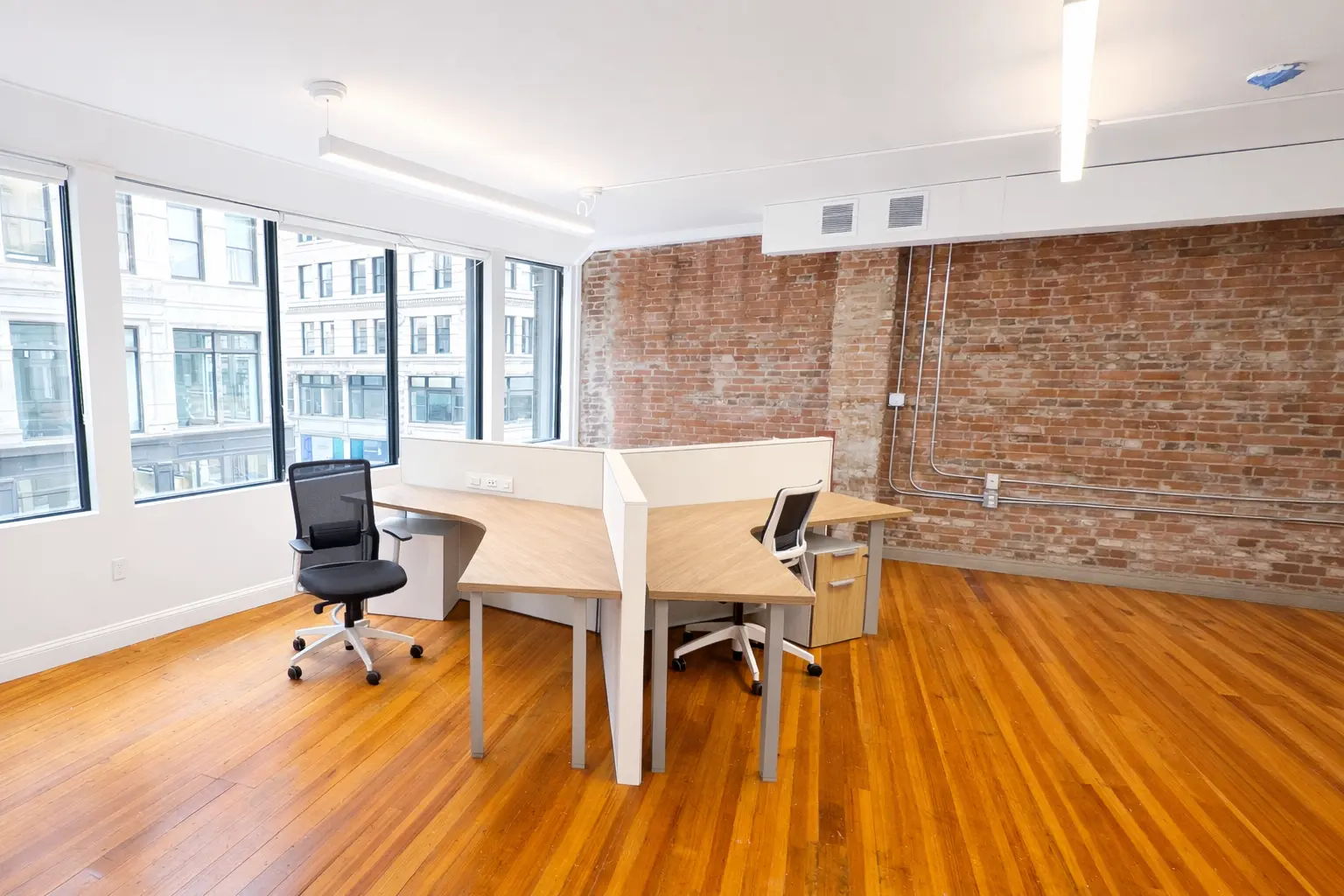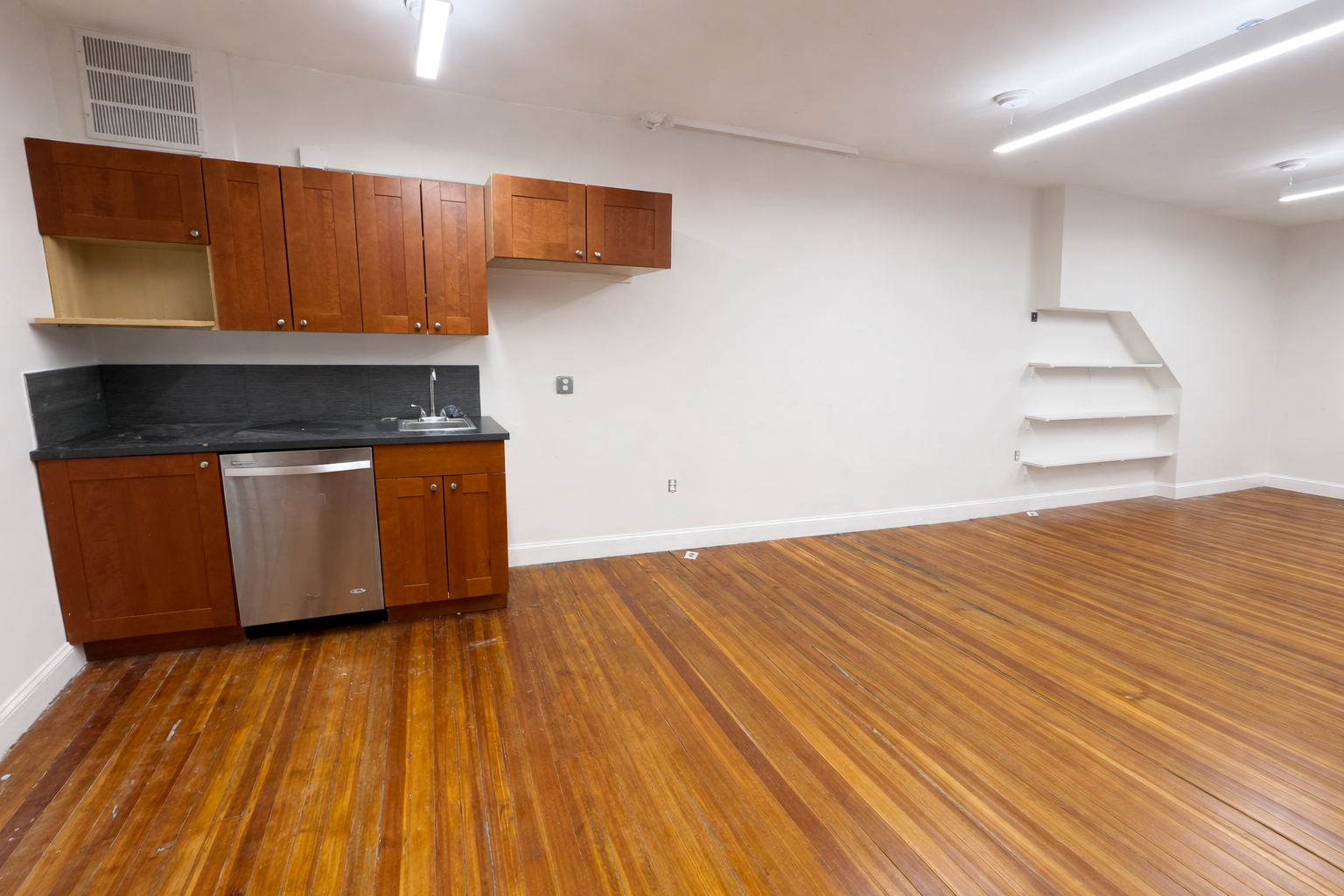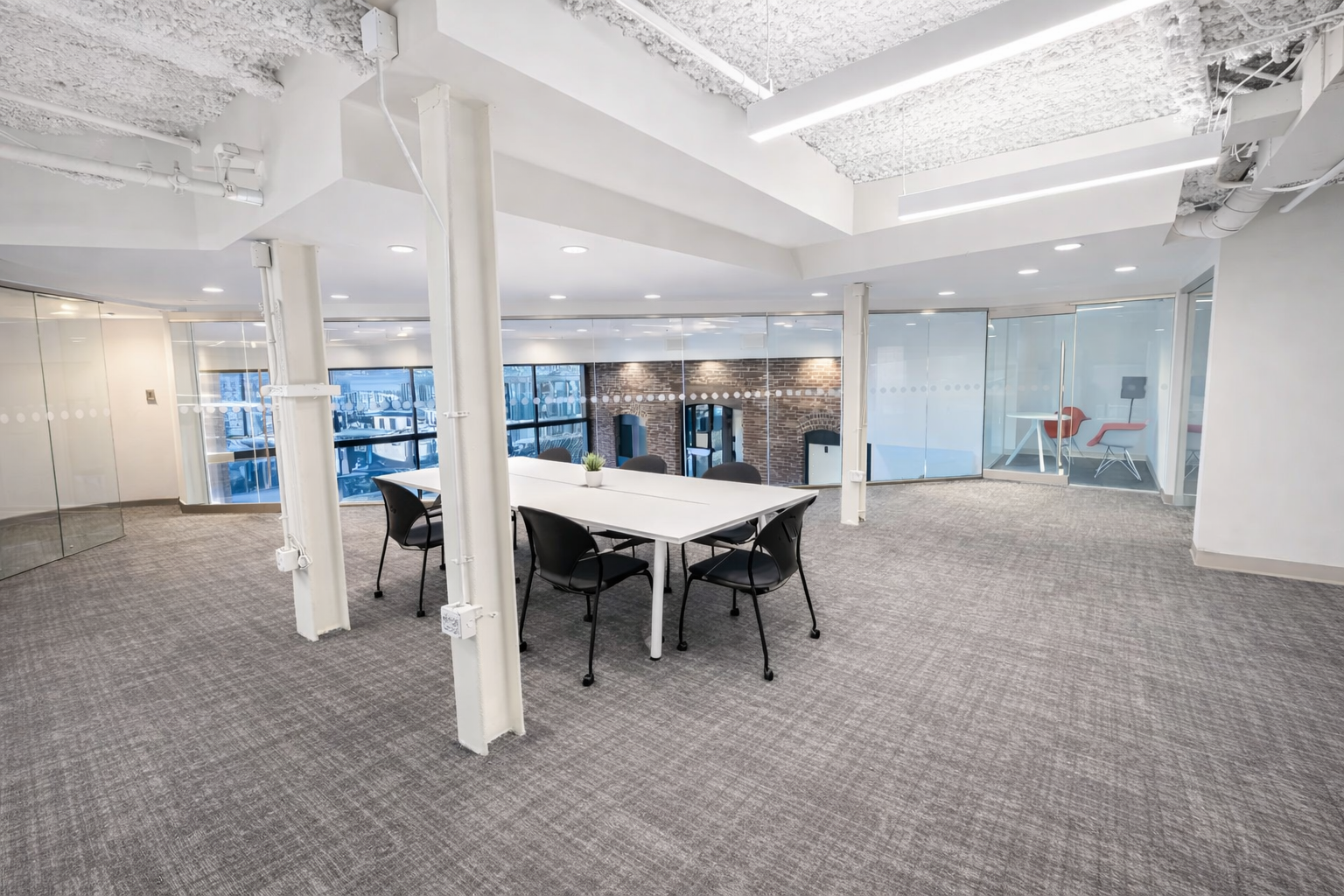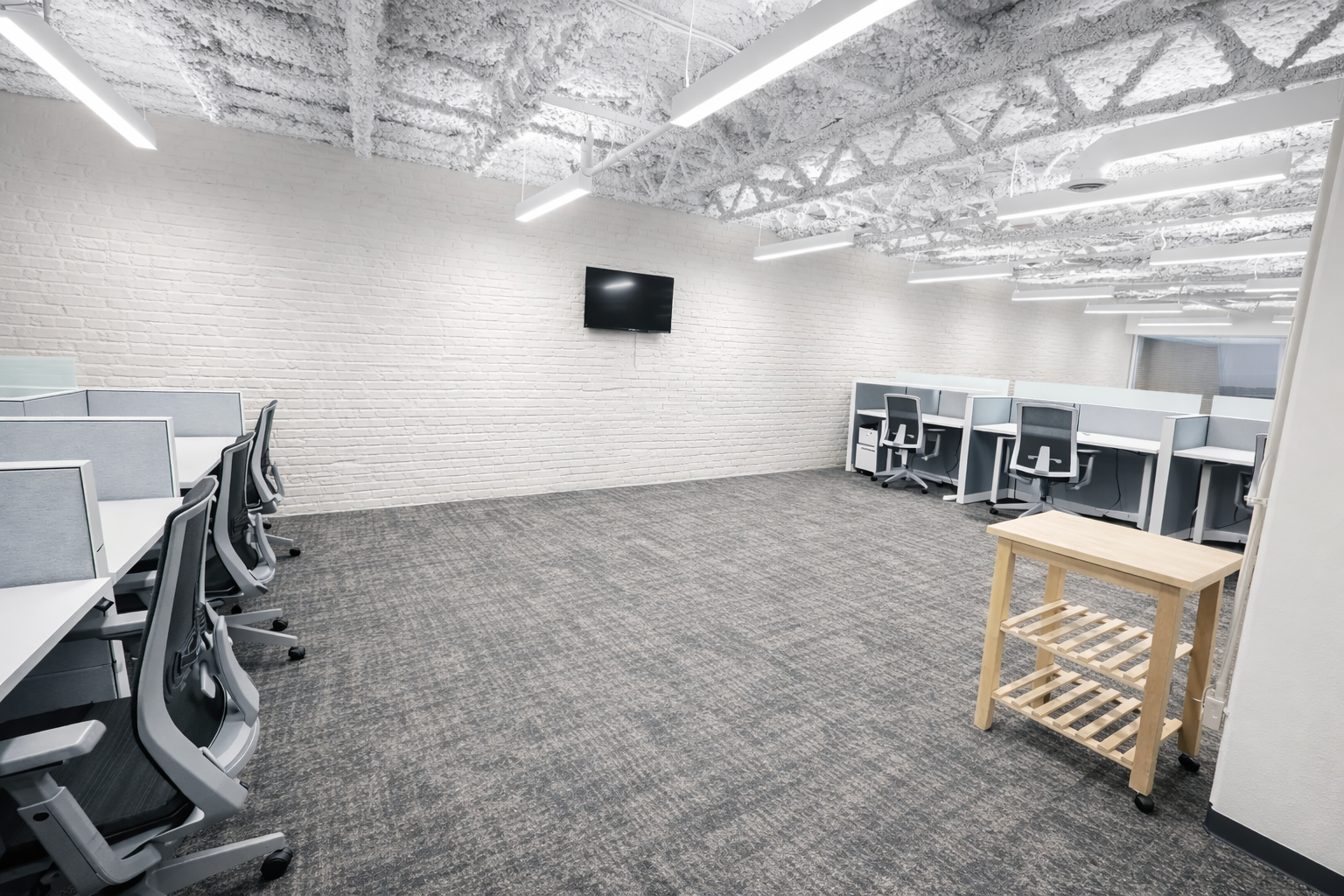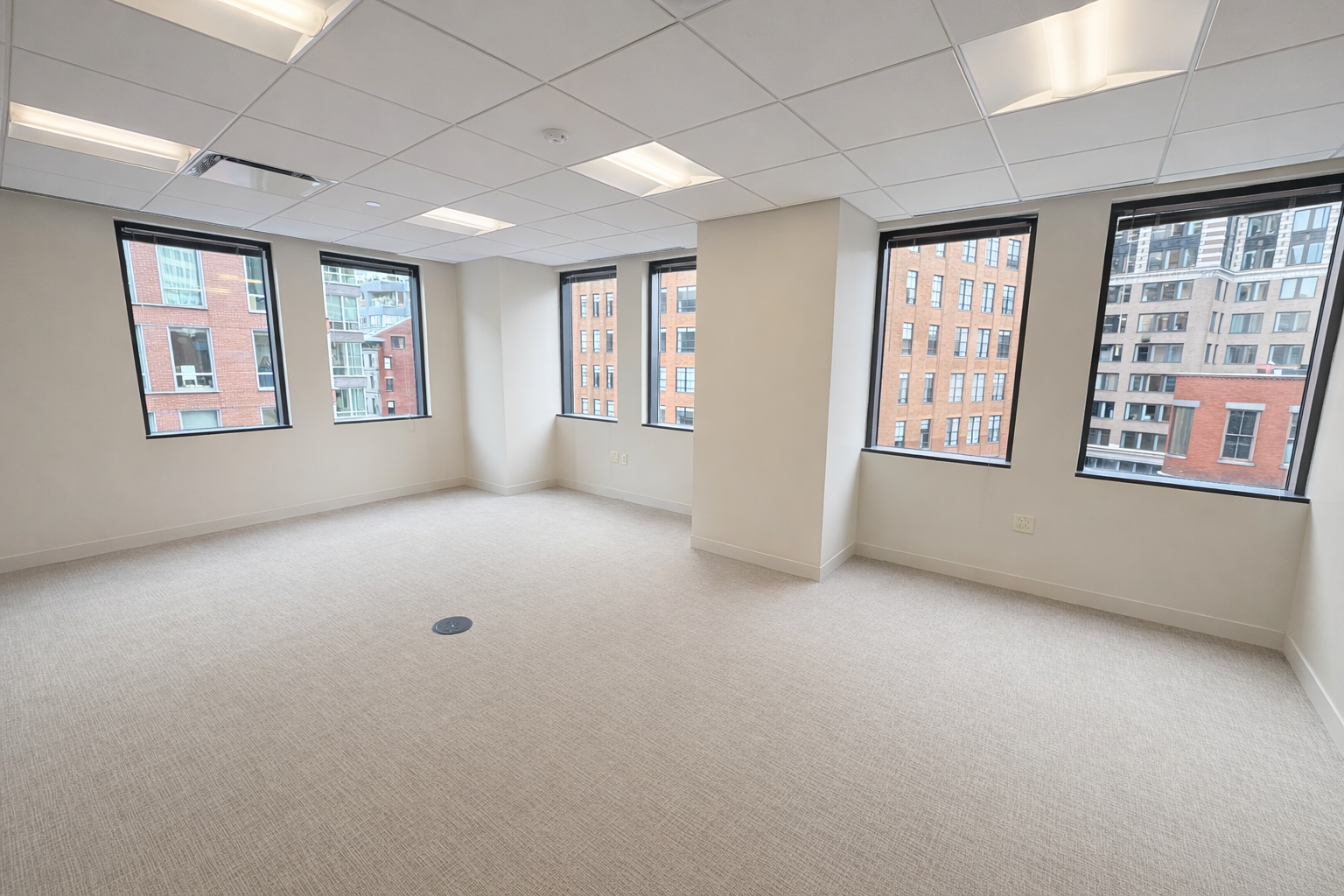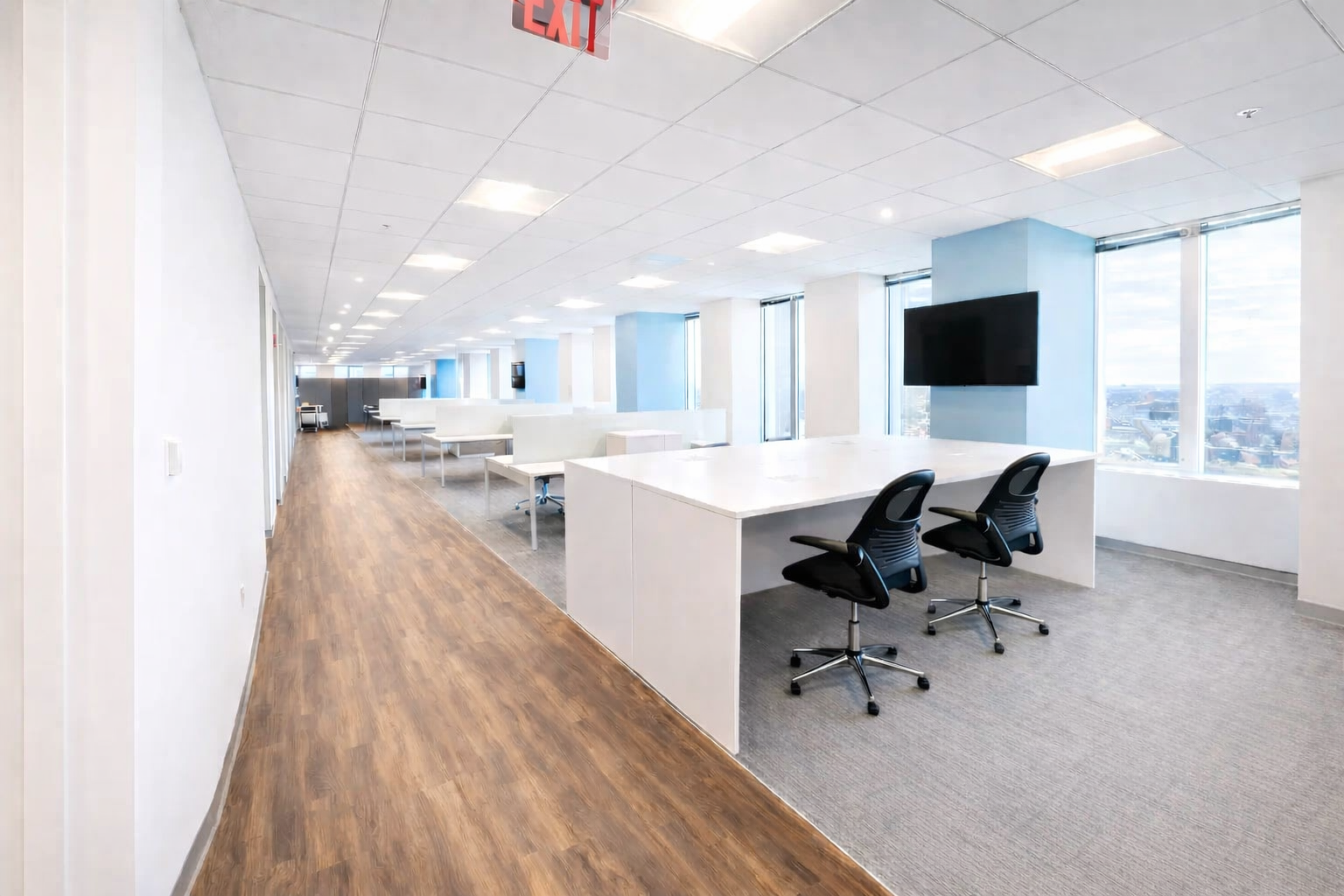

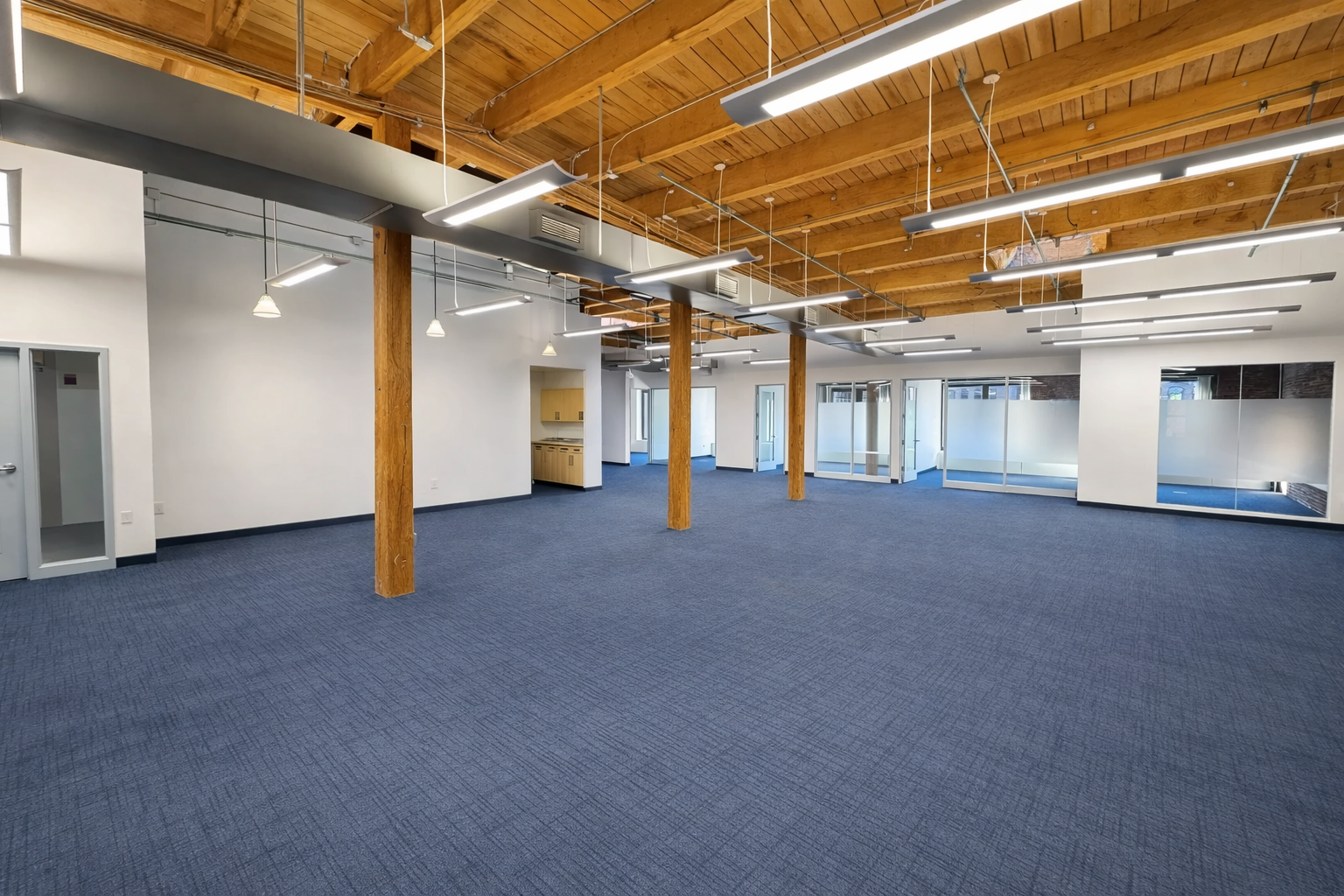
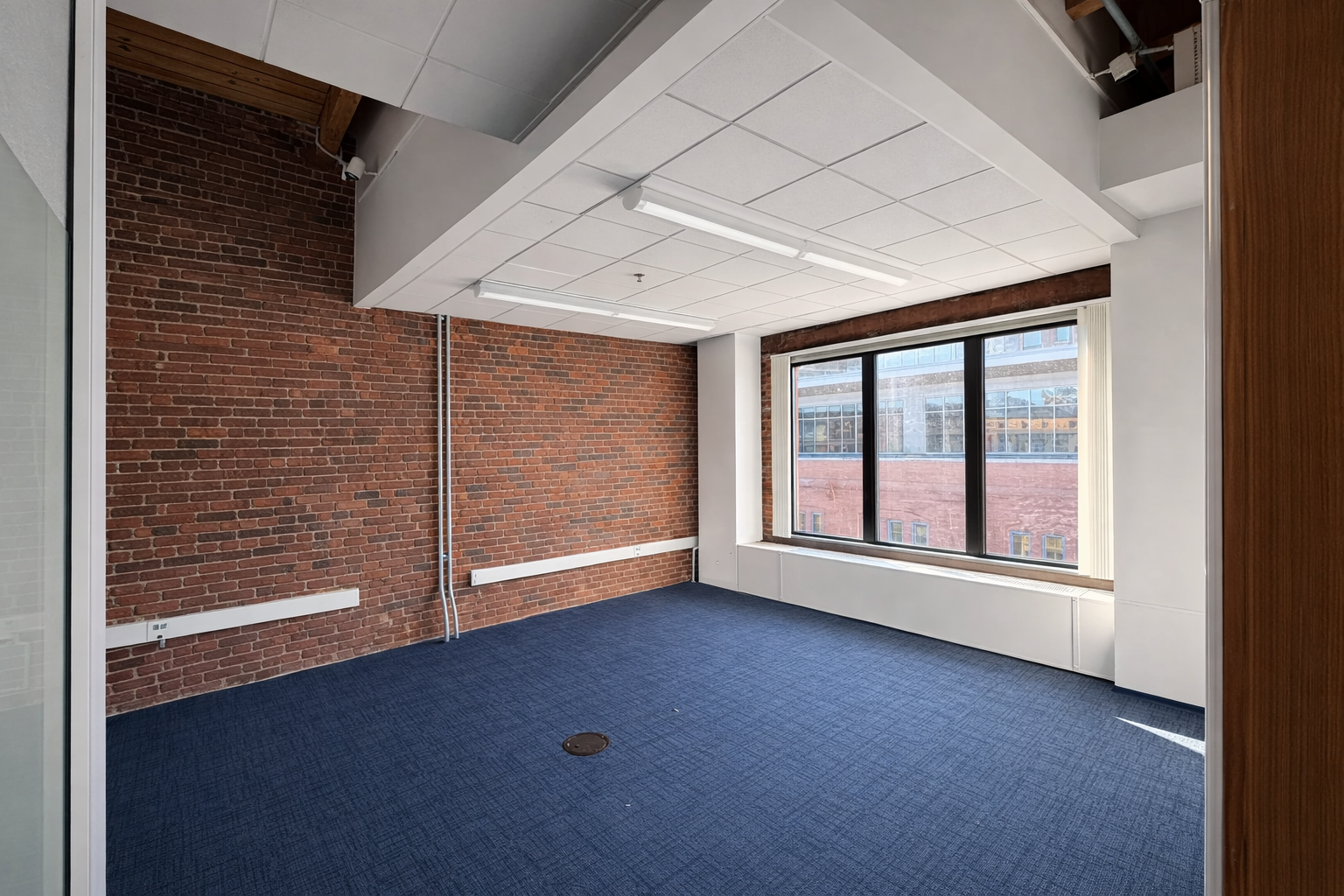
Seaport
$23,660/mo
25-49 people
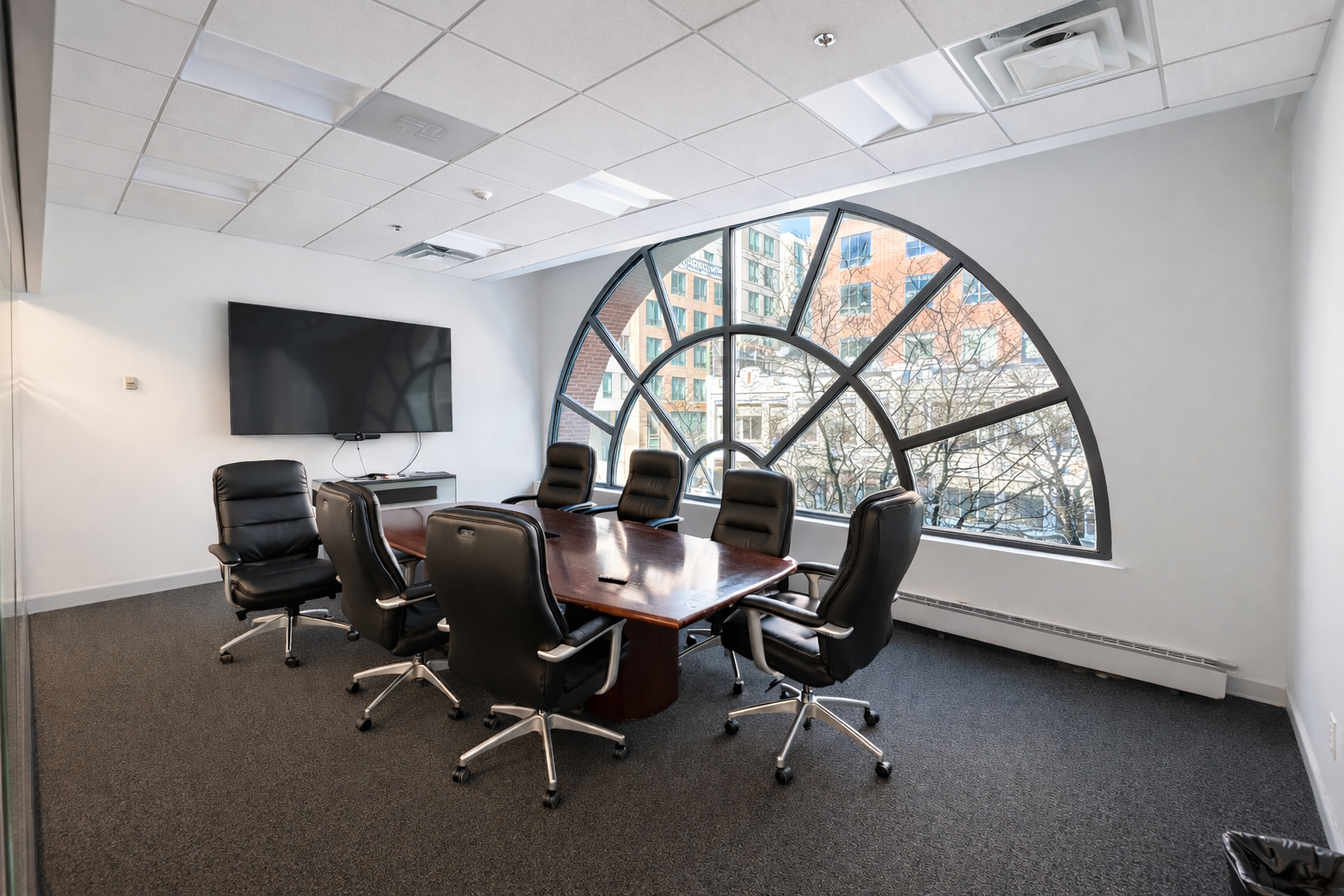
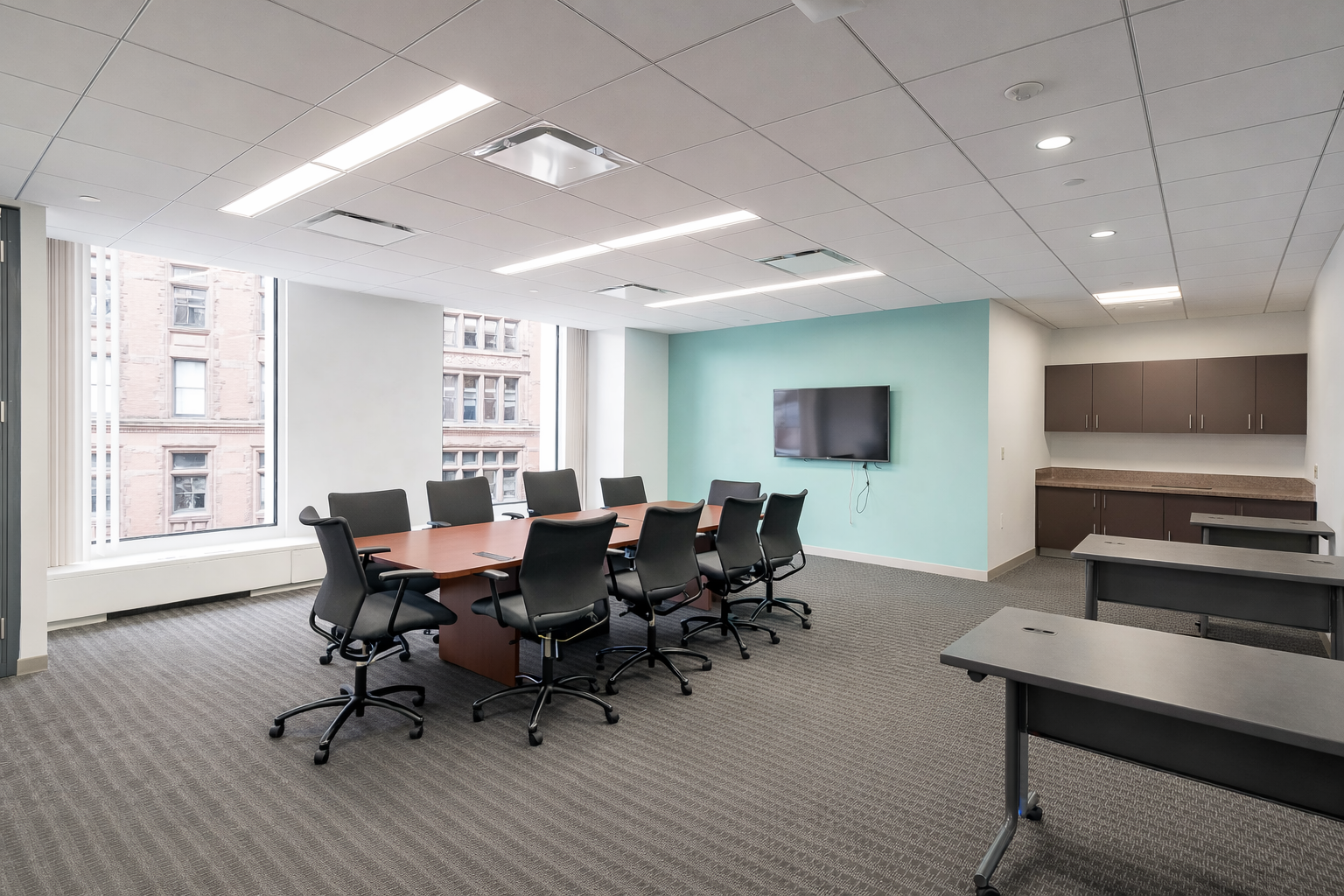
4 Meeting Rooms
What defines Harbor Islands office space today? There is no conventional office inventory. The area functions as public parkland and recreational space rather than commercial infrastructure. Office space in Boston’s Harbor Islands is not a viable commercial category.

There are no traditional office comparables in this geography.

Amenities are recreational and seasonal, not business-oriented.

Access is ferry-based and recreational in nature.

Designed for trails and open space rather than workday movement.

There is no office clustering.
Generally competitive relative to Davis Square. Building condition and transit distance influence positioning.
Retail density improves toward Davis. Within Hillside itself, options are limited but functional.
Red Line access at Davis anchors connectivity. Bus routes supplement coverage.
Walkable within residential grid. Movement feels calm and contained.
Tenant presence is light and service-oriented. Hillside office space supports small teams.
Generally competitive relative to central Cambridge and Downtown Boston. Pricing reflects redevelopment phase and building type.
Retail density is limited within Inner Belt itself. Union Square expands nearby options.
Highway adjacency via I-93 is a defining asset. Green Line Extension access nearby improves transit viability.
Walkability is improving within redevelopment zones. Surrounding areas remain industrial in character.
Tenant presence includes creative firms and growth-stage companies seeking flexible space. Inner Belt office space favors forward-looking firms.
Generally competitive relative to Cambridge cores. Transit adjacency influences pricing.
Retail density is moderate and localized. Daily routines are practical.
Green Line Extension access strengthens connectivity to Downtown Boston. Bus routes supplement regional movement.
Walkable within commercial nodes. Residential streets dominate the broader grid.
Tenant presence is light and locally rooted. East Somerville office space supports small professional firms.