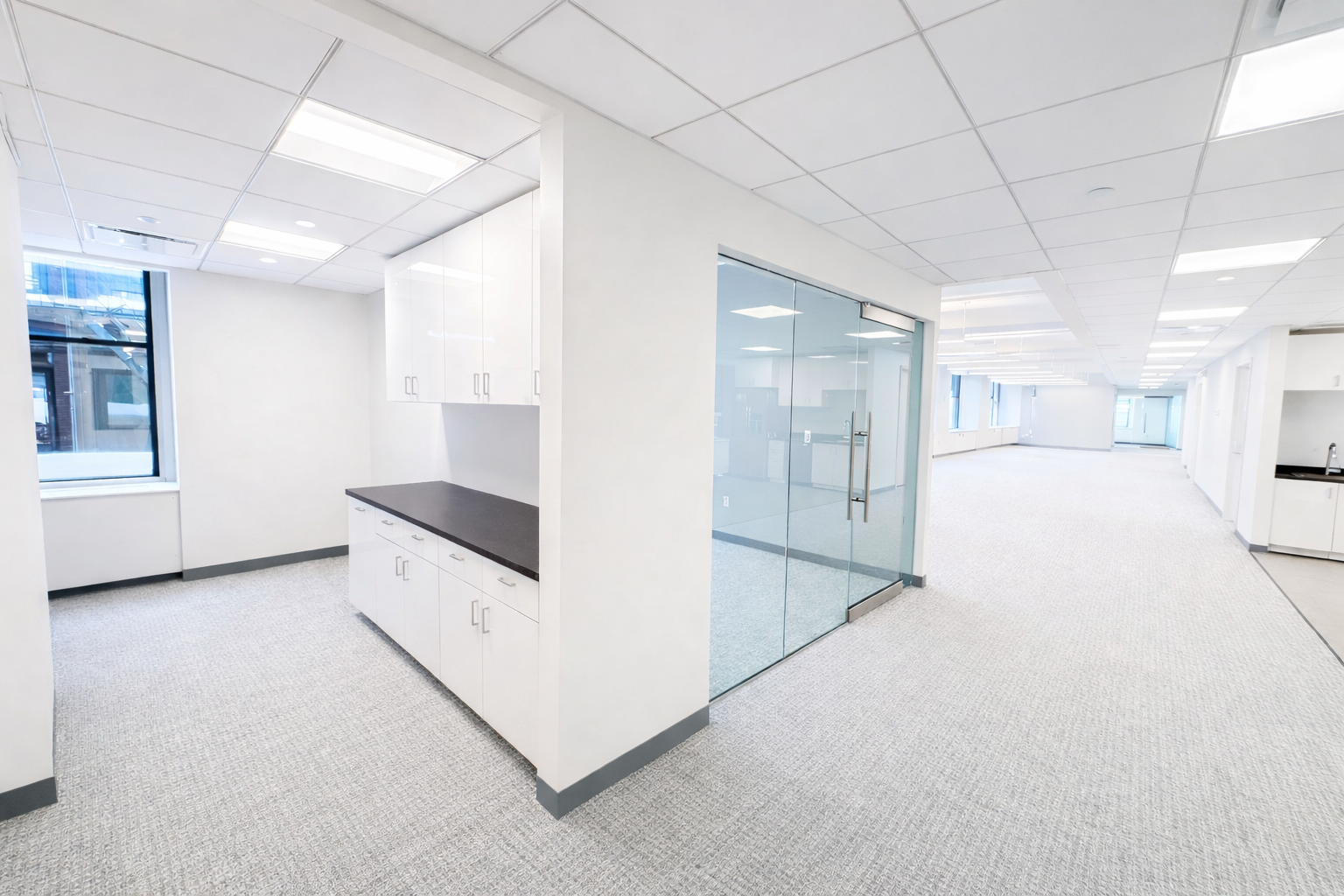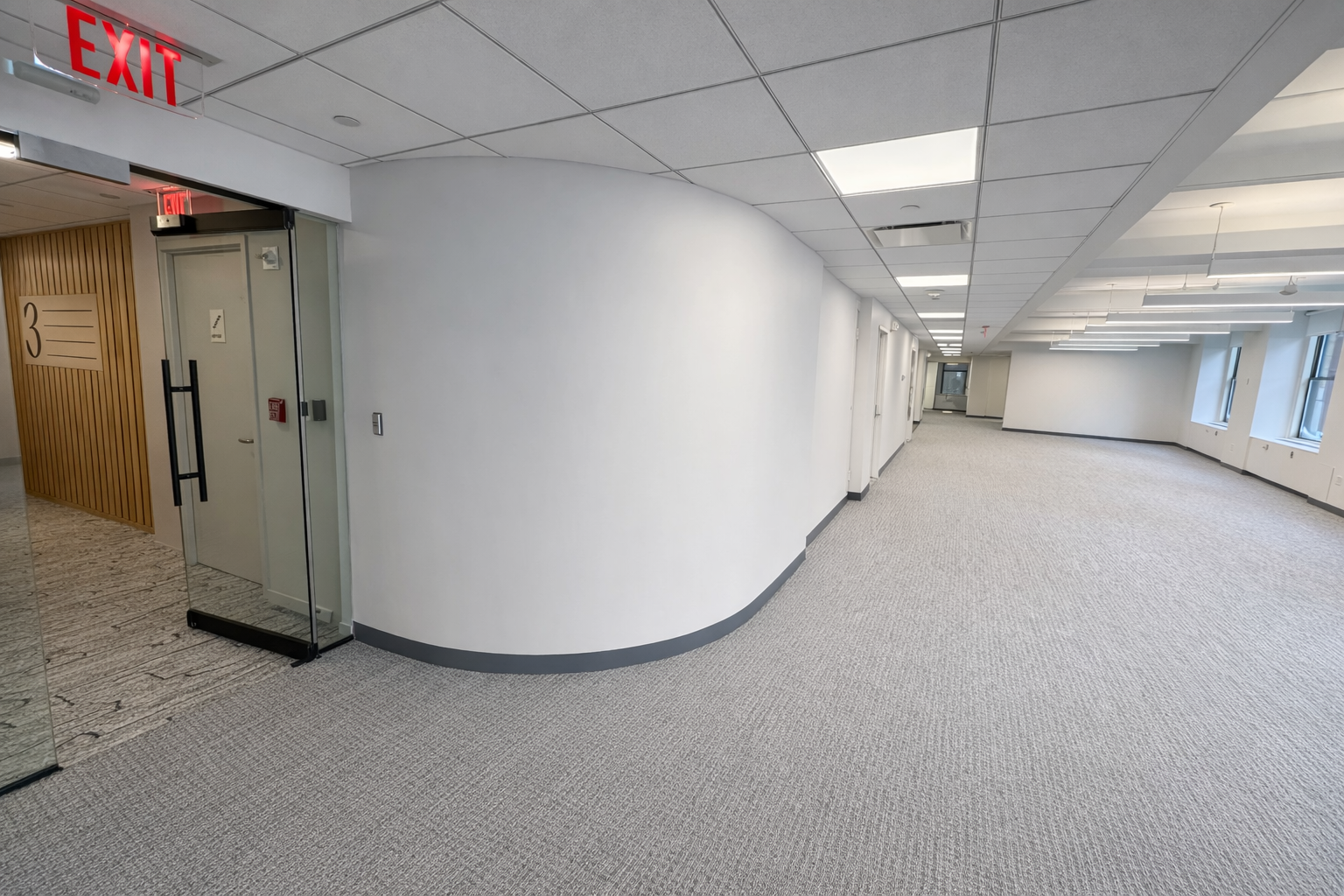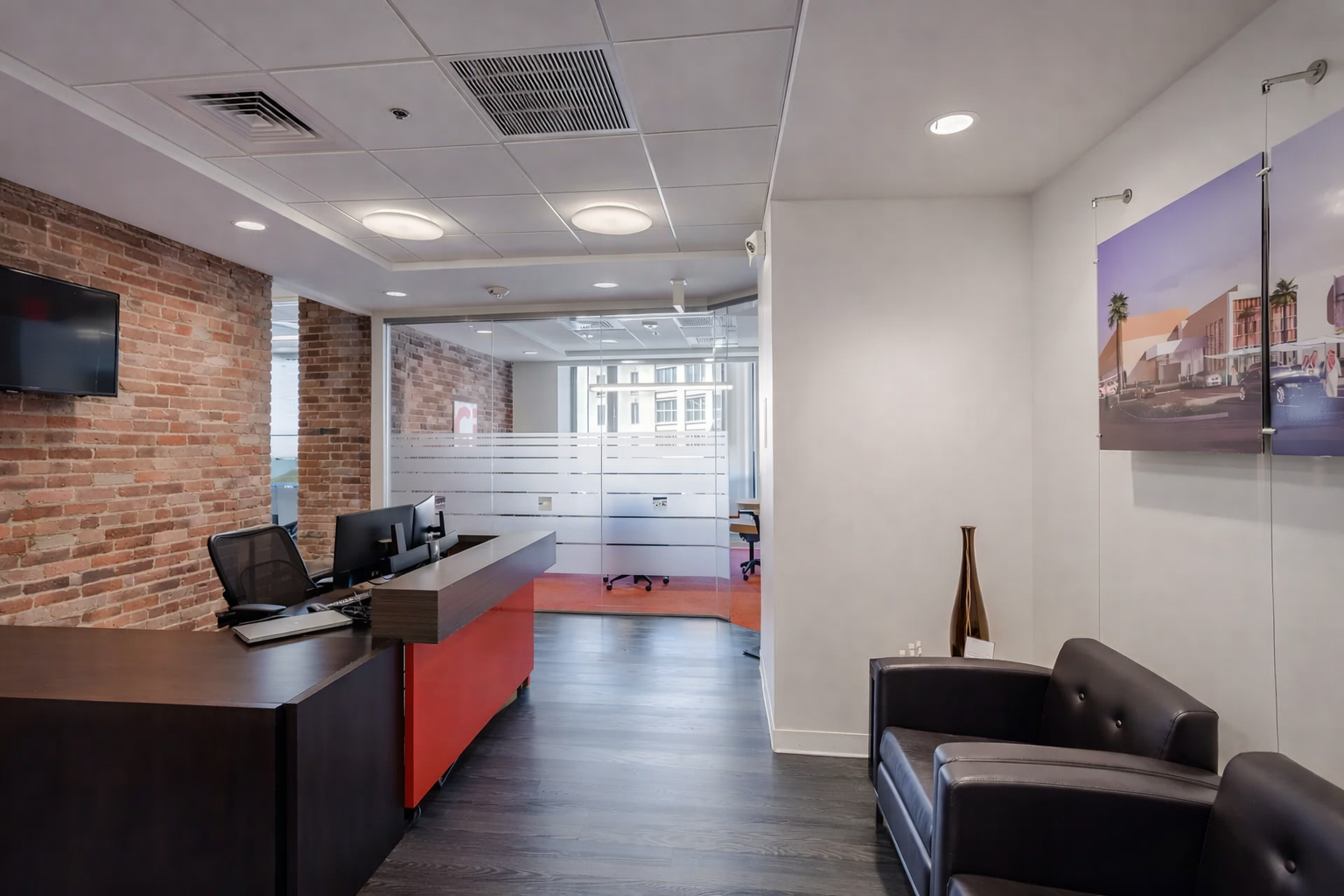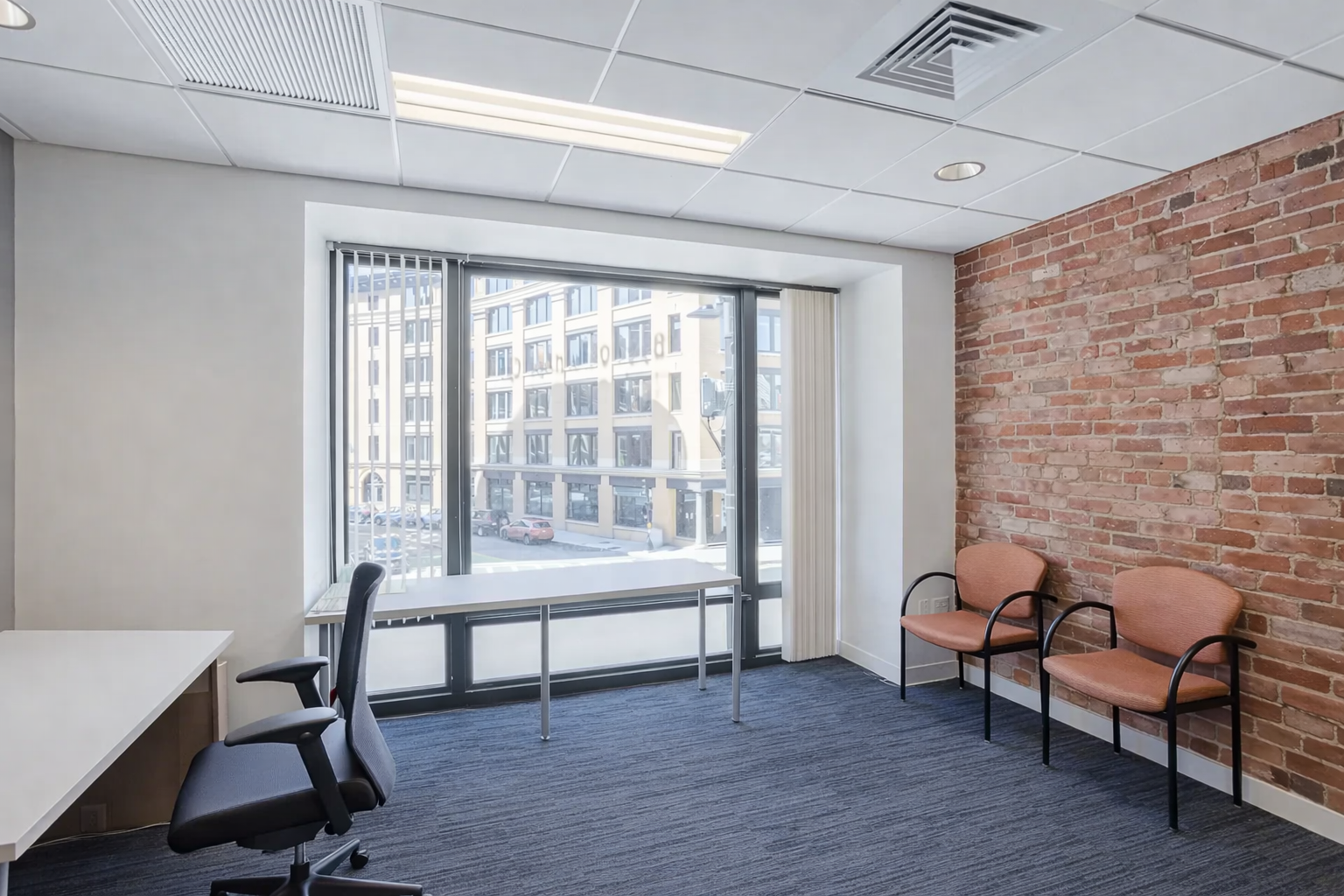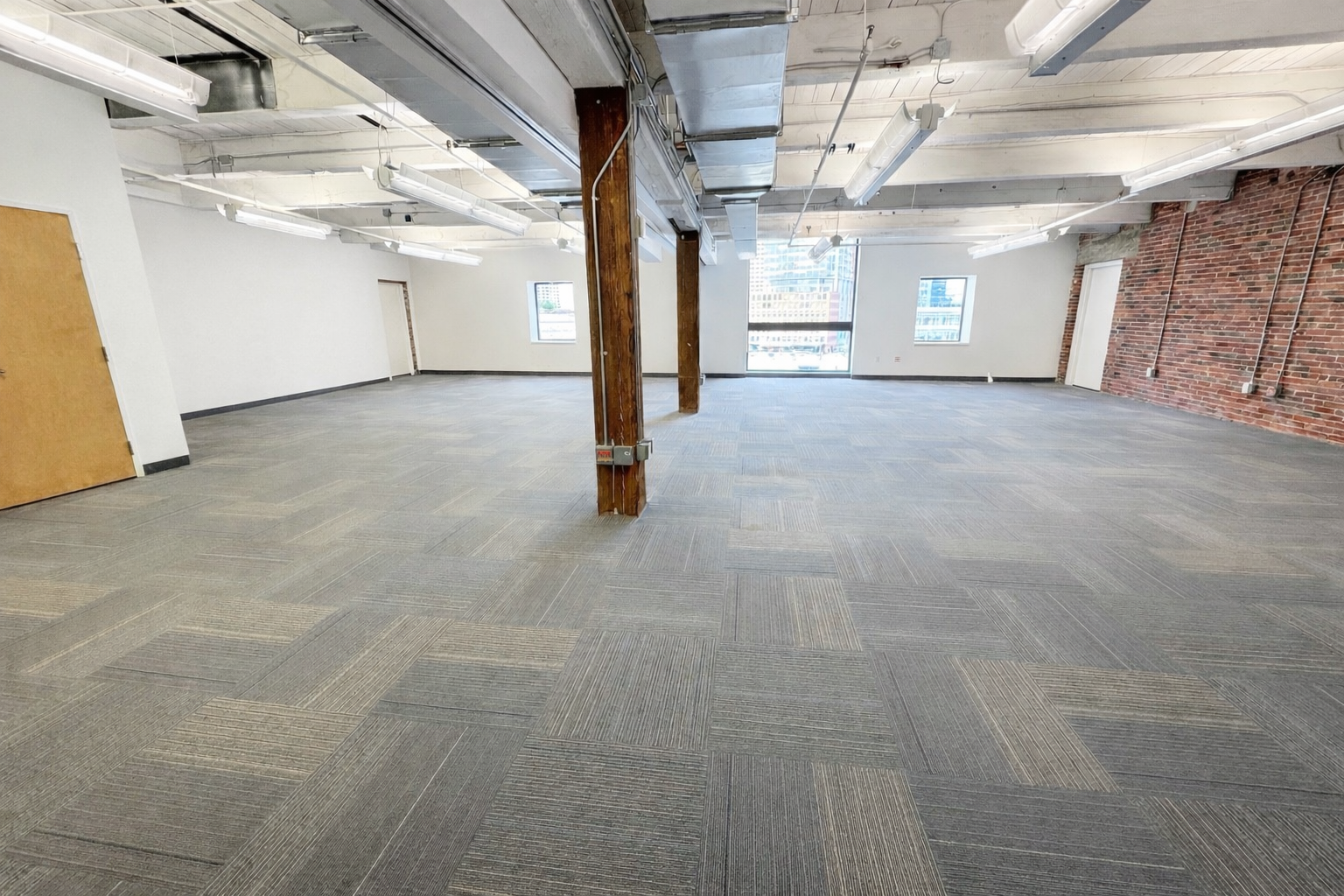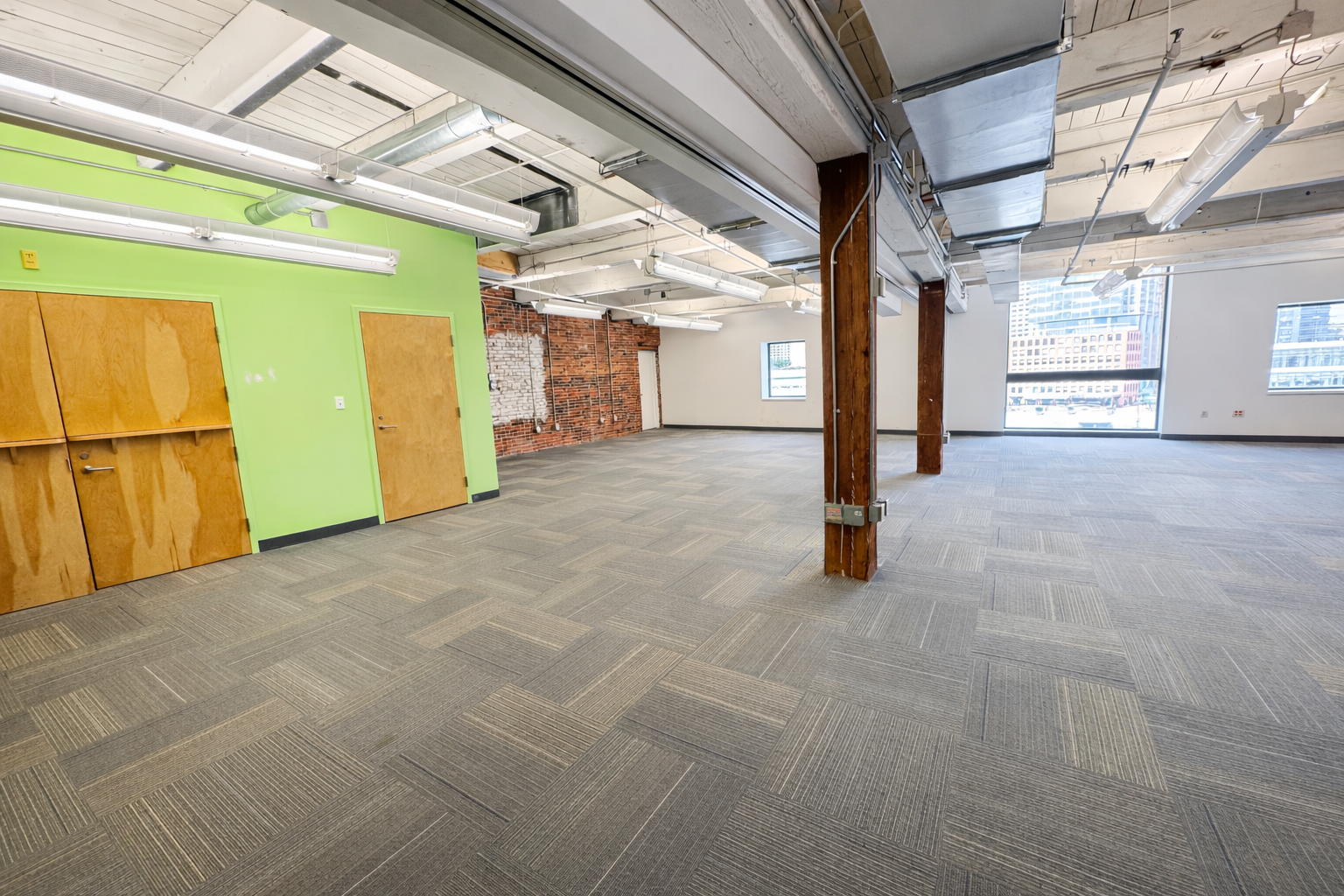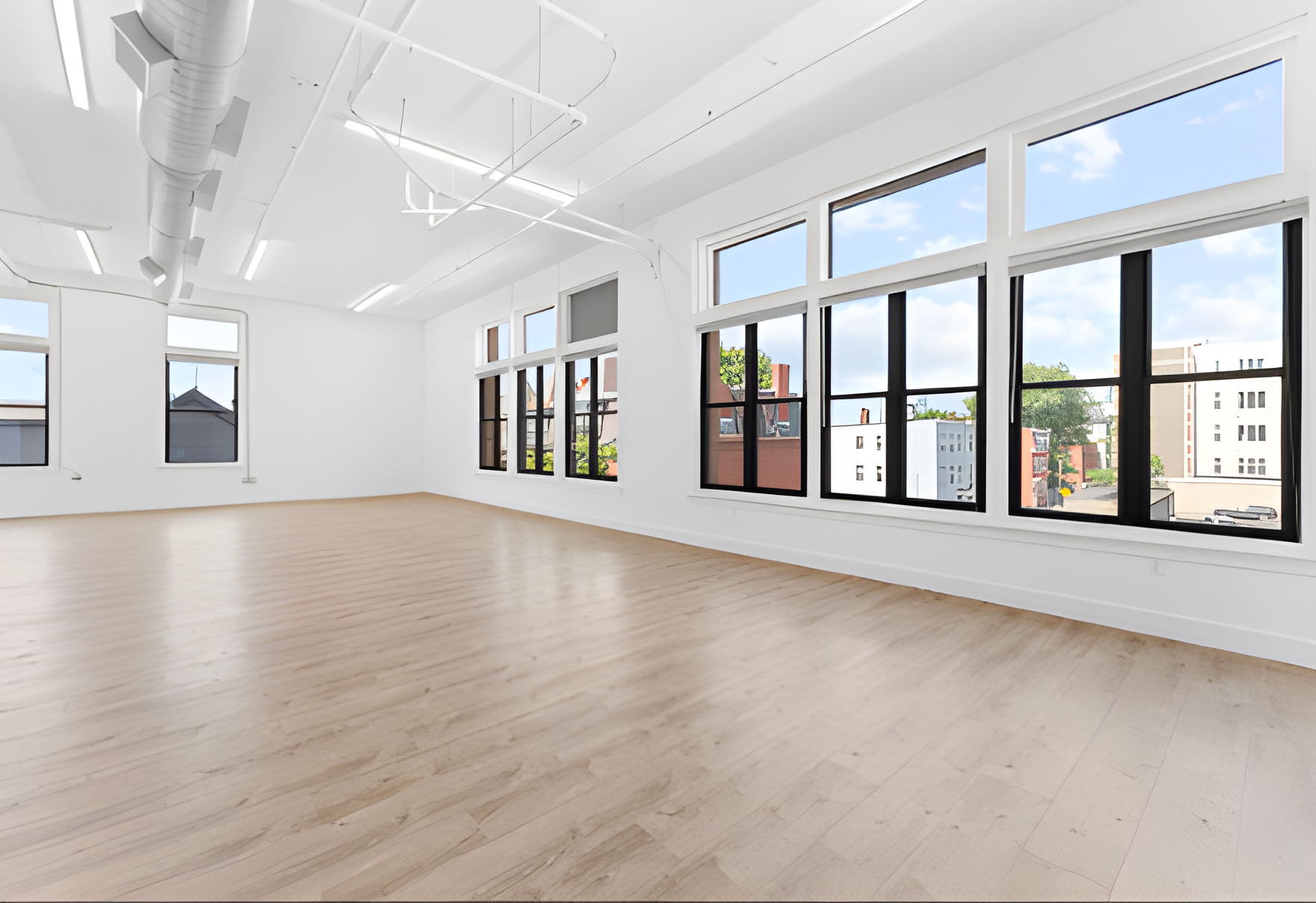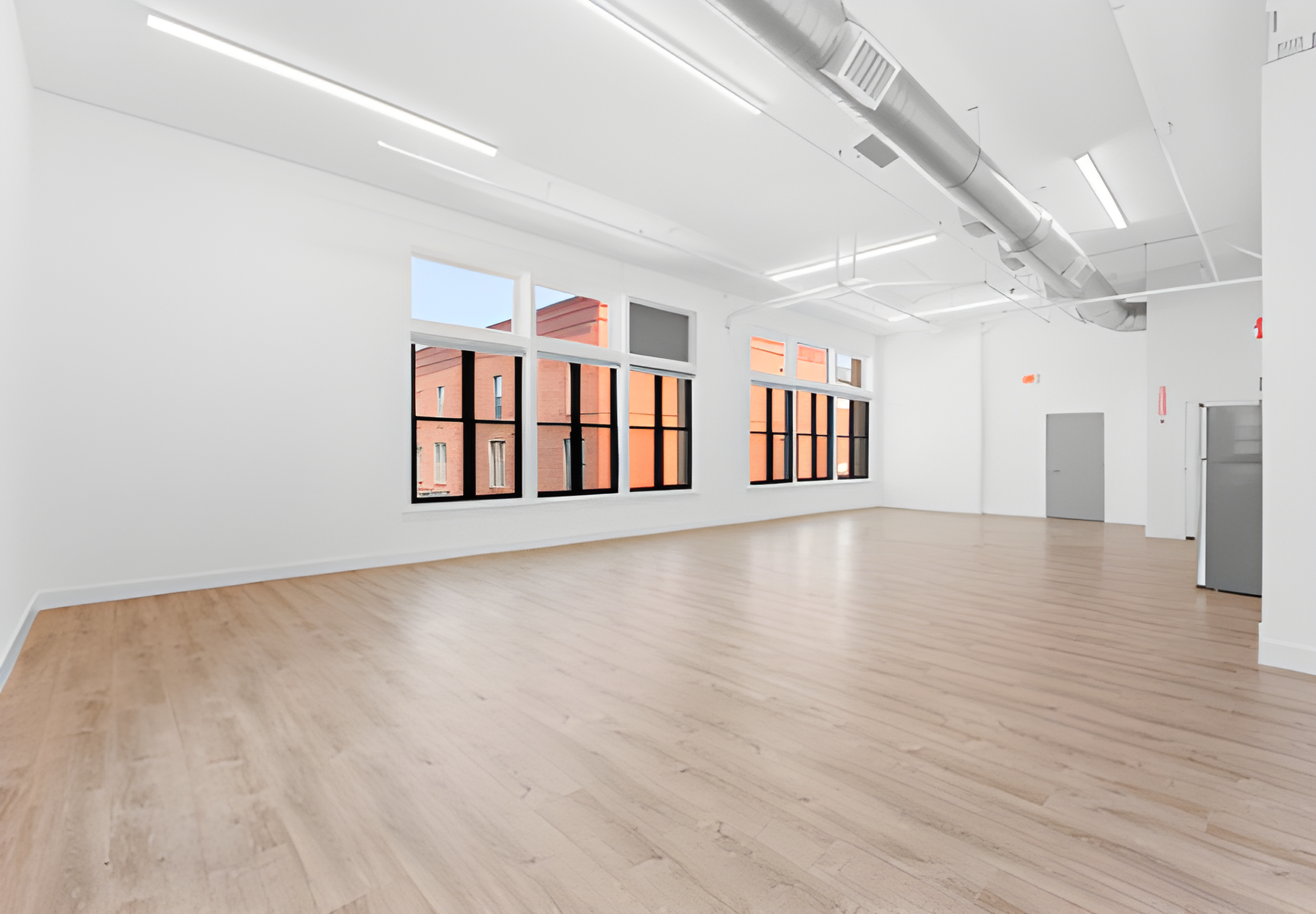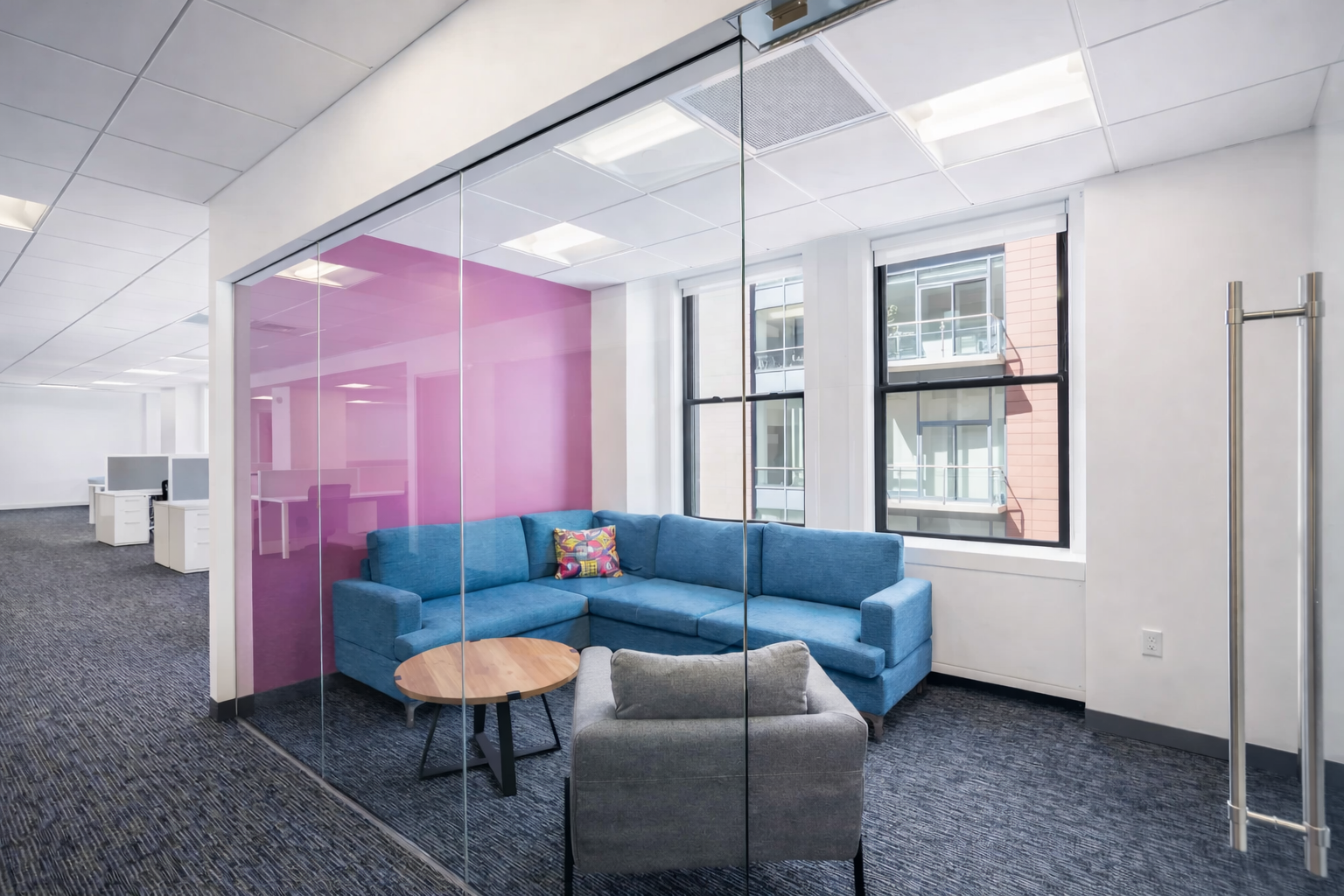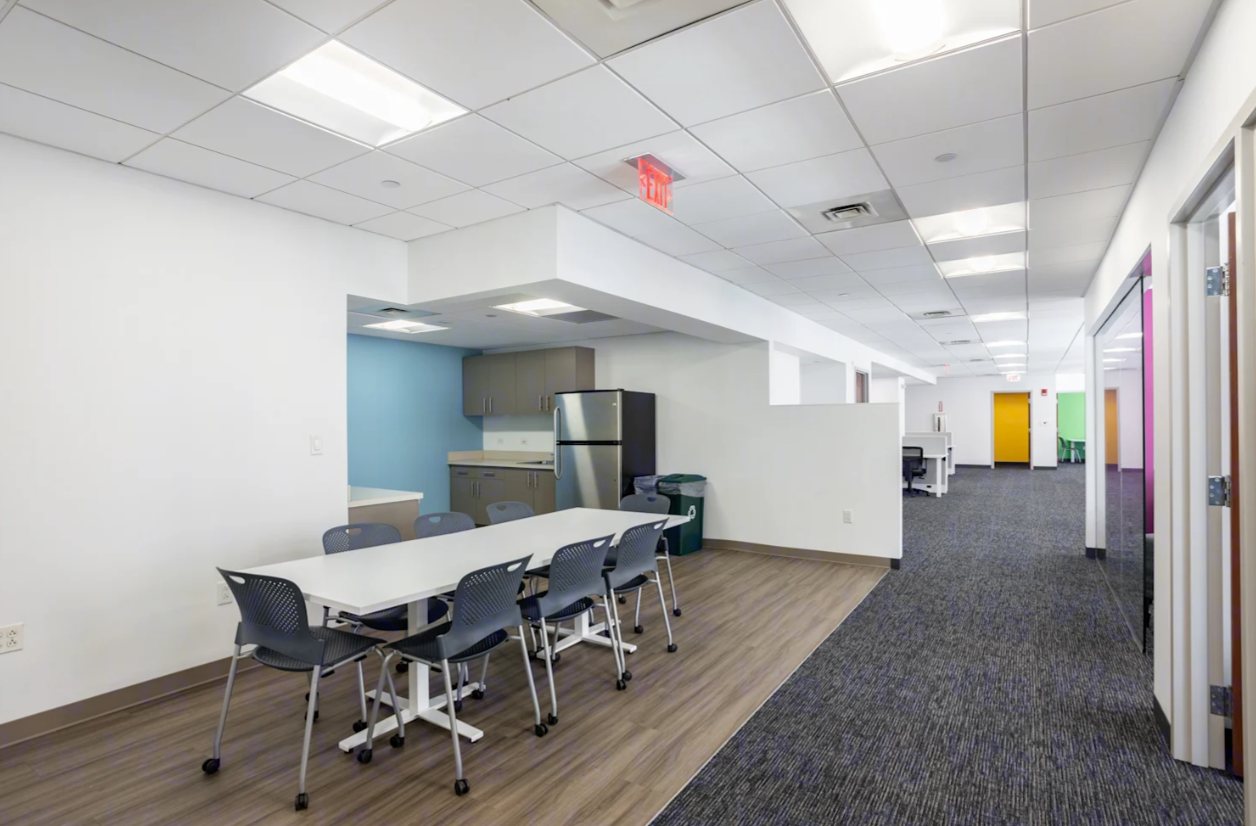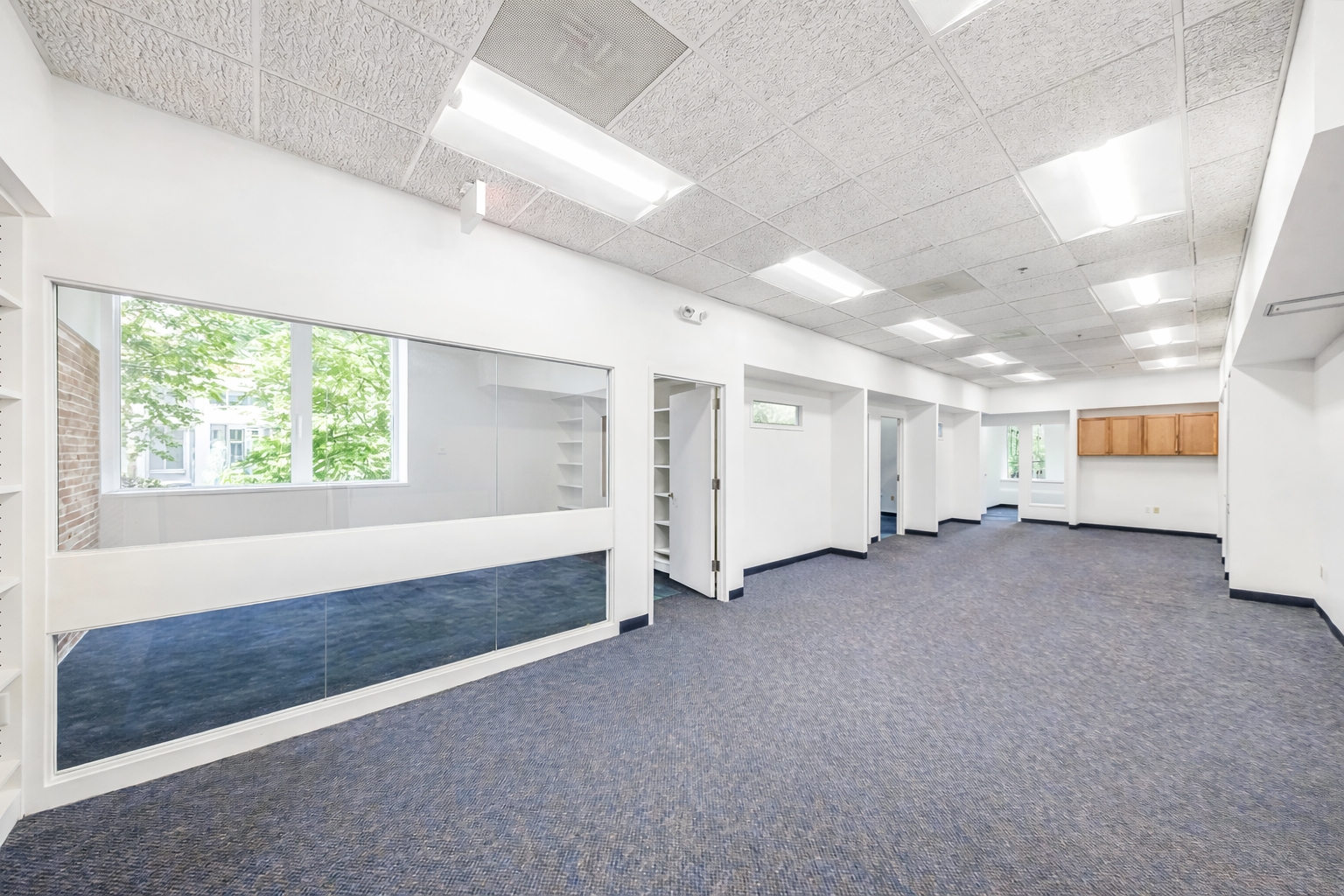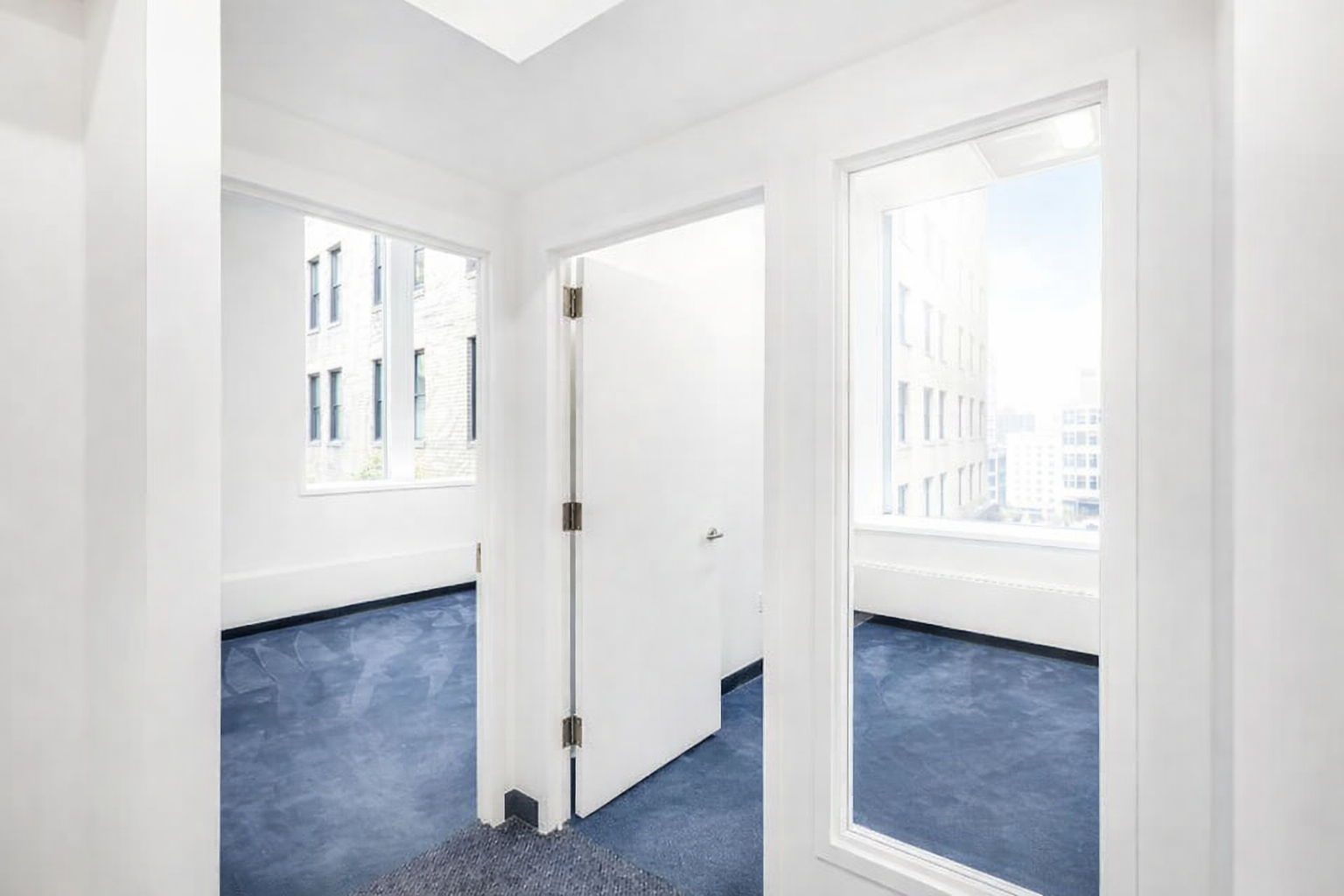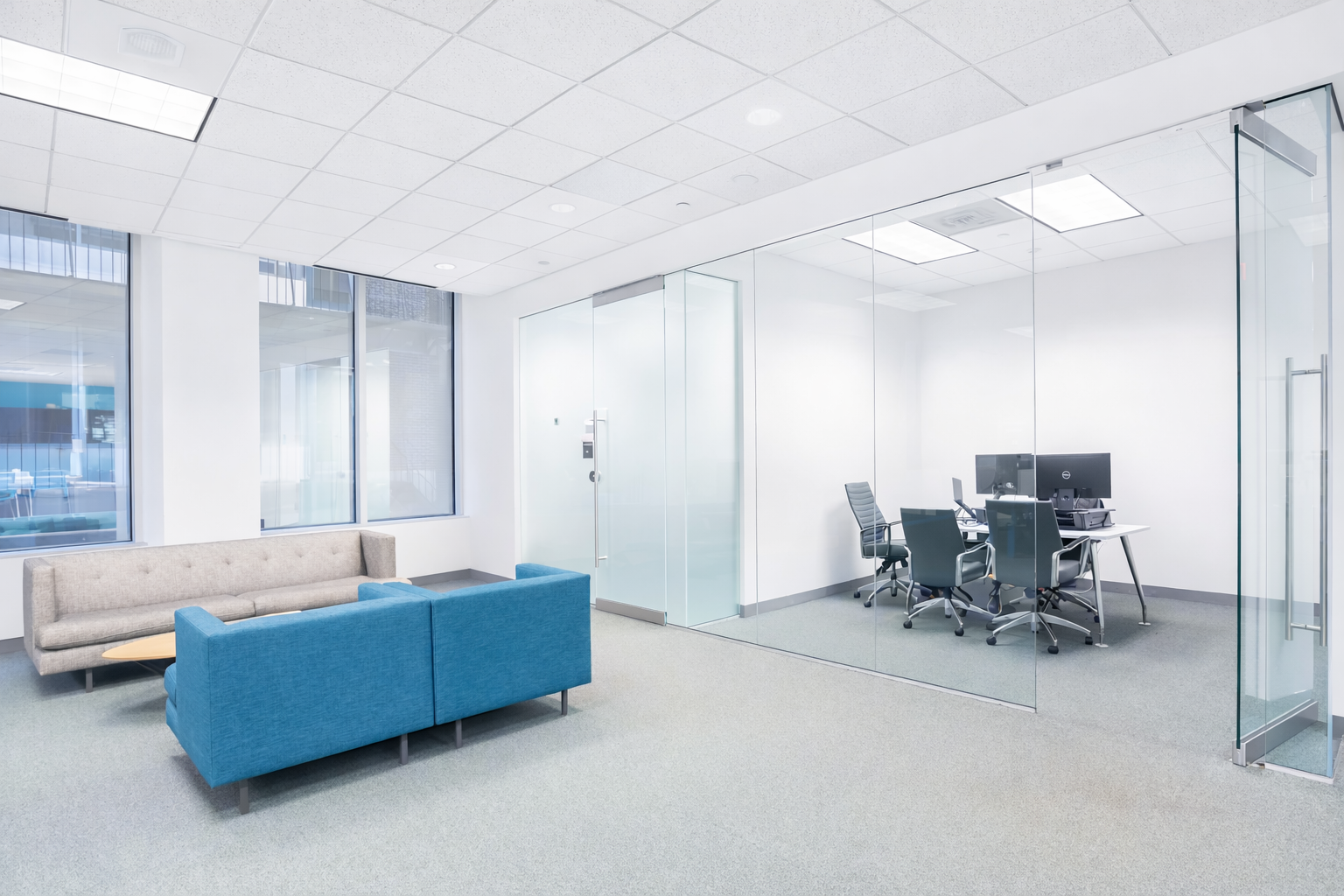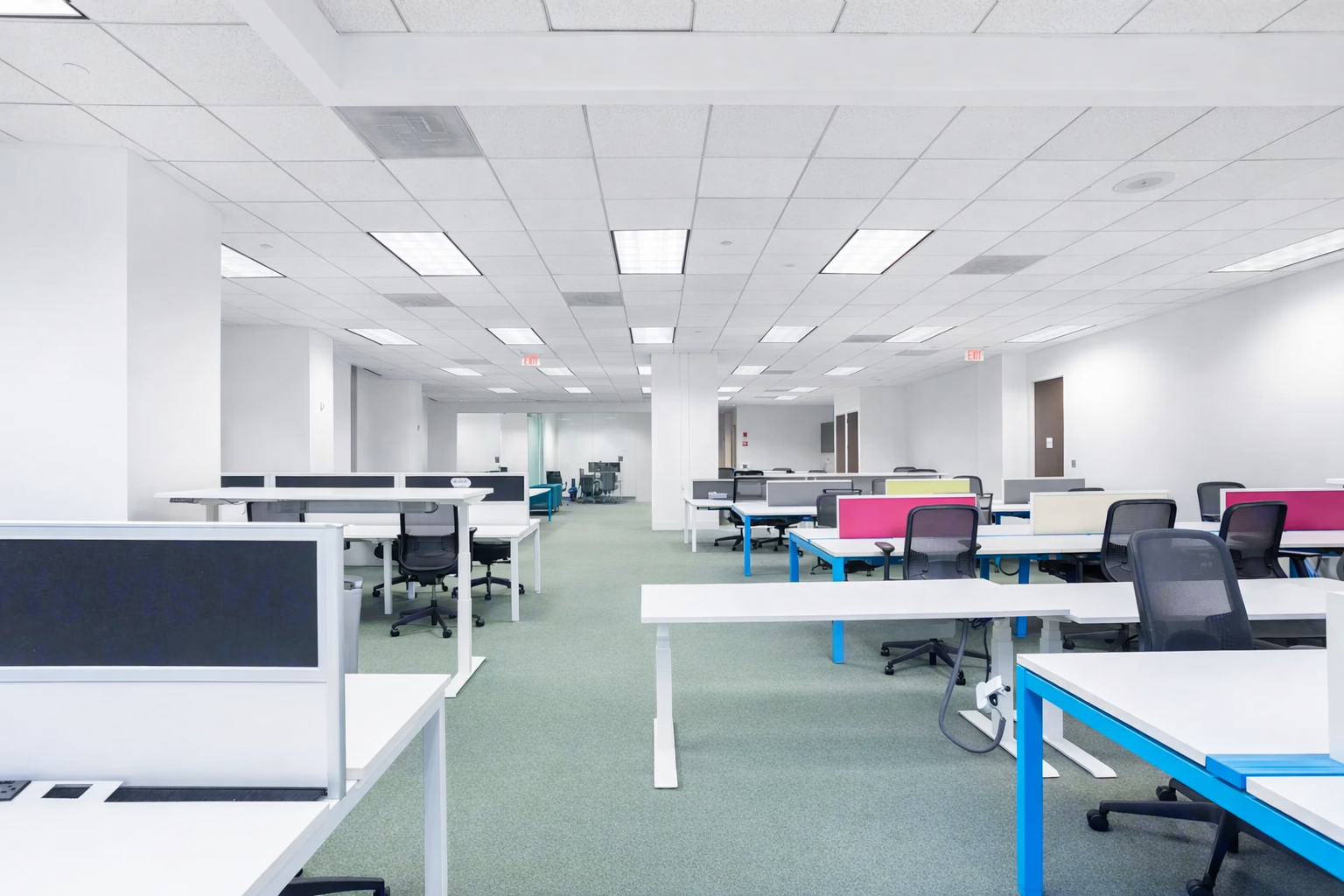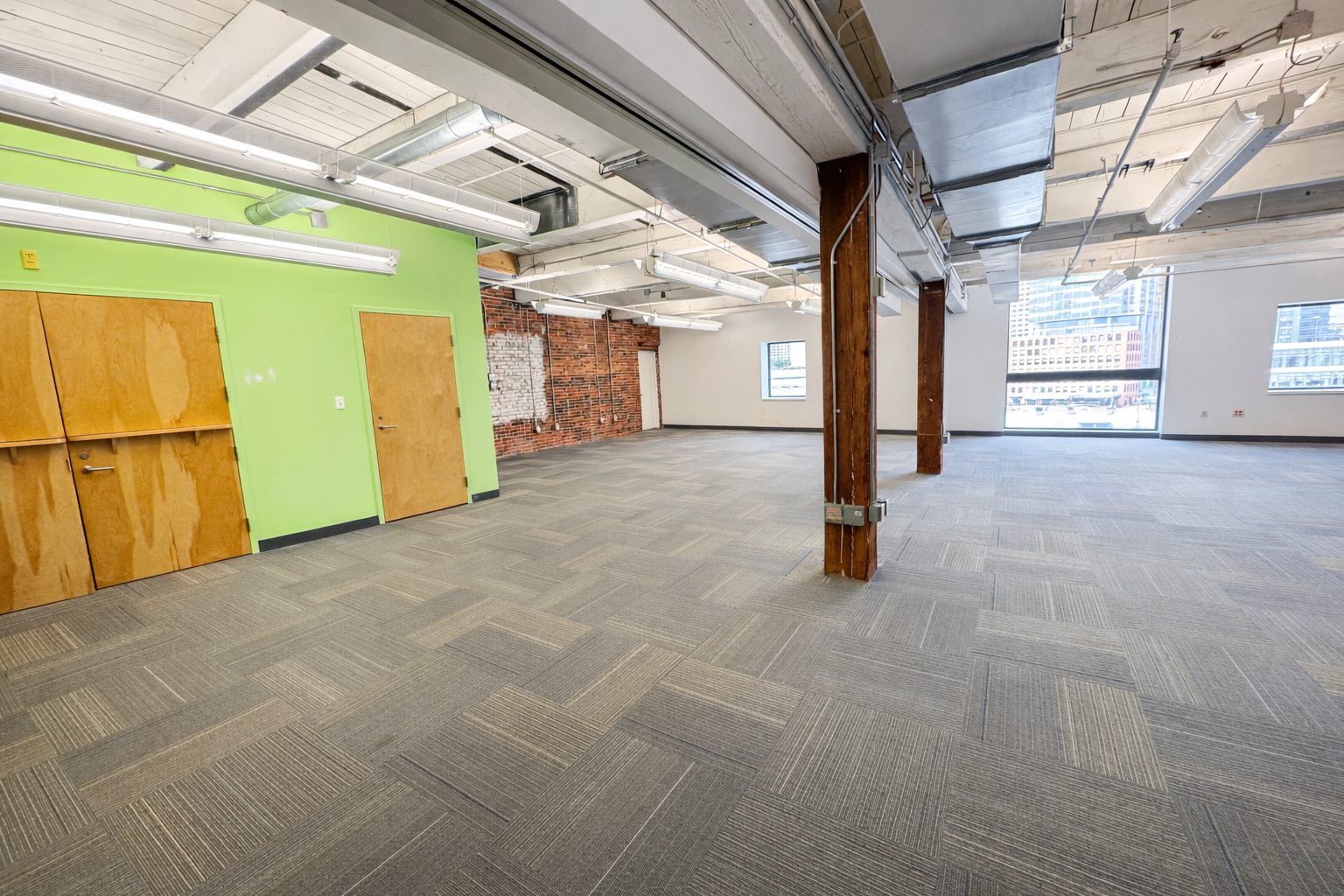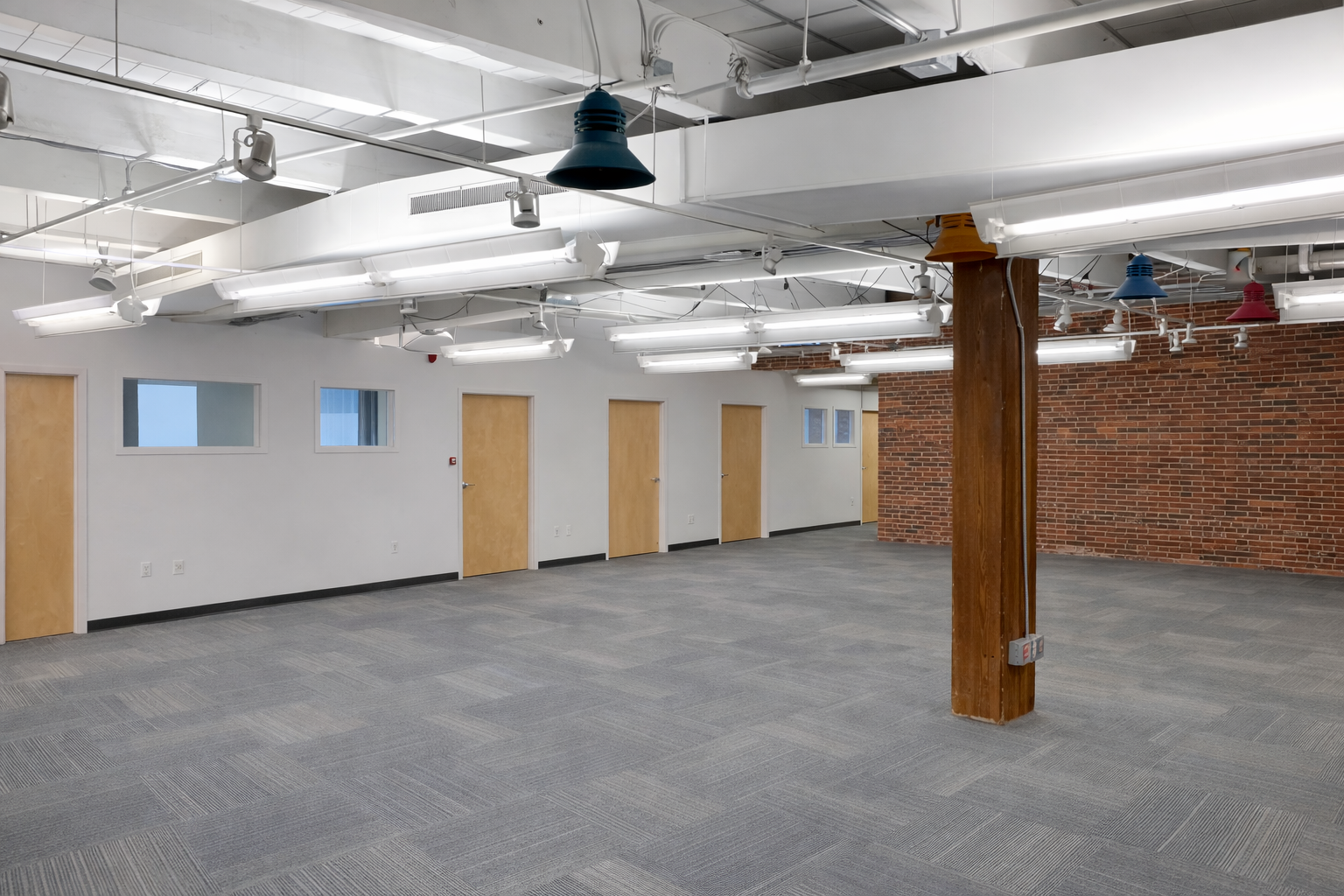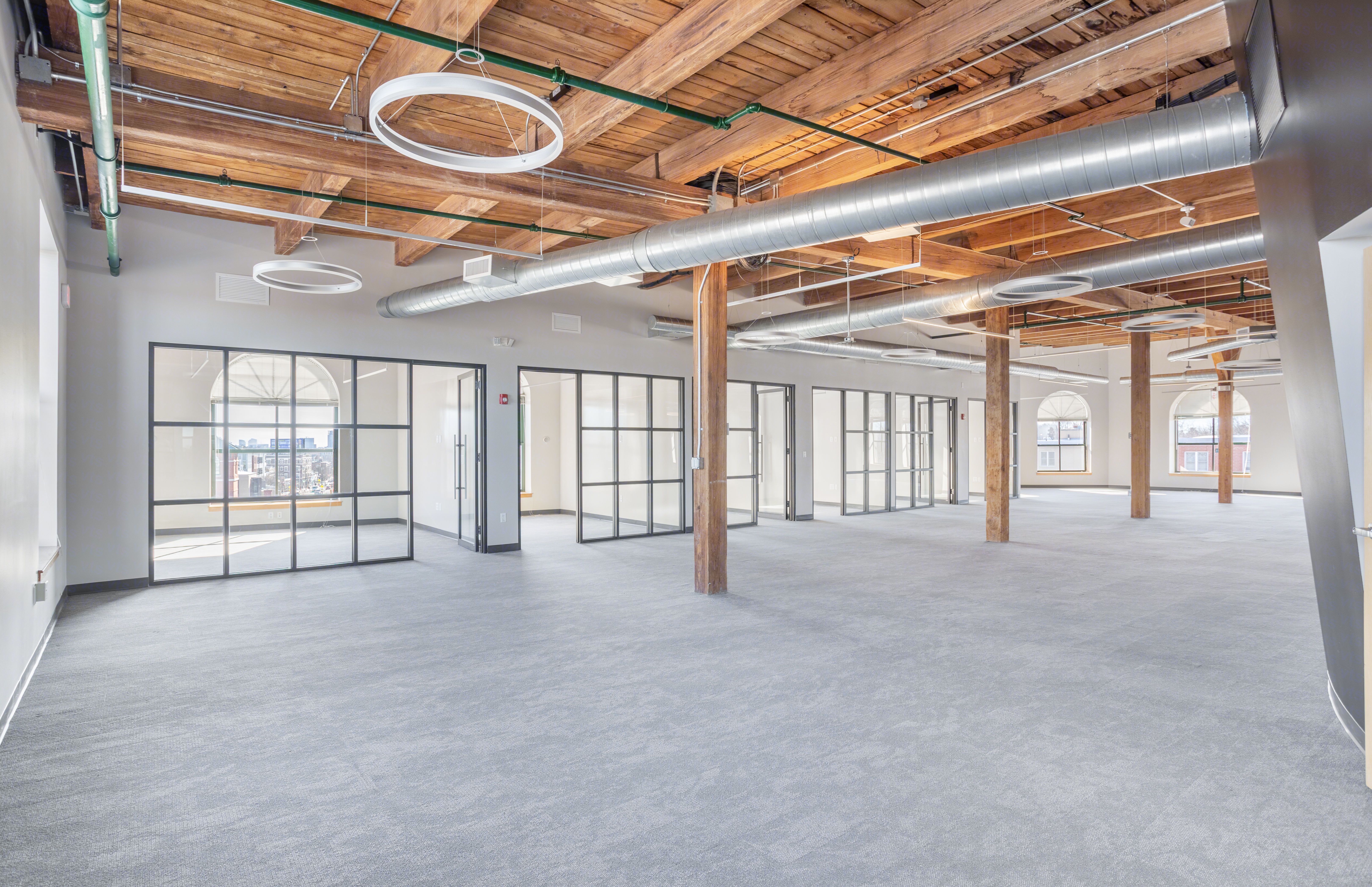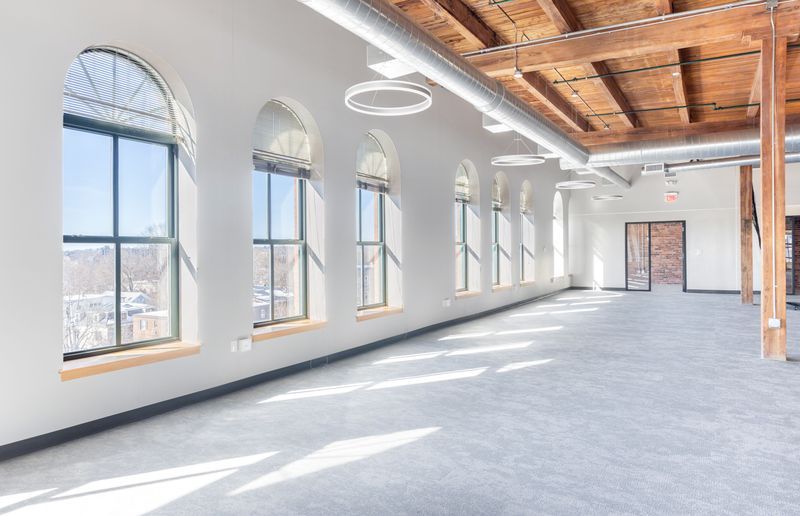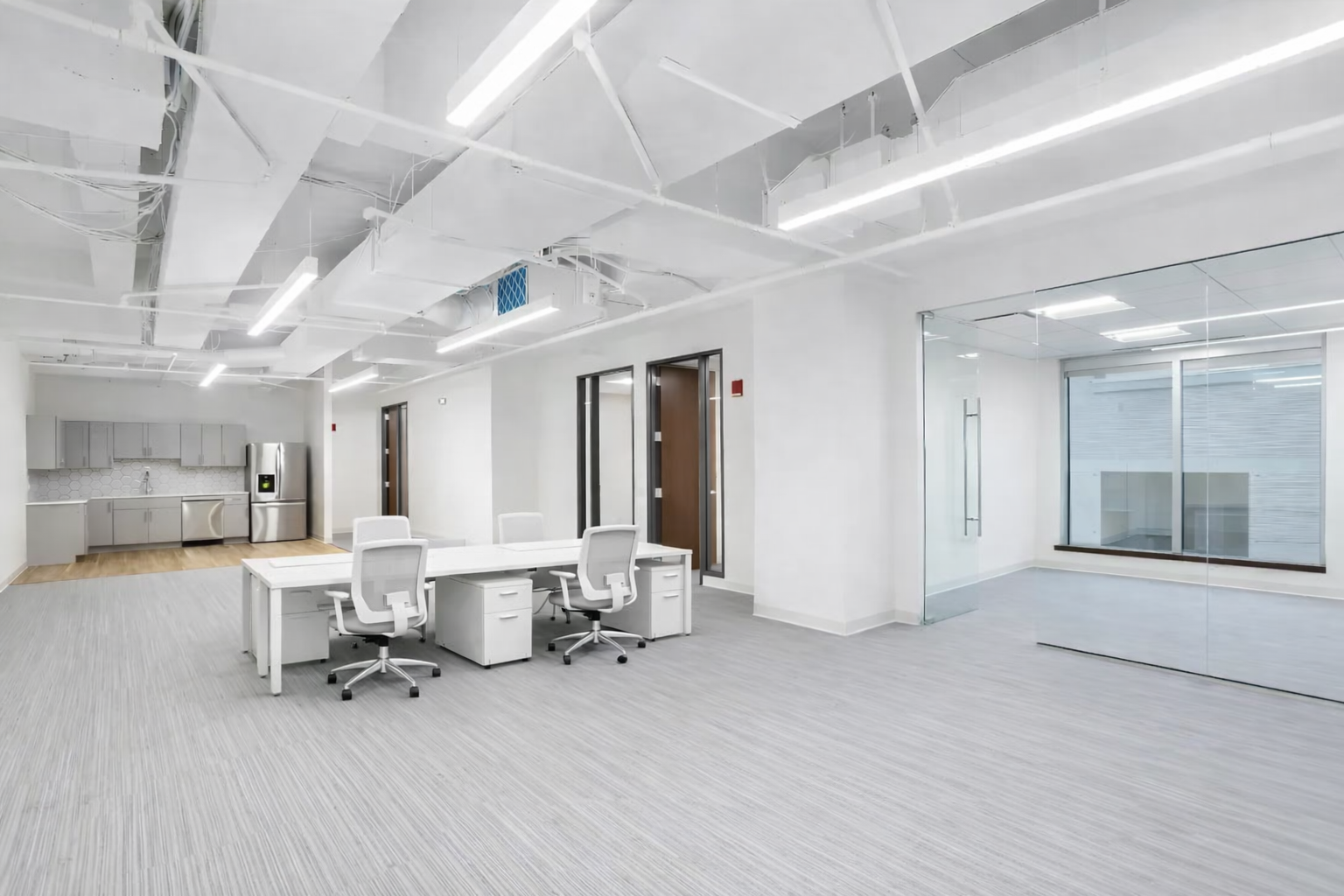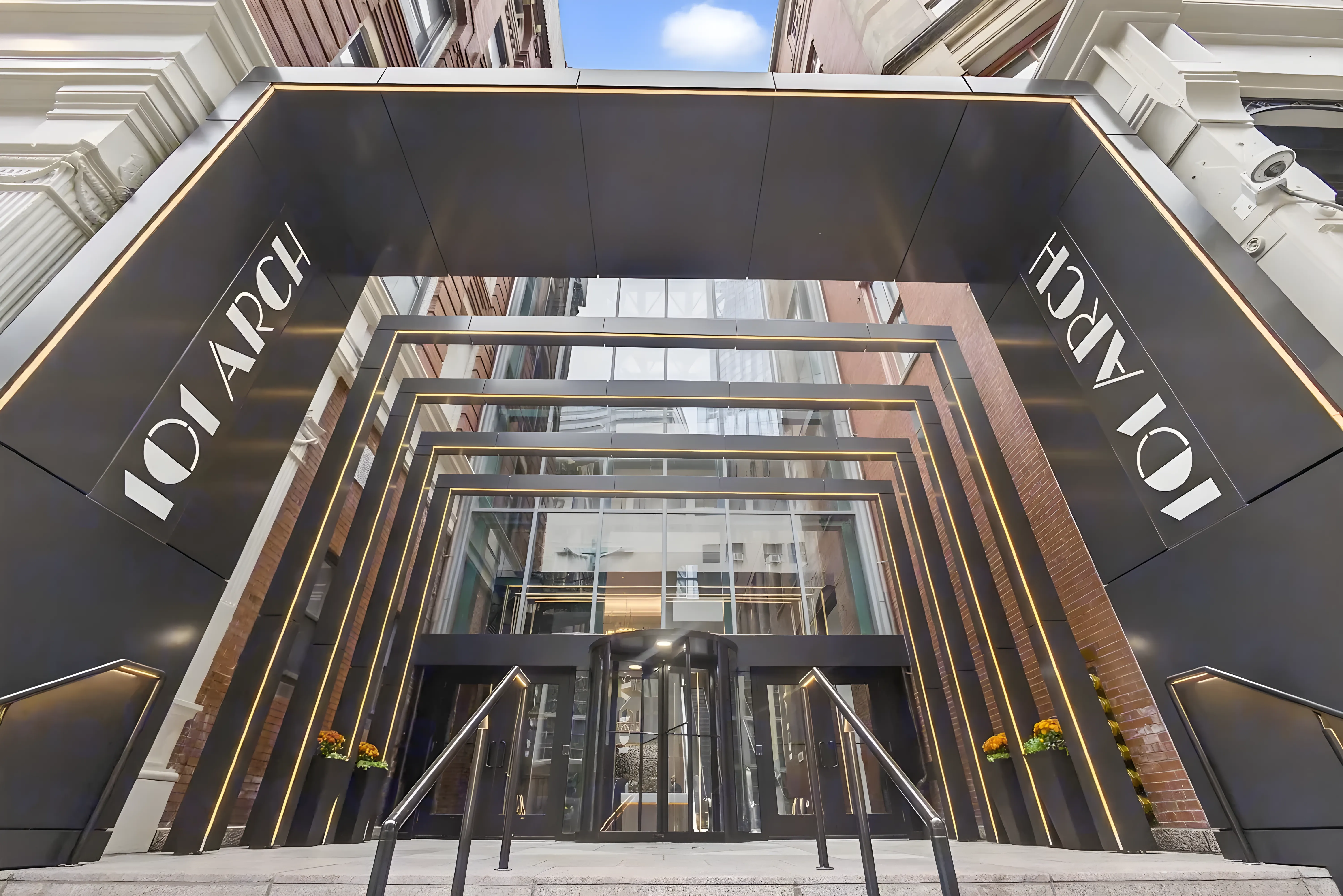
Seaport
$23,660/mo
25-49 people
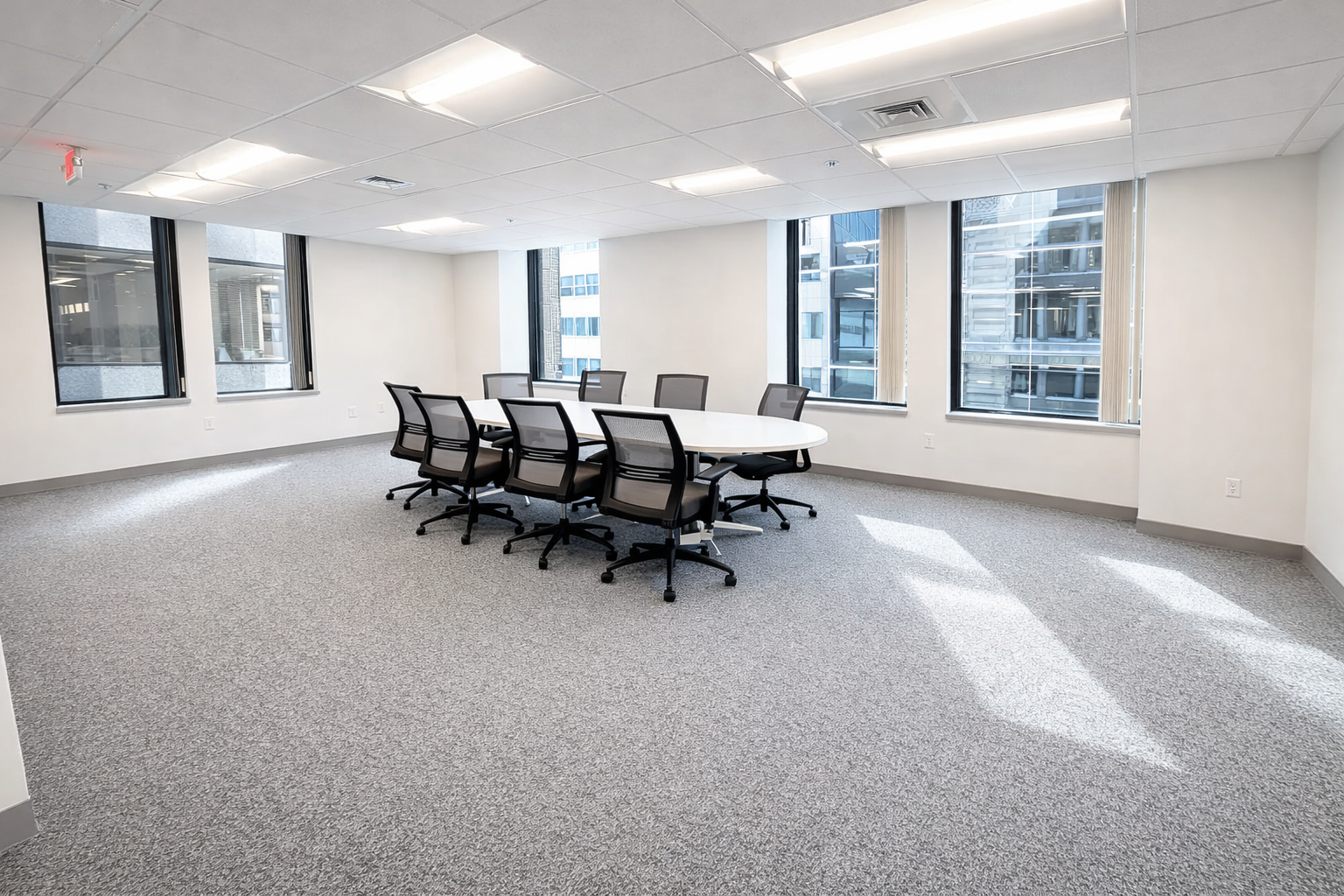
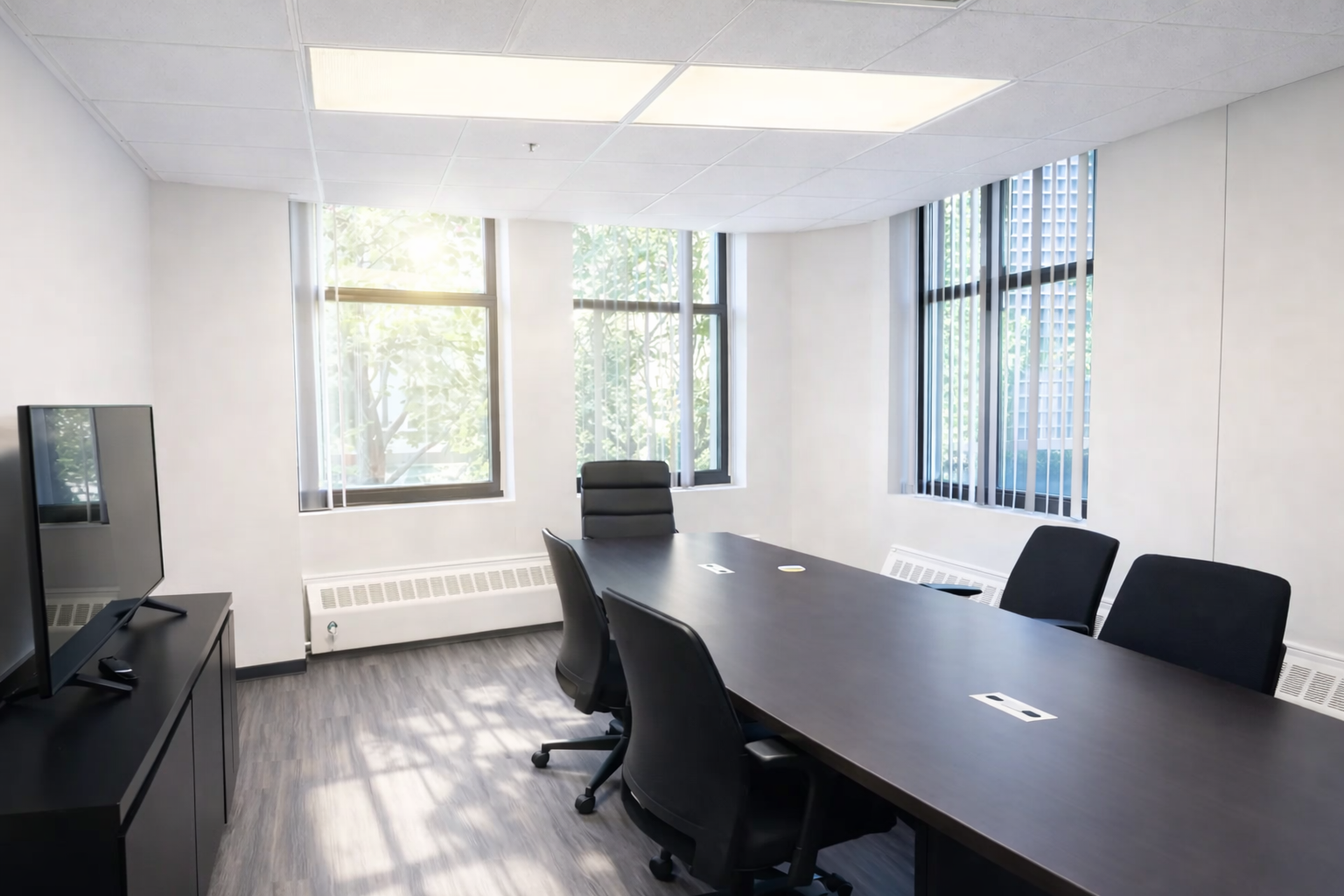
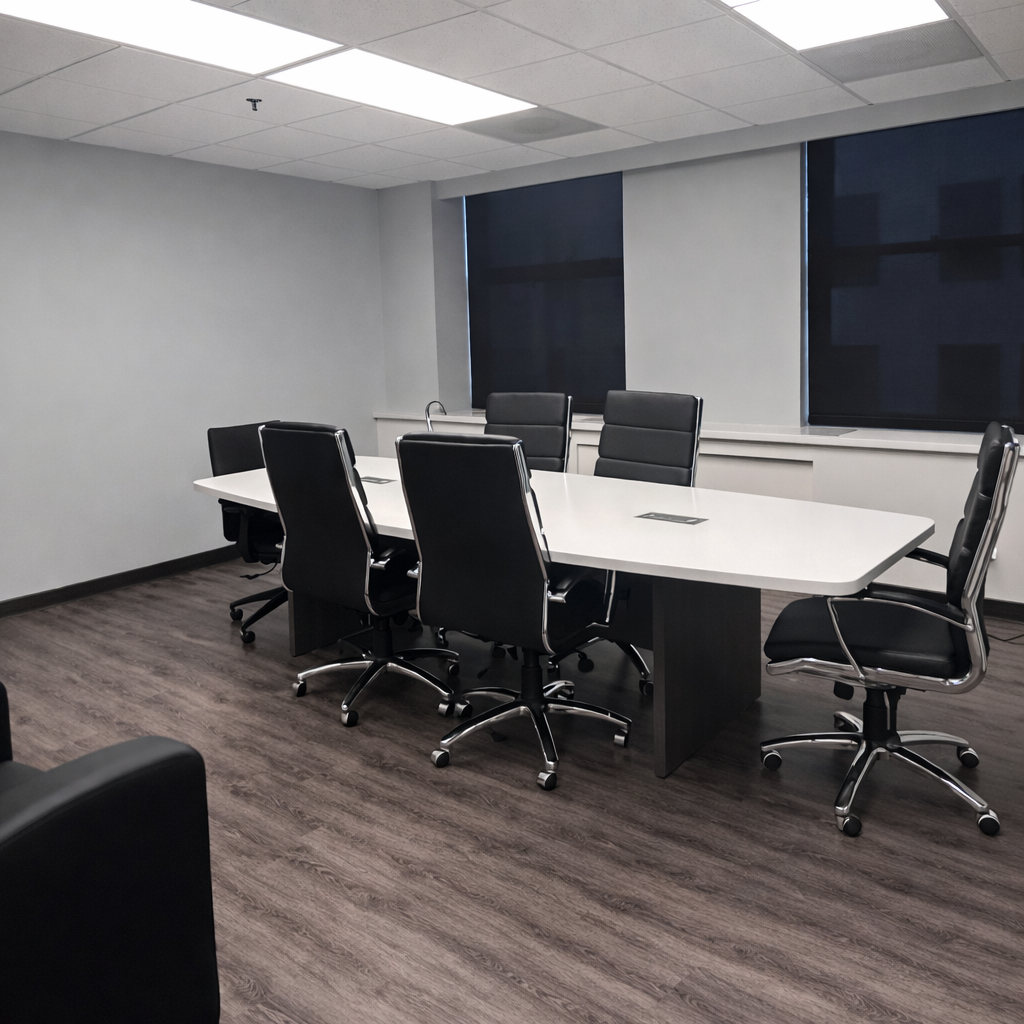
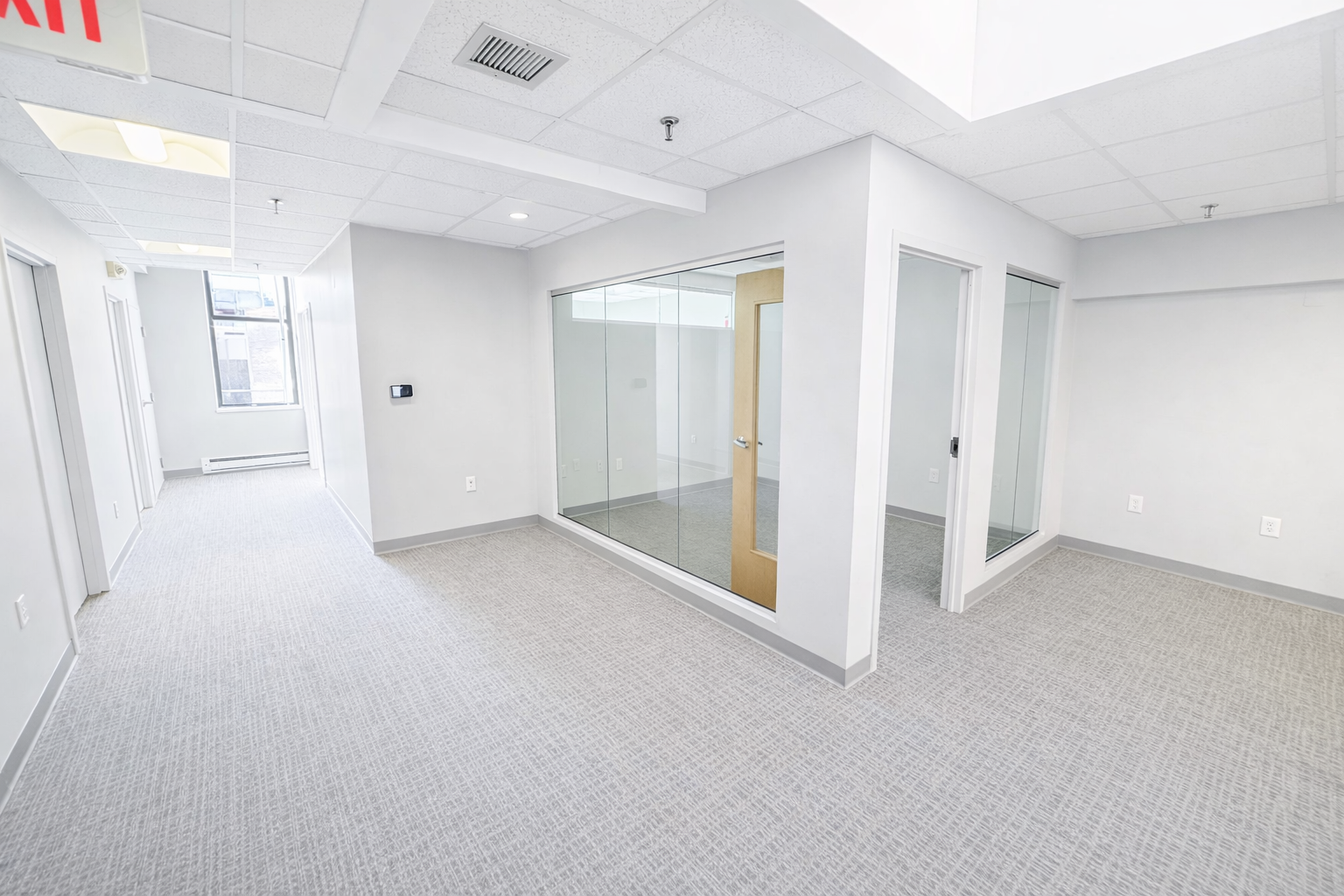
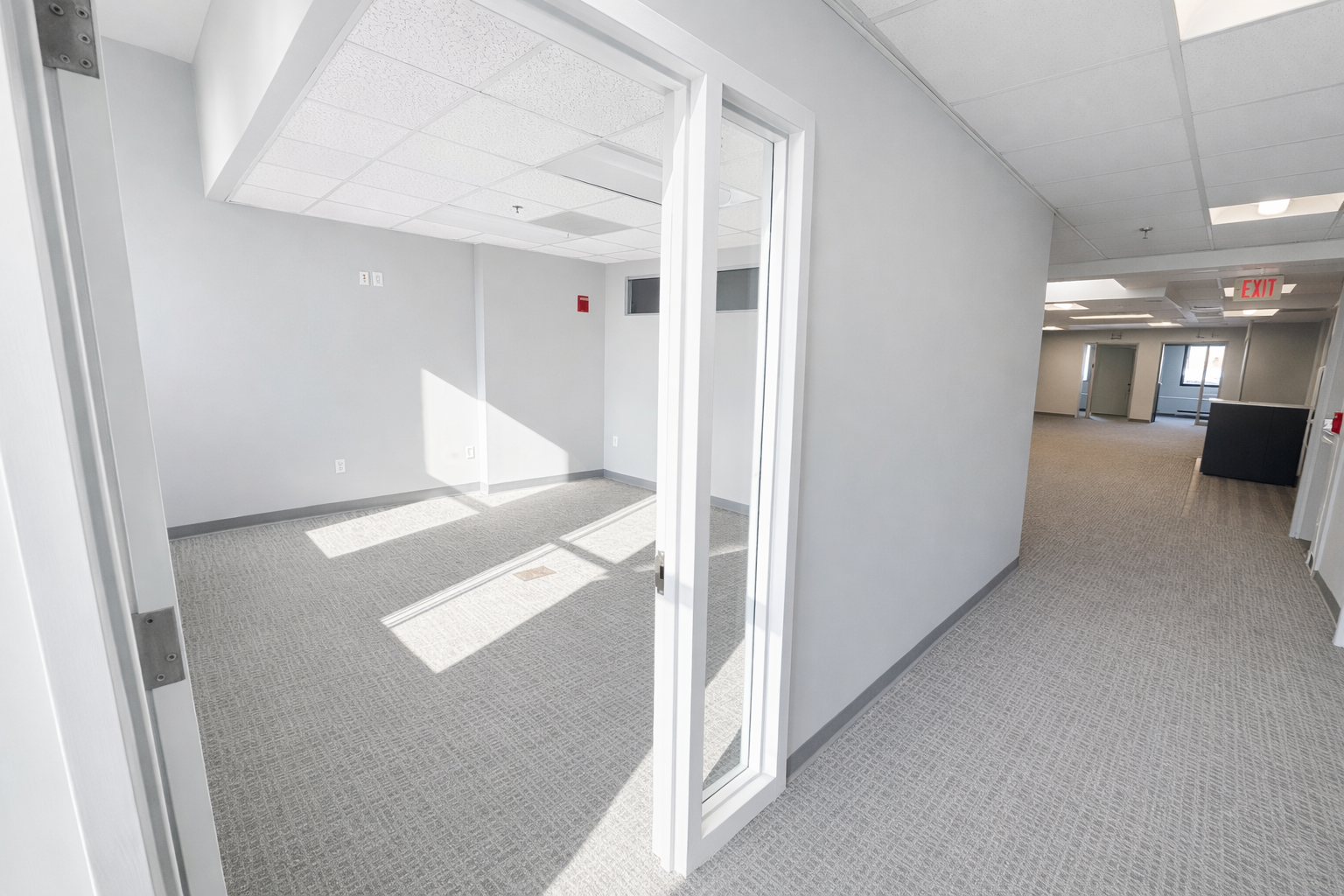
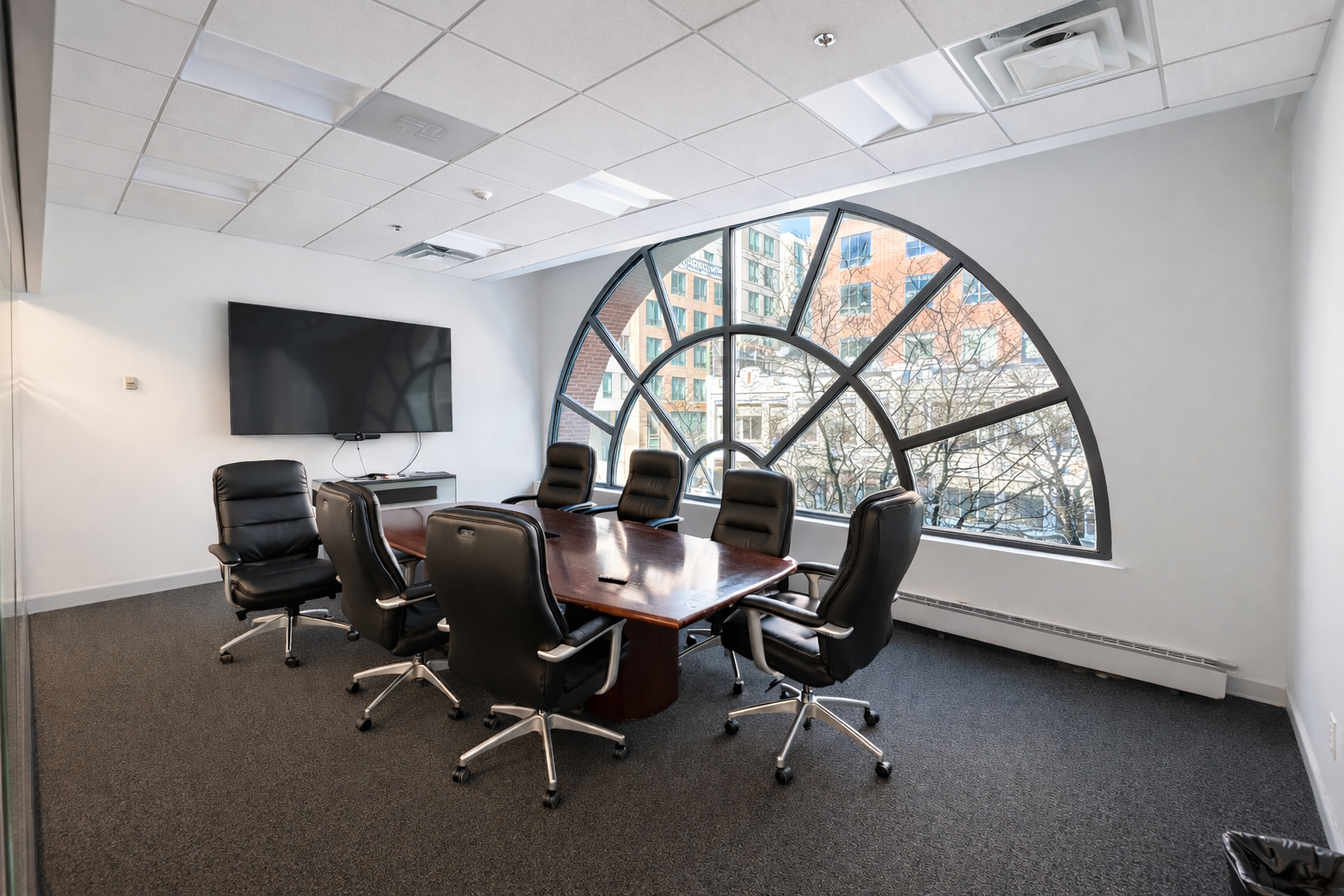
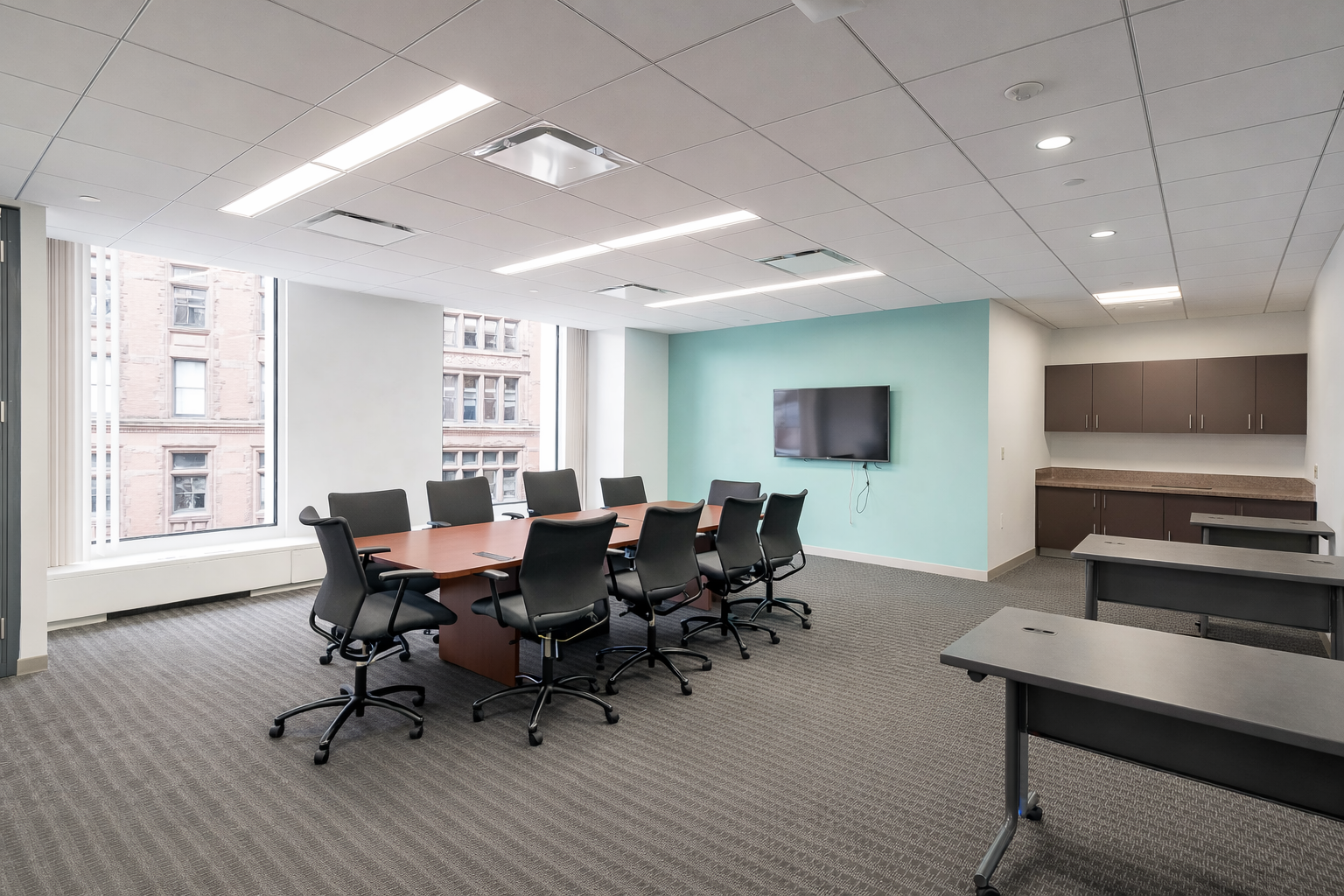
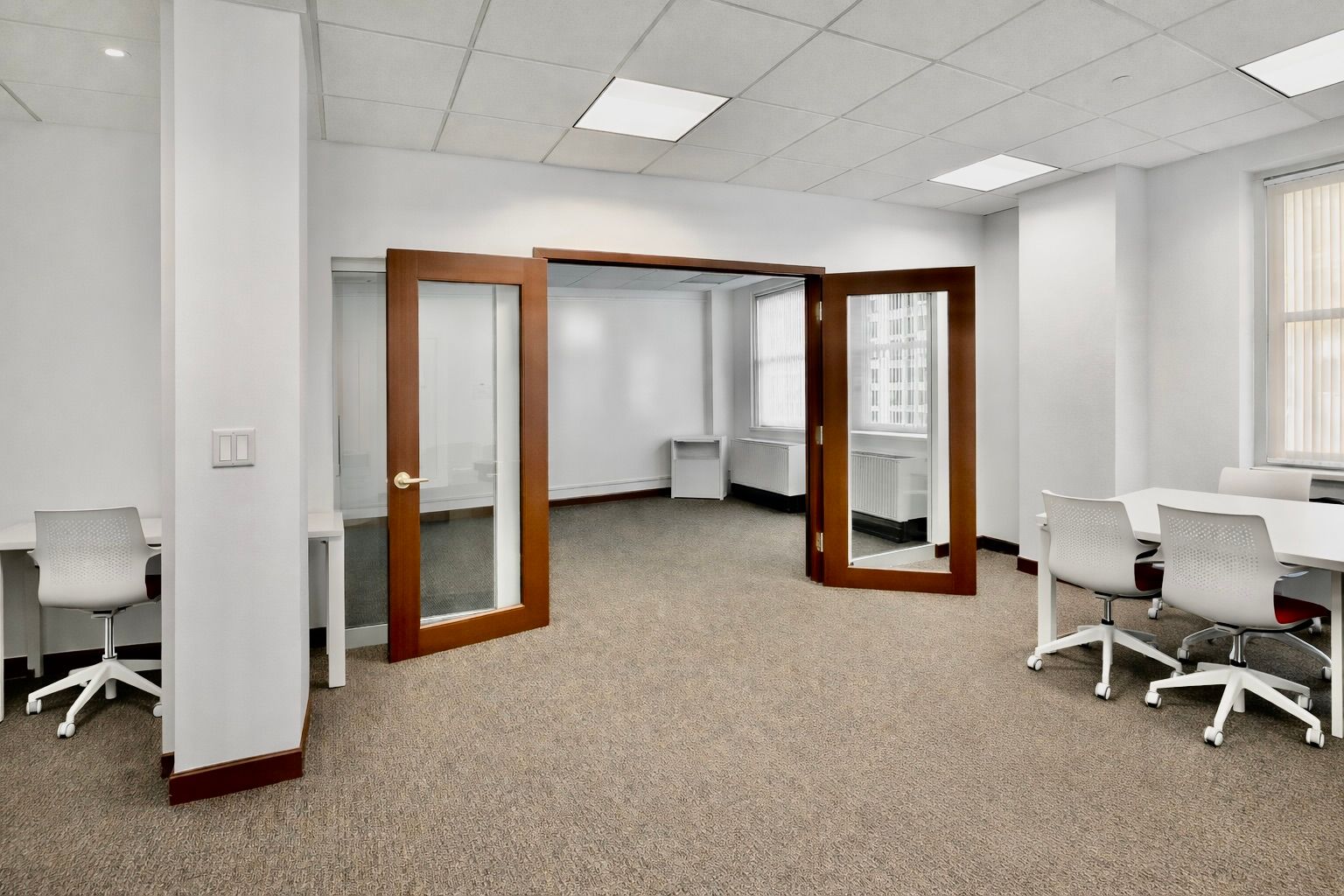
4 Meeting Rooms
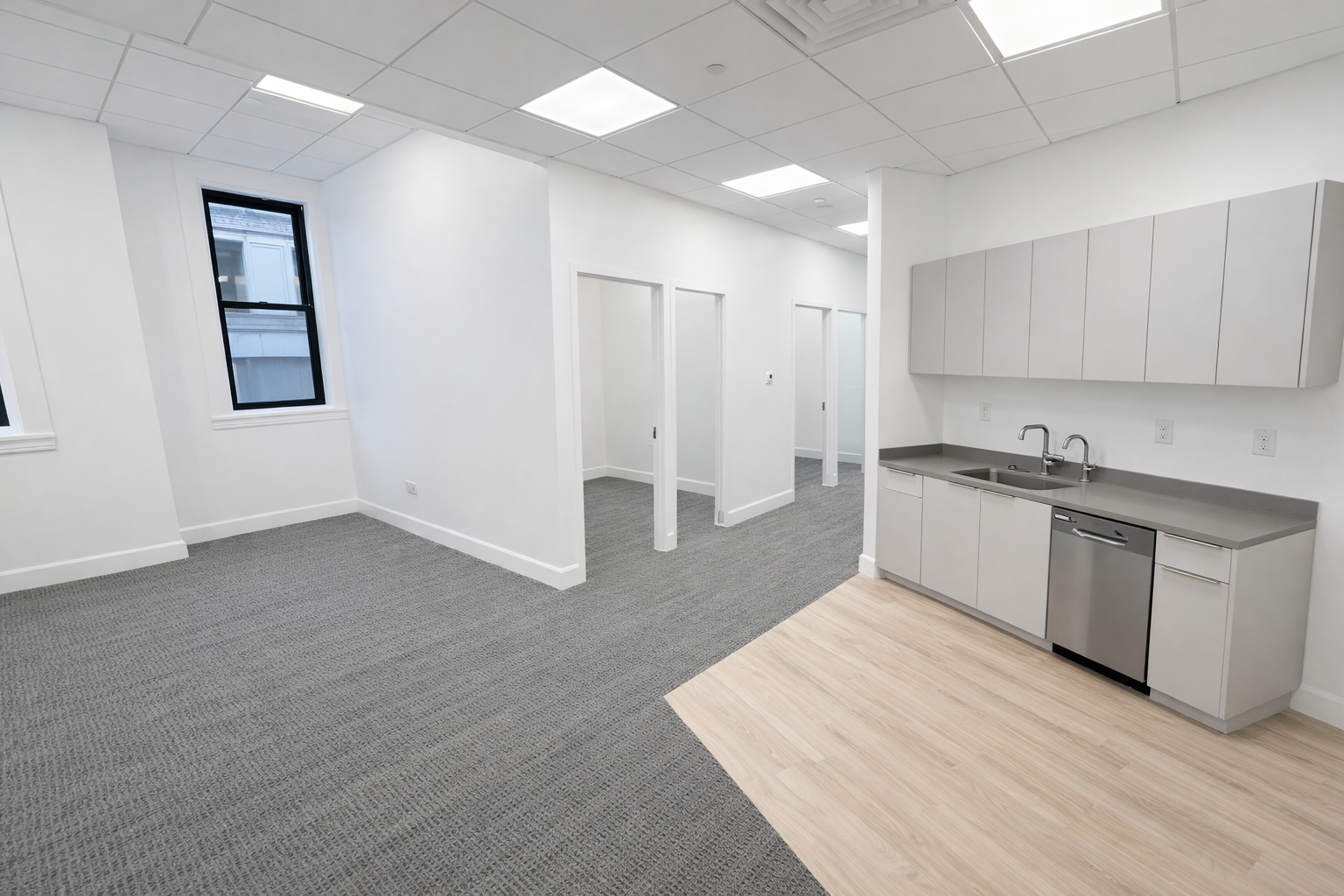
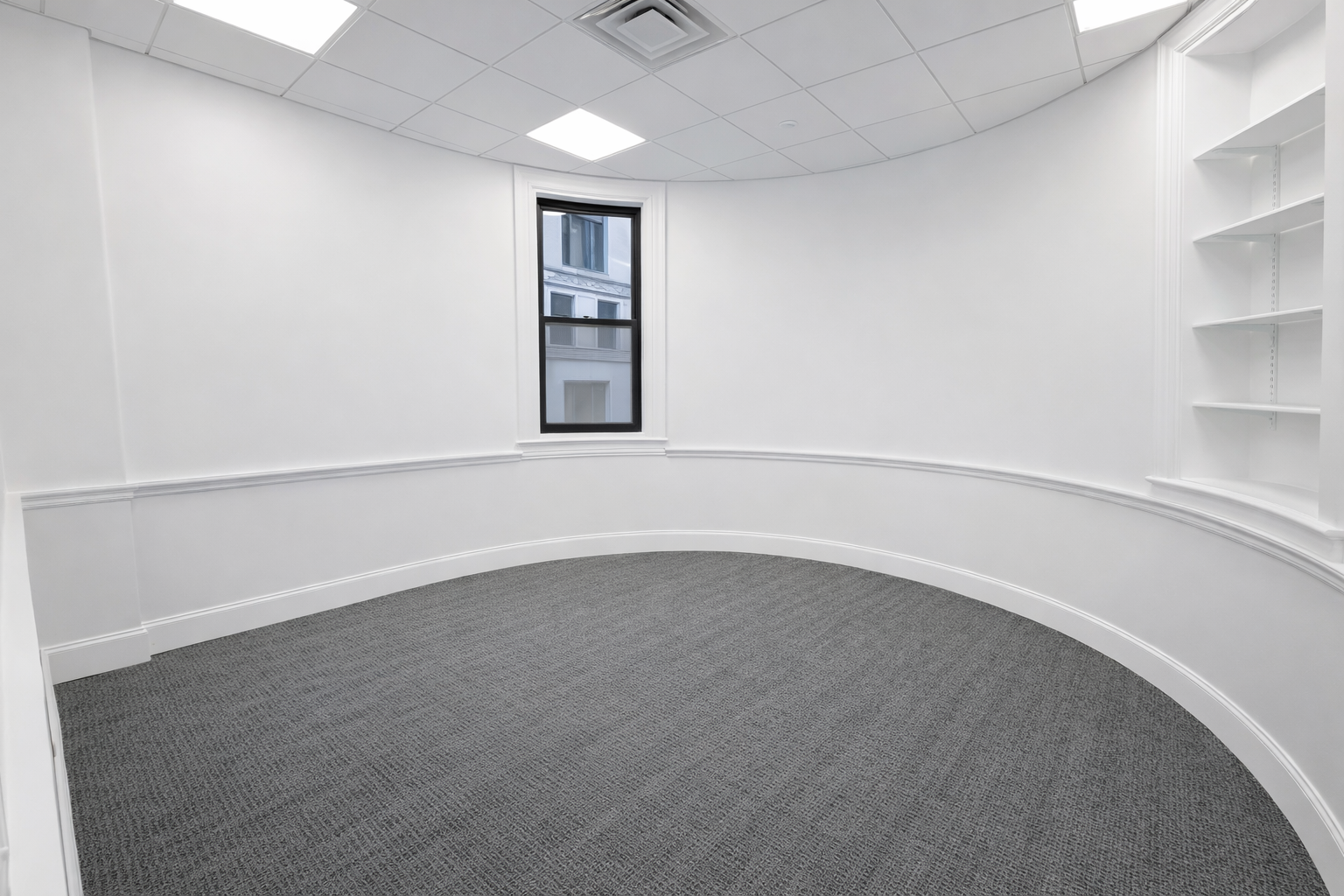
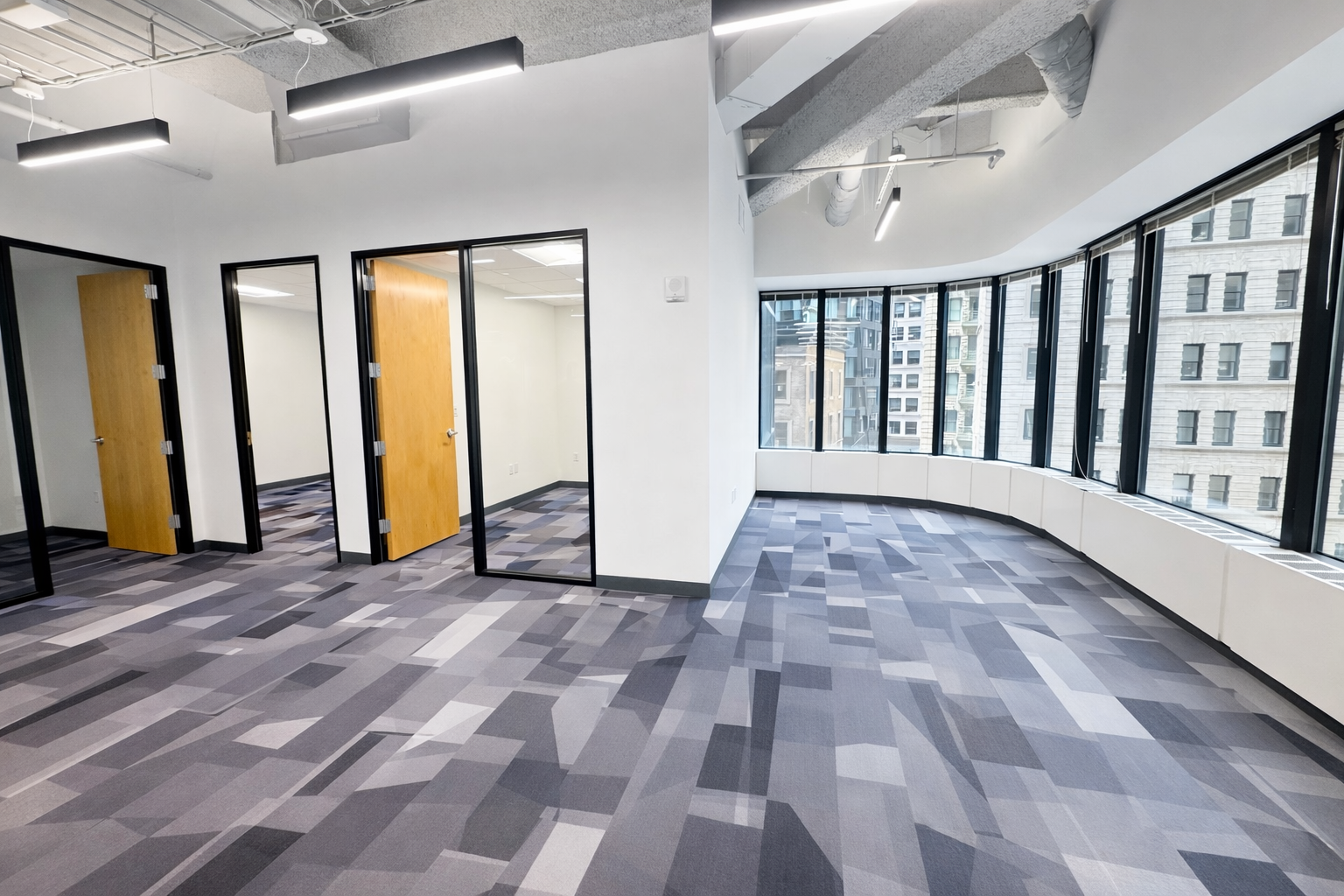
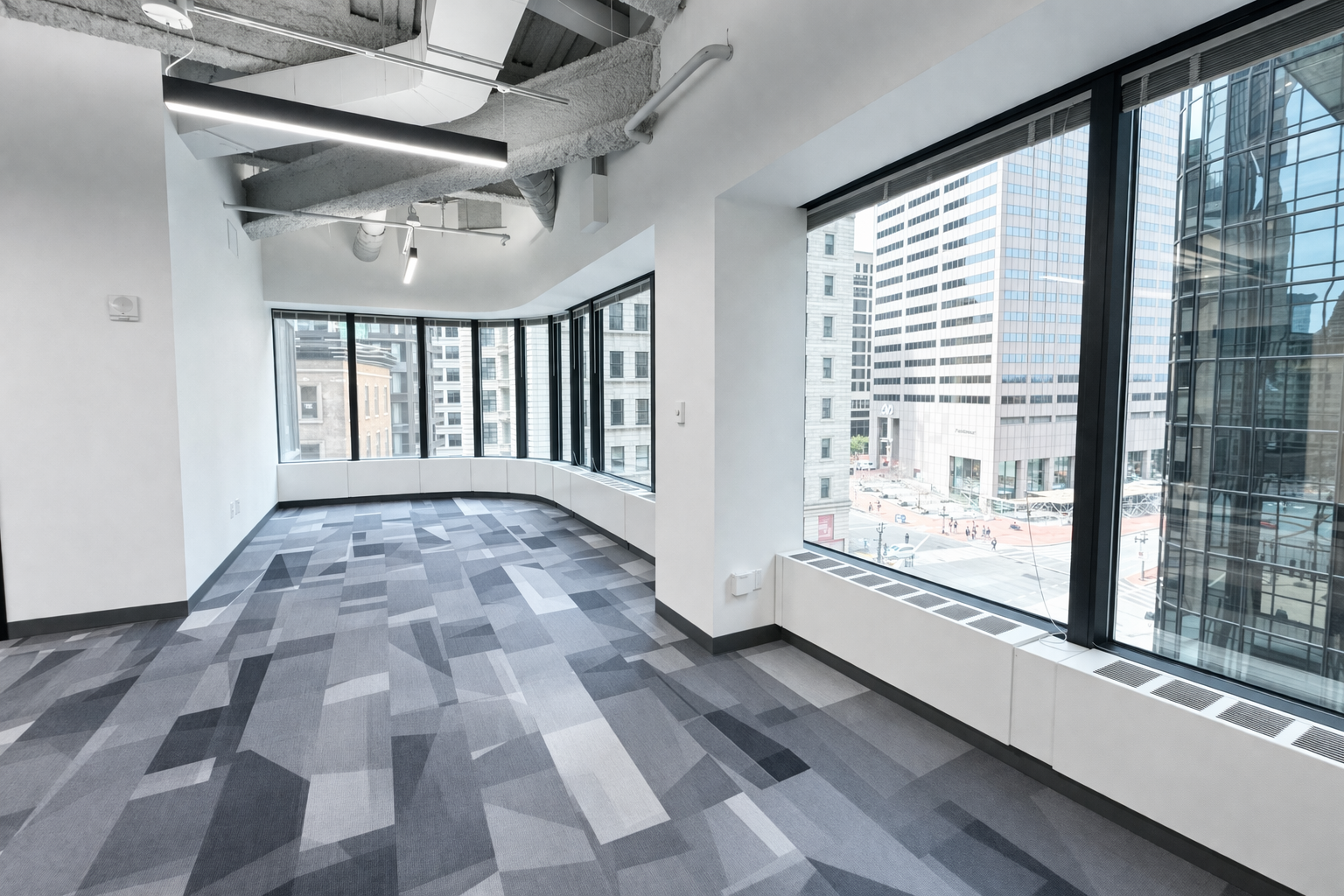
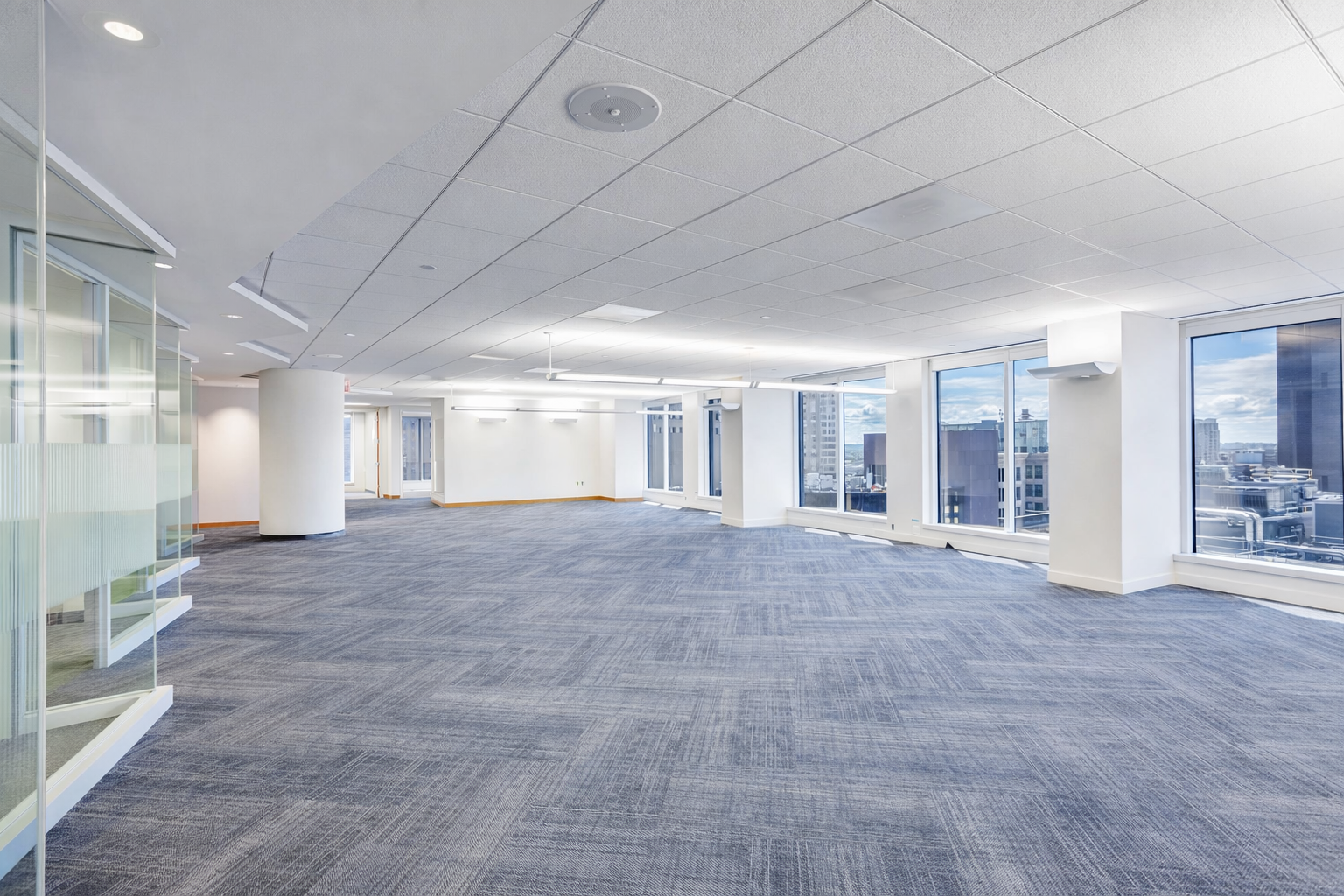
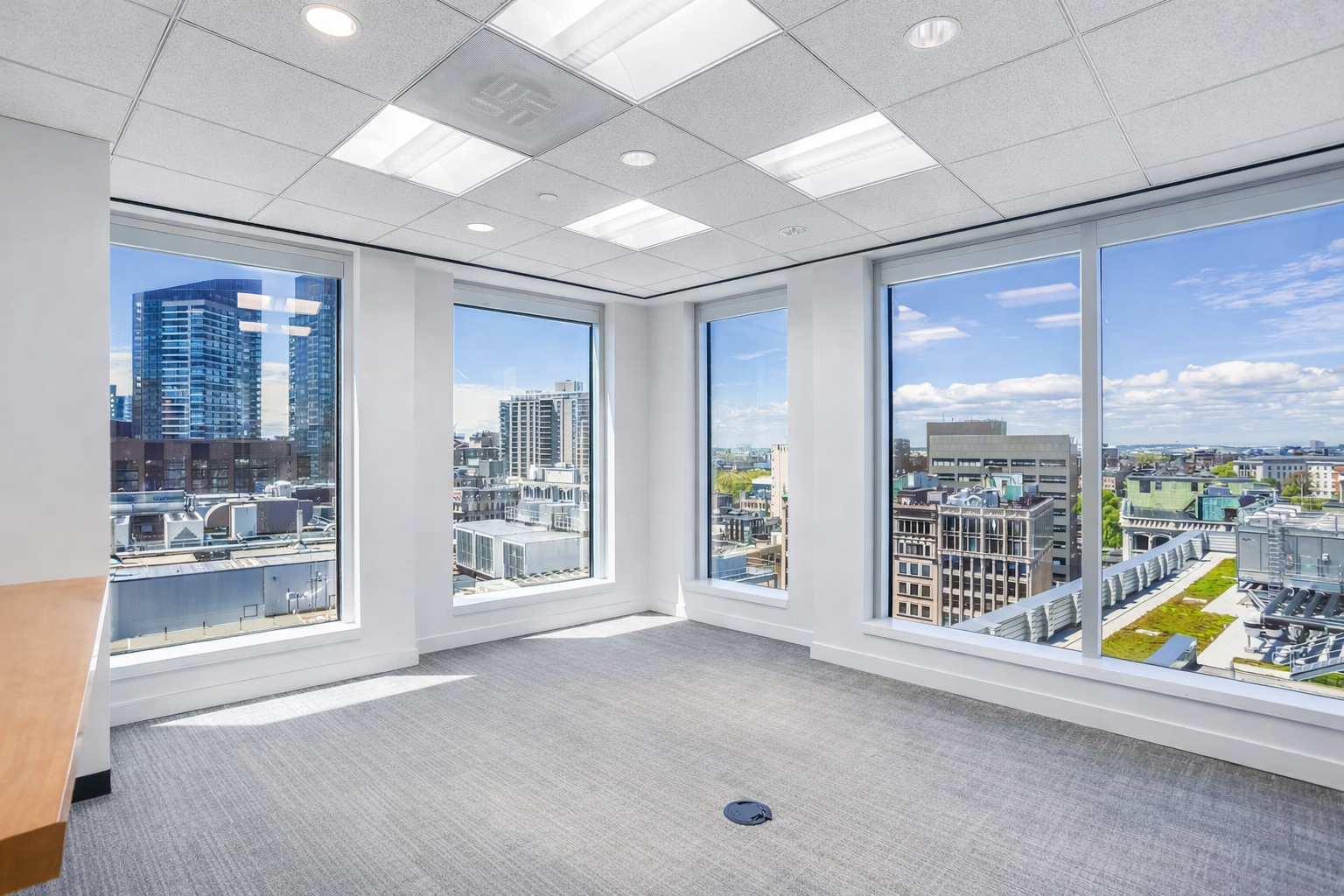
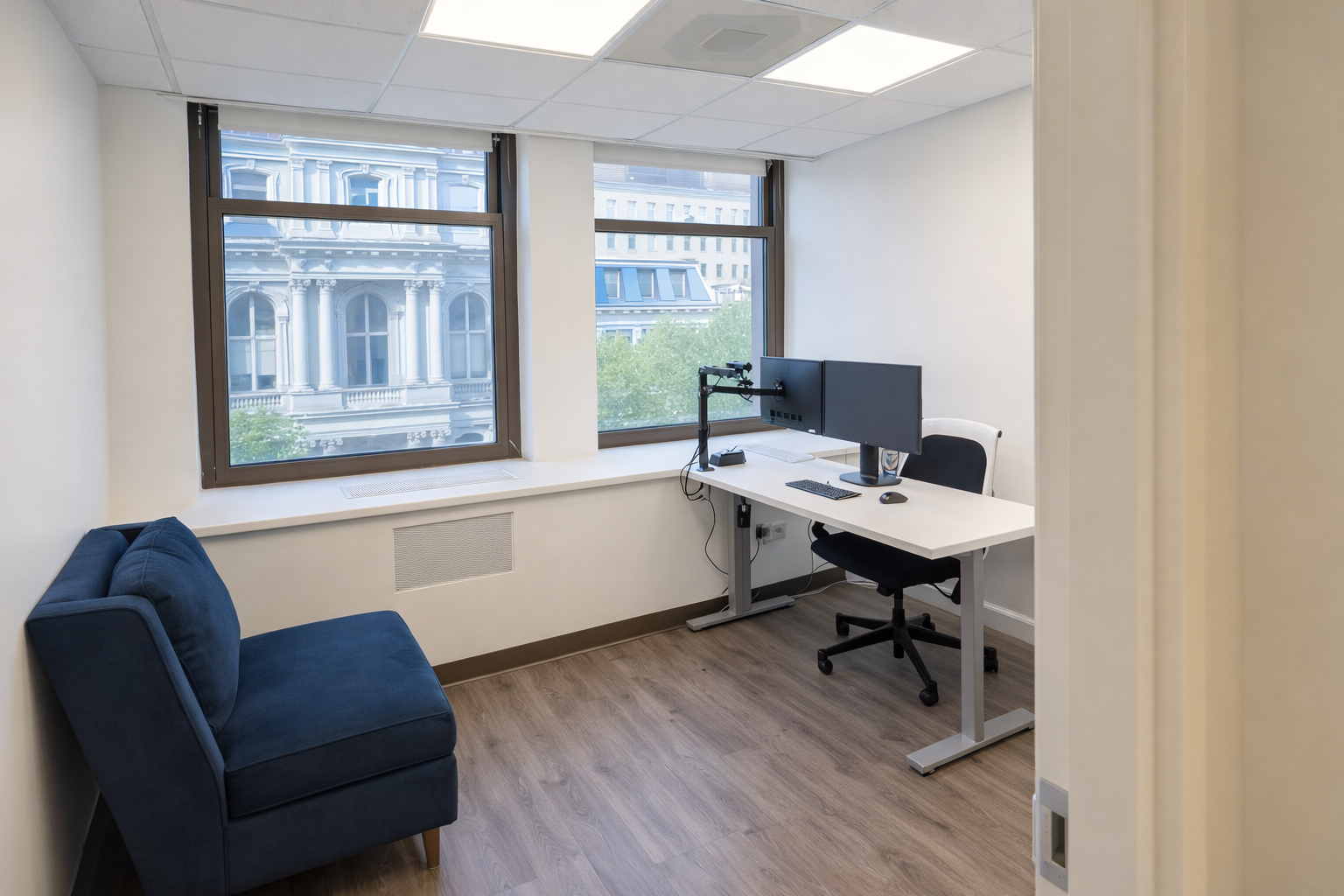
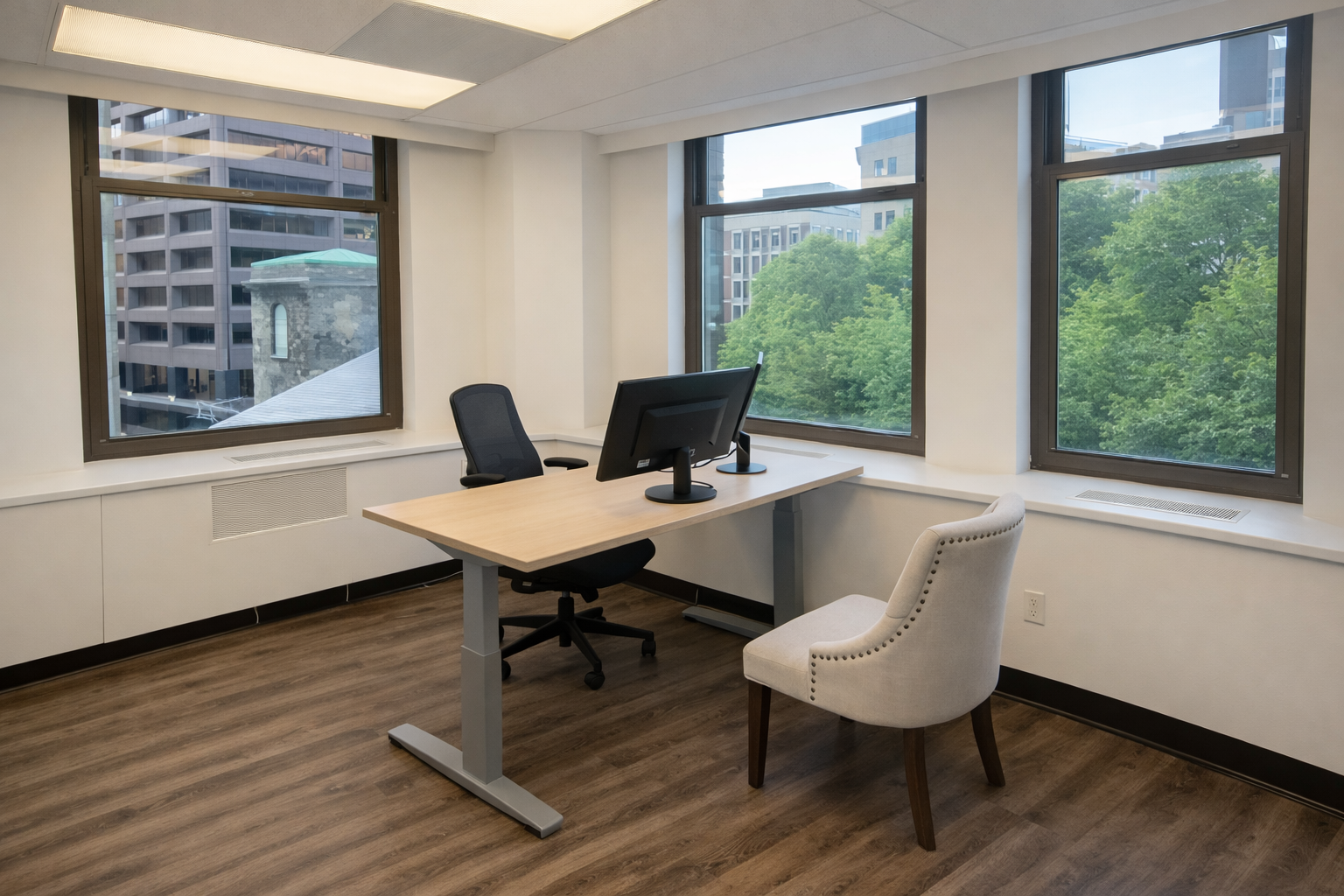
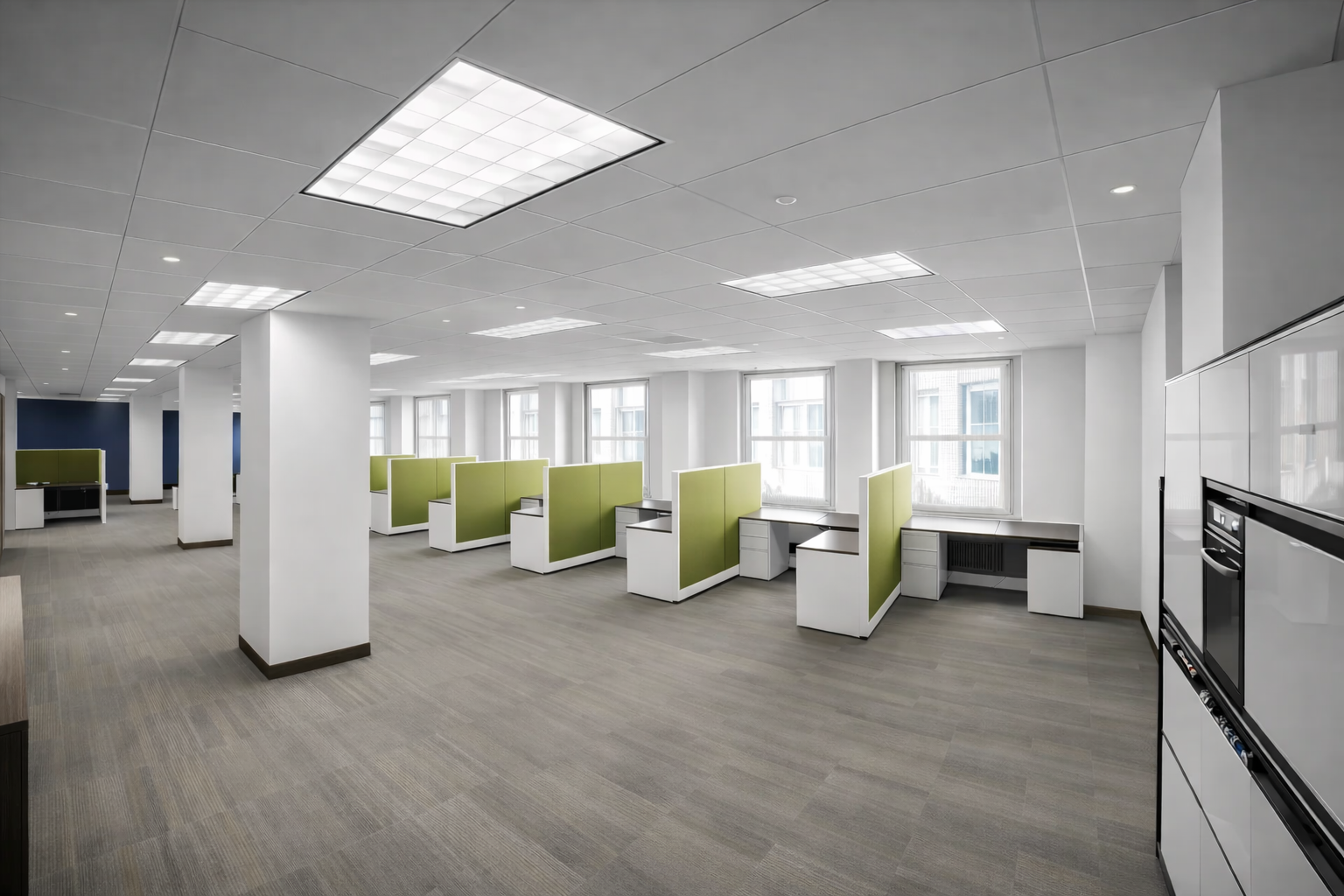
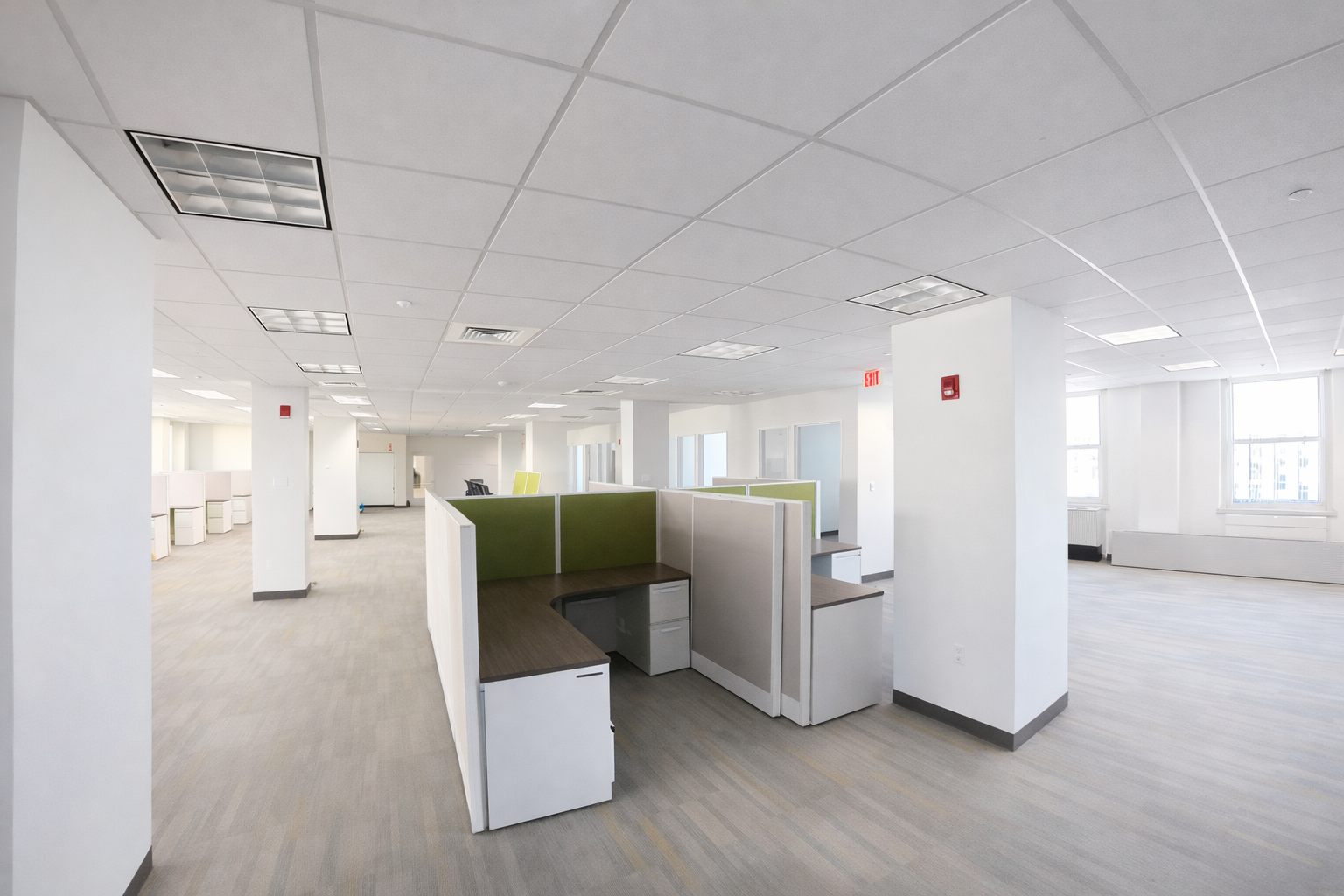
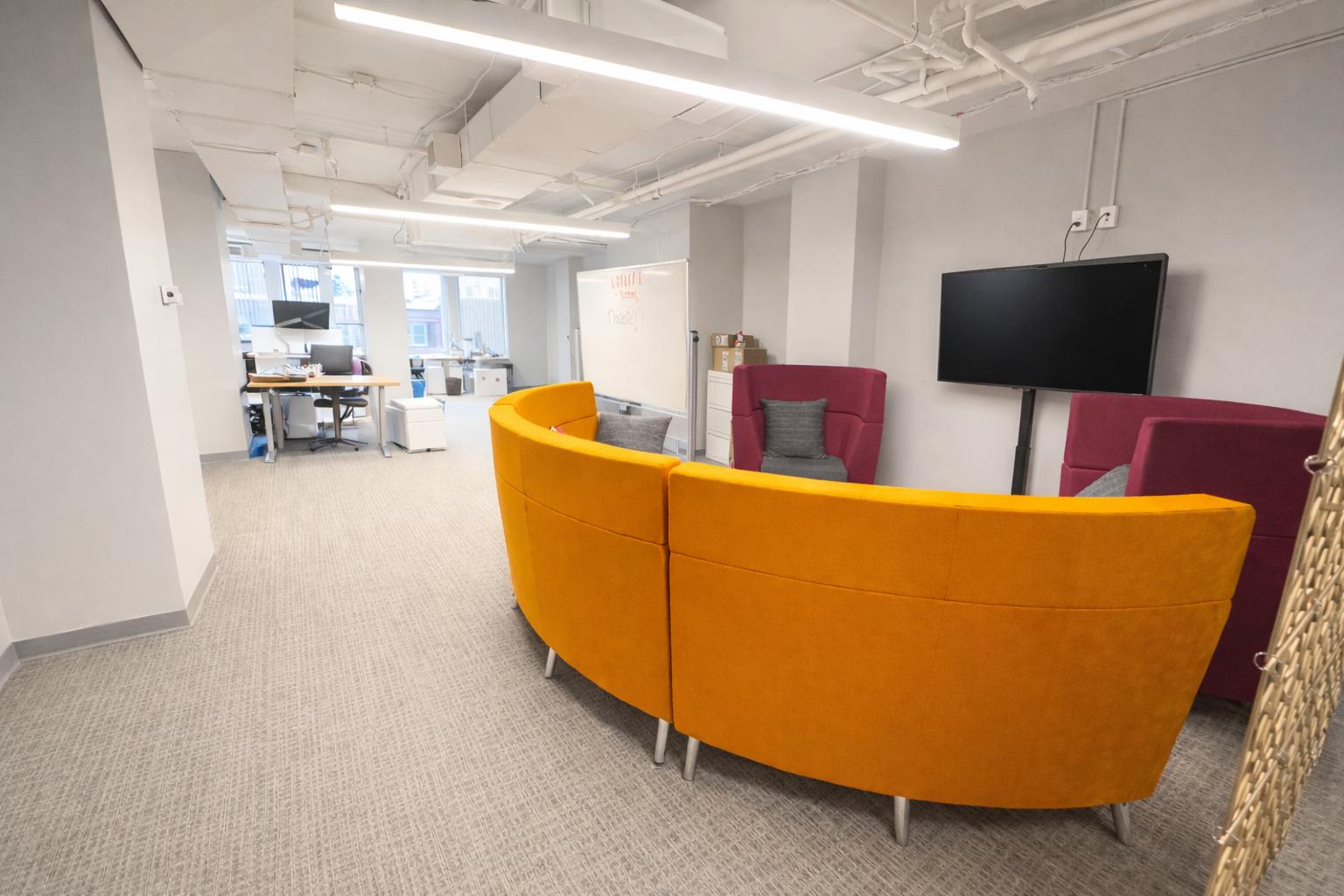
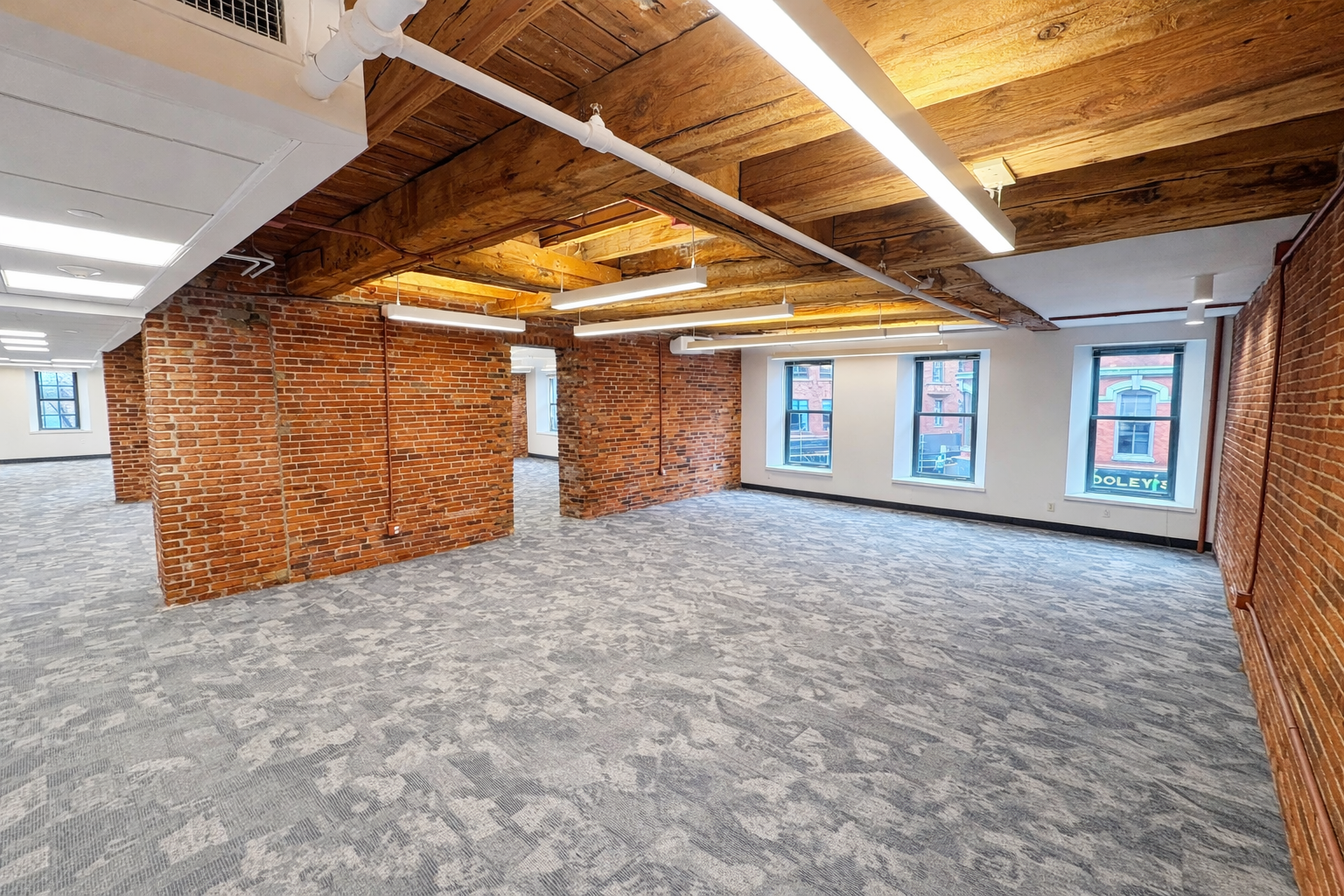
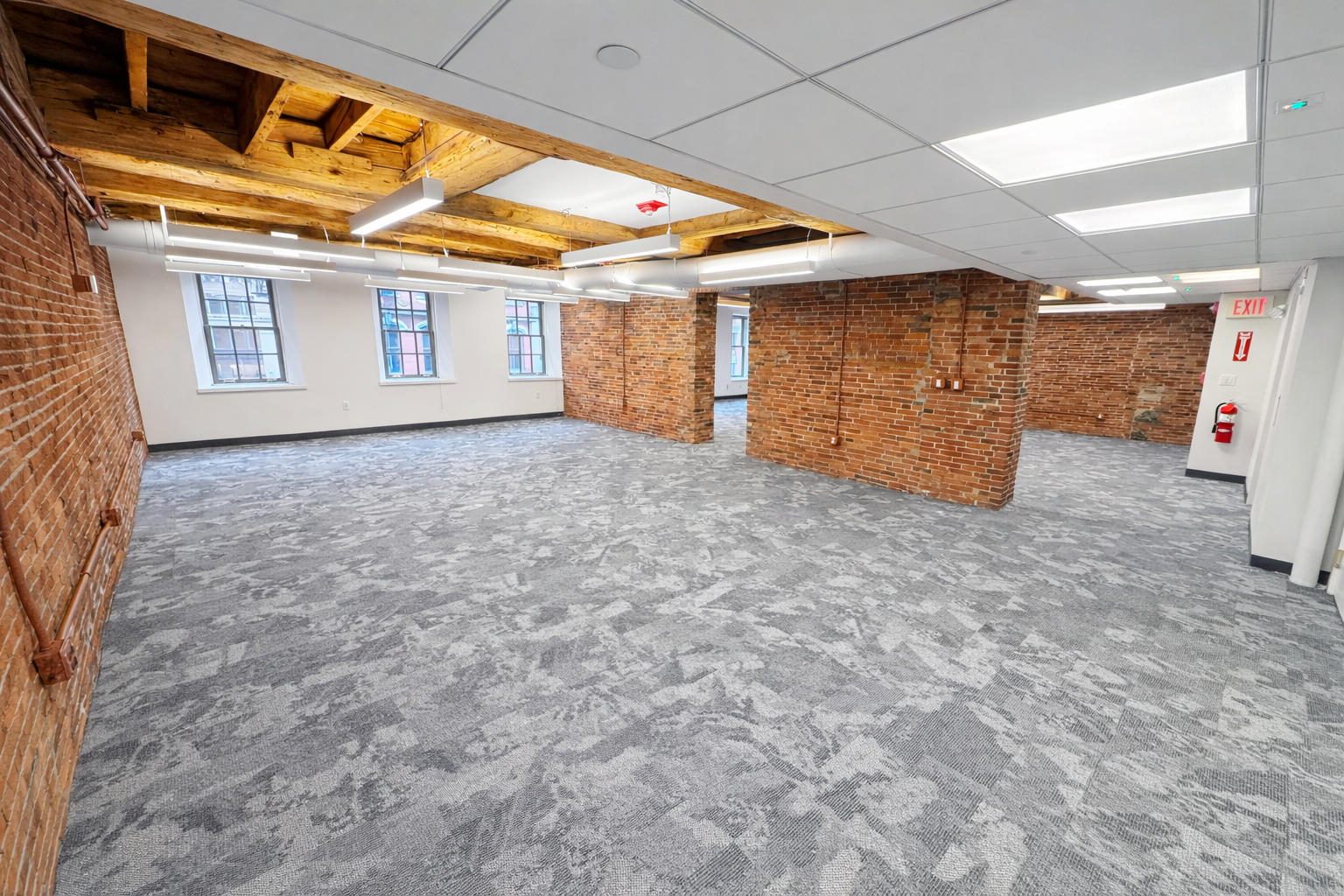
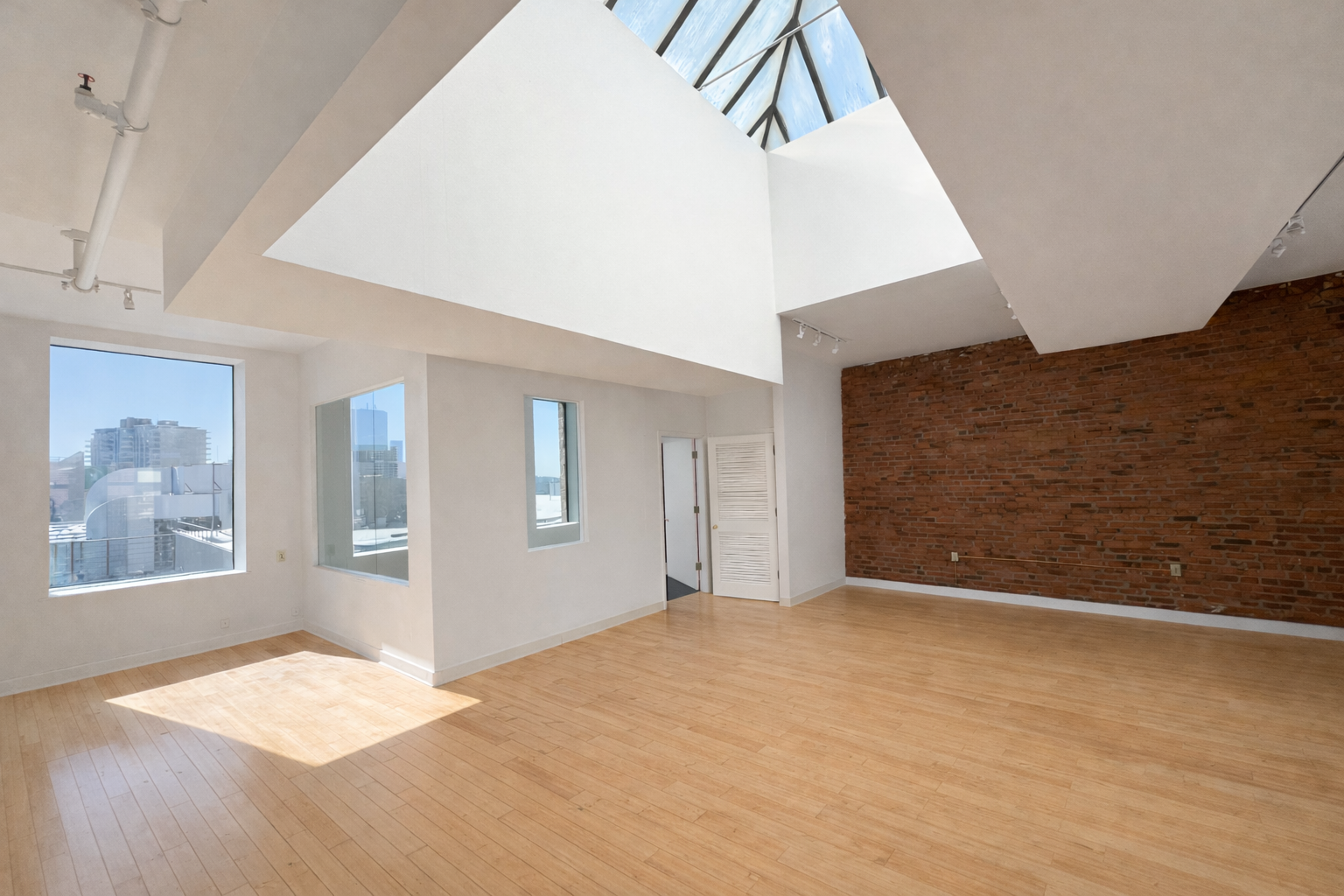
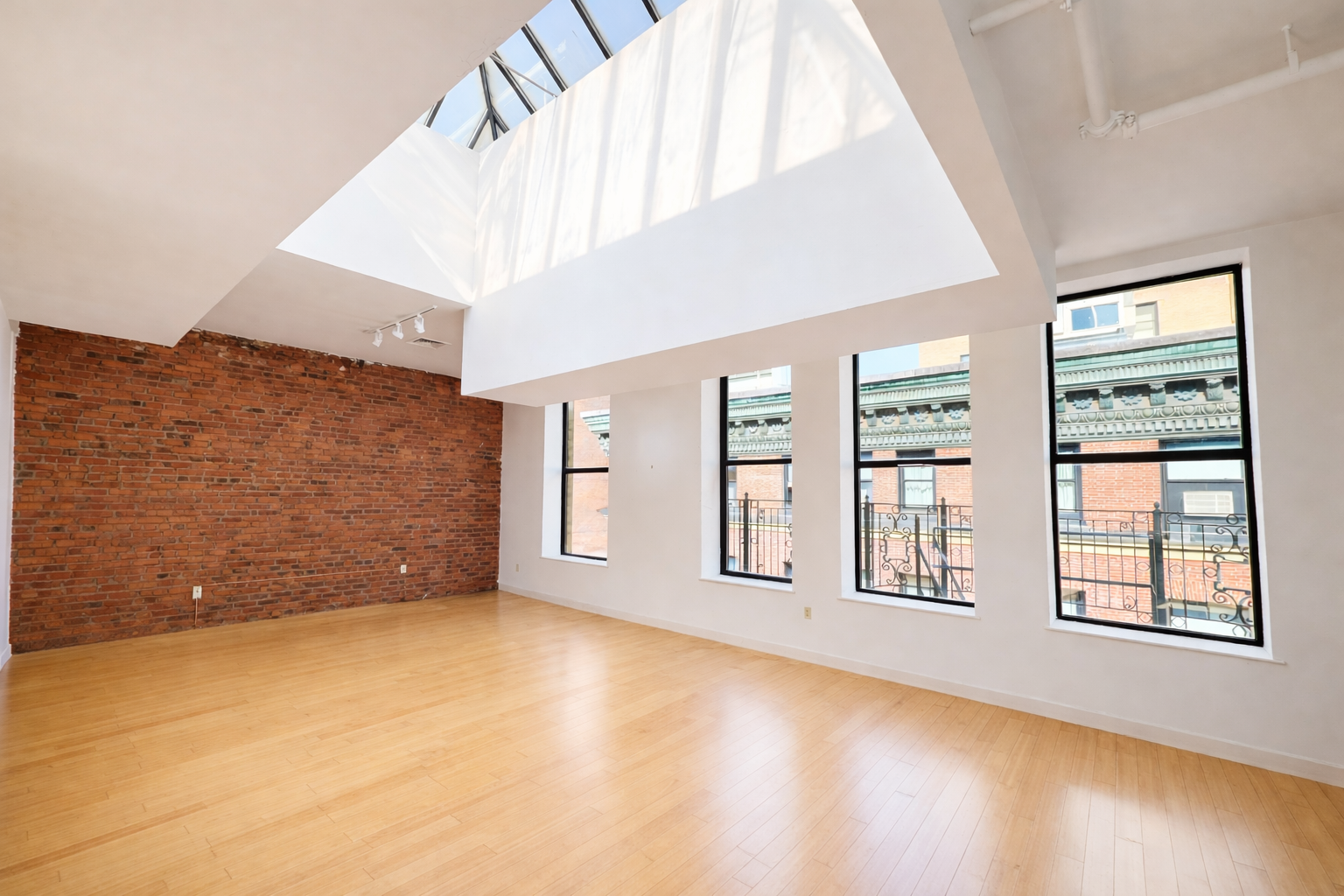
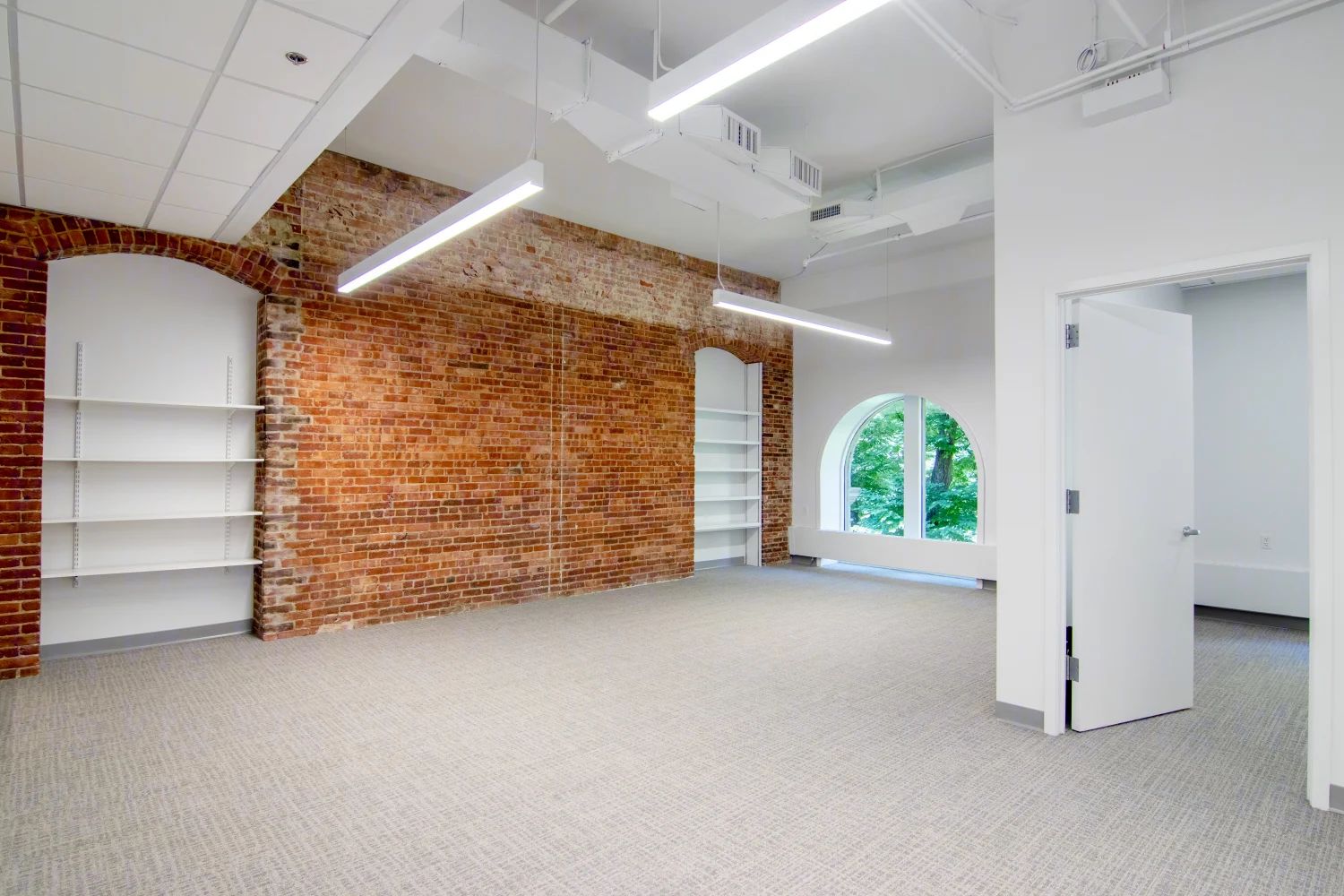
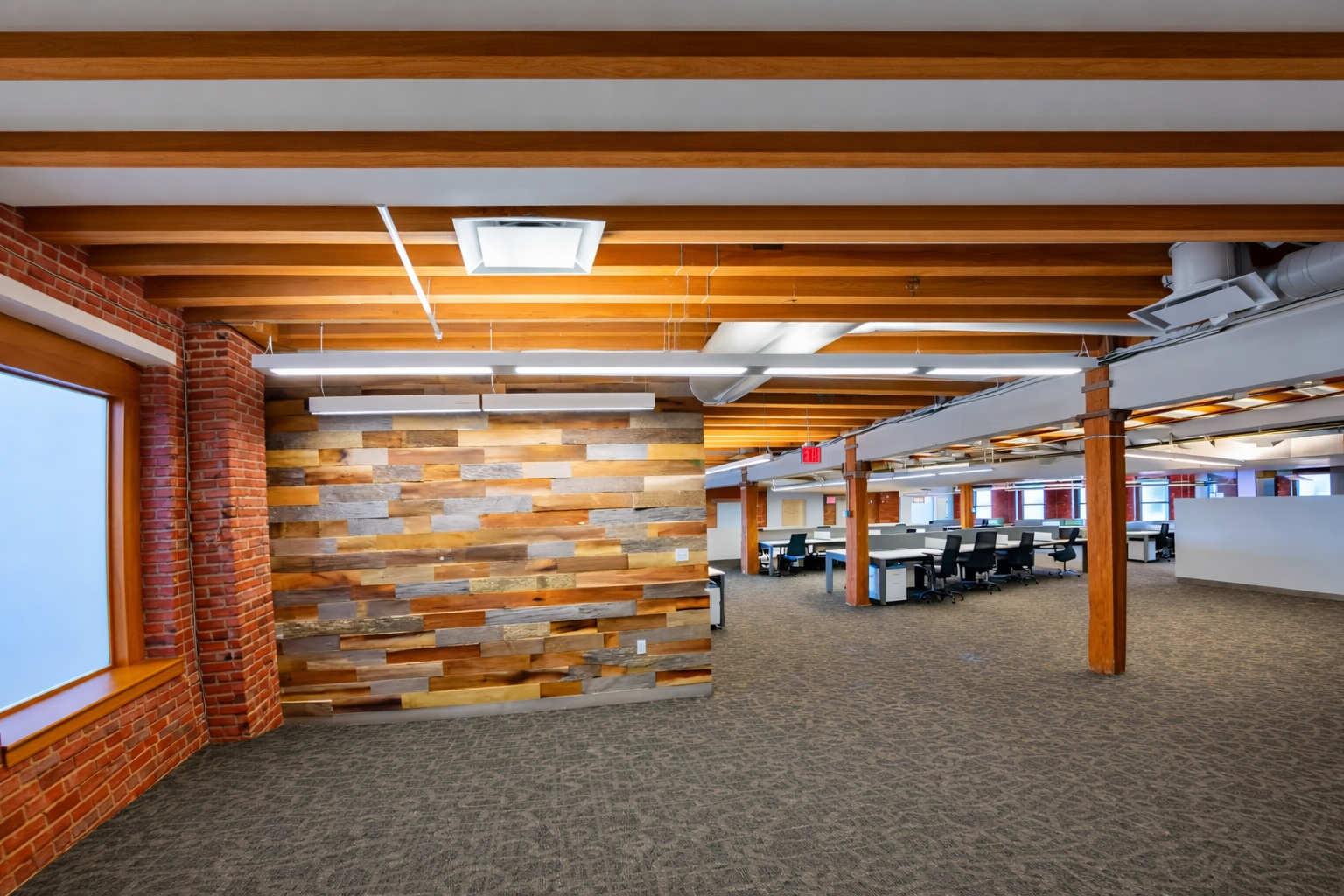
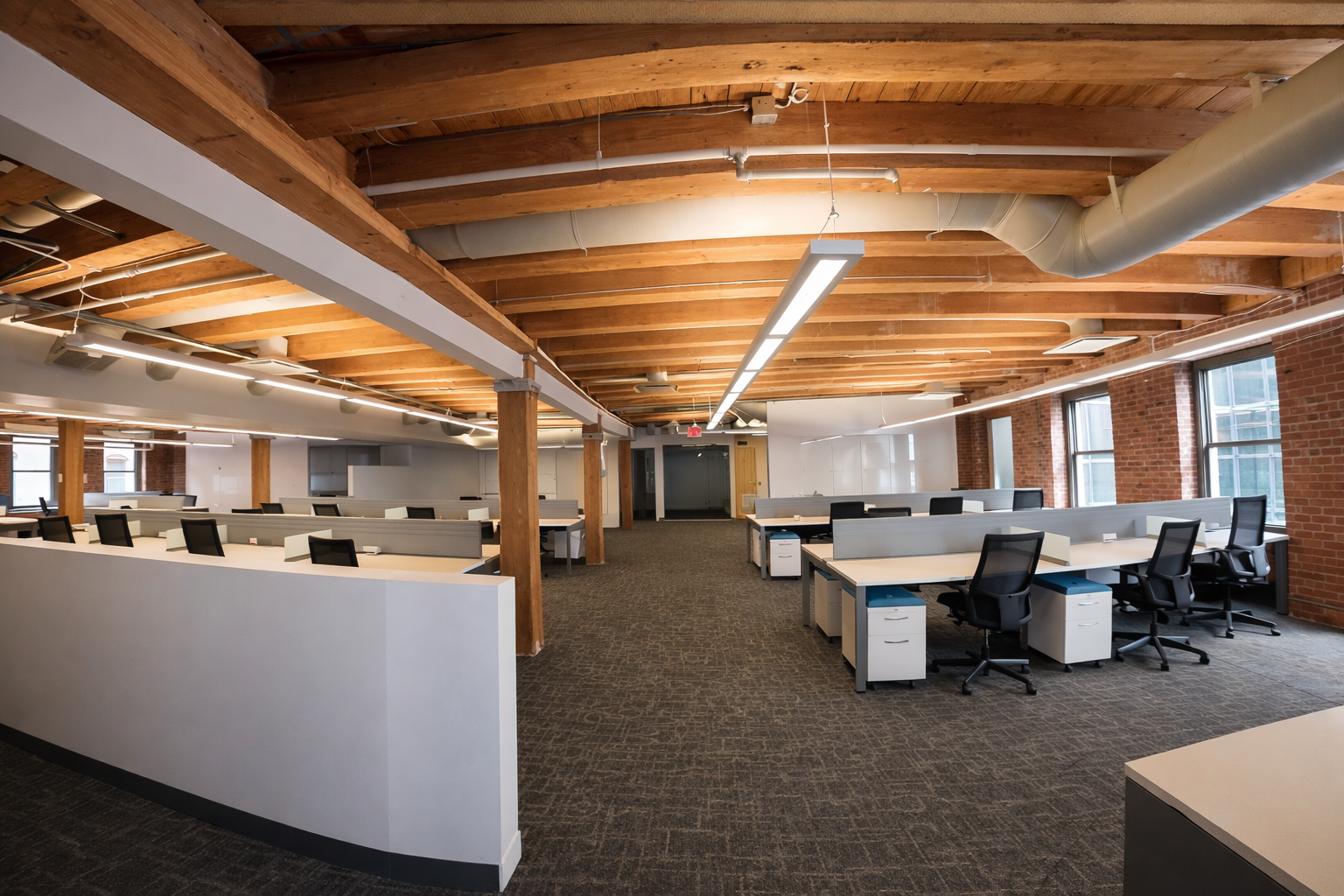
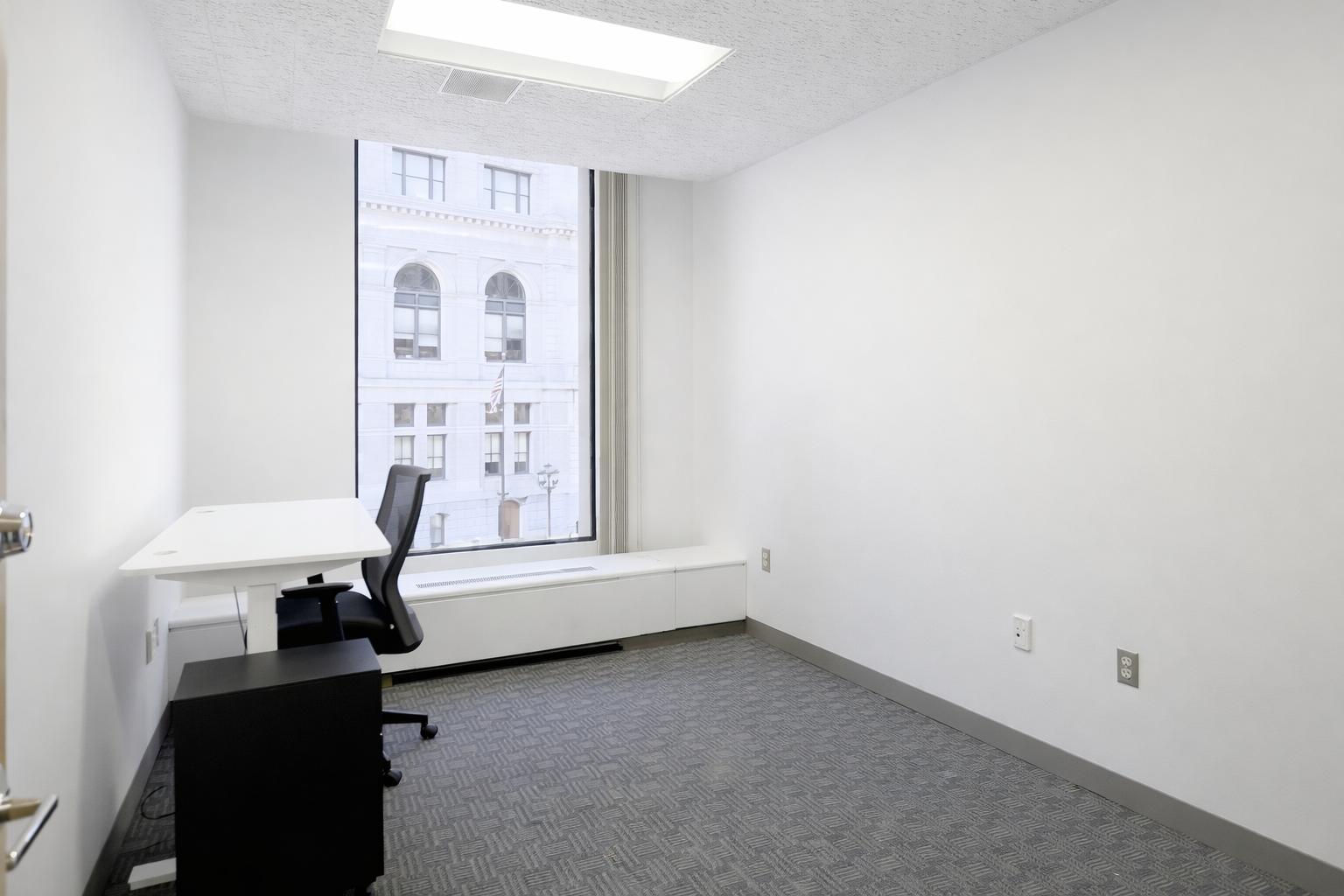
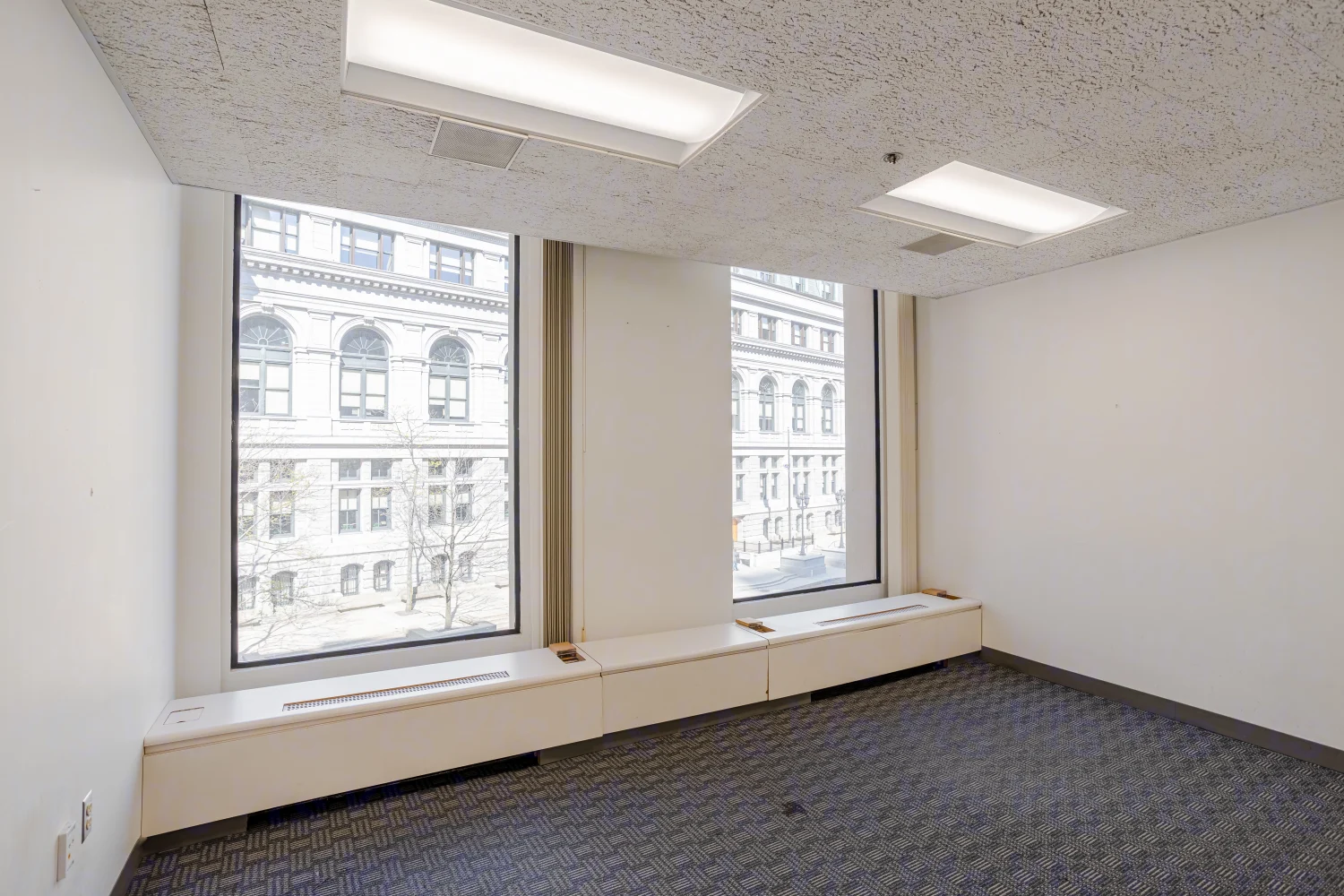
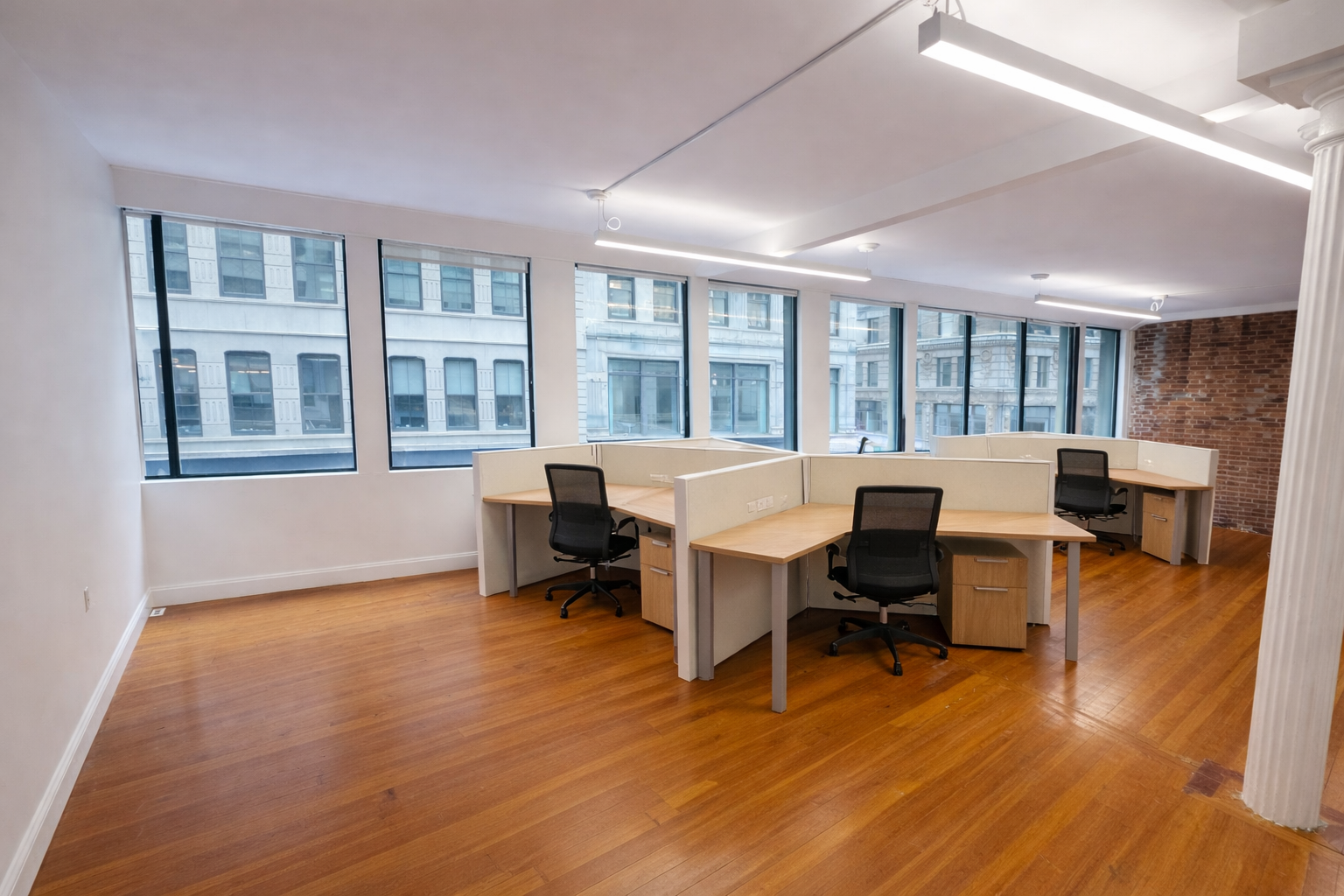
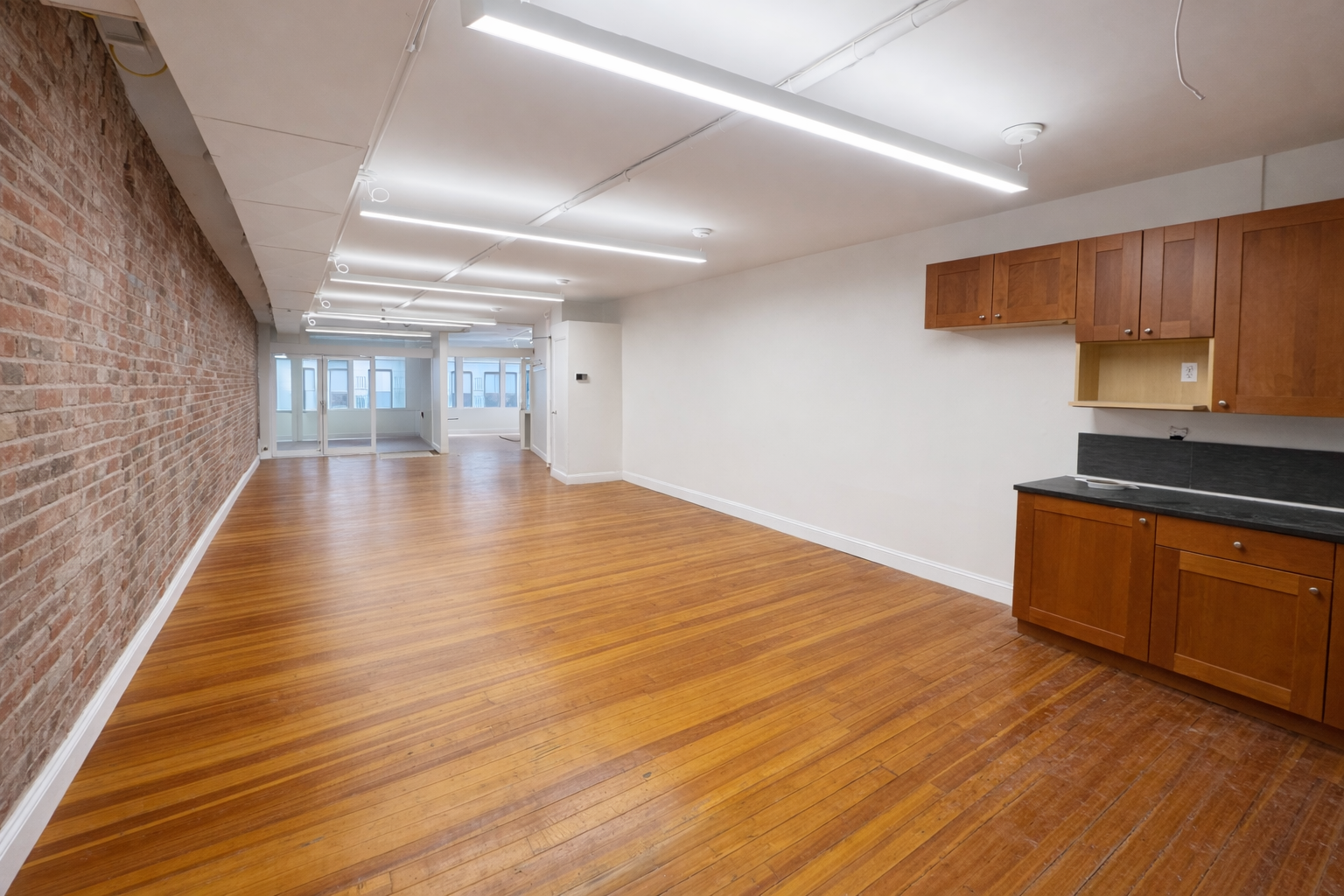
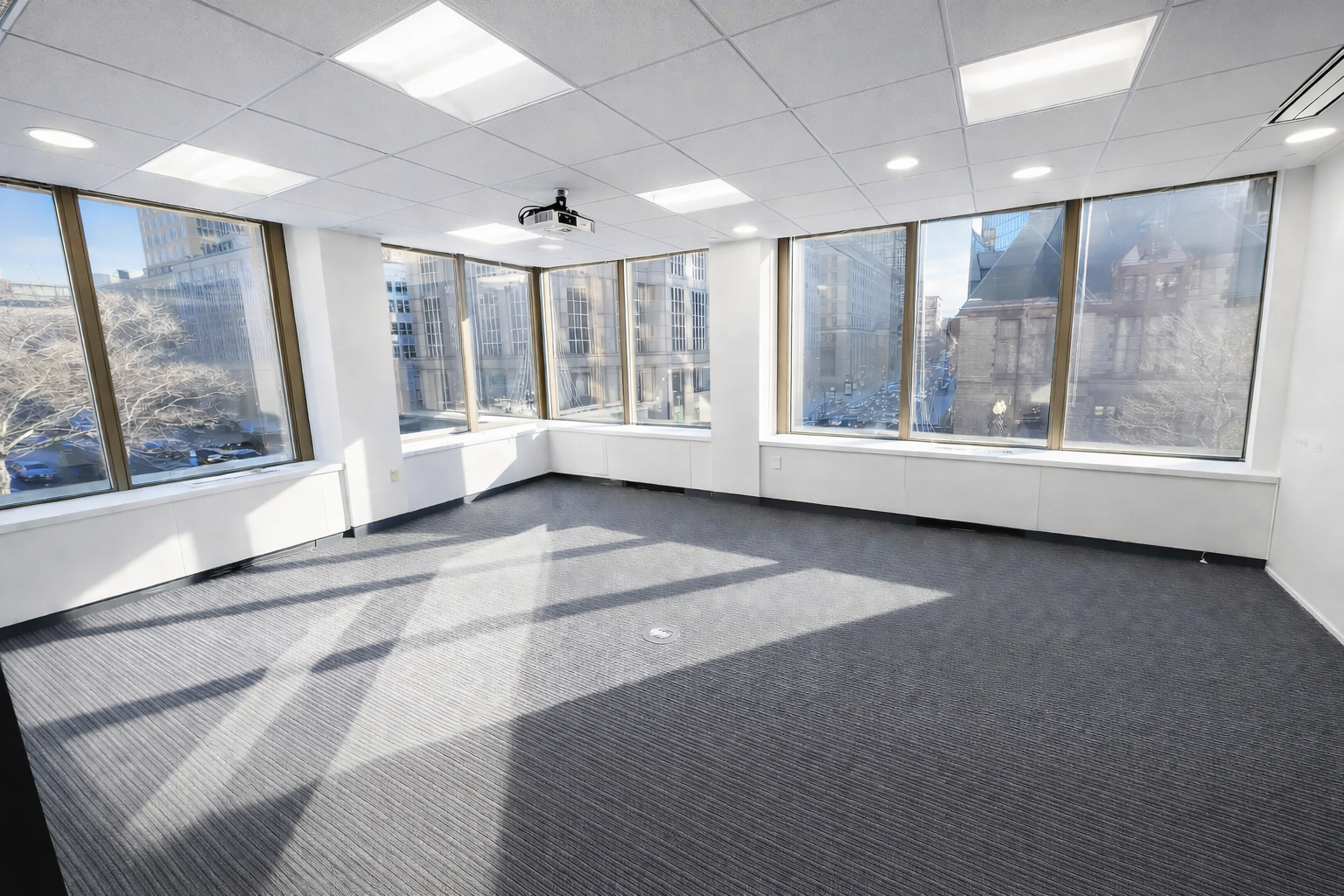
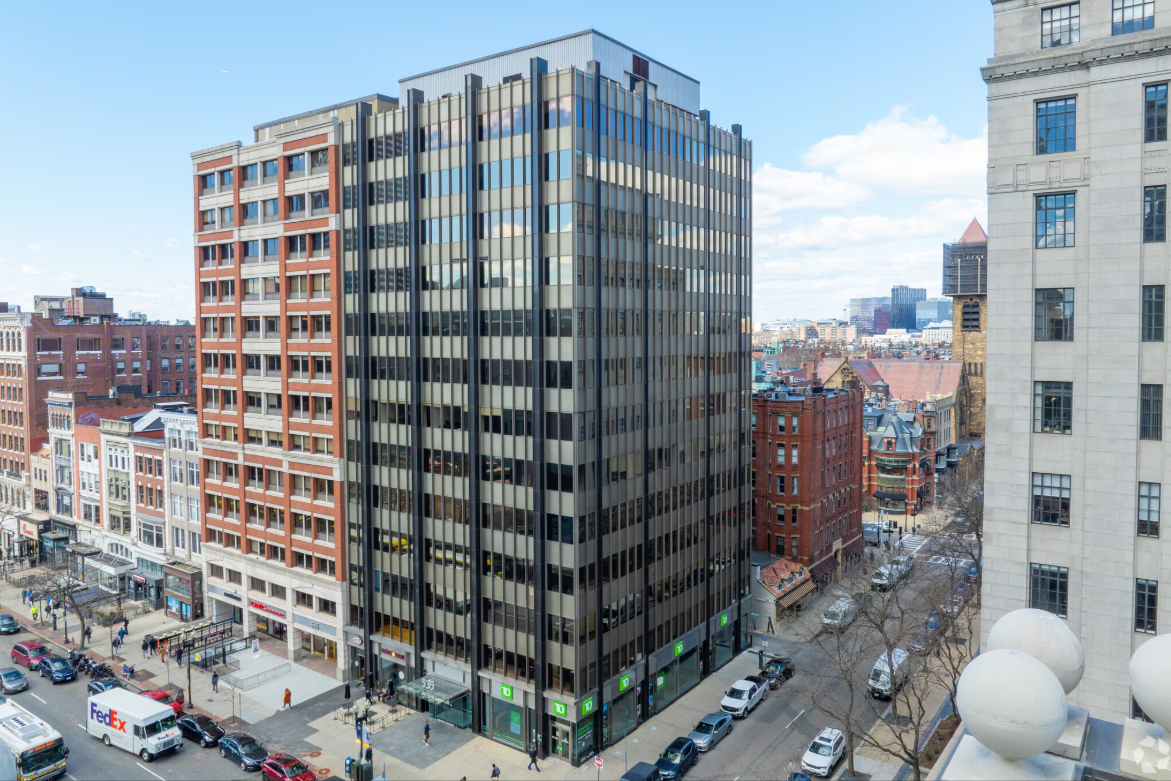
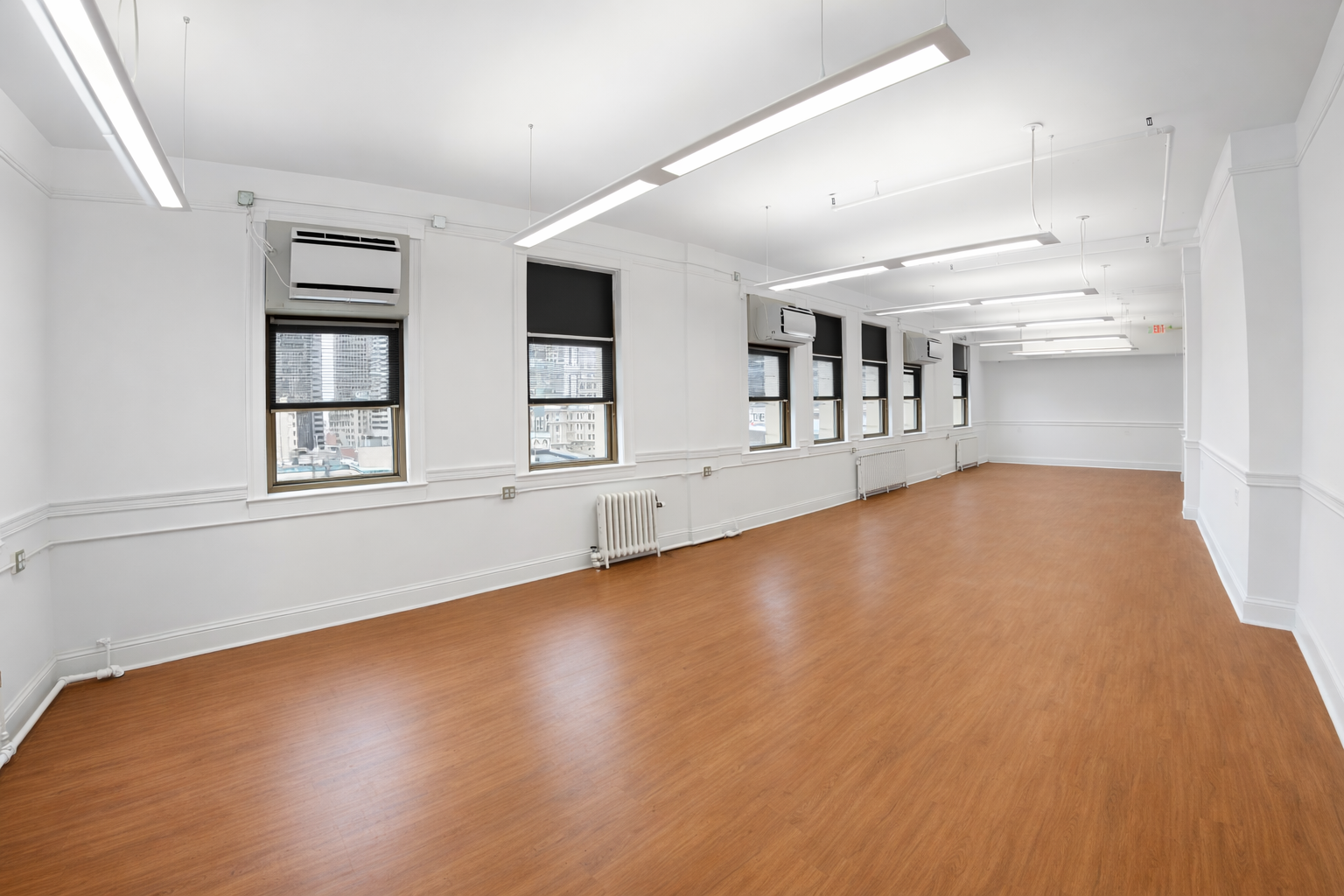
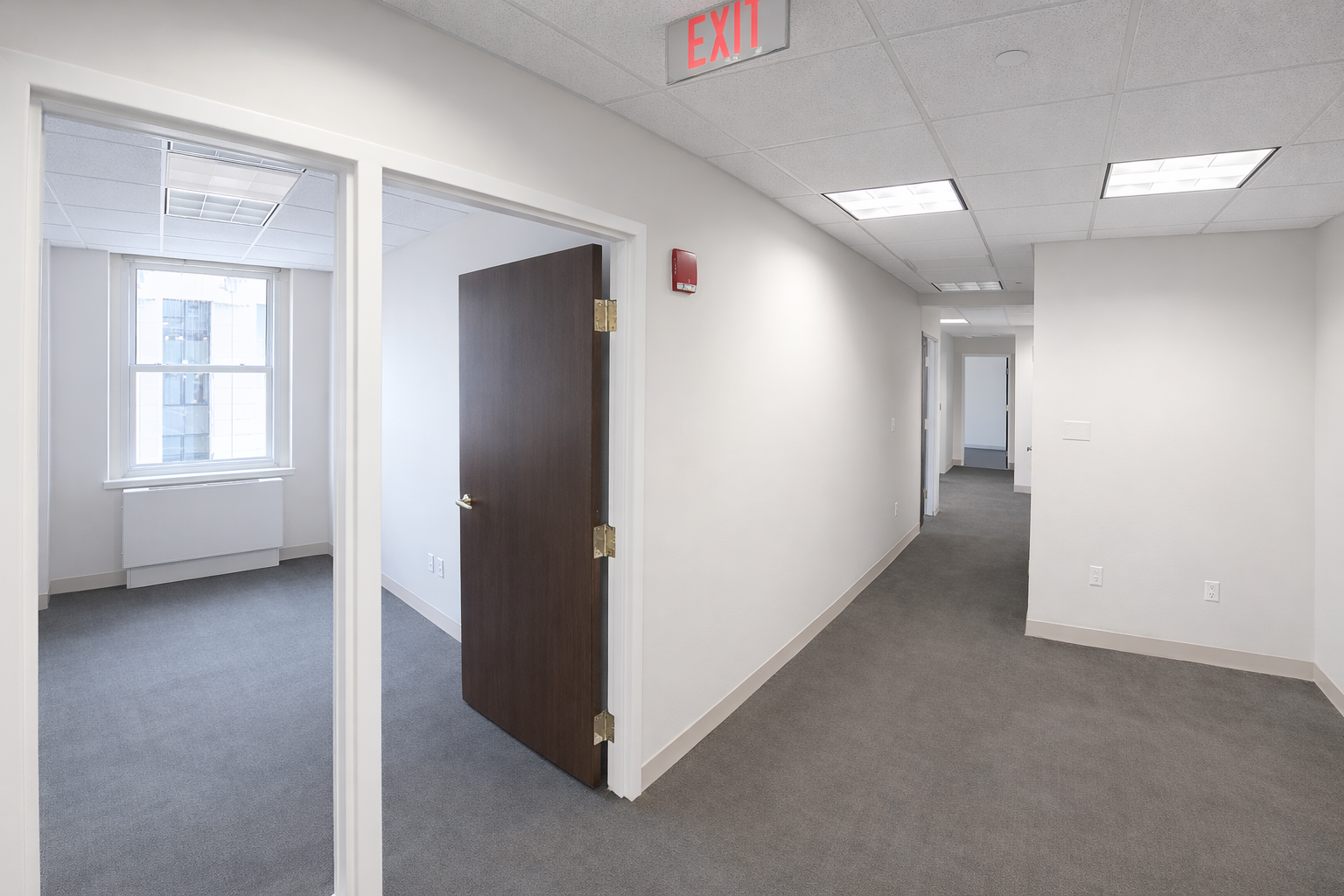
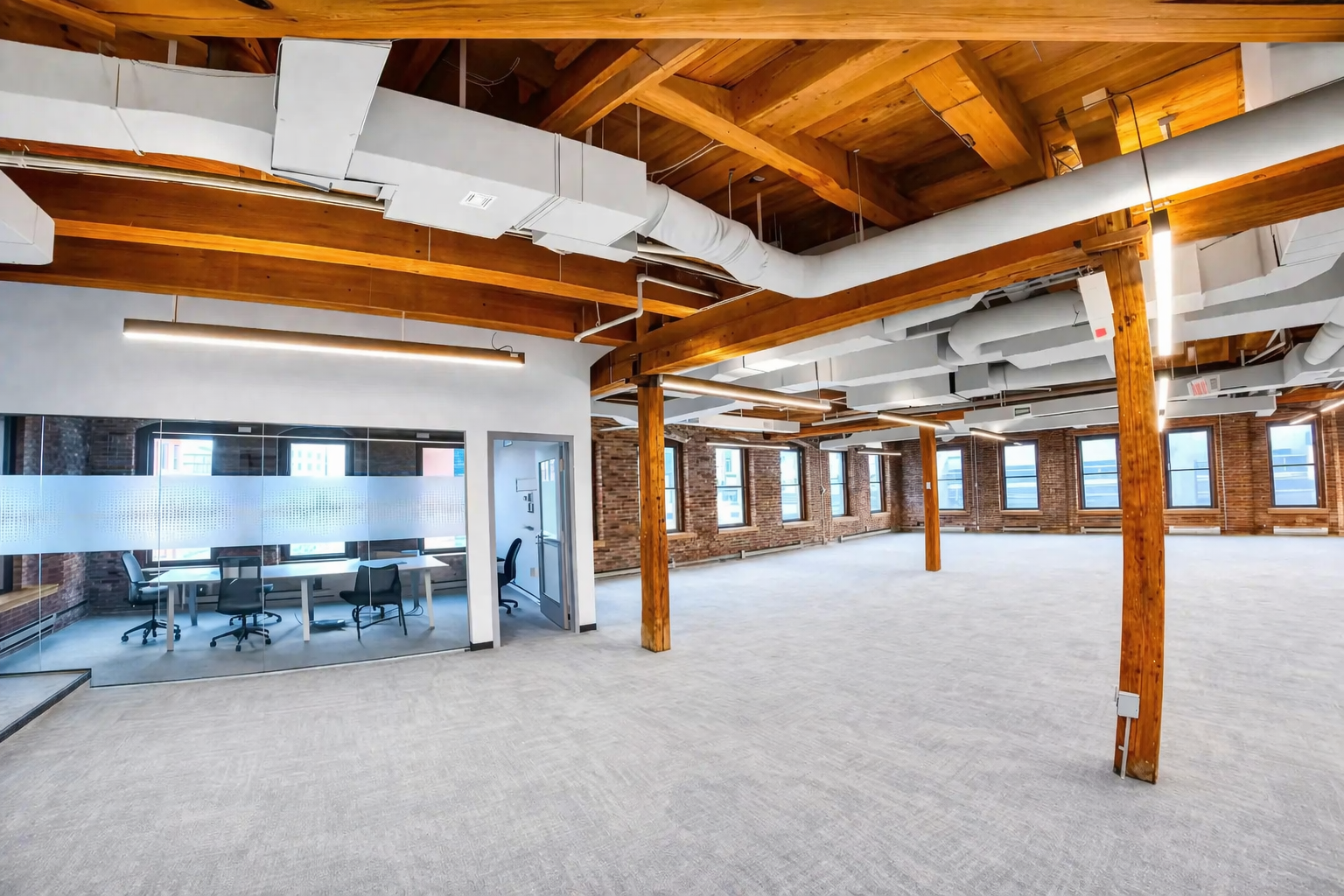
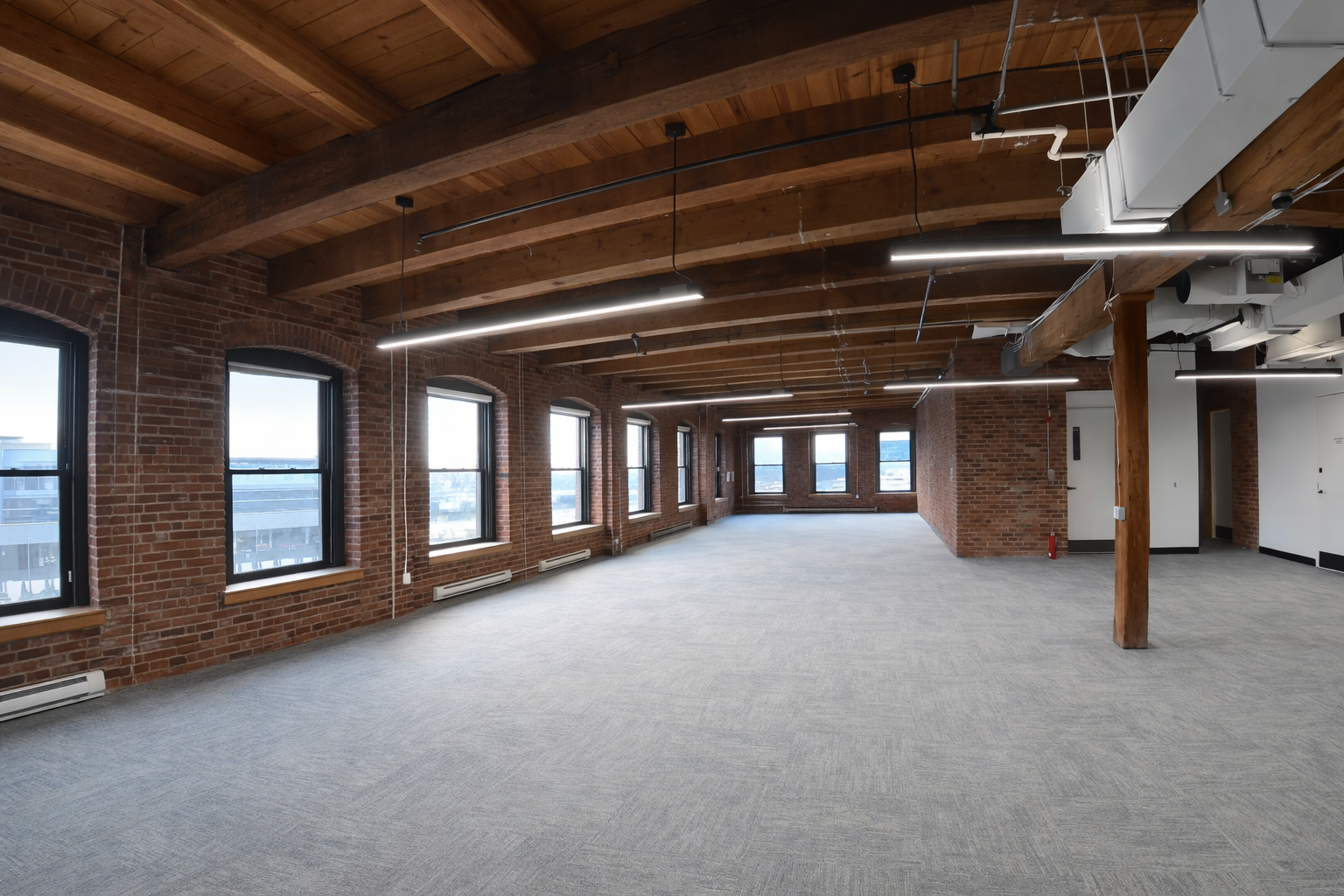
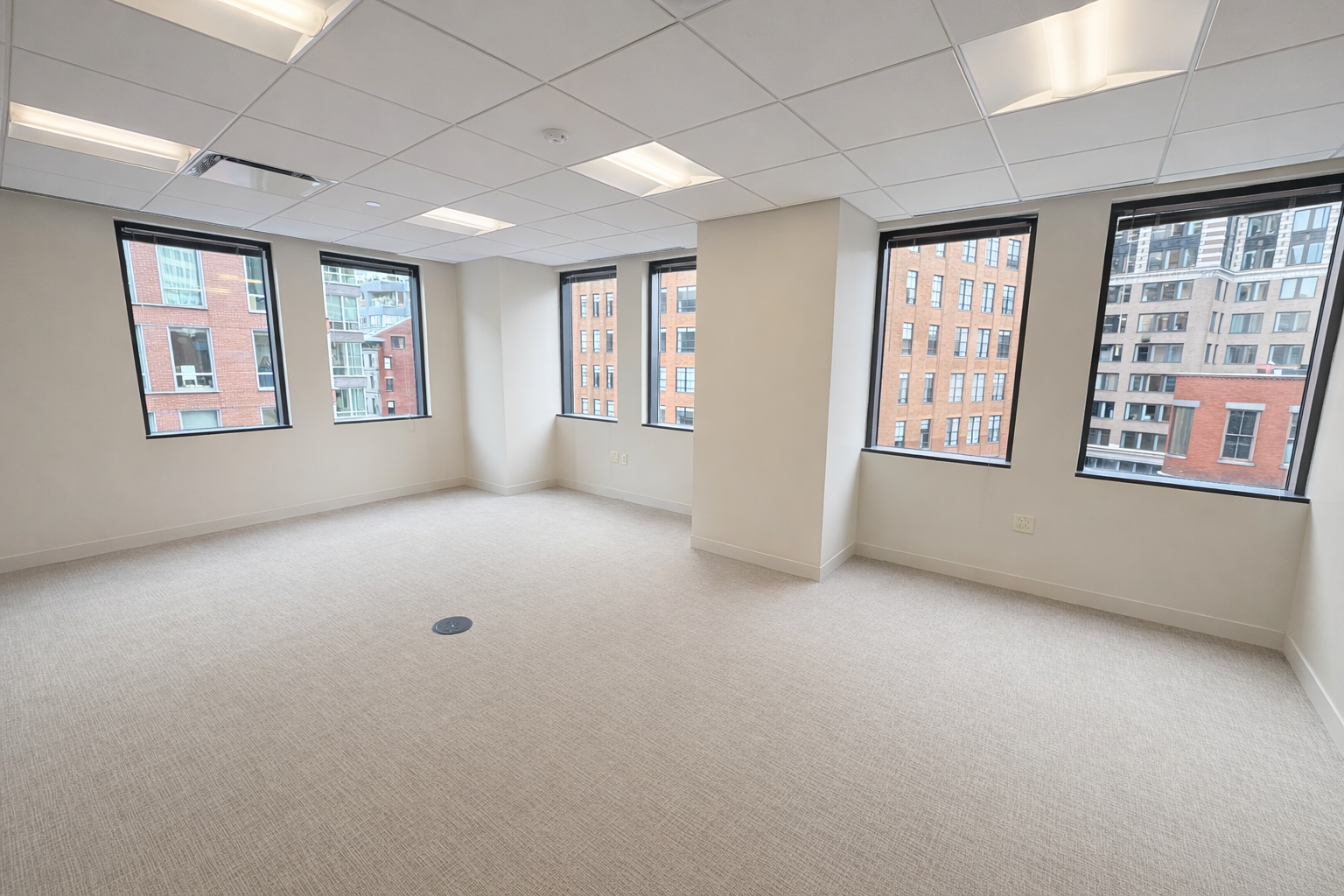
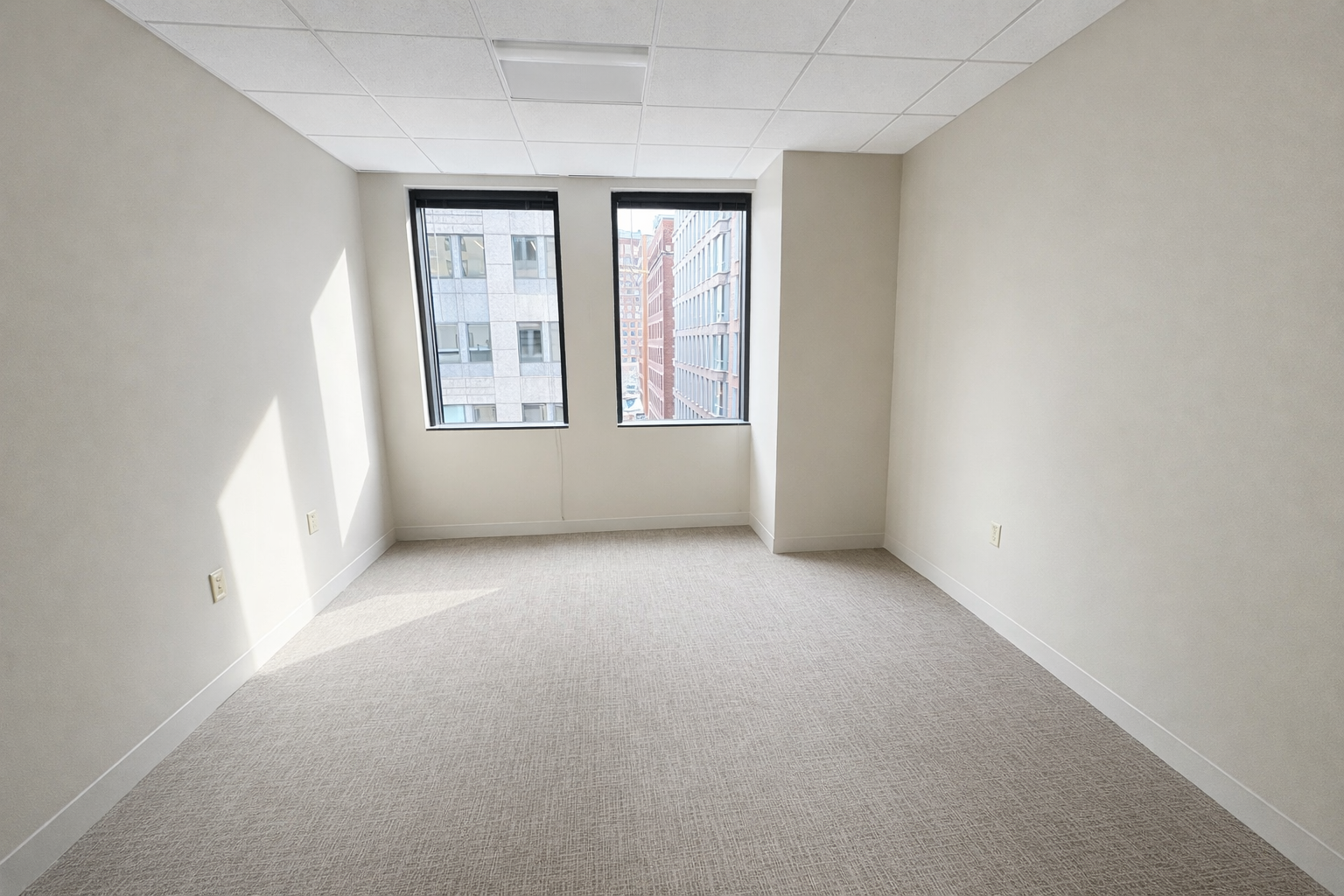
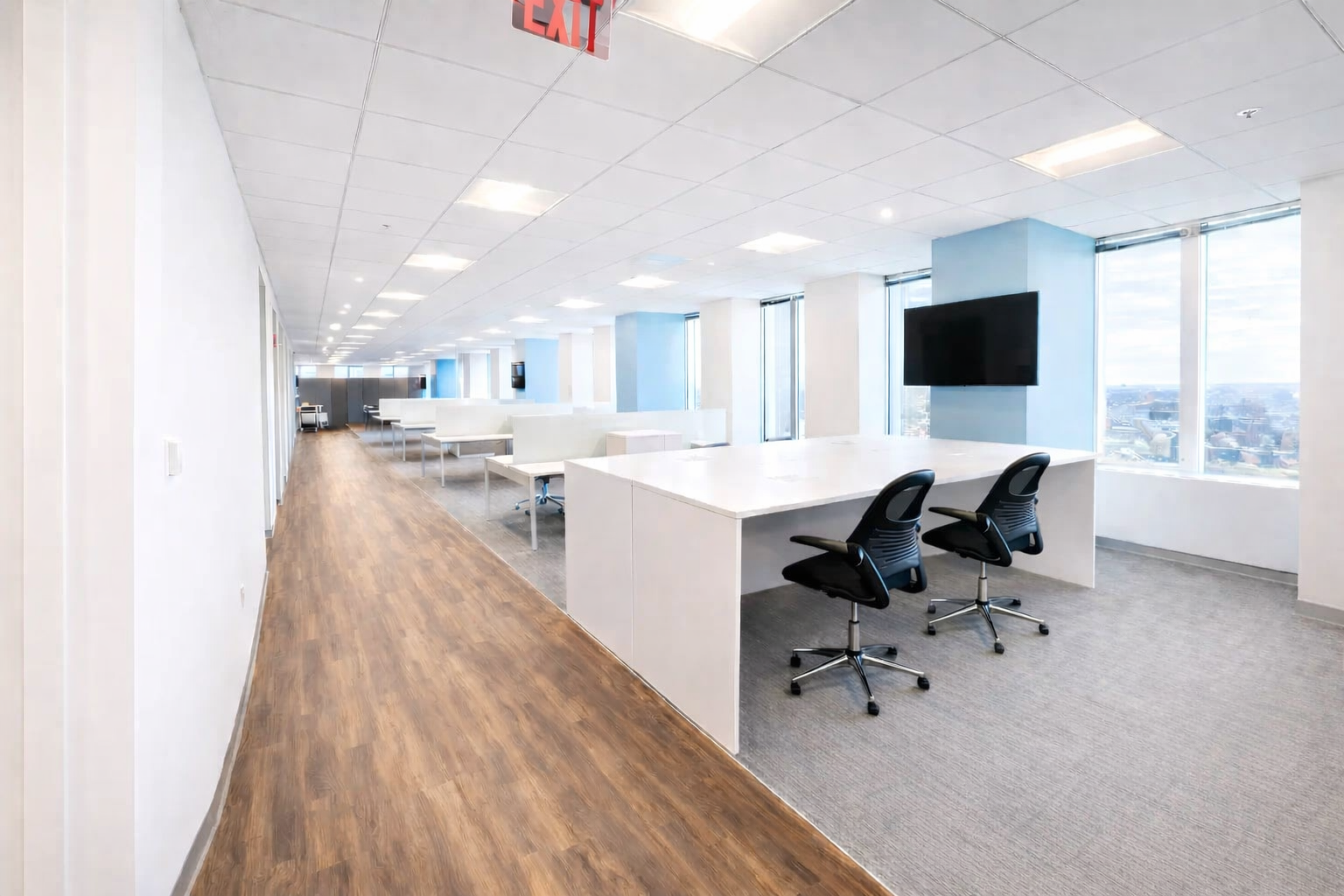
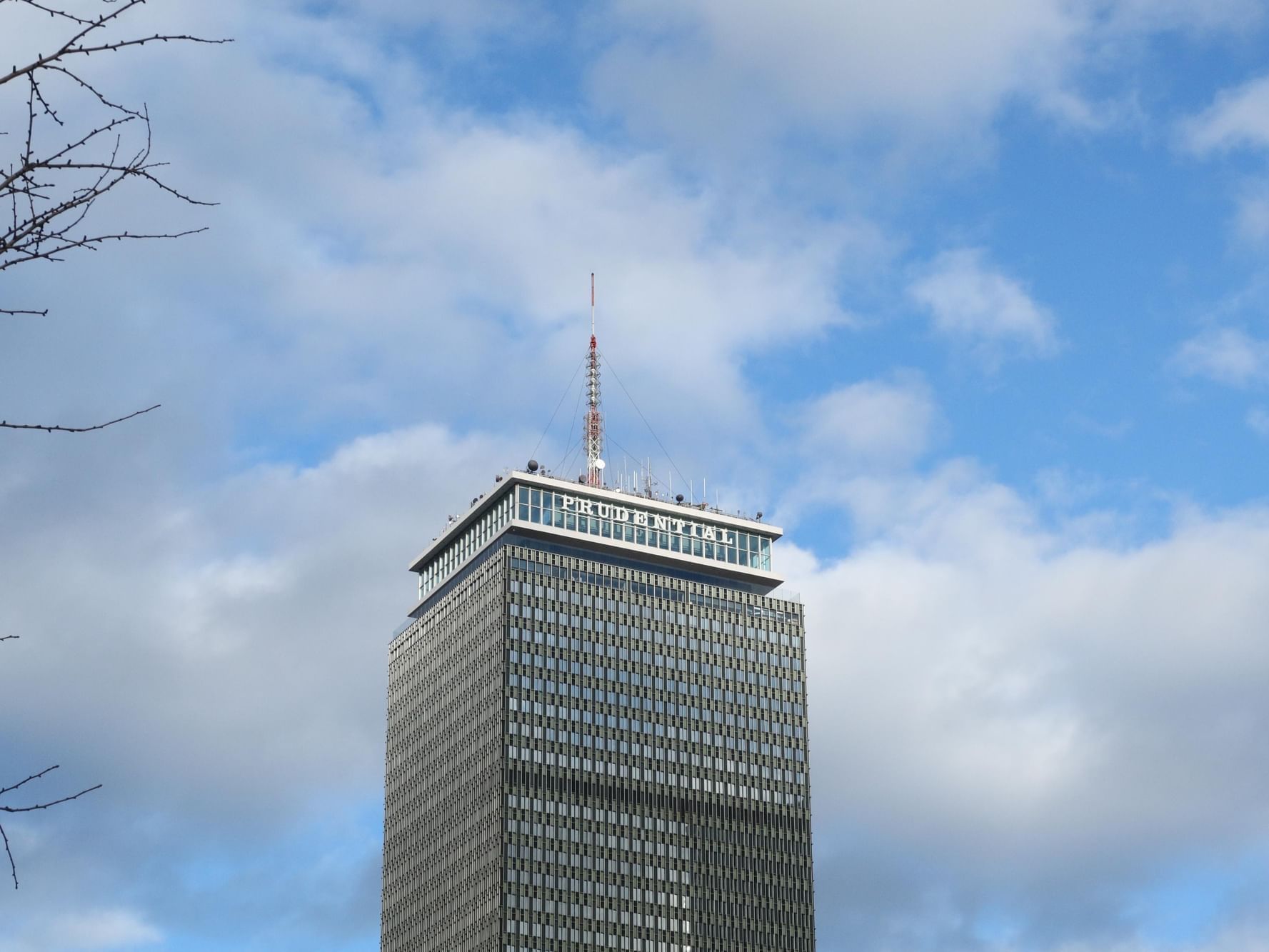
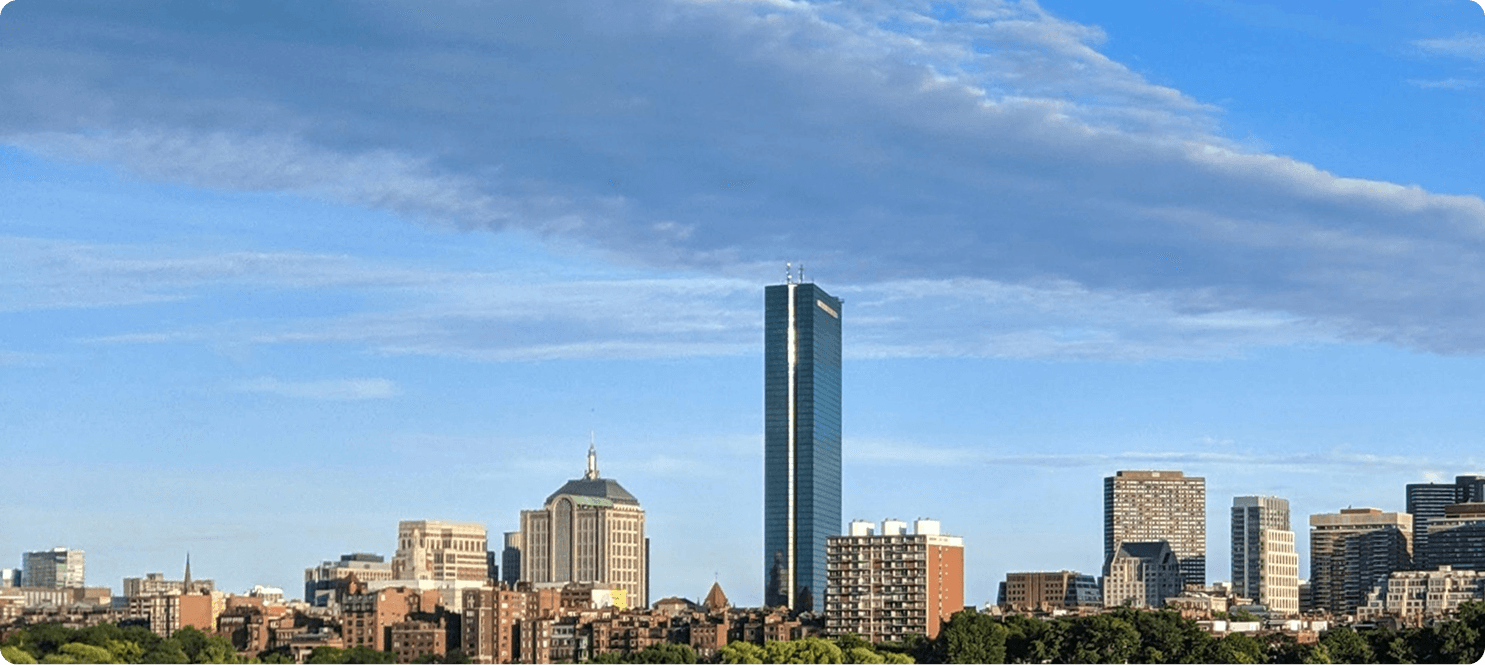
What defines office space in Boston’s Back Bay today? Constraint paired with prestige. Unlike the Seaport’s wider parcels or Kendall Square’s lab-driven expansion, Back Bay is physically bounded. Building stock skews historic, though interior renovations vary widely. Large floor plates are uncommon. Boutique suites and mid-sized professional layouts dominate supply. For companies evaluating Back Bay office space, the appeal lies in address recognition, transit concentration, and integration into one of Boston’s most durable commercial districts. Back Bay office space favors positioning over scale.
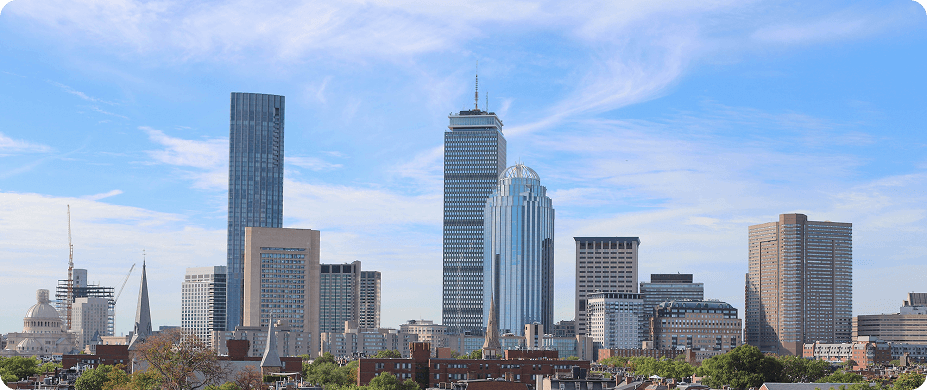
How much does Back Bay office space cost? Back Bay office space typically ranges from $45–$80 per square foot annually, depending on tower class and proximity to Copley Square. Historic assets and modern high-rises position differently within the same grid. Trophy properties near Copley and along Boylston command premium positioning. Older mid-rise buildings may offer more negotiable structures, particularly in a market still recalibrating vacancy across central Boston. Office space in Boston’s Back Bay rewards direct comparison. Within a few blocks, lobby experience, natural light, and renovation depth can shift meaningfully. The address carries weight. The economics depend on the building.

What does the workday feel like around Back Bay office space? Dense and consistent, with retail and dining concentration that supports both quick routines and client-facing meetings. Boylston and Newbury Streets keep lunch options immediate. Copley Square adds open-air relief within a compact grid. Evening activity remains steady because retail and hospitality density do not shut down with the workday. Back Bay makes daily logistics feel solved.
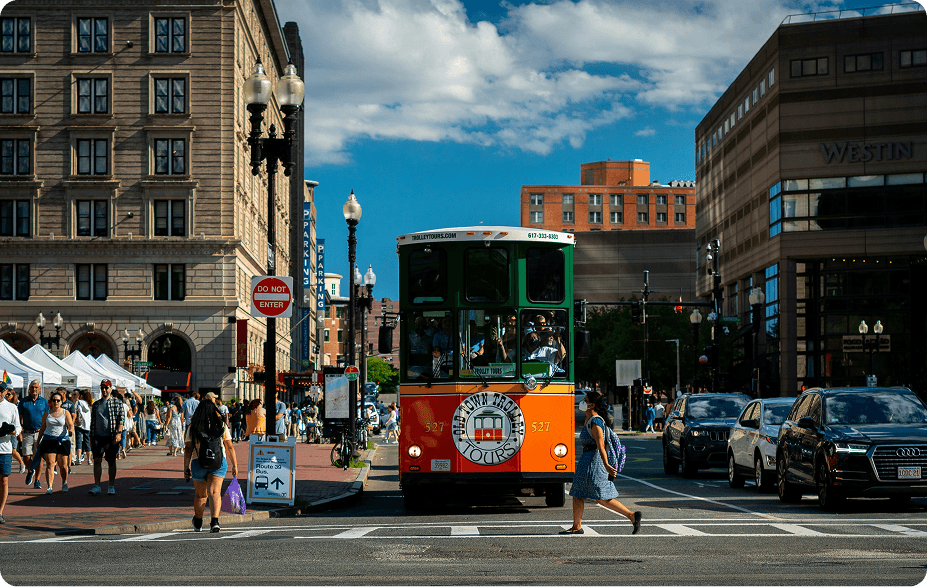
Is office space in Boston’s Back Bay easy to access? Yes, and that transit geometry is one of the neighborhood’s strongest structural advantages. Back Bay Station anchors commuter rail, Amtrak, and the Orange Line. The Green Line intersects nearby at Copley and Arlington. Bus routes reinforce access from multiple directions. For teams split between the city and the suburbs, Back Bay simplifies arrival.
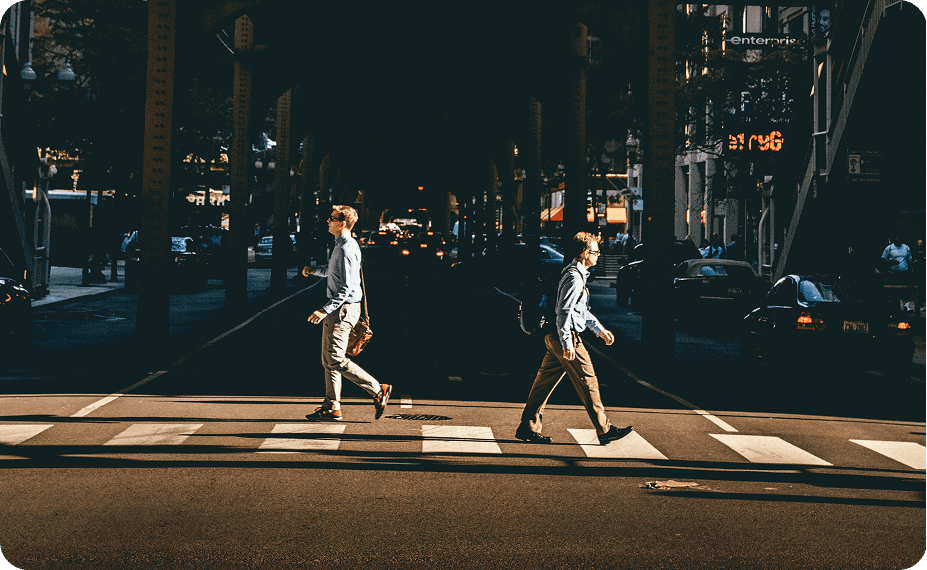
How walkable is Back Bay office space? Highly walkable within a flat, compact grid, with most daily needs sitting within a few blocks. Streets are predictable. Pedestrian density is steady but navigable. Compared with districts built on longer blocks, Back Bay retains a human-scaled rhythm. Movement here feels efficient.
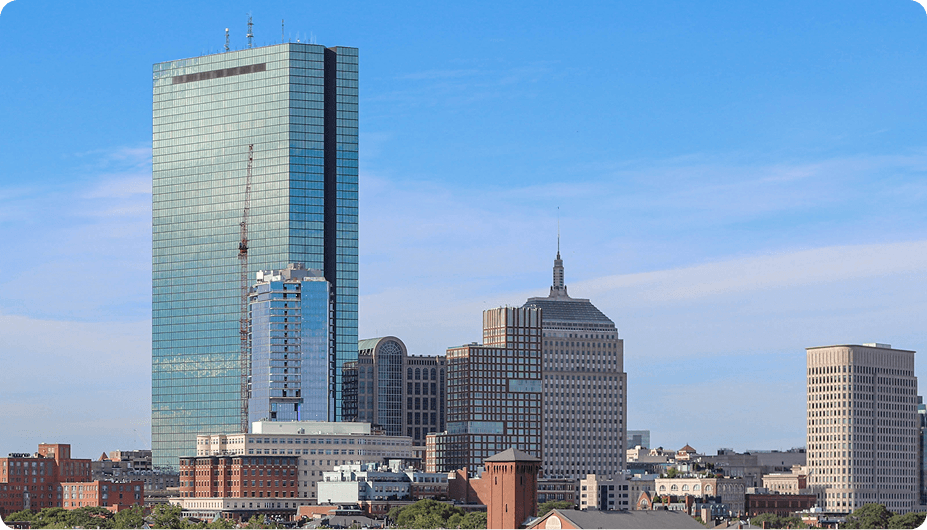
Why do companies continue to cluster in Back Bay? Because address recognition remains durable, and the tenant mix reinforces institutional credibility. Professional services, finance, consulting, and established enterprises continue to treat Back Bay as a safe, legible choice. It does not compete on experimental identity. It reinforces legacy positioning. Back Bay office space signals stability.