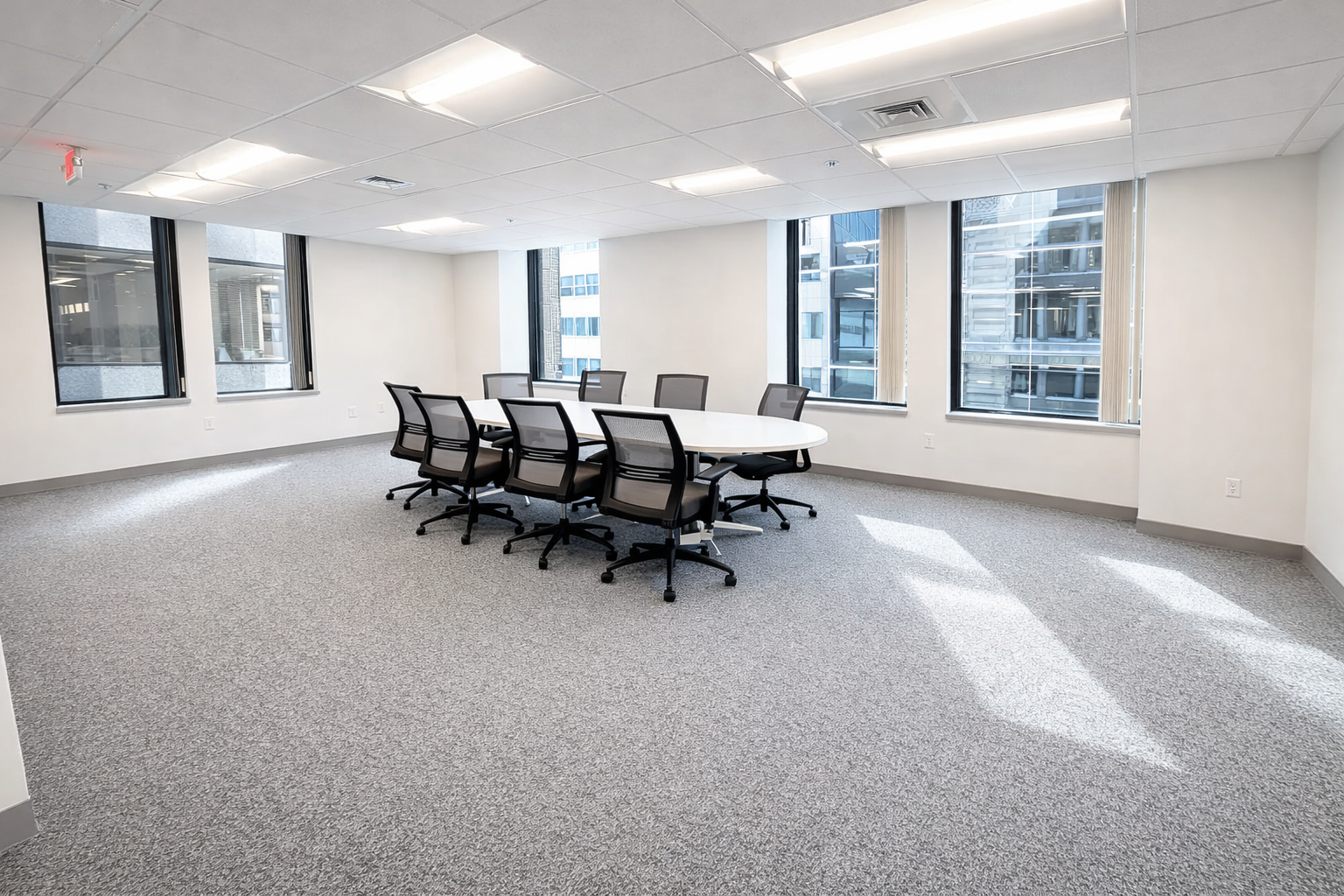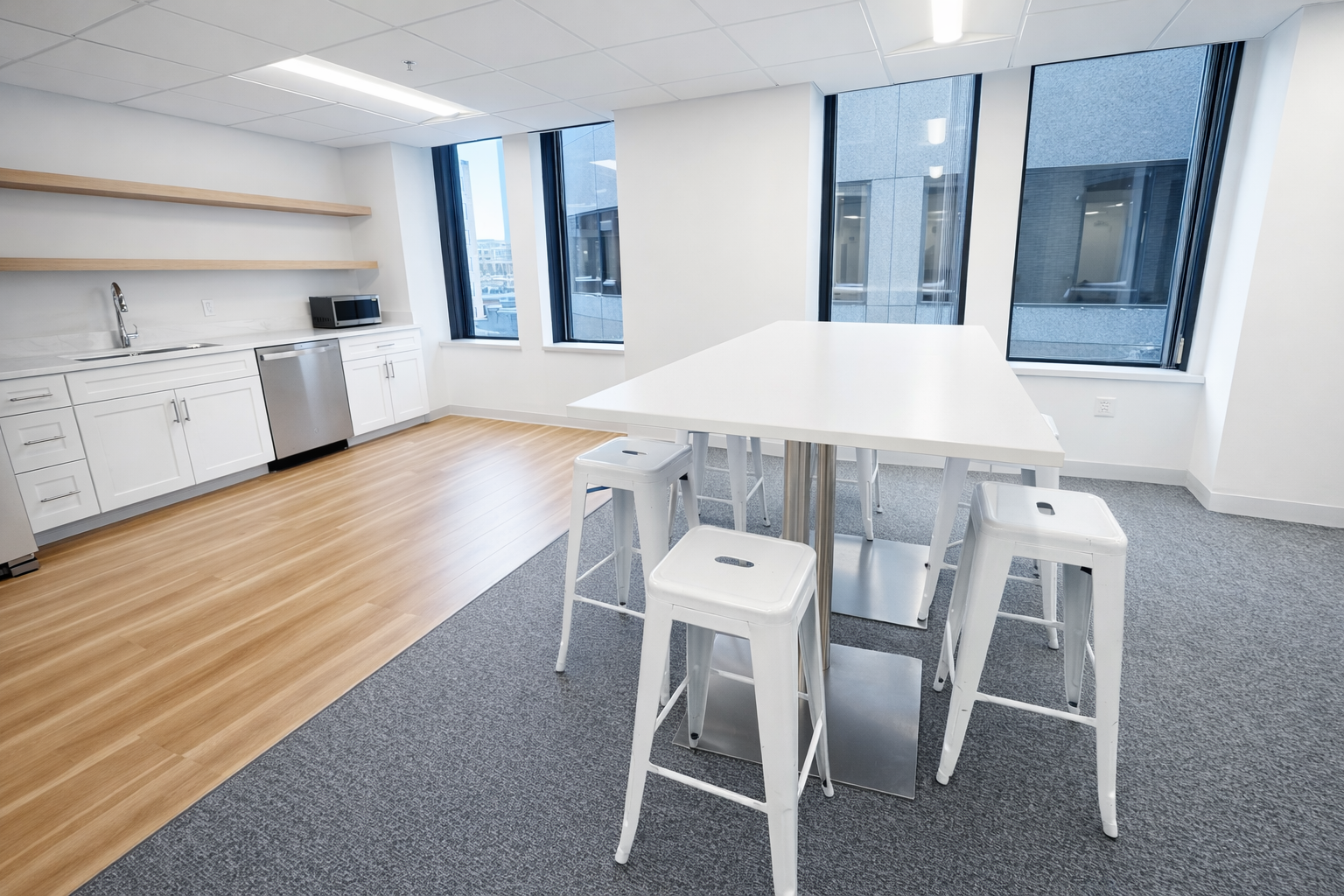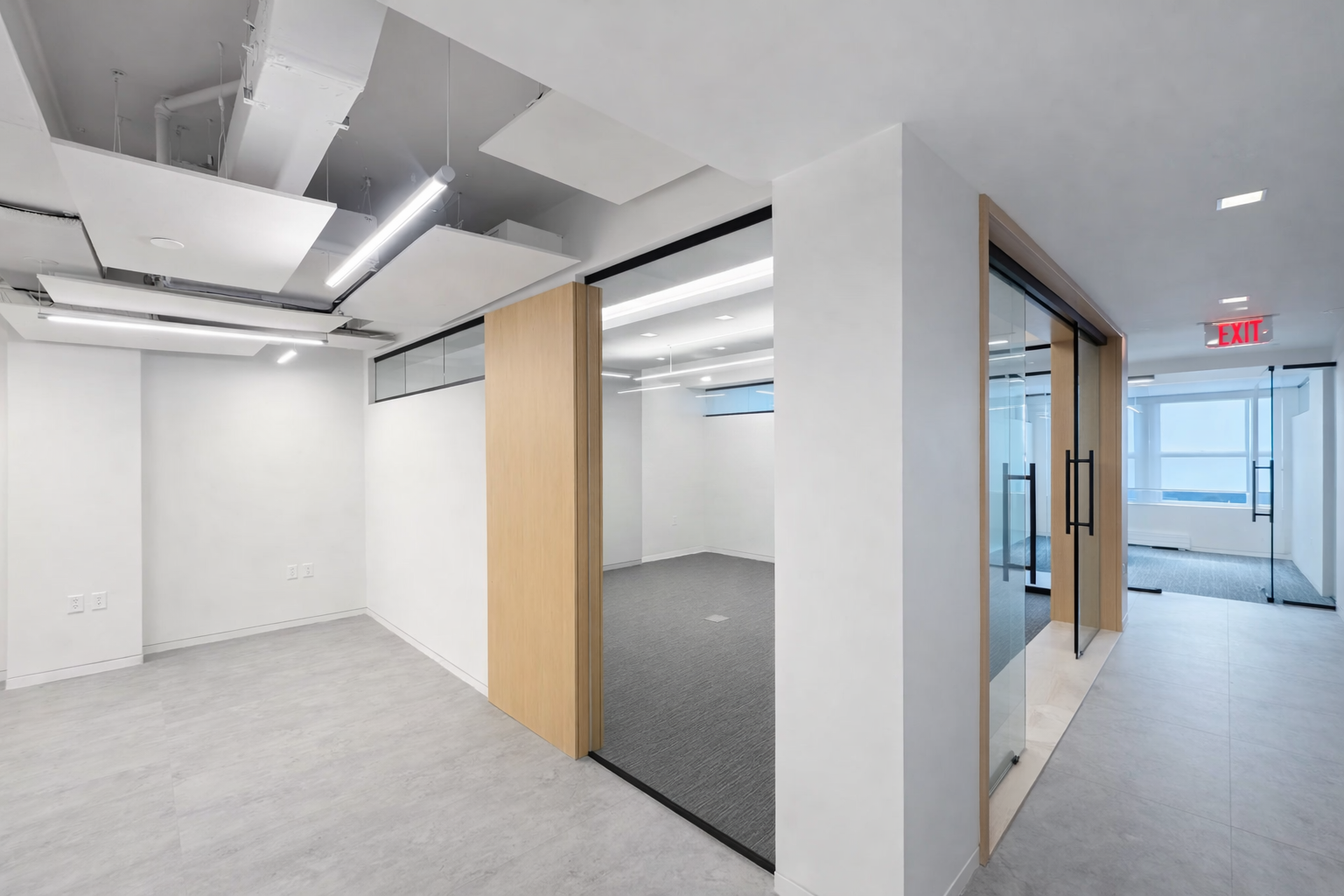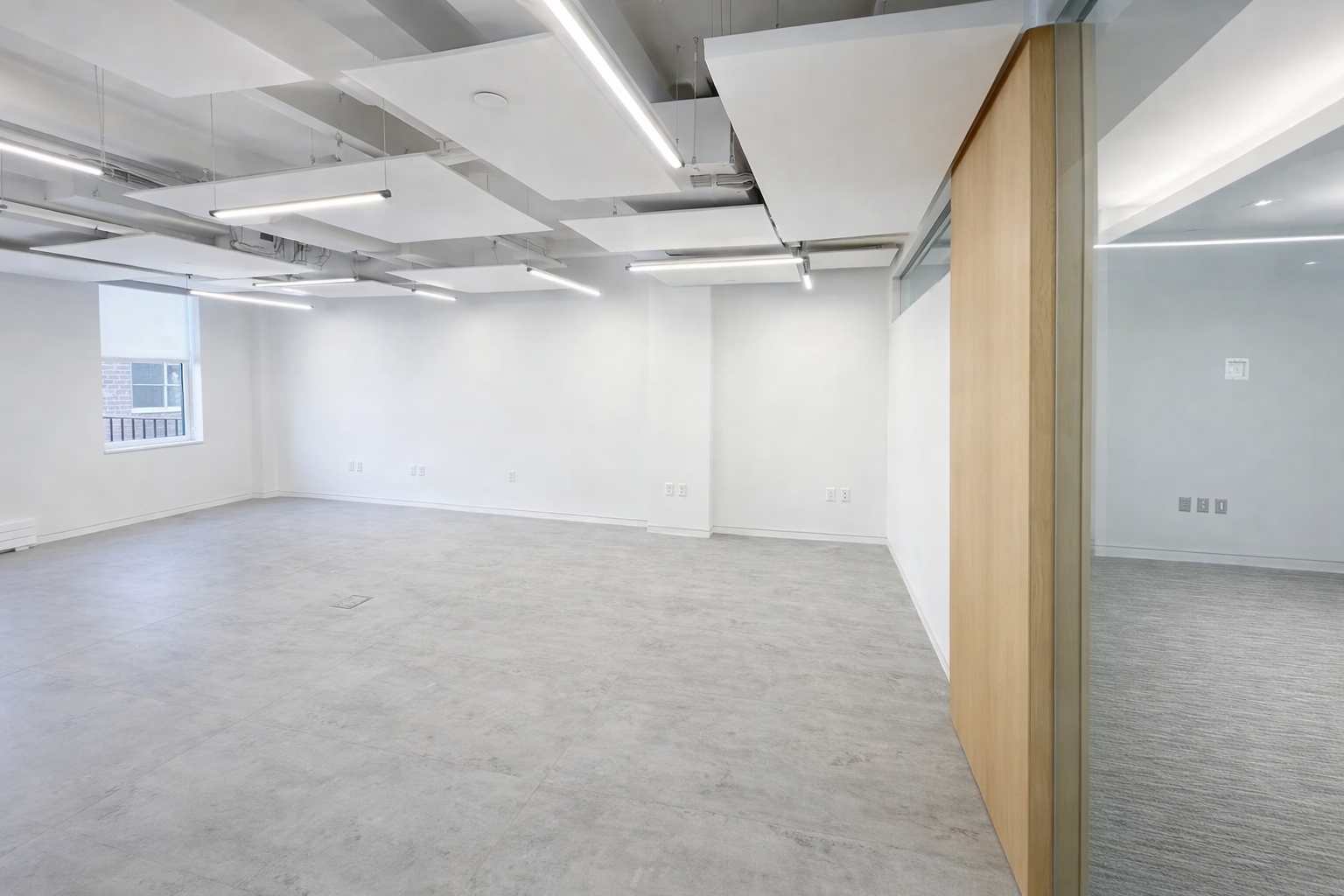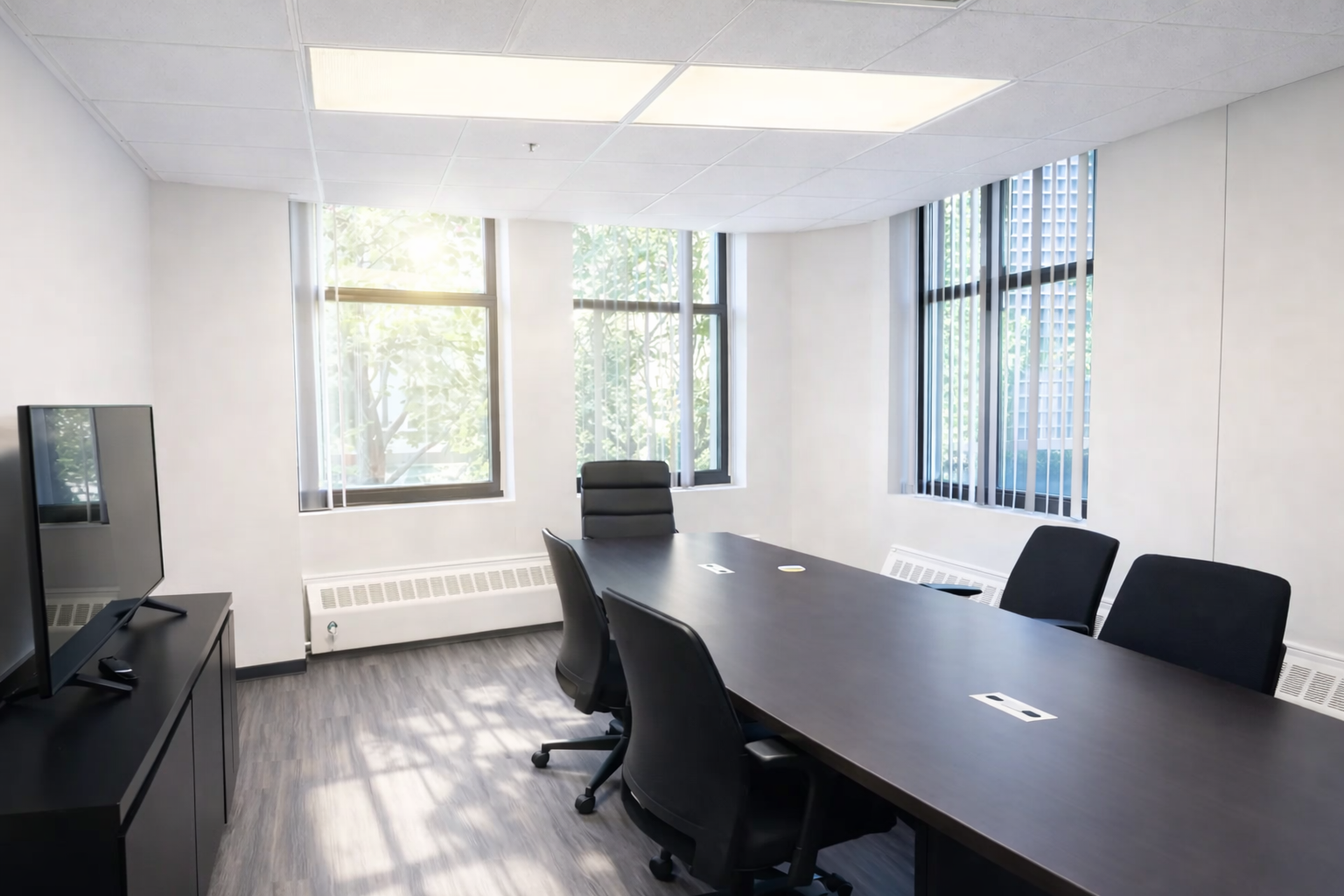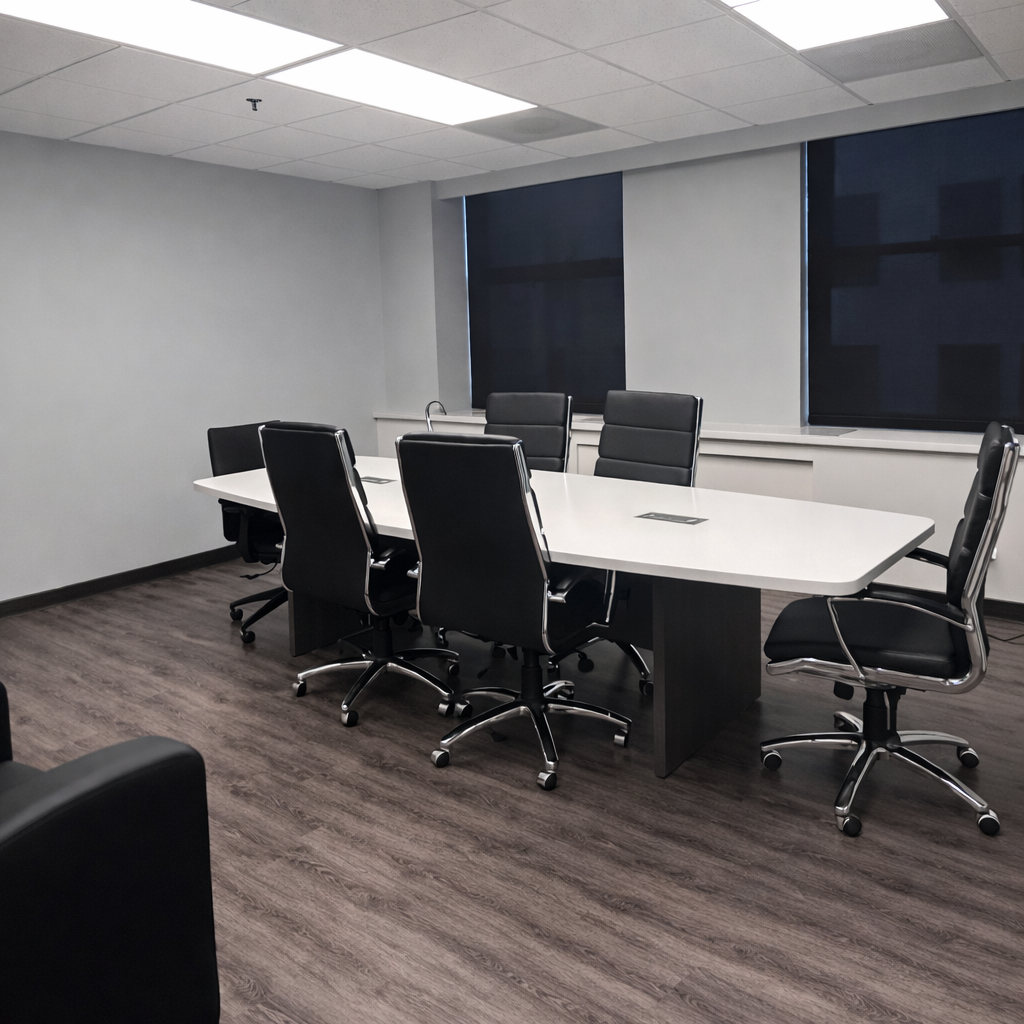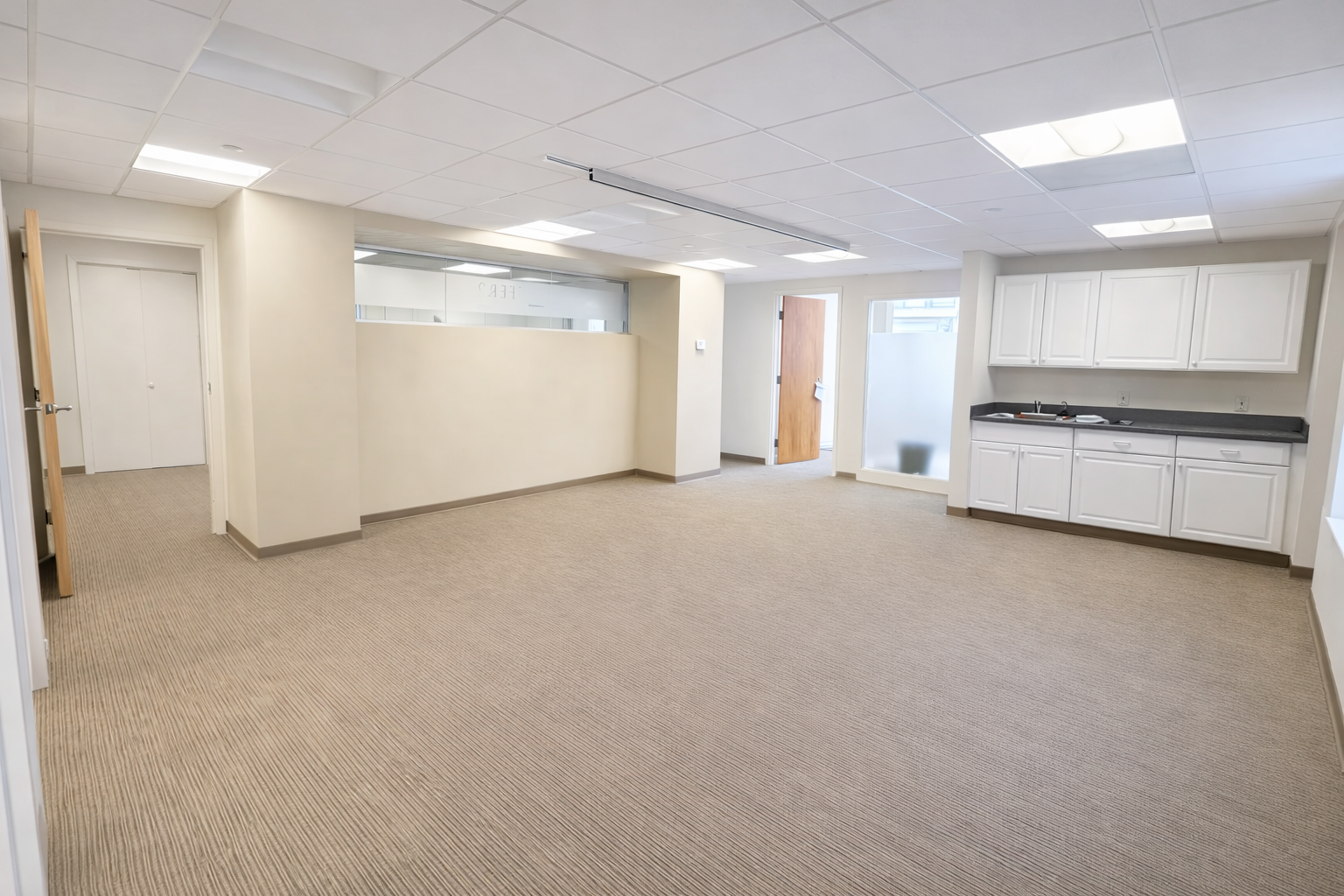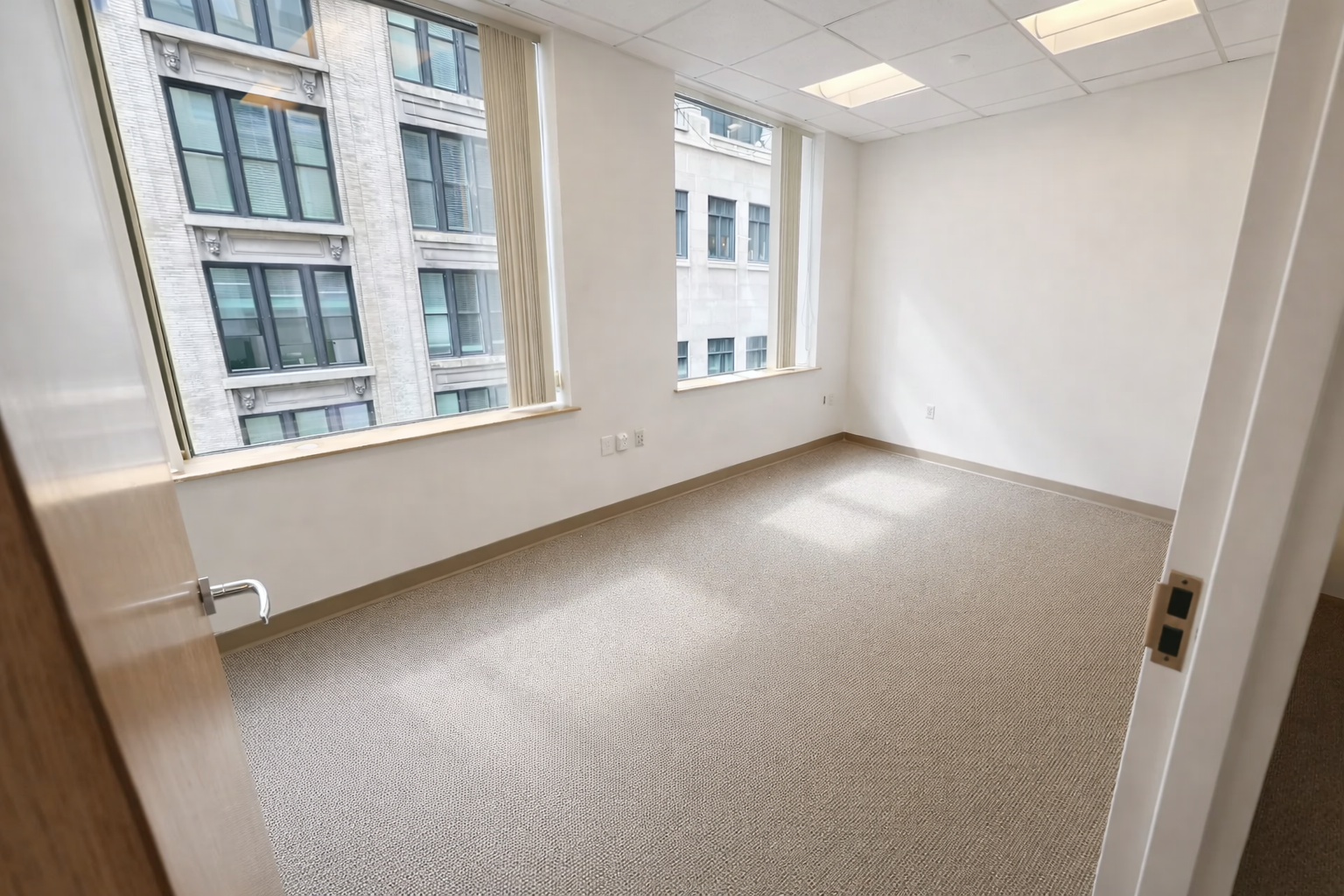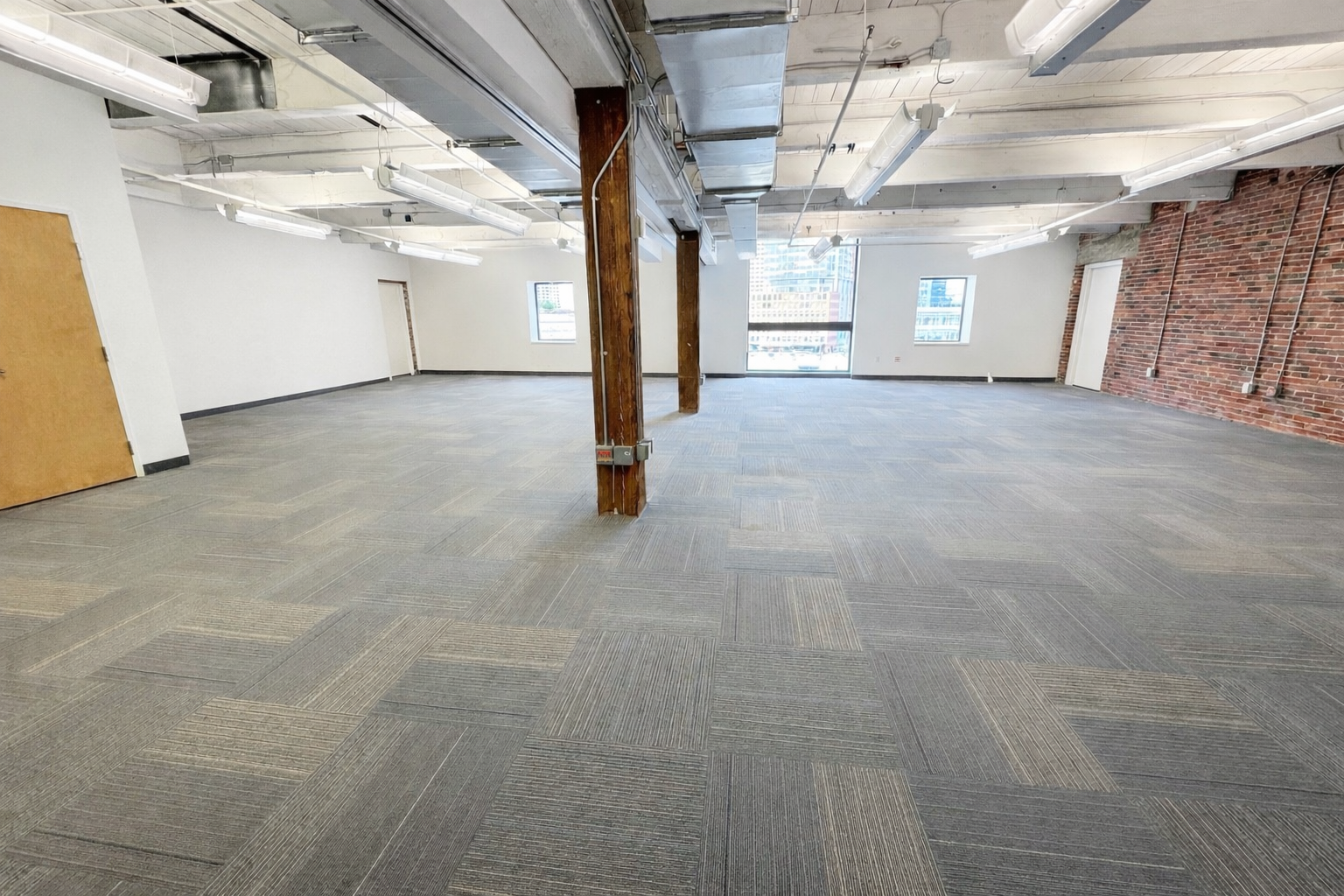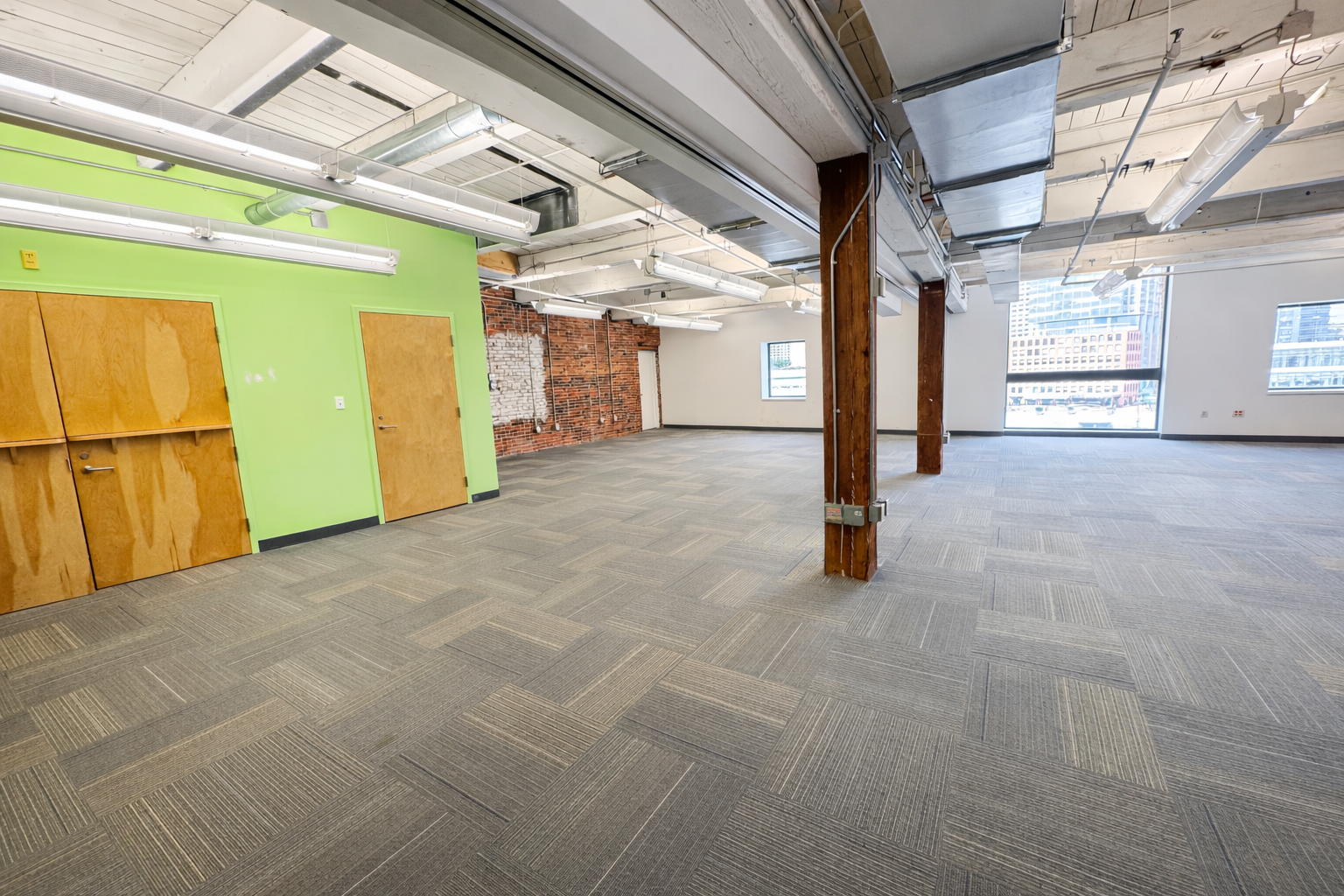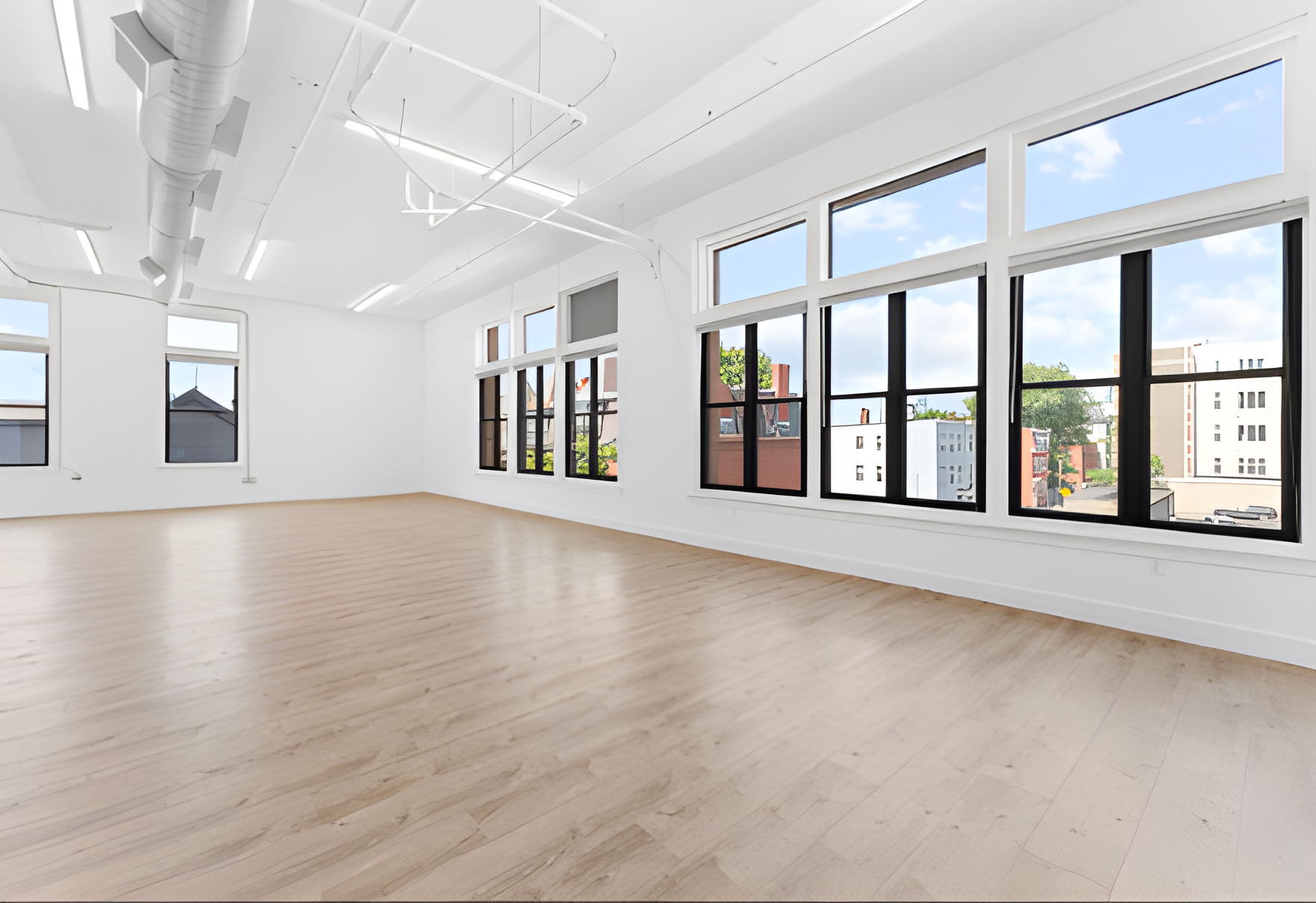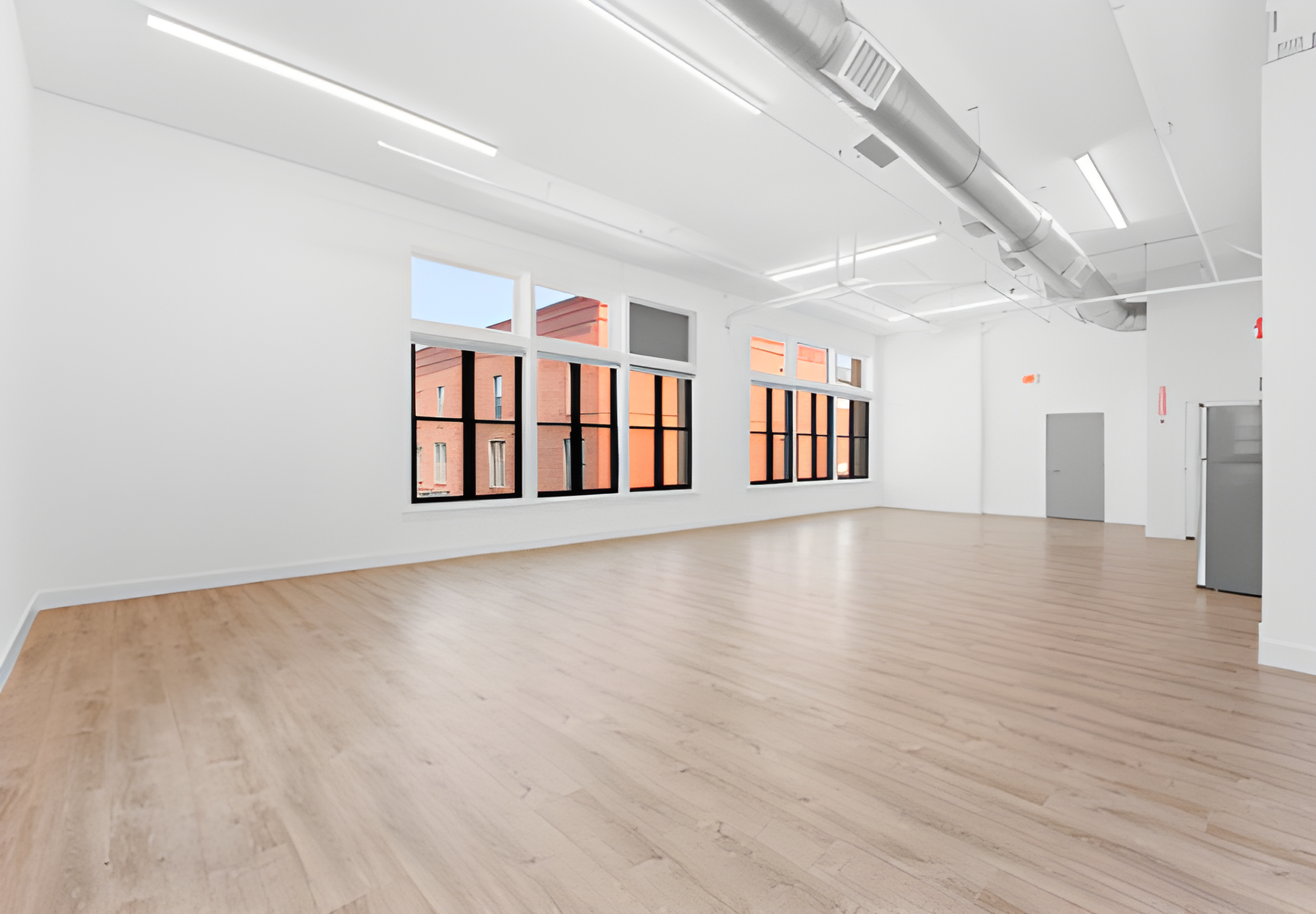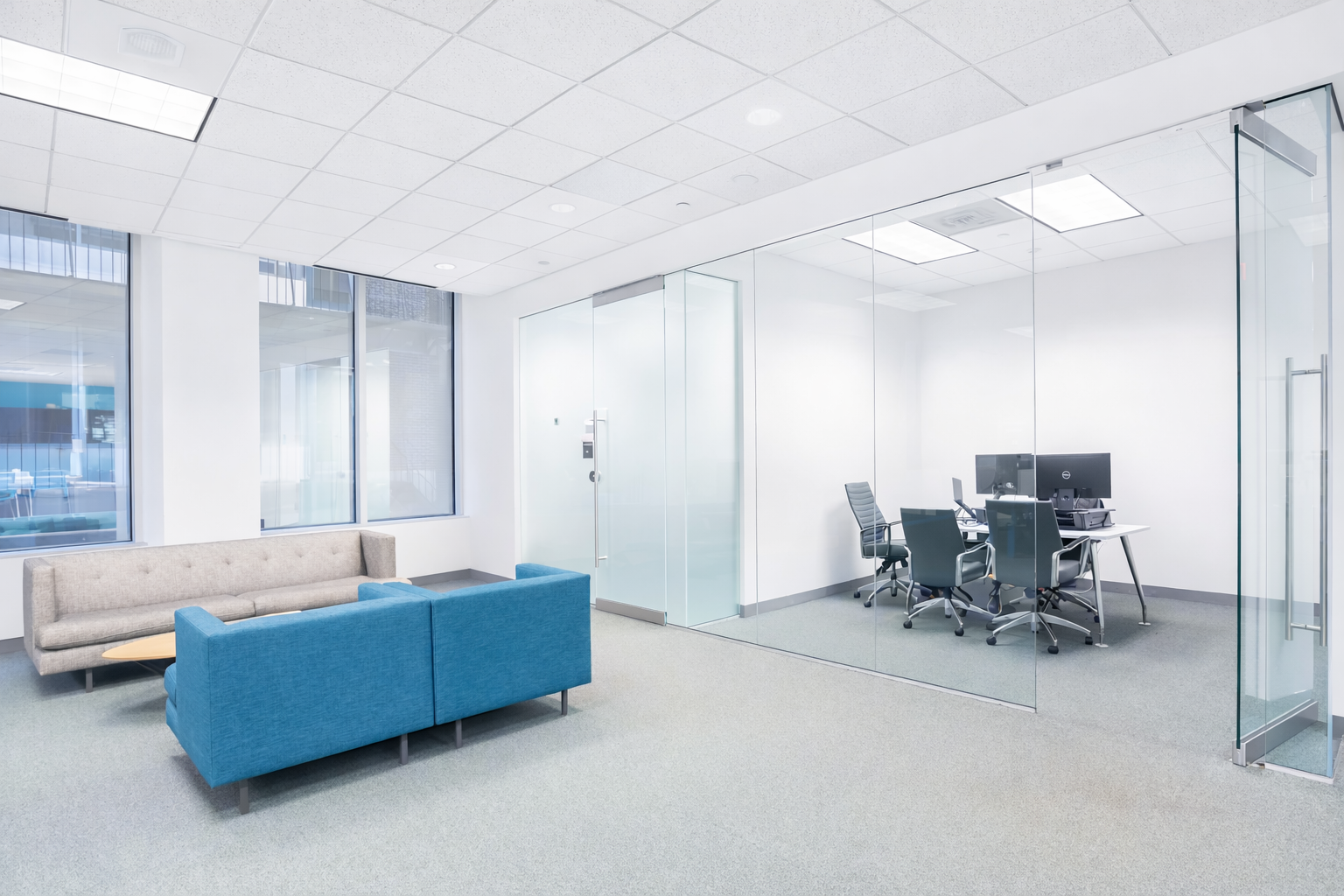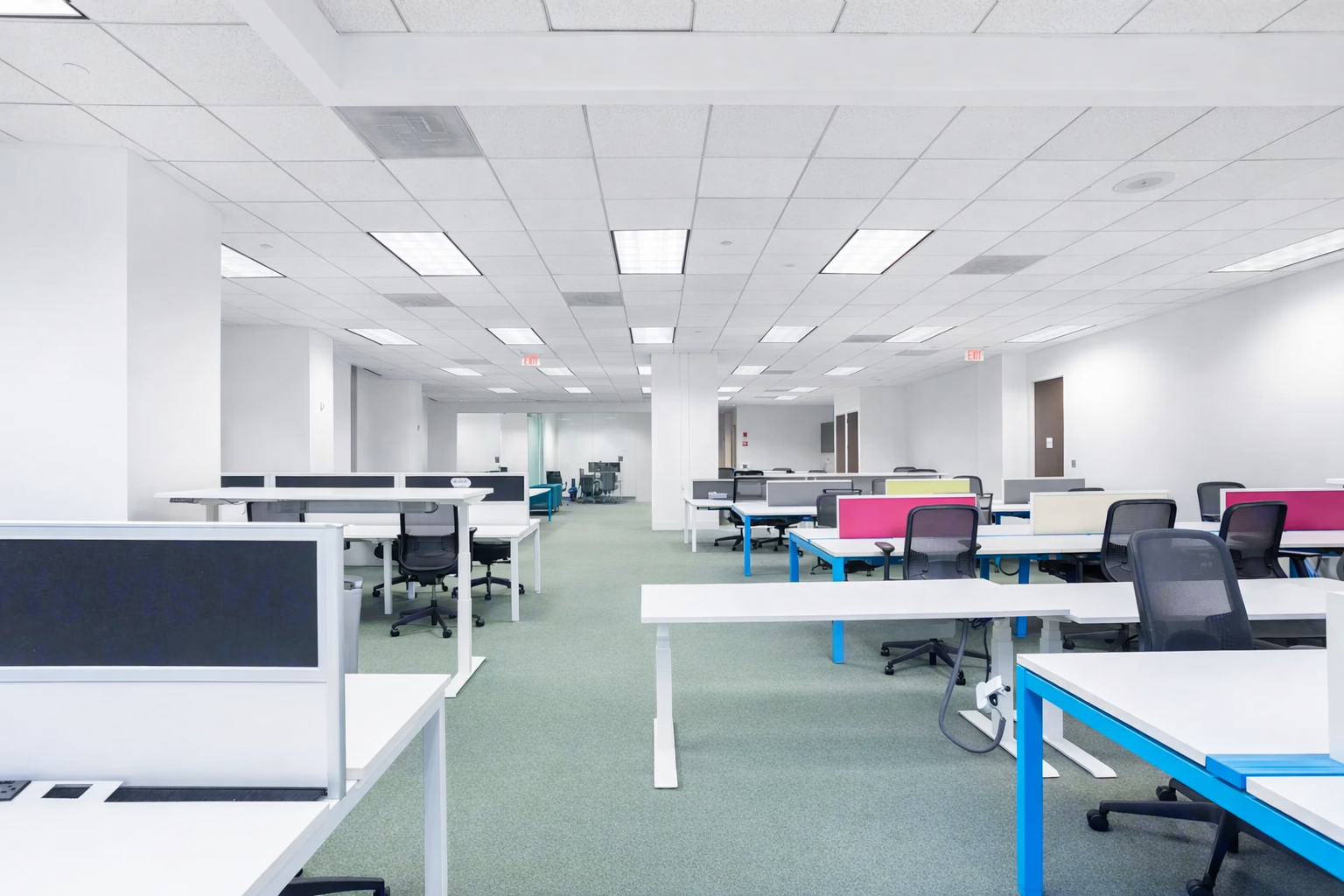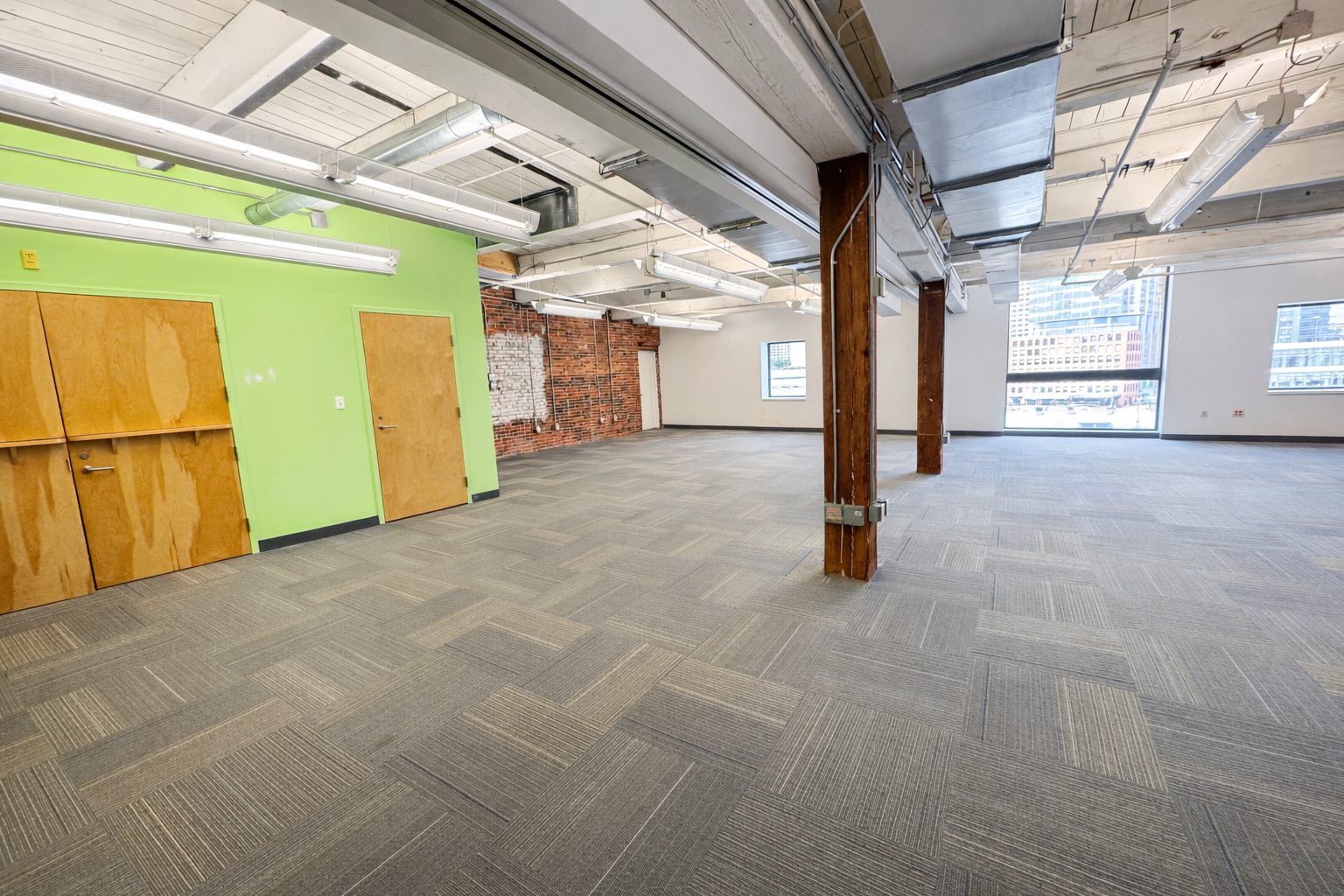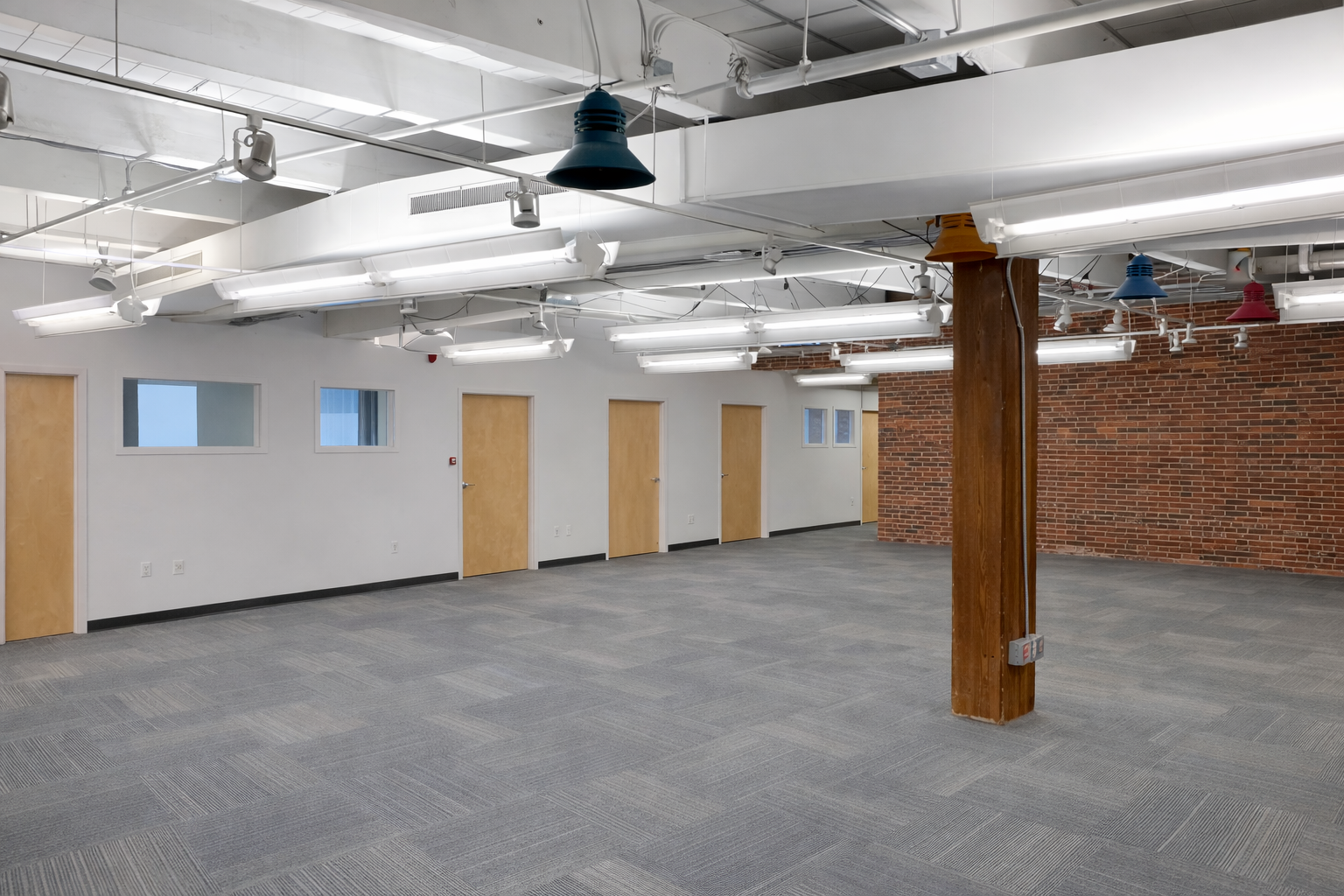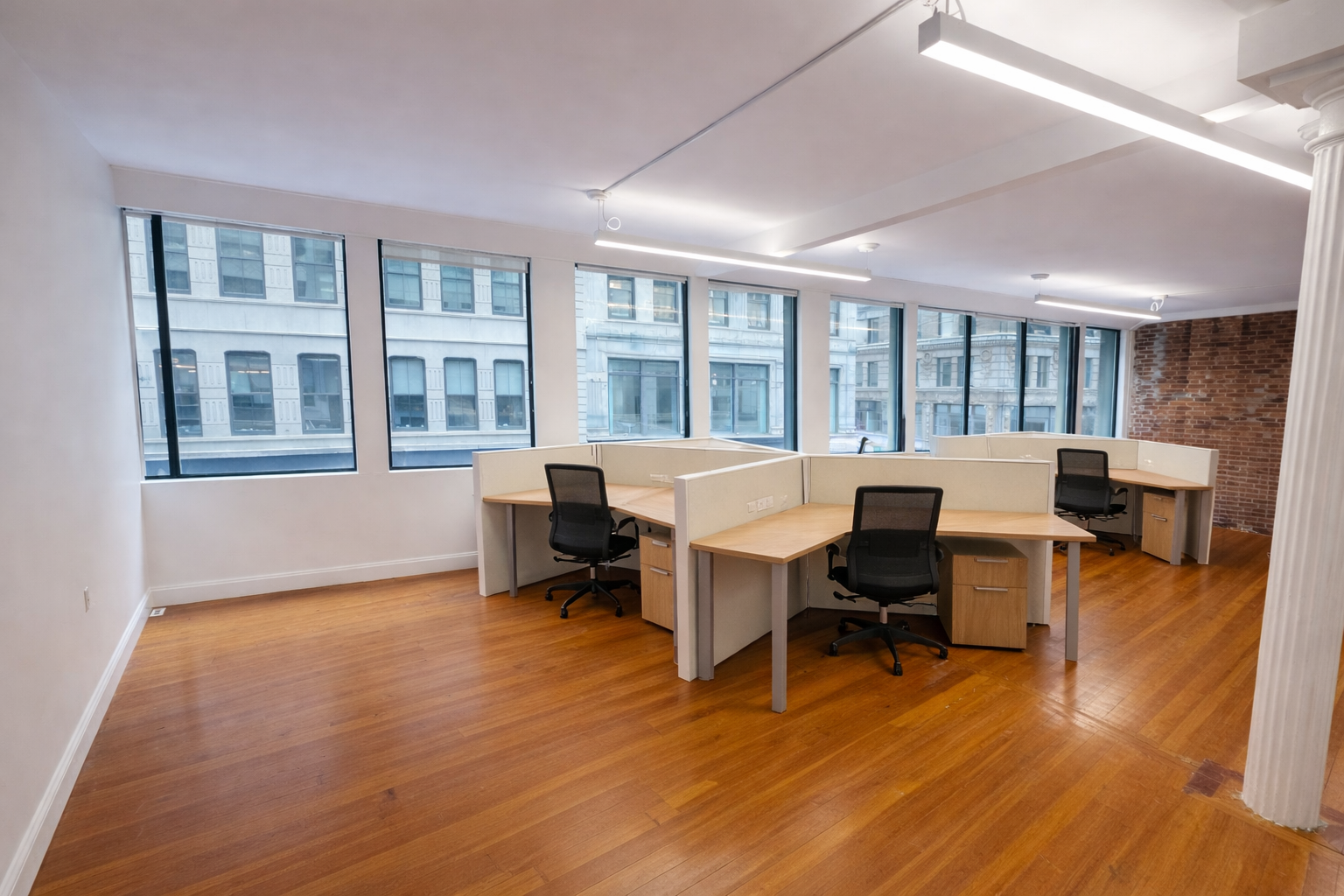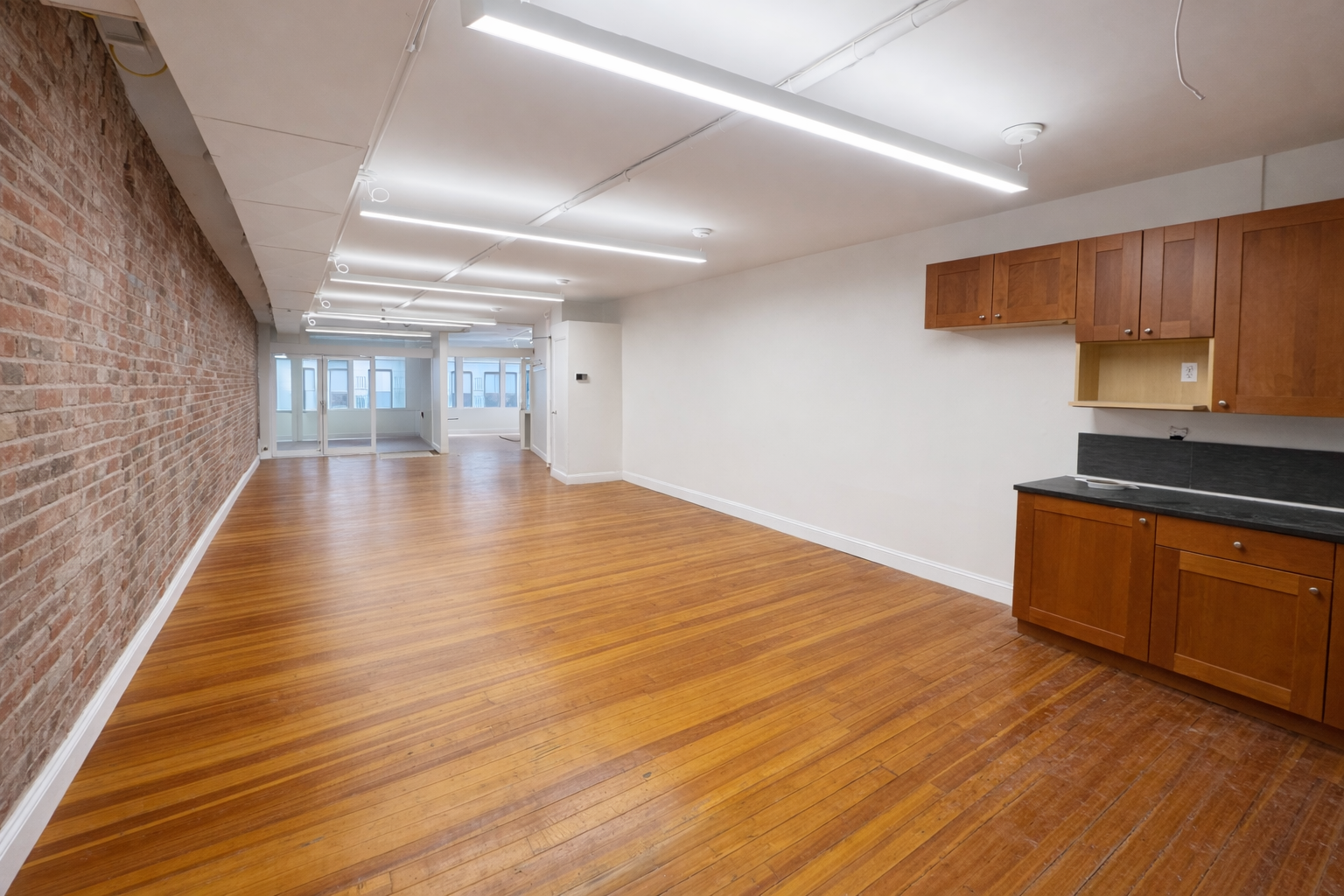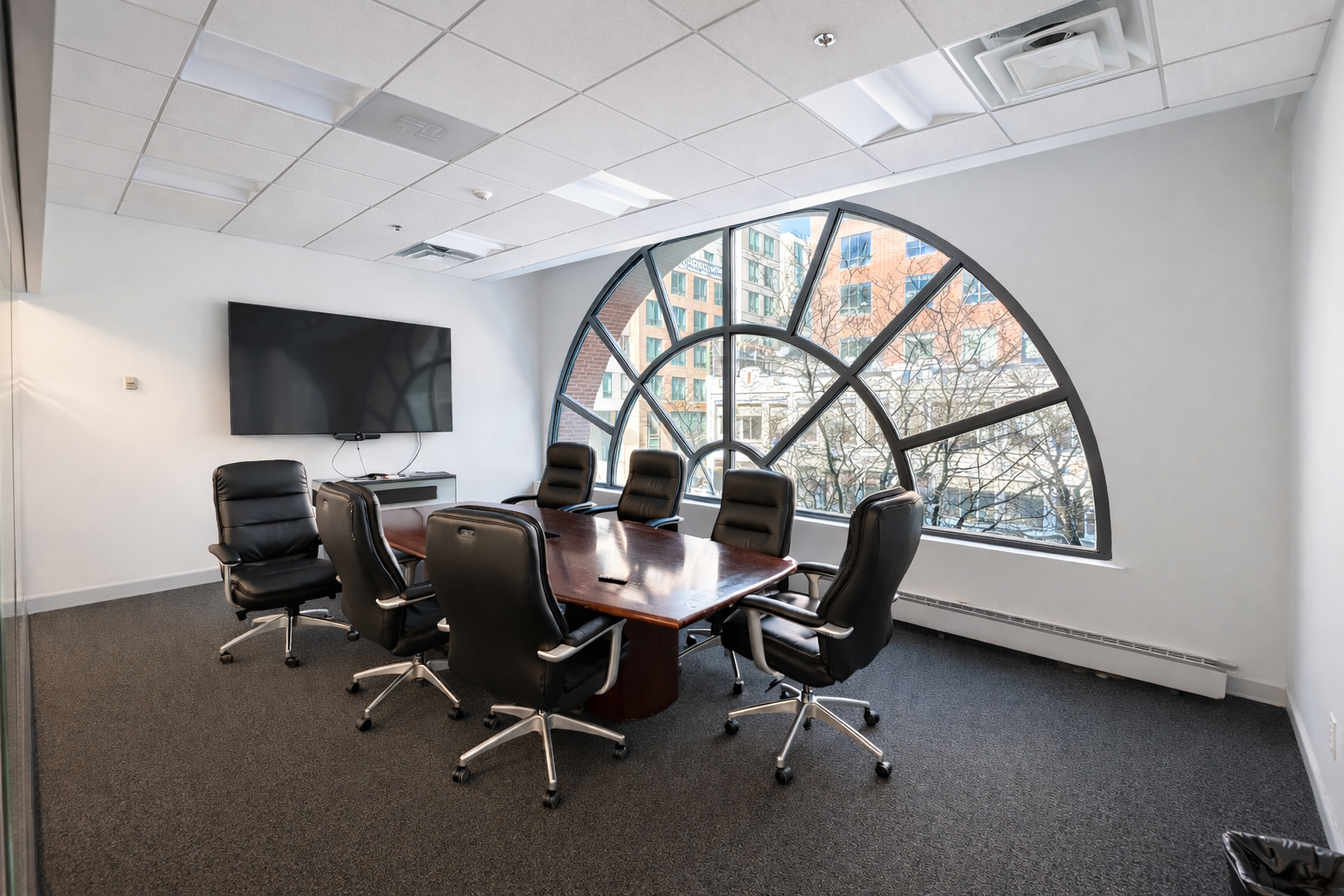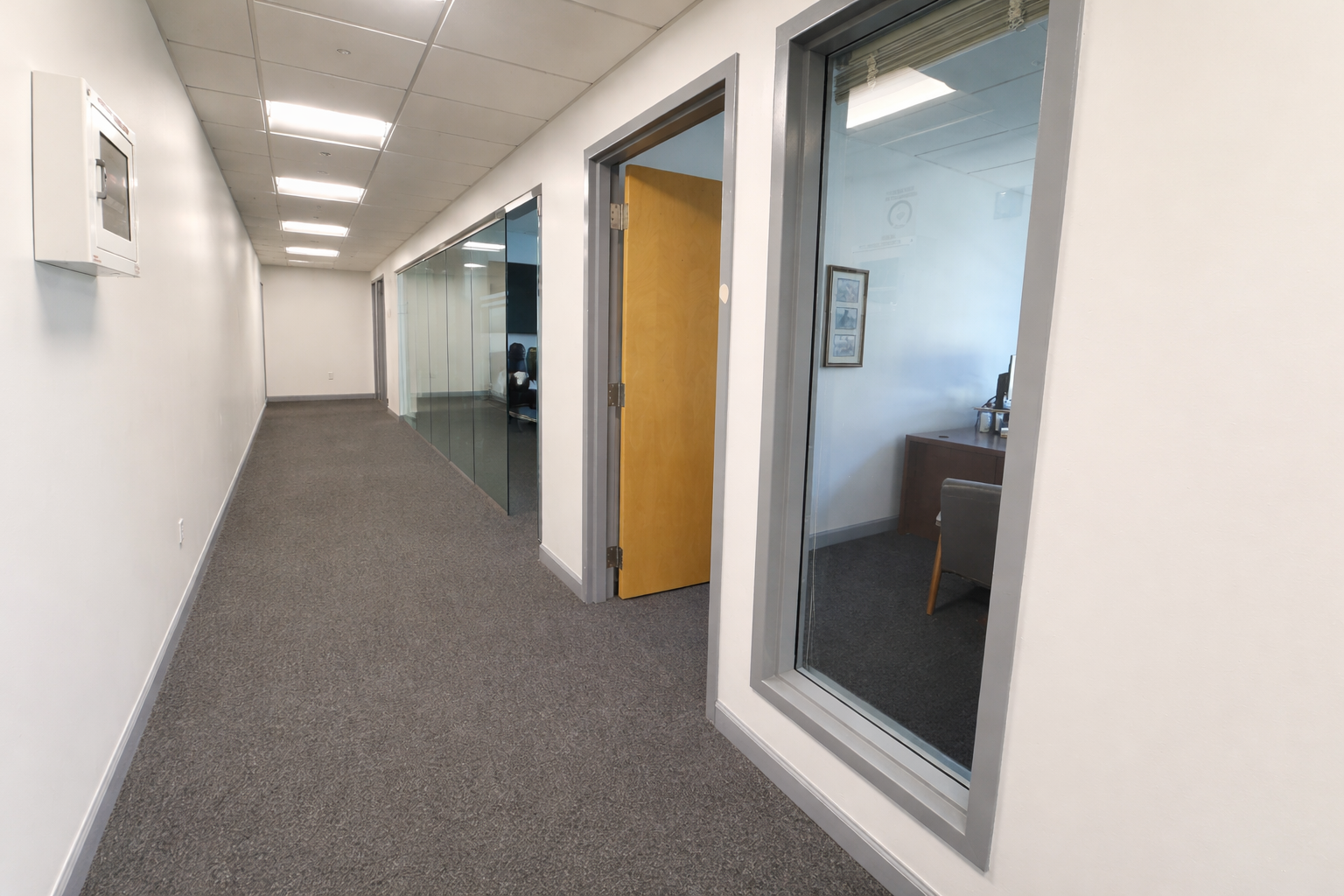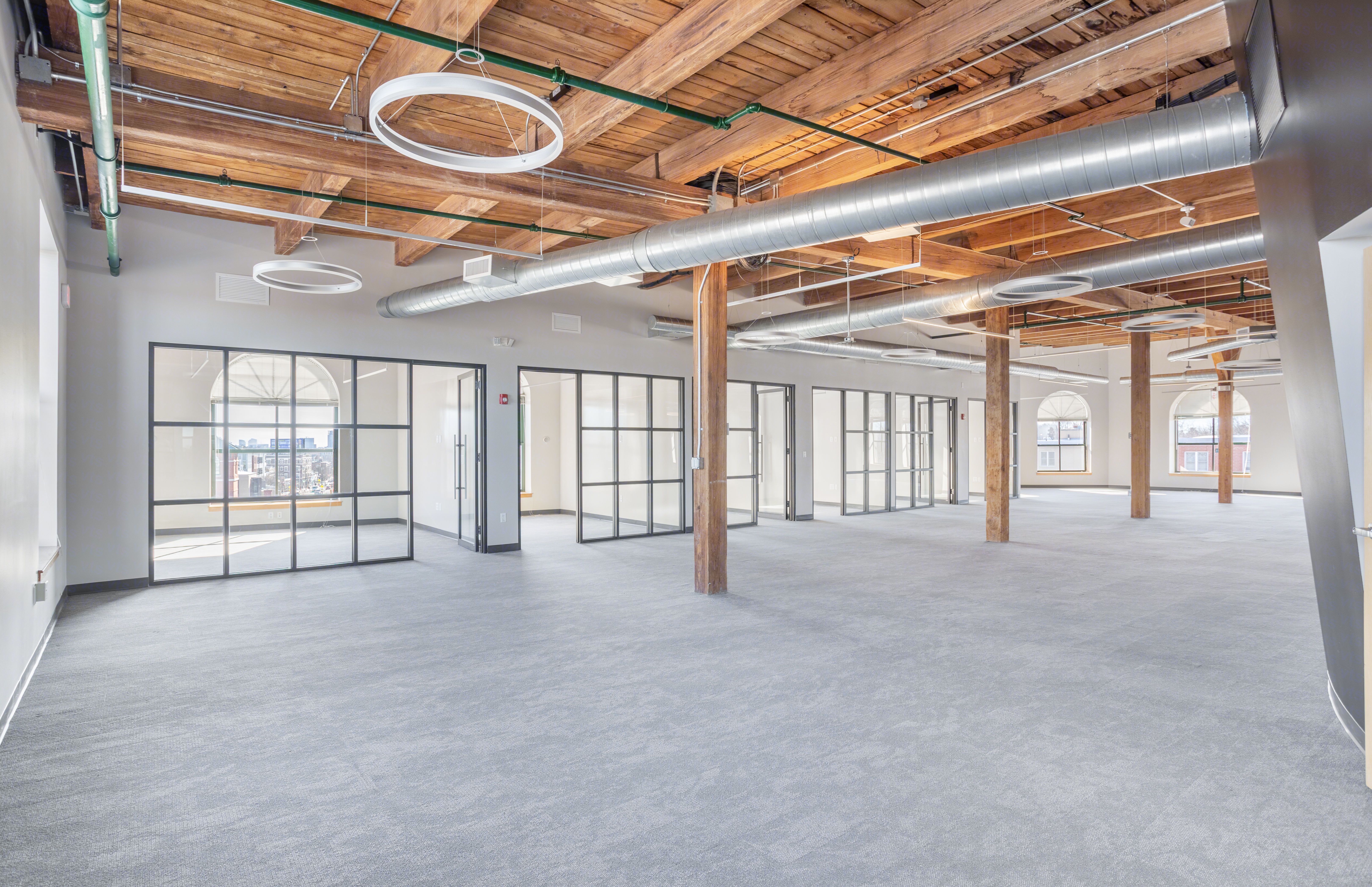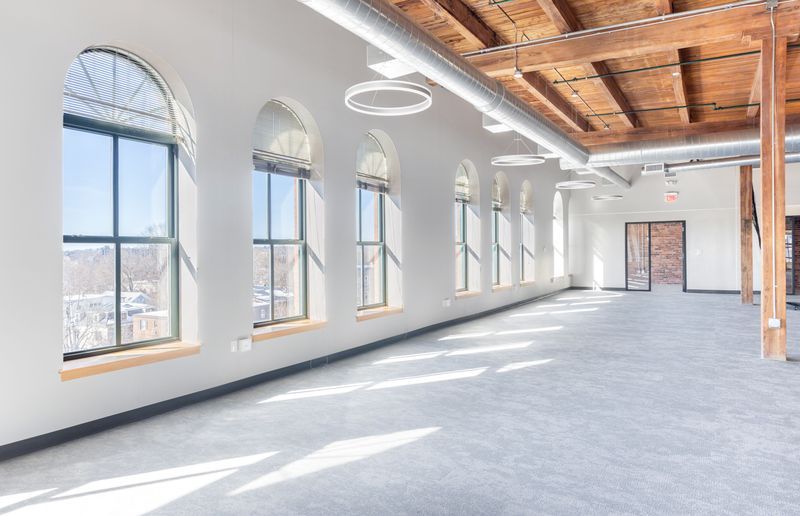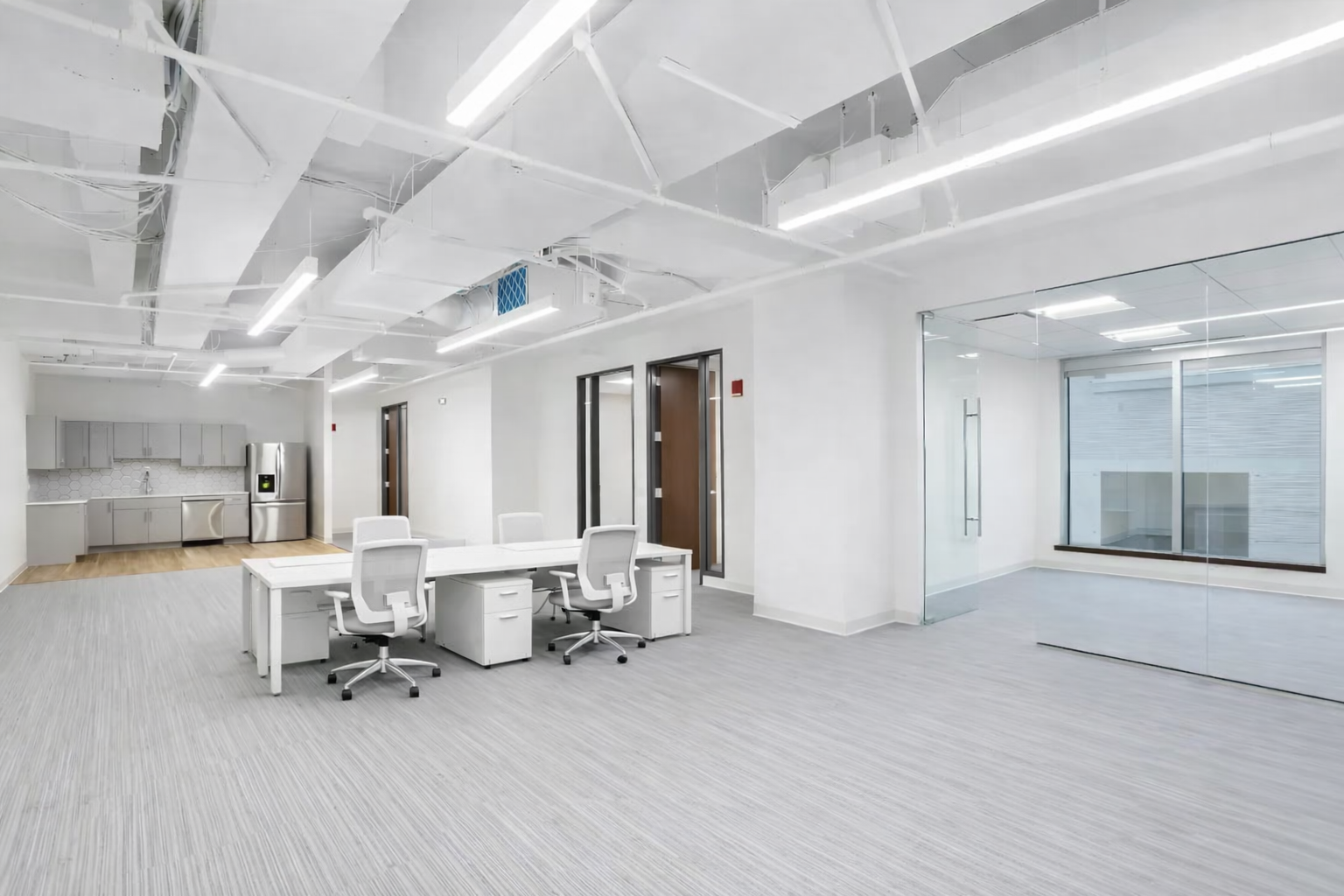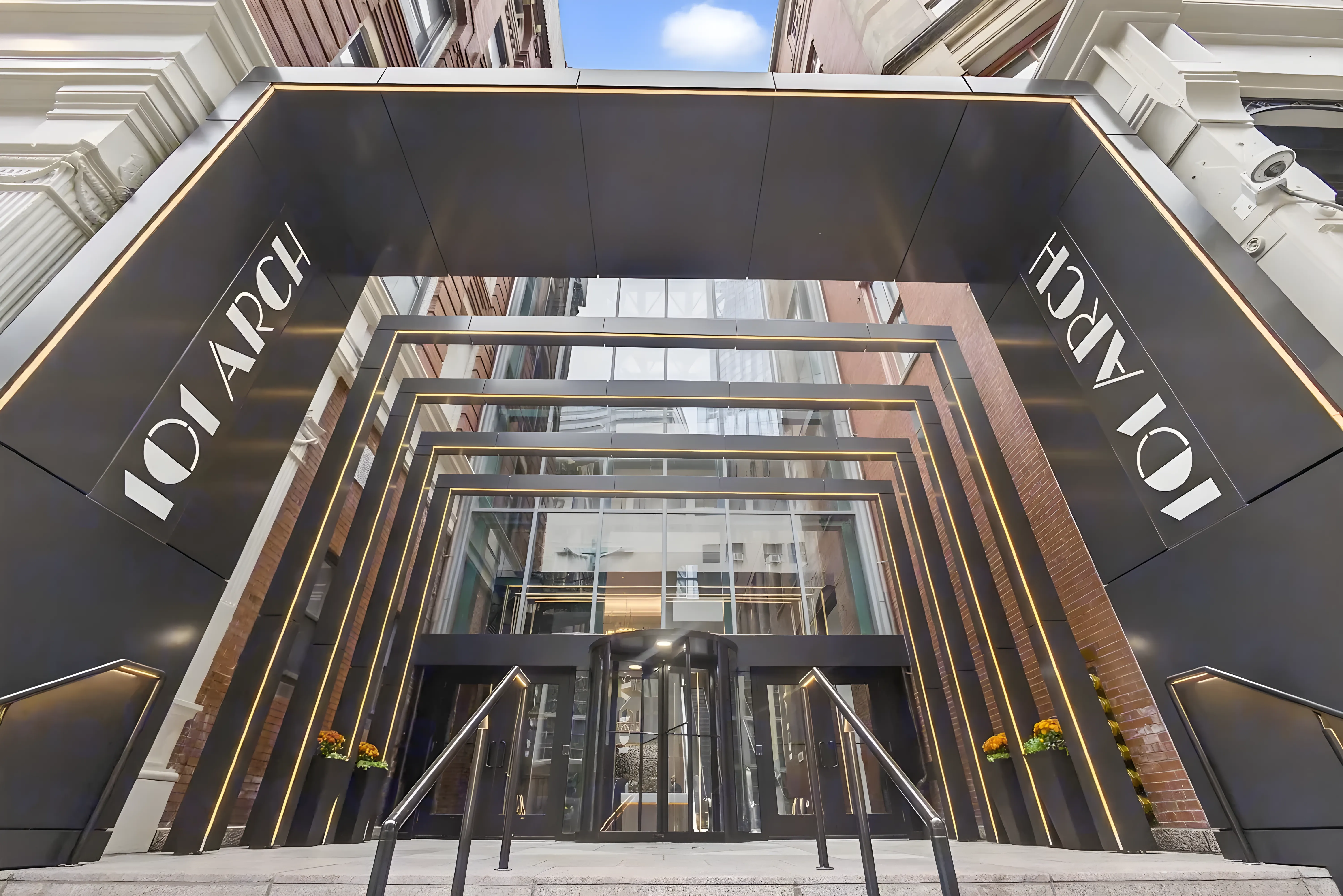

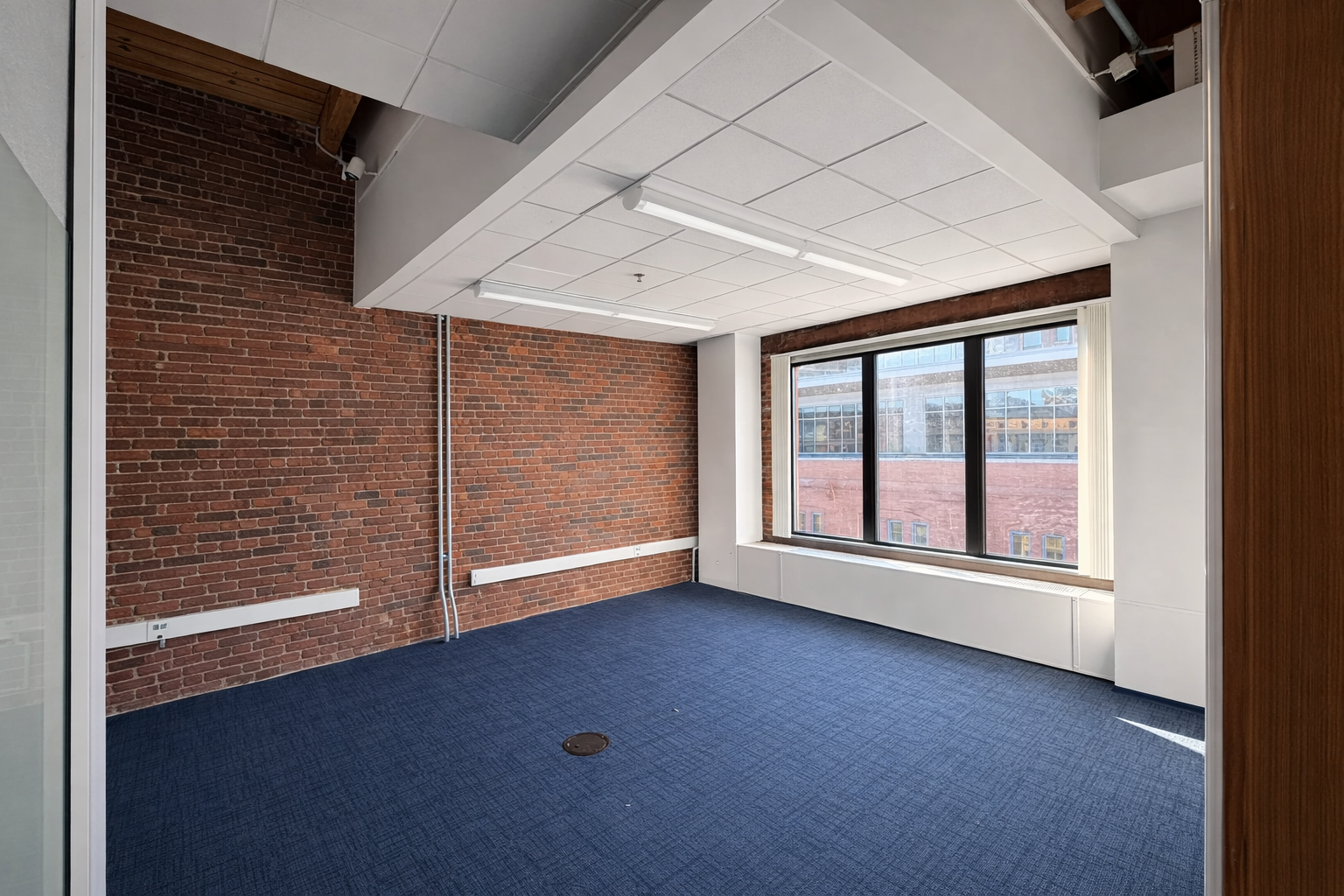
Seaport
$23,660/mo
25-49 people
4 Meeting Rooms
What defines office space in Boston’s Allston today? Institutional adjacency with limited traditional office clustering. Commercial supply remains modest, with inventory concentrated in mixed-use developments and redevelopment parcels. Harvard’s expansion plans shape long-term positioning, though large-scale private office concentration is still emerging. Office space in Allston appeals to firms aligned with academic or research proximity. This is a long-horizon location.
How much does Allston office space cost? Highly dependent on building type and proximity to institutional anchors. Newer developments tied to research expansion may command stronger positioning. Older mixed-use buildings trade on neighborhood economics rather than central business district comparables. Office space in Allston remains building-specific rather than submarket-driven.

What does the workday feel like around Allston office space? Varied. Harvard-adjacent corridors feel structured and modern. Deeper residential pockets feel local and student-oriented. Retail density is moderate and concentrated. The district blends institutional scale with neighborhood energy.
Is office space in Allston easy to access? Transit coverage exists but varies by corridor. Bus routes connect to Harvard Square and Downtown. Commuter rail and planned infrastructure improvements influence long-term access patterns. Highway access supports regional drivers. Commute geometry depends on micro-location.

How walkable is Allston office space? Walkable within redevelopment and retail corridors. Residential streets dominate beyond commercial nodes. Movement feels open but less dense than central Boston.

Why choose office space in Allston? Because institutional expansion may create strategic adjacency over time. Tenant presence includes academic affiliates, research groups, and smaller professional firms aligned with university ecosystems. Allston office space remains transitional.
How much does Assembly Square office space cost? Assembly Square office space typically ranges from $40–$65 per square foot annually, reflecting newer construction and transit-oriented positioning. Pricing generally remains below prime Back Bay or Kendall levels. Modern infrastructure supports strong positioning, though pricing often remains below prime Back Bay or Kendall levels. Office space in Assembly Square trades centrality for building age advantage.
What does the workday feel like around Assembly Square office space? Highly curated. Retail and dining clusters are concentrated along Assembly Row. Activity remains steady into the evening. The environment feels structured and organized. The district was built for convenience.
Is office space in Assembly Square easy to access? Yes, particularly via the Orange Line. Direct subway access connects to Downtown Boston and beyond. Highway access via I-93 supports regional commuting. Transit geometry is one of Assembly’s strongest assets.
How walkable is Assembly Square office space? Highly walkable within the master-planned district. Sidewalks are wide. Blocks are navigable. Movement feels open and controlled.
Why choose office space in Assembly Square? Because it combines new construction with transit adjacency. Tenant mix includes corporate offices, healthcare organizations, and growing firms seeking modern space outside central Boston compression. Assembly Square office space signals contemporary infrastructure.
How much does Boynton Yards office space cost? Generally competitive relative to prime Cambridge assets, with pricing influenced by building newness and lab capability. As a redevelopment district, economics may reflect leasing momentum and landlord stabilization strategies. Office space in Boynton Yards trades ecosystem adjacency for moderate pricing bands. The closer to transit, the stronger the positioning.
What does the workday feel like around Boynton Yards office space? Transitional. Union Square provides dining and retail density within walking distance. Immediate retail in Boynton Yards itself remains selective and expanding. The district feels emerging rather than fully mature.
Is office space in Boynton Yards easy to access? Yes, increasingly so. The Green Line Extension connects directly to Downtown Boston. Bus routes supplement regional travel. Proximity to Cambridge enhances bike commuting patterns. Transit geometry is improving and strategic.
How walkable is Boynton Yards office space? Walkable within redevelopment corridors. Sidewalks are modern and structured. Surrounding residential streets retain traditional Somerville scale. Movement feels open but evolving.
Why choose office space in Boynton Yards? Because it offers modern buildings near established ecosystems without direct Kendall exposure. Tenant presence includes biotech, technology, and growth-stage firms positioning between Cambridge and Somerville. Boynton Yards office space signals forward alignment.
How much does East Cambridge office space cost? East Cambridge office space typically ranges from $51–$92 per square foot annually, depending on proximity to Kendall Square and building specification. Pricing reflects adjacency to Cambridge’s core innovation corridor. Pricing varies meaningfully by building specification. Pure office buildings may trade differently from lab-ready inventory. Office space in East Cambridge reflects infrastructure depth. The more specialized the buildout, the stronger the economics.
What does the workday feel like around East Cambridge office space? Structured and functional. Retail clusters near Cambridge Street and Lechmere provide daily essentials. The environment feels more utilitarian than Back Bay or Seaport. Amenities support workflow rather than entertainment.
Is office space in East Cambridge easy to access? Yes. Green Line access at Lechmere anchors transit connectivity. Proximity to Kendall strengthens Red Line adjacency. Highway routes remain accessible. Transit density supports distributed hiring models.
How walkable is East Cambridge office space? Highly walkable within commercial corridors. Blocks are compact. Sidewalks are active during business hours. Movement remains efficient.
Why choose office space in East Cambridge? Because it extends the Kendall ecosystem eastward with more available land and modern construction. Tenant mix skews heavily toward biotech, life sciences, and supporting industries. East Cambridge office space communicates research alignment.
How much does Cambridgeport office space cost? Typically positioned below Kendall Square pricing, though influenced by proximity to MIT and Central Square. Building quality varies, creating meaningful economic differences within short walking distances. Office space in Cambridgeport rewards precise building evaluation.
What does the workday feel like around Cambridgeport office space? Balanced. Central Square provides dining and retail concentration. Residential blocks remain quiet. The district feels steady rather than activated. Daily routines remain predictable.
Is office space in Cambridgeport easy to access? Yes, particularly near Central Square. The Red Line anchors connectivity. Bus routes and bike corridors strengthen city access. Transit geometry improves closer to Massachusetts Avenue.
How walkable is Cambridgeport office space? Highly walkable within commercial edges. Residential blocks remain calm. Movement feels structured and manageable.
Why choose office space in Cambridgeport? Because it offers Cambridge branding without Kendall intensity. Tenant presence includes professional services, technology firms, and smaller research organizations not requiring lab buildouts. Cambridgeport office space favors contained teams.