-1.jpeg&w=2048&q=75)
-1.jpeg&w=1920&q=75)
Flexible Office Space for Startups in Boston
Startups in Boston often reach a point where choosing the right office space becomes a pressing decision. Whether moving out of a founder’s home, expanding past a co-working desk, or preparing for headcount growth, selecting a flexible office space can support evolving team needs. Flexibility in lease terms and office layout tends to matter most, especially when growth projections remain uncertain. Boston’s dynamic startup scene means that practical options vary in location, price, and size, making the choice multi-dimensional.
Many startups start looking for flexible office space once they think about hiring their first employees. Many startups aim for spaces that offer either month-to-month terms or leases shorter than traditional three-year commitments. This flexibility helps manage risk, reduces upfront headaches, and aligns with financing and hiring cycles. That search is happening against a backdrop where flexible office demand in the U.S. rose 13% in the first half of 2024 compared to the same period in 2023, underscoring how common it’s becoming for growing teams to favor flexible arrangements over traditional long-term leases.
Tandem helps founders navigate office search complexities and timing without leasing or managing spaces itself. It serves as a guide through Boston’s often fragmented and opaque office market. Here are examples of flexible office options suitable for early-stage to growing startups in Boston.
Furnished Downtown Boston Office Space
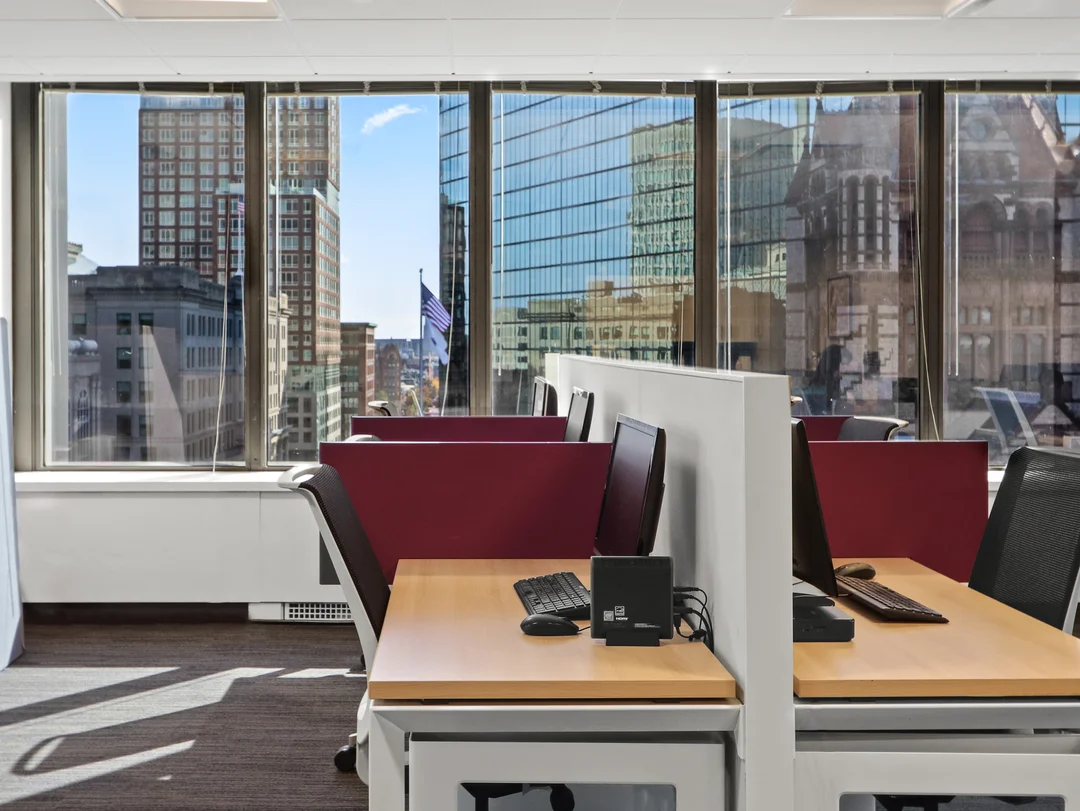
- Address: 535 Boylston St, 8th Floor, Boston, MA, 02116
- Space type: Dedicated desk and private room options (move-in ready workspace)
- Pricing: ~$550/desk
Boston Coworking and Startup Incubator
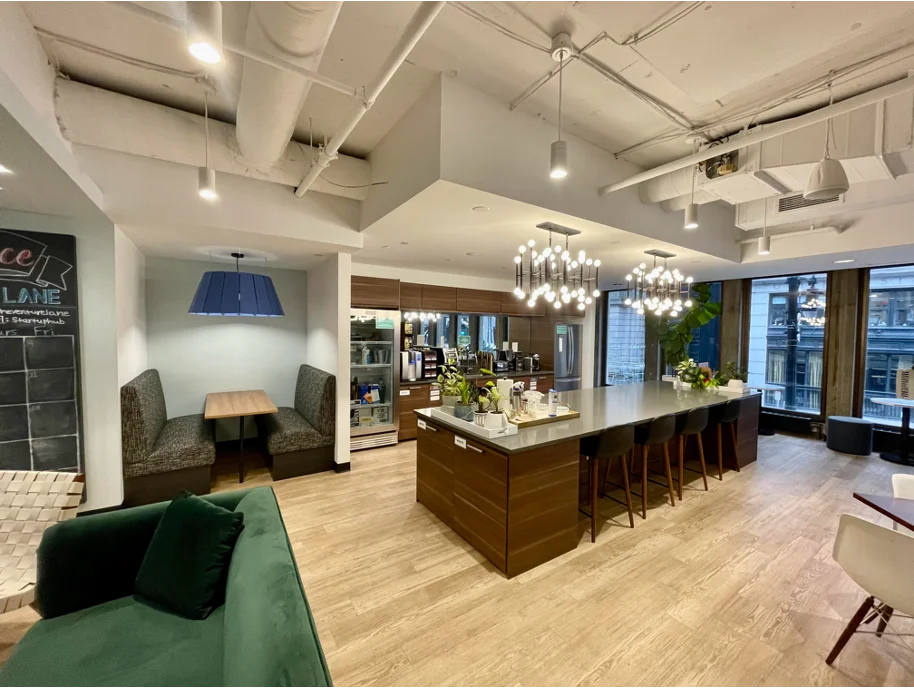
- Address: 55 Court St, Floor 2, Boston, MA, 02108
- Space type: Private room
- Pricing: Starting at $2,000/mo
Bright and Inviting Downtown Boston Office Space
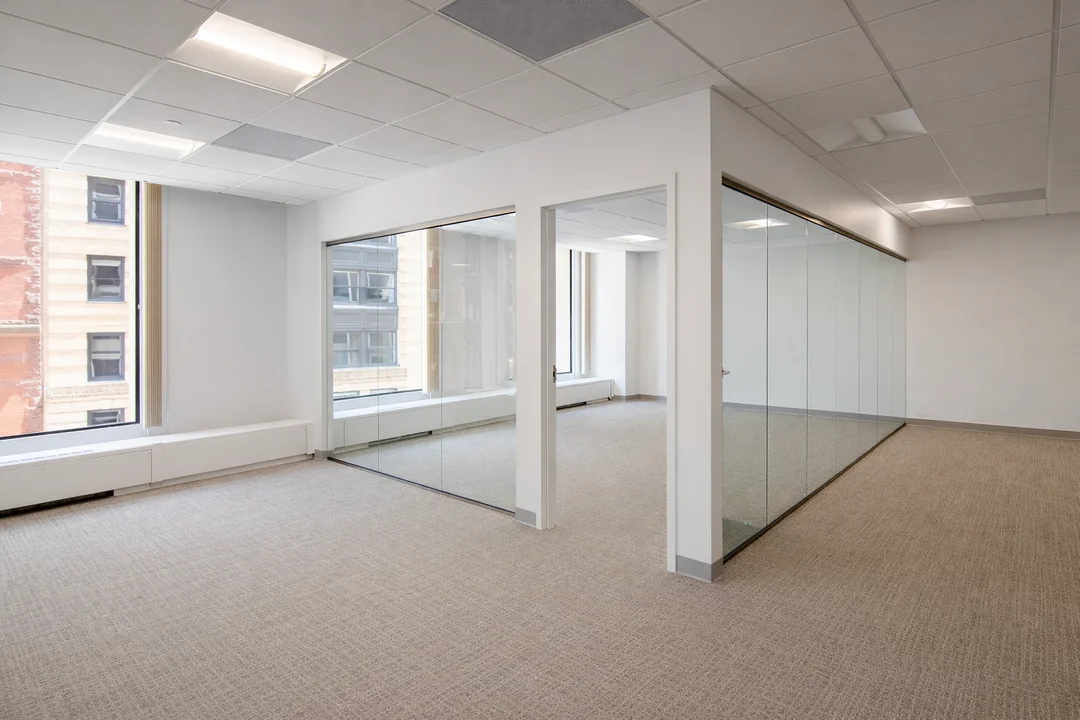
- Address: 1 Center Plz, Partial 4th Floor, Suite 425, Boston, MA, 02108
- Space type: Fully private office suite
- Pricing: Est: $11,083/mo
Bright Workspace with Private Suites in Back Bay
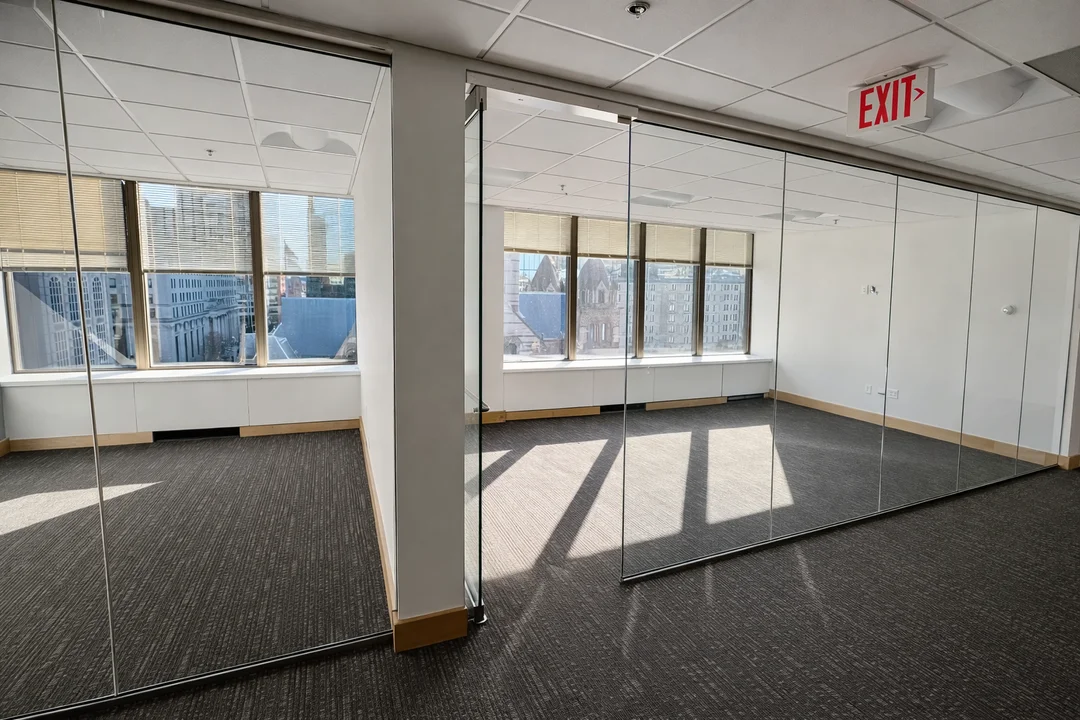
- Address: 535 Boylston St, 7th Floor, Boston, MA, 02116
- Space type: Fully private office with private suites
- Pricing: Est: $10,448/mo
Amenities and Benefits of Flexible Office Spaces
Flexible office spaces offer startups built-in infrastructure and adaptability without the heavy lift of traditional leases. Instead of managing buildouts, utilities, and vendors, teams can move into ready-to-use environments designed for growth.
- Flexible terms and turnkey setup: Short-term, month-to-month leases and fully furnished offices allow startups to scale headcount up or down without long-term commitments or upfront capital expenses.
- Shared amenities and managed services: Access to meeting rooms, phone booths, break areas, utilities, and janitorial services reduces operational overhead and keeps teams focused on core business priorities.
- Prime locations and talent appeal: Central neighborhoods like Boston’s Downtown and Seaport provide proximity to transit, clients, and talent pools, while modern design and natural light support recruiting and retention efforts.
Beyond convenience, flexible office environments also reduce financial risk. Instead of committing significant capital to build-outs, furniture, and long-term leases, companies can preserve cash and redeploy it toward hiring, product development, and growth initiatives. This flexibility is especially valuable in uncertain economic conditions, when headcount and space needs may shift quickly. By converting fixed real estate costs into more predictable operating expenses, flexible offices give teams greater agility without sacrificing professionalism or quality of workspace.
How to Choose the Right Flexible Office Space
Choosing the right flexible office space starts with an honest assessment of your team’s current needs and near-term growth. The goal is to find a space that supports momentum without locking you into constraints that slow you down later.
- Plan for growth and flexibility: Size your space for expected headcount over the next 6–12 months, and prioritize lease terms that allow you to expand, contract, or relocate without heavy penalties. Review deposit requirements and exit options carefully.
- Align location and amenities with how you work: Balance proximity to transit, clients, and startup ecosystems against cost and commute times. Make sure the layout — private offices, open seating, meeting rooms, and phone booths — matches your team’s workflow.
- Understand the true monthly cost: Look beyond base rent to account for utilities, internet upgrades, janitorial services, and other add-ons so you have a clear picture of total occupancy costs.
Demand for this flexibility continues to rise. The global coworking spaces market is forecasted to grow by USD 27.71 billion between 2023 and 2028 at a CAGR of 17.17%, reflecting sustained interest in adaptable workspace solutions.
Pro tip: Think of your office as a recruiting and culture-building tool. Natural light, thoughtful design, and well-planned meeting areas can significantly impact morale, productivity, and first impressions.
Conclusion
Boston’s startup ecosystem moves quickly — and office space decisions need to move with it. Flexible workspace solutions give early-stage and growing teams the ability to adapt as hiring plans shift, funding milestones evolve, and long-term strategies come into focus. Shorter lease terms, turnkey infrastructure, and scalable layouts help reduce risk while preserving capital for what matters most: building the business.
At the same time, navigating Boston’s office market can feel complex. Pricing structures vary, contract terms are nuanced, and comparing options across neighborhoods and space types isn’t always straightforward. Founders who take the time to understand total occupancy costs, flexibility clauses, and long-term implications are better positioned to make confident decisions.
Tandem’s role is to bring clarity to that process — helping teams evaluate tradeoffs, time their search appropriately, and compare structures side by side. When approached thoughtfully, office space becomes more than a line item on a budget. It becomes a strategic asset for recruitment, culture, and productivity in one of the country’s most competitive startup environments.