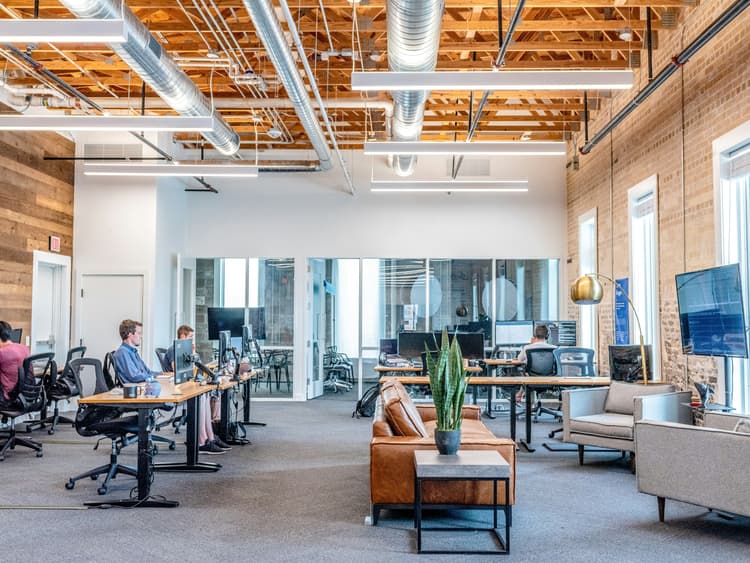

Rent Office Space in Boston
Finding office space in Boston involves balancing team size, budget, and location. Many companies, especially in technology and professional services, are actively seeking spaces that accommodate current needs while leaving room for growth.
Boston’s office market tends to concentrate around a few key neighborhoods, making proximity to other companies and transit a significant factor. Flexible terms, such as month-to-month or short leases, are becoming more common as companies remain cautious about committing long-term in uncertain times.
Here are some options currently available, suitable for a range of team sizes and lease preferences.
Workspace with White Brick in Vibrant Seaport
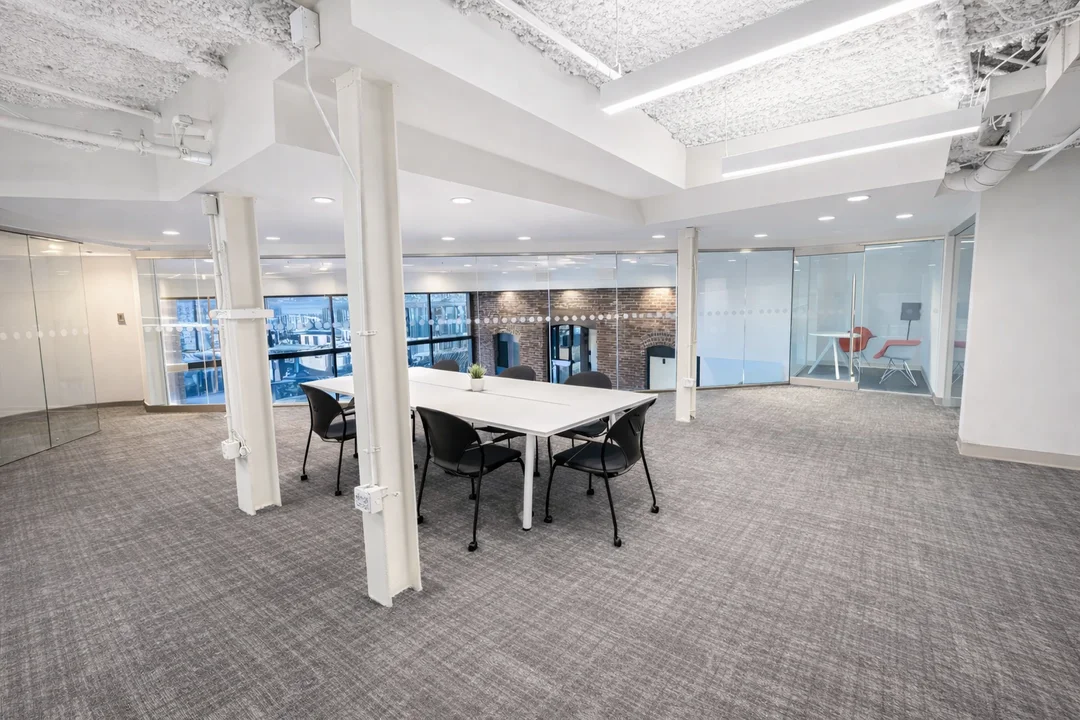
- Address: 280 Summer St, 9th Floor, Boston, MA, 02210-1131
- Team size fit: ~50
- Space type: Fully private
- Pricing: Est: $17,100/mo
Modern Startup-Friendly Office in Boston
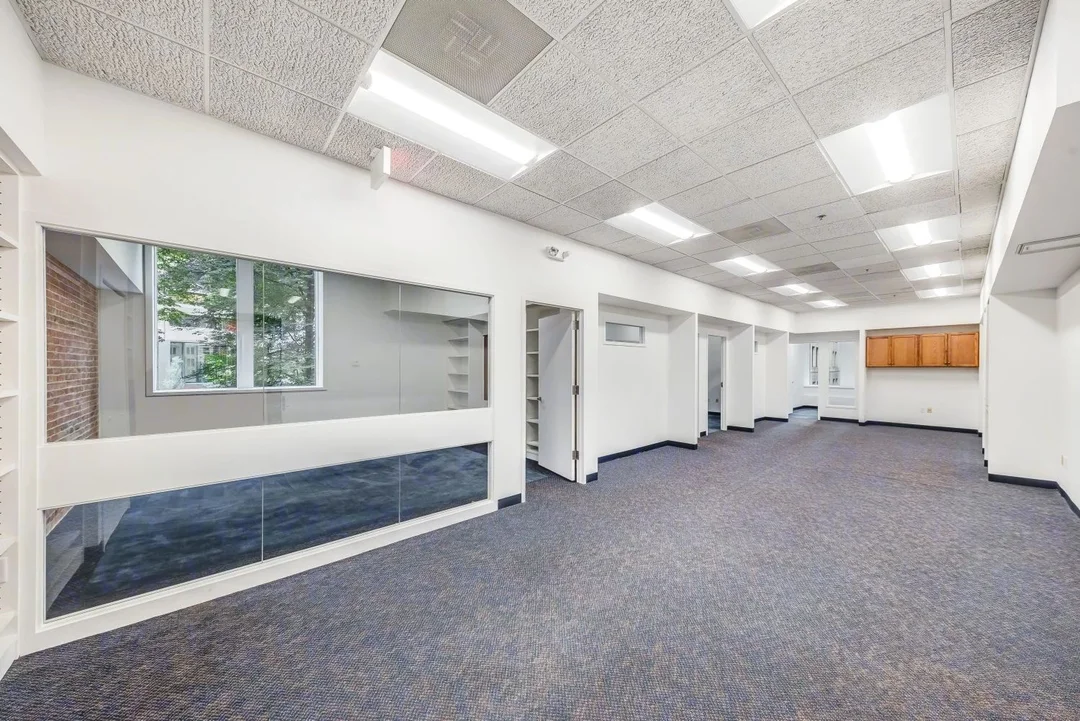
- Address: 45 School St, Suite 205, Boston, MA, 02108
- Space type: Fully private office suite
- Pricing: Est: $9,900/mo
Modern Downtown Office with High Ceilings
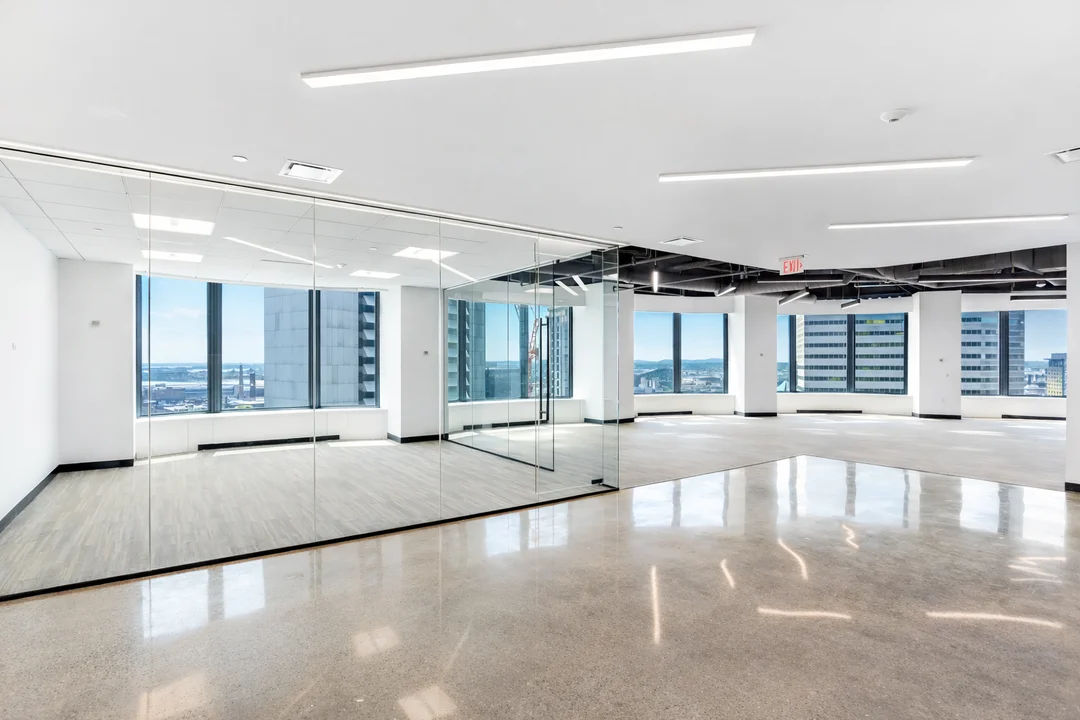
- Address: 99 High St, Partial 17th Floor, Suite 1702, Boston, MA, 02110
- Space type: Fully private office suite
- Pricing: Est: $24,271/mo
Comparing Key Features of Boston Office Spaces
Boston office options vary widely in size, lease structure, and amenities. When comparing spaces, it’s important to evaluate how lease terms align with your growth expectations — month-to-month agreements offer flexibility for smaller teams or startups navigating uncertainty, while longer commitments, such as 24-month leases, are often better suited for established companies with predictable space needs. Team size fit is equally critical, as available offices range from single-person private rooms to full-floor suites capable of accommodating 40 or more employees.
Neighborhood Advantages:
- Downtown Boston offers historic appeal, easy access to cultural hubs, and proximity to finance and legal sectors.
- Seaport is popular for tech companies preferring a modern setting with waterfront access.
- Financial District and Back Bay remain consistent choices for professional services and fast-growing firms.
- Amenities: Floor amenities like shared kitchens and lounge areas support collaborative work and employee comfort. Coworking incubators can supply startup-focused resources and networking opportunities.
- Pricing: Boston office pricing can vary extensively within neighborhoods and by building type. Affordable options exist beyond marquee high-rises and can accommodate modest budgets. For flexible space specifically, recent data puts average coworking memberships in the Boston area at around 235 dollars per month, slightly above the U.S. average, with premium private offices often priced at two to three times that level.
How to Choose the Right Office Space in Boston
Choosing office space depends heavily on your team’s size, expected growth, and operational style. To make a fitting decision, focus on:
- Scalability and lease structure: Select a space that supports future growth while fitting your current team, and prioritize flexible lease terms if headcount or business needs are uncertain.
- Location and accessibility: Consider proximity to clients, partners, and talent pools, as well as how the commute affects day-to-day operations and recruiting.
- Work style and total cost: Choose an environment that supports collaboration or focused work as needed, and evaluate the full monthly cost — including utilities and amenities — rather than base rent alone.
Tandem can help you navigate these tradeoffs by providing insights from ongoing market dynamics. It reduces friction by curating available options suited to your timing and growth stage without acting as a landlord or coworking host.
Pro tip: Look beyond cosmetic appeal. Sometimes less polished spaces offer better growth potential and cost efficiency if you’re willing to customize.
Summary
Boston offers one of the most dynamic office markets in the country, with options ranging from historic downtown buildings to modern Seaport developments and flexible suites built for scaling teams. The right office isn’t simply about square footage — it’s about aligning lease structure, neighborhood advantages, and daily workflow with your company’s stage and trajectory.
Whether you’re securing your first private office or planning for a 50-person footprint, thoughtful decisions around location, flexibility, and total occupancy cost create operational stability and room to grow. Tools like Tandem help founders compare options across neighborhoods without being limited to a single landlord or coworking model.
Ultimately, the strongest office decisions balance today’s needs with tomorrow’s growth — positioning your team for productivity, recruiting success, and long-term resilience in Boston’s competitive market.