

Private Office Space in Boston
Deciding on private office space in Boston often means balancing team size, budget, and the desire for a customized work environment. Many growing companies seek private offices to support collaboration, client meetings, and brand presentation. The premium paid for privacy reflects the value teams place on having a space they can truly call their own.
Private offices tend to appeal to firms that want to commit to growth and signal professionalism. These spaces differ from shared or coworking setups by offering dedicated control and usually longer lease terms. Tandem helps founders navigate the timing and tradeoffs inherent in selecting private office space, reducing the friction of an otherwise fragmented market.
Below are examples of private office options currently available in Boston.
Glass Panel Office with Open Layout in South Boston Center
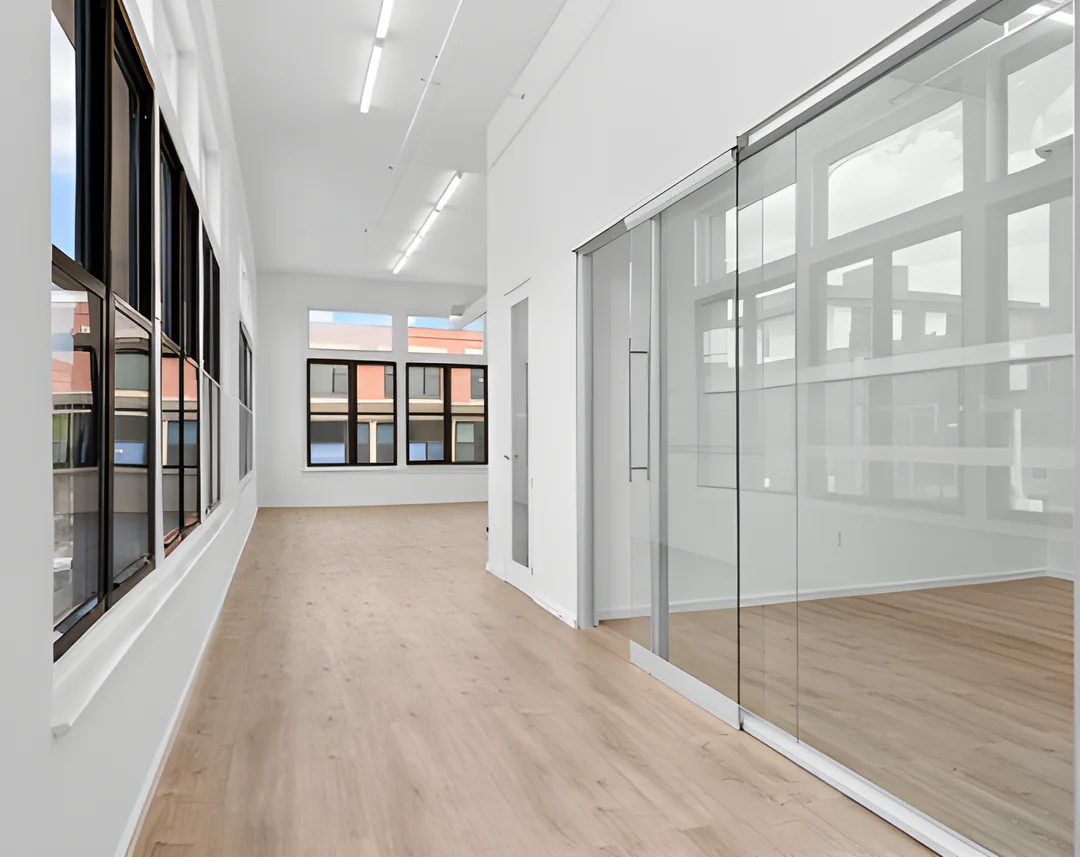
Address: 423 W Broadway
Space Type: Private office
Price: ~$5,750/mo
Bright Collaborative Office in Downtown Boston
.webp)
Address: 99 High St
Space Type: Private office
Price: ~$24,271/mo
Charming Brick Office with Natural Light in Downtown
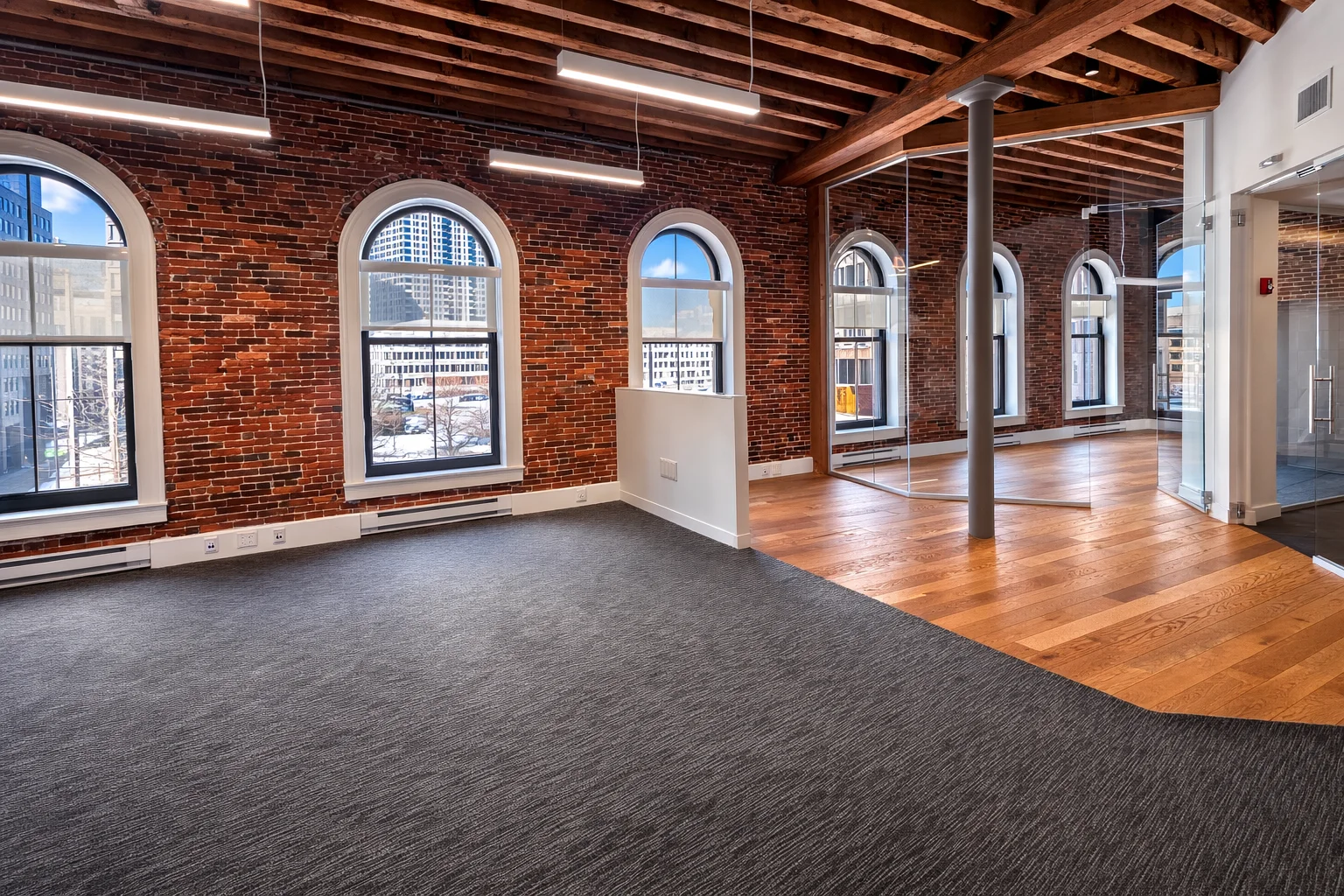
Address: 100 City Hall Plz
Space Type: Private office
Price: ~$14,331/mo
Amenities and Features
Private office spaces in Boston generally share some core features that support business operations and team productivity:
- Fully enclosed offices providing sound privacy and security
- Access to natural light and dedicated windows in many units
- Basic utilities such as internet connectivity, heating, and cooling typically included
- Common shared amenities sometimes accessible, like kitchens or lounge areas, but less extensive than shared coworking spaces
- Flexible lease terms, with longer commitments common but month-to-month options available, especially in smaller suites
- Capacity for customization to reflect company branding and functional needs
While private offices may trade some expansive communal spaces found in coworking environments, they offer a tailored setting for confidential work and client-facing professionalism. Across many flexible workspace models, private offices are again taking a central role as companies balance privacy with access to shared amenities, a shift visible in how operators are reintroducing and expanding private office offerings inside flexible spaces.
Location Highlights
Boston’s Downtown remains the dominant area for private office leasing, appreciated for its convergence of business, transportation, and city culture. Here are key location details to consider:
- Downtown Boston: The core financial and professional district, featuring easy access to multiple subway lines (Red, Orange, Silver). Ideal for teams needing visibility and client access.
- Historic Tremont Street Area: Known for cultural landmarks and an urban vibe, attractive to smaller teams seeking vibrant surroundings.
- Court Street: Central and well-connected, with proximity to startups, incubators, and an entrepreneurial atmosphere.
- Federal Street to Summer Street Corridor: Offers newer office buildings with modern amenities and sizeable spaces, suitable for medium to larger teams.
Each neighborhood delivers transit advantages, from nearby subway stations to bus routes and walkability, critical for team commutes and visitor convenience.
How to Choose the Right Private Office Space
Selecting a private office in Boston involves several practical considerations:
- Team Size and Growth: Account for current headcount and potential expansion within 12 to 24 months.
- Lease Terms: Evaluate length, flexibility, and whether starting with a smaller space that can be upgraded makes sense.
- Location Priorities: Balance proximity to clients, ease of commute for employees, and neighborhood type (historic vs. modern).
- Budget Constraints: Factor in monthly rent plus operational expenses while considering the premium for privacy.
- Required Amenities: Determine if you need features like dedicated meeting rooms, kitchen access, or advanced IT infrastructure.
- Brand and Culture Fit: Choose a space that reflects your company identity and supports internal collaboration.
Pro tip: Teams often underestimate how quickly they may outgrow a newly leased space. Planning slightly larger or with expansion options can save disruption later.
Conclusion
Boston’s private office market offers diverse options tailored to varying team sizes and budgets. From small private suites near Tremont Street to larger modern offices along Summer Street, businesses can find a setting that meets privacy, culture, and operational needs.
Private offices offer control and customization that shared spaces cannot match, making them a worthwhile investment for companies serious about growth and client engagement. Tandem’s role is to help navigate timing and tradeoffs, reducing friction in the search and negotiation process.
Balancing location, lease flexibility, and amenities will help secure a private office space that supports your team’s success in Boston’s dynamic business environment.